El Cortijo (palenque)
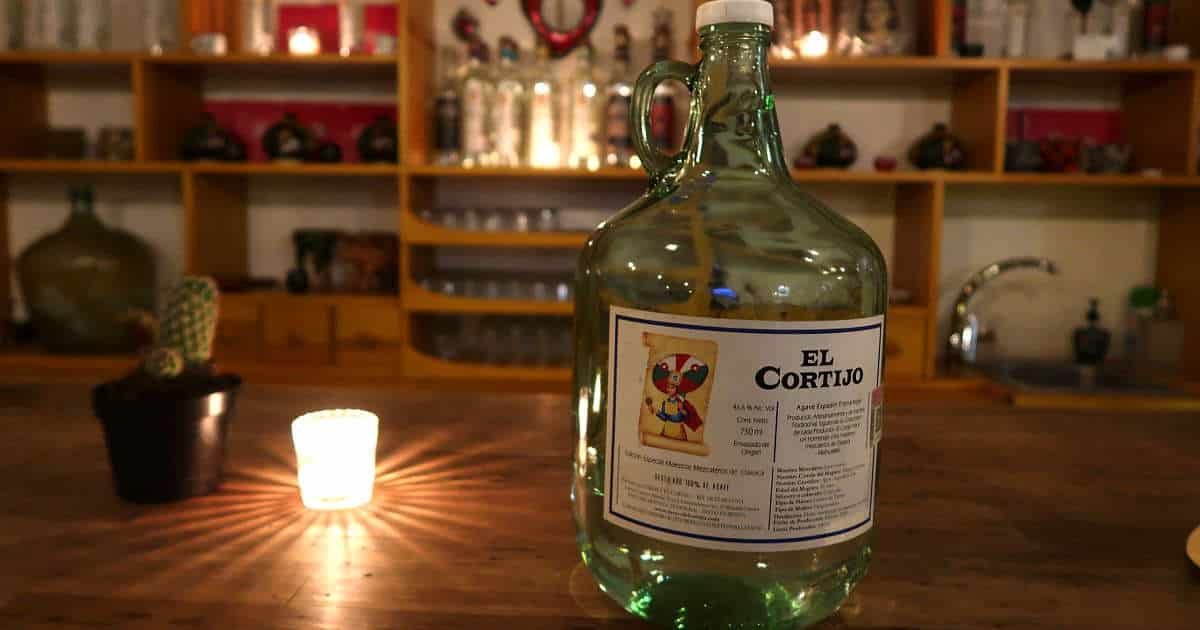
El Cortijo is a palenque in Santiago Matatlán, Oaxaca's mezcal heartland. Operating from Independencia 29 in the village that produces more mezcal by volume than anywhere else in Mexico, it sits in a small prestige tier among the town's traditional producers. Plan ahead: Santiago Matatlán rewards visitors who research producers before arriving, and recognized palenques fill their tasting slots quickly.
The Village That Defines Mexican Mezcal
Santiago Matatlán carries a specific claim that few agricultural villages anywhere can match: it produces more mezcal than any other municipality in Mexico. The main road through town is lined with palenques at every scale, from family operations running a single clay pot still to producers supplying international export brands.
Approaching a Palenque on the Mezcal Road
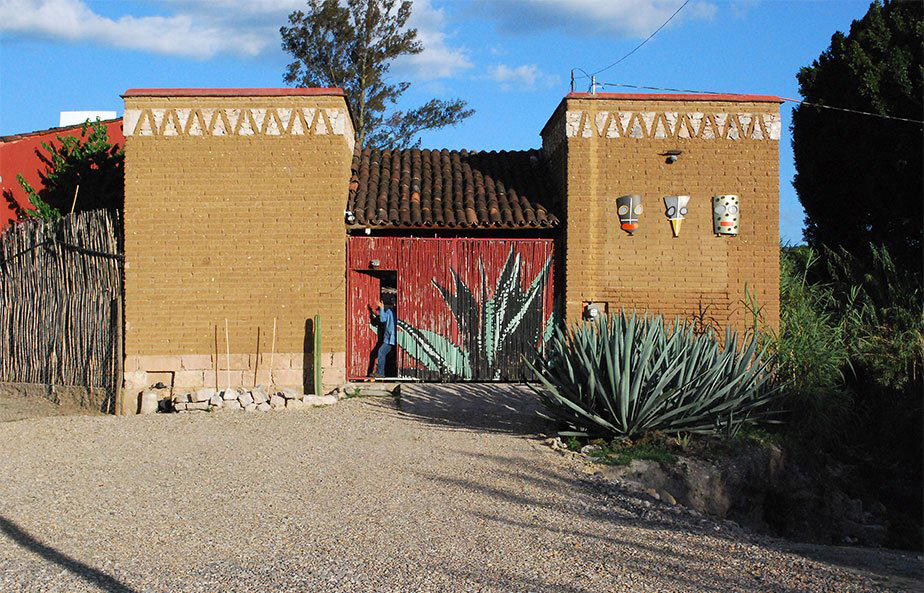
The physical experience of visiting a palenque in Santiago Matatlán follows a particular rhythm. You arrive on a road flanked by agave fields, the low scrub of espadín punctuated occasionally by the towering stalks of tobalá or tepeztate. The smell of roasting agave piñas, earthy and faintly smoky, often reaches you before the production structures come into view. Inside a working palenque, the architecture is functional: the roasting pit, the tahona or wooden mallet for crushing, the fermentation vats, and the still are arranged in a sequence that is itself a kind of map of the mezcal process. El Cortijo sits at Independencia 29, a street address that places it within the town's built fabric rather than on a rural rancho outside it, which is a meaningful distinction for visitors arriving by road from Oaxaca City.
Traditional Oaxacan mezcal production in this region relies on techniques that predate industrialization. The agave hearts are roasted in underground pits lined with hot stones, then crushed, fermented in open wooden or animal-hide vats using ambient wild yeasts, and double-distilled in clay or copper pot stills. The result is a category of spirit that carries more process variation, and more terroir expression, than nearly any other distilled category in the world.
Where El Cortijo Sits in the Santiago Matatlán Tier
Santiago Matatlán's mezcal producers divide roughly into three commercial registers. At one end, large-scale operations supply the commodity mezcal market with certified espadín at accessible price points. In the middle, a broad range of family producers make traditional mezcal of variable quality, some sold locally, some finding export through independent bottlers. At the upper end, a cluster of recognized producers work with certified agave varieties, maintain production discipline across batches, and draw the kind of formal attention that generates ratings and press coverage.
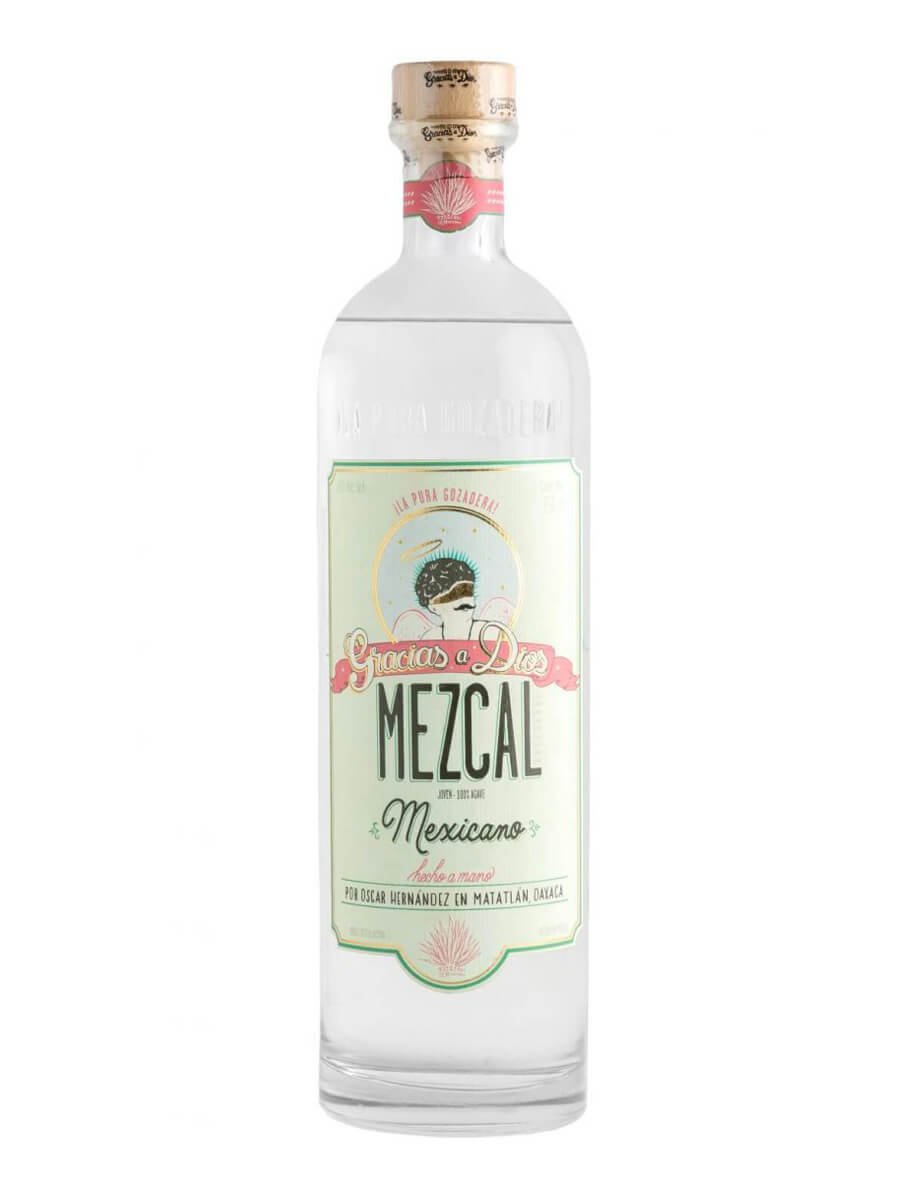
For comparison within the town's recognized scene, Gracias a Dios and Ilegal (Palenque Mal de Amor) have also developed reputations that extend beyond the Oaxacan market. The distinction between these producers and the broader pool is not just about awards; it reflects consistent batch quality, often rigorous agave sourcing, and the kind of production transparency that serious buyers and informed visitors seek out. Our full Santiago Matatlán guide covers the wider producer landscape and how to organize a visit across multiple palenques in a single day.
Mezcal Philosophy in a Production Context
The editorial angle that matters most when assessing a prestige palenque is not the biography of the maestro mezcalero but the production choices embedded in every bottle. Agave variety selection is the first and most consequential decision: espadín, which matures in seven to ten years and can be cultivated at scale, dominates the volume of what Santiago Matatlán produces. But producers working at the prestige tier increasingly work with wild or semi-cultivated varieties that take fifteen to thirty-five years to mature, a commitment that is both ecological and economic. The resulting mezcals are necessarily small-batch, often single-origin in a meaningful sense, and priced to reflect the agave investment.
Fermentation practice is the second major variable. Ambient fermentation using wild yeasts, conducted in open pine or sabino wood vats over several days, produces microbial complexity that closed stainless-steel fermentation cannot replicate. Distillation in clay pot stills, still practiced by some Oaxacan producers despite the fragility of the equipment, imparts a mineral texture that copper pot stills do not. These are craft decisions with measurable sensory outcomes, and they are the foundation on which prestige ratings in this category are built.
For context on how this production philosophy compares across Oaxacan agave spirits more broadly, the Don Amado (Arellanes family) operation in Santa Catarina Minas and the Banhez cooperative in San Miguel Ejutla illustrate how different municipalities in Oaxaca approach agave selection and still type with meaningfully different results. The category rewards producers who study across regions, and visitors to Matatlán benefit from arriving with that wider frame of reference. Meanwhile, the industrial end of the Mexican spirits spectrum, represented by operations like Jose Cuervo's La Rojeña in Tequila, Don Julio's La Primavera, Casa Herradura in Amatitán, and Cazadores in Arandas, operates on entirely different production logic. The contrast between those agave-spirit industrial facilities and a recognized palenque in Matatlán is the clearest possible illustration of why origin and method matter in this category.
Planning Your Visit
El Cortijo is located at Independencia 29, 70440 Santiago Matatlán, Oaxaca. The village sits approximately 45 kilometres southeast of Oaxaca City on the road to Tehuantepec, reachable by car in under an hour depending on conditions. Colectivos from Oaxaca City's second-class bus terminal serve the route, though for a visit across multiple palenques, a hired driver or organized tour allows more flexibility.
No phone or website is listed in the public record for El Cortijo, which is common among traditional palenques that rely on walk-in visits or word-of-mouth referrals rather than advance reservations. Market days in Oaxaca City (Saturdays) and regional mezcal fairs in November and December also provide opportunities to encounter these producers outside their home operations. Casa Cortés in La Compañía (Ejutla) is another prestige palenque worth including on a multi-stop route through the region if your schedule allows.
Frequently asked questions
Where is El Cortijo (palenque) in Santiago Matatlán?
El Cortijo (palenque) is located at Independencia 29, 70440 Santiago Matatlán, Oax. Santiago Matatlán.
What's the signature bottle at El Cortijo (palenque)?
Santiago Matatlán's production identity is anchored in espadín, and traditional palenques at the prestige tier build their reputations on how they handle that single agave variety across roasting, fermentation, and distillation. The practical approach is to visit the palenque directly at Independencia 29 and taste what is available on the day.
What's the standout thing about El Cortijo (palenque)?
Santiago Matatlán has more mezcal producers per square kilometre than any other municipality in Mexico, which makes differentiation meaningful rather than decorative. In a village where every family seemingly runs a palenque, that credential marks El Cortijo as a production operation worth a deliberate visit rather than a passing stop.
How far ahead should I plan for El Cortijo (palenque)?
Santiago Matatlán sits roughly 45 kilometres southeast of Oaxaca City on the Highway 190 corridor, making it a manageable day trip. Build El Cortijo into a broader Oaxaca itinerary with buffer time, and plan to arrive at Independencia 29 during standard daytime hours when palenques in the region typically receive visitors.
Cost and Credentials
Comparable venues nearby, for context on price, style, and recognition.
| Venue | Cuisine | Price |
|---|---|---|
| El Cortijo (palenque)This venue (the venue you are viewing) | Santiago Matatlán, Espadín, Tobalá | $10–20 |
| Macurichos | Winery | Not listed |
| El Buho | Winery | Not listed |
| Gracias a Dios | Santiago Matatlán, Espadín, Tobalá | Not listed |
| Ilegal (Palenque Mal de Amor) | Santiago Matatlán, cuishe, tepextate | Not listed |
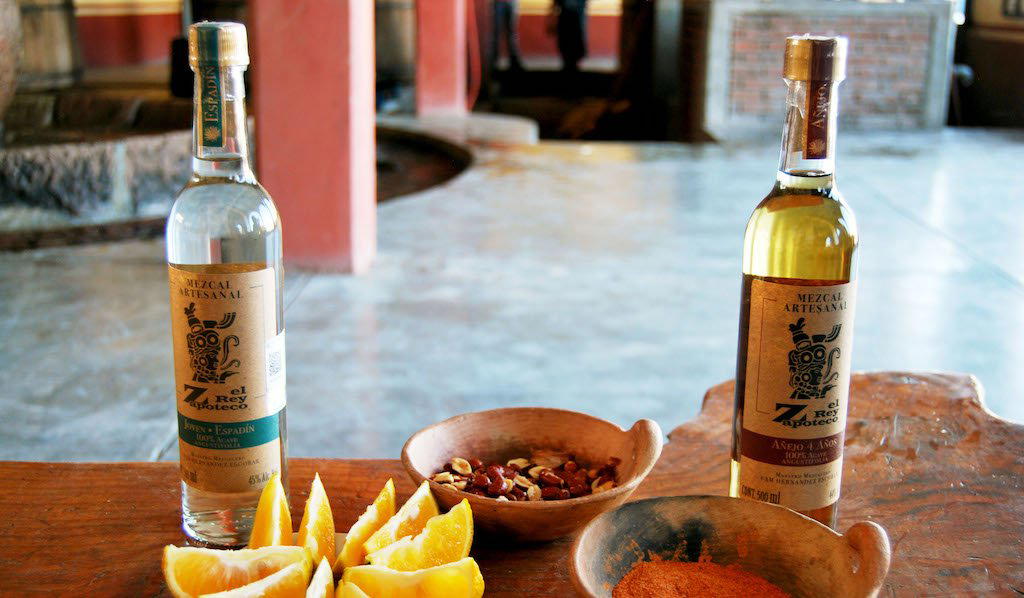
| El Rey Zapoteco | Santiago Matatlán, espadín, tobalá | Not listed |
Request a visit to El Cortijo (palenque)
Tell us when you would like to go and how many people, and we put the request to the estate and reply to you by email.
Continue exploring
More in Santiago Matatlán
Wineries in Santiago Matatlán
All wineries in Santiago Matatlán →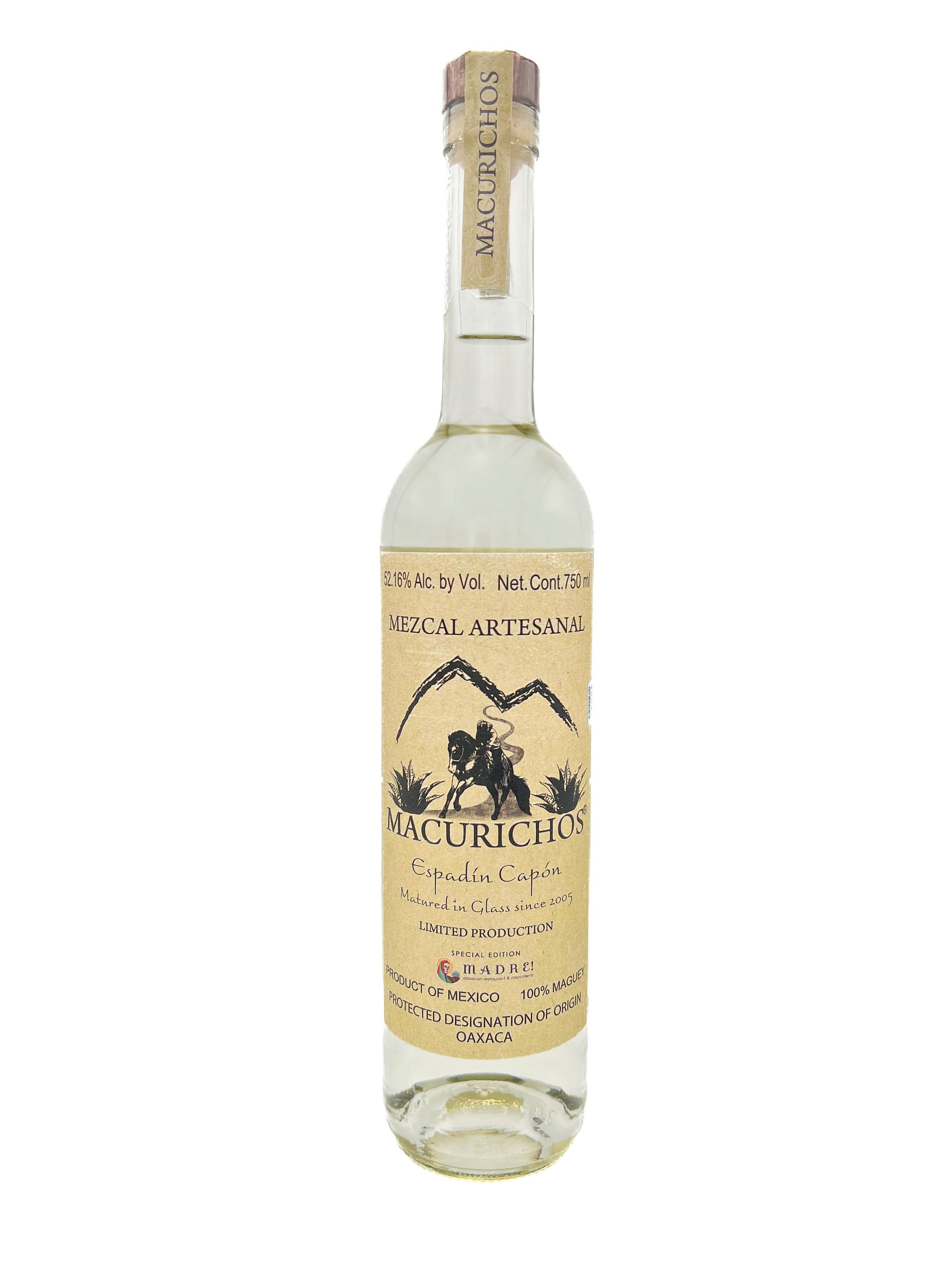
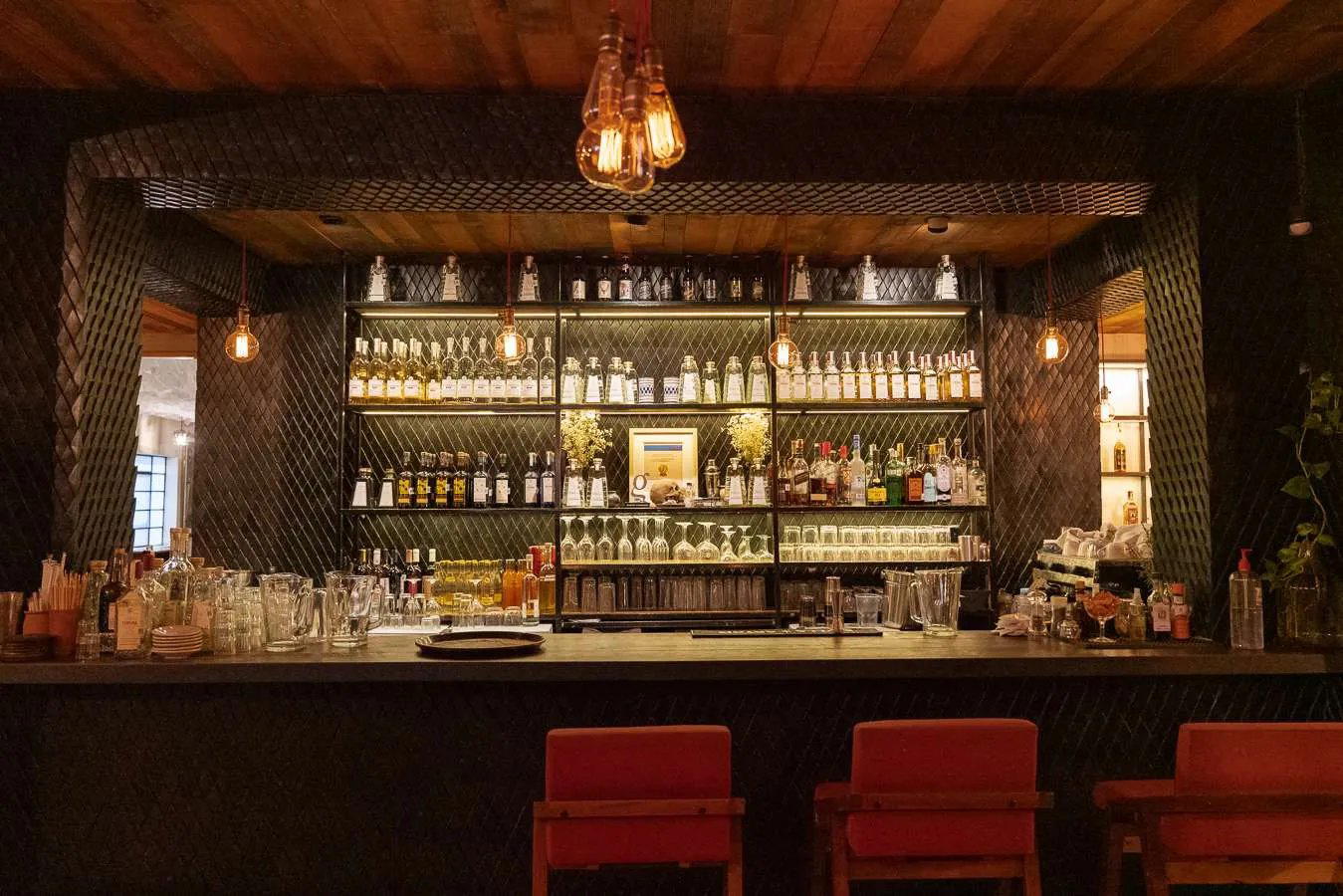
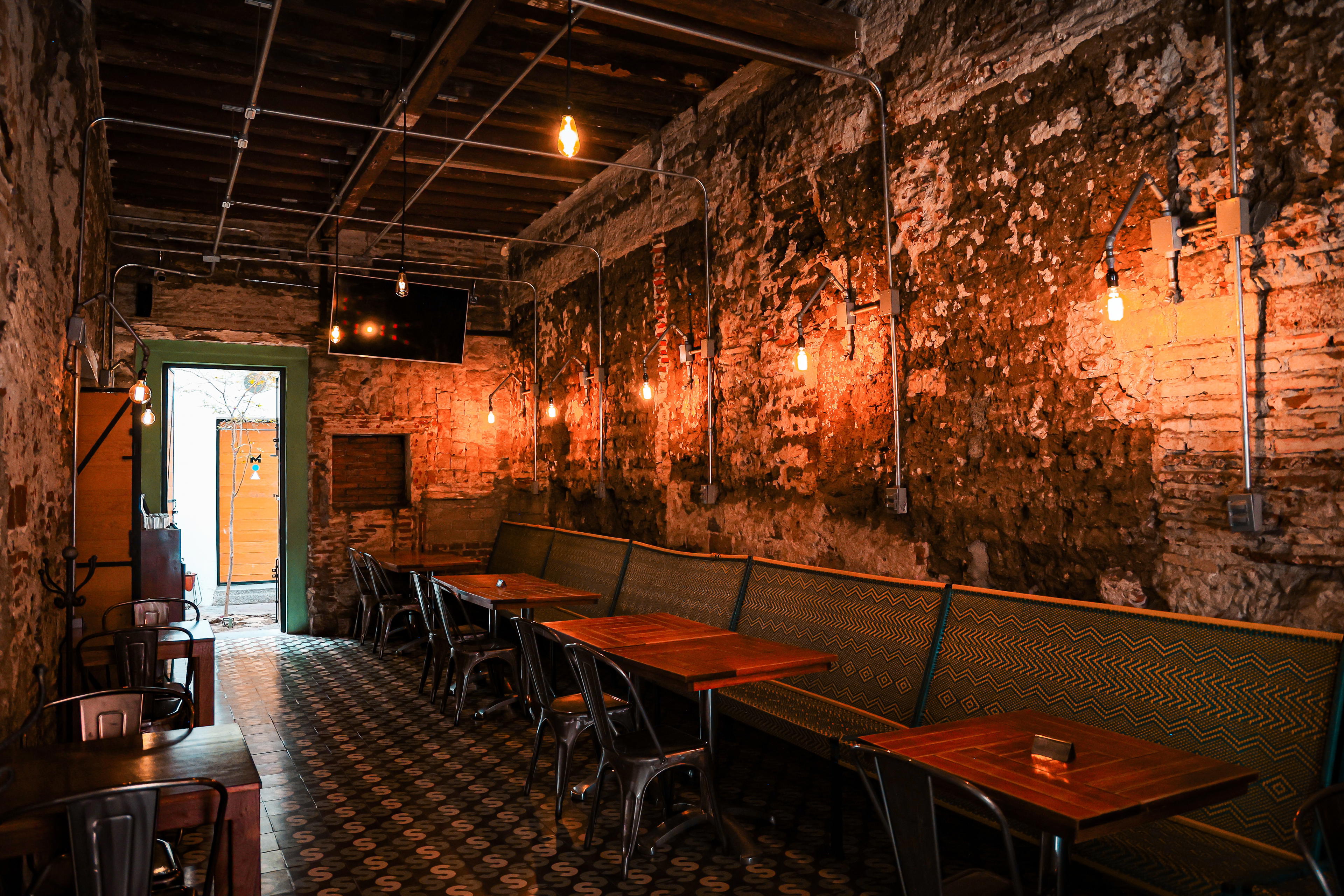
Bars in Santiago Matatlán
Browse all →

Restaurants in Santiago Matatlán
Browse all →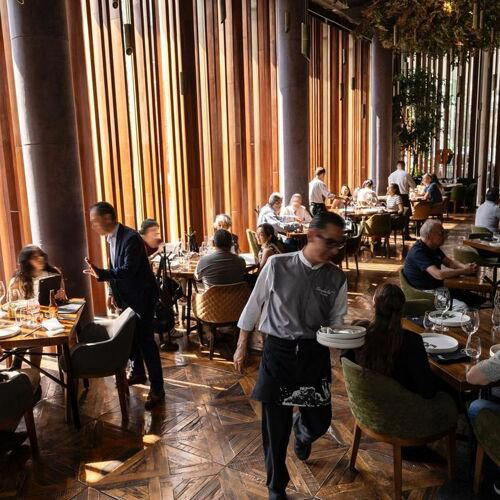
Details
- Rustic
- Intimate
- Scenic
- Wine Education
- Group Outing
- Vineyard Tour
- Barrel Room
- Vineyard
- Espadín
- Tobalá
- Silvestre
- Pechuga
- Mezcal Tasting
- Spanish
- English
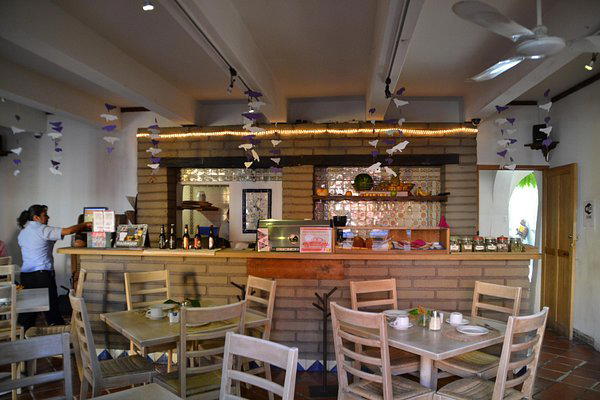
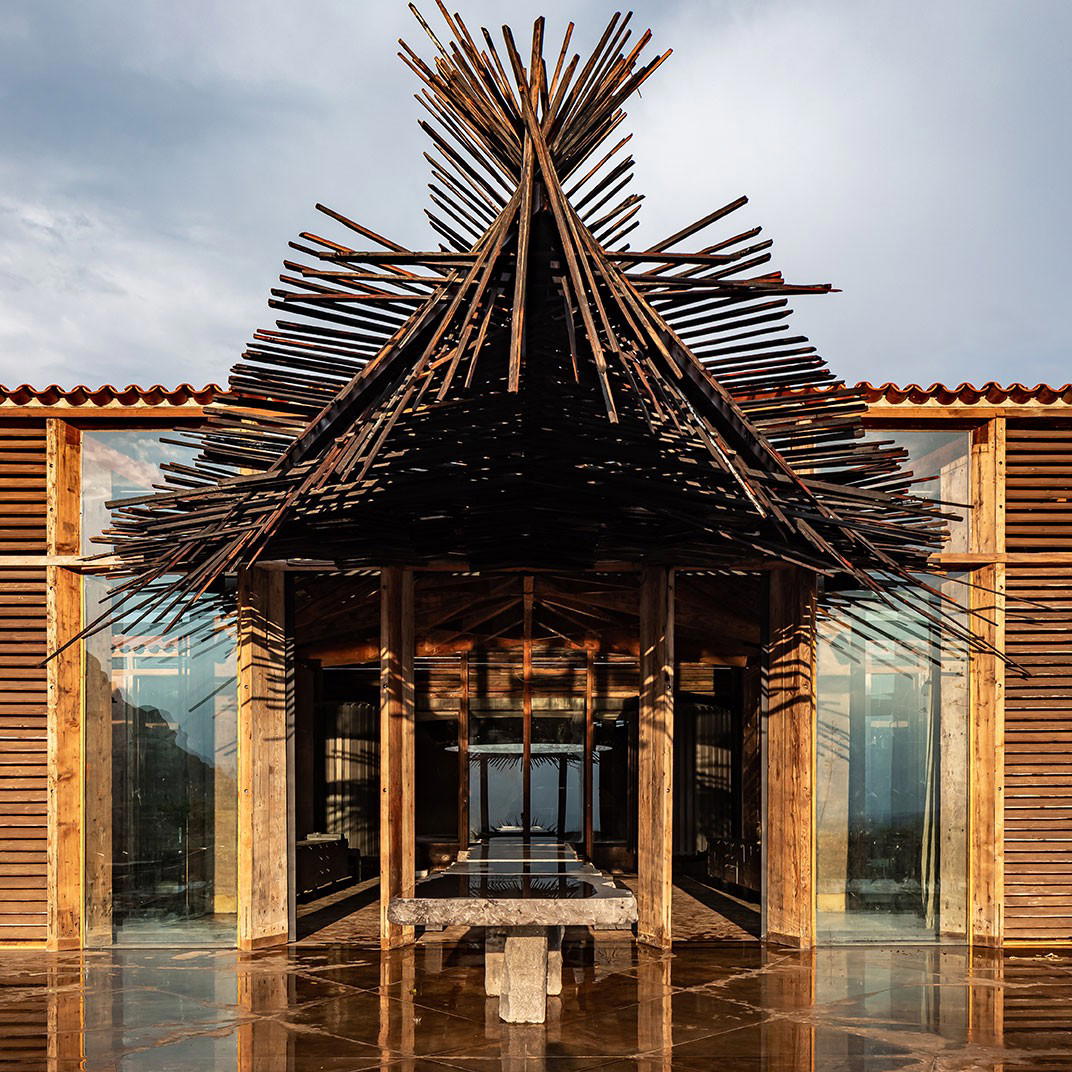
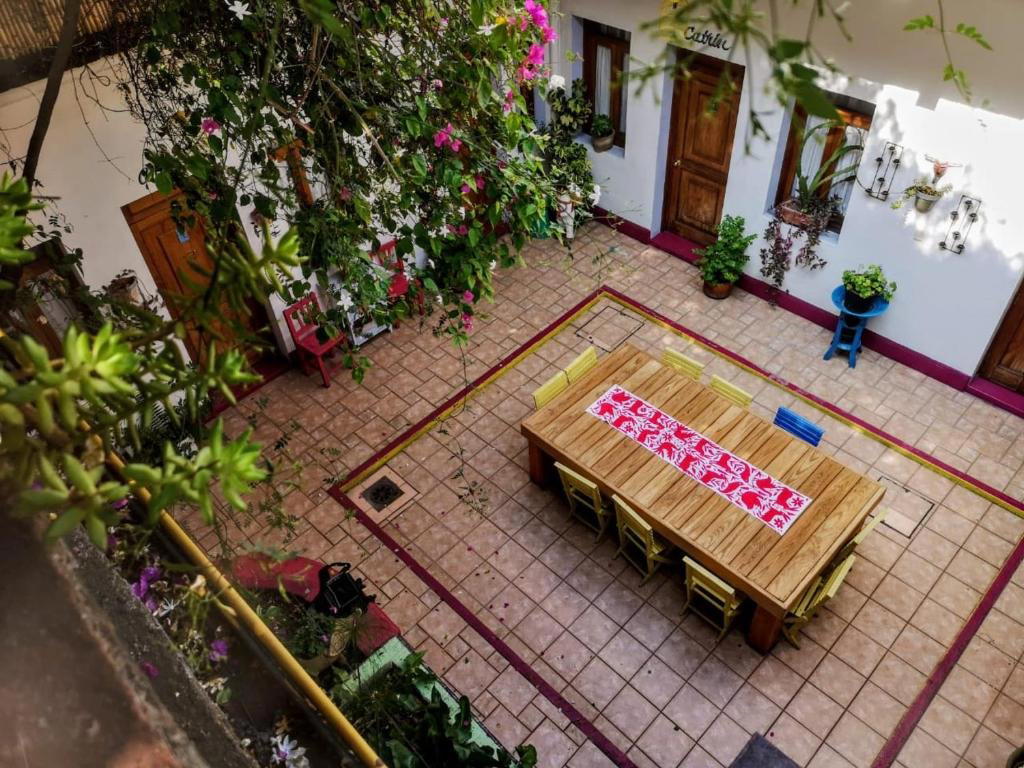
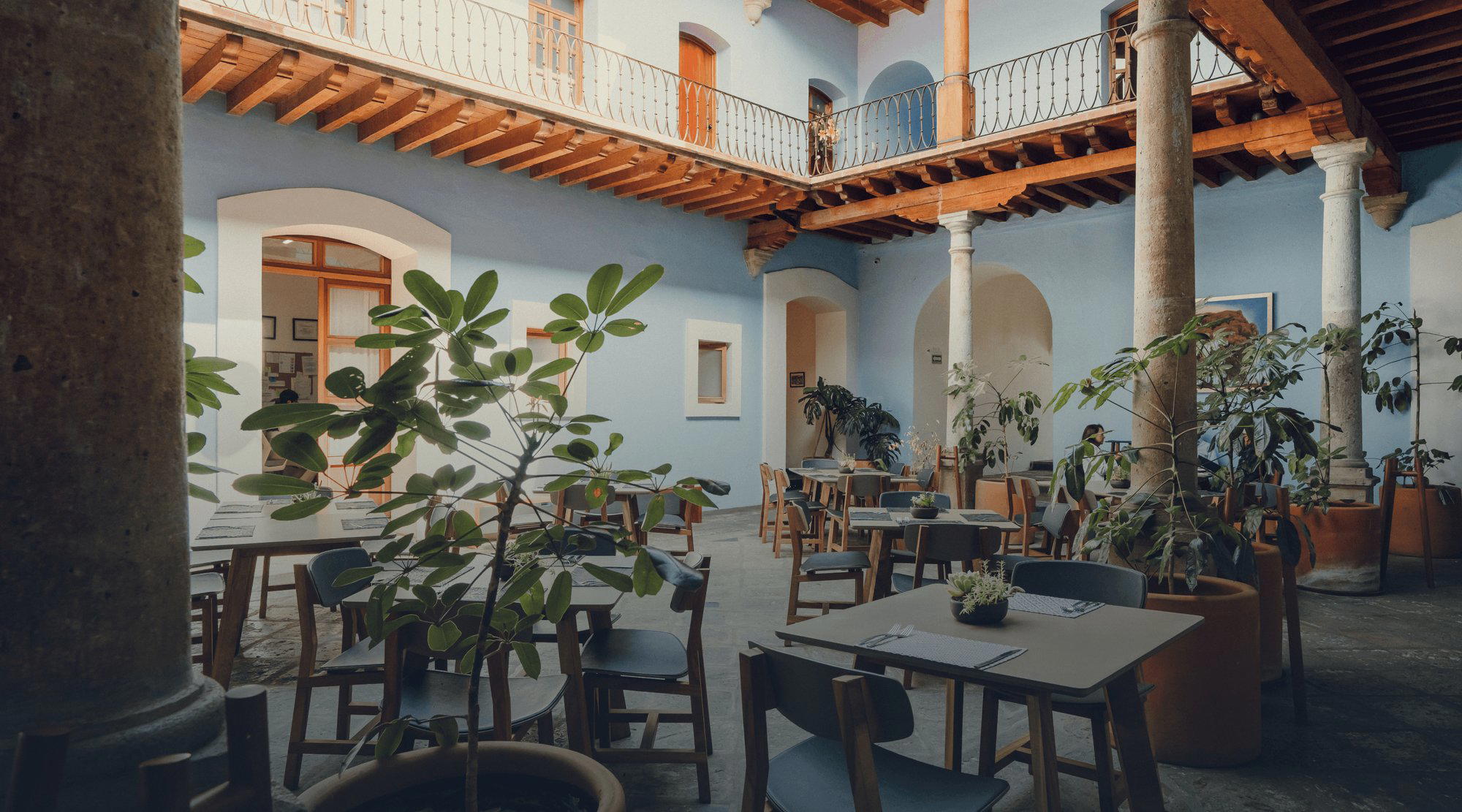
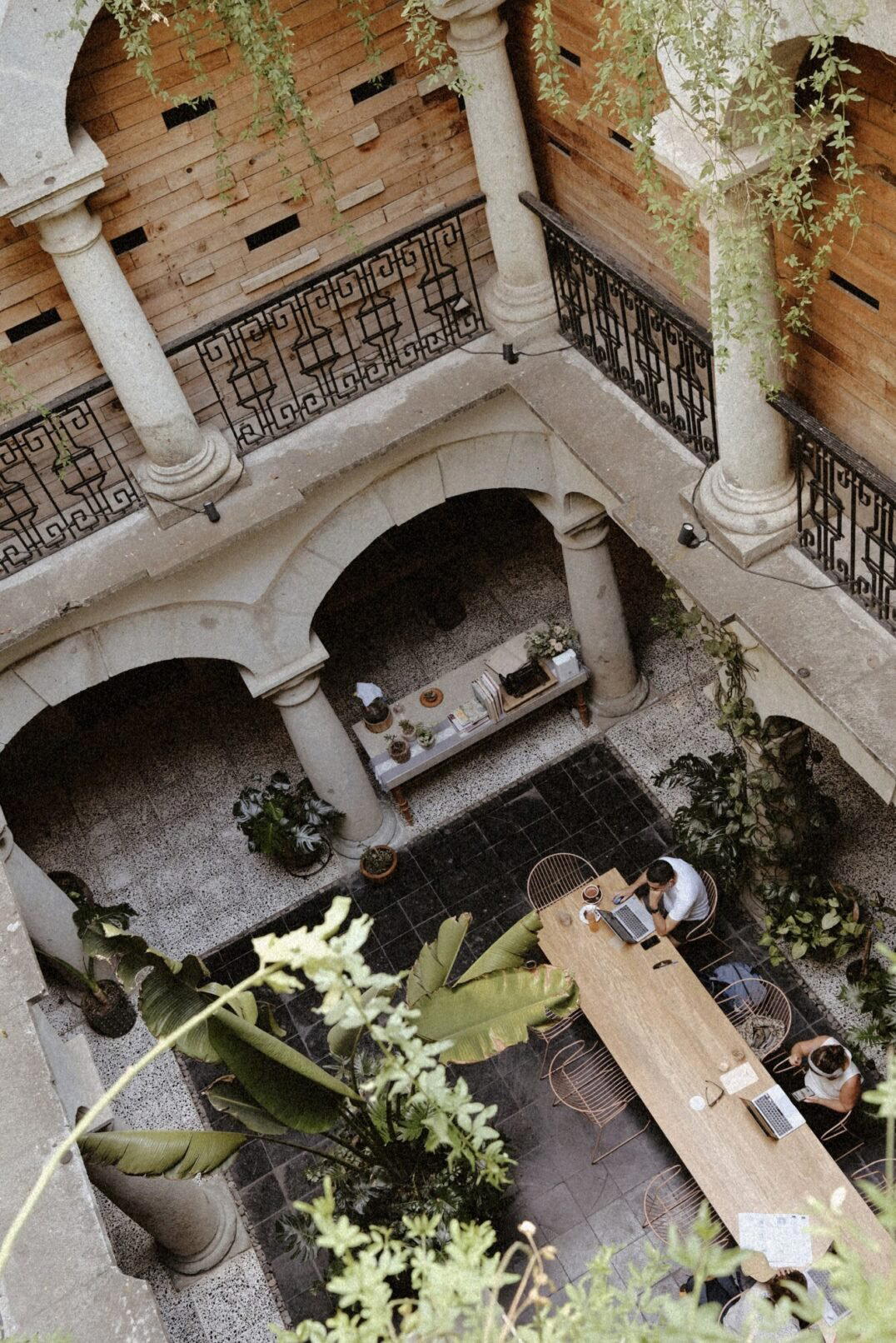
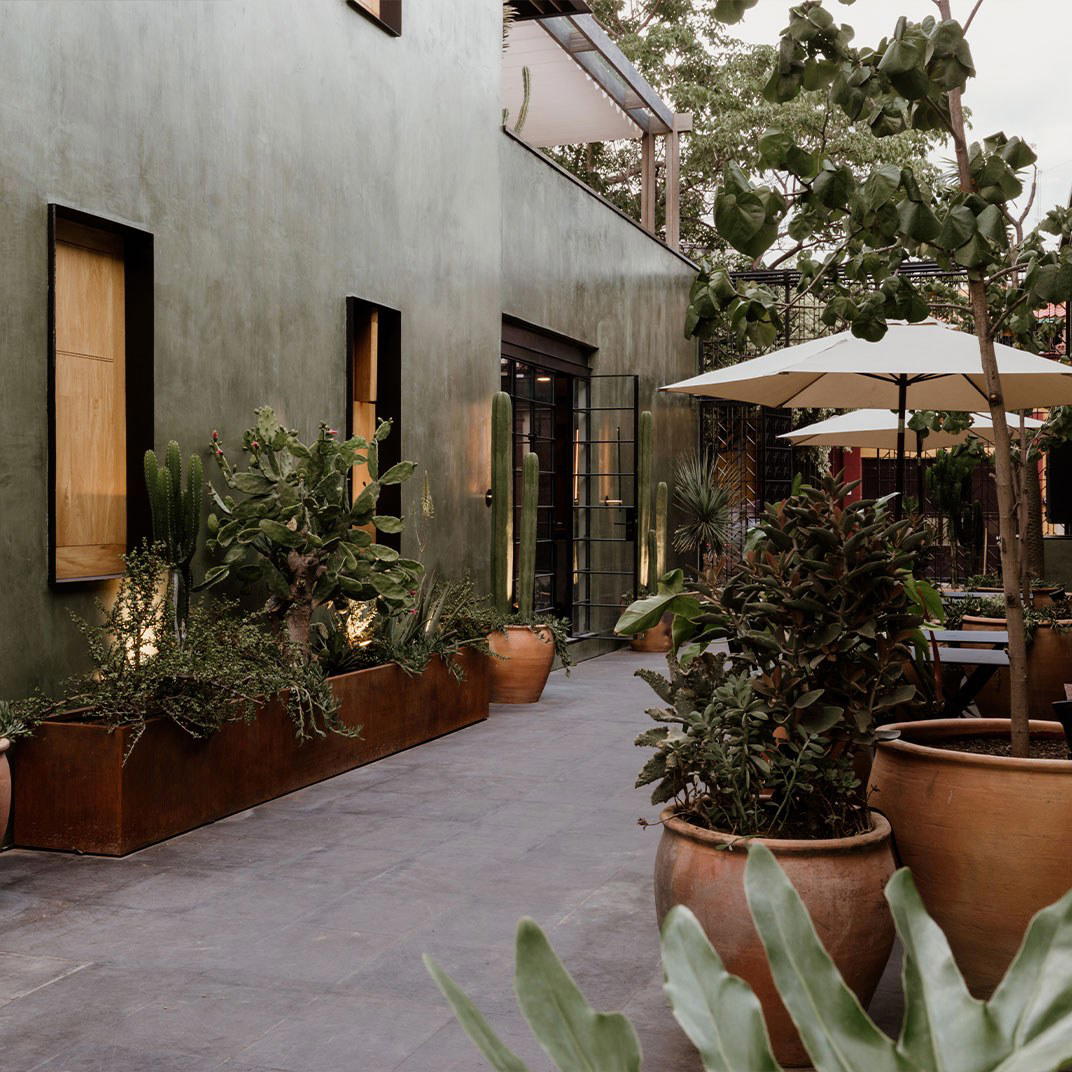
Rustic and traditional artisanal setting focused on intimate mezcal education and tasting in the heart of mezcal production.