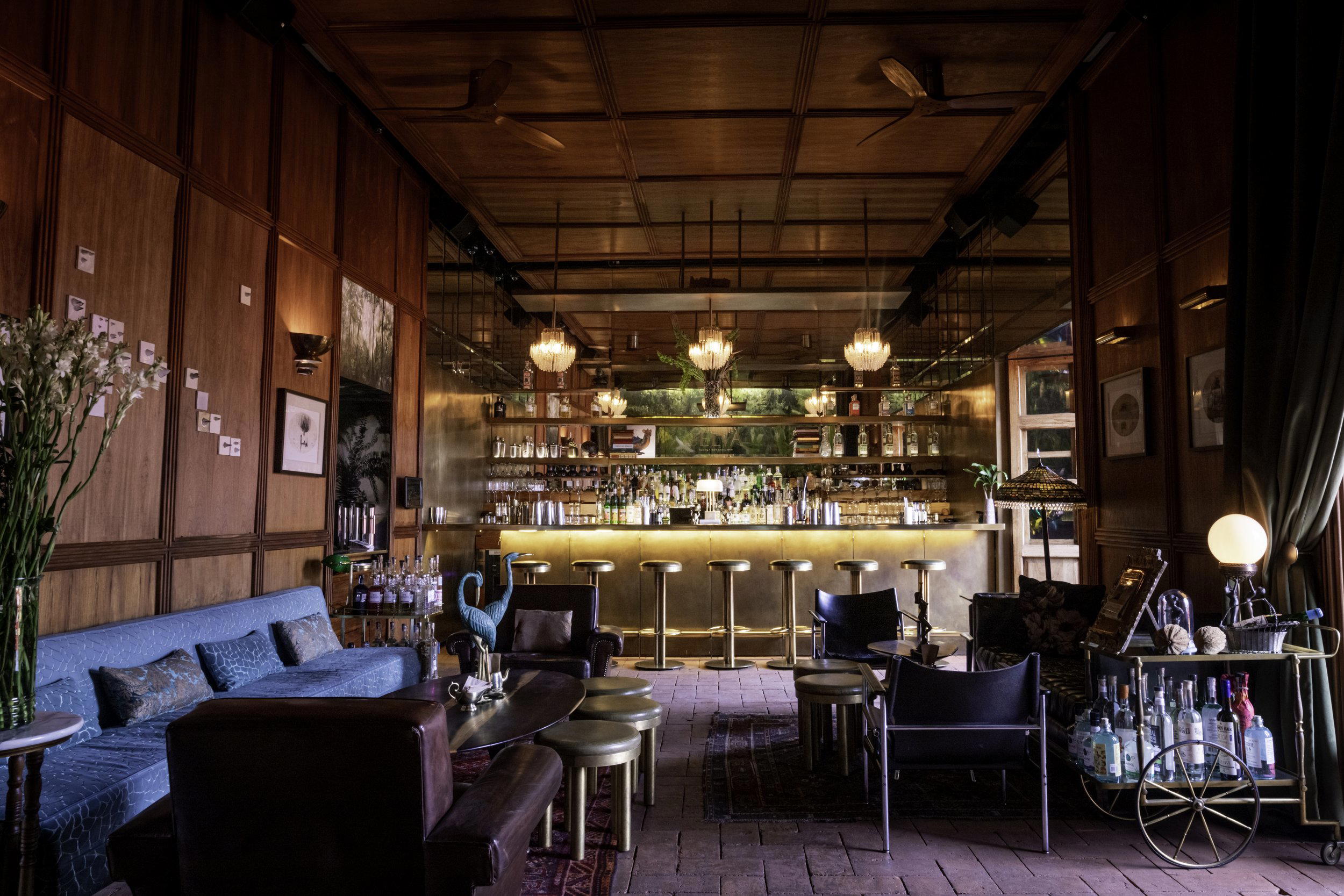
On Reforma in Oaxaca City's Centro, La Mezcaloteca functions as something between a specialist library and a tasting room — a place where mezcal is treated as a subject rather than a drink order. The selection draws from small producers across Oaxaca's diverse agave-growing regions, making it one of the most serious reference points in Mexico for understanding where the spirit actually comes from.

Pearl is the En Primeur Club membership app — saves, bookings, and concierge access live there. Same editors, same standards.
- Address
- Reforma No. 506, RUTA INDEPENDENCIA, Centro, 68000 Oaxaca de Juárez, Oax., Mexico
- Phone
- +52 951 514 0082
- Hours
- Mon–Fri 2–9 PMSat–Sun 4–9 PM
- Website
- mezcaloteca.com
- Directions
- Get directions
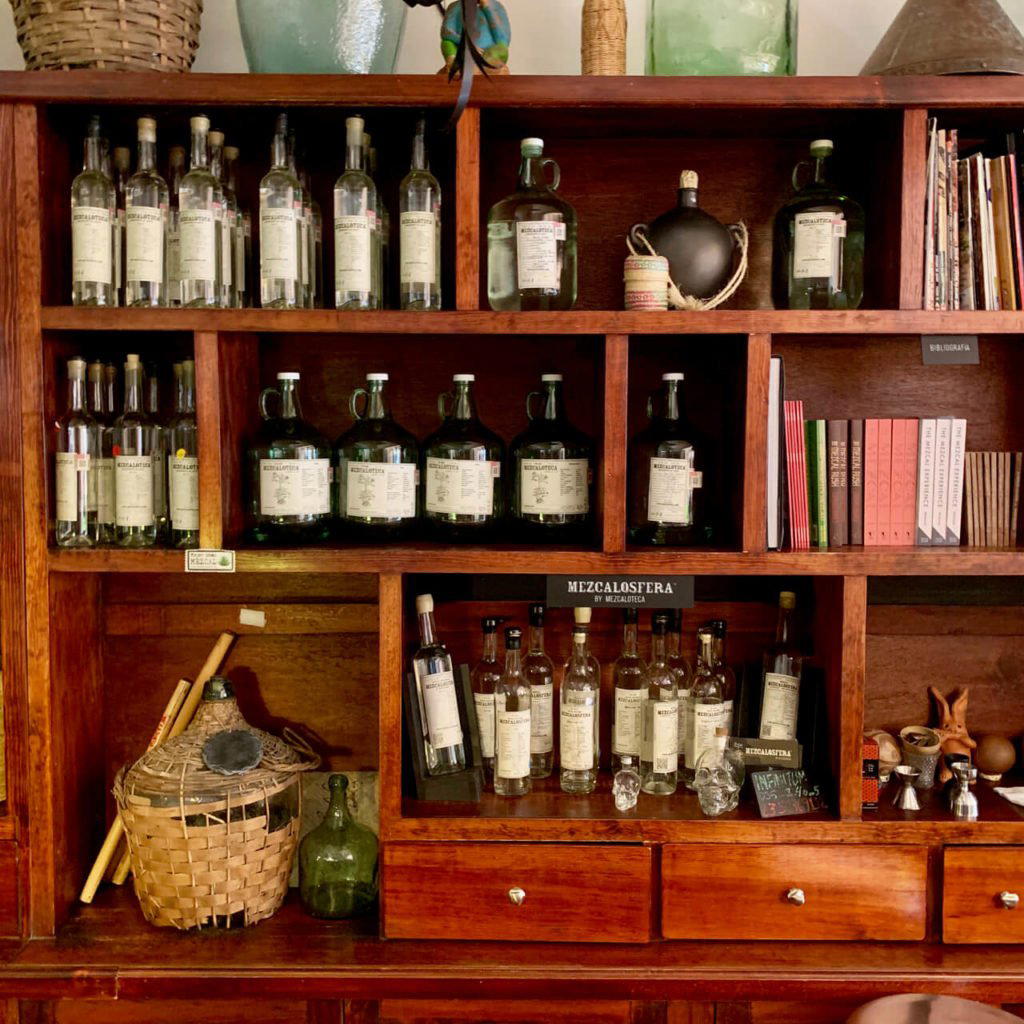
Where Mezcal Is a Subject, Not a Menu Item
Walk along Reforma in Oaxaca City's Centro and the building at No. 506 doesn't announce itself loudly. That restraint is intentional. La Mezcaloteca operates closer to a specialist archive than a bar — the kind of place where the person pouring your mezcal can tell you which valley the agave grew in, how long it took to mature, and which family distilled it. In a city where mezcal has become a global export commodity, that level of sourcing specificity is increasingly rare and correspondingly valuable.
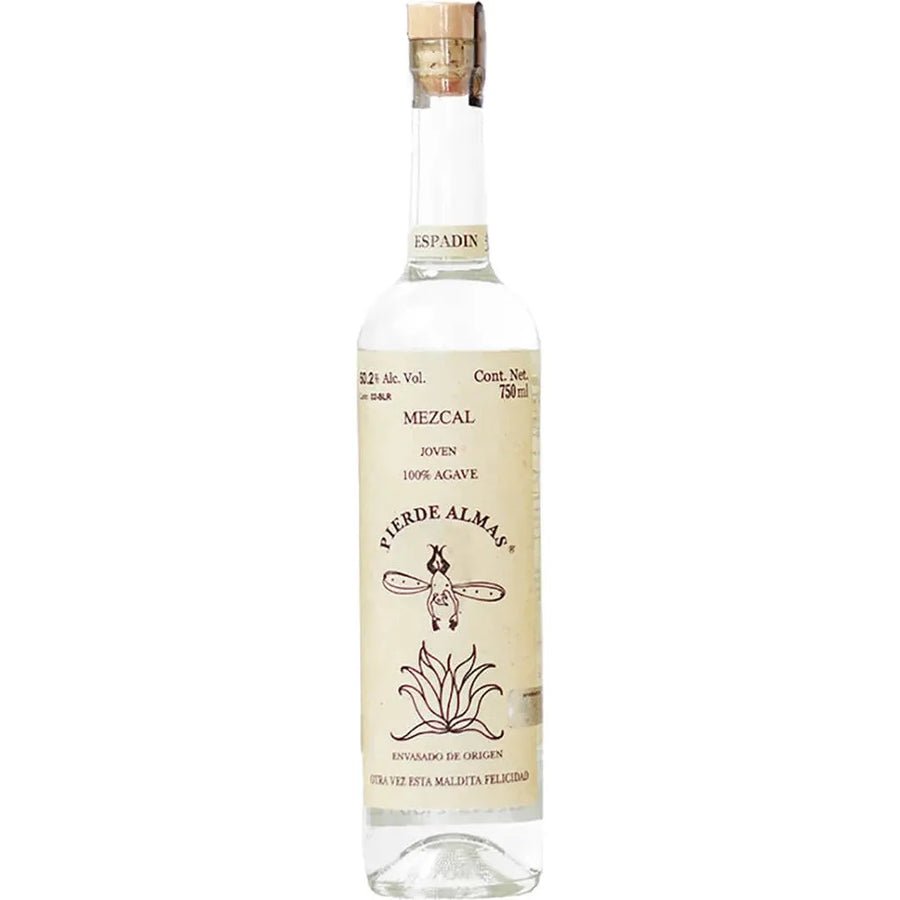
Oaxaca's relationship with mezcal spans centuries, but the commercial boom of the past two decades has complicated that history. As production scaled to meet international demand, many of the regional distinctions — between different agave species, different cooking and fermentation methods, different micro-climates, flattened into a single exportable product. La Mezcaloteca runs counter to that flattening. The selection is curated around small-production mezcals from Oaxaca's range of agave-growing zones, treating provenance not as a marketing angle but as the actual content of the experience.
The Sourcing Logic Behind the Selection
Oaxaca state covers a geographically diverse area, and the mezcals produced within it vary considerably depending on altitude, soil type, agave species, and the traditions of specific communities. The highland valleys around the Central Valleys, the Sierra Norte, the Cañada, and the coastal zones each produce spirits with distinct characteristics, even before factoring in the difference between espadin, the most commercially cultivated agave, and the slower-maturing wild or semi-wild varieties like tobalá, tepeztate, or cuishe.
La Mezcaloteca's selection is structured around these distinctions. The emphasis on small producers means the mezcals available here often come from batches too limited to reach export markets, which makes the venue a relevant stop for anyone serious about understanding the category. This is where you encounter spirits that exist primarily in regional circulation, not because they are obscure for its own sake, but because production volumes simply don't support wider distribution. For context on how this tier of specialist drinks programming compares to other serious Mexican bar formats, it's worth looking at how venues like Sabina Sabe in Oaxaca or Bekeb in San Miguel de Allende approach spirit curation, the approaches differ but the underlying seriousness is comparable.
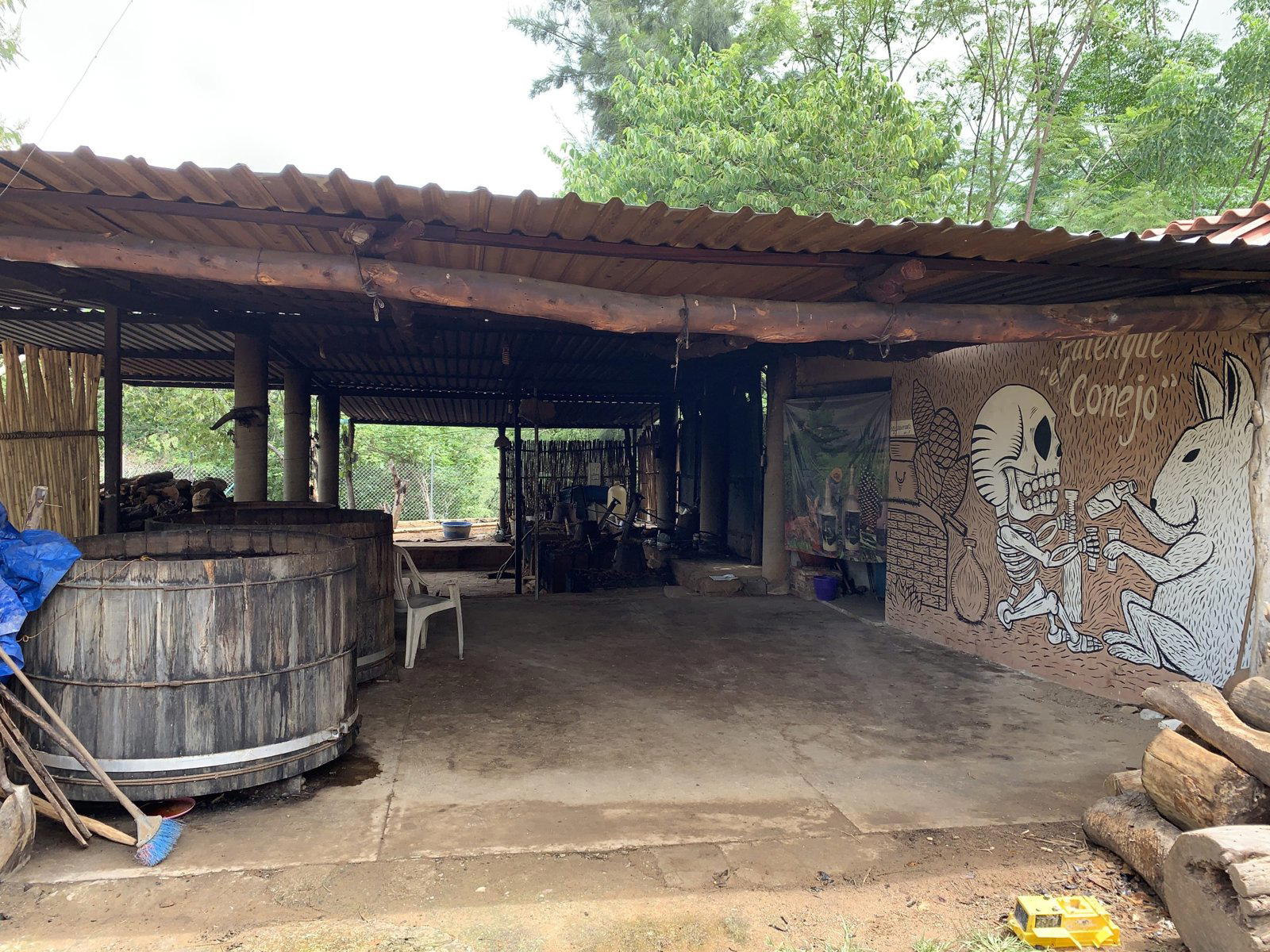
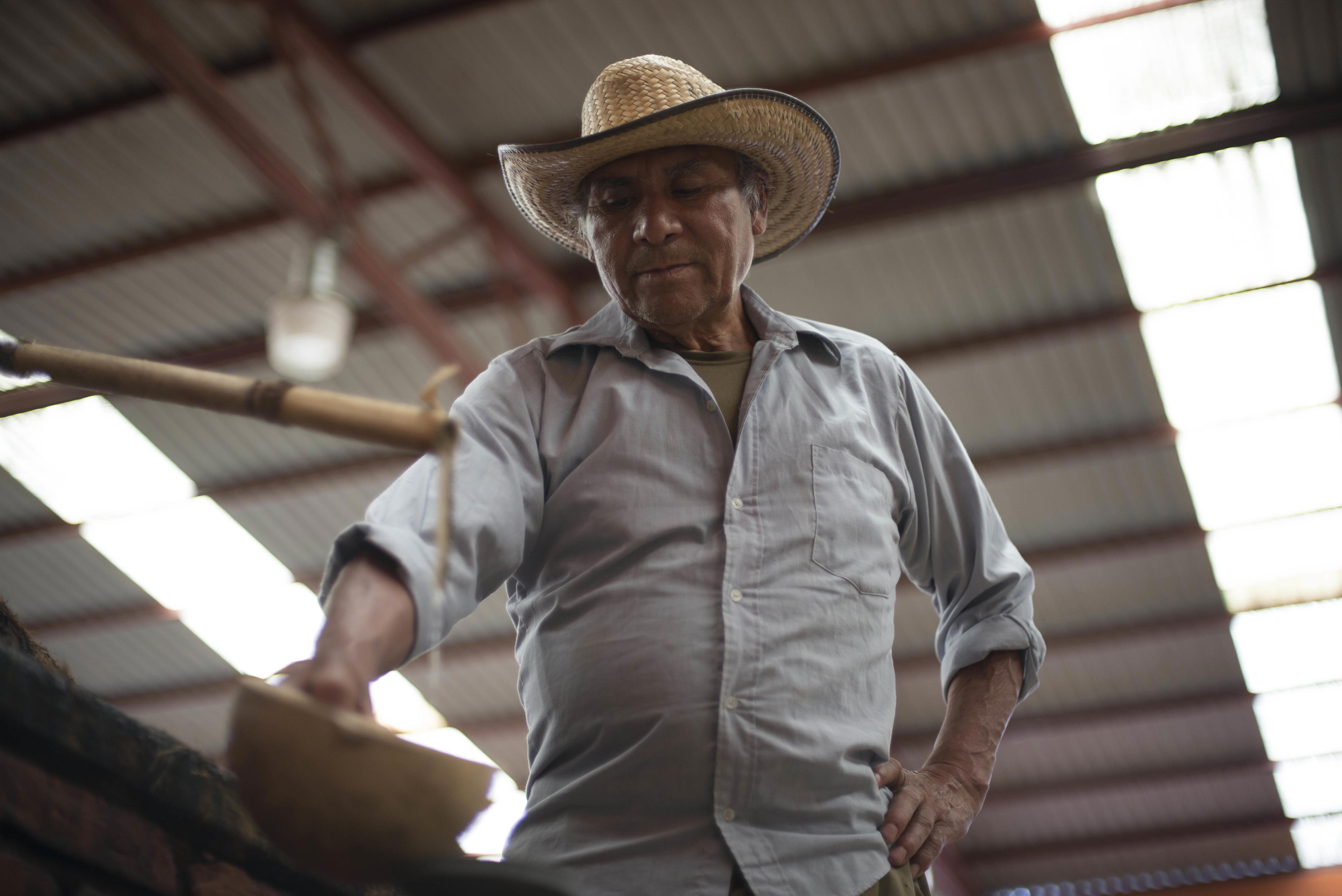
The parallel with how wine bars operate around producer relationships is a useful frame. Just as a serious natural wine program is built on relationships with specific growers rather than distributor lists, La Mezcaloteca's selection reflects direct relationships with producers in Oaxacan communities where mezcal is made using traditional methods, clay pot distillation, open-air fermentation, in-ground pit roasting, that yield spirits substantially different from those produced at industrial scale.
How the Room Works
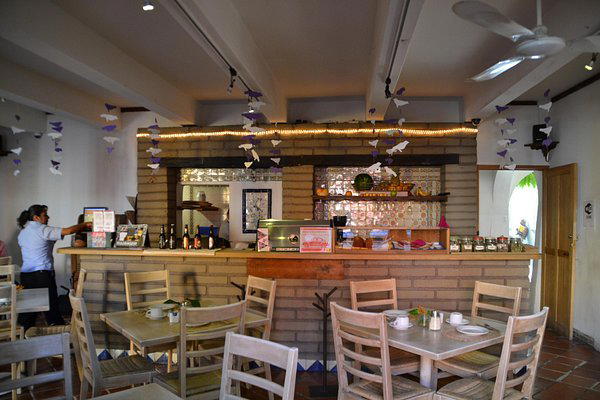
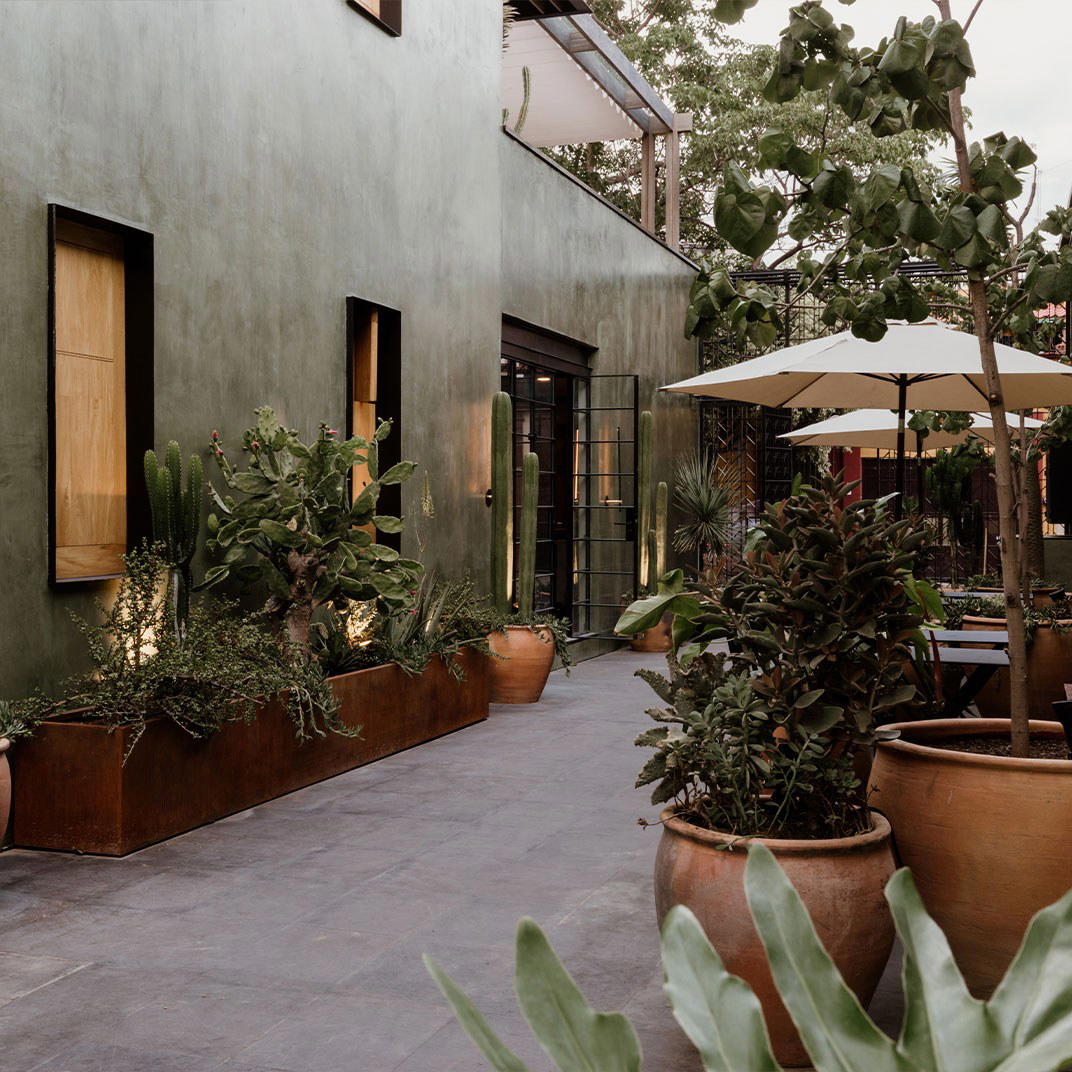
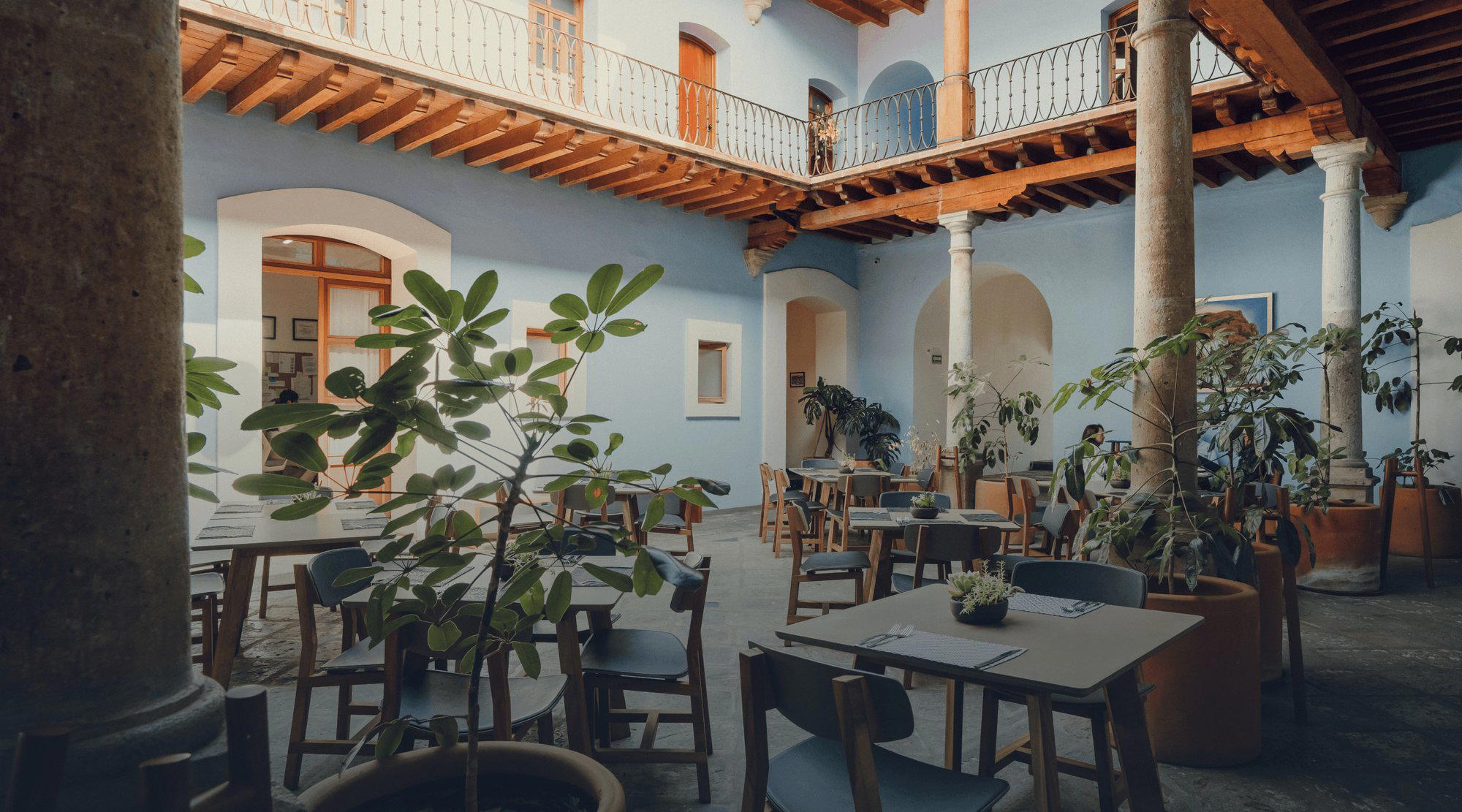
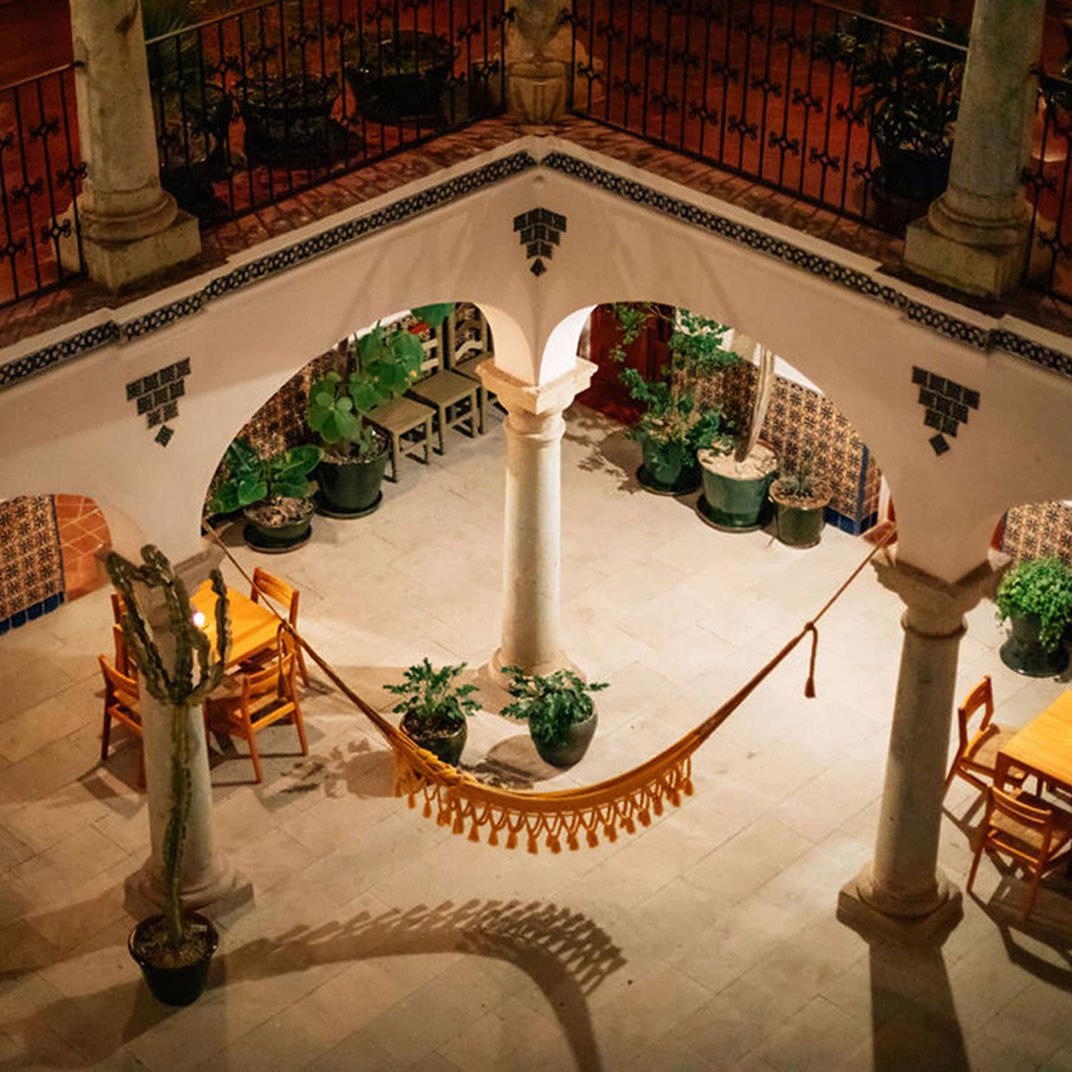
The physical format reflects the curatorial approach. This is not a large room designed for high turnover. Seating is limited, the pace is deliberate, and the default mode of engagement is conversation. The staff function as guides rather than servers in the conventional sense, the expectation is that you'll ask questions and receive detailed answers. That format suits visitors who arrive with genuine curiosity; it is less suited to anyone expecting speed or a broad cocktail menu.
Tasting-room format, common in wine regions and increasingly adopted by serious spirits venues, works well here because mezcal genuinely requires context to be understood at this level. The difference between an espadin from the Valles Centrales and a wild tobalá from higher elevation is not self-evident without background, and La Mezcaloteca's format builds that background into the visit. In that sense it sits closer to an educational experience than a conventional bar, though the distinction blurs in practice.
For comparison, specialist agave bars elsewhere in Mexico, like Zapote Bar in Playa del Carmen or La Capilla in Tequila, operate within regional traditions of a different kind. La Capilla's history is tied to the Paloma and tequila's industrial heritage; Zapote has built a contemporary agave program for an international tourist base. La Mezcaloteca occupies different ground: deeply local, producer-forward, and structured around Oaxacan mezcal specifically rather than the agave spirits category broadly.
Oaxaca City's Drinks Scene in 2024
Oaxaca City has developed into one of Mexico's more interesting drinking destinations over the past decade, partly because the city's food and producer culture creates the conditions for serious ingredient-driven programming. The broader scene covers a range of formats: Amá Terraza operates with a rooftop format suited to the city's social scene; Boulenc crosses the line between bakery, wine bar, and community space; Cafe Los Cuiles anchors a coffee-forward daytime identity; and Elotes y Esquites El Llano represents the street-food end of the spectrum. La Mezcaloteca sits apart from all of these, not better or worse, but serving a distinctly different function.
That diversity of format is one of the things that makes Oaxaca City worth spending time in as a drinks destination. You can move in a single evening from street food to a tasting room with the depth of a specialist library, which is a range few Mexican cities can match. Our full Oaxaca City restaurants guide maps out how these venues sit relative to each other and the city's broader hospitality character.
For those travelling beyond Oaxaca and looking for comparable specialist formats, the Mexican agave category has produced some serious programming in other cities. Arca in Tulum and Aruba Day Drink in Tijuana both approach provenance with genuine specificity, though in different registers. Internationally, Bar Leather Apron in Honolulu demonstrates how the specialist spirits format translates to markets far removed from the source regions, a useful comparison point for understanding what La Mezcaloteca offers that a technically accomplished international bar cannot.
Planning Your Visit
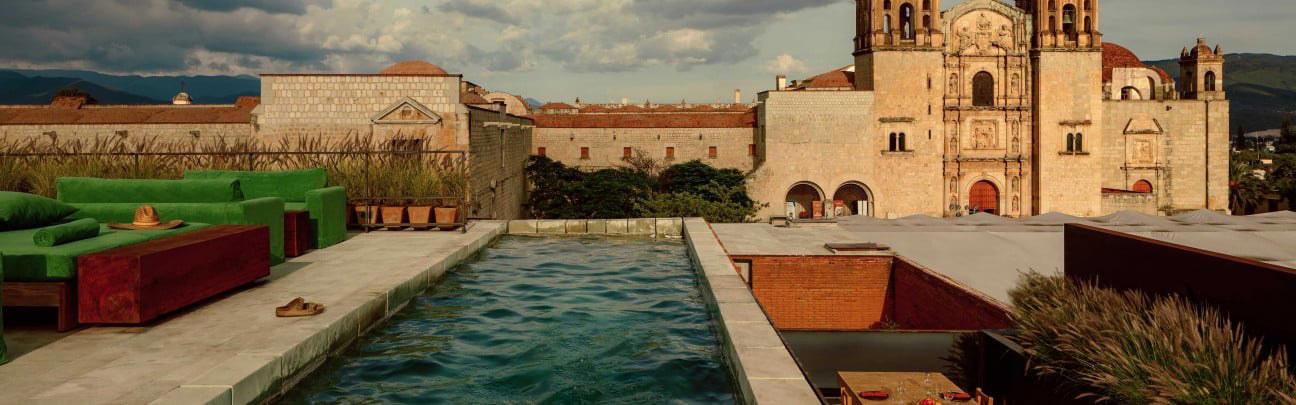
La Mezcaloteca is on Reforma No. 506 in Oaxaca City's Centro, walkable from the Zócalo and the main concentration of the city's restaurants and cultural sites. Given the limited capacity and the format's dependence on unhurried engagement, arriving during quieter periods, early evening on weekdays, or outside peak tourist season in July and December, gives you the leading conditions for the experience to work properly. The venue is not structured for walk-in crowds, and the quality of any visit scales directly with how much time and attention you bring to it.
How It Stacks Up
| Venue | Cuisine | Price |
|---|---|---|
| La MezcalotecaThis venue — the venue you are viewing | This venue | $20–30 |
| Amá Terraza | Not listed | $20–30 |
| Expendio Cuish Díaz Ordaz | Not listed | $1–10 |
Continue exploring
More in Oaxaca
Bars in Oaxaca
Browse all →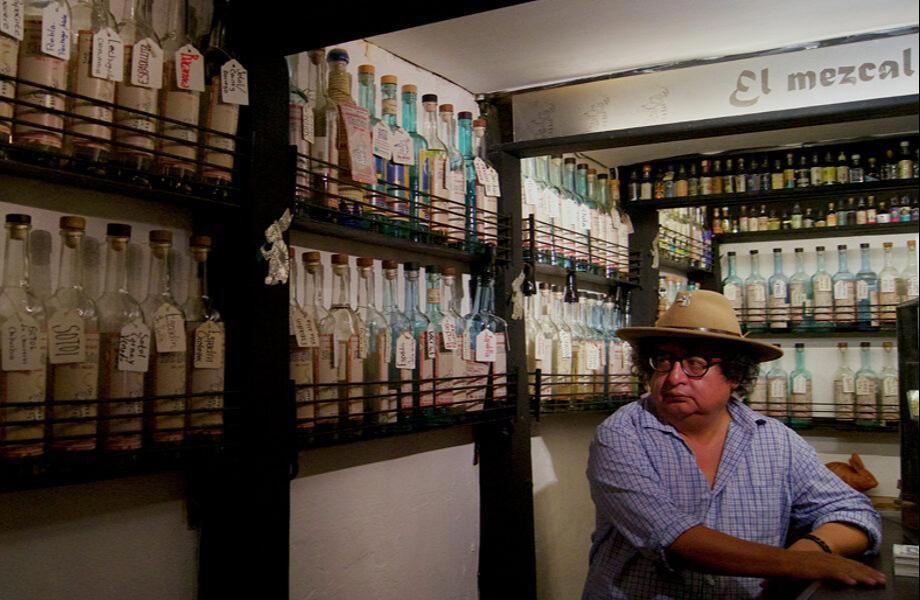
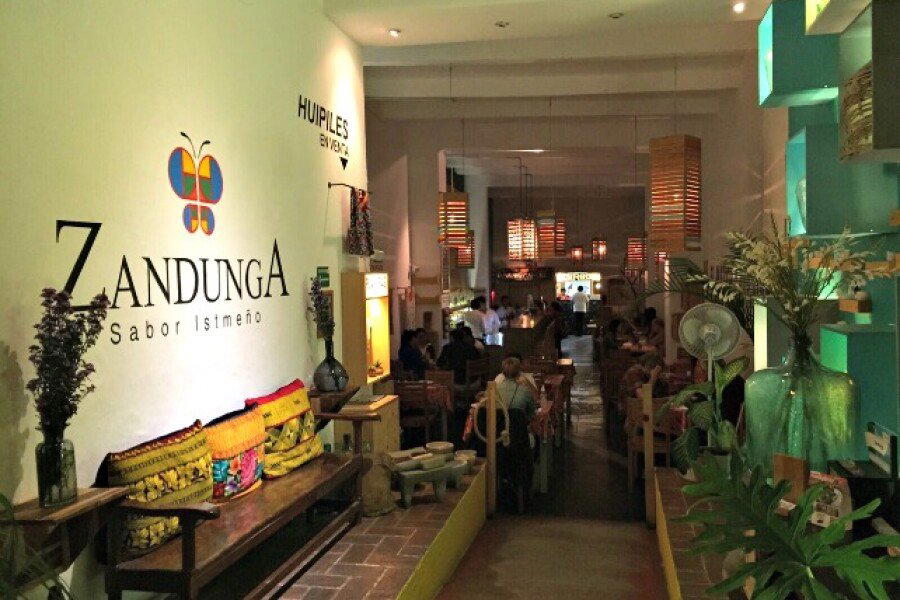
Restaurants in Oaxaca
Browse all →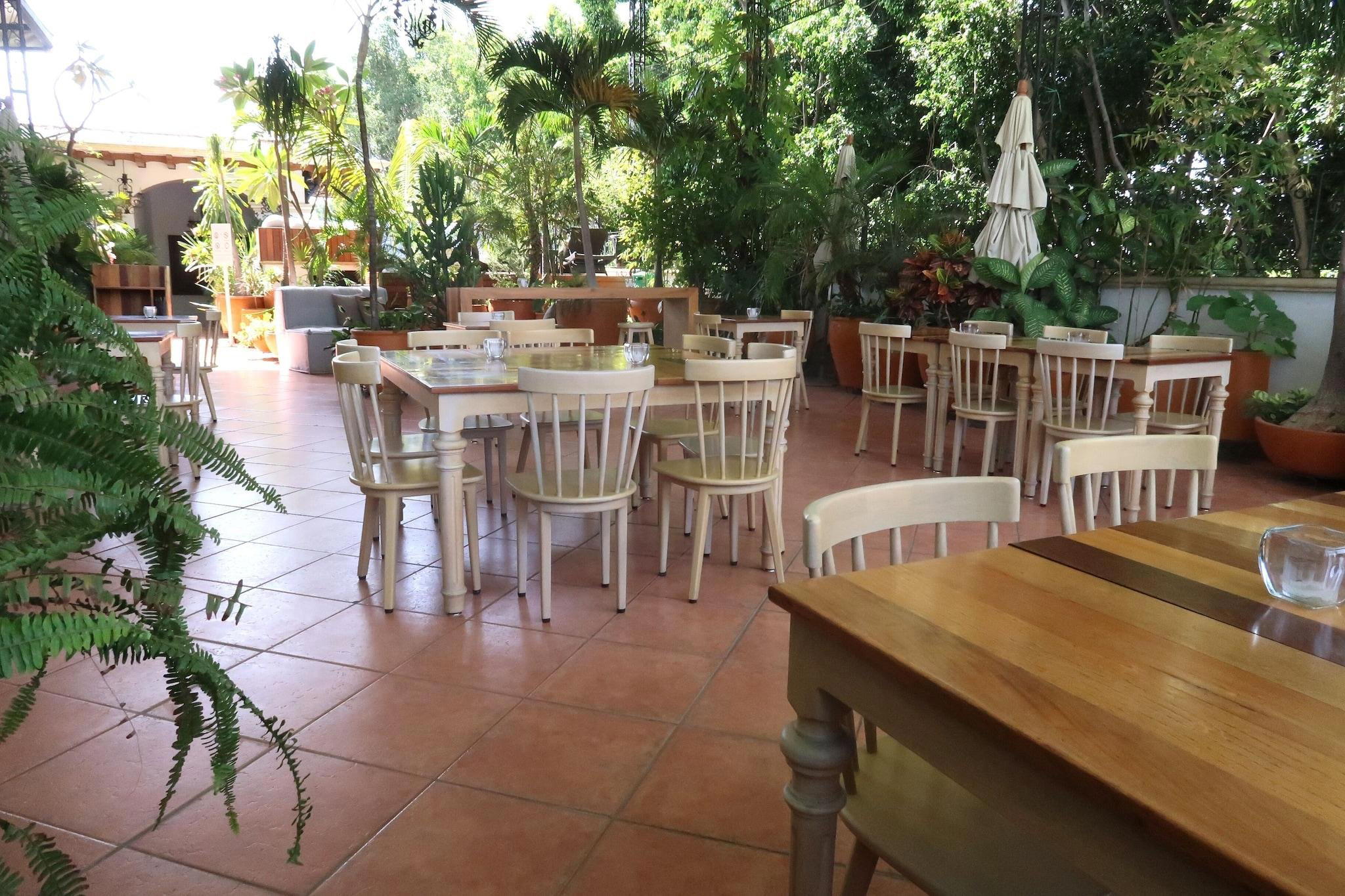
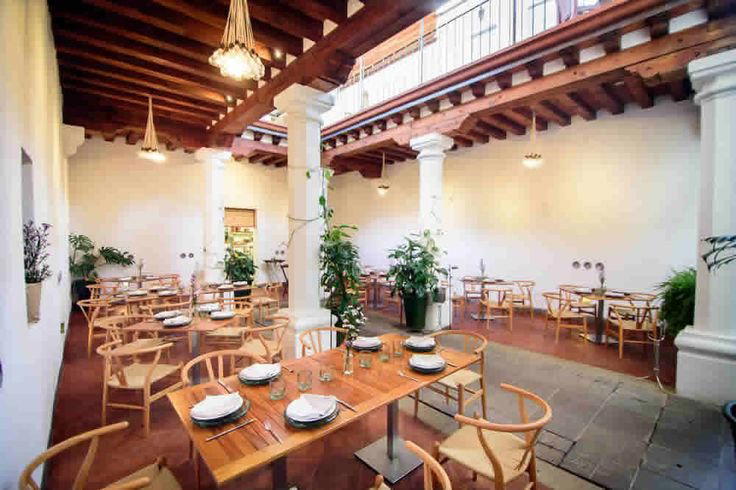
Hotels in Oaxaca
Browse all →
Details
- Quiet
- Classic
- Intimate
- Elegant
- Special Occasion
- Solo
- Casual Hangout
- Historic Building
- Standalone
- Seated Bar
- Lounge Seating
- Mezcal
Current opening hours
- Monday
- 2–9 PM
- Tuesday
- 2–9 PM
- Wednesday
- 2–9 PM
- Thursday
- 2–9 PM
- Friday
- 2–9 PM
- Saturday
- 4–9 PM
- Sunday
- 4–9 PM
Hours can change for holidays and private events. Last verified .
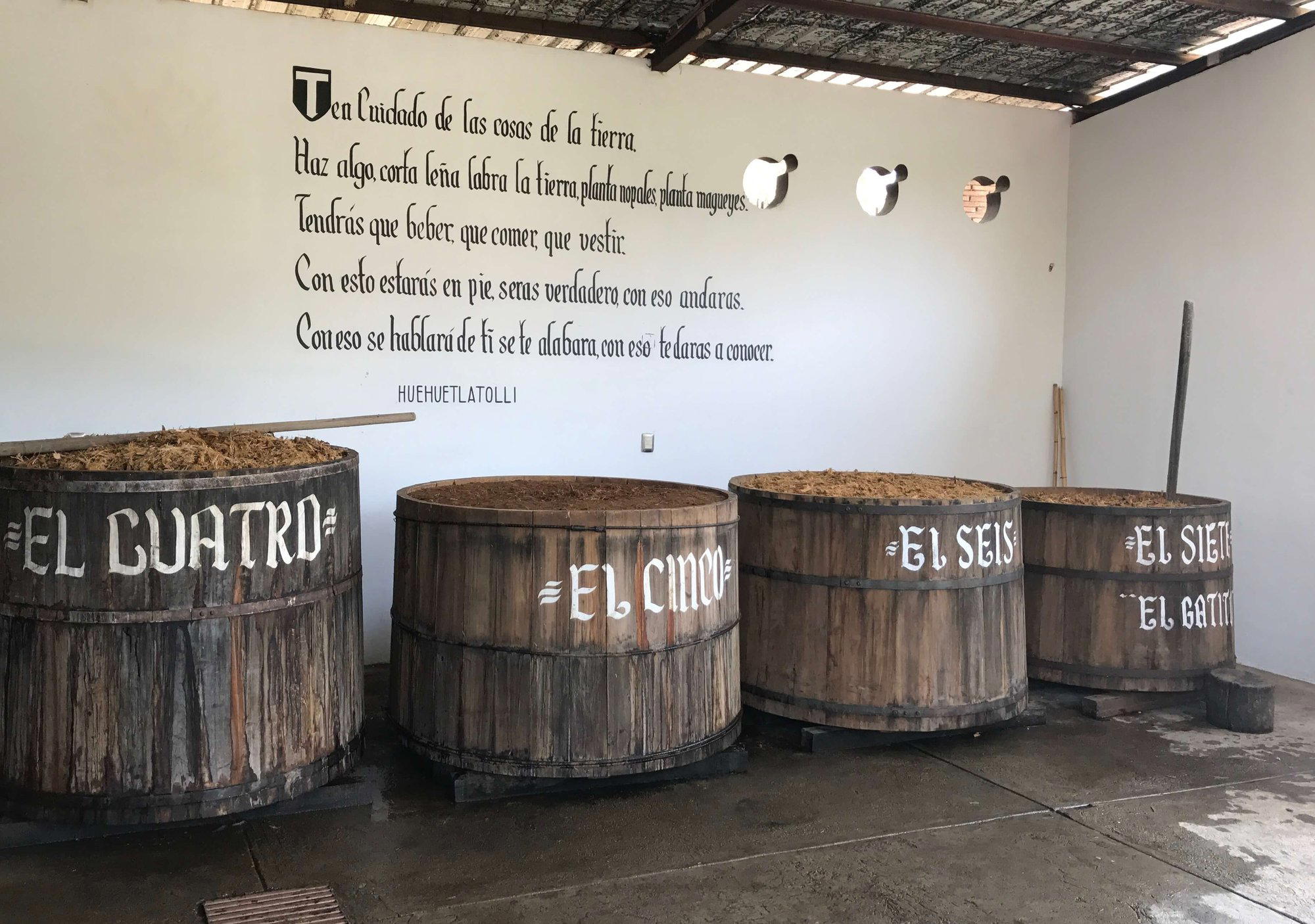
Quiet, wood-lined interior resembling an old library with a serious, educational atmosphere focused on mezcal appreciation.