


2 Michelin Stars · La Liste Top Restaurants · Falstaff Restaurant - 95 Falstaff Points
Our verdict
San Domenico has held two Michelin stars in Imola for decades, making it one of the most enduring fine-dining addresses in Emilia-Romagna. Chef Valentino Marcattilii works within a classical Italian framework that has earned 86 points in the 2026 La Liste rankings. The restaurant operates Tuesday through Sunday with both lunch and dinner service, and sits at the top price tier for the region.

Pearl is the En Primeur Club membership app — saves, bookings, and concierge access live there. Same editors, same standards.
- Address
- Via Gaspare Sacchi, 1, 40026 Imola BO, Italy
- Phone
- +39 0542 29000
- Hours
- Mon ClosedTue–Sat 12:30–2 PM, 8–9:30 PMSun 12:30–2 PM
- Website
- sandomenico.it
- Directions
- Get directions
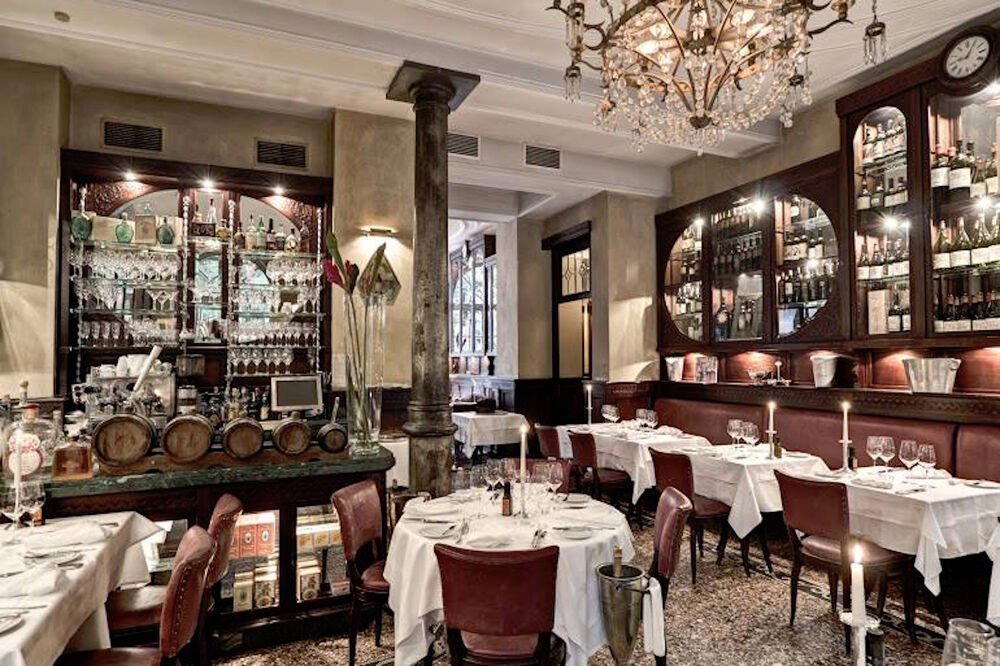
Emilia-Romagna's Long Game: Classical Italian Fine Dining in Imola
In a region where the conversation about Italian haute cuisine increasingly centres on Modena — and specifically on the progressive innovations coming out of Osteria Francescana — it is instructive to look forty kilometres east, where San Domenico in Imola has been making a different argument for decades. The restaurant sits on Via Gaspare Sacchi in the centre of a mid-sized Emilian city better known internationally for its Formula One circuit than its table. That geographical remove from the food-media spotlight is, in some ways, what has allowed it to develop without the pressure to reinvent itself season by season. Two Michelin stars, sustained across multiple guides, and a score of 86 points in the 2026 La Liste Leading Restaurants ranking, confirm that the argument has been heard.
For the full picture of what Imola offers beyond this address, see our full Imola restaurants guide.
The Emilian Table in Context
Emilia-Romagna's culinary identity is among the most codified in Italy. The region is the origin point of Parmigiano-Reggiano, prosciutto di Parma, mortadella, and fresh egg pasta, a larder so rich that the regional cuisine risks being reduced to its own clichés. High-end Emilian restaurants face a specific tension: how to honour that density of local tradition without simply serving an expensive version of what a Bologna trattoria does better and cheaper. The answer varies considerably across the region. In Modena, Massimo Bottura has built an international reputation by treating the regional canon as material for conceptual reconfiguration. In Rubano, Le Calandre operates at the intersection of technique and hospitality formality. San Domenico has historically occupied a different position: classically grounded, technically precise, with a lineage that connects to the French-influenced Italian fine dining of the 1970s and 1980s rather than to post-millennial progressivism.
Chef Valentino Marcattilii, who has been the kitchen's central figure for an extended period, works within a framework where classical technique is not a limitation but a discipline. The cooking at this level of Italian fine dining, a category that also includes Enoteca Pinchiorri in Florence and Dal Pescatore in Runate, tends to prize the quality of primary ingredients and the refinement of preparation over novelty of concept. The La Liste score of 87.5 in 2025, shading to 86 in 2026, places San Domenico in a bracket of restaurants where the score reflects accumulated reputation and consistent delivery rather than recent buzz.
Across northern and central Italy, the restaurants that have held two Michelin stars for sustained periods share certain structural characteristics. Service tends toward formality; menus skew toward tasting formats with optional à la carte; wine lists carry depth in Italian regions, often with serious Burgundy and Bordeaux representation; and room design reflects the era in which the restaurant established its identity rather than recent fit-out trends. This is a category that sits apart from the newer wave of chef-driven creative restaurants, places like Reale in Castel di Sangro or Atelier Moessmer Norbert Niederkofler in Brunico, that have built their profiles around territorial sourcing philosophies or conceptual programmes. San Domenico's peer group is the generation that preceded them: the white-tablecloth institutions whose influence shaped what Italian fine dining looked like internationally before the current era of creative informality.
That positioning is neither a weakness nor an anachronism. A restaurant holding two stars across multiple decades has survived the full cycle of critical fashion: the rise of molecular gastronomy, the backlash toward simplicity, the obsession with fermentation, the return of the trolley. Consistency at that level is its own form of rigour. For comparison, Enrico Bartolini in Milan and Piazza Duomo in Alba represent the generation that followed, technically accomplished, internationally recognised, but working within a different frame of reference.
The Room and the Register
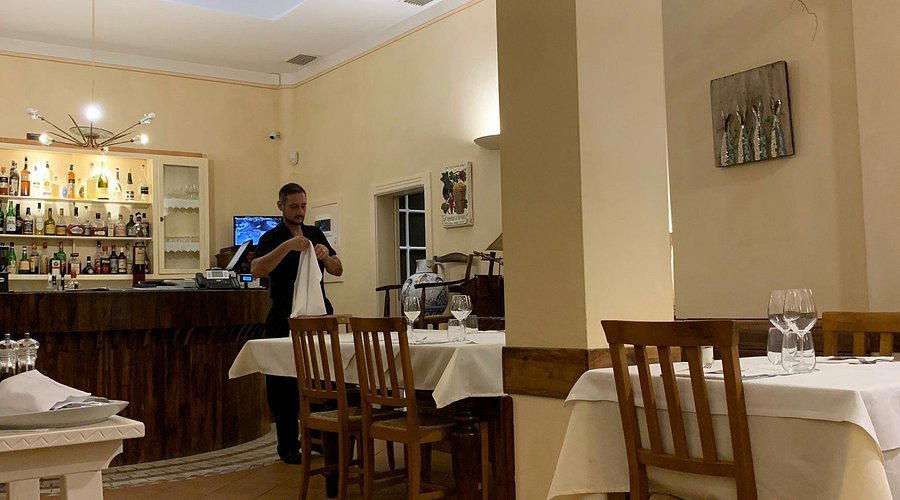
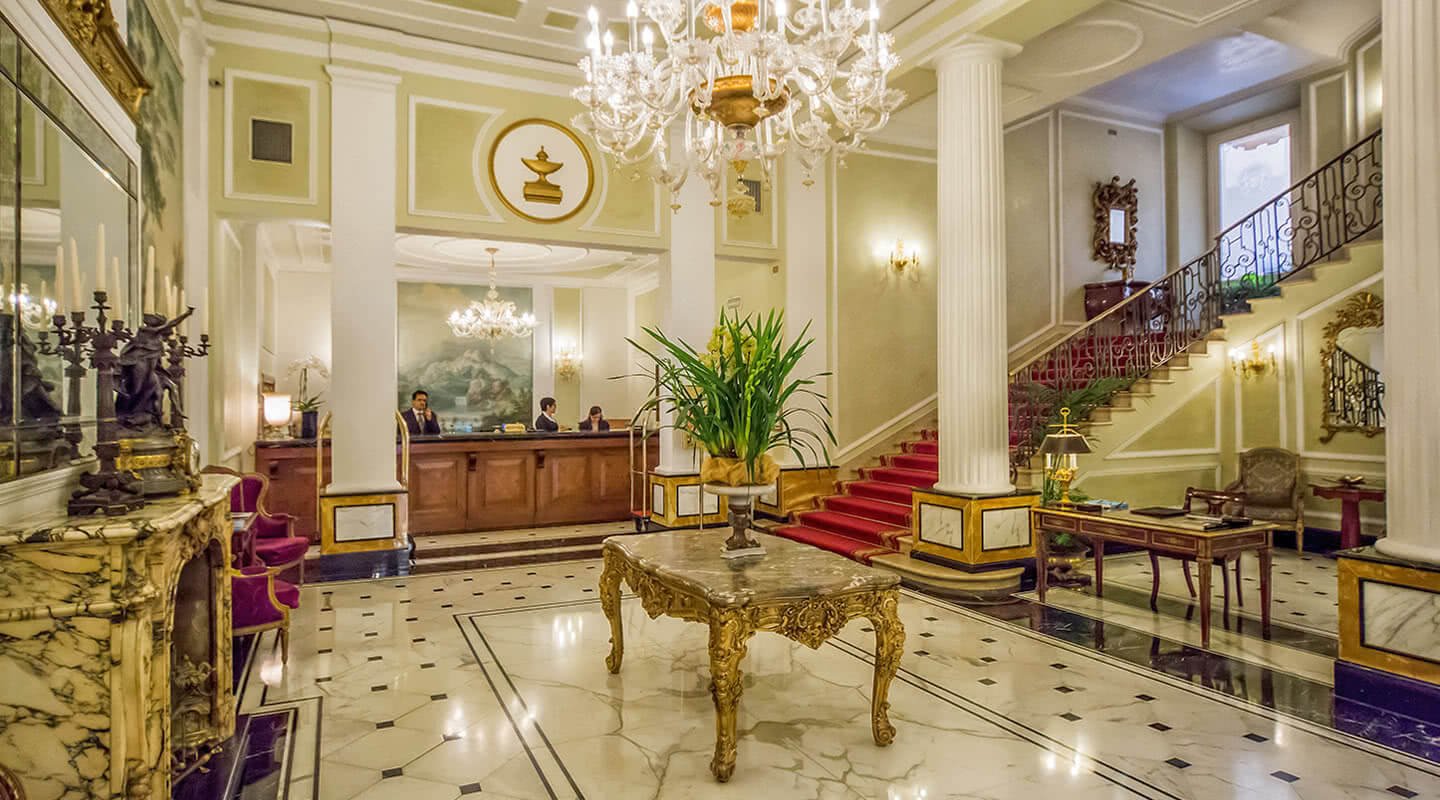
San Domenico occupies a formal dining space on one of Imola's central streets. The address is a fixed point in the city's civic geography, not a destination that requires a pilgrimage to a remote hillside or an industrial repurposing of a warehouse, both formats that have become common among Michelin-starred restaurants over the past decade. The register is that of a classic European restaurant: the kind of room where a business lunch and a wedding anniversary dinner coexist without friction, where the service rhythm is set by the kitchen rather than the clock, and where the wine list is assumed to be a serious part of the meal.
At the €€€€ price tier, the ceiling band for Italian restaurant pricing, a meal at San Domenico represents a considered financial commitment. This is consistent with comparable addresses: Casa Perbellini 12 Apostoli in Verona and Quattro Passi in Marina del Cantone occupy the same band. What the price signals at this level is not extravagance for its own sake, but the full cost of formal brigade service, a properly maintained wine cellar, and ingredients sourced at the quality that two-star cooking demands.
Google's aggregate rating of 4.8 across 826 reviews is a data point worth noting in context. High-end Italian restaurants do not always accumulate large review volumes, their clientele skews toward infrequent special-occasion diners rather than habitual restaurant-goers who review regularly. A score of 4.8 at that volume suggests a broader satisfaction beyond the specialist audience, including the regional and national Italian diners for whom a meal at San Domenico carries a different set of expectations than it does for international visitors.
Getting There and Planning Your Visit
Imola sits on the Via Emilia corridor between Bologna and Faenza, accessible by regional rail from Bologna in under thirty minutes. The city is small enough that San Domenico on Via Gaspare Sacchi is within walking distance of the main rail station, though most guests arriving from Bologna or further afield tend to drive. The restaurant operates Tuesday through Saturday for both lunch (12:30 to 2:00 pm) and dinner (8:00 to 10:00 pm), with Sunday lunch service only and Monday closed. The Sunday-only lunch format means the weekend window is narrower than it first appears, anyone planning a dedicated trip from a neighbouring city should account for that. Booking in advance is advisable; at €€€€ pricing and with two Michelin stars, walk-in availability is not something to assume. For accommodation options while visiting, our full Imola hotels guide covers the relevant options, and the broader city picture, bars, wineries, and local experiences, is covered in our Imola bars guide, Imola wineries guide, and Imola experiences guide.
For readers building an Emilian itinerary around serious dining, the region rewards a circuit approach: Imola pairs logically with Bologna's market and trattoria culture, and the wider Emilian fine-dining map extends to addresses like Uliassi in Senigallia on the Adriatic coast. Closer to home, the contrast with Osteria Francescana forty kilometres west offers a direct illustration of how differently two restaurants of similar standing can interpret what Italian fine dining is for. For those exploring Italian classic cuisine in other regions, Bacco in Barletta and Zafferano in Città della Pieve represent the same category in southern and central Italy respectively.
Frequently asked questions
Is San Domenico expensive?
Pricing at San Domenico is listed as €€€€.
Comparable Spots, Quickly
| Venue | Cuisine | Price | Awards | Notes |
|---|---|---|---|---|
| San DomenicoThis venue — the venue you are viewing | Classic Italian Fine Dining | $150–200 | 2 Michelin Stars · La Liste Top Restaurants | Not listed |
| Atelier Moessmer Norbert Niederkofler | Italian, Creative | Not listed | Michelin 3 Star | Not listed |
| Dal Pescatore | Italian, Italian Contemporary | Not listed | Michelin 3 Star | Not listed |
| Enoteca Pinchiorri | Contemporary Italian Fine Dining | $200–300 | 3 Michelin Stars · World's 50 Best #32 | Italian - French, Italian Contemporary |
| Enrico Bartolini | Creative | Not listed | Michelin 3 Star | Not listed |
| Osteria Francescana | Avant-Garde Italian Contemporary | $300–500 | 3 Michelin Stars · World's 50 Best #1 | Progressive Italian, Creative |
Recognition history
Dated appearances from independent guides and award organizations, with the underlying list record or original source where available.
Michelin 2 Stars
Michelin
La Liste Top Restaurants
La Liste
Falstaff Restaurant - 95 Falstaff Points
Falstaff
Full recognition history (6 entries)
La Liste Top Restaurants
La Liste
Michelin 2 Stars
Michelin
Michelin 2 Stars
Michelin
Continue exploring
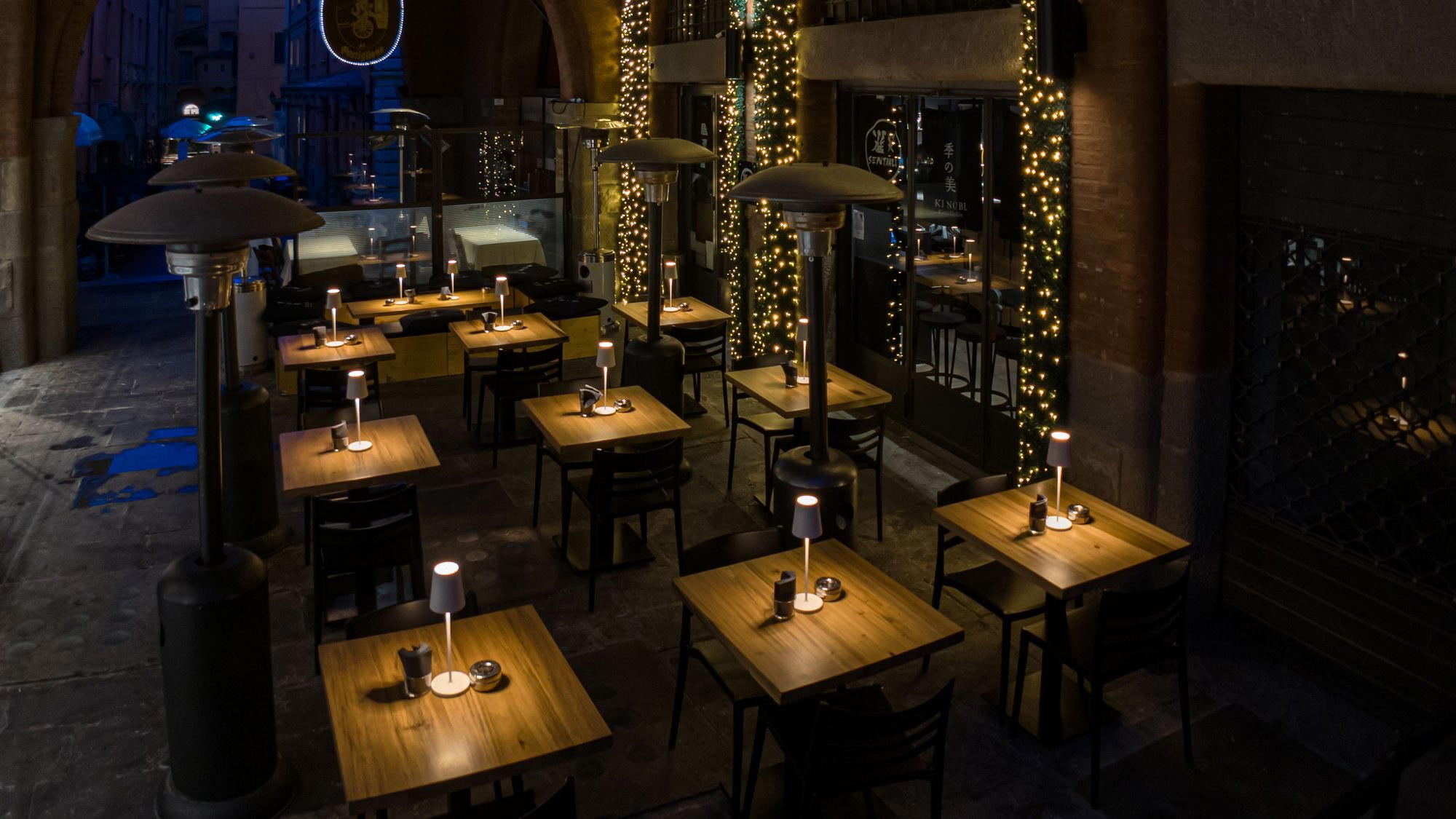
More in Imola
Restaurants in Imola
Browse all →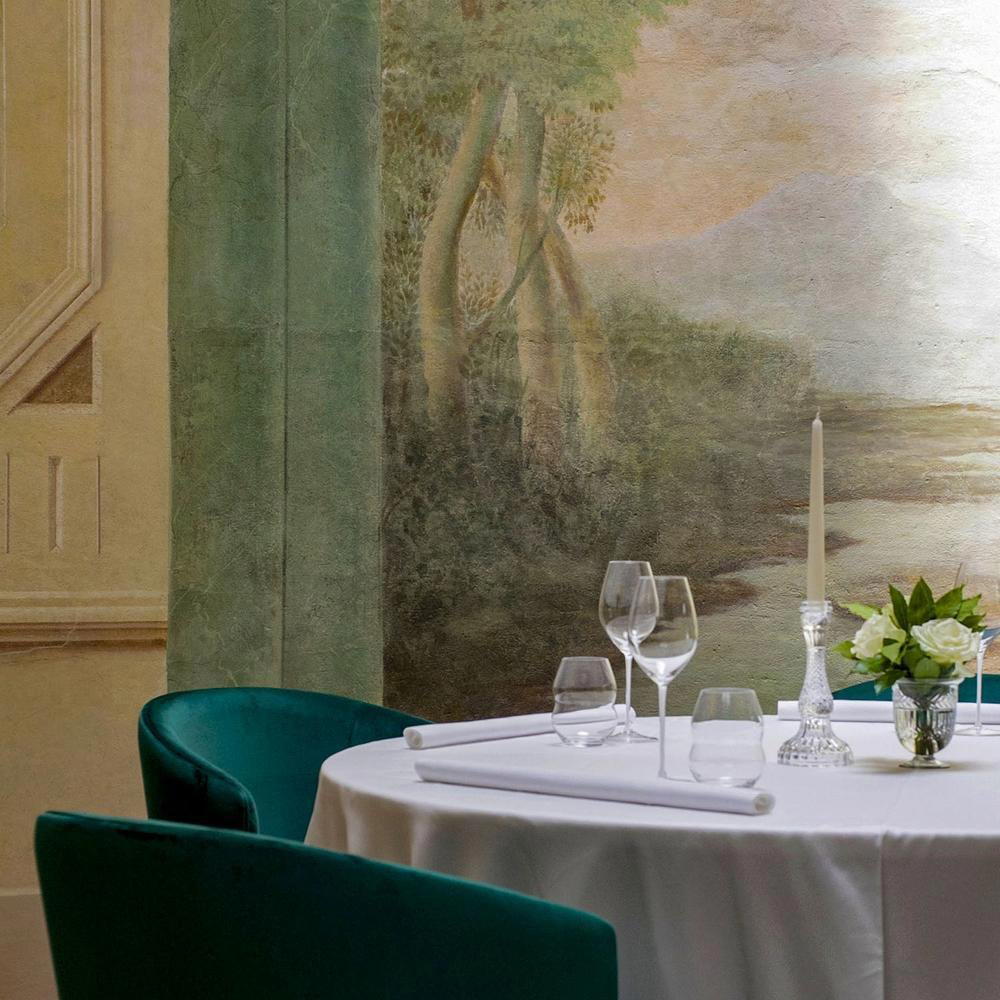
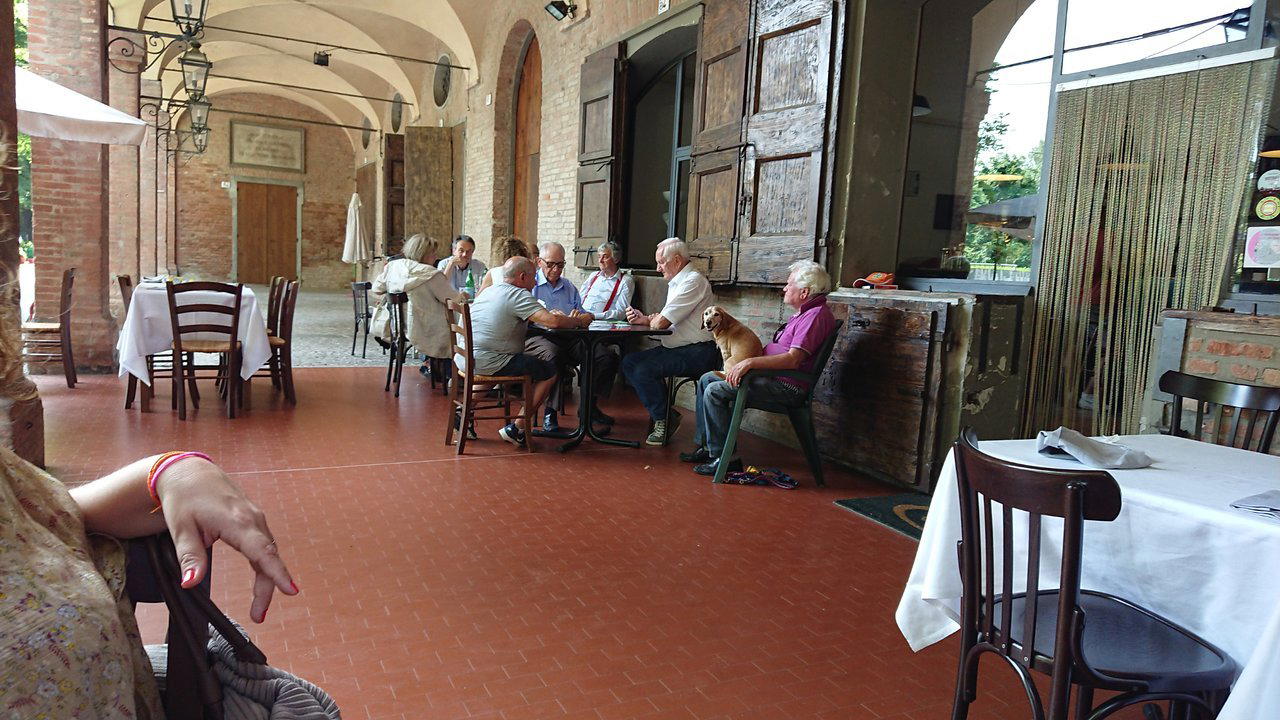
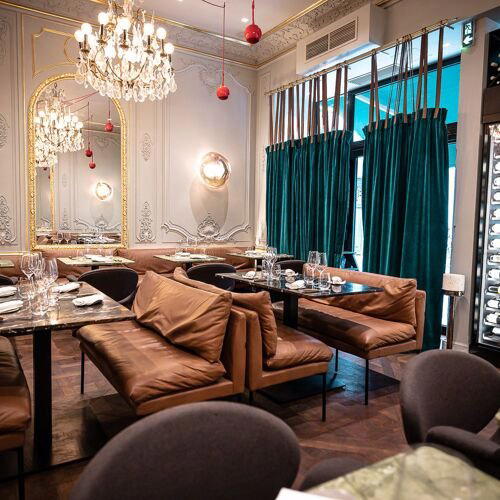
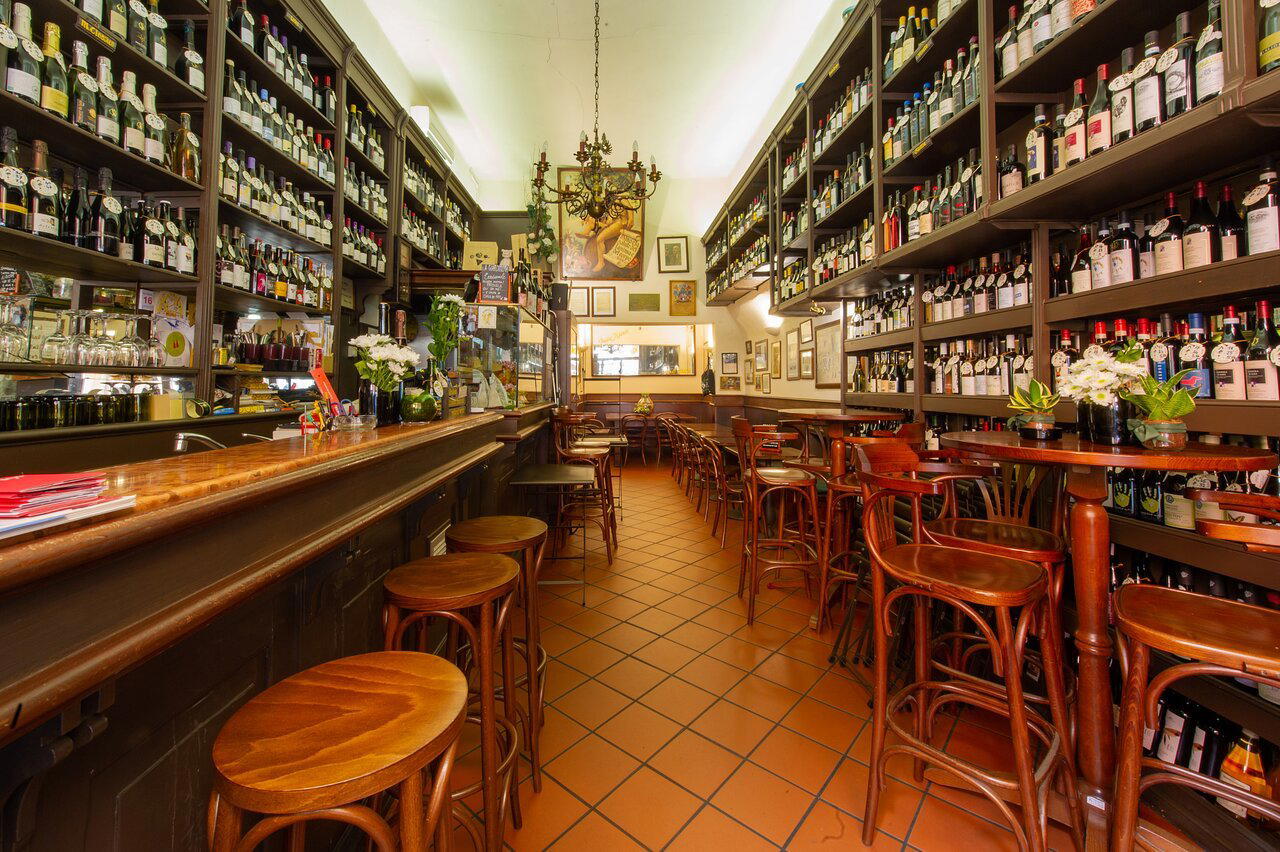
Bars in Imola
Browse all →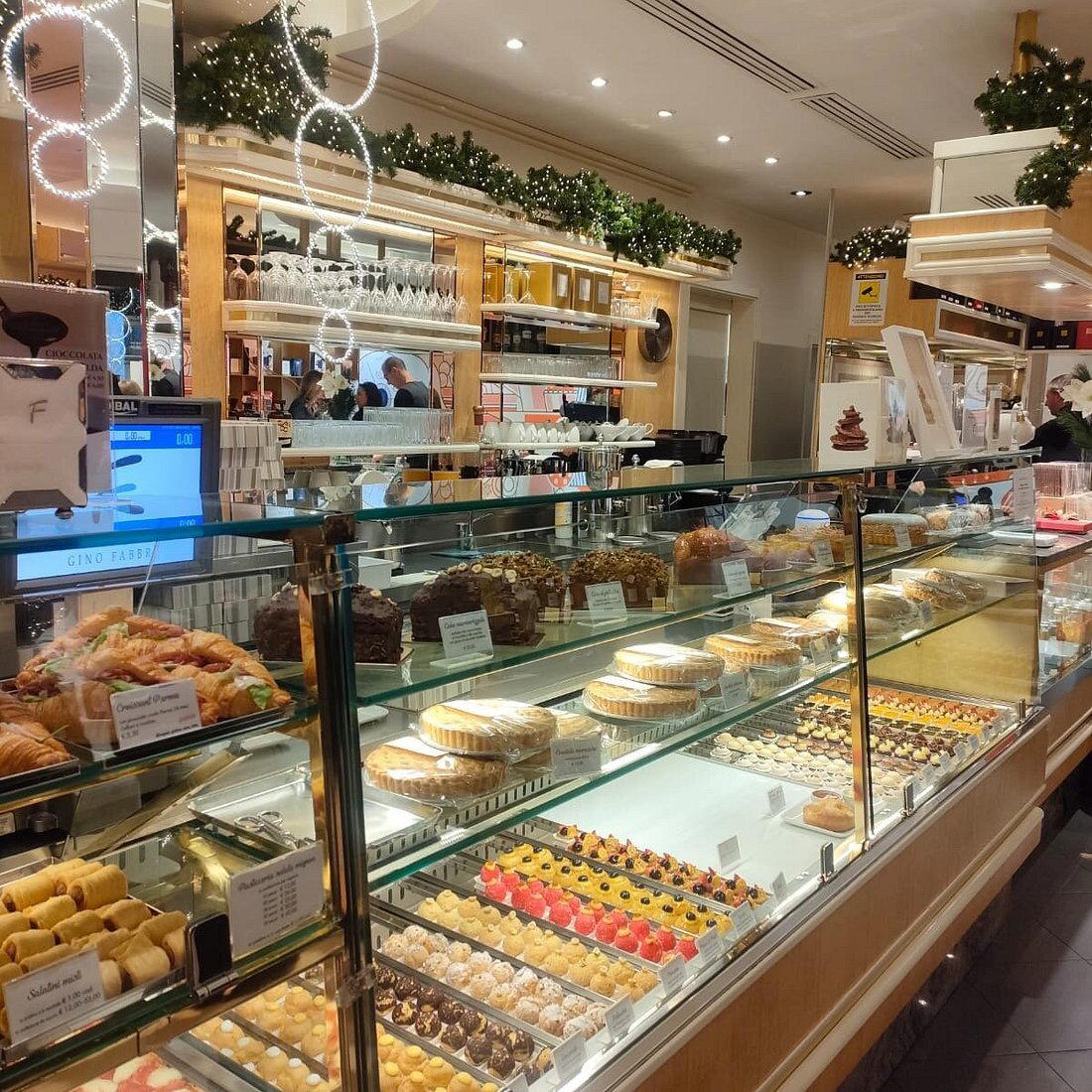
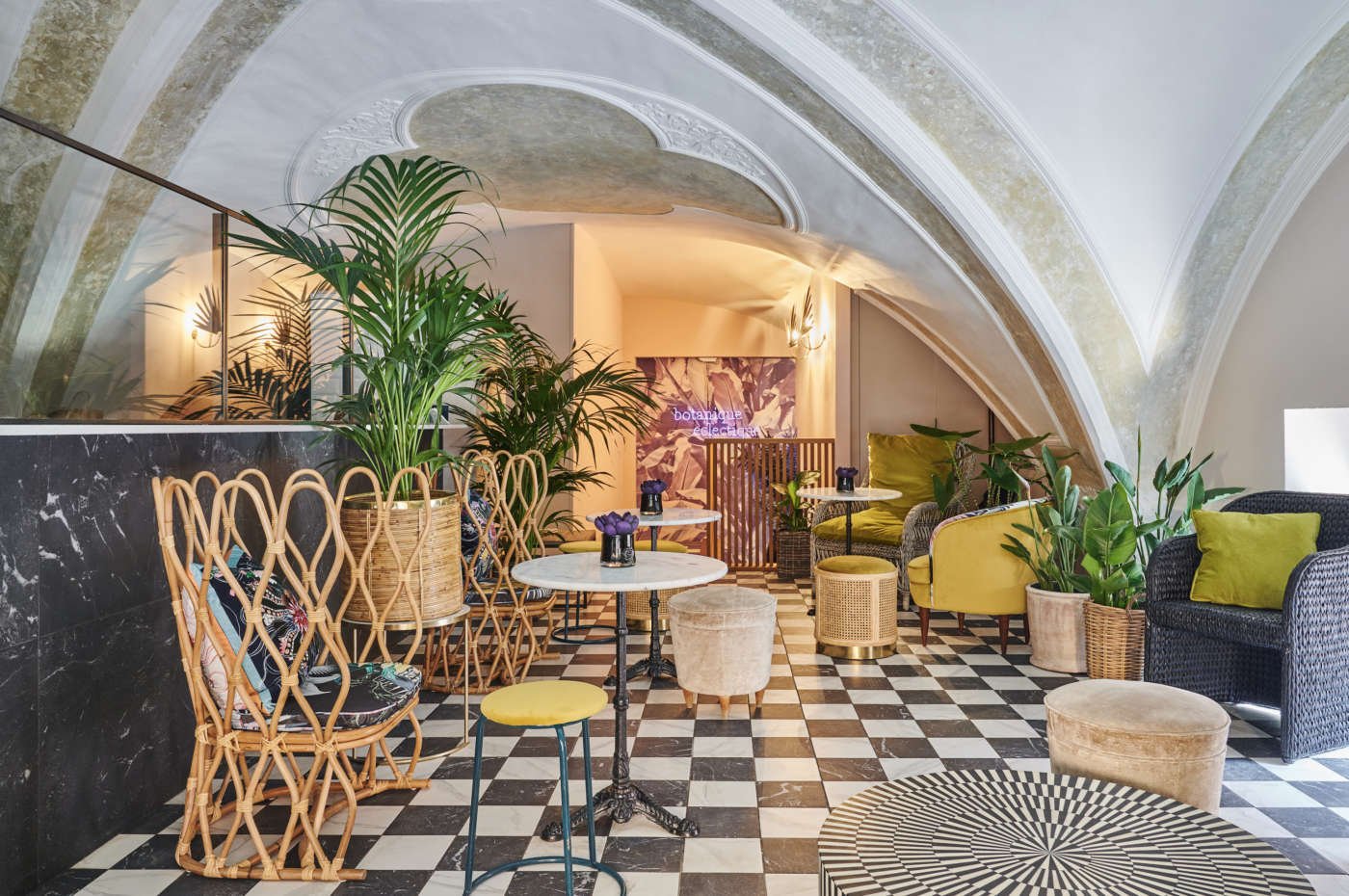
Hotels in Imola
Browse all →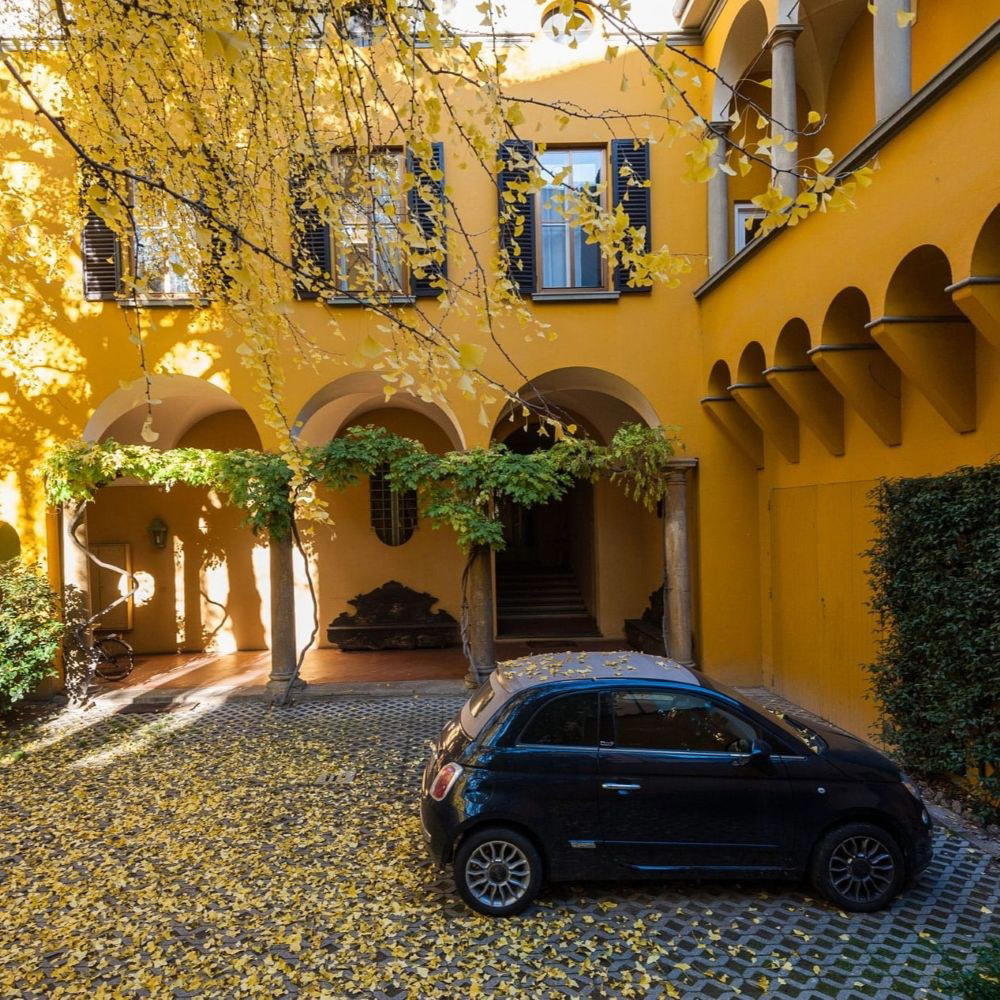

Details
- Elegant
- Classic
- Sophisticated
- Intimate
- Special Occasion
- Business Dinner
- Date Night
- Celebration
- Historic Building
- Extensive Wine List
- Sommelier Led
- Tasting Menu
- A La Carte
- Wine
- Vegetarian Friendly
Current opening hours
- Monday
- Closed
- Tuesday
- 12:30–2 PM, 8–9:30 PM
- Wednesday
- 12:30–2 PM, 8–9:30 PM
- Thursday
- 12:30–2 PM, 8–9:30 PM
- Friday
- 12:30–2 PM, 8–9:30 PM
- Saturday
- 12:30–2 PM, 8–9:30 PM
- Sunday
- 12:30–2 PM
Hours can change for holidays and private events. Last verified .
Classic, elegant dining room with 1980s decor, banquettes, polished and discreet service, creating a timeless and welcoming atmosphere.