




Jumeirah Capri Palace reads Anacapri through design: white architecture, vaulted interiors, contemporary art, a medical spa, and dining that reaches from L’Olivo’s two Michelin stars to Il Riccio by the sea. Its appeal is quieter than Capri town’s evening theatre, with 67 rooms and a hilltop setting that suits travelers who want the island’s polish without sleeping in the densest part of the action.
Pearl is the En Primeur Club membership app — saves, bookings, and concierge access live there. Same editors, same standards.
- Address
- Via Capodimonte, 14, 80071 Isola di Capri, NA, Italy
- Phone
- +39 081 978 0111
- Website
- jumeirah.com
- Directions
- Get directions
 Saves & bookings on Pearl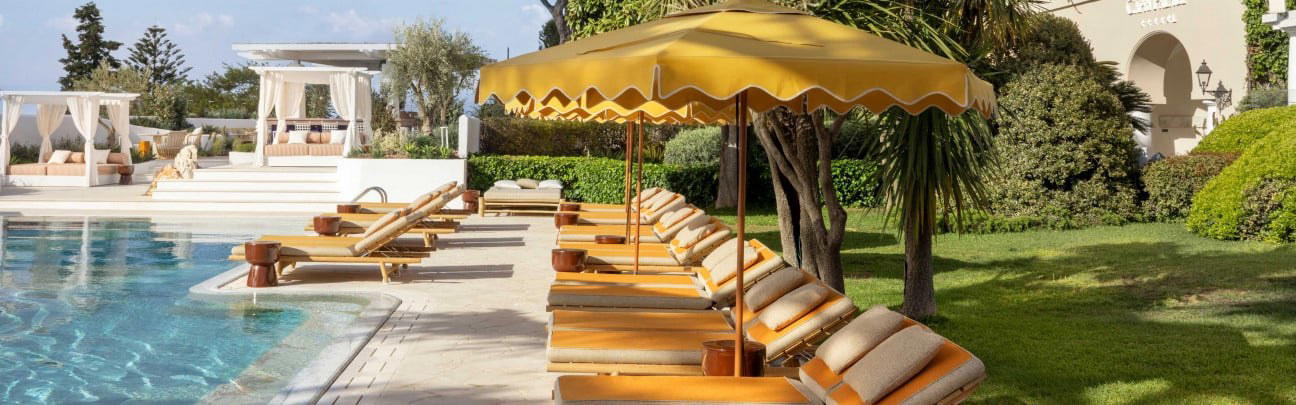
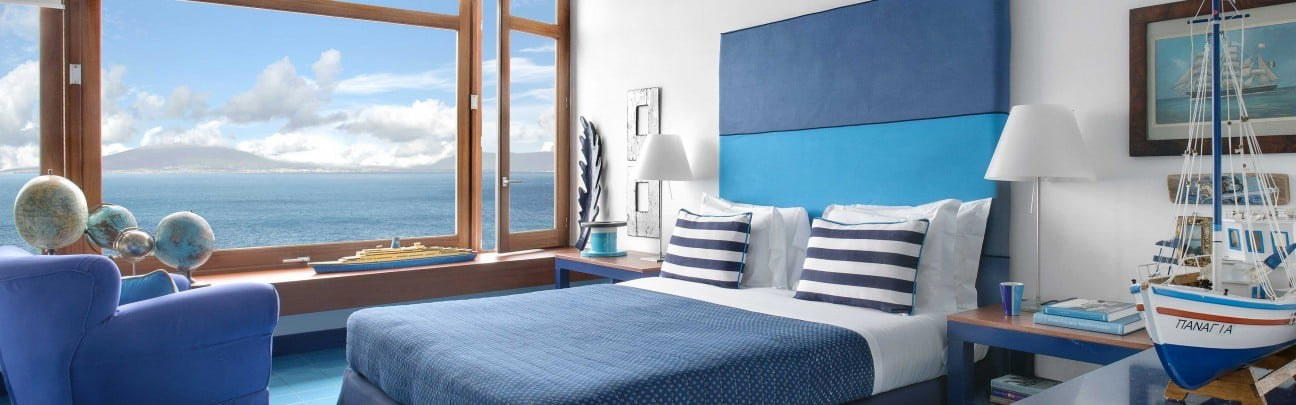
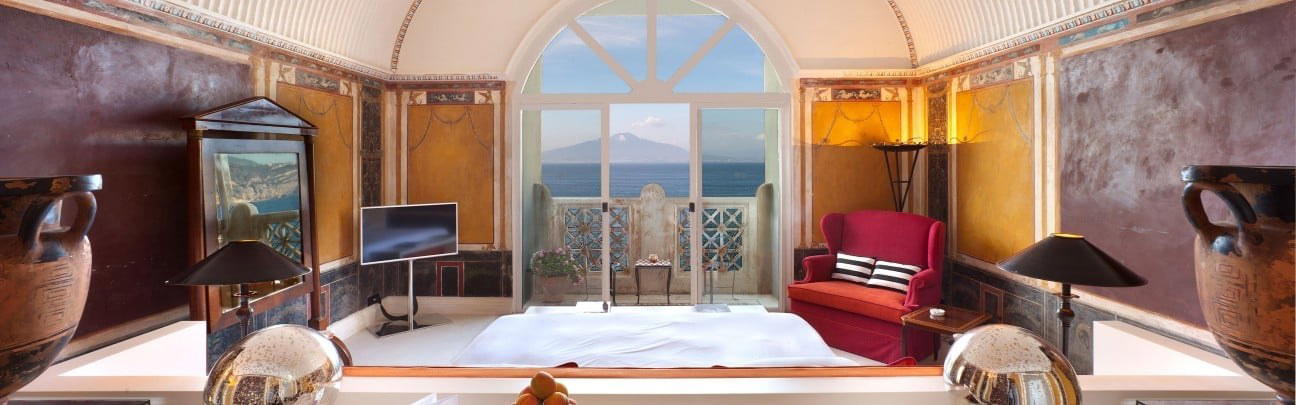
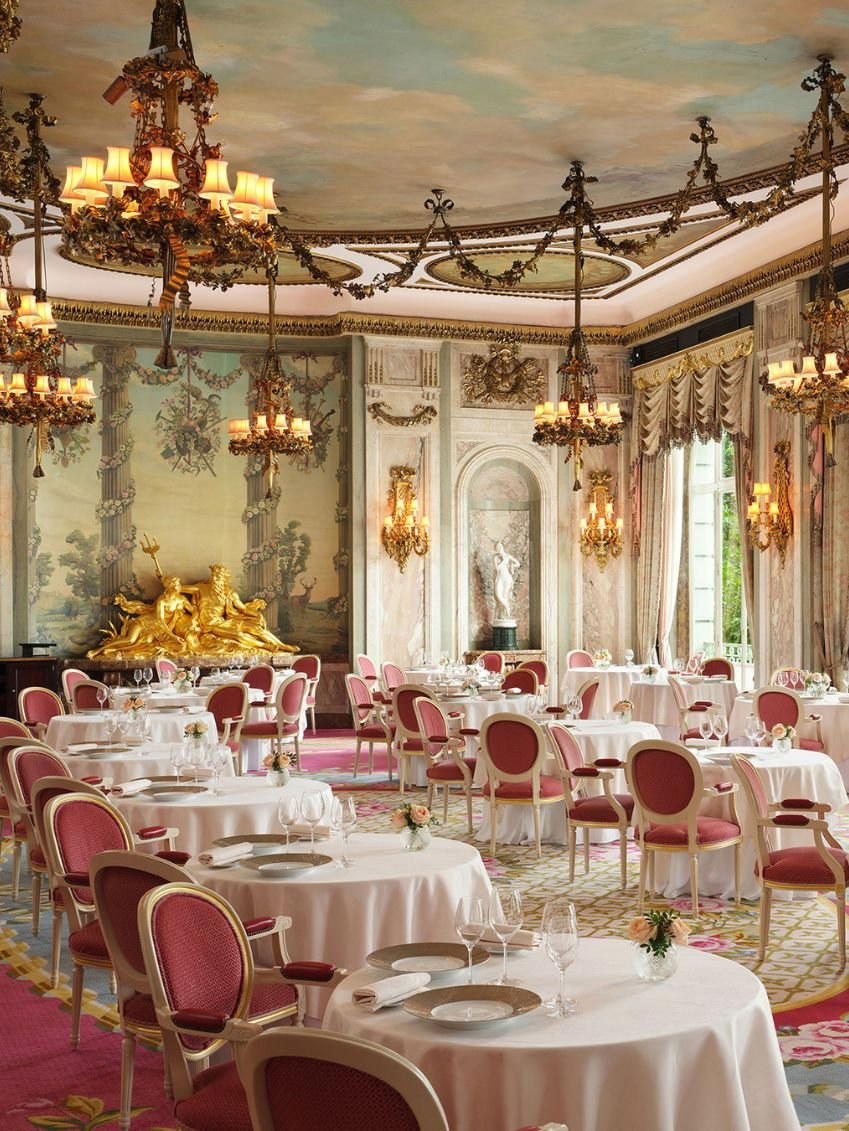
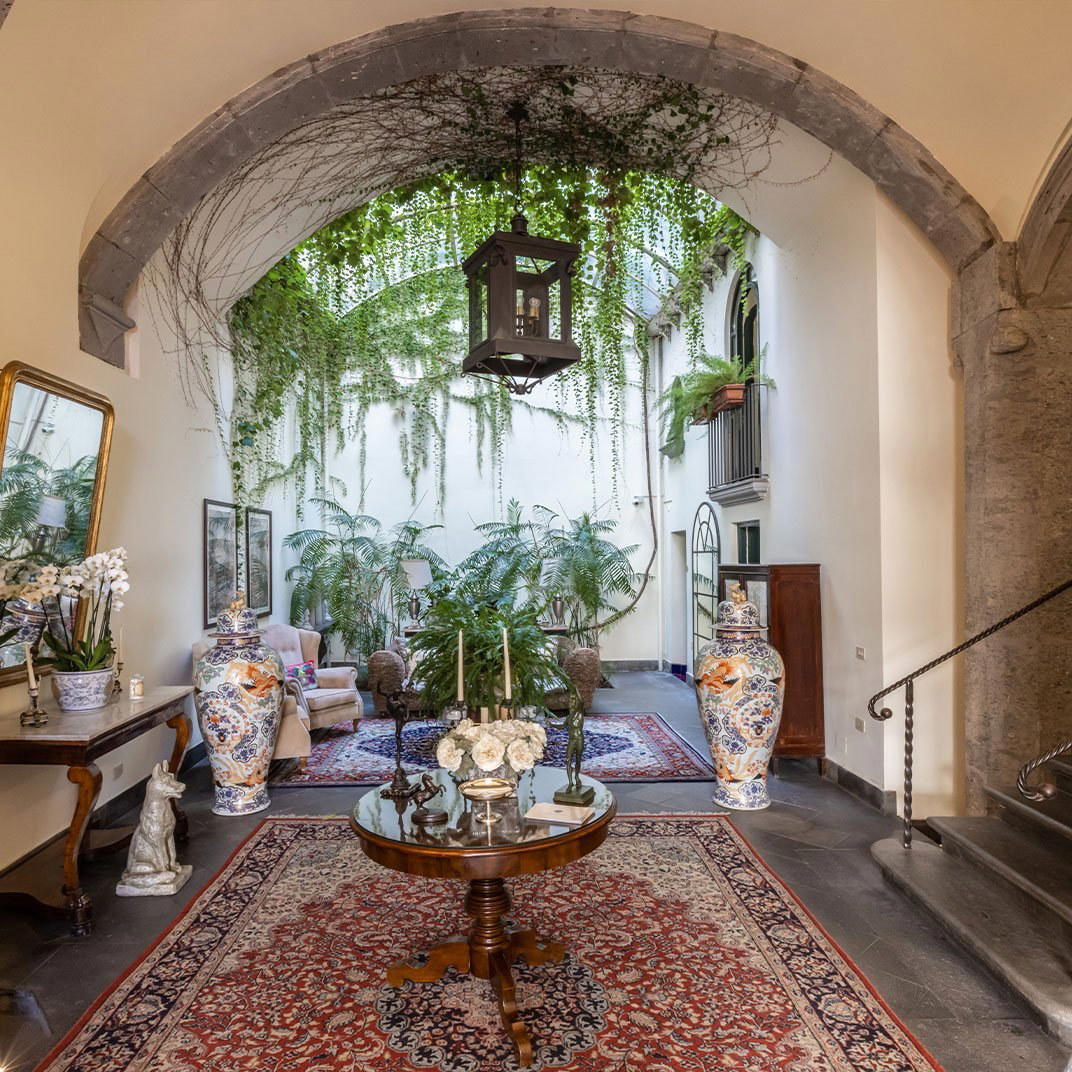
Arriving in Capri changes the island’s pitch. The glamour can feel busy near the main flows of visitors; here the mood is slower, more architectural, and more spacious. Jumeirah Capri Palace uses that shift well: vaulted ceilings, columns, large sofas, artworks, and a pool looking toward Ischia create Capri luxury less about promenade theatre than controlled retreat.
Capri’s hotel scene divides sharply by temperament. Some properties trade on proximity to boutiques, restaurants, and night-time footfall; others gain distance, views, and resort rhythm. In that split, Jumeirah Capri Palace belongs with the island’s serious high-end stays rather than purely social addresses. Its closest local comparisons include Hotel Caesar Augustus, JK Place Capri, and Palazzo M Capri, though its resort-like character feels more self-contained than many town-facing rivals.
Capri's quieter architecture of status
Capri has never lacked grand hotels; the question is how each handles the island’s performance of wealth. Jumeirah Capri Palace chooses an art-led register: artworks through the interiors, a Mediterranean sense of ease, and design cues that keep the mood rooted in Capri rather than pure beach-club maximalism. The result is not minimalism, but curated holiday-house language scaled to a 67-room hotel.
The room count matters. At 67 rooms, the hotel can support a Capri medical spa and a dining offer with Michelin-starred Mediterranean cuisine without feeling like a mainland palace dropped onto the island. The vaulted ceilings and columns carry the hotel’s past into the present, now set against huge sofas and artworks. That places the hotel inside a broader Italian luxury pattern: heritage detail no longer carries the experience alone, so contemporary hospitality sharpens rather than erases the old vocabulary.
Within Capri, this differs from more socially exposed or town-facing hotel styles elsewhere on the island. Readers comparing the island should look across the spread between central glamour, privacy, and Capri calm, because the hotel is strongest when treated as a resort address in its own right rather than simply a base for constant movement.
Dining gives the hotel its island authority
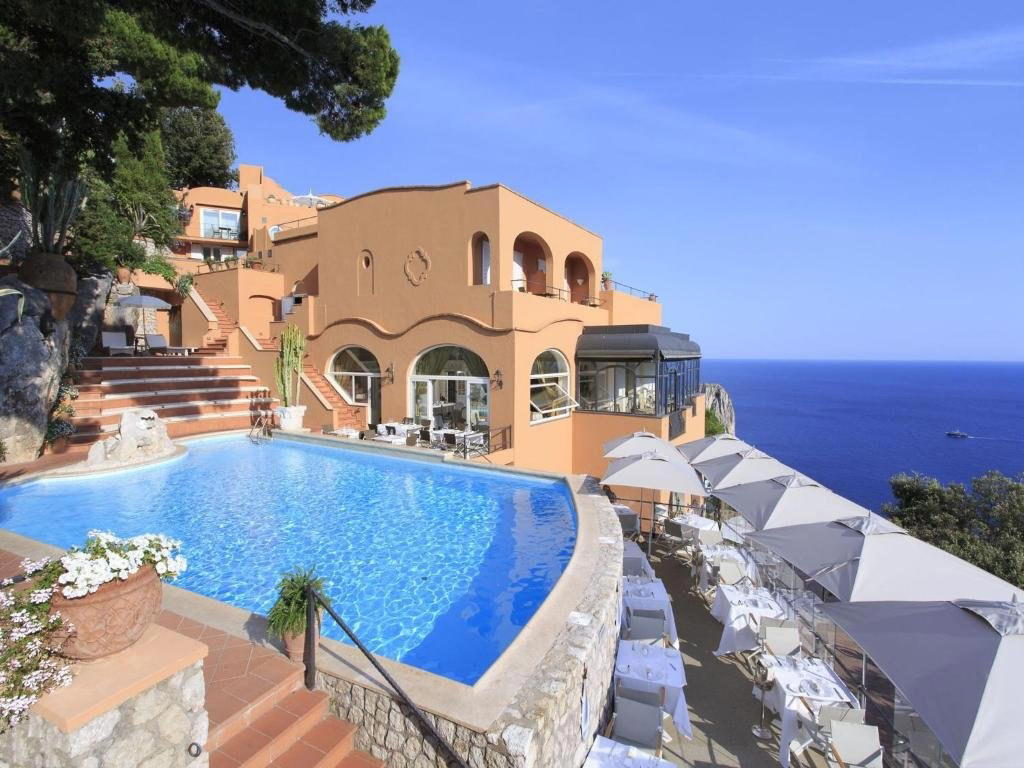
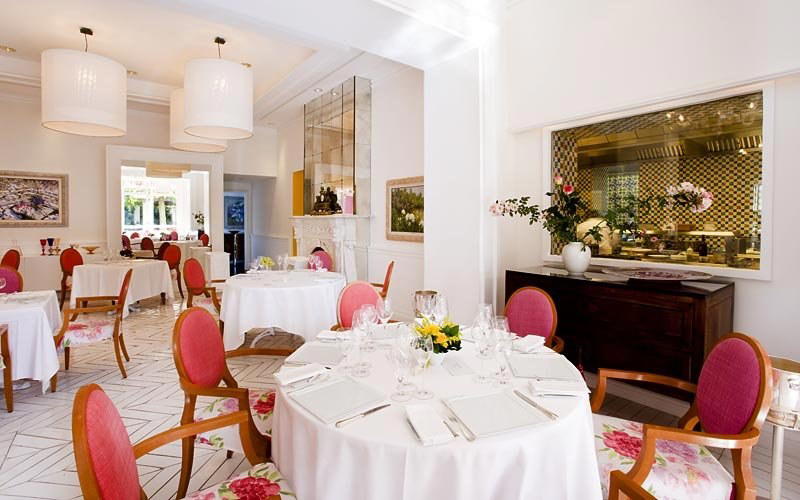
Capri hotels often let terraces and sea views do too much work. Here, dining has measurable weight. The hotel is associated with Michelin-starred Mediterranean cuisine, a strong credential for a resort restaurant on an island where many visitors eat by habit, view, or convenience. Its culinary identity sits within Capri’s polished dining world rather than generic hotel cooking.
The broader food-and-drink rhythm changes register across the property, with seaside chic and resort indulgence doing as much work as formality. Capri’s dining culture is built around long lunches, sea air, polished service, and the pleasure of lingering, and the hotel leans into that rather than pretending the island is solemn dining territory. For a hotel, that range is significant: it operates as a dining base, not just a bed attached to one formal restaurant.
The recognition supports that position. The hotel is presented through Michelin-starred Mediterranean cuisine, a Capri medical spa, and seaside chic as only Capri knows how. Those signals do not make every traveler the right traveler, but they place the property in a defined international bracket: design-led resort hotel, medical-spa infrastructure, and a dining program with a Michelin-starred anchor. For restaurant-led planning beyond the property, other Capri dining rooms can round out the stay; for drinking, Capri’s wider bar scene is the cleaner starting point.
The spa is not an afterthought
Capri luxury can be lazy about wellness, leaning on sea air and terraces instead of substance. The hotel is stronger because the Capri medical spa gives the hotel a defined wellness identity rather than treating the spa as an amenity tacked onto the pool. That medical orientation gives the hotel a sharper reason to choose this quieter version of Capri over a more socially exposed address.
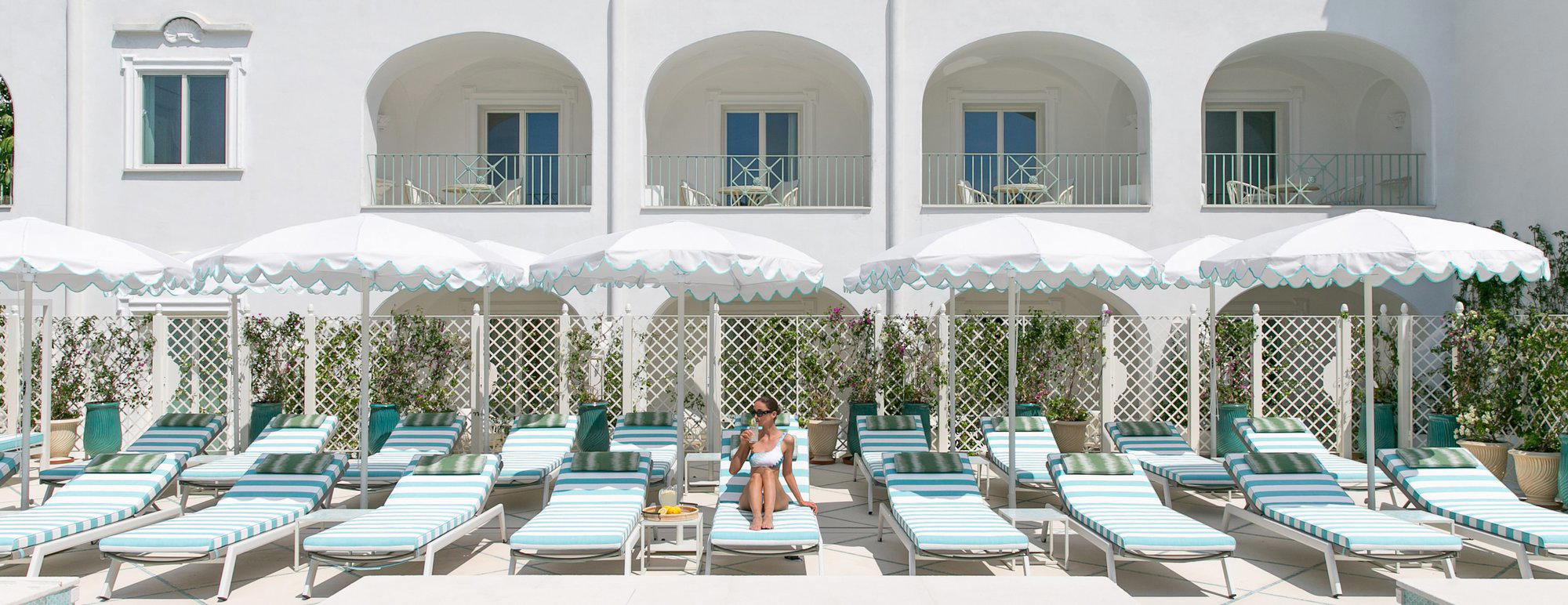
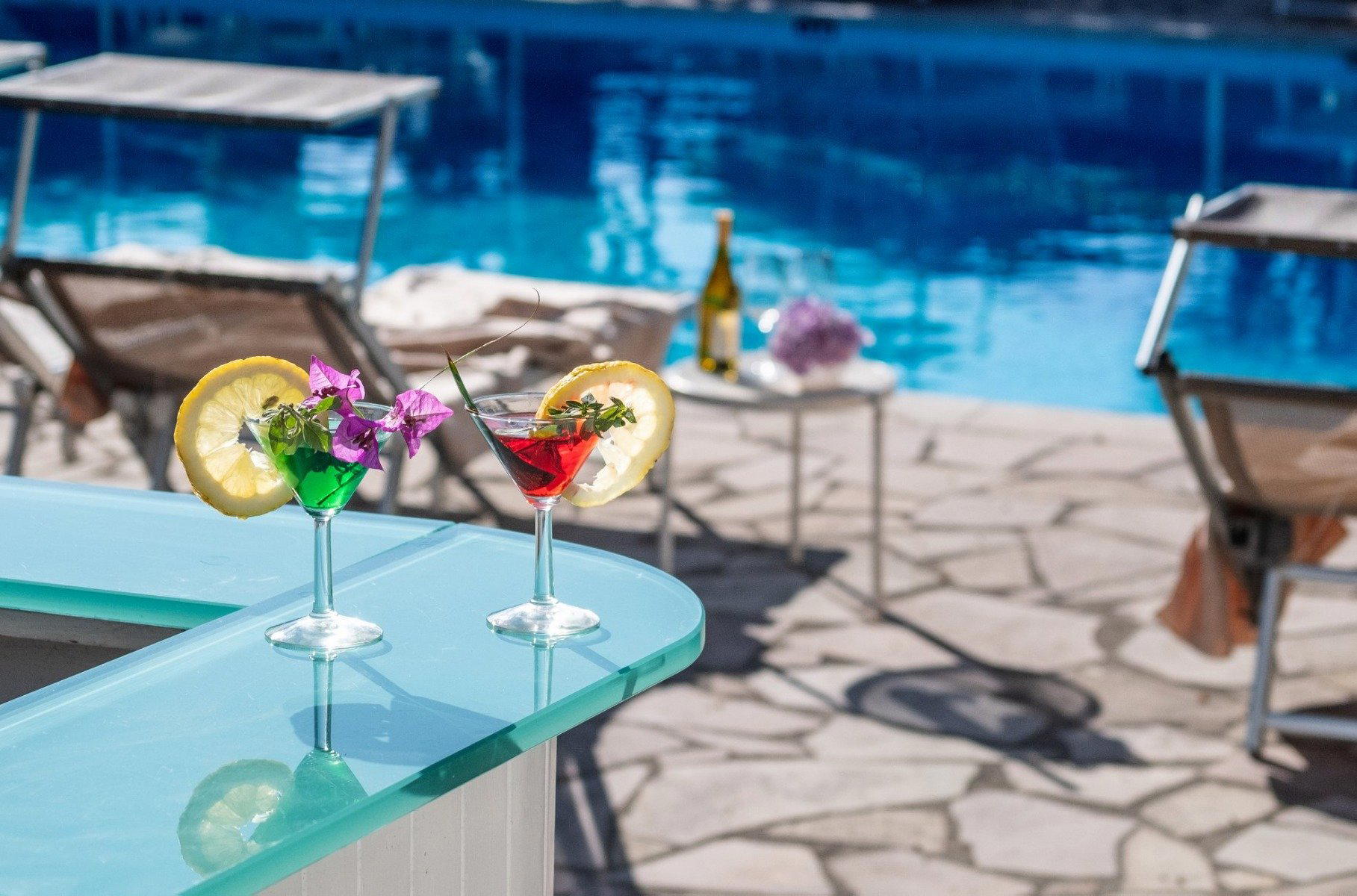
The practical decision is less whether the hotel is grand enough than what kind of Capri trip is being built. Travelers wanting late dinners out every night may prefer to plan around the island’s busier social rhythms. Travelers wanting pool time, spa structure, art, and in-house dining will find the setting works in their favor. The pool overlooking the Isle of Ischia, where exotic-fruit skewers and oversized sunglasses set the tone, captures the hotel’s version of Italian indulgence.
For a wider Italian design-hotel comparison, think generically rather than by checklist: the category ranges from urban boutique addresses to resort and wellness properties, and from heritage conversions to large-scale luxury retreats. The hotel sits toward the art-filled, wellness-aware, resort end of that spectrum, with enough architectural memory to keep the experience rooted in Capri rather than interchangeable with the mainland.
Capri also rewards planning beyond the hotel category. Boats, walks, cultural formats, wine interests, and unhurried meals all help shape the stay, rather than assuming every serious moment happens on a terrace. The comparison clarifies how specific Capri’s blend of art, medical wellness, and seaside status remains, and why the hotel is best read as a complete island retreat rather than a single-feature hotel.
At-a-Glance Comparison
Comparable venues by cuisine and price in the same metro.
| Venue | Cuisine | Price | Awards | Notes |
|---|---|---|---|---|
| Jumeirah Capri PalaceThis venue — the venue you are viewing | Luxury Mediterranean palace resort with contemporary art integration and wellness-centric positioning | $$$$ | Michelin 2 Star, Michelin 2 Key | Not listed |
| JK Place Capri | Mediterranean luxury villa-style boutique hotel blending classical elegance with contemporary comfort; intimate scale with painstaking attention to detail. | $$$$ | Michelin 3 Key | Capri Island |
| Capri Tiberio Palace | Contemporary retro-Mediterranean luxury boutique hotel blending 1950s-60s Italian cinema aesthetics with modern design sensibility. | $$$$ | Michelin 1 Key | Capri Town |
| Hotel La Palma Capri, an Oetker Collection Hotel | Luxury Mediterranean retreat blending historic heritage with contemporary design, positioned as Oetker Collection's flagship Italian property. | $$$$ | Michelin 1 Key | Piazzetta |
| Hotel Caesar Augustus | Clifftop Relais & Chateaux boutique hotel with panoramic Bay of Naples views | $$$$ | 5-Star | Anacapri |
| Grand Hotel Quisisana | Grand European tradition with neoclassical façade | $$$$ | 5-Star | Capri Town |
Recognition history
Dated appearances from independent guides and award organizations, with the underlying list record or original source where available.
Forbes Recommended
Forbes
La Liste Top Hotels
La Liste
Mr & Mrs Smith Smith Seal of Approval
Mr & Mrs Smith
Virtuoso Luxury Hotel Partner
Virtuoso
Forbes Recommended
Forbes
Michelin 2 Keys
Michelin
World Travel Awards
World Travel Awards
Michelin 2 Keys
Michelin
Continue exploring
More in Capri
Hotels in Capri
Browse all →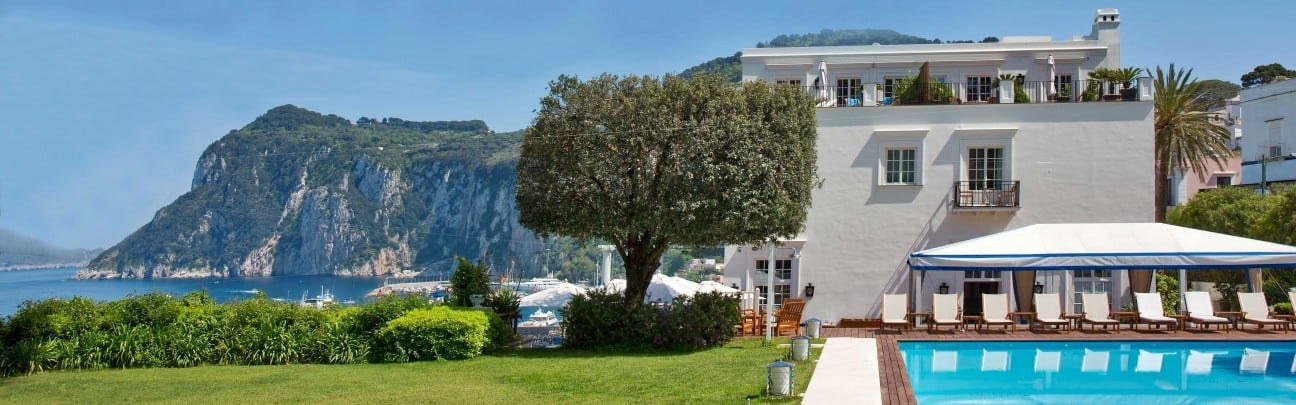
Bars in Capri
Browse all →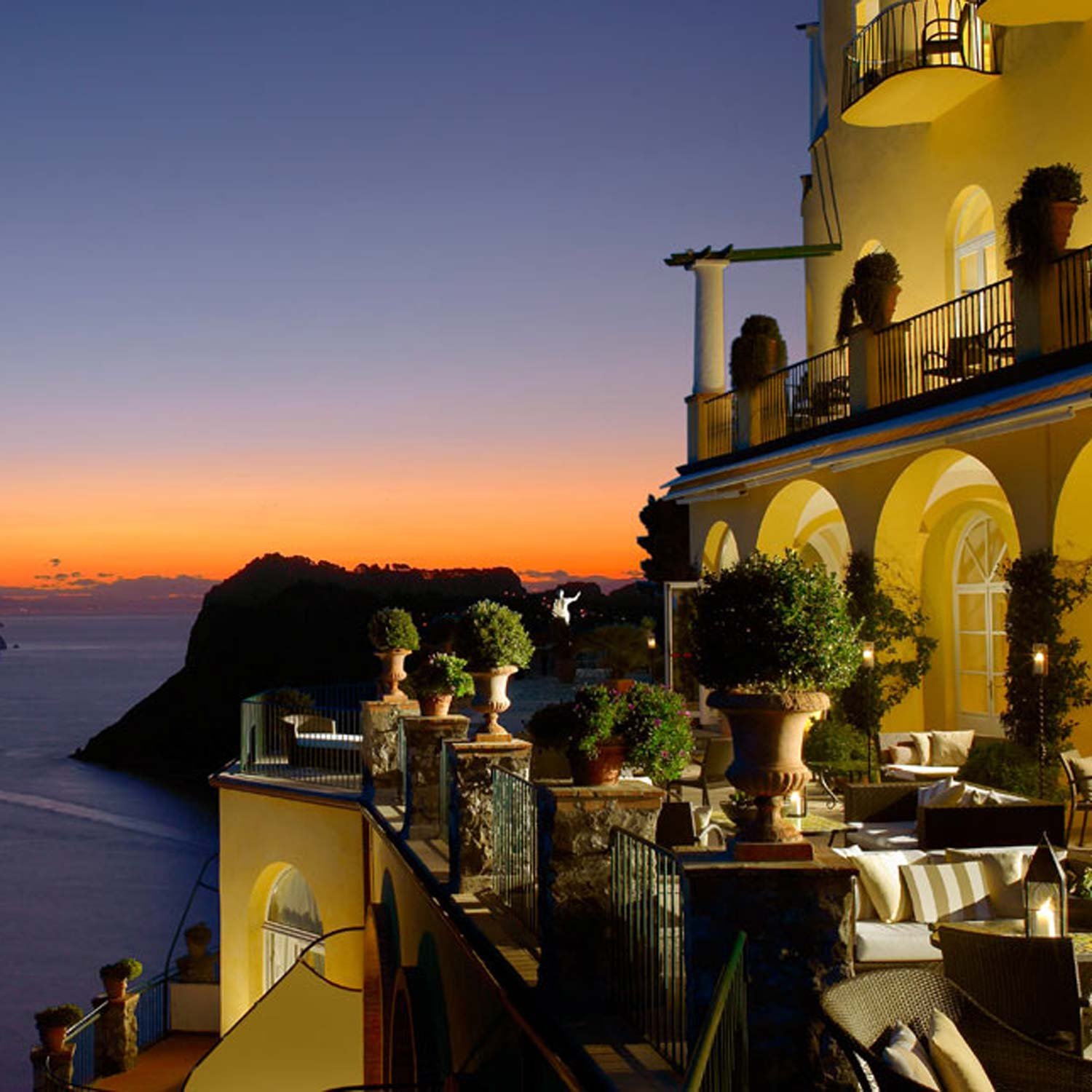
Restaurants in Capri
Browse all →

At a Glance
- Elegant
- Romantic
- Sophisticated
- Scenic
- Honeymoon
- Romantic Getaway
- Anniversary
- Wellness Retreat
- Celebration
- Beachfront
- Rooftop Pool
- Destination Spa
- Panoramic View
- Private Dining
- Garden
- Terrace
- Historic Building
- Design Destination
- Wi Fi
- Outdoor Pool
- Indoor Pool
- Spa
- Fitness Center
- Room Service
- Concierge
- Beach Access
- Restaurant
- Bar
- Hot Tub
- Waterfront
- Garden
- Mountain
- Wi Fi
- Outdoor Pool
- Indoor Pool
- Spa
- Fitness Center
- Room Service
- Concierge
- Beach Access
- Restaurant
- Bar
- Hot Tub
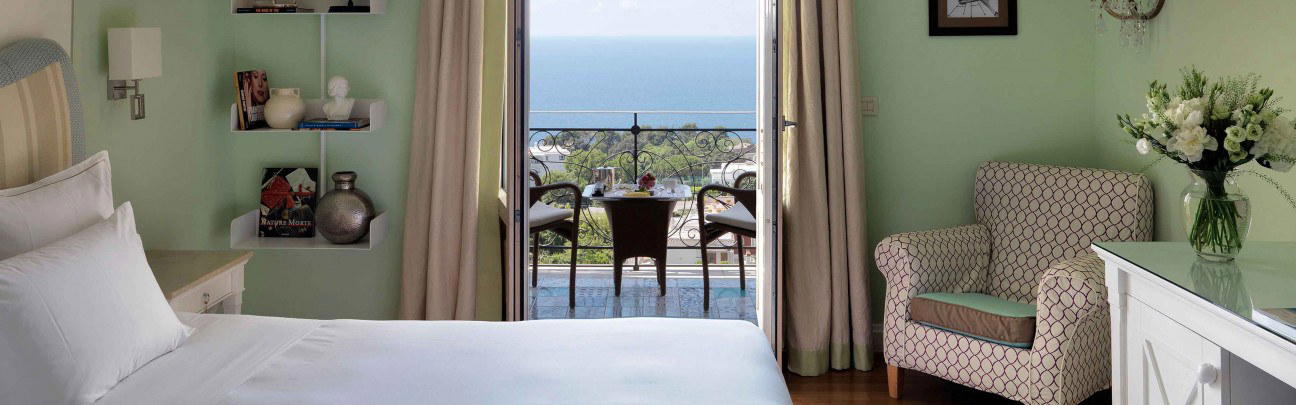
Serene and refined with cream-hued interiors, abundant natural light from sea and garden views, and an atmosphere balancing sophisticated elegance with relaxed island living.