On Procida's main seafront strip, Bar Grottino di Scotto sits where island rhythm and aperitivo culture intersect. This is a bar shaped by the unhurried pace of one of Italy's least commercialised islands, where the drink in hand matters less than the hour it occupies. For visitors making the crossing from Naples, it offers a grounded point of entry into how Procida actually lives.
Pearl is the En Primeur Club membership app — saves, bookings, and concierge access live there. Same editors, same standards.
- Address
- Via Roma, 125, 80079 Procida NA, Italy
- Phone
- +39 081 896 7787
- Directions
- Get directions
 Saves & bookings on Pearl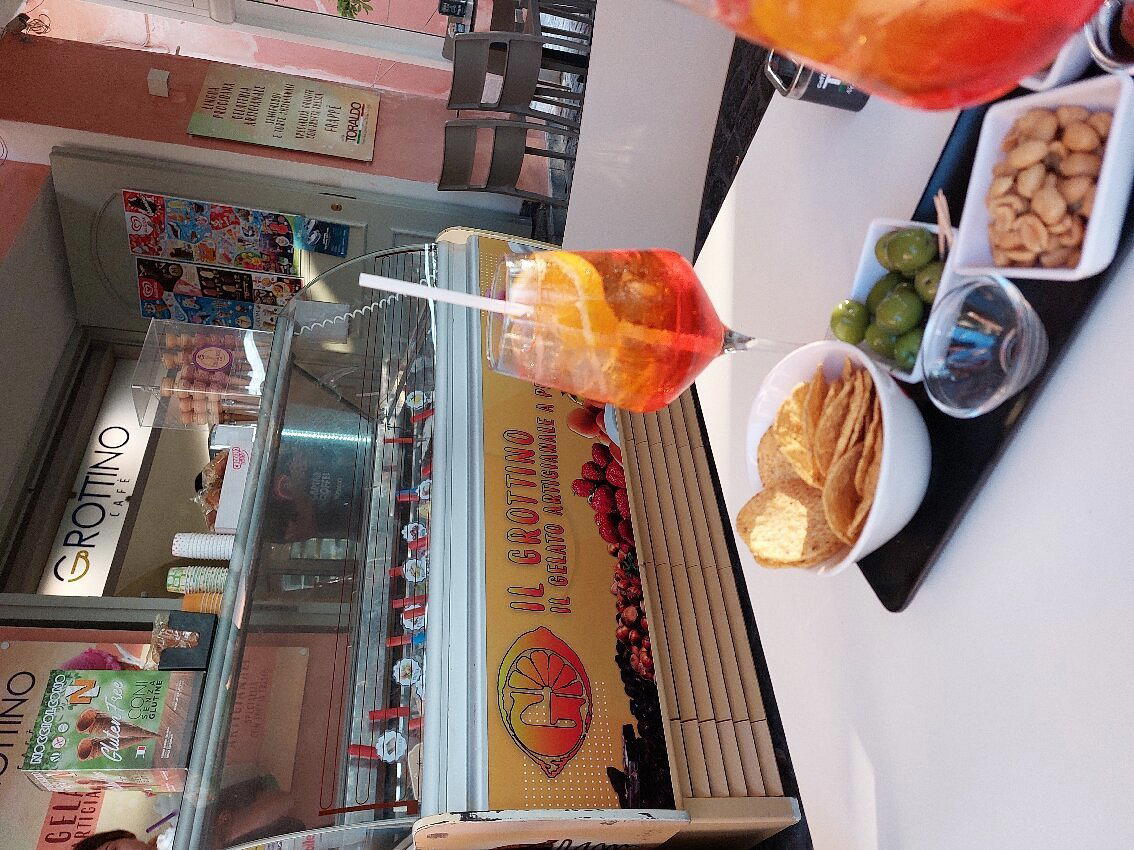
Drinking on Italy's Quietest Island
Procida has a way of resetting expectations. The shortest ferry crossing from the Bay of Naples brings you to an island that resisted the mass-tourism pressures that reshaped Capri and Ischia over several decades. When it was named Italy's Capital of Culture in 2022, the designation confirmed what slow-travel advocates had argued for years: Procida's value lies precisely in what it has not become. Against that backdrop, the bars along Via Roma carry a different social weight than their counterparts on the mainland. They are not destination venues in the way that Drink Kong in Rome or 1930 in Milan frame themselves. They are infrastructure for daily life, and the distinction matters when you are deciding how to spend an afternoon on the island.
Bar Grottino di Scotto, registered under the fuller name Bar Grottino di Scotto Srl Monaco Leonardo and M. occupies a position on Via Roma, the artery that traces Procida's western waterfront. The address places it within reach of the Marina Grande landing area, which is where most day-trippers arrive and where the island's commercial activity is concentrated. That geography shapes who drinks here and when: a mix of islanders running errands between espressos, visitors decompressing after the ferry crossing, and the slower category of guest who has booked a few nights and is genuinely trying to understand how the place works.
The Role of the Bar in a Small Island Economy
Italian bar culture operates differently at the scale of a small island. On the mainland, particularly in cities with competitive cocktail programmes, a bar earns its position through technique, sourcing, or conceptual clarity. You can trace a clear line between the craft-spirits focus of L'Antiquario in Naples, thirty minutes by ferry, and the broader shift in Italian bartending toward verifiable ingredient provenance and precise dilution. Island bars work from a different premise. Supply chains are constrained by ferry schedules and storage capacity. The clientele rotates seasonally. The social function of the space, as a place to pause, to encounter neighbours, to mark the transition between working hours and leisure, takes priority over the drink itself.
That context is not a diminishment. It is a different set of criteria. Where Gucci Giardino in Florence operates as a curated aesthetic statement and Al Covino in Venice anchors itself in wine depth, a waterfront bar on Procida answers to the island's pace first. The question for a visitor is not whether the cocktail programme competes with Italy's technical leaders, but whether the bar reads the island correctly. On that measure, a position on Via Roma, close to where arrivals and departures concentrate, makes practical and social sense.
What the Drinks Tradition Looks Like Here
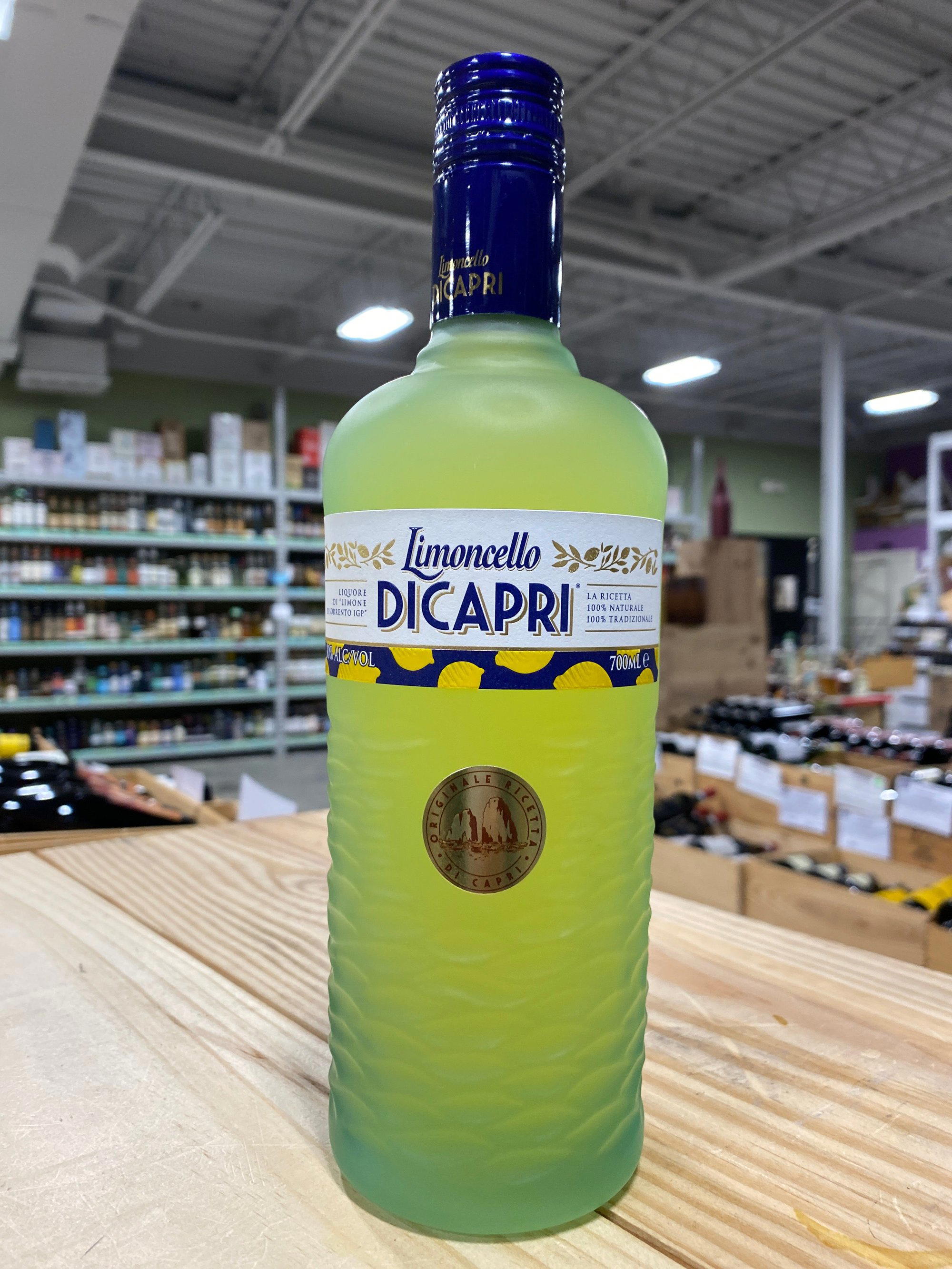
The southern Italian aperitivo format remains one legible entry point for visitors. Campari-based drinks, local limoncello applied more liberally than on the mainland, and the category of chilled white wine or prosecco that functions as a social lubricant rather than a studied pour all have a place in waterfront bars across the Campanian islands. Procida's proximity to the Phlegrean Fields wine region and the Campania DOC zones means that locally produced whites, particularly those built around Falanghina and Greco di Tufo, circulate at this price tier more readily than imported bottles.
For drinks comparison within the island, Da Girone represents the other named option in EP Club's Procida coverage. For those arriving from the Italian mainland with a reference frame built around places like Fauno Bar in Sorrento or the wine-forward programme at Enoteca Historical Faccioli in Bologna, the recalibration required for island bar culture is real and worth making consciously.
Approaching the Bar: Atmosphere and Access
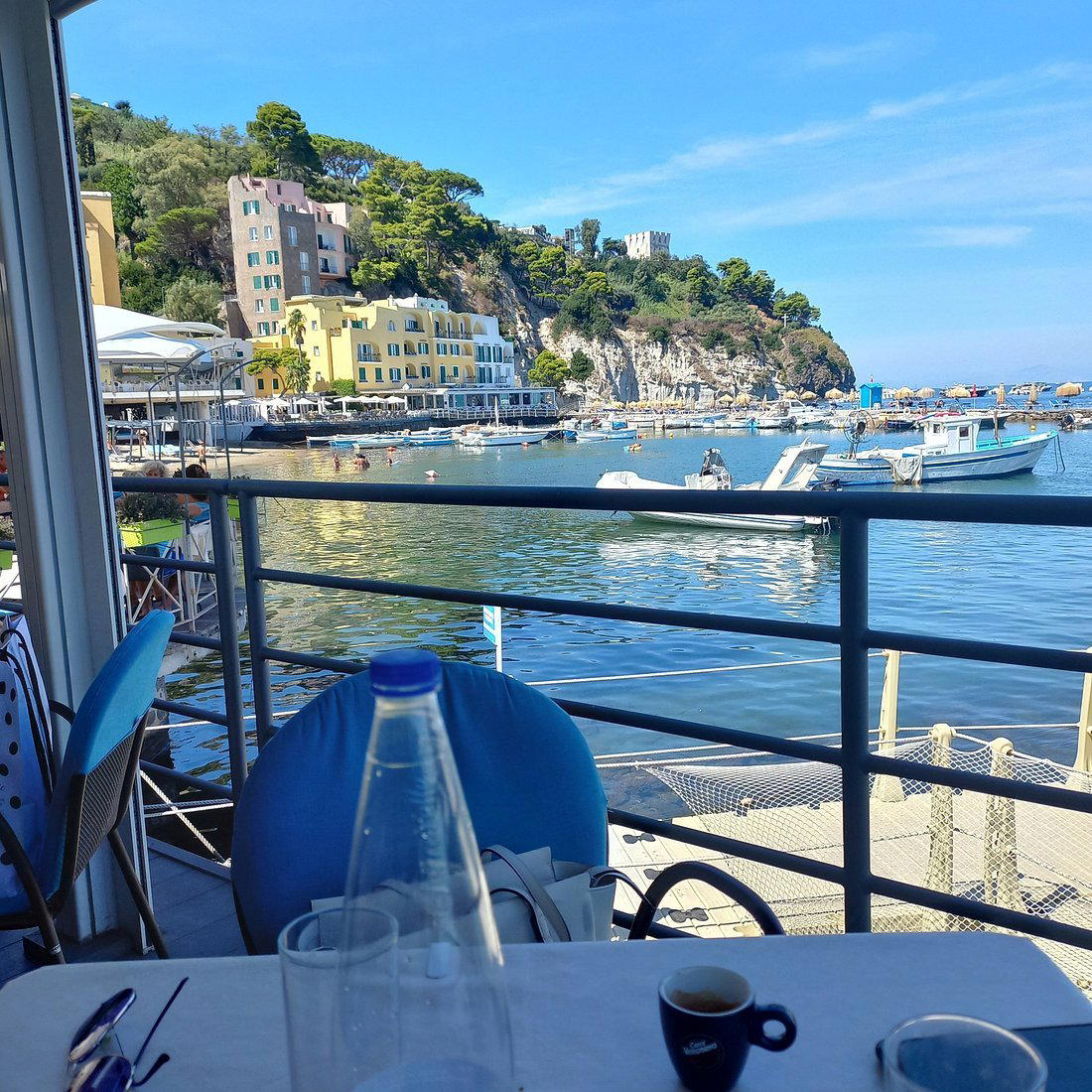
Via Roma runs along the port-facing side of Procida's Marina Grande district, which means the approach to most bars on this strip involves passing fishing boats, ferry queues, and the colourful stacked architecture that has made Procida among the more photographed waterfronts in the Tyrrhenian. The visual density of the setting does more atmospheric work than any interior could. Bars here operate as an extension of the street rather than as sealed environments, and the hours between late afternoon and early evening, when the light shifts over the bay and the last ferries of the day create a brief surge of movement, represent the period when the waterfront social function is most legible.
Getting to Bar Grottino di Scotto from Naples means taking the ferry or hydrofoil from Molo Beverello. The hydrofoil crossing takes approximately 35 minutes; the slower car ferry takes longer and is less relevant for day visitors. Once on the island, the Via Roma address is walkable from the ferry landing. There are no confirmed booking requirements for a bar of this type, and walk-in access during standard aperitivo hours is the expected mode of arrival. Procida's scale, roughly 3.7 square kilometres, means that no point on the island is particularly remote from any other, and the waterfront strip concentrates most of the bar activity.
For a broader reference, Lost and Found in Nicosia offers an instructive comparison, though it operates in a fundamentally different market with different expectations. Closer in spirit to Procida's pace, Bistrot Torrefazione Samambaia in Turin shows how Italian bars can anchor a neighbourhood rhythm without requiring a formal cocktail programme as their main credential.
Planning Your Visit
Procida's tourism season peaks between May and September, when day-tripper volumes from Naples increase substantially and the waterfront bars absorb more traffic. Visiting outside those months, particularly in April or October, offers a quieter version of the island and a more accurate sense of how its bars function for residents rather than tourists.
How It Stacks Up
Comparable venues nearby, for context on price, style, and recognition.
| Venue | Cuisine | Price | Notes |
|---|---|---|---|
| Bar Grottino di Scotto Srl Monaco Leonardo and M.This venue — the venue you are viewing | lounge | $$ | Not listed |
| Ocra Bar | hotel_bar | $$ | Centro |
Continue exploring
More in Procida
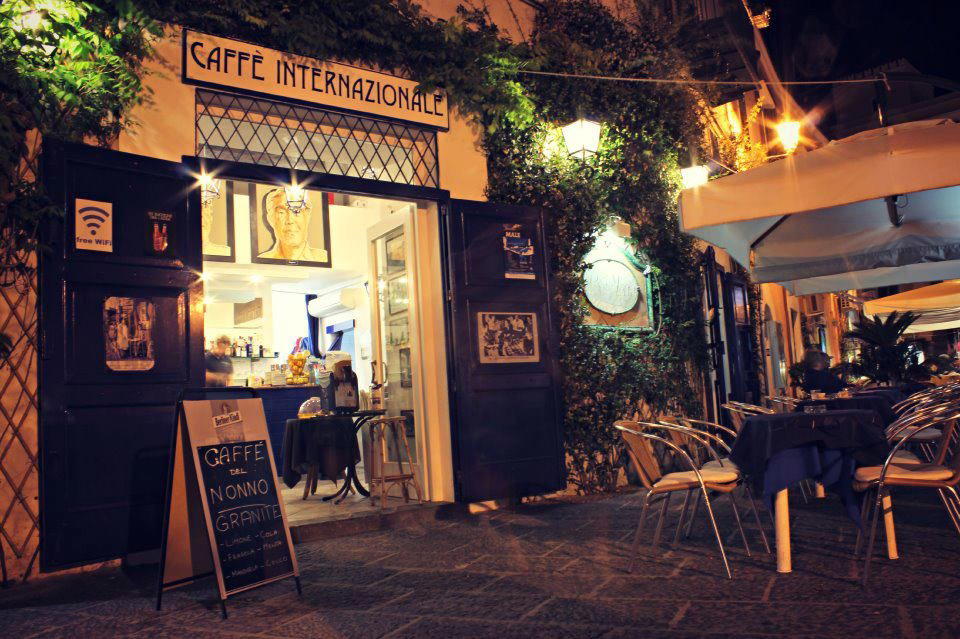
Bars in Procida
Browse all →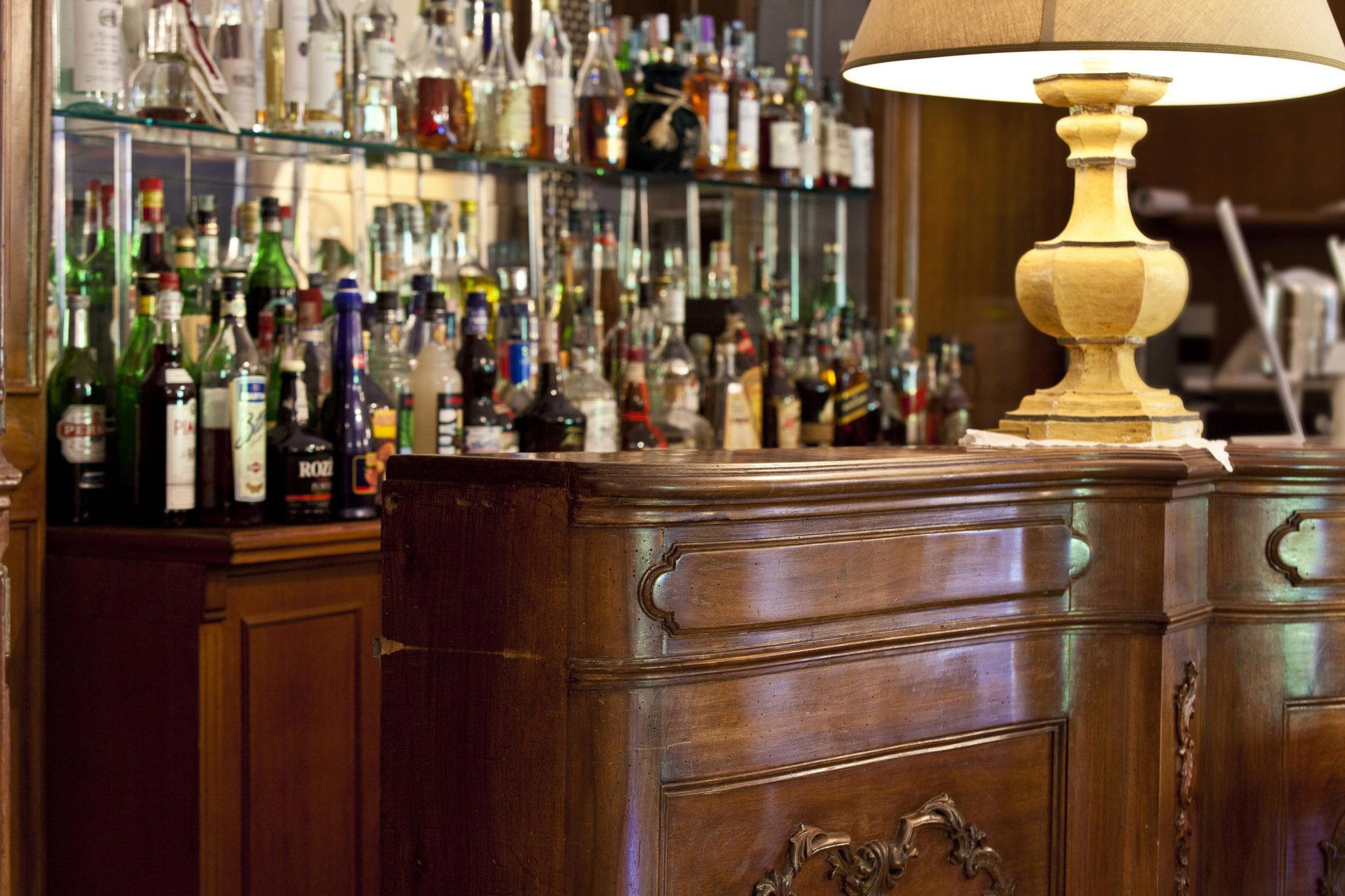
Restaurants in Procida
Browse all →
Hotels in Procida
Browse all →

At a Glance
- Cozy
- Rustic
- Intimate
- Casual Hangout
- Waterfront
- Seated Bar
- Waterfront
Current opening hours
- Monday
- 6 AM–1:30 AM
- Tuesday
- 6 AM–1:30 AM
- Wednesday
- 6 AM–1:30 AM
- Thursday
- 6 AM–1:30 AM
- Friday
- 6 AM–2 AM
- Saturday
- 6 AM–2 AM
- Sunday
- 6 AM–1:30 AM
Hours can change for holidays and private events. Last verified .
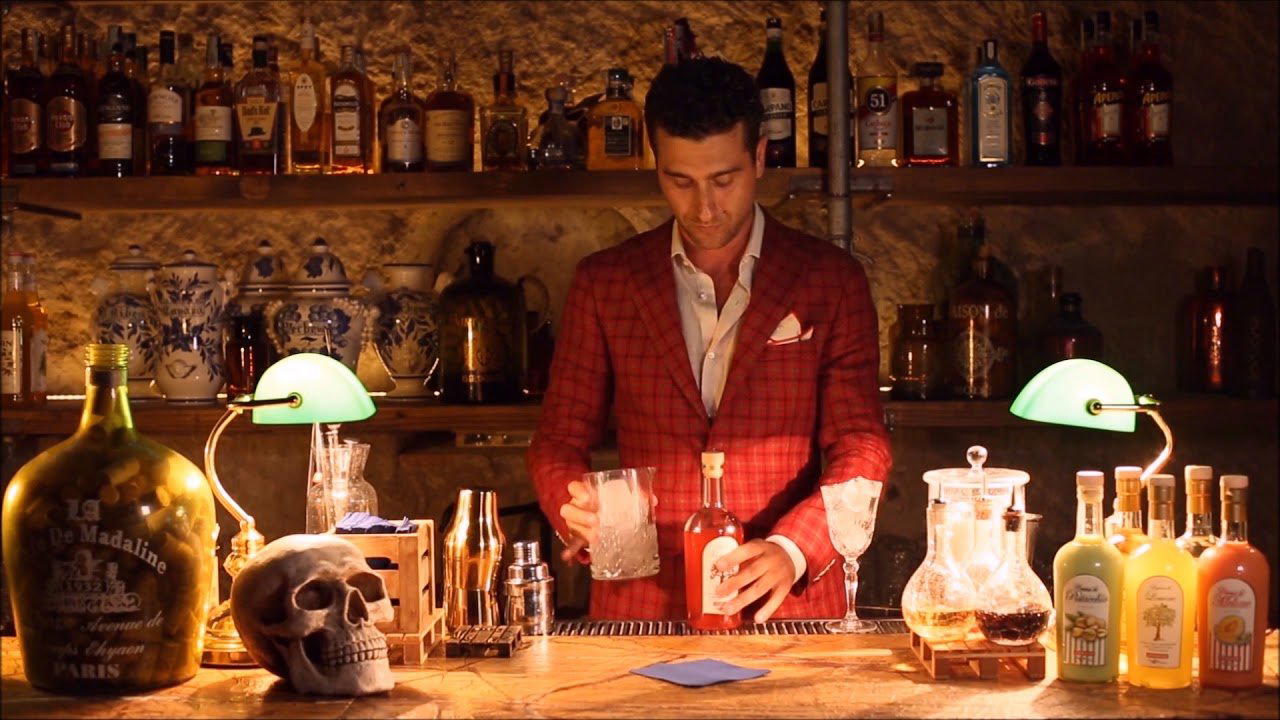
Dimly lit with a cozy island atmosphere.