




Designed by Le Corbusier in the 1920s and later commandeered as American military headquarters during World War II, Punta Tragara sits above the Faraglioni rock formations on Capri's southern cliffside. The peach-hued villa now operates as a hotel where Le Monzù, its Michelin-starred restaurant, anchors a dining program that spans poolside Mediterranean lunches to evenings under the pergola. La Liste ranked it 94 points among its Top Hotels for 2026.
Pearl is the En Primeur Club membership app — saves, bookings, and concierge access live there. Same editors, same standards.
- Address
- Via Tragara, 57, 80073 Capri NA, Italy
- Phone
- 39-081-837-0844
- Website
- manfredihotels.com
- Directions
- Get directions
 Saves & bookings on Pearl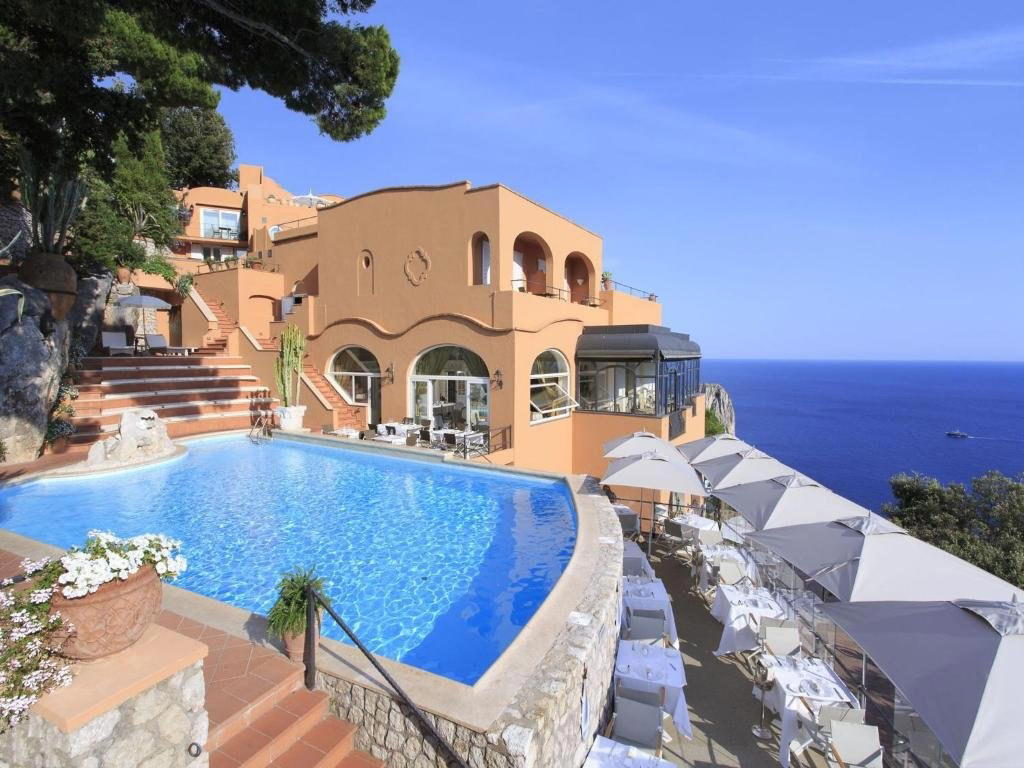
A Building That Has Outlasted Its Roles
Few hotels on Capri carry as much structural biography as Punta Tragara. Le Corbusier drew the plans in the 1920s, conceiving the villa as a private residence for an aristocratic client. Two decades later, the building changed its function entirely: during World War II, it served as headquarters for the American Command, with Eisenhower and Churchill among those who passed through its rooms. That layered past gives the property a weight that purely purpose-built luxury hotels on the island do not possess. Where JK Place Capri reads as a tightly curated design statement and Jumeirah Capri Palace leans into large-scale resort programming, Punta Tragara's identity is inseparable from what its walls have already witnessed.
The current ownership, represented by Goffredo Manfredi, traces the property back to his grandparents, Count and Countess Manfredi, who used the villa as a summer residence where family and notable guests gathered. That domestic memory shapes how the hotel presents itself today: not as an anonymous luxury address but as something closer to an inherited house held open for guests who understand the difference. This framing positions Punta Tragara alongside a small cohort of Italian properties, including Castello di Reschio in Lisciano Niccone and Il Pellicano in Porto Ercole, where private-house origins visibly inform the present-day experience rather than serving merely as a marketing footnote.
The Terrace View as Orienting Device
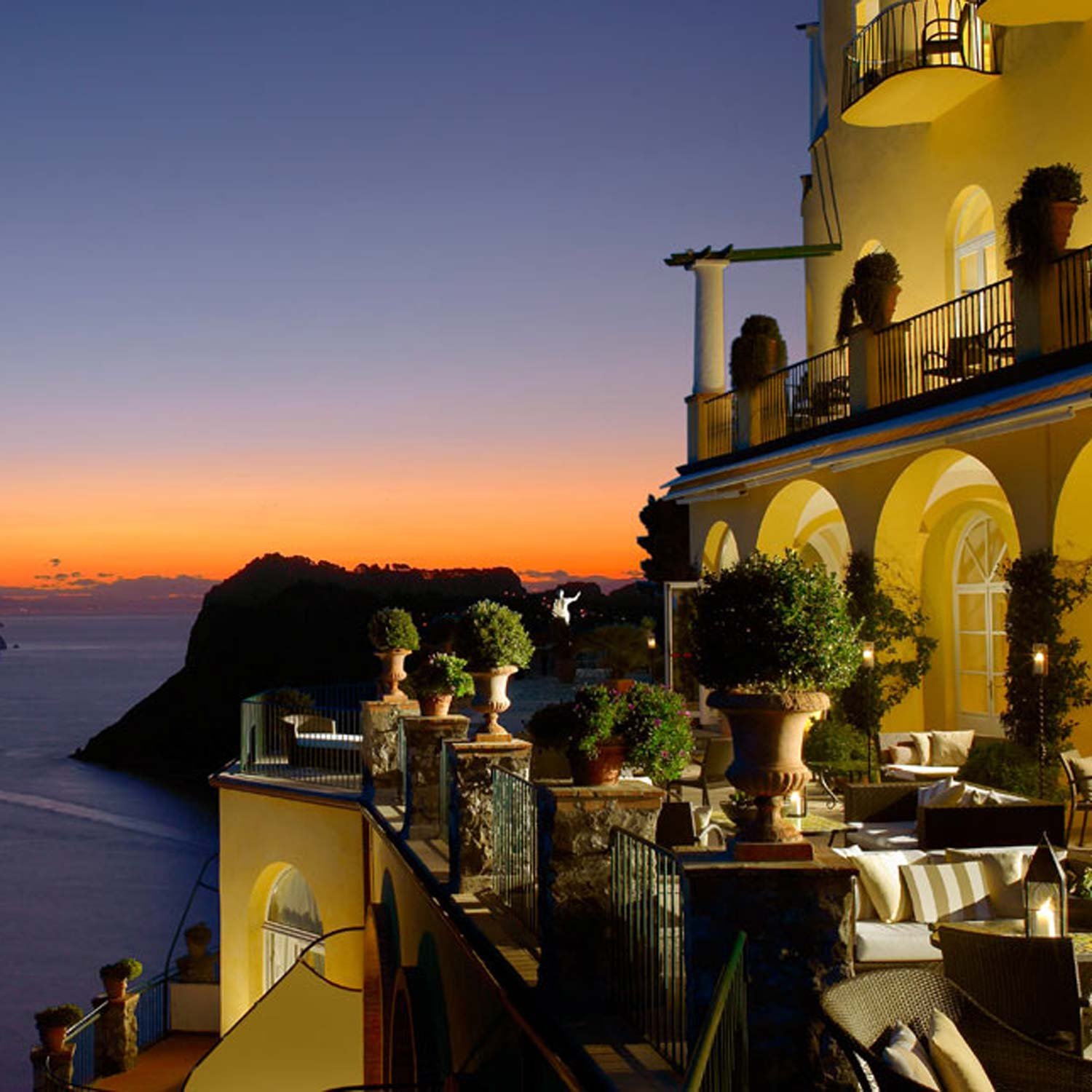
The address itself, Via Tragara 57 on Capri's southern flank, places the hotel within direct sightlines of the Faraglioni, the three rock stacks that function as the island's most recognizable silhouette. From the terraces, the view extends across Marina Piccola and the white cliffs, with the Faraglioni framing every sunset in a way that changes colour register from afternoon to dusk. This is not incidental. Cliff-edge positioning on Capri's southern coast, shared by only a handful of properties, determines an entirely different relationship with the island than a Piazzetta-adjacent address like Grand Hotel Quisisana or Capri Tiberio Palace. The Piazzetta itself sits fifteen minutes on foot via Via Tragara and Via Caramelle, a pedestrian-only route, which preserves the hotel's sense of remove without requiring a ferry or taxi to reach the island's social centre.
For guests arriving in high summer, the walk to the Piazzetta has the practical advantage of bypassing the vehicle traffic that clusters around other entry points. The pedestrian corridor through this part of the island is one of Capri's more considered design inheritances, and staying at Punta Tragara puts it directly on the hotel-to-town axis.
Le Monzù and the Dining Structure
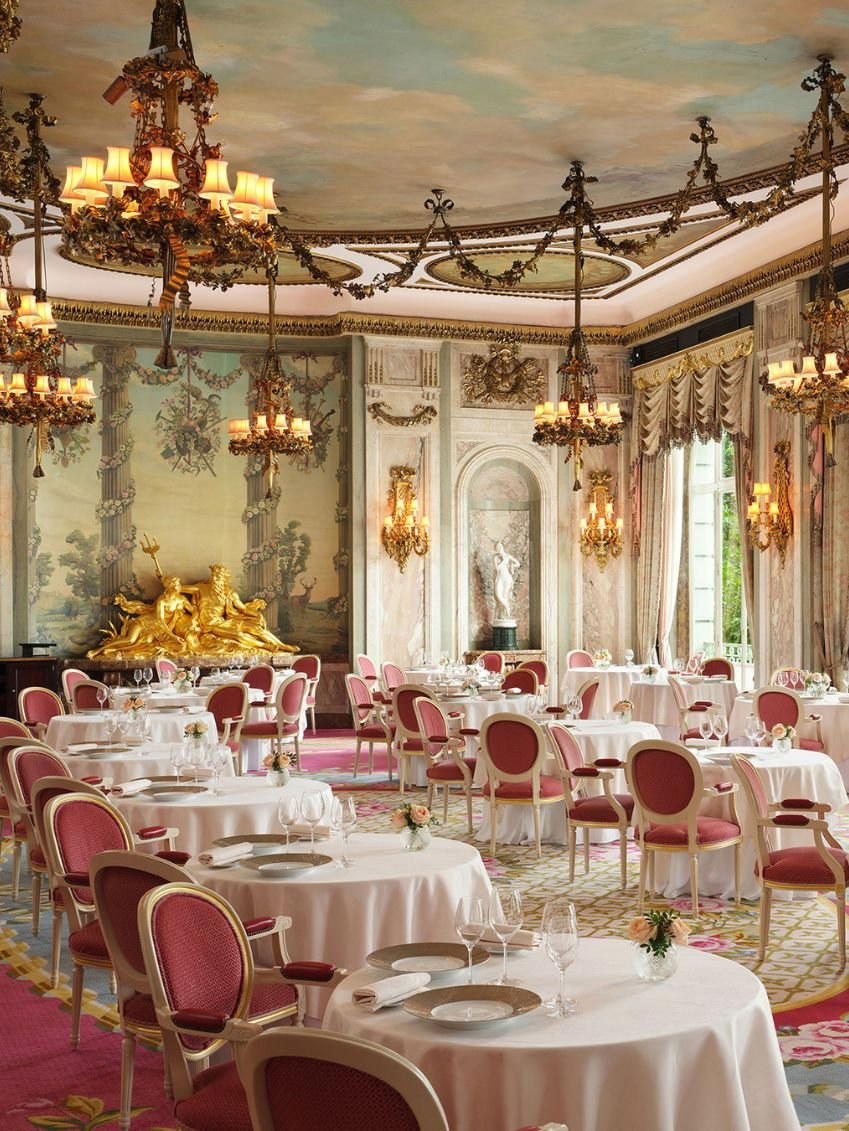
Capri's restaurant scene divides between seafood-forward trattorie, hotel dining rooms that trade on their views, and a narrower tier of kitchens holding or chasing Michelin recognition. Le Monzù, the hotel's main restaurant, sits in that upper tier with a Michelin star under Chef Pedana, whose approach combines Mediterranean tradition with a degree of technical internationalism. The restaurant occupies a position suspended between sea and sky in the property's physical structure, meaning the Faraglioni view accompanies the meal in a way that few indoor dining rooms on the island can replicate.
Below Le Monzù in the hotel's food and beverage stack, The Grill operates as a more casual proposition, serving Mediterranean cuisine poolside at lunch and under a pergola in the evening, with live music and DJ sets adding ambient rhythm to the service. The Tragara Club Cocktail Bar handles signature cocktails from a panoramic vantage point over the bay. This three-tier structure, formal starred dining at the leading, relaxed grill at pool level, and a cocktail bar as the social midpoint, mirrors the model used by larger island hotels but is calibrated to a smaller, more intimate scale. Compare this with Hotel Caesar Augustus, which similarly organises its dining program around a clifftop view, or the more developed F&B; offer at Hotel La Palma Capri, an Oetker Collection Hotel.
For guests who want Michelin-level cooking without leaving the property, Le Monzù removes the need to book elsewhere. On an island where restaurant reservations in July and August can be as difficult to secure as ferry tickets, that on-site option has real logistical value.
Rooms and the Colour Register of the Island
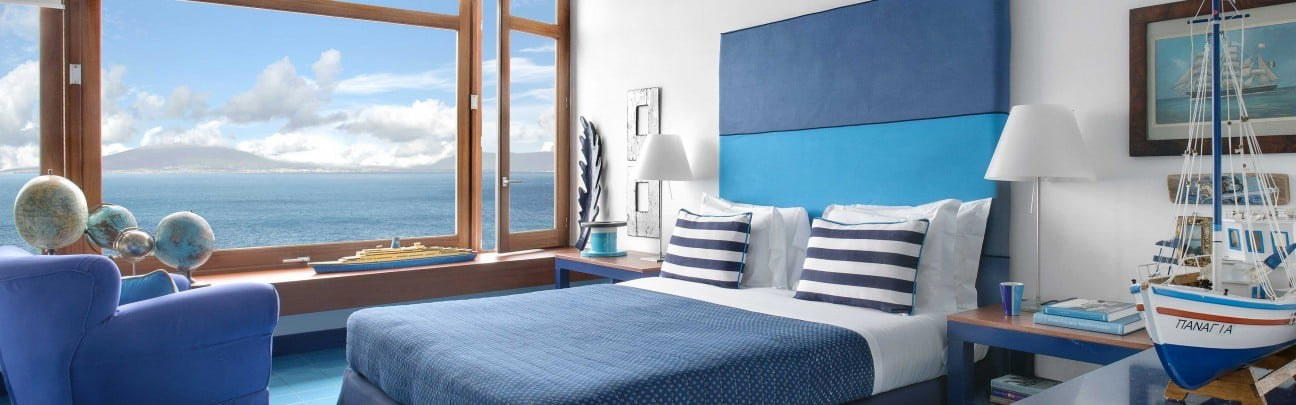
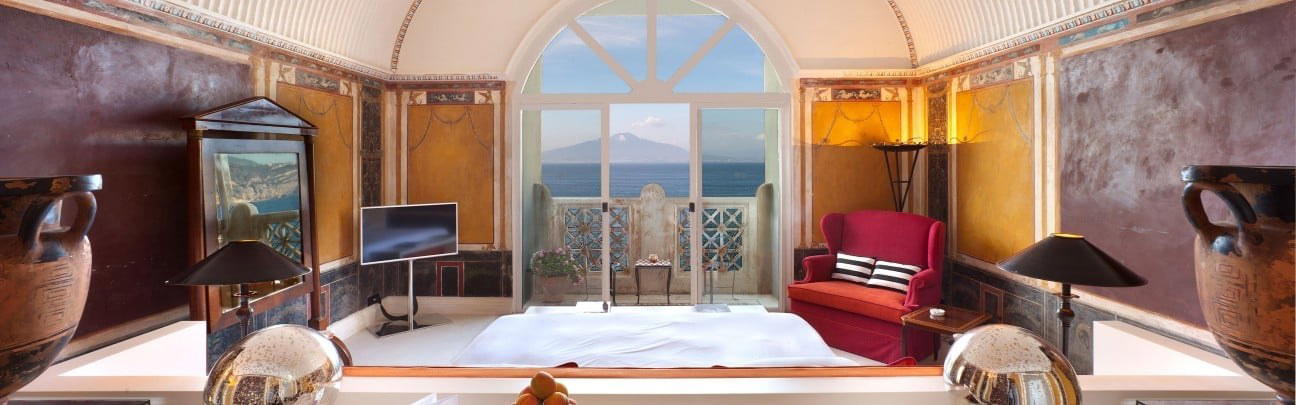
The rooms at the hotel are organised around the colour vocabulary of Capri itself: Mediterranean blue, lemon yellow, garden pink, and the grey tones of volcanic rock at dusk. Light reflects sea and sky into the interiors, a consequence of the southern exposure and the altitude above the water. Each room is positioned as a distinct environment rather than a repeated module, which places the hotel firmly in the design-led independent tier rather than the brand-standardised one. This is the same value proposition offered by Villa Marina Capri and, at a more expansive price point, by Aman Venice in the broader Italian context.
Wellness and Supporting Infrastructure
The Narducci Wellness Area functions as a self-contained retreat within the property, offering massage, beauty treatments, and sensory therapies in an intimate format. In the context of Italian coastal hotels, the wellness offer at the hotel is positioned as an artisanal complement to the main experience rather than a scaled spa facility of the kind found at Borgo Egnazia or Four Seasons Hotel Firenze. The smaller footprint suits the property's overall register.
Recognition and comparable set
La Liste's 2026 ranking placed the hotel at 94 points, a benchmark that aligns the property with a global cohort of design-sensitive, historically grounded hotels rather than the high-volume luxury tier. Within Italy, that comparable set includes properties like Passalacqua in Moltrasio, Casa Maria Luigia in Modena, and Rosewood Castiglion Del Bosco in Montalcino, each of which prioritises a defined sense of place over generic amenity delivery. The La Liste score, combined with the Michelin star at Le Monzù, gives the property two independent trust anchors that operate across different evaluation criteria: hospitality and cuisine respectively.
For the full picture of what Capri's hotel tier looks like at this level, our Capri restaurants and hotels guide maps the island's key properties against each other. Elsewhere in Italy, guests drawn to the combination of historical architecture and coastal positioning may also consider Borgo Santandrea on the Amalfi Coast or Il San Pietro di Positano as the nearest southern-coastal equivalents in that tier.
Planning Your Stay
The hotel operates seasonally, as most Capri hotels do, with the core window running from late spring through early autumn. July and August bring maximum demand across the island, which compresses both room availability and restaurant reservation windows significantly. Late May, early June, and September offer more accessible booking conditions while retaining the weather and light quality that define the Capri experience. The hotel is located on the island's pedestrian-only Via Tragara, which means access from the port involves either a short taxi ride to the start of the walk or a direct arrangement with the hotel. Given the cliff-edge address, guests with significant mobility considerations should confirm access details directly before booking. During peak season, availability at both the hotel and Le Monzù closes well in advance.
Similar Picks
Comparable venues nearby, for context on price, style, and recognition.
| Venue | Cuisine | Price | Notes |
|---|---|---|---|
| Punta TragaraThis venue — the venue you are viewing | Modernist luxury villa with contemporary Italian design; exclusive and romantic retreat blending architectural heritage with refined comfort. | $$$$ | Not listed |
| Hotel Caesar Augustus | Clifftop Relais & Chateaux boutique hotel with panoramic Bay of Naples views | $$$$ | Anacapri |
| Pazziella, a Luxury Collection Hotel, Capri | Contemporary classic with authentic Capri villa architecture, blending tradition dating to 1950 with modern luxury through recent floor-to-ceiling renovation. | $$$$ | Capri Town Center |
| Palazzo M Capri | Modern luxury palazzo blending contemporary design with historic charm, positioned as an upscale boutique retreat in a heritage building. | $$$$ | Capri Town |
| Hotel La Palma Capri, an Oetker Collection Hotel | Luxury Mediterranean retreat blending historic heritage with contemporary design, positioned as Oetker Collection's flagship Italian property. | $$$$ | Piazzetta |
| Villa Marina Capri | Authentic Caprese villa with Art Deco architecture built in 2008 | $$$$ | Marina Grande |
Recognition history
Dated appearances from independent guides and award organizations, with the underlying list record or original source where available.
Forbes Recommended
Forbes
La Liste Top Hotels
La Liste
Virtuoso Luxury Hotel Partner
Virtuoso
Michelin Selected
Michelin
Small Luxury Hotels of the World Member
Small Luxury Hotels of the World
Continue exploring
More in Capri
Hotels in Capri
Browse all →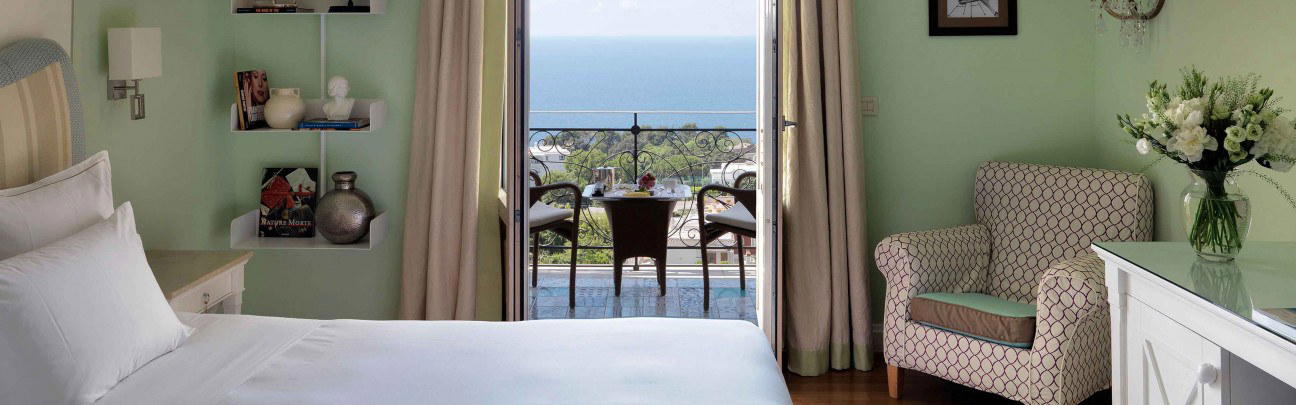
Bars in Capri
Browse all →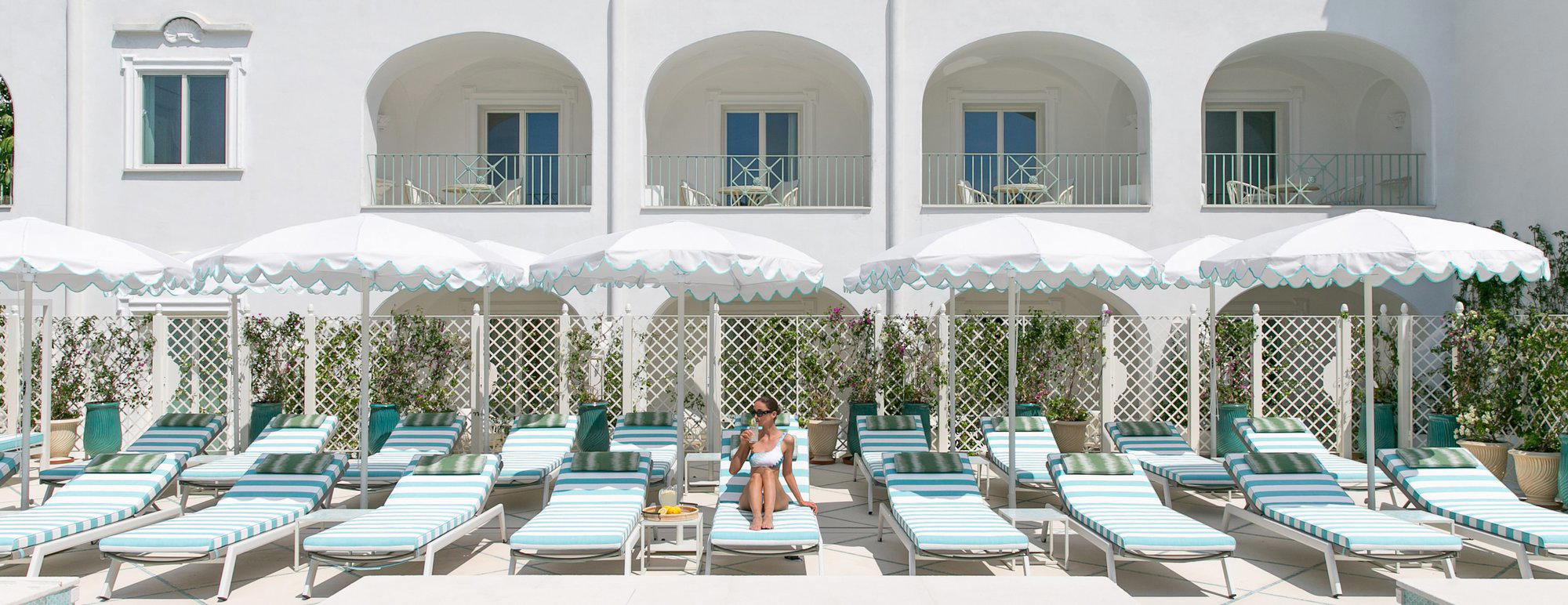
Restaurants in Capri
Browse all →

At a Glance
- Romantic
- Scenic
- Elegant
- Sophisticated
- Well Known
- Honeymoon
- Romantic Getaway
- Anniversary
- Wellness Retreat
- Panoramic View
- Terrace
- Garden
- Waterfront
- Historic Building
- Design Destination
- Rooftop Pool
- Destination Spa
- Wi Fi
- Pool
- Spa
- Fitness Center
- Room Service
- Concierge
- Restaurant
- Bar
- Garden
- Waterfront
- Garden
- Wi Fi
- Pool
- Spa
- Fitness Center
- Room Service
- Concierge
- Restaurant
- Bar
- Garden
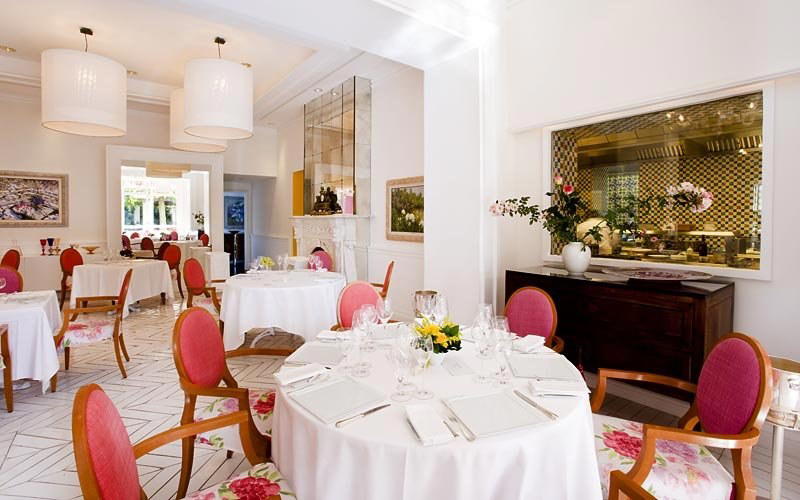
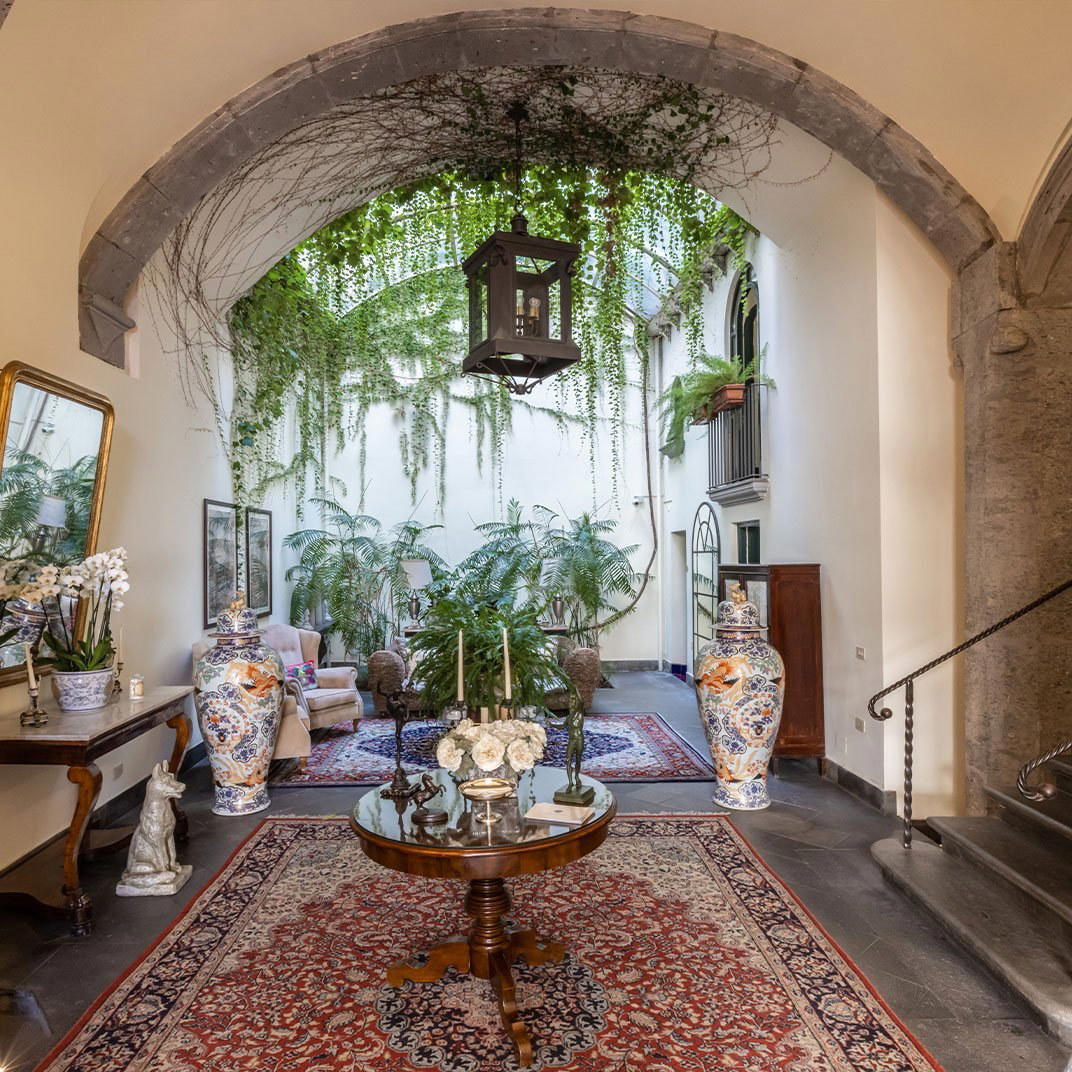
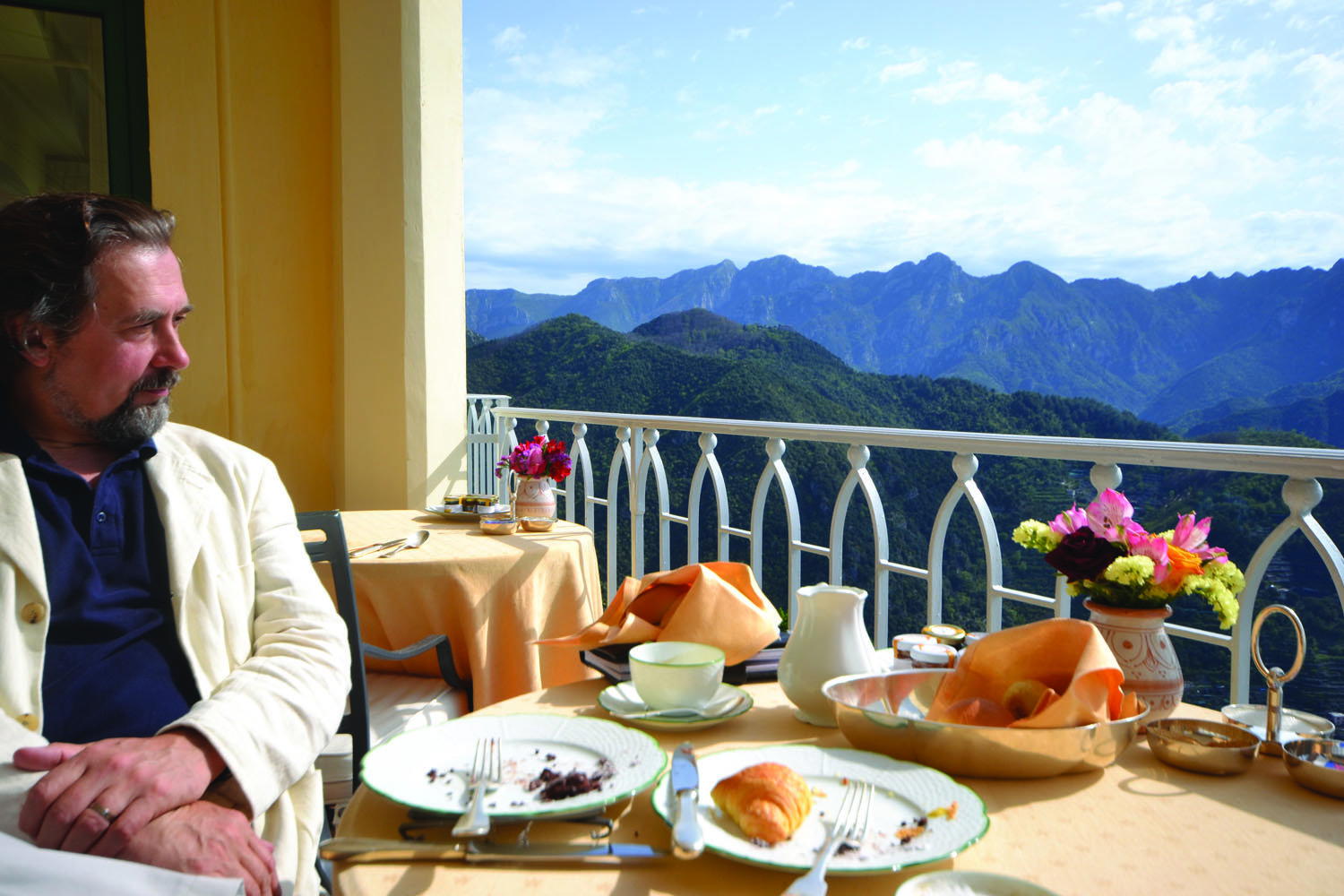
Luminous and serene with natural light flooding through expansive windows and terraces; refined Italian opulence with contemporary design elements and garden flora creating a tranquil, sophisticated atmosphere.