Don Amado (Arellanes family)
Don Amado (Arellanes family) operates from Santa Catarina Minas, the Oaxacan village that defines the mezcal tradition more precisely than almost any other address in Mexico.

Pearl is the En Primeur Club membership app — saves, bookings, and concierge access live there. Same editors, same standards.
- Address
- Caminó Real#7 Santa Catarina Minas Ocotlan Medio, 71534 México, Oax.
- Phone
- +52 951 565 8523
- Website
- delmezcal.com
- Directions
- Get directions
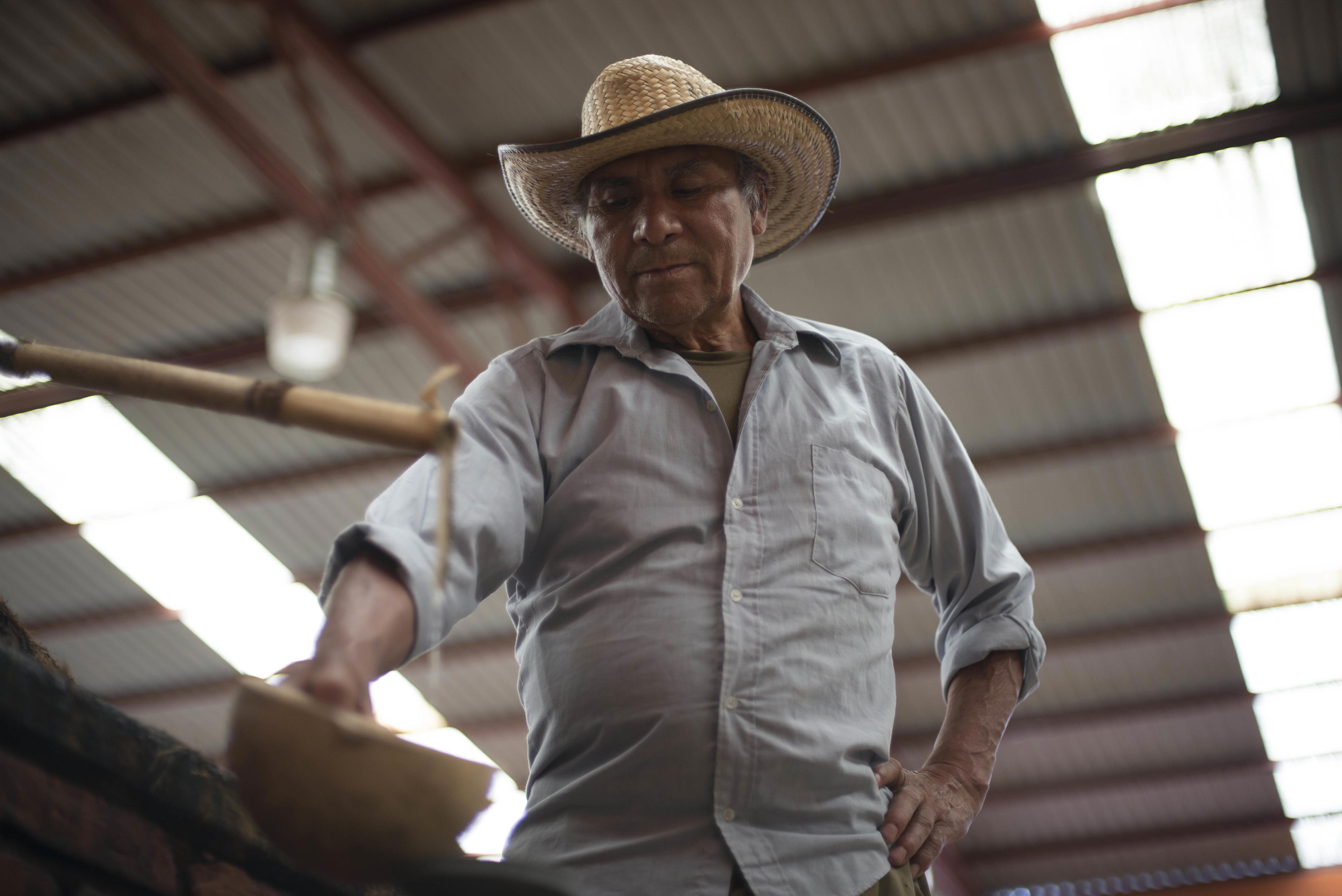
The Village That Defines the Spirit
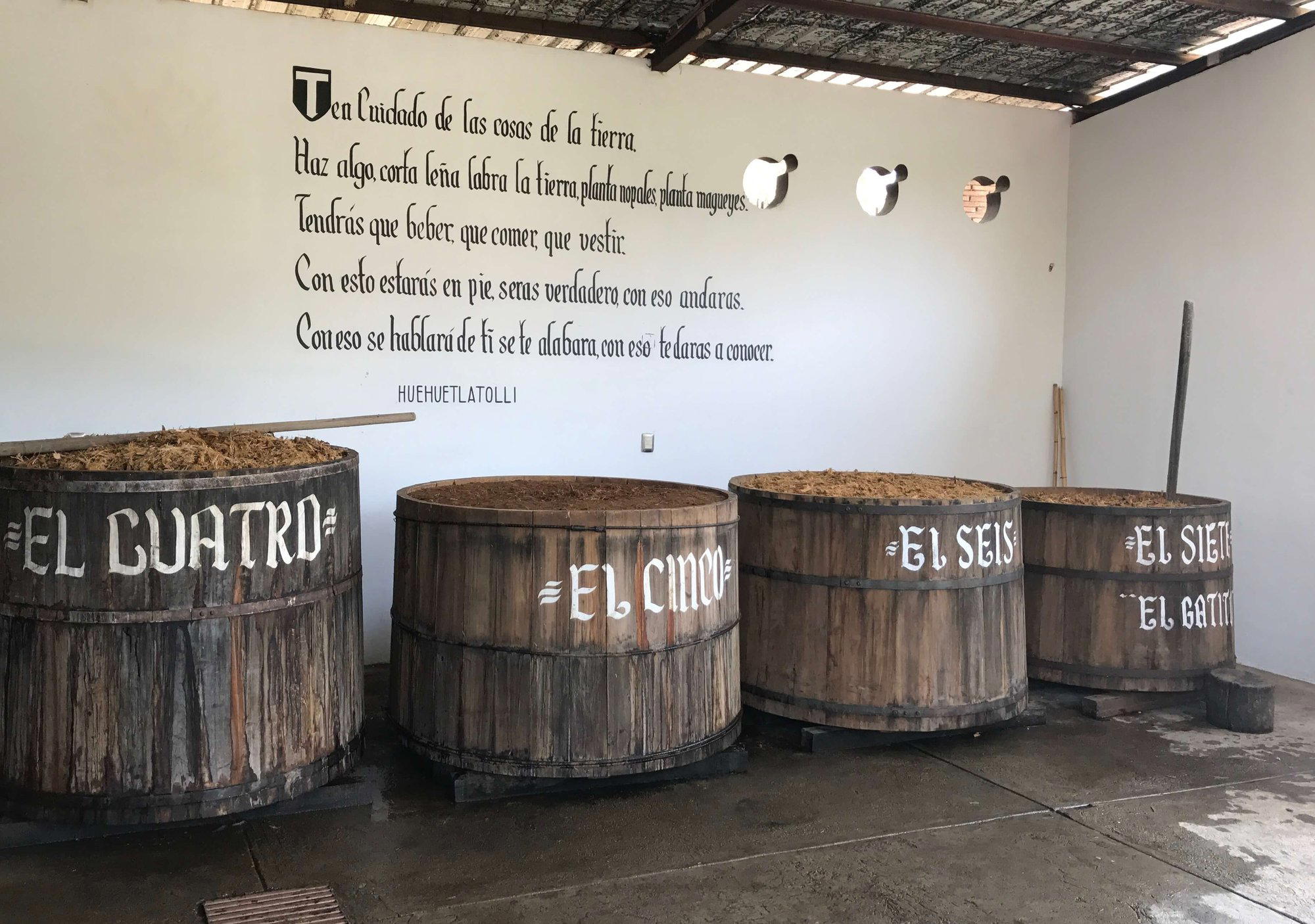
Arrive in Santa Catarina Minas and you quickly understand why this cluster of adobe walls and clay-kiln smoke has become a reference point for serious mezcal. The village sits in the Ocotlan corridor of Oaxaca's Central Valleys, far enough from Santiago Matatlán's larger commercial operations that production here has evolved on its own terms. The road in is narrow, the surroundings are dry scrubland and agave field, and the palenques announce themselves through sound and smell long before you see them. Roasting maguey in earthen pits, fermenting in open wooden vats, and distilling in clay or copper: the sequence is the same across the village's producers, but the specific character of each family's output diverges in ways that only close, repeated tasting makes legible.
Don Amado (Arellanes family) is one of the established names in this village's producer community, operating at Caminó Real #7 in the Ocotlan Medio municipality. That credential matters here not as marketing signage but as a navigational signal: in a village where several producers offer direct visits, the award provides a reasoned starting point for the first-time visitor choosing where to spend limited time.
Clay Pots and What They Actually Do
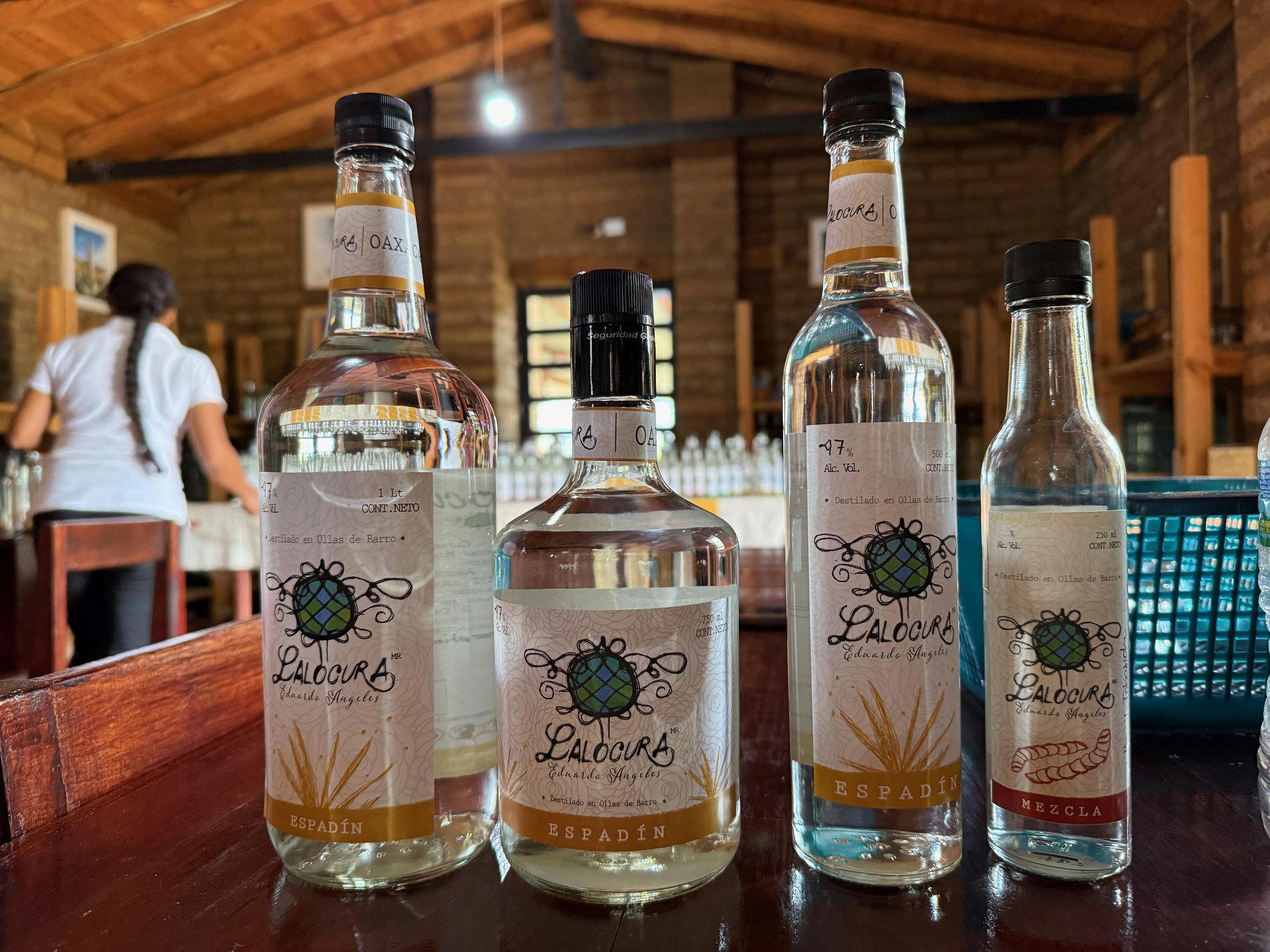
The editorial angle that leading frames Don Amado's position in the Santa Catarina Minas producer community is terroir expression, specifically the question of how a distillation vessel shapes the way local agave translates into spirit. The village's most closely watched producers, including Real Minero and Lalocura, have made clay-pot distillation central to their identity, and the technique has drawn serious attention from importers and collectors over the past decade. The clay pot, or olla de barro, is porous and thermally inconsistent compared to copper or stainless steel, and those physical properties produce a spirit with more texture, a slightly reduced aromatic lift, and flavour compounds that copper distillation tends to filter out. The result is a mezcal that feels heavier and more mineral in character, qualities that connect more directly to the agave's growing environment than a more neutral vessel would allow.
This is the logic behind treating Santa Catarina Minas as a distinct production zone rather than simply a quieter corner of Oaxacan mezcal. The soil composition of the Central Valleys, the altitude, and the specific agave populations that have grown here across generations all contribute to raw material with particular chemical profiles. When that material goes through clay rather than copper, the argument goes, less is stripped away in distillation. Whether a visitor can reliably taste that difference is a reasonable question, but the producers who have attracted sustained critical attention in this village are consistent in choosing the slower, harder-to-control method, and that consistency is itself a statement about priorities.
The Arellanes Production in Context
Santa Catarina Minas does not have a large number of palenques, but the ones operating here have attracted disproportionate international attention relative to the village's size. That concentration of recognised producers in a single small address mirrors patterns seen elsewhere in artisanal spirits geography: in regions where traditional methods survived because commercial pressures arrived late, family operations can accumulate decades of site-specific knowledge that newer or larger producers cannot quickly replicate.
For context on how this production model sits within Mexico's broader spirits geography, comparisons are instructive. Industrial tequila operations like Jose Cuervo (La Rojeña) in Tequila and La Primavera (Don Julio) in Atotonilco El Alto represent the high-volume, highly controlled end of agave spirits production. Palenques like Don Amado operate at the opposite pole: low volume, variable by season and agave lot, entirely manual in most stages. Operations like Los Danzantes in Santiago Matatlán occupy a middle ground, blending artisanal identity with more structured commercial distribution. Understanding where Don Amado sits in that spectrum clarifies what a visit involves and what the spirit is likely to taste like before you arrive.
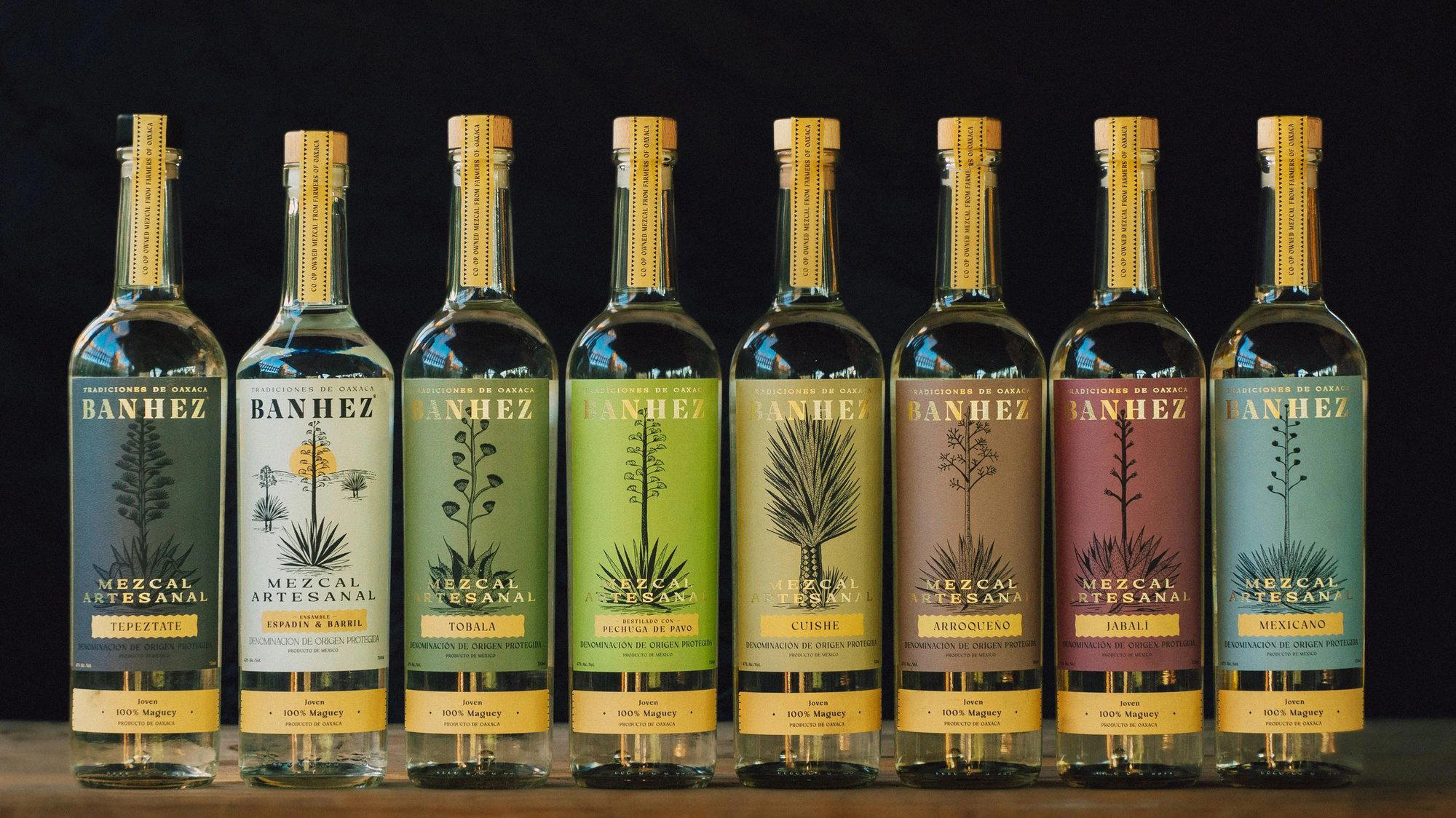
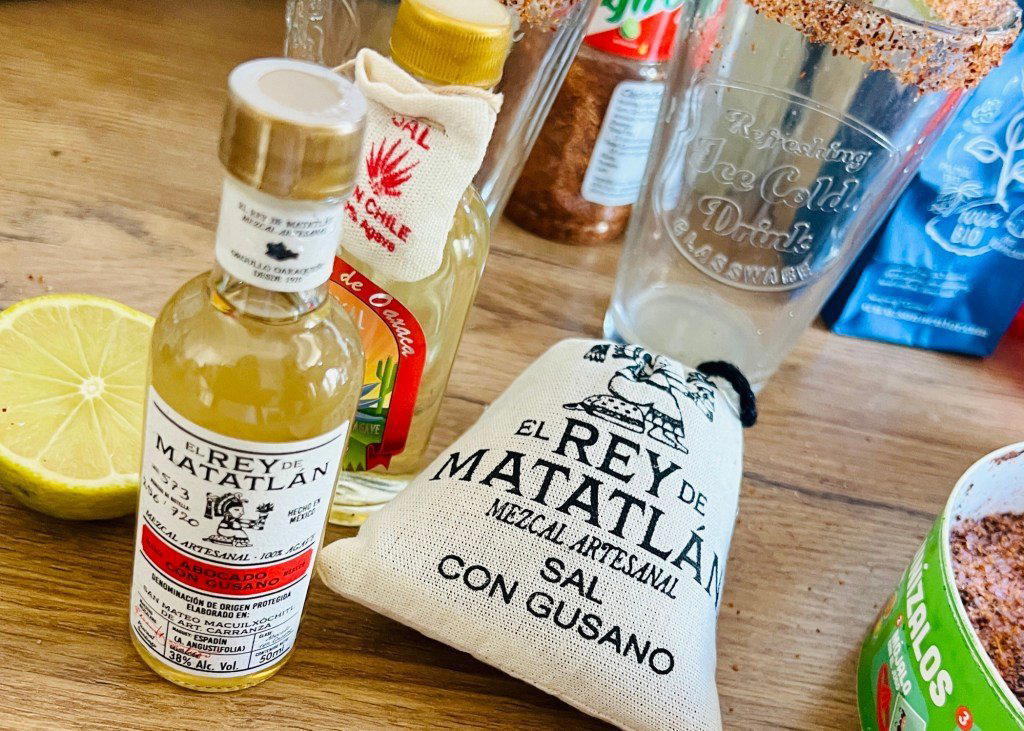
Further out on the cooperative and multi-agave spectrum, Banhez (UPADEC cooperative) in San Miguel Ejutla works with ensemble agave combinations rather than single varietals, while Casa Cortés in La Compañía (Ejutla) represents another family-scale Oaxacan operation for those assembling a multi-producer itinerary. Outside the mezcal category entirely, Casa Herradura in Amatitán, Cazadores Distillery in Arandas, and El Pandillo (G4) in Jesús María offer reference points for how tequila's Jalisco geography produces spirits with a different regional logic. And for those arriving from the direction of Oaxaca's eastern valleys, El Rey de Matatlán in Tlacolula de Matamoros represents the Matatlán-area production corridor as a contrasting frame.
Planning a Visit to Santa Catarina Minas
The village is not set up for walk-in tourism in the way that a dedicated visitors' centre or tasting room format would imply. Production palenques in this area receive guests but generally on terms that require advance contact or local coordination. For the visitor committed to visiting, the most reliable approach is to arrive in Oaxaca City first, ask at established mezcalerías or specialist retailers about current access to the Minas producers, and treat the visit as something to arrange through intermediaries rather than book independently. The village is roughly an hour's drive from Oaxaca City via the Ocotlan road, accessible by private vehicle or a combination of the Oaxaca-Ocotlan bus service and local transport, though specific transit times should be confirmed locally given road and service conditions.
The character of a visit here is low-key by design. These are working production facilities, not hospitality venues. The sensory environment is the process itself: the smell of roasting agave, the visual rhythm of distillation, the chance to taste a spirit directly at source in the same geographic and atmospheric conditions that shaped the agave. That mode of encounter is precisely what differentiates the village's producer palenques from the organised tasting-room formats found elsewhere in Mexico's spirits geography. For visitors more oriented toward the structured visit format, the full Santa Catarina Minas guide maps the complete producer community and offers context for sequencing multiple stops.
For reference beyond mezcal, the EP Club also covers distilleries operating at entirely different scales and traditions: Aberlour in Aberlour in Scotland's Speyside and Accendo Cellars in St. Helena in Napa Valley represent how terroir-first production arguments play out in wine and whisky contexts respectively. The comparison underlines a consistent principle: in spirits and wine alike, the producers that attract sustained critical attention tend to be those where geography, vessel, and process are treated as inseparable rather than independently optimisable variables. In Santa Catarina Minas, that argument is made in clay, smoke, and local agave, and Don Amado (Arellanes family) is among the village's recognised voices making it.
How It Stacks Up
Comparable venues nearby, for context on price, style, and recognition.
| Venue | Cuisine | Price | Notes |
|---|---|---|---|
| Don Amado (Arellanes family)This venue — the venue you are viewing | karwinskii Largo | Not listed | Not listed |
| Palenque El Conejo | espadín, cuishe | $30–50 | Santa Catarina Minas |
| Lalocura | Tobasiche, San Martinero | Not listed | Santa Catarina Minas |
| Real Minero | Espadín, Barril | Not listed | Santa Catarina Minas |
| El Buho | Winery | Not listed | Santiago Matatlán |
| Mezcal Benevá | Agave Espadín | Not listed | Macuilxóchitl de Artigas Carranza |
Continue exploring
More in Santa Catarina Minas
Wineries in Santa Catarina Minas
Browse all →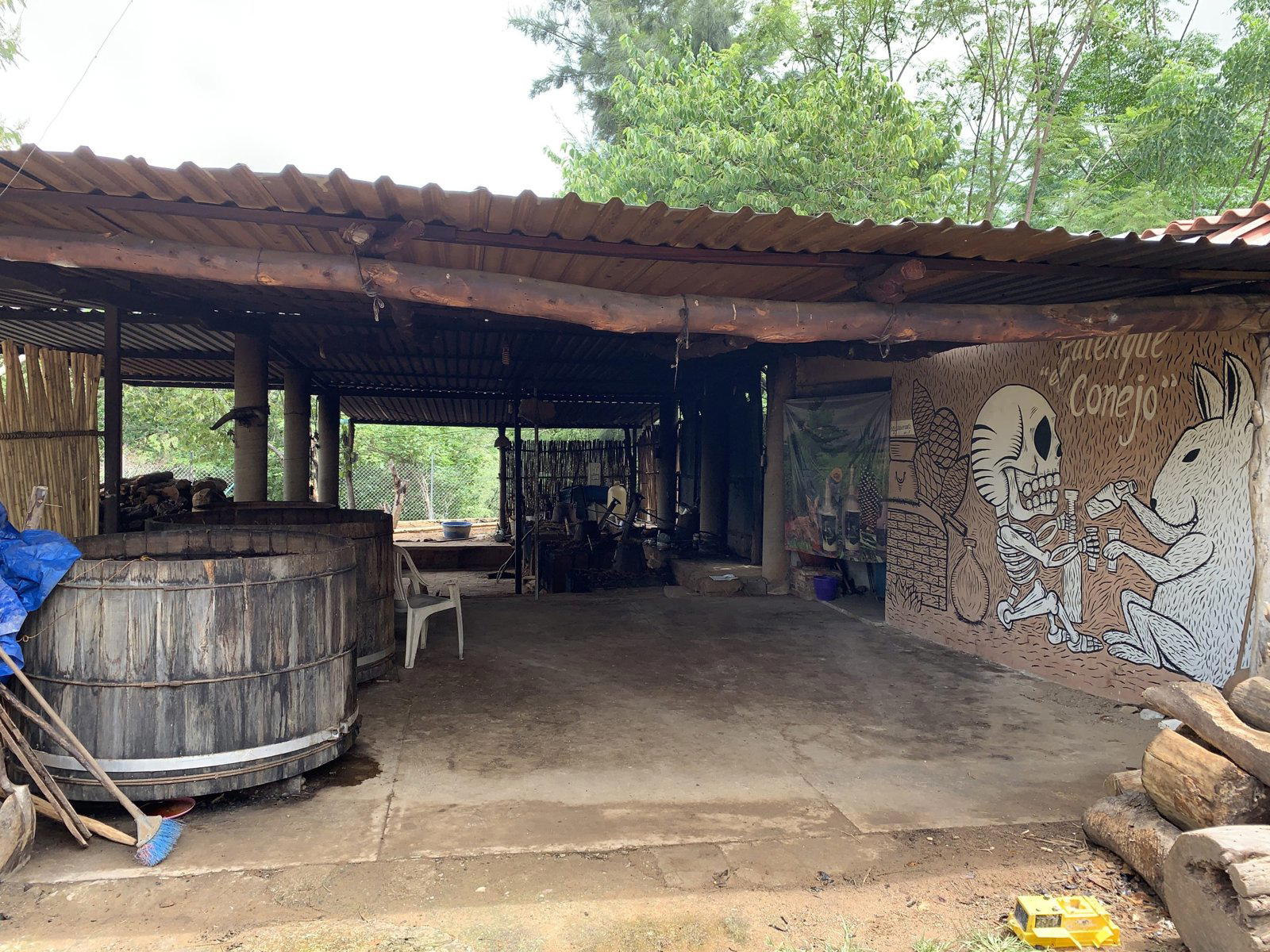
Bars in Santa Catarina Minas
Browse all →
Restaurants in Santa Catarina Minas
Browse all →
Details
- Rustic
- Scenic
- Wine Education
- Vineyard Tour
- Estate Grounds
- Mountain
- Vineyard
- Karwinskii Largo
- Private Tasting
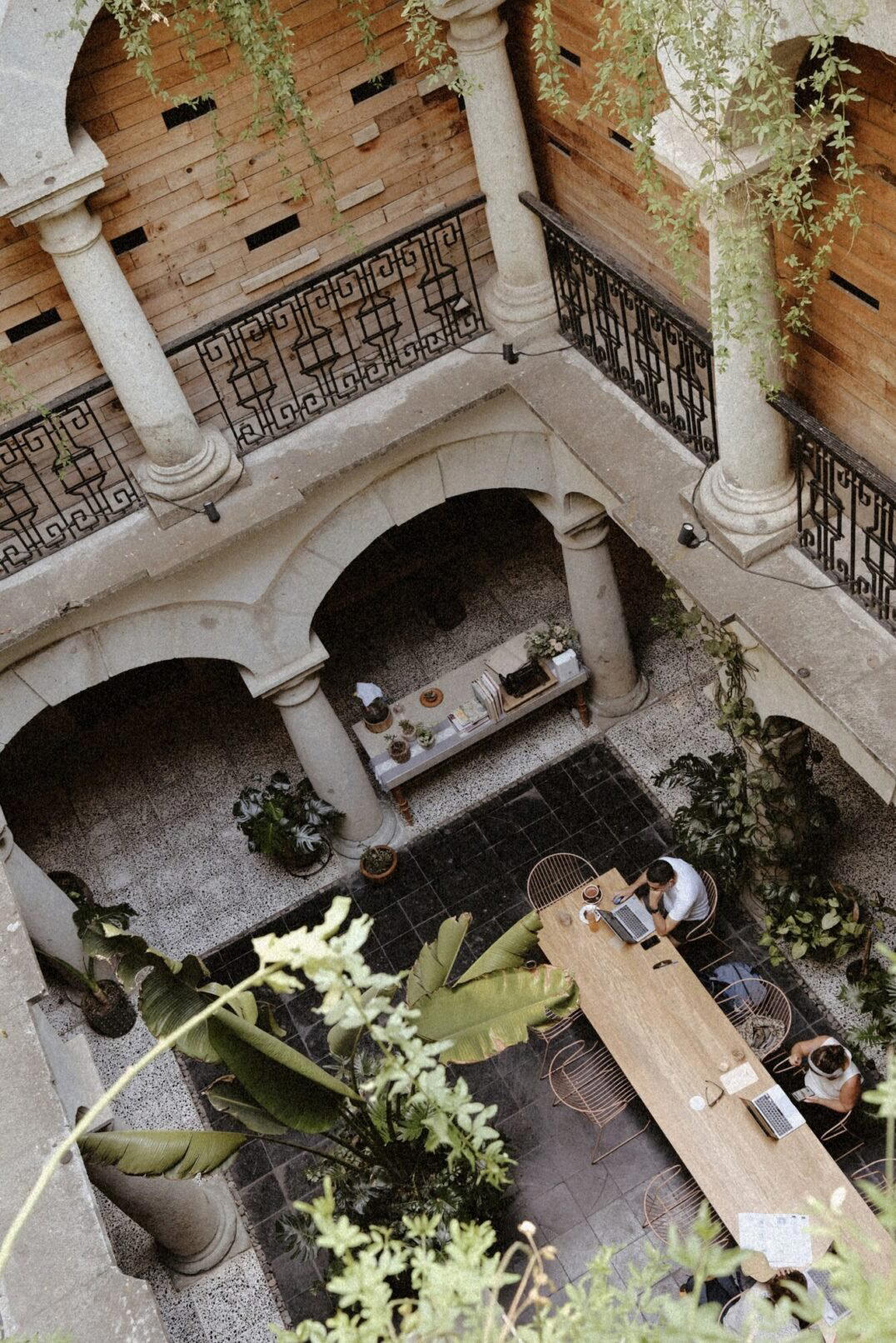
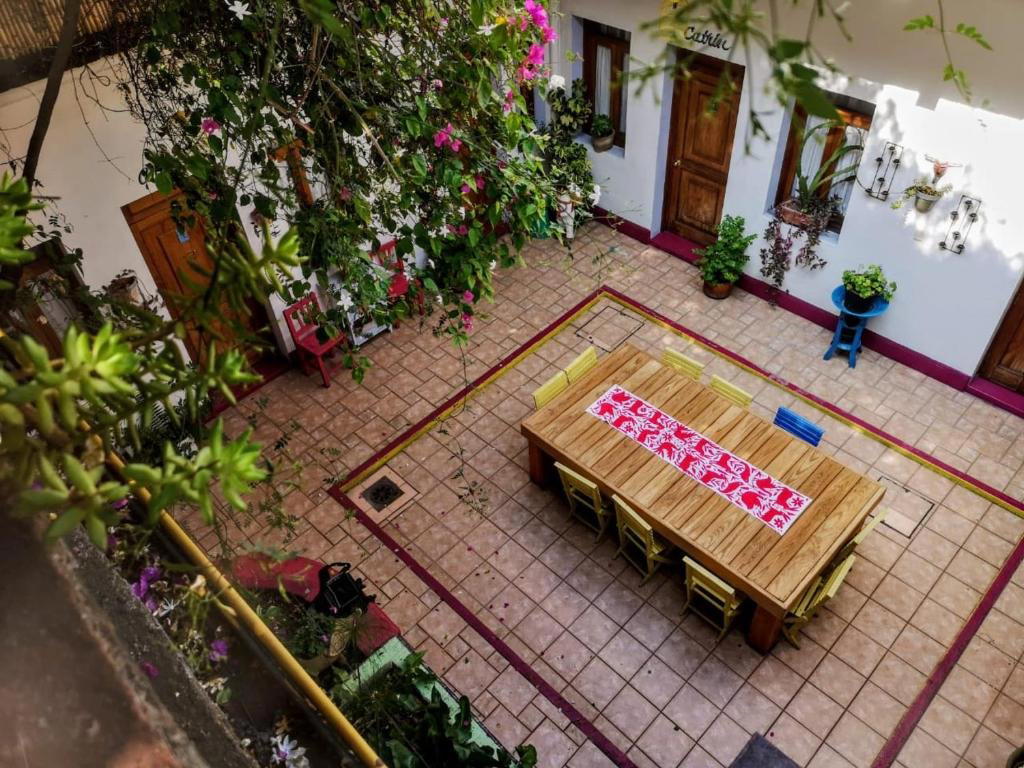
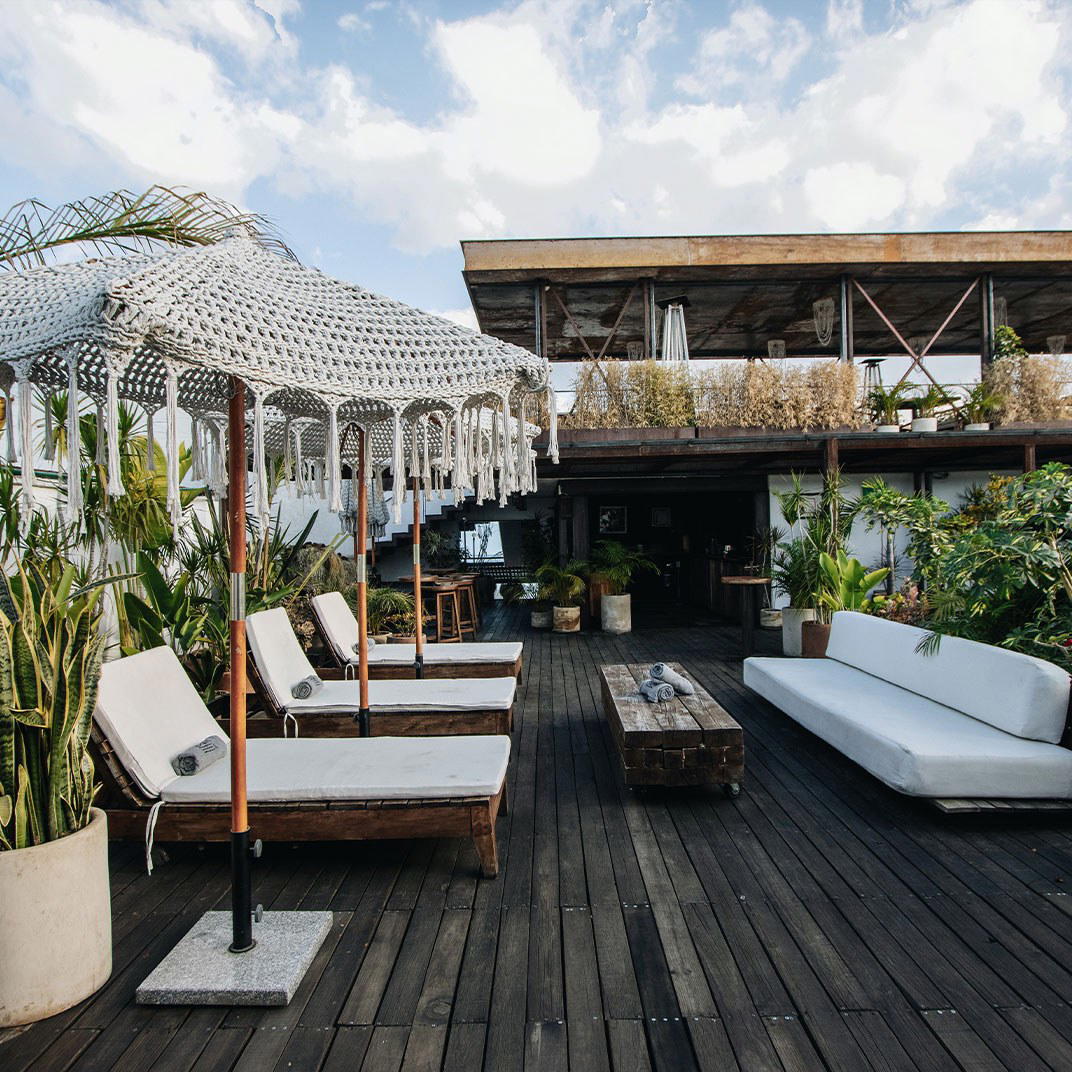
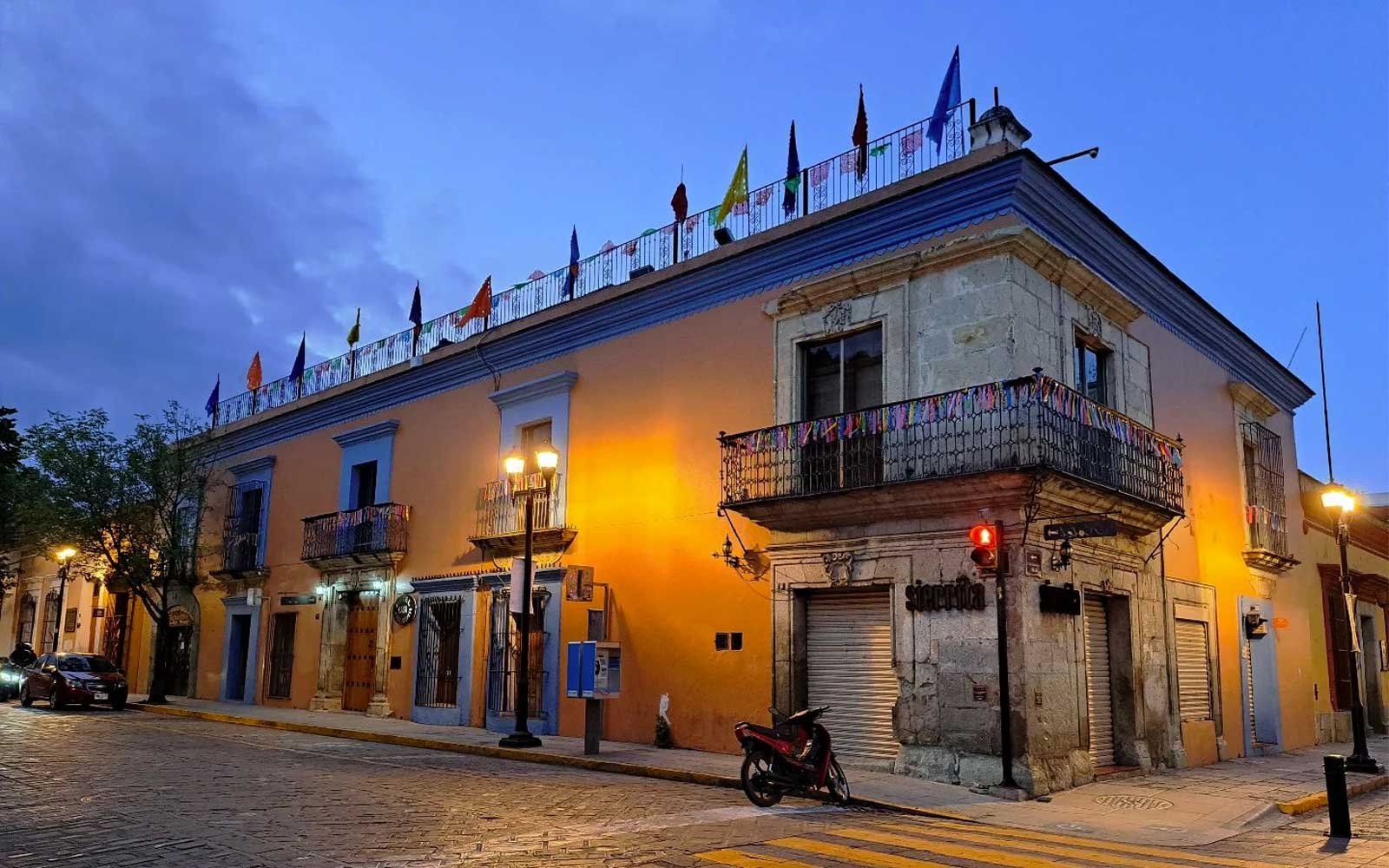
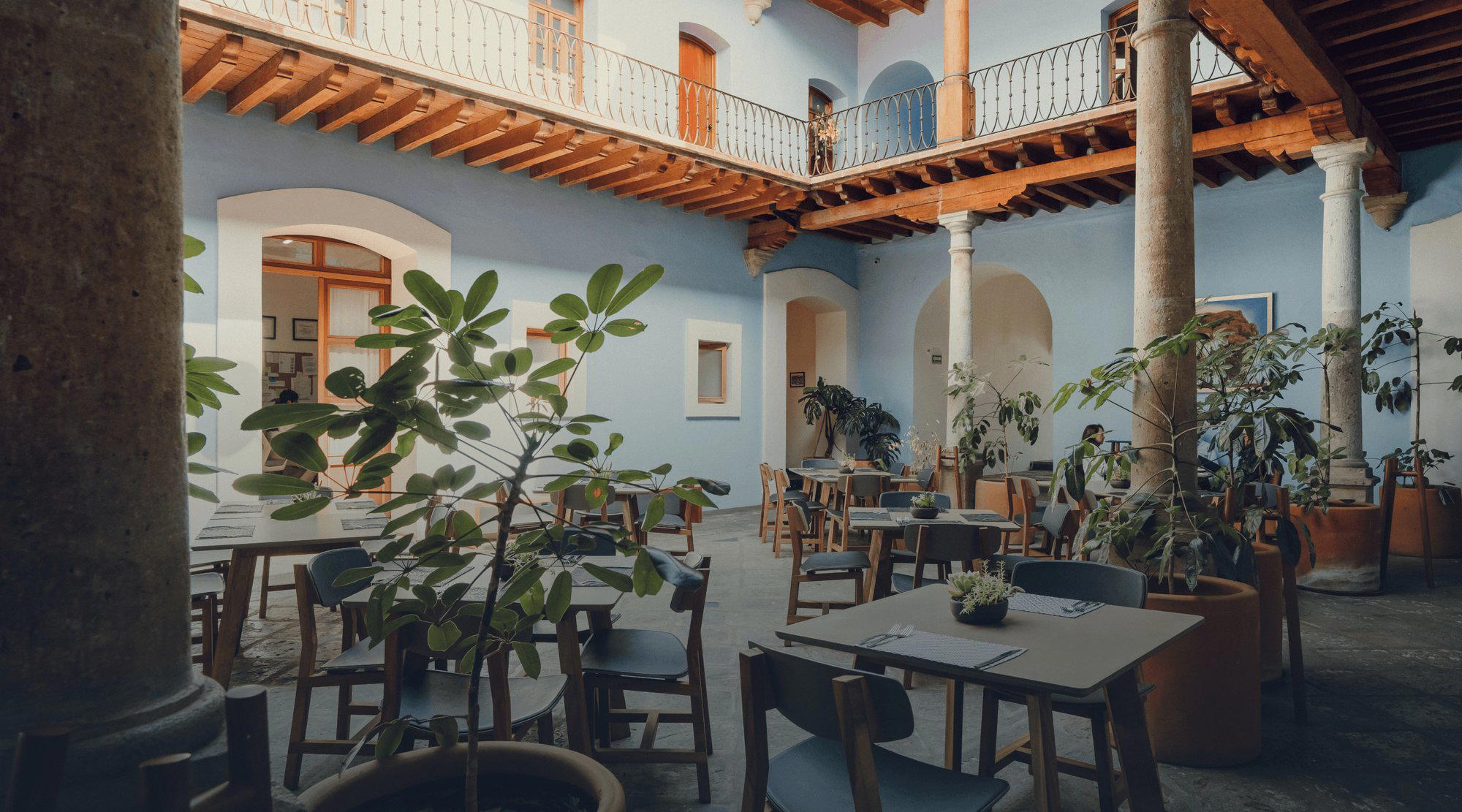
Traditional highland distillery atmosphere with earthen roasting pits and clay pot stills.