

Michelin Selected · Design Hotels Member
In the hill country of Umbria, Eremito occupies a restored medieval hermitage outside Parrano, where cell-like rooms and near-total silence define the offer. The property sits in a category of its own among Italian retreats: designed explicitly around monastic aesthetic principles, it asks guests to trade stimulation for stillness. For travellers accustomed to conventional luxury, the adjustment is the point.

Pearl is the En Primeur Club membership app — saves, bookings, and concierge access live there. Same editors, same standards.
- Address
- Parrano, Italy
- Phone
- 390763891010
- Website
- eremito.com
- Directions
- Get directions
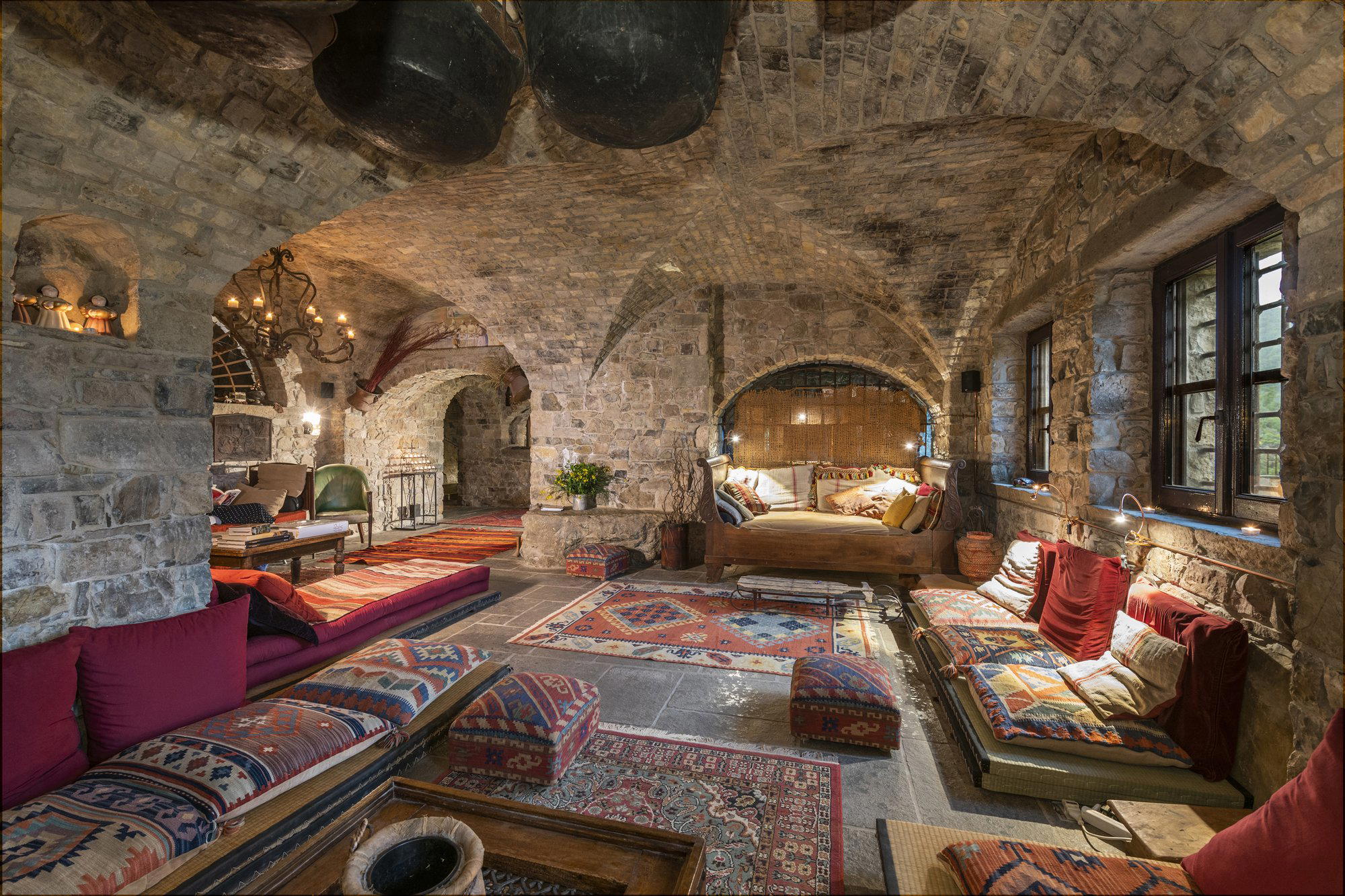
Stone, Silence, and the Architecture of Withdrawal
There is a tier of Italian accommodation that has moved beyond the renovated farmhouse or the vineyard agriturismo and into something harder to categorise. Eremito, set in the forested hills above Parrano in southern Umbria, belongs to that tier. The property occupies a restored medieval hermitage, and the design brief appears to have been rigorous in its refusal of comfort theatre. Cell-like rooms, rough-hewn stone walls, and an absence of the usual distraction infrastructure place this property at a significant remove from the broader luxury hotel market in Italy — including the grand-palazzo tradition represented by properties like Four Seasons Hotel Firenze in Florence or the waterfront spectacle of Aman Venice. The comparison is not meant to diminish either approach; it is meant to clarify what Eremito is not, which is the most useful starting point for understanding what it is.
The monastic aesthetic is not decorative borrowing. The hermitage structure itself imposes the design logic: narrow corridors, low ceilings, rooms dimensioned for solitude rather than socialising. Where design-led retreats elsewhere in Italy tend to use local materials as a warm visual accent against more conventional luxury amenities, at Eremito the material austerity carries the entire load. Stone is load-bearing in the architectural and experiential sense simultaneously.
Umbria's Retreat Tradition and Where Eremito Sits Within It
Central Italy has long supported a tradition of contemplative withdrawal. The Benedictine and Franciscan movements shaped the built environment of this region over centuries, and the hermitage typology — the eremo, is a specifically Umbrian form, smaller and more isolated than the monastery, designed for individual rather than communal practice. Eremito draws directly on that typology, not as historical theming but as operational model. The surrounding forests, the elevation above the Tiber valley, and the distance from the nearest town are features of the original hermitage form, not incidental geography.
Among Italian properties that position themselves around landscape immersion and slower travel, Eremito occupies the more austere end of the spectrum. Properties like Castello di Reschio in Lisciano Niccone or Rosewood Castiglion Del Bosco in Montalcino offer deep rural settings with high material finishes. Borgo San Felice Resort in Castelnuovo Berardenga similarly channels the Tuscan estate model with considerable polish. Eremito strips that polish away deliberately. The editorial recognition it has received consistently references the monastic aesthetic and the quality of contemplation the space enables, a framing that signals the property is operating in a different category entirely, one where the absence of amenity is the amenity.
The Physical Grammar of the Space
The cell room format deserves specific attention because it is where the design philosophy becomes most legible. In conventional hotel design, even at the budget end, rooms are built around a logic of expansion: views framed to maximise perceived space, storage designed to absorb luggage and belongings, lighting schemes that create warmth through volume. The cell inverts each of these conventions. Space is contained. Light is restricted. The room is calibrated to return the occupant to themselves rather than to a curated exterior view.
This is an old architectural idea applied with unusual consistency. Cistercian and Camaldolese builders understood that spatial constraint generates a particular quality of attention, the room does not compete with thought, it hosts it. Whether a contemporary traveller arriving from a capital city finds that quality restorative or claustrophobic will depend entirely on what they are arriving from and what they are looking for. Eremito does not appear to soften this proposition for the uncertain guest.
The surrounding Umbrian landscape reinforces the interior logic. At this elevation, in this forest, the external environment is not a backdrop for activity but a presence in its own right. The silence that characterises descriptions of the property is not acoustic accident; it is a product of the geographic isolation that the original hermitage builders chose with intention. Parrano itself is a small hill town, and the property sits at further remove from even that modest centre. For context on how other Italian properties handle geographic isolation as a design feature, the approach at Forestis Dolomites in Plose offers an instructive northern parallel, though the material language there is contemporary rather than medieval.
Planning a Stay: Practical Considerations
Eremito's location in the hills above Parrano, in the Terni province of southern Umbria, puts it roughly equidistant between Rome and Florence, accessible by car from either city in under two and a half hours, though the final approach roads through the Umbrian hills require patience and a capable vehicle. The property's nature means it is not the kind of place that absorbs last-minute bookings easily; its limited capacity and the specificity of the experience it offers attract a guest profile that tends to plan ahead. Prospective visitors would do well to contact the property directly and allow lead time, particularly for stays during spring and autumn, when Umbria draws significant rural tourism. The property does not appear to maintain a public-facing digital booking infrastructure of the kind that larger groups like those behind Borgo Egnazia in Savelletri di Fasano or Bulgari Hotel Roma operate, which itself is consistent with the property's broader orientation away from frictionless mass hospitality.
For travellers building an extended Italian itinerary that pairs Eremito with properties of different character, the nearby Corte della Maestà in Civita di Bagnoregio offers a sympathetic alternative register in the same general region. Those continuing north toward Tuscany might consider Castelfalfi in Montaione or the lakeside counterpoint of Grand Hotel Tremezzo in Tremezzo for a deliberate tonal shift after the austerity of Umbria. South toward the coast, Il Pellicano in Porto Ercole represents a sensibility at near-opposite ends of the Italian hospitality spectrum. Browse our full Parrano restaurants and hotels guide for further context on the area.
The property has also drawn comparison in editorial coverage to destination retreat formats elsewhere in the world, the landscape-as-design-principle approach shares something with how Amangiri in Canyon Point uses desert geography as the primary design element, or how EALA My Lakeside Dream in Limone sul Garda orients its entire spatial logic around water proximity. The mechanism differs, but the underlying premise, that environment can do more design work than furniture, is consistent across the category.
Comparison Snapshot
| Venue | Price | Awards |
|---|---|---|
| EremitoThis venue — the venue you are viewing | Not listed | Michelin Selected · Design Hotels Member |
| Aman Venice | $1,000–1,500 | 3 Michelin Keys · World's 50 Best #79 |
| Cipriani, A Belmond Hotel, Venice | $750–1,000 | 3 Michelin Keys · World's 50 Best #72 |
| Four Seasons Hotel Firenze | $750–1,000 | 3 Michelin Keys · World's 50 Best #12 |
| Rosewood Castiglion Del Bosco | $1,000–1,500 | 3 Michelin Keys · World's 50 Best #62 |
| Bulgari Hotel Roma | Not listed | 3 Michelin Keys · World's 50 Best #32 |
Recognition history
Dated appearances from independent guides and award organizations, with the underlying list record or original source where available.
Michelin Selected
Michelin
Design Hotels Member
Design Hotels
Continue exploring
More in Parrano
Hotels in Parrano
Browse all →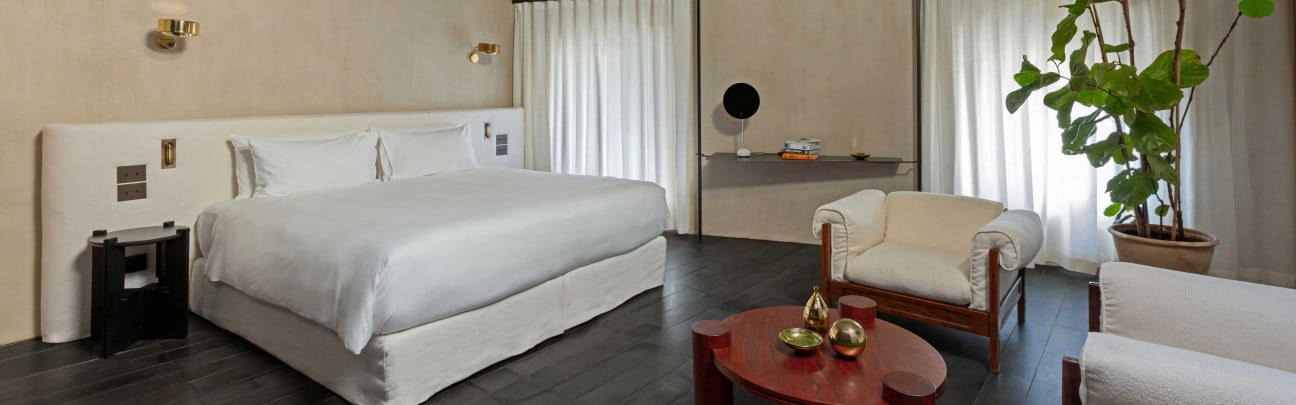
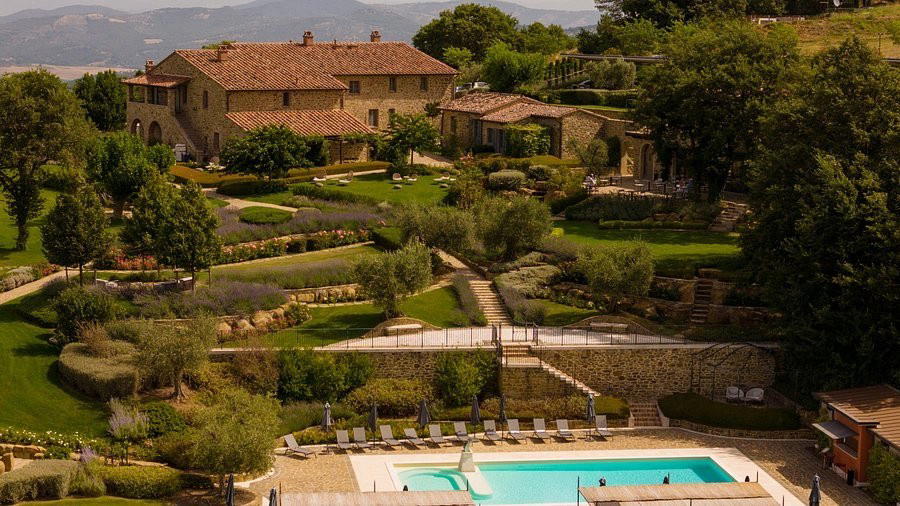
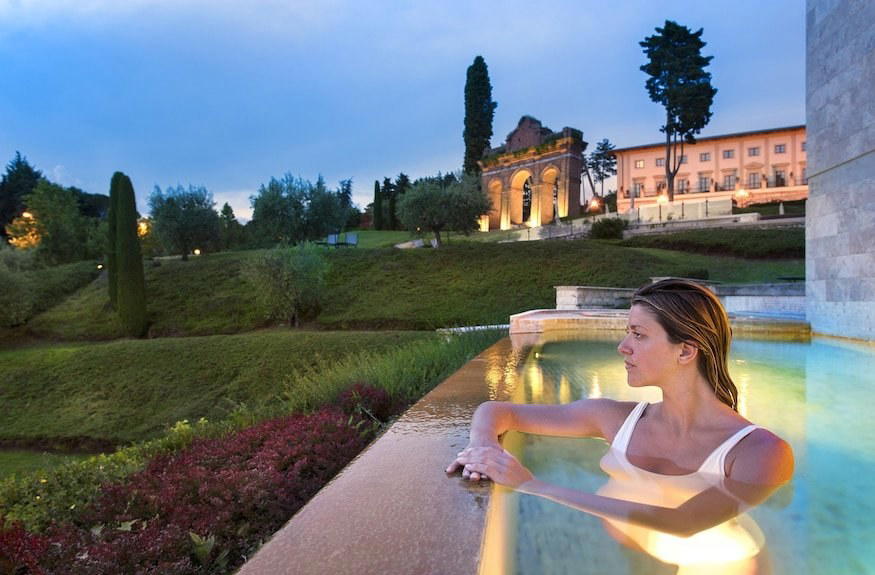
Bars in Parrano
Browse all →
Restaurants in Parrano
Browse all →

Details
- Quiet
- Rustic
- Intimate
- Minimalist
- Scenic
- Romantic Getaway
- Wellness Retreat
- Weekend Escape
- Garden
- Historic Building
- Panoramic View
- Spa
- Pool
- Restaurant
- Garden
- Mountain
- Garden
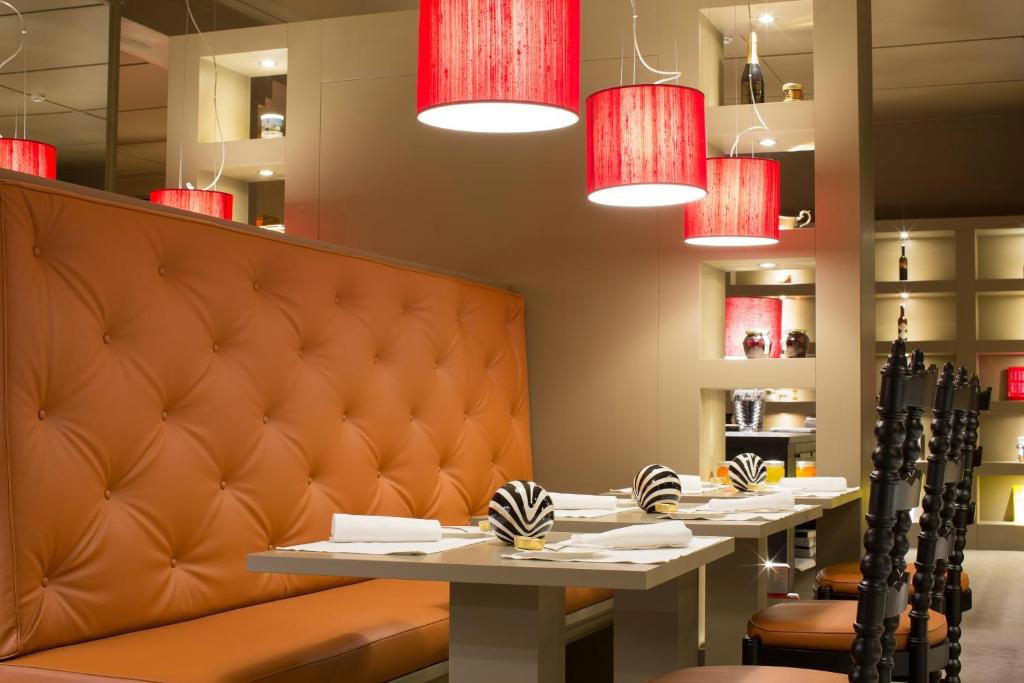
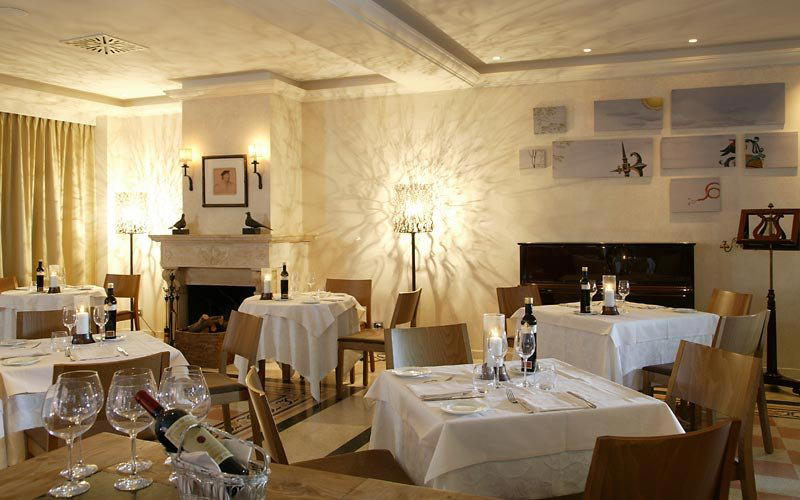
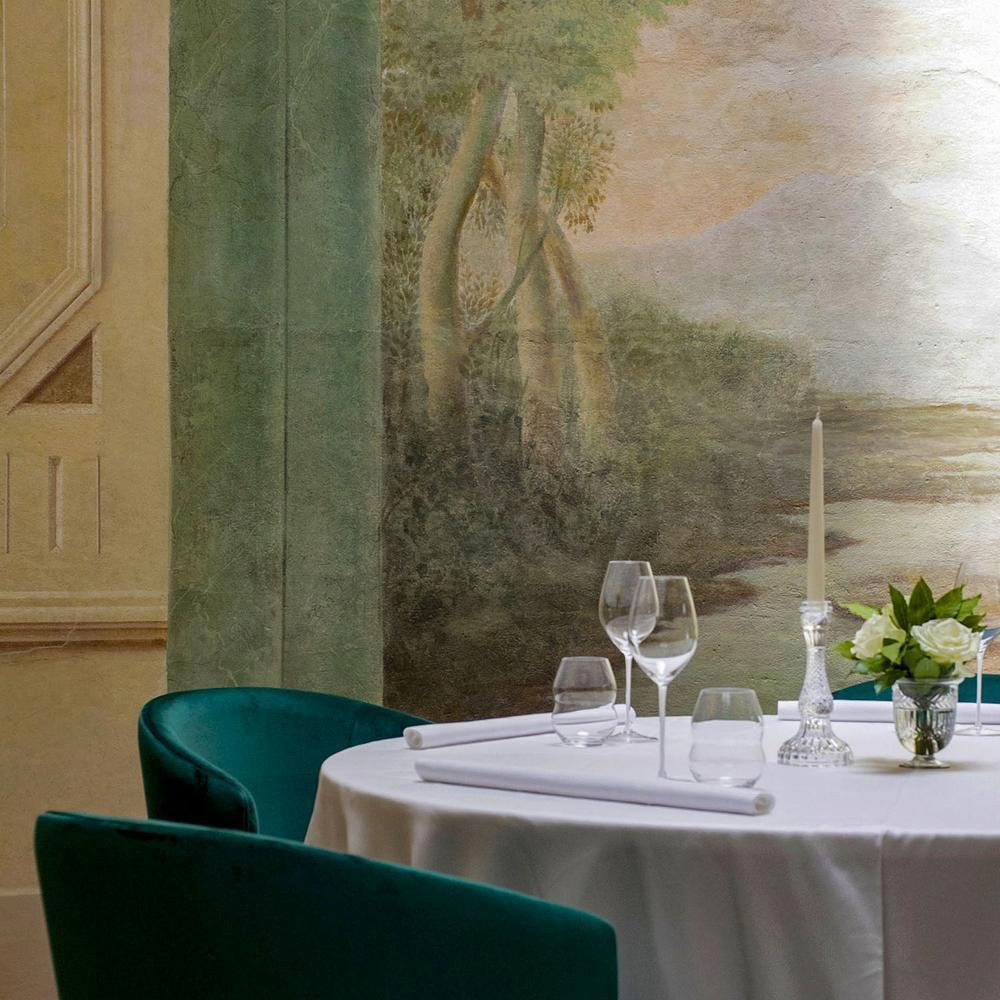
Candlelit minimalist spaces with monastic simplicity, fireplace gatherings, and serene nature surroundings promoting peace and reflection.