
Falstaff Winery - 5 Stars
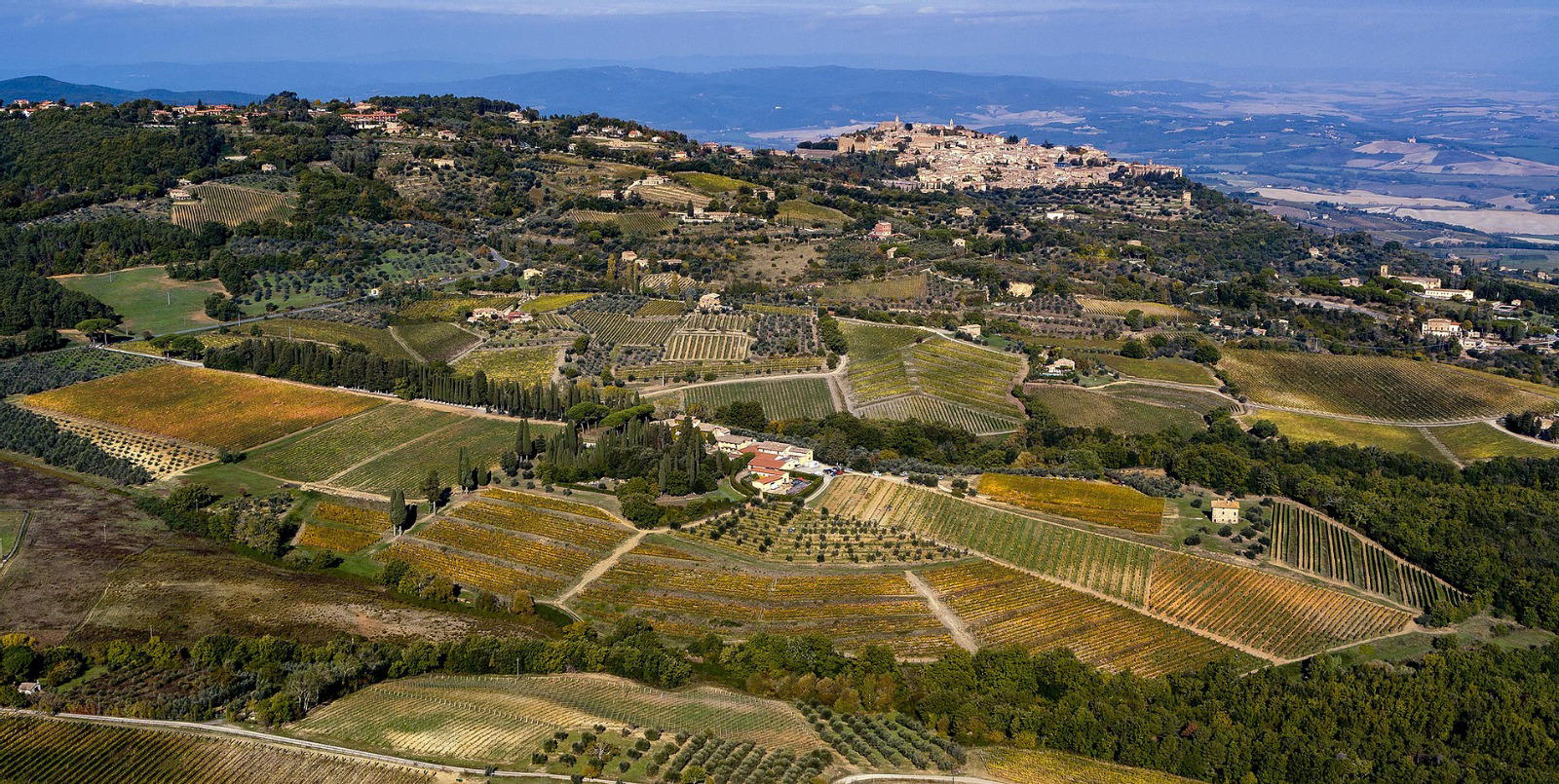
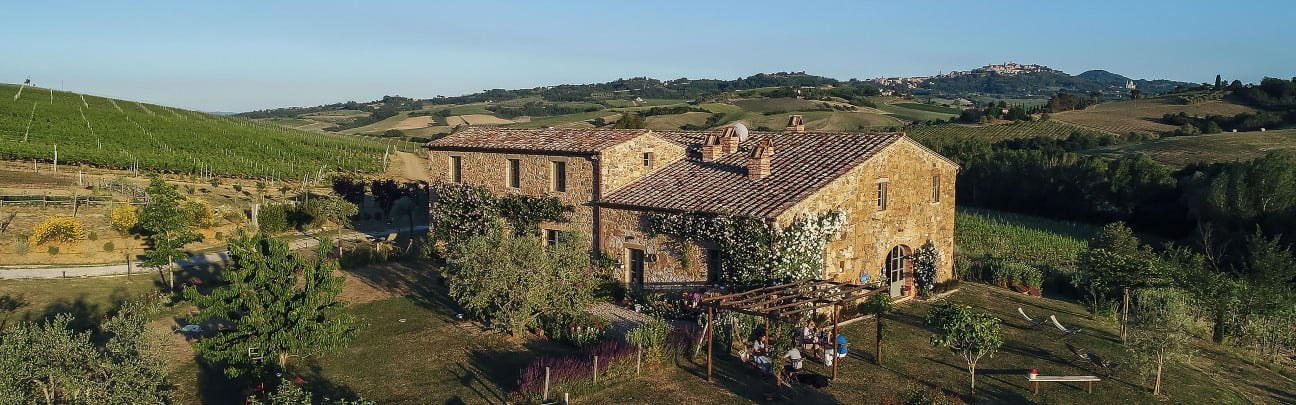
Tenuta di Trinoro sits in the volcanic soils above the Val d'Orcia, producing Bordeaux-variety wines that read as distinctly Tuscan rather than imitative.

Pearl is the En Primeur Club membership app — saves, bookings, and concierge access live there. Same editors, same standards.
- Address
- Via Val d'Orcia, 15, 53047 Sarteano SI
- Phone
- +39 0578 267110
- Website
- vinifranchetti.com
- Directions
- Get directions
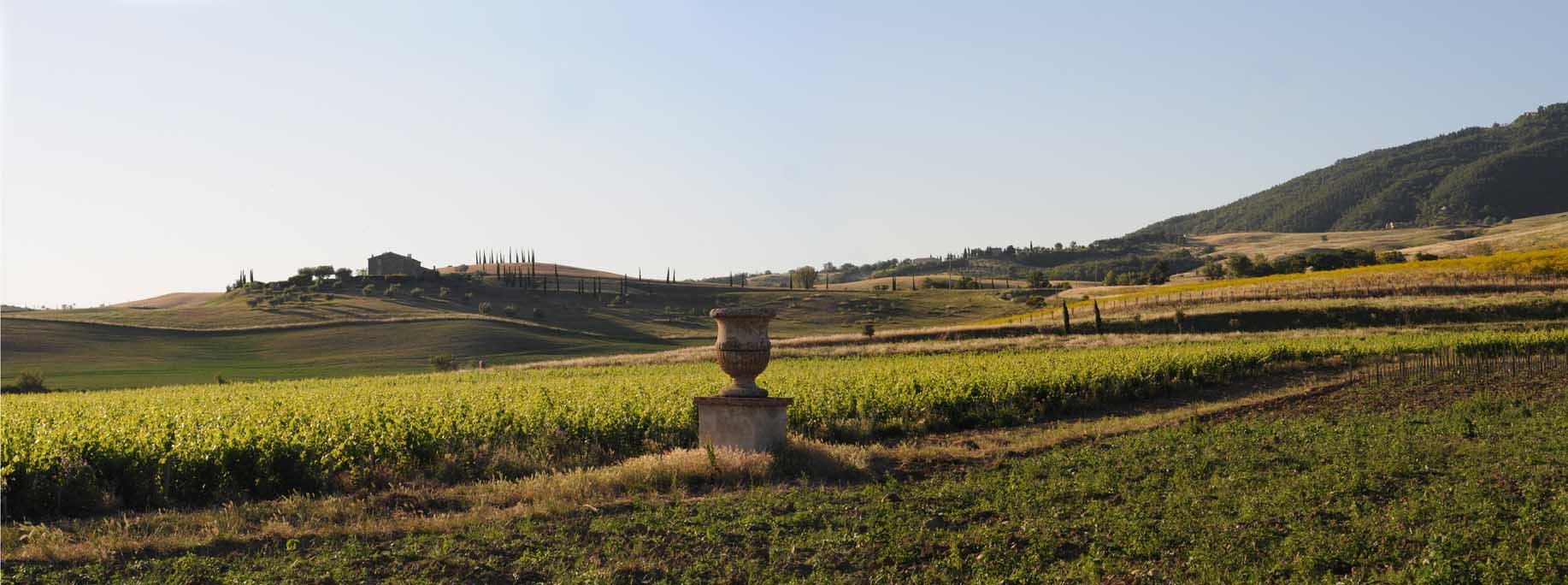
Trinoro's position has consistently been toward the latter end of that split. The Bordeaux varieties grown here — principally Cabernet Franc, with Merlot, Cabernet Sauvignon, and Petit Verdot in supporting roles depending on vintage requirements — read differently in this volcanic, high-altitude context than they do in their home region or in warmer Italian sites. Cabernet Franc in particular responds to poor volcanic soils with an aromatic precision and mid-palate tension that warmer, richer sites tend to suppress. The comparison to how the same variety performs in the cooler Loire or in the more structured portions of Saint-Émilion is instructive, though Trinoro's wines occupy their own register rather than imitating either reference point.
For comparative context across Italy's serious wine estates, Lungarotti in Torgiano and L'Enoteca Banfi in Montalcino represent how different regional identities and varietal choices shape estate positioning across the central Italian arc. Further north, estates like Aldo Conterno in Monforte d'Alba and Ca' del Bosco in Erbusco illustrate how Italy's prestige wine culture operates across entirely different terroir and varietal frameworks.
Recognition and Where It Places the Estate
In practical terms, this rating signals wines that reward attention from collectors and serious buyers rather than casual retail consumption.
The Prestige designation in this context functions as a peer-set marker. Across the Italian wine map, the estates clustered at this recognition level tend to share certain characteristics: low to moderate production volumes, a defined relationship with a specific site rather than a broad denomination, and pricing that reflects scarcity and critical tracking rather than mass-market positioning. The 2025 rating follows a sustained trajectory of critical engagement with the estate's wines, suggesting that whatever vintage variation exists year to year, the baseline quality argument is consistent enough to maintain its tier.
For those building a comparative framework across Italian prestige producers, the distillery and spirits producers in the Italian scene offer a parallel case study in how site and tradition anchor reputation: Nonino Distillery in Pavia di Udine, Distilleria Marzadro in Nogaredo, and Distilleria Romano Levi in Neive each demonstrate how Italian craft producers develop recognition through product specificity rather than scale. Outside Italy, Planeta in Menfi shows how a Mediterranean terroir story translates across varietal frameworks, while Accendo Cellars in St. Helena and Aberlour illustrate how prestige recognition operates across entirely different categories and geographies. For an Italian producer reference in a commercial spirits context, Campari in Milan and Poli Distillerie in Schiavon offer contrast in how scale and heritage intersect differently. Given the estate's allocation-level production and prestige tier positioning, prospective visitors should plan contact well in advance of any intended trip. The thermal springs at Bagno Vignoni and the medieval hill towns of Pienza and Montepulciano sit within easy driving distance, making the zone workable as a multi-day base rather than a single-purpose wine destination.
At-a-Glance Comparison
Comparable venues nearby, for context on price, style, and recognition.
| Venue | Cuisine | Price | Awards | Notes |
|---|---|---|---|---|
| Tenuta di TrinoroThis venue — the venue you are viewing | Cabernet Franc, Merlot | Not listed | Falstaff Winery - 5 Stars | Not listed |
| Cerbaiona | Sangiovese Grosso, Sangiovese | Not listed | Falstaff Winery - Listed | Cerbaia contrada |
| Sabatini Gin | Cortona | Not listed | Not listed | Teccognano |
| Argiano | Sangiovese Grosso, Cabernet Sauvignon | $50–100 | Falstaff Winery - 5 Stars | Sant'Angelo in Colle |
| L'Enoteca Banfi | Sangiovese, Sangiovese Grosso | $50–100 | Not listed | Montalcino |
| Masseto | Merlot | Not listed | Falstaff Winery - 5 Stars | Castagneto Carducci |
Recognition history
Dated appearances from independent guides and award organizations, with the underlying list record or original source where available.
Falstaff Winery - 5 Stars
Falstaff
Full recognition history (2 entries)
Falstaff Winery - Listed
Falstaff
Continue exploring
More in Sarteano
Wineries in Sarteano
Browse all →
Bars in Sarteano
Browse all →
Restaurants in Sarteano
Browse all →
Details
- Rustic
- Elegant
- Scenic
- Sophisticated
- Wine Education
- Special Occasion
- Vineyard Tour
- Estate Grounds
- Panoramic View
- Vineyard
- Mountain
- Cabernet Franc
- Merlot
- Cabernet Sauvignon
- Petit Verdot
- Semillon
- Still Red
- Private Tasting
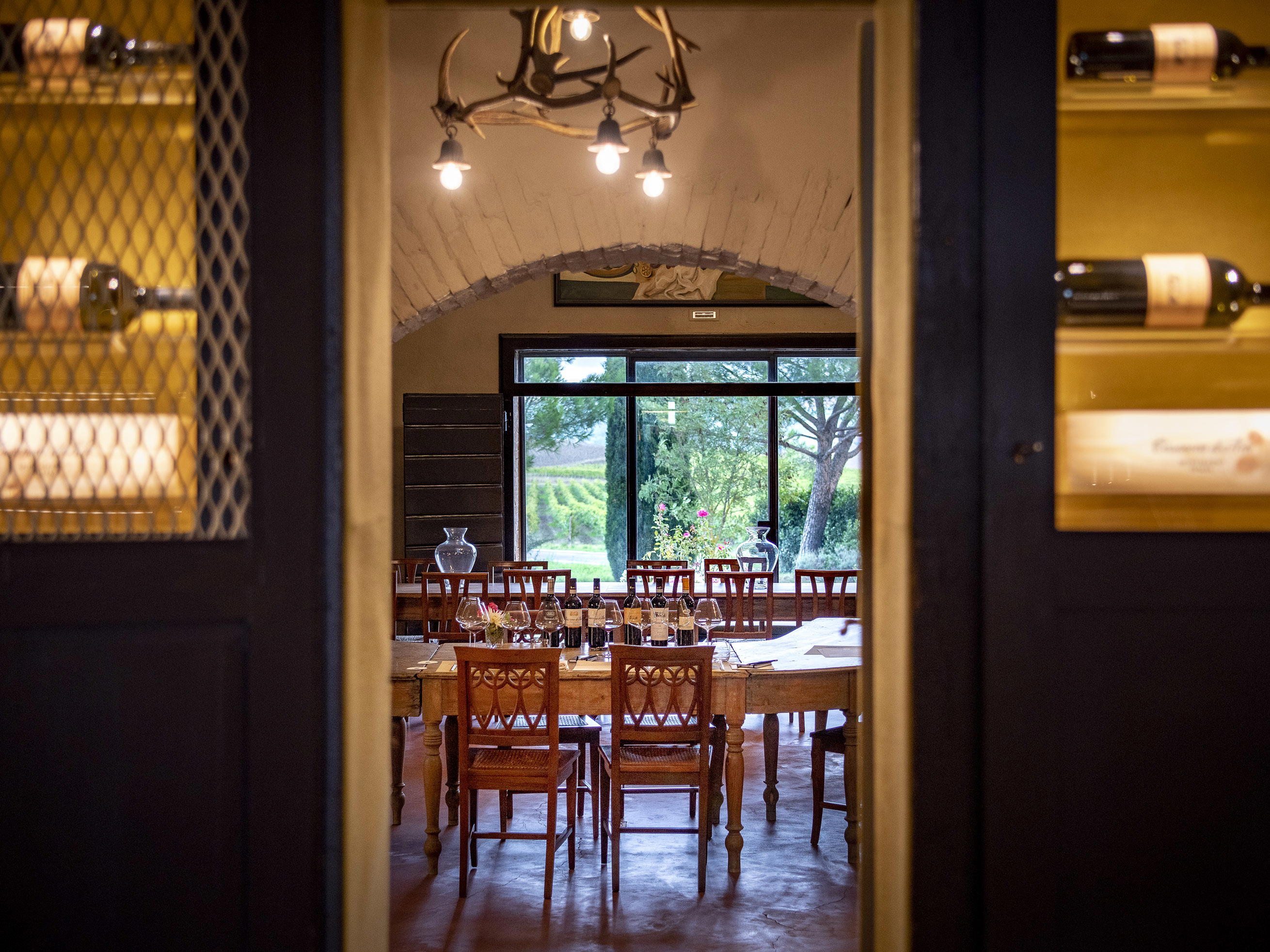
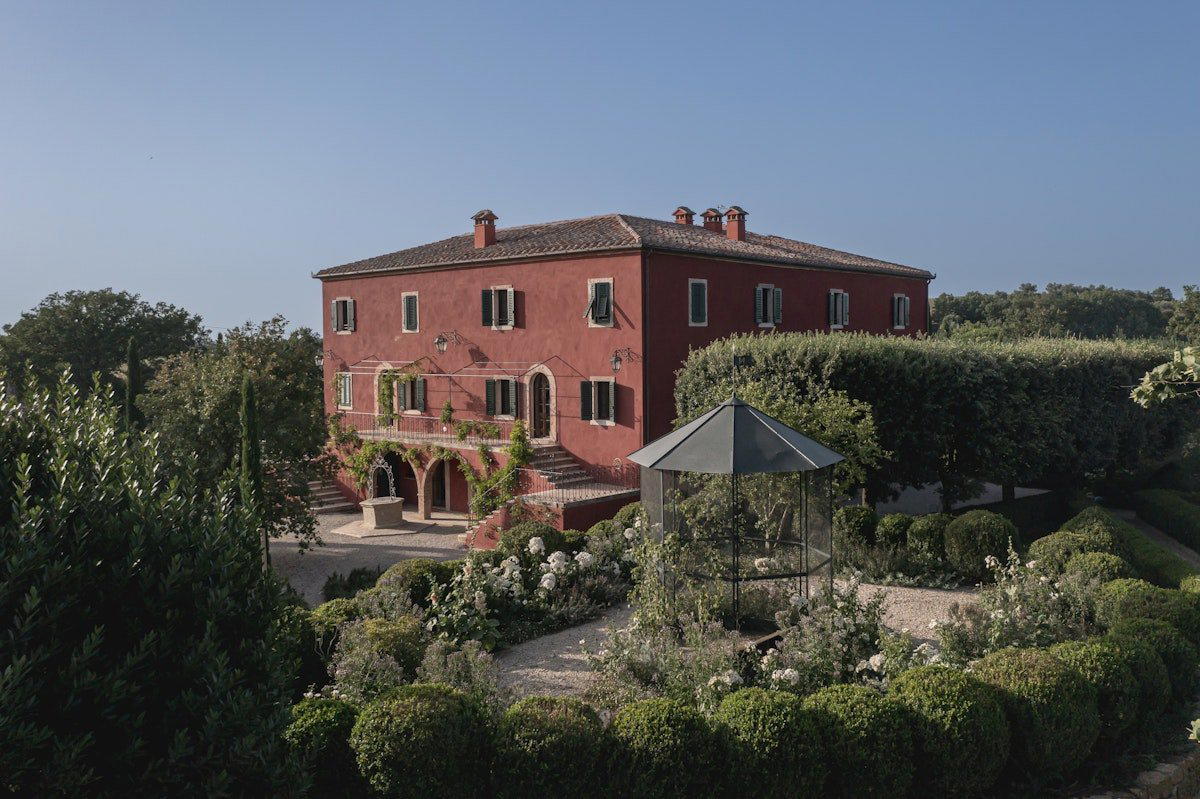
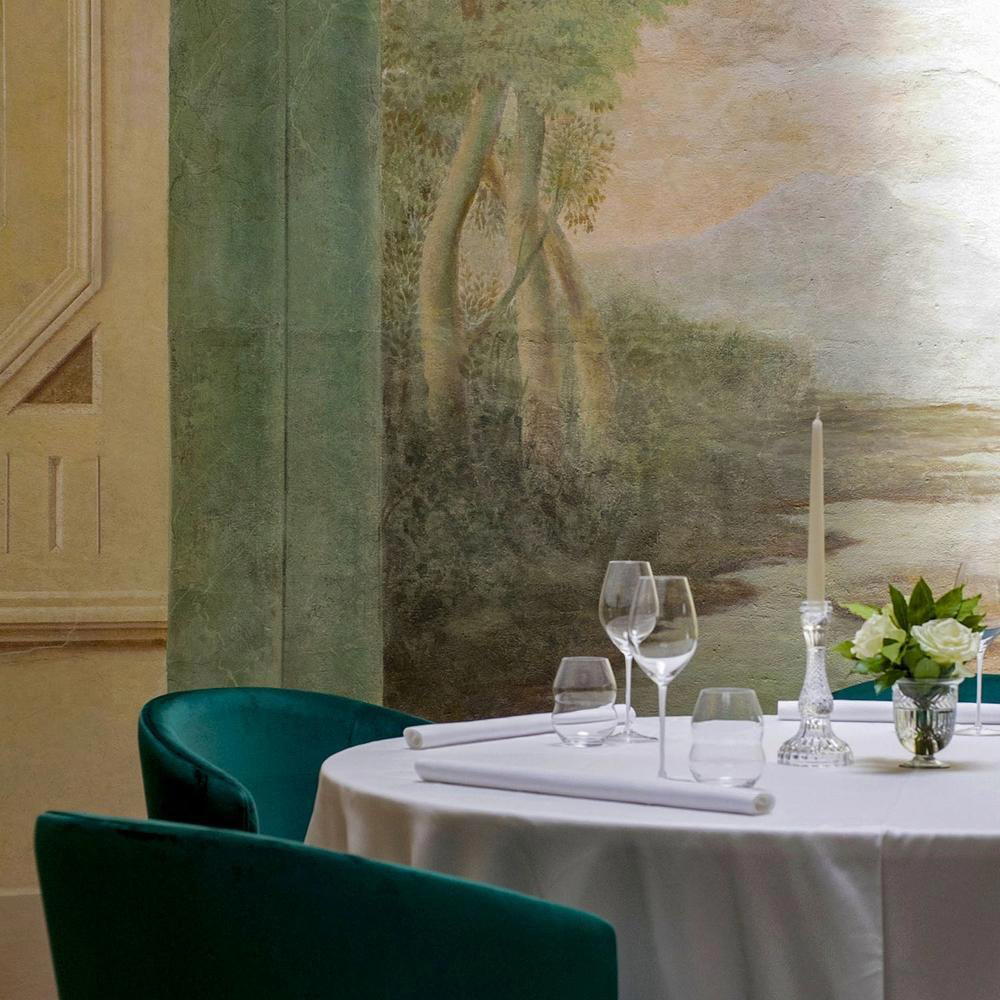
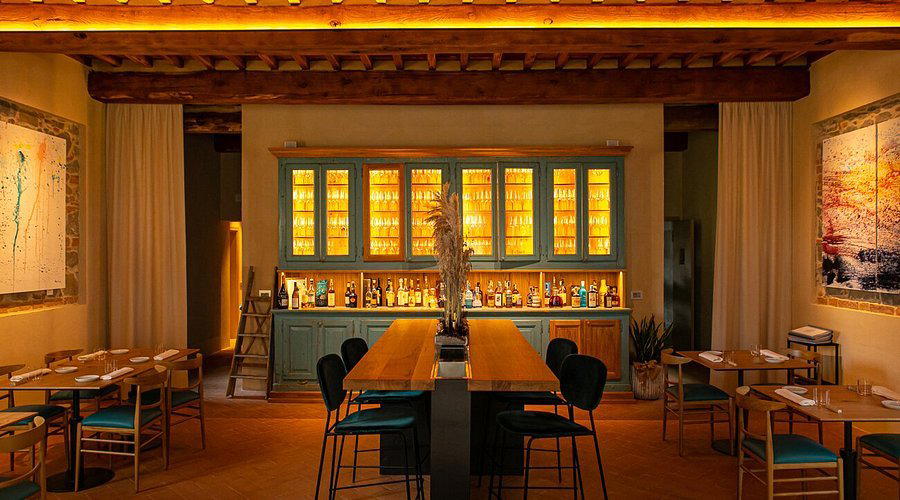
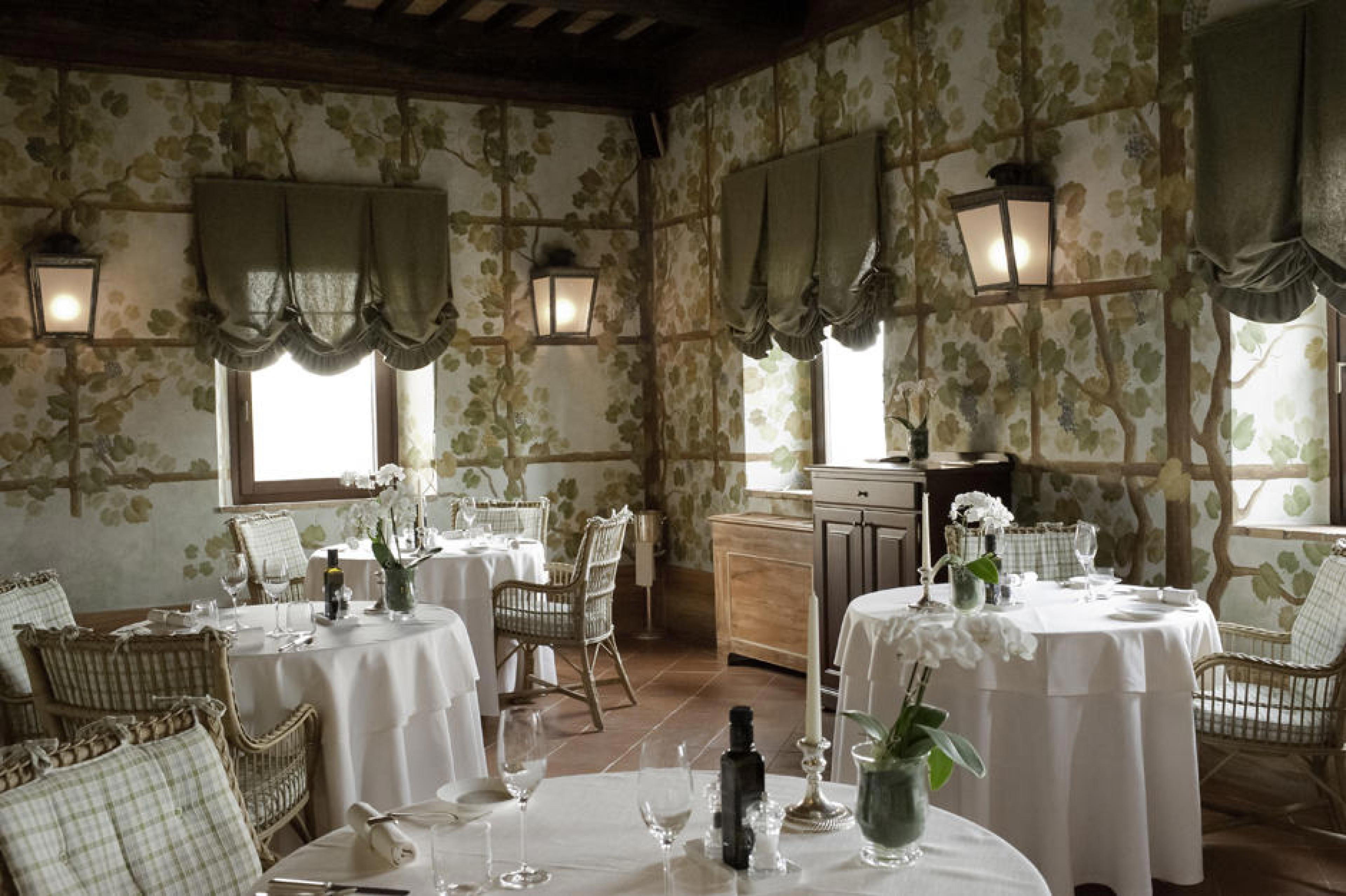
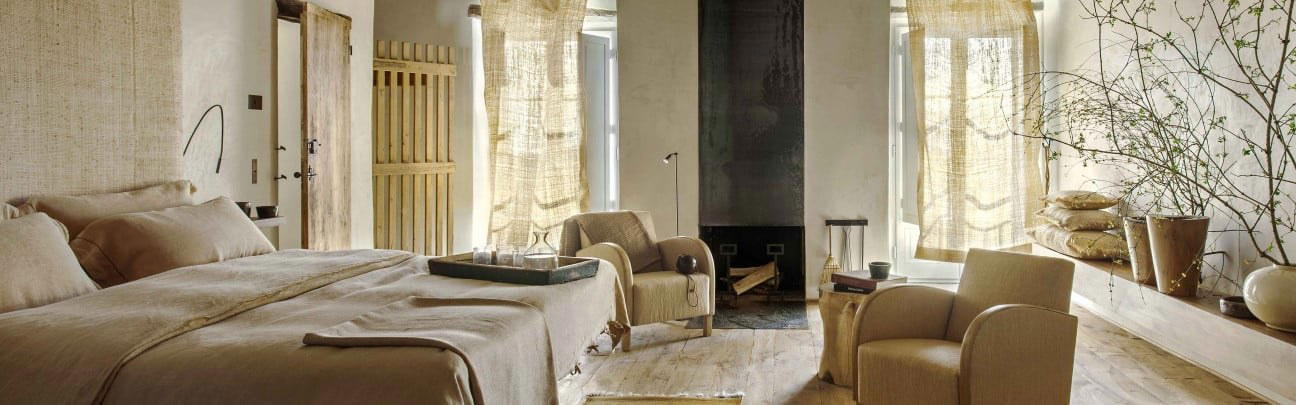
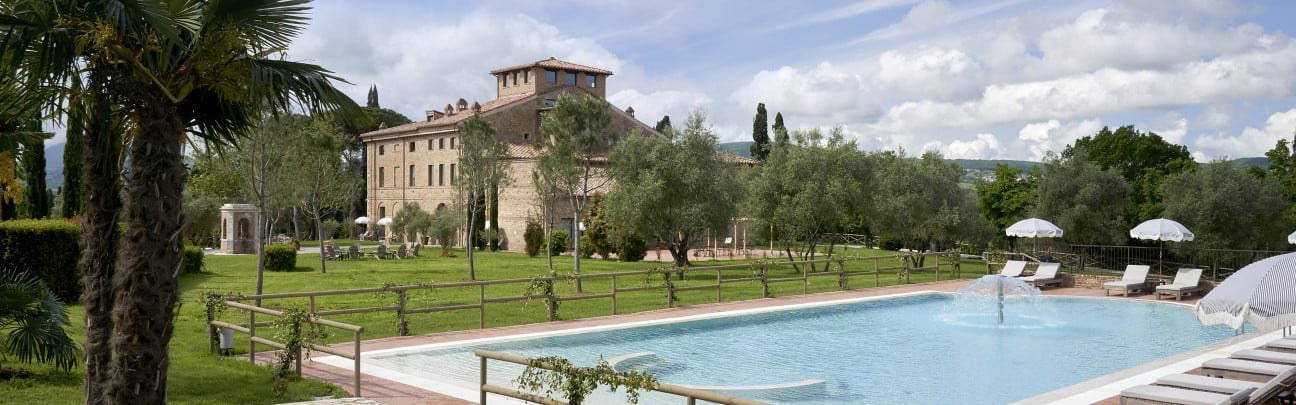
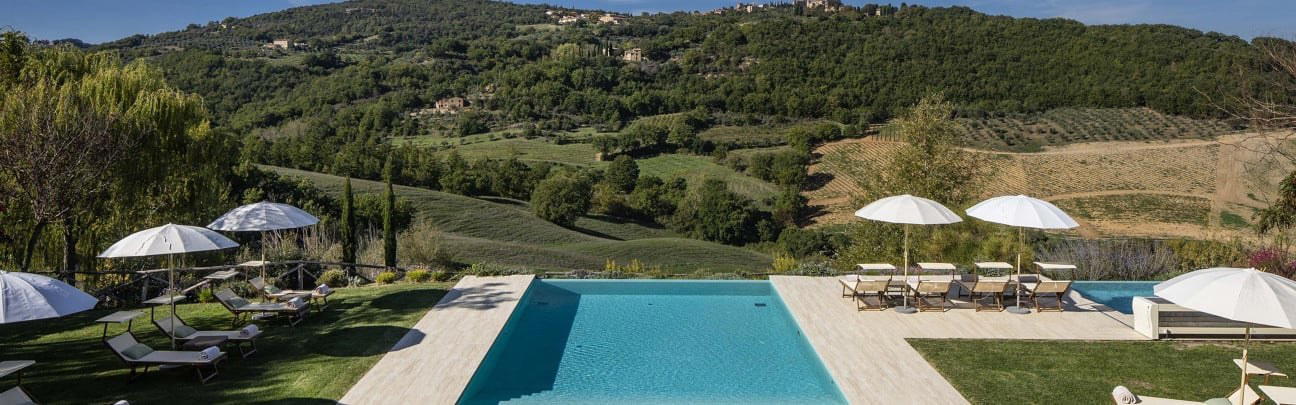
Remote, isolated rural setting amid rolling hills and vineyards with a focus on terroir-driven sophistication and harmony with nature.