


Casa Vissani occupies a singular position in central Italian fine dining: a Michelin Guide-listed restaurant in rural Umbria, after holding a star through the 2025 guide, on the Corbara lakeside outside Baschi, where Gianfranco Vissani has shaped progressive Italian cooking for decades. La Liste ranked it 92 points in 2025. The format divides between two tasting menus and a structured à la carte, complemented by the adjacent TerritOri concept for regional Italian cooking at a more accessible register.
Pearl is the En Primeur Club membership app — saves, bookings, and concierge access live there. Same editors, same standards.
- Address
- Strada Statale 448, Km 6.600, 05023 Baschi TR, Italy
- Phone
- +39 0744 950206
- Website
- casavissani.it
- Directions
- Get directions
 Saves & bookings on Pearl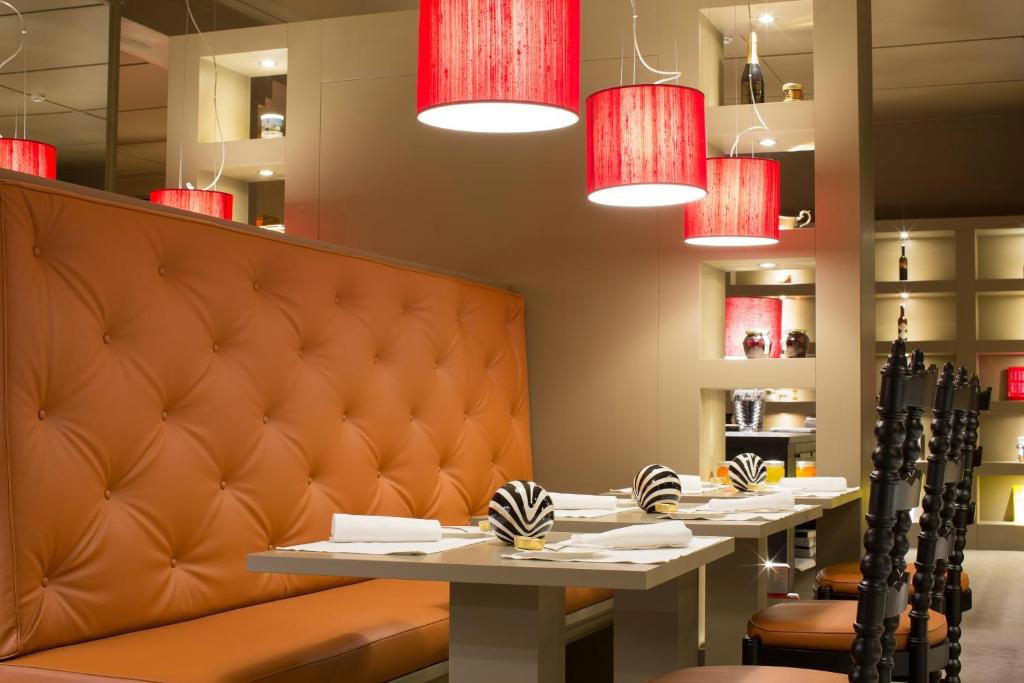
A Destination in the Literal Sense
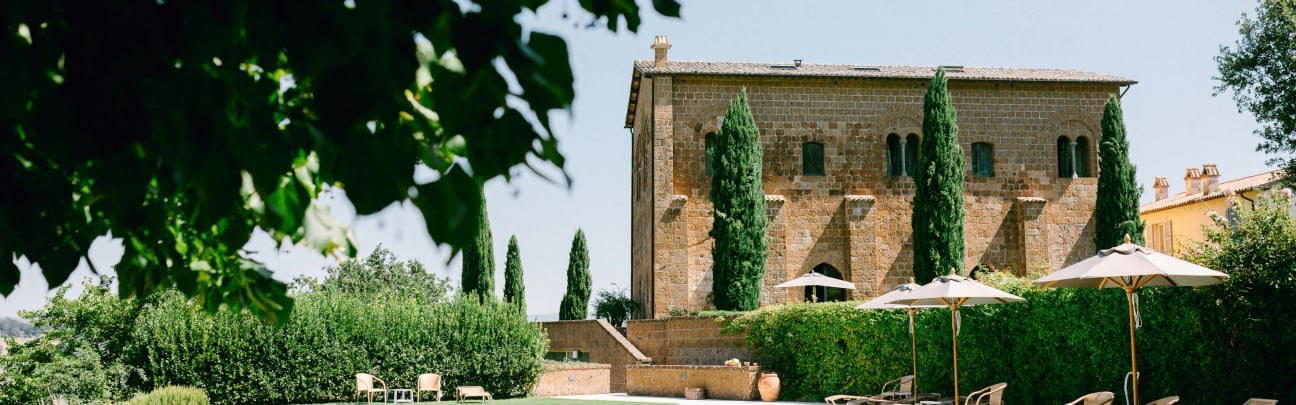
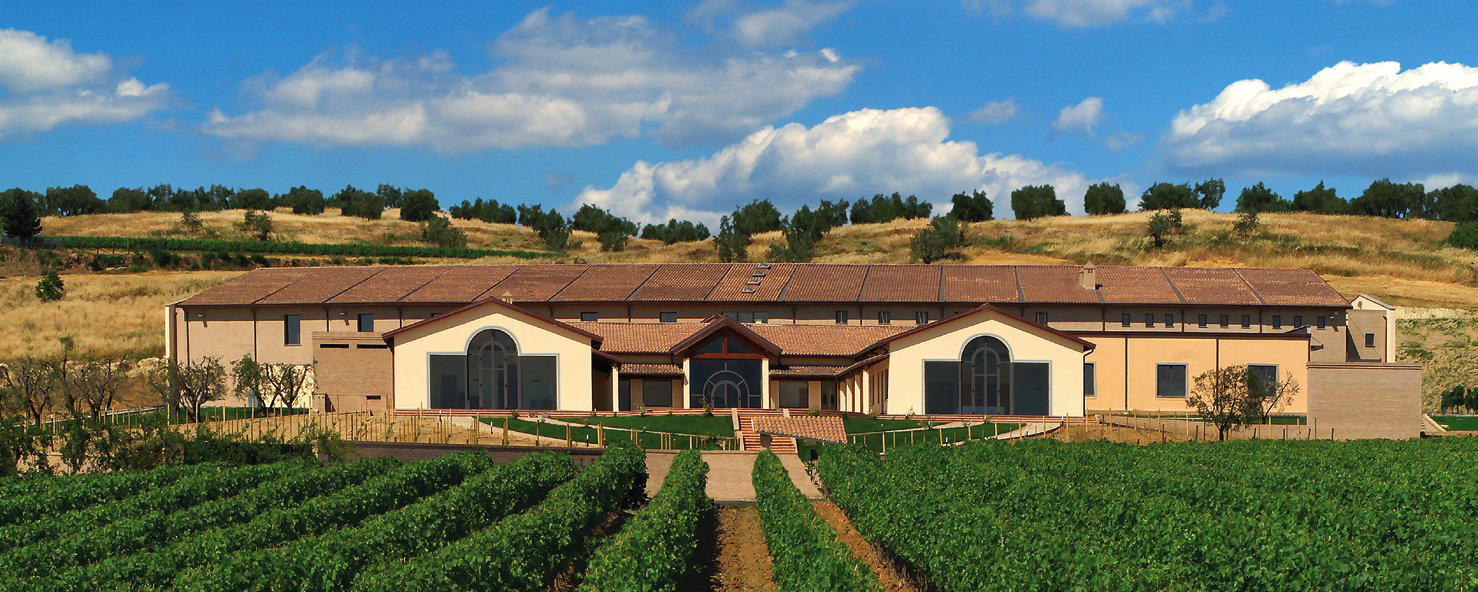
Italy's serious restaurant culture has always had an ambivalent relationship with geography. The country's most celebrated kitchens cluster in cities and wine regions with obvious pull: Modena, Florence, Milan, the Langhe. But a parallel tradition runs through rural central Italy, where a handful of destination restaurants built their reputations not on urban foot traffic but on the willingness of guests to make a deliberate journey. Casa Vissani, on the Strada Statale 448 outside Baschi in Umbria, belongs to that tradition. The restaurant sits on the edge of Lago di Corbara. That pause before entering is less a hospitality flourish than a structural statement about what kind of experience follows.
Umbria as a culinary region tends to be framed in terms of truffles, cured meats, and lentils from Castelluccio. Its fine dining culture is thinner on the ground than Tuscany's or Emilia-Romagna's, and for that reason, restaurants that have maintained international recognition from this territory carry a different kind of weight. They are not buoyed by a city's restaurant scene or a denomination's global wine marketing. The audience travels specifically, which in turn shapes the kitchen's ambition and the service register.
The Architecture of the Experience
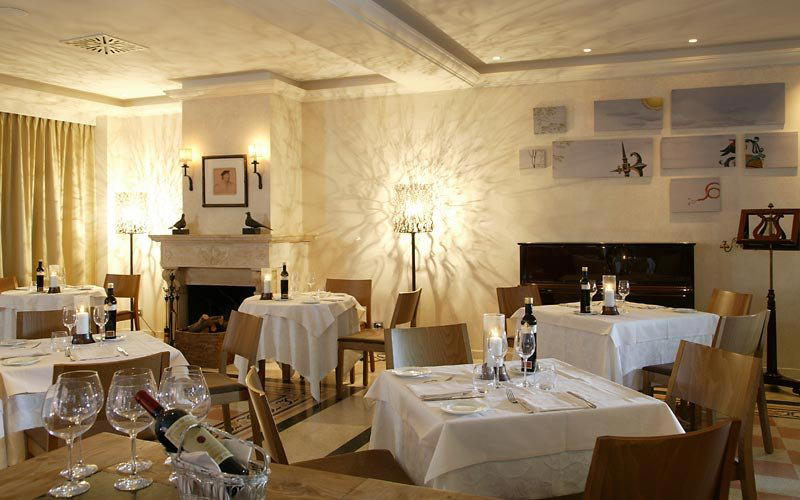
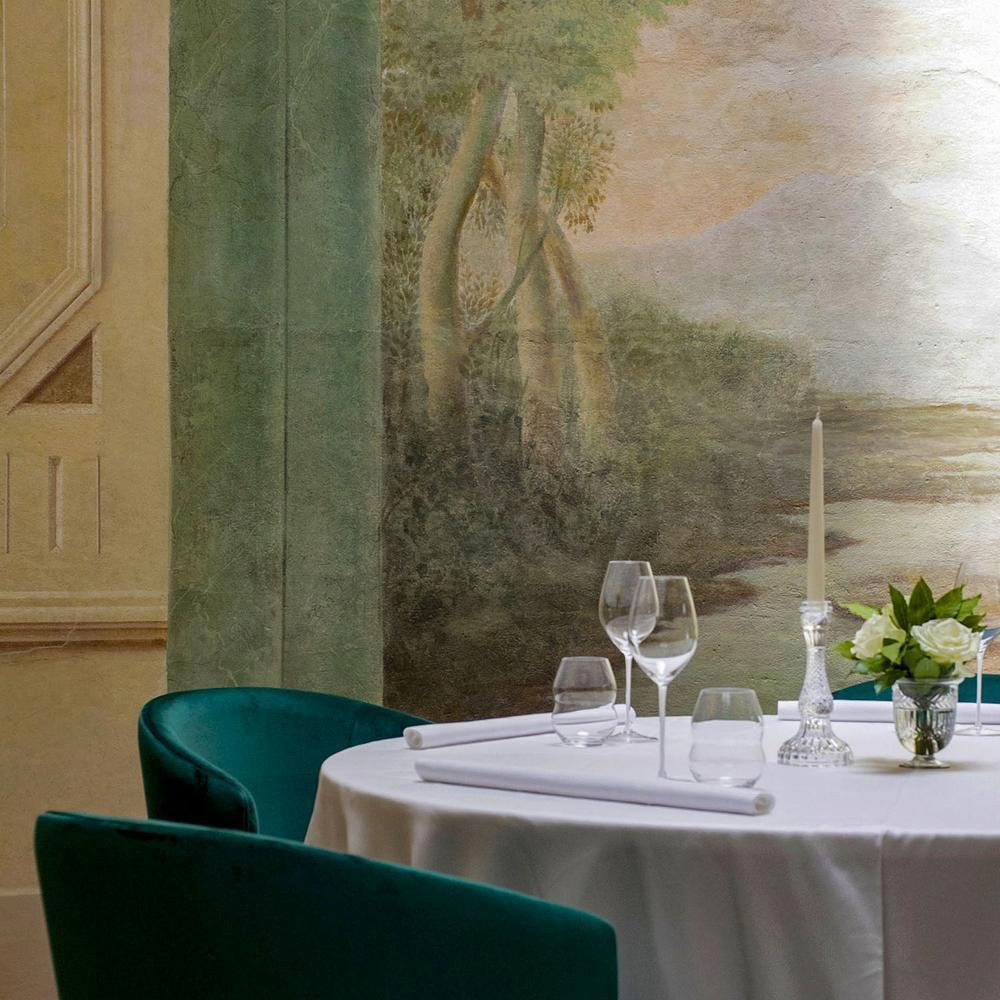
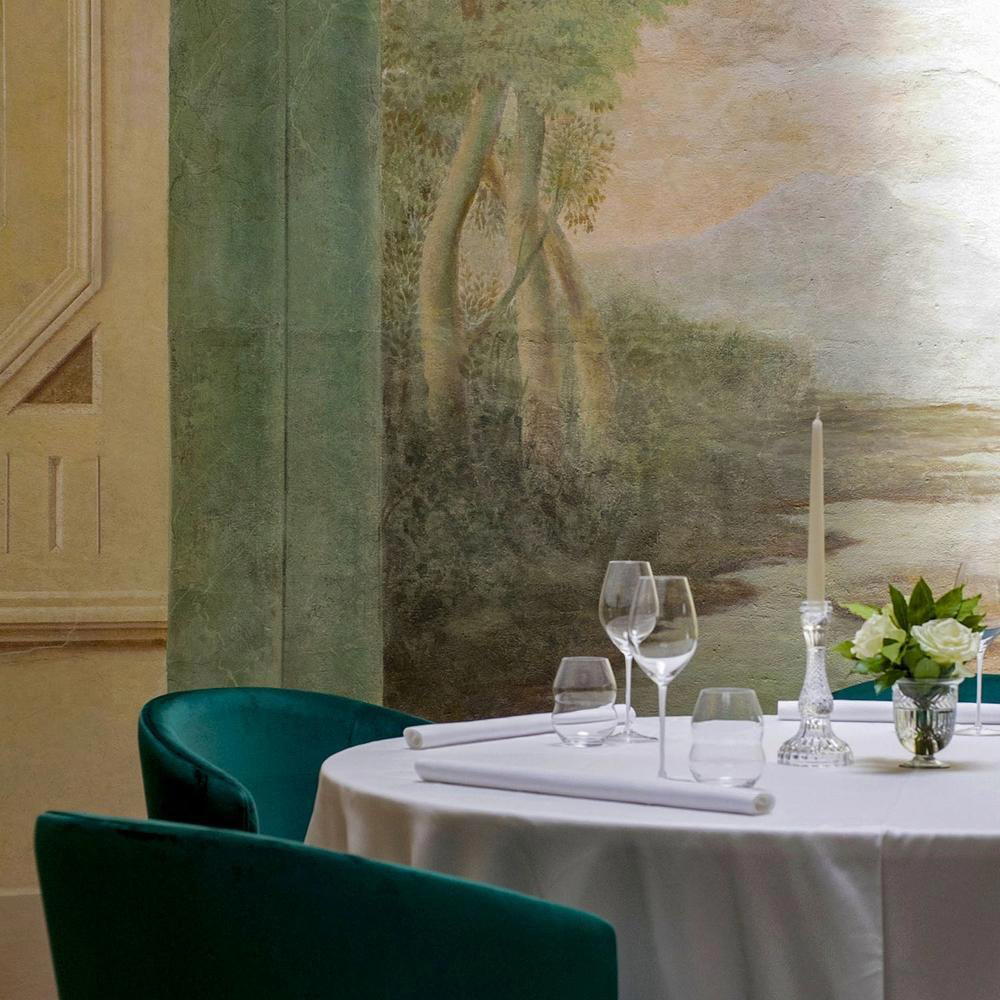
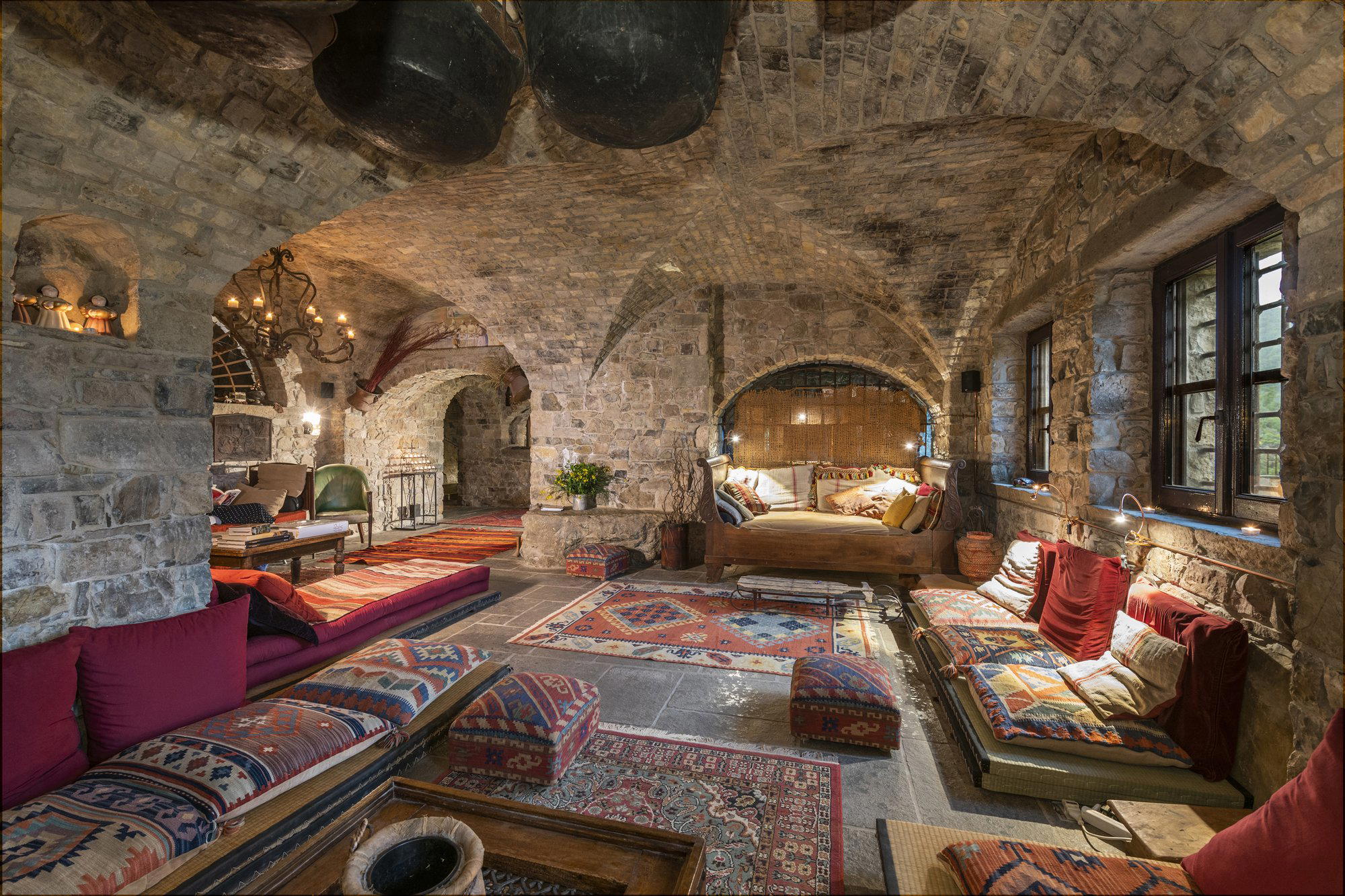
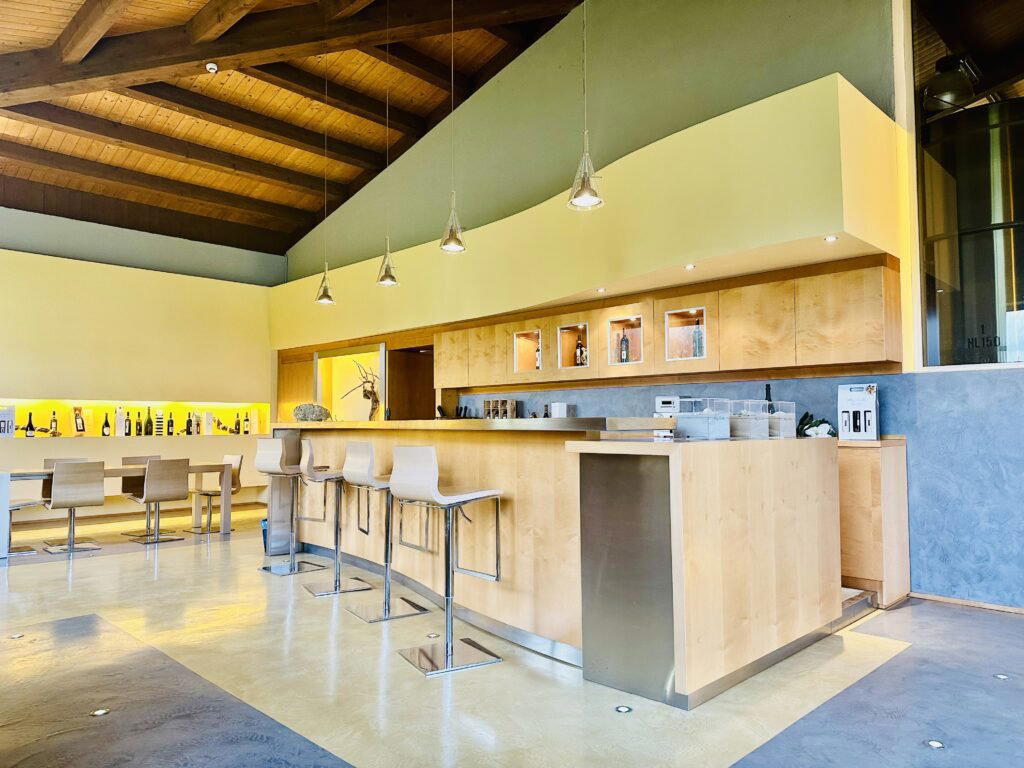
The progression through Casa Vissani's spaces is deliberate. Guests begin in the rock room, where the aperitif is served and dishes are selected, before moving to the main dining room. That room combines open kitchens framed as architectural elements with a service style that reads as formal without being rigid. The design layers materials and references rather than following a single decorative logic, which gives the space a texture that purpose-built fine dining rooms often lack.
The menu structure has recently shifted. Casa Vissani now offers a structured à la carte option alongside two tasting menus. The two tasting formats are Volare in Piccolo, a four-course menu, and Volare in Grande, which runs to seven courses. The naming carries an internal logic: the language of flight as a metaphor for progression through a meal, with the smaller format a considered entry point and the longer one the fuller statement of the kitchen's current range.
For those whose priority is regional Italian cooking in a different register, TerritOri operates in a separate room within the same structure. The coexistence of the two formats under one roof is a practical response to what the site can offer, and it also reflects a broader pattern in Italian fine dining, where multi-format structures allow a single kitchen team to address different guest expectations without diluting either offer.
Umbria in the Context of Central Italian Fine Dining
The editorial angle on the restaurant is sharpened by understanding where it sits within the broader map of Italian progressive cooking. Restaurants like Osteria Francescana in Modena and Le Calandre in Rubano operate from cities or well-connected towns and carry three Michelin stars. Enoteca Pinchiorri in Florence draws on one of Italy's deepest wine cellars and the proximity of a major tourist destination. Dal Pescatore in Runate shares the rural destination model but operates from the Po Valley in Lombardy, with three stars and a different regional repertoire. The restaurant, now Michelin Guide-listed after holding one star through the 2025 guide, with La Liste scores of 92 points in 2025 and 91 points in 2026, occupies a specific tier: formally recognized, internationally tracked, but positioned in territory that requires commitment from the guest to reach.
That positioning is not a weakness. Among the comparable set of destination restaurants outside major Italian cities, which also includes Reale in Castel di Sangro and Uliassi in Senigallia, the requirement to travel is baked into the proposition. The Opinionated About Dining ranking places the restaurant at number 441 in Europe for 2024, a position that reflects sustained international critic attention for a kitchen operating far from the infrastructure that usually generates that attention. The OAD recommendation in 2023 marked a moment of renewed visibility.
Gianfranco Vissani and the Question of Umbrian Identity
The progressive Italian category, as applied to restaurants across Italy, covers a wide range of approaches. In the north, the dominant influences tend toward French classical technique, Japanese precision, or the ingredient-first philosophy associated with Norbert Niederkofler's model in Alto Adige. In central Italy, the tension is different: between the weight of regional tradition, which in Umbria and Lazio runs toward earthy, slow-cooked preparations, and the ambition of a kitchen that has spent decades building a national profile. Piazza Duomo in Alba navigates a version of this in Piedmont; Enrico Bartolini in Milan resolves it differently again by operating from a city platform.
Gianfranco Vissani has been a significant voice in Italian food culture for long enough that his kitchen sits outside any single generational wave. The current format, with its structured à la carte and dual tasting menus, reflects an ongoing calibration rather than a static position. The parallel TerritOri concept is evidence of the same thinking applied outward: a recognition that the restaurant's site and reputation can support more than one kind of engagement with Italian food culture simultaneously.
Planning a Visit
The restaurant operates Thursday evenings, Friday through Sunday at lunch and dinner, with Monday and Tuesday closed and Wednesday closed as well. The hours are narrow: evening service runs 8 PM to 10 PM, lunch from 12:30 PM to 2:30 PM. For a kitchen at this price point (€€€€), the limited weekly schedule is standard for rural destination restaurants in Italy. Baschi sits in southern Umbria, accessible by car from Orvieto and within reasonable driving distance of Rome via the A1 motorway. For guests combining the visit with broader Umbrian travel, accommodation options in Baschi and the surrounding area are worth considering.
For comparison with other progressive Italian kitchens operating outside the major cities, Quattro Passi in Marina del Cantone, Casa Perbellini 12 Apostoli in Verona, St. Hubertus in San Cassiano, and Casa Maria Luigia in Modena each offer useful reference points in their respective regions.
At-a-Glance Comparison
Comparable venues nearby, for context on price, style, and recognition.
| Venue | Cuisine | Price | Awards | Notes |
|---|---|---|---|---|
| Casa VissaniThis venue — the venue you are viewing | Modern Italian Fine Dining | $$$$ | Michelin Guide | Not listed |
| Andreina | Modern Italian with Meats and Grills | $$$$ | Michelin 1 Star | Loreto |
| Romano | Modern Italian Seafood | $$$$ | Michelin 1 Star | Viareggio |
| Imàgo | Modern Italian Fine Dining | $$$$ | Michelin 1 Star | Campo Marzio |
| Il Convivio Troiani | Modern Italian Fine Dining | $$$$ | Michelin 1 Star | Ponte |
| La Trota | Modern Italian Freshwater Fish Fine Dining | $$$$ | Michelin 1 Star | Rivodutri |
Recognition history
Dated appearances from independent guides and award organizations, with the underlying list record or original source where available.
La Liste Top Restaurants
La Liste
Michelin Plate
Michelin
Opinionated About Dining Top Restaurants in Europe Recommended
Opinionated About Dining
La Liste Top Restaurants
La Liste
Opinionated About Dining Top Restaurants in Europe Ranked #573
Opinionated About Dining
Opinionated About Dining Top Restaurants in Europe Ranked #441
Opinionated About Dining
Opinionated About Dining Top New Restaurants in Europe Recommended
Opinionated About Dining
Continue exploring
More in Baschi
Restaurants in Baschi
Browse all →
Bars in Baschi
Browse all →
Hotels in Baschi
Browse all →

At a Glance
- Romantic
- Elegant
- Sophisticated
- Scenic
- Date Night
- Special Occasion
- Celebration
- Private Event
- Open Kitchen
- Waterfront
- Garden
- Panoramic View
- Private Dining
- Terrace
- Extensive Wine List
- Sommelier Led
- Local Sourcing
- Waterfront
- Garden
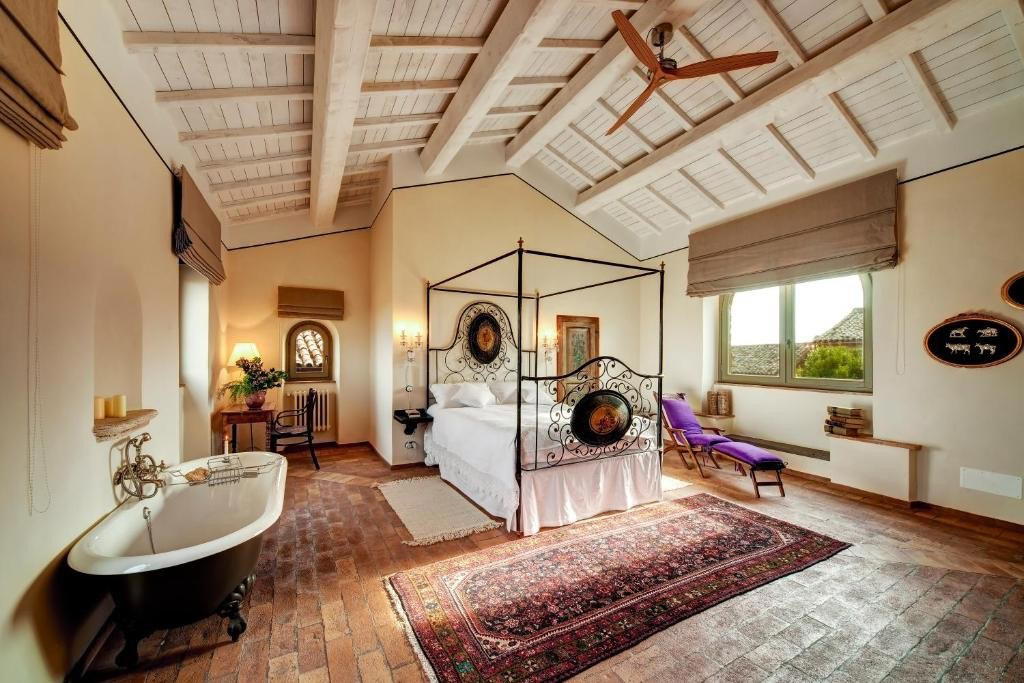
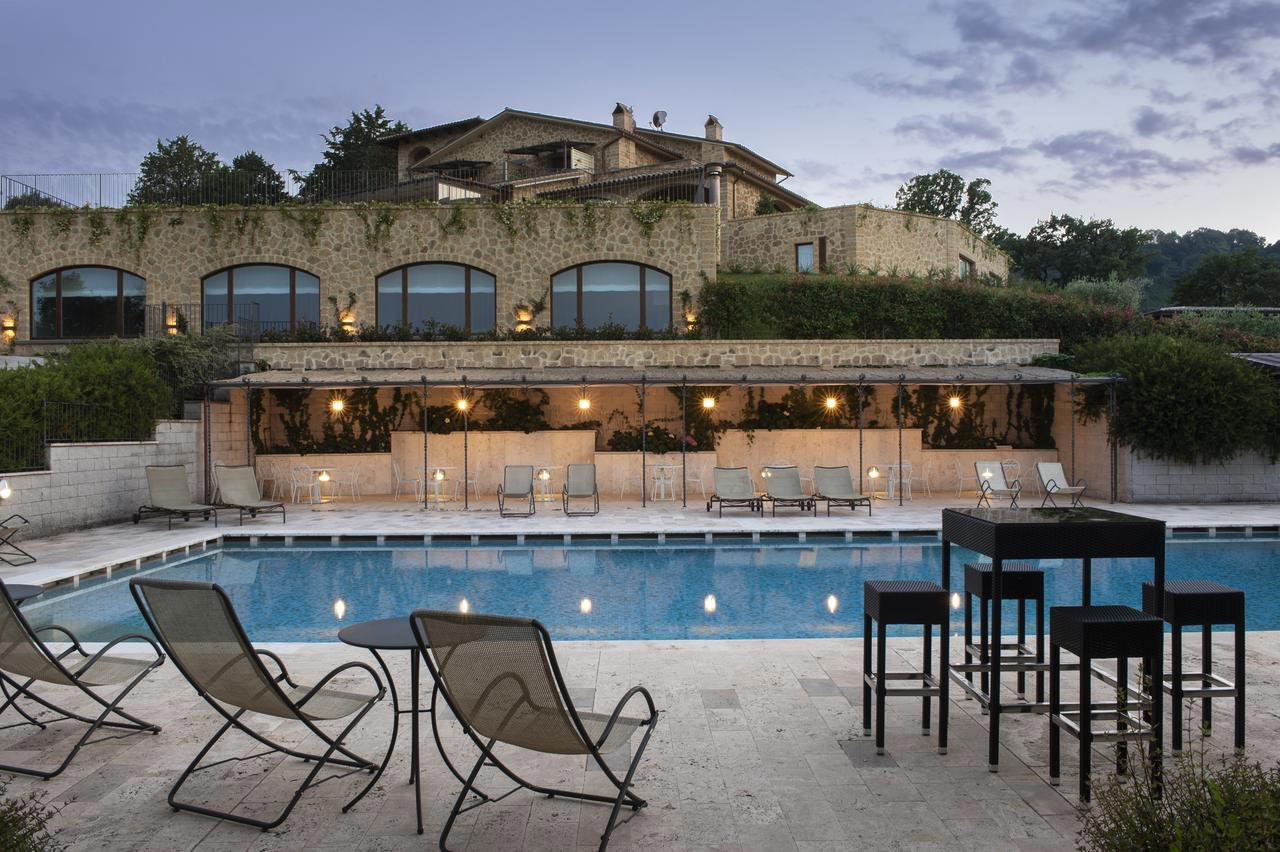
Elegant and refined with multiple dining rooms designed as an artistic journey, featuring open kitchens framed like paintings, soft lighting, and dramatic lake views creating an idyllic romantic atmosphere.