
Michelin Selected
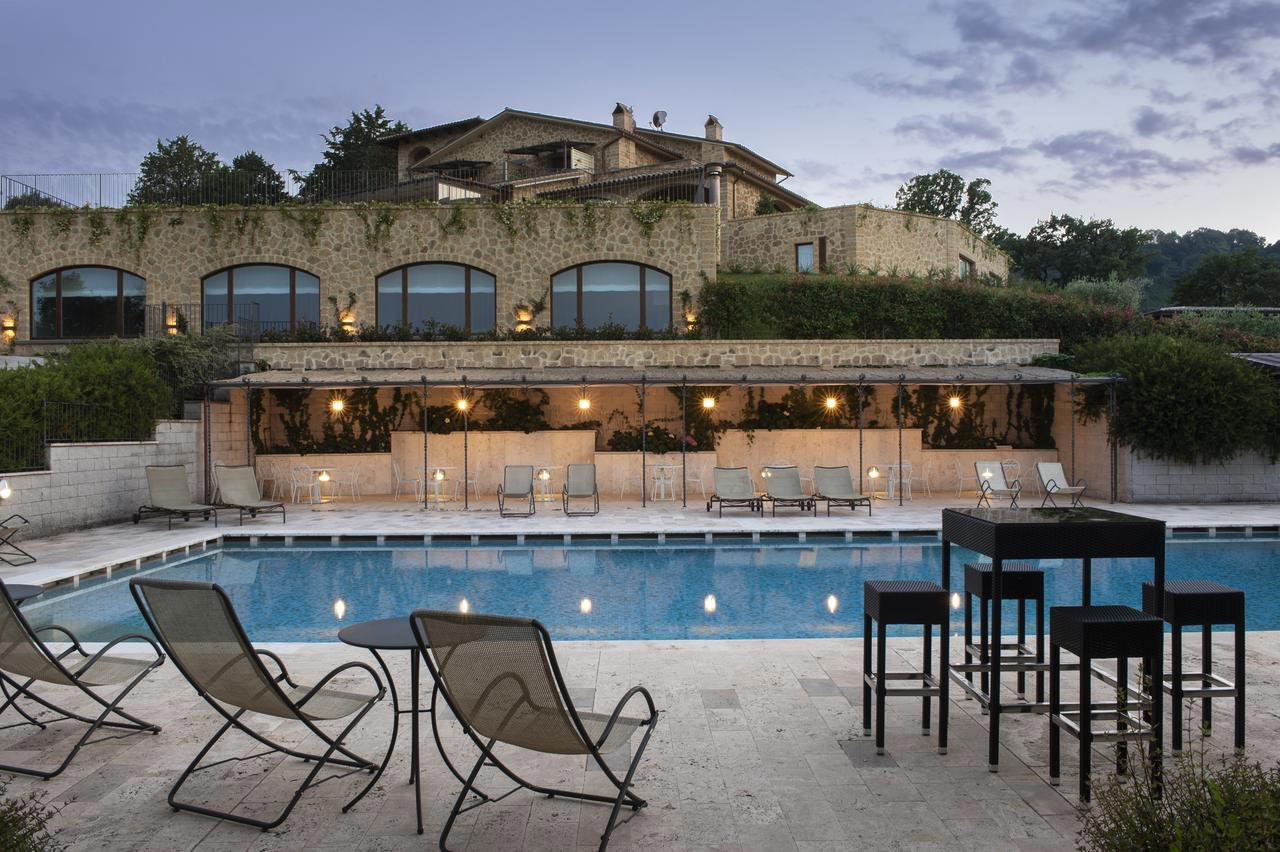
A Michelin Selected wine resort set above Orvieto's tufa plateau, Altarocca occupies a working estate at Località Rocca Ripesena where the vineyards are both landscape and context. The property sits in a smaller tier of Central Italian rural retreats that trade scale for agricultural rootedness, earning its Michelin Selected status in 2025. For those arriving from Rome or Florence, it reads as a serious alternative to the region's larger resort formats.

Pearl is the En Primeur Club membership app — saves, bookings, and concierge access live there. Same editors, same standards.
- Address
- Località Rocca Ripesena, 62, 05010 Terni TR, Italy
- Phone
- +39 0763 344210
- Website
- altaroccawineresort.com
- Directions
- Get directions
Above the Plateau: What Orvieto's Wine Country Asks of Its Hotels
There is a particular category of Central Italian accommodation that resists easy classification. It is neither the fully managed luxury resort nor the converted farmhouse renting rooms to fund restoration. The wine estate hotel occupies middle ground: a working agricultural property that earns part of its identity from what it produces, and part from how guests are asked to inhabit that production.
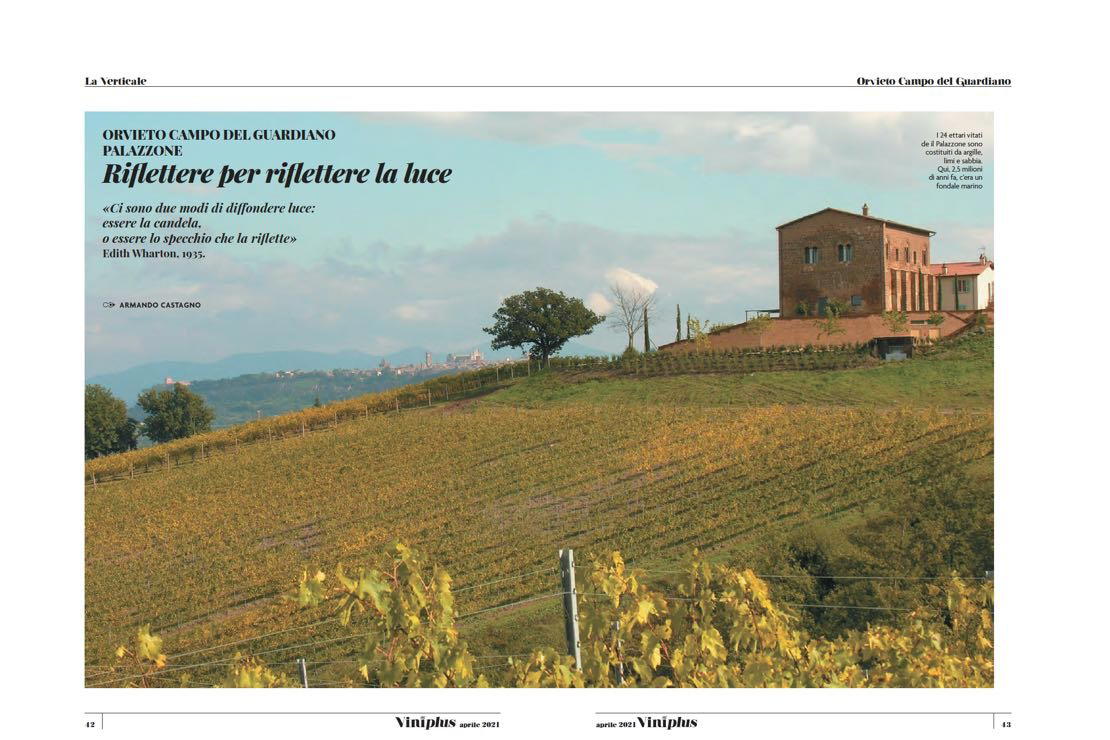
Orvieto itself creates particular expectations. The city sits on a dramatic tufa cliff in southern Umbria, a geological formation that has shaped everything from its Etruscan origins to the honeycomb of cellars beneath its streets. That same volcanic rock defines the soils of the surrounding vineyards, and the DOC wines produced here, primarily from Grechetto and Trebbiano grapes, have a mineral signature that separates them from the more internationally recognised Umbrian output around Montefalco. A wine resort in this territory is, by definition, making a claim about place. The architecture and design choices made at Altarocca either reinforce or contradict that claim.
The Physical Language of an Estate Above the City
Approaching the property from the road that climbs out of Orvieto toward Rocca Ripesena, the visual relationship between building and terrain is established before arrival. The estate sits at elevation, with views back toward the cathedral city and across the Valle del Paglia. This positioning is not incidental. Properties in this part of Umbria that have succeeded as design destinations tend to treat their sites as primary material: the topography, the agricultural pattern of vine rows and olive groves, the light quality at different hours all become structural elements of the guest experience.
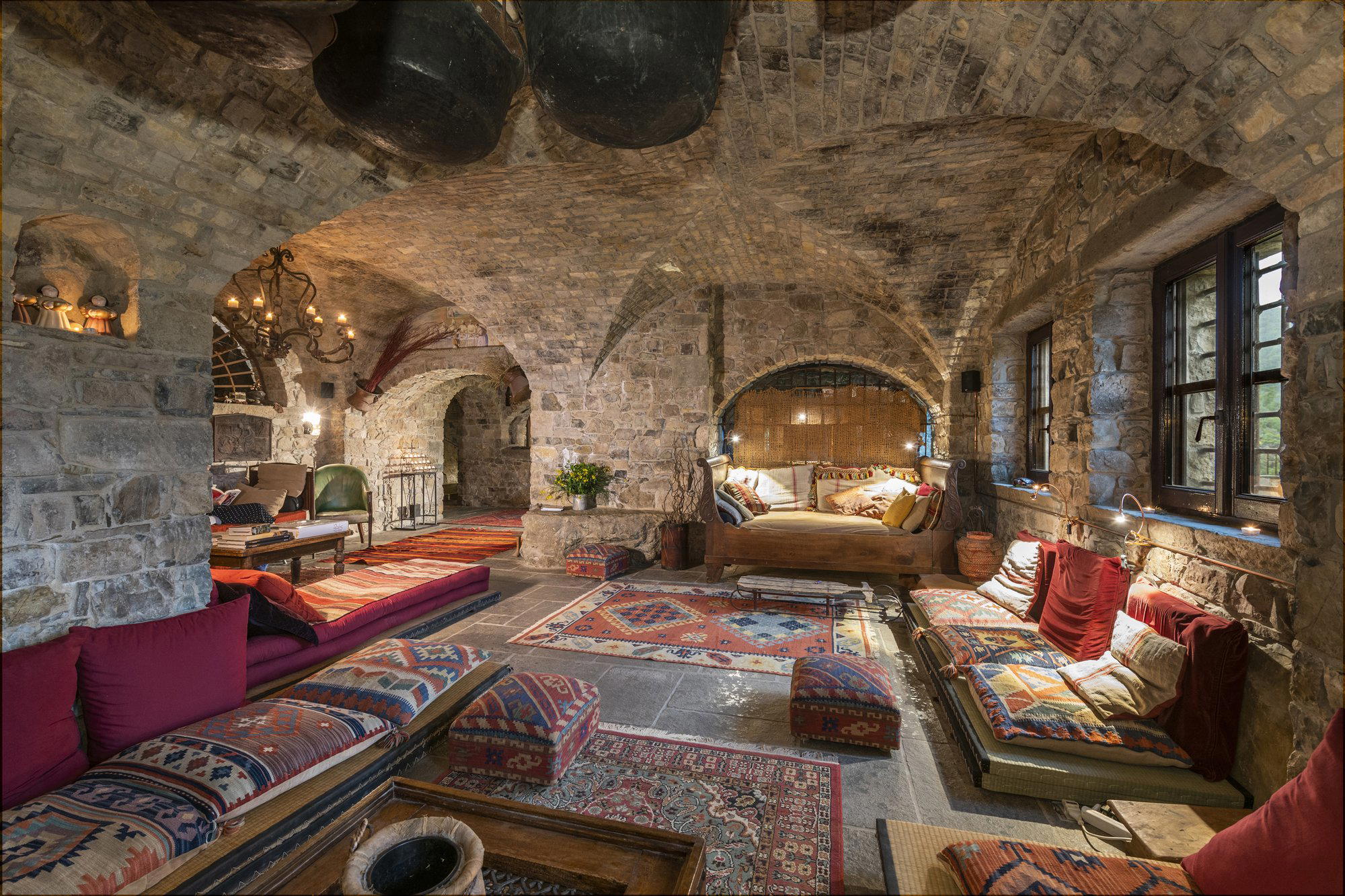
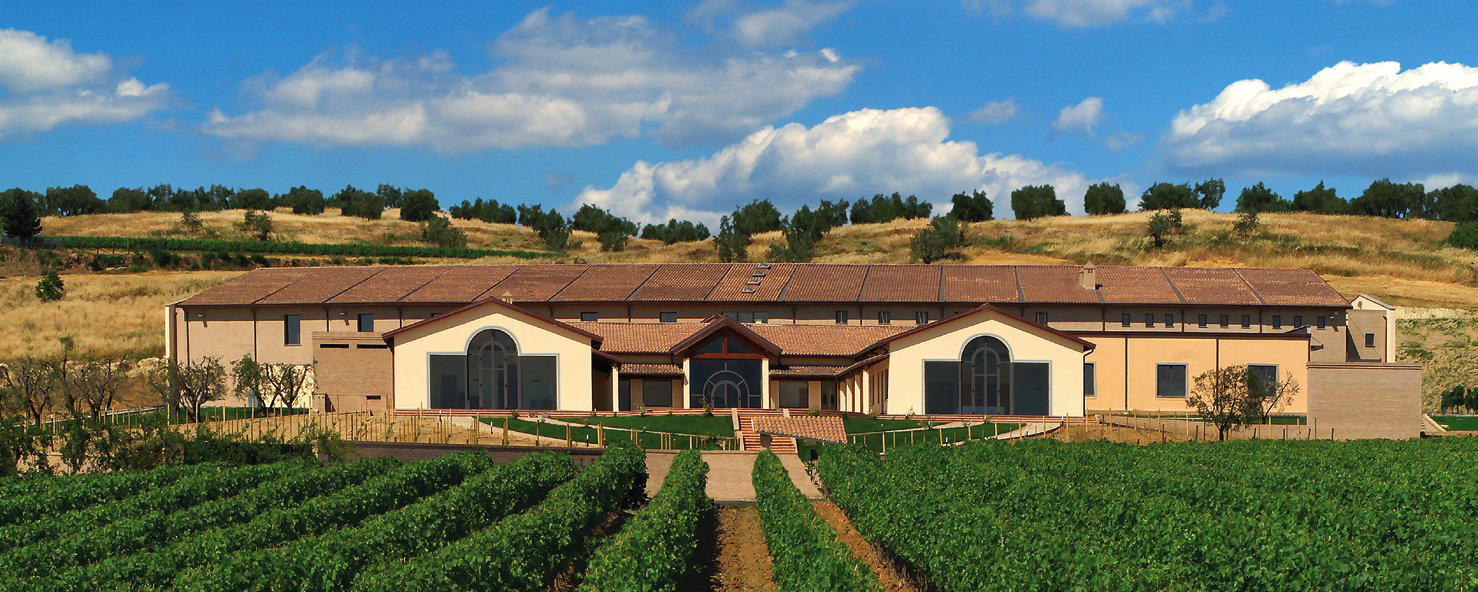
The built environment at wine estate hotels in this tier typically shows a preference for local materials and forms that do not compete with the landscape. Stone, terracotta, and timber framing are common choices, not for nostalgic reasons but because they age predictably in this climate and connect the building to its agricultural context. The design challenge is ensuring that contemporary comfort requirements, insulation, climate control, modern bathroom specification, do not strip out the material honesty that makes the setting legible. Where this balance works, guests understand where they are through the building itself, not only through the view.
For a comparable design approach applied to a different Italian wine region, the Rosewood Castiglion Del Bosco in Montalcino shows how a large-scale estate restoration can maintain agricultural identity at volume. Altarocca operates in a different register entirely, smaller and more focused, which places it closer in spirit to properties like Borgo San Felice Resort in Castelnuovo Berardenga, where the estate format is the product rather than the backdrop.
The Wine Resort Format in Central Italy
The wine resort category has developed distinct conventions over the past two decades in Tuscany and Umbria. Guests arrive with expectations shaped partly by the wine, partly by the agricultural setting, and partly by the assumption that proximity to production offers something a city hotel cannot. What differentiates the stronger properties in this format is whether the wine component is genuinely integrated into the guest experience or functions as ambient decoration, labels on the restaurant wine list and a bottle in the room at arrival.
At estates where the integration is substantive, guests can observe or participate in seasonal vineyard work, tastings are conducted with the specificity of provenance rather than the generality of varietal, and the food program draws explicitly on the agricultural calendar of the property and its immediate surroundings. Orvieto DOC wines, historically undervalued relative to the region's Roman-era reputation, are now attracting more serious attention from Italian wine writers, partly because producers have invested in precision viticulture in the volcanic soils around the city. A wine resort in this territory that takes its DOC seriously sits in a more interesting position than one treating the wine as amenity.
For guests building a longer Central Italian itinerary, Altarocca sits usefully between Rome and Florence, with Orvieto accessible by train from both cities in under two hours. The property's location above the city means a car or arranged transfer is the practical requirement for the estate itself, which is standard for this category. The nearby village of Civita di Bagnoregio, another tufa-leading settlement roughly 30 kilometres east, pairs logically with an Orvieto base for guests interested in the geological particularity of this part of Lazio-Umbria border territory.
Where Altarocca Sits in the Italian Luxury Hotel Spectrum
Italy's premium accommodation market has fragmented significantly over the past decade. The large urban luxury flagships, properties like Bulgari Hotel Roma, Four Seasons Hotel Firenze, or Aman Venice, compete on service depth, city access, and internationally legible brand architecture. The rural estate category competes on entirely different terms: specificity of place, agricultural authenticity, and a pace that urban properties cannot simulate.
Within the Michelin Selected hotels list for Italy, the designation signals a property that meets consistent standards of quality without requiring the full-service apparatus of a five-star city hotel. For Orvieto, where the accommodation tier is thinner than in Tuscany's most visited zones, that recognition carries real weight. The city's other notable option, Palazzo Petrvs, occupies the urban palazzo format inside the historic walls, making the two properties complementary rather than directly competitive. Guests who want to be within walking distance of the cathedral, the Etruscan museum, and the city's restaurants will gravitate toward an in-city address. Those for whom the agricultural setting is the point will find Altarocca's elevation and vineyard context more relevant.
The Castel Fragsburg in Merano and Bellevue Hotel and Spa in Cogne represent comparable approaches in northern Italy, where landscape-first properties have built strong reputations in their respective valleys by committing to setting over brand recognition. Altarocca operates in the same philosophical register, albeit in a warmer, vine-covered terrain. For guests considering a broader Italian wine-country program, properties like Il Pellicano in Porto Ercole or Borgo Egnazia in Savelletri di Fasano share the independent, place-rooted character, even if their climatic and coastal contexts differ considerably.
You can find more options across the city in our full Orvieto restaurants guide.
Planning a Stay
Altarocca Wine Resort is located at 62 Località Rocca Ripesena, above Orvieto in southern Umbria. The property holds Michelin Selected status in the 2025 guide, positioning it within Italy's quality-verified rural accommodation tier. Orvieto is served by direct trains from Rome Termini (approximately 75 minutes) and from Florence (approximately 90 minutes via connection); the estate requires onward road transport, either a rental car or property-arranged transfer. The optimal visiting window for the vineyard setting is late spring through harvest in September and October, when the agricultural cycle is most visible, though the tufa landscape reads well year-round. Given the property's scale and category, advance reservation is advisable, particularly for the harvest season when the estate's wine program is most active.
Fast Comparison
Comparable venues nearby, for context on price, style, and recognition.
| Venue | Cuisine | Price | Awards | Notes |
|---|---|---|---|---|
| Altarocca Wine ResortThis venue — the venue you are viewing | rustic agriturismo with luxury amenities | Not listed | Michelin Selected | Not listed |
| Locanda Palazzone | Medieval country residence with contemporary minimalist interiors; family-run winery and rural hotel blending 14th-century architecture with Scandinavian-chic design. | Not listed | Michelin Selected · Mr & Mrs Smith Seal of Approval | Rocca Ripesena |
| Palazzo Petrvs | Historic 16th-century palazzo blending Renaissance heritage with contemporary luxury. | $300–500 | 1 Michelin Key · Mr & Mrs Smith Seal of Approval | historic centre |
| VILLA POGGIANO | Historic neoclassical villa with family-run hospitality and exclusive boutique positioning | $200–300 | Michelin Selected | Val d'Orcia |
| Eight Venezia | Historic Venetian palazzo transformed into a luxury boutique hotel | Not listed | Michelin Selected | Castello |
| Metropole Taormina Maison D'Hotes | Historic boutique maison d'hôtes blending 18th-century architecture with contemporary luxury | Not listed | Michelin Selected | Taormina City Centre |
Recognition history
Dated appearances from independent guides and award organizations, with the underlying list record or original source where available.
Michelin Selected
Michelin
Continue exploring
More in Orvieto
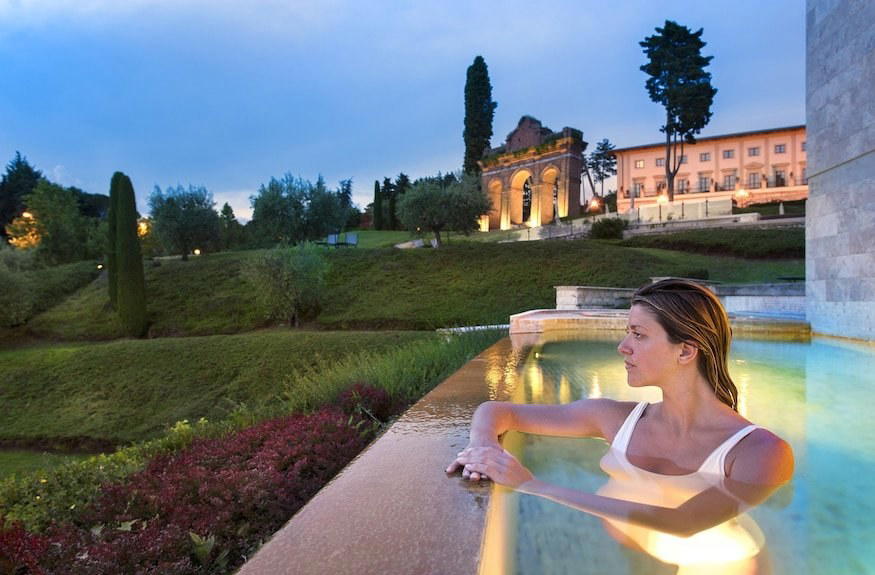
Hotels in Orvieto
Browse all →
Bars in Orvieto
Browse all →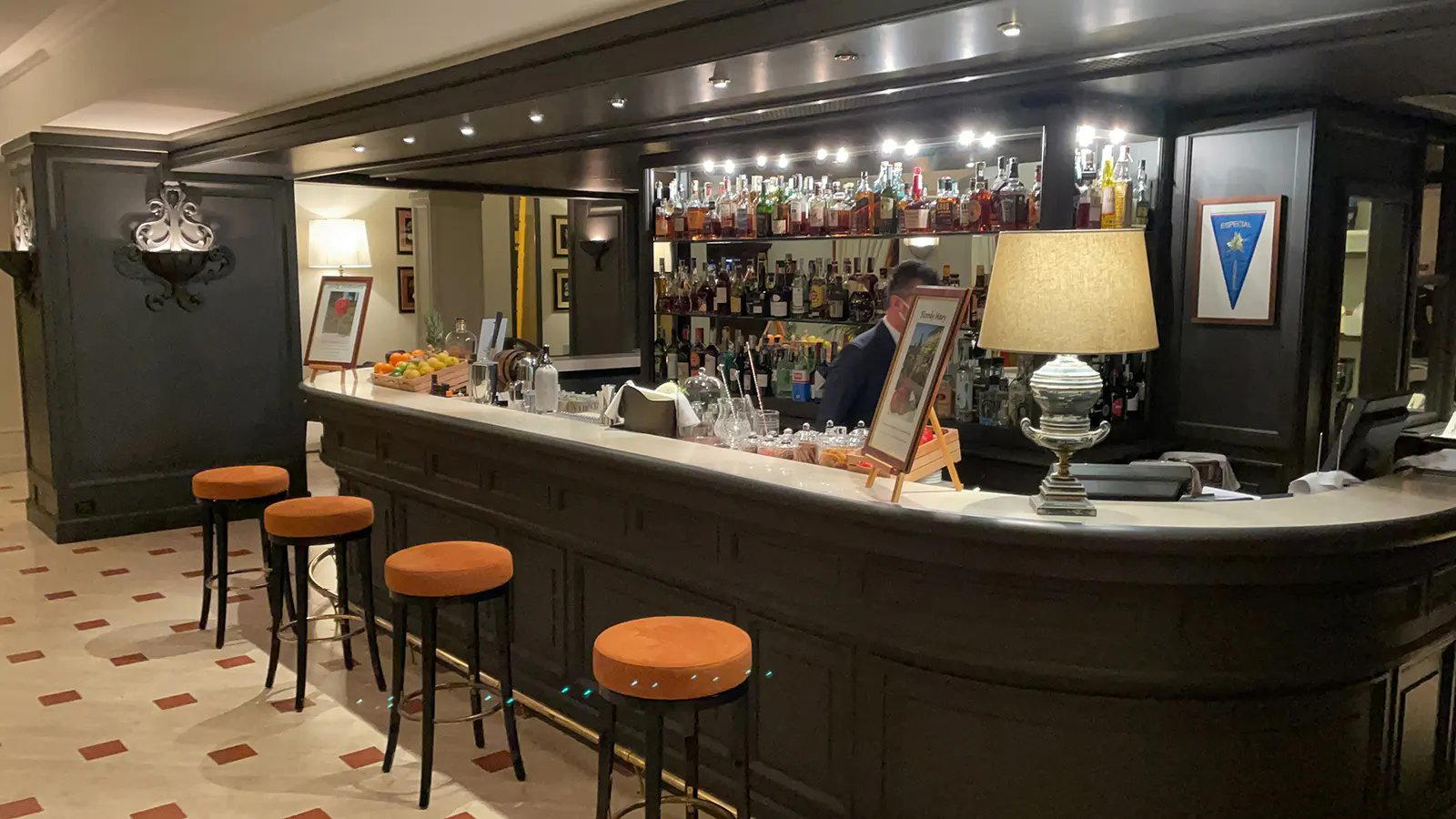
Restaurants in Orvieto
Browse all →

Details
- Romantic
- Quiet
- Elegant
- Rustic
- Scenic
- Sophisticated
- Honeymoon
- Romantic Getaway
- Wellness Retreat
- Anniversary
- Weekend Escape
- Panoramic View
- Terrace
- Wi Fi
- Pool
- Spa
- Fitness Center
- Room Service
- Concierge
- Restaurant
- Vineyard
- Mountain
- Garden
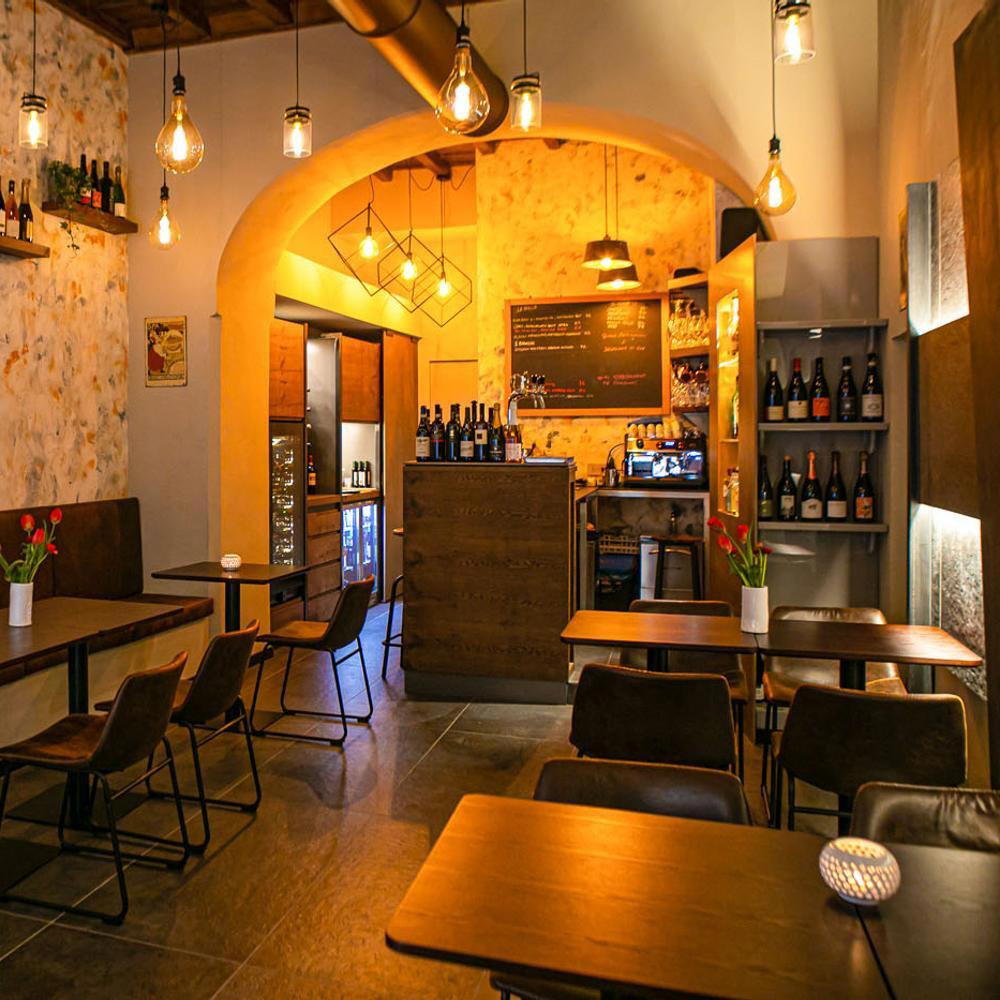
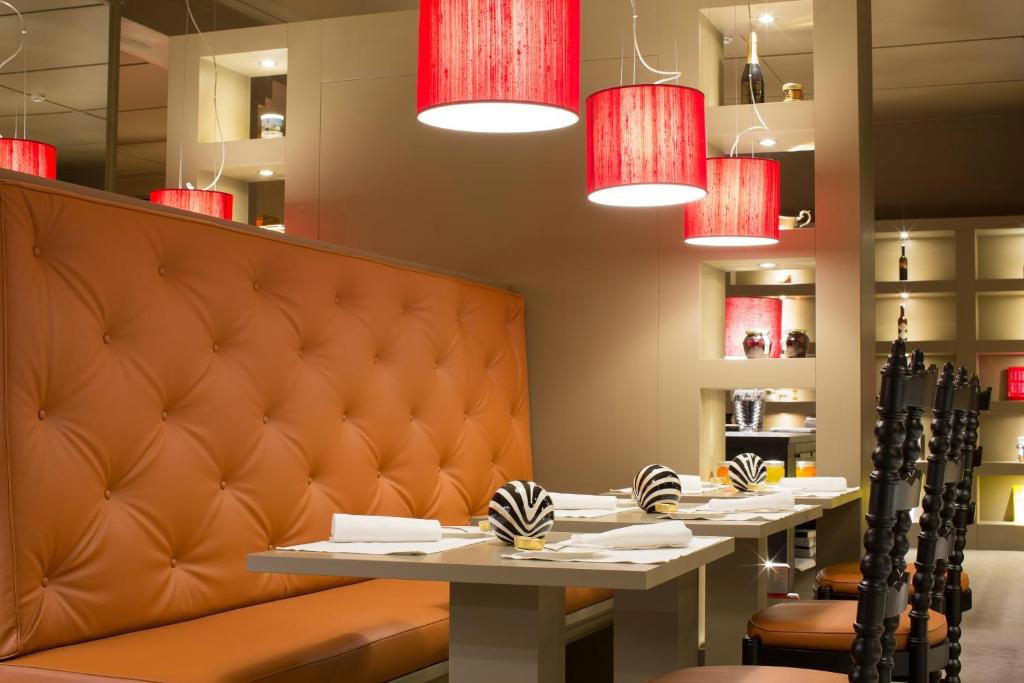
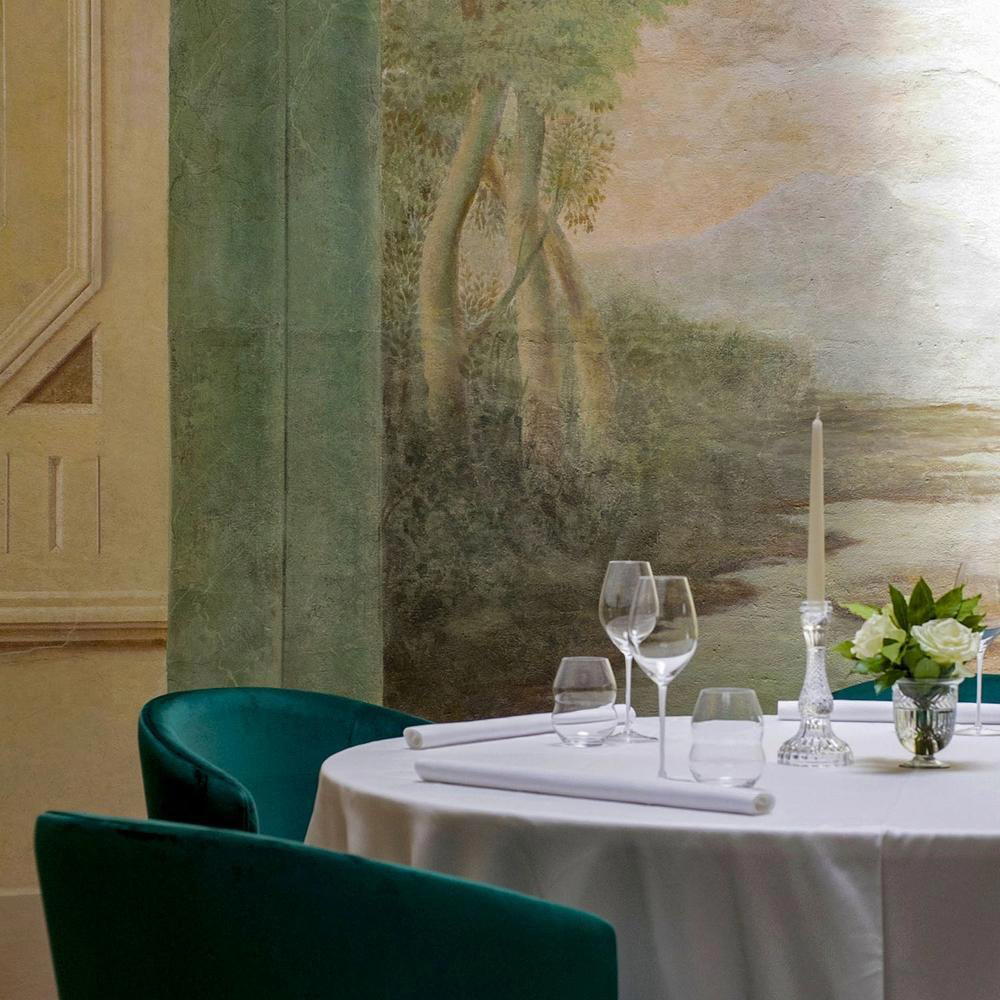
Peaceful and tranquil with soft lighting, enveloping calm from bright spacious rooms and scenic terraces.