Kanosuke Distillery brings Japanese whisky into a coastal Kagoshima frame, linking three differently shaped pot stills, shochu-family heritage, and maturation beside Fukiagehama Beach. The appeal is not scale or spectacle; it is a quiet, technical reading of sea air, cask choice, and mellow texture, with a 2023 San Francisco World Spirits Competition Gold medal adding external credibility.

Pearl is the En Primeur Club membership app — saves, bookings, and concierge access live there. Same editors, same standards.
- Address
- 845-3 Hiyoshicho Kaminokawa, Hioki, Kagoshima 899-2421, Japan
- Phone
- +81 99-201-7700
- Hours
- Mon ClosedTue–Sun 10 am–4:30 pm
- Website
- kanosuke.com
- Directions
- Get directions
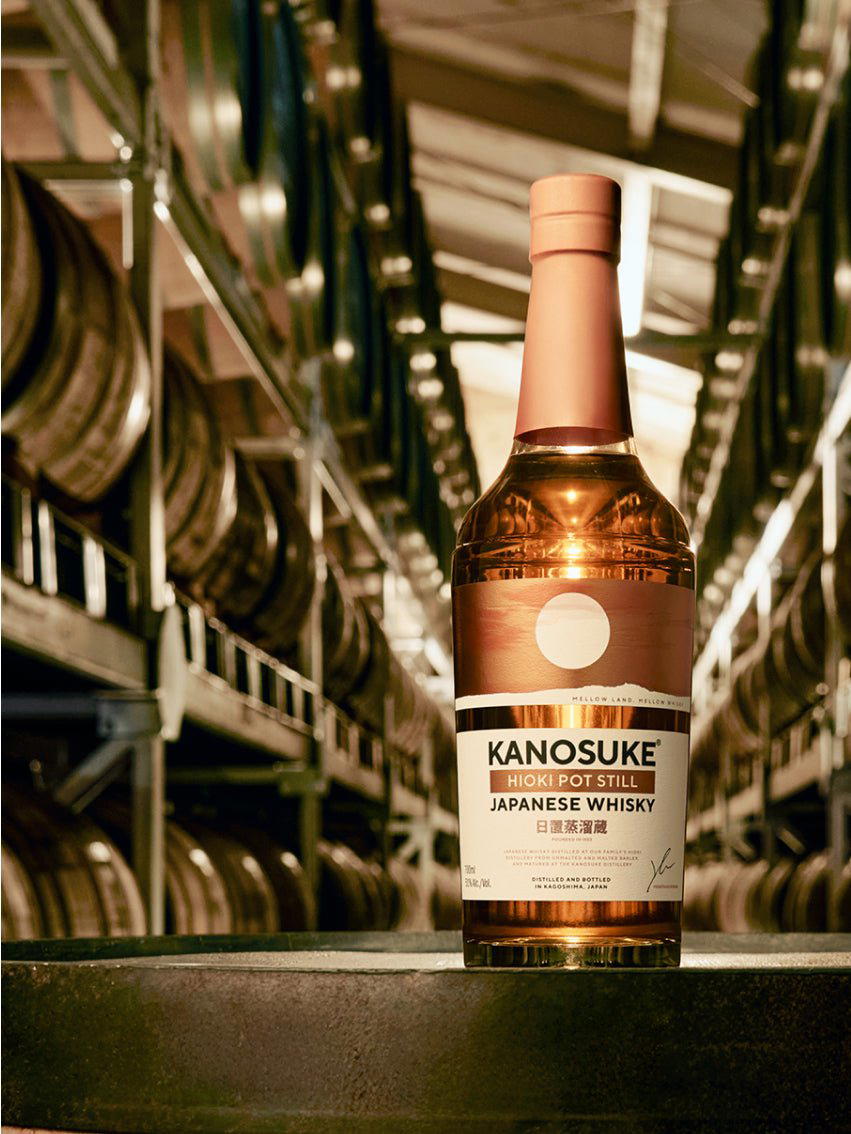
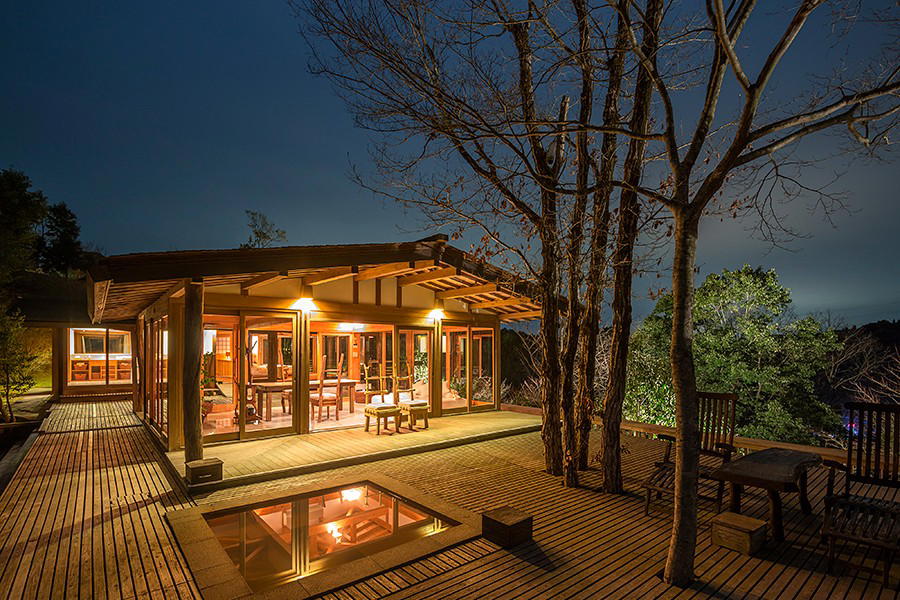
Kanosuke Distillery is a Kagoshima venue defined first by a coastal, serene atmosphere. The profile is intentionally simple and should stay that way: expect a scenic, quiet, modern, minimalist setting shaped by Fukiagehama Beach, East China Sea breezes, and an oceanfront mood rather than a heavily formal environment. The useful way to understand it is through setting and tone. It reads as a place where the surrounding coast gives the visit its character, with the sea air and open, calm mood doing much of the descriptive work.
The confirmed price is $18 per person, and the style is relaxed, seaside, and calm. Beyond that, the most responsible description is restrained: this is a Kagoshima venue whose appeal rests on atmosphere, simplicity, and a sense of place, not on unconfirmed specifics or a long list of details.
Sea air and a serene Kagoshima setting
The strongest detail is the atmosphere. Kanosuke Distillery is associated with a relaxed seaside feel, scenic quiet, and a modern minimalist presentation shaped by the coast. Fukiagehama Beach and East China Sea breezes are part of that sense of place, but the venue location should be described simply as Kagoshima. The beach and breezes are best understood as context for the mood: they help explain why the setting feels open, coastal, and calm without needing to turn the description into a technical or overly specific guide.
That makes it useful for travelers looking for a calm Kagoshima experience with a coastal character. The venue’s identity, as presented here, is not built around spectacle or formality. It is more about a quiet pause in a seaside environment, where the modern minimalist style keeps the focus on atmosphere. That restraint matters, because the most reliable picture is already clear enough: Kagoshima, coast, quiet, and a relaxed oceanfront feeling.
Dress and mood can be read as coastal and serene rather than formal. The setting is relaxed, quiet, scenic, modern, and minimalist, which suggests a low-key visit suited to the oceanfront atmosphere. It is the sort of place to frame in terms of ease and setting rather than occasion dressing or high ceremony. Nothing in the confirmed information suggests a rigid or ornate experience; the available details point instead to a calm seaside stop with a clean, contemporary feel.
What is about the experience
Kanosuke Distillery can be discussed reliably only through the details confirmed. Those details are limited, but they are not empty: they establish a clear editorial profile built around Kagoshima, a $18 per-person price, and a coastal, serene, modern minimalist atmosphere. The experience should therefore be described in broad, grounded terms, with care taken not to imply services, formats, or features that have not been verified.
For readers, that means the reliable takeaways are the venue name, Kagoshima location, $18 per-person price, and the coastal design language. Anything more specific should be checked directly with the venue before planning around it. That includes any assumptions about how a visit is structured, what is included, or what may be available at a given time. The page can still be useful without those additions, because it tells readers the most dependable thing to expect: a quiet seaside tone and a setting shaped by the coast.
The appeal of the page is therefore not a detailed technical or service guide. It is a concise, grounded snapshot of a serene Kagoshima distillery setting with a seaside atmosphere. In EP Club terms, the value is in clarifying the mood before someone decides whether it fits their trip. If the goal is a calm coastal stop rather than a dense itinerary anchor, the confirmed description gives enough texture to understand why Kanosuke Distillery may be relevant.
How to place it within a Kagoshima itinerary
Place Kanosuke Distillery within a Kagoshima itinerary as a quiet coastal stop. The price is $18 per person, and the atmosphere is scenic, relaxed, modern, minimalist, and shaped by the nearby sea. It should be positioned as a serene change of pace: a venue where the surrounding coastal character is central to the appeal, and where the mood is better described as calm and low-key than busy or formal.
For editorial context across Kagoshima, compare it with other local options generically rather than relying on named comparisons. Kanosuke Distillery itself is the only confirmed venue name. The safest framing is to say that it belongs in the itinerary when the traveler wants a coastal, quiet, modern setting within Kagoshima, and to avoid presenting unconfirmed comparisons as fact. Kept in that lane, the venue profile remains useful, accurate, and consistent: a simple seaside Kagoshima entry with a clear price point and a serene oceanfront mood.
Continue exploring
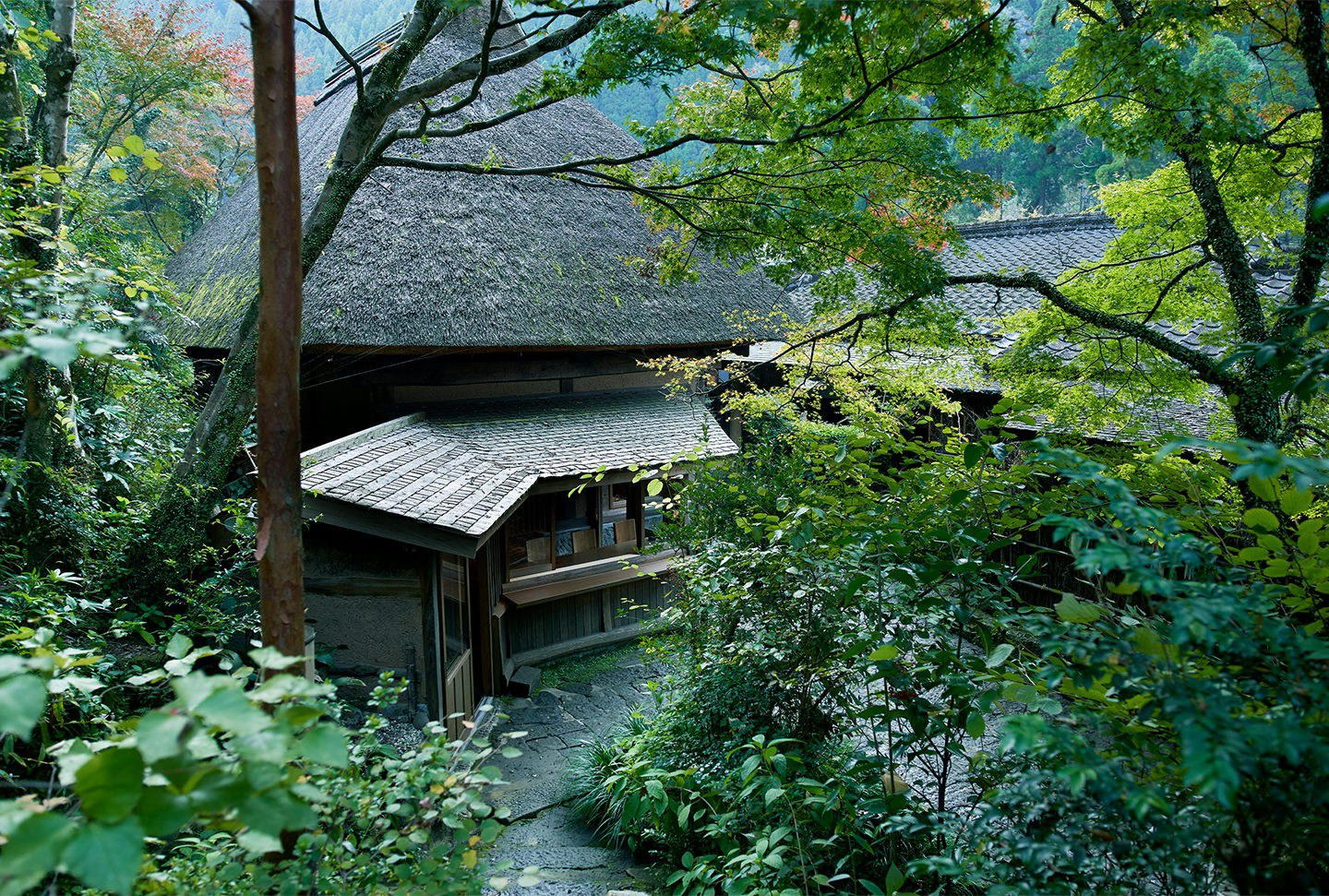
More in Kagoshima
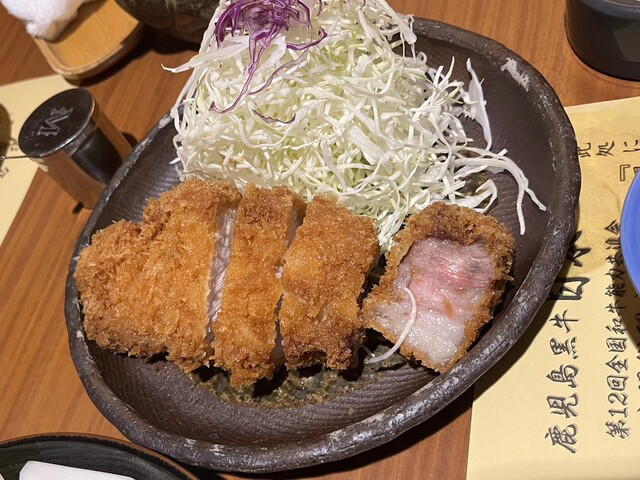
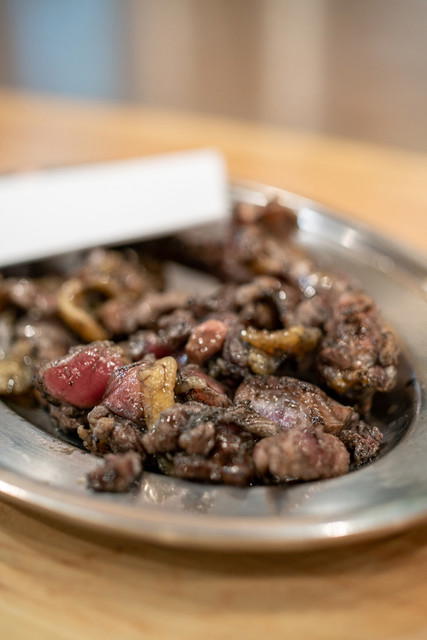
Restaurants in Kagoshima
Browse all →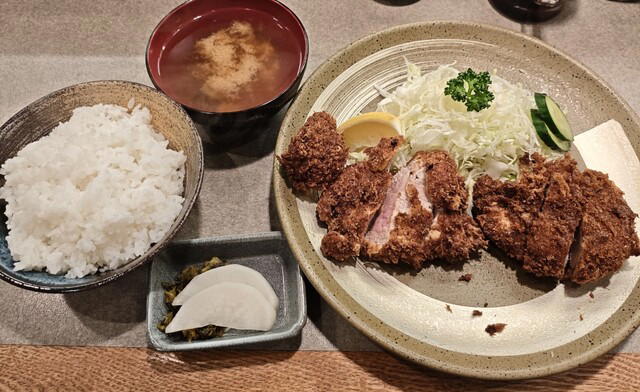
Hotels in Kagoshima
Browse all →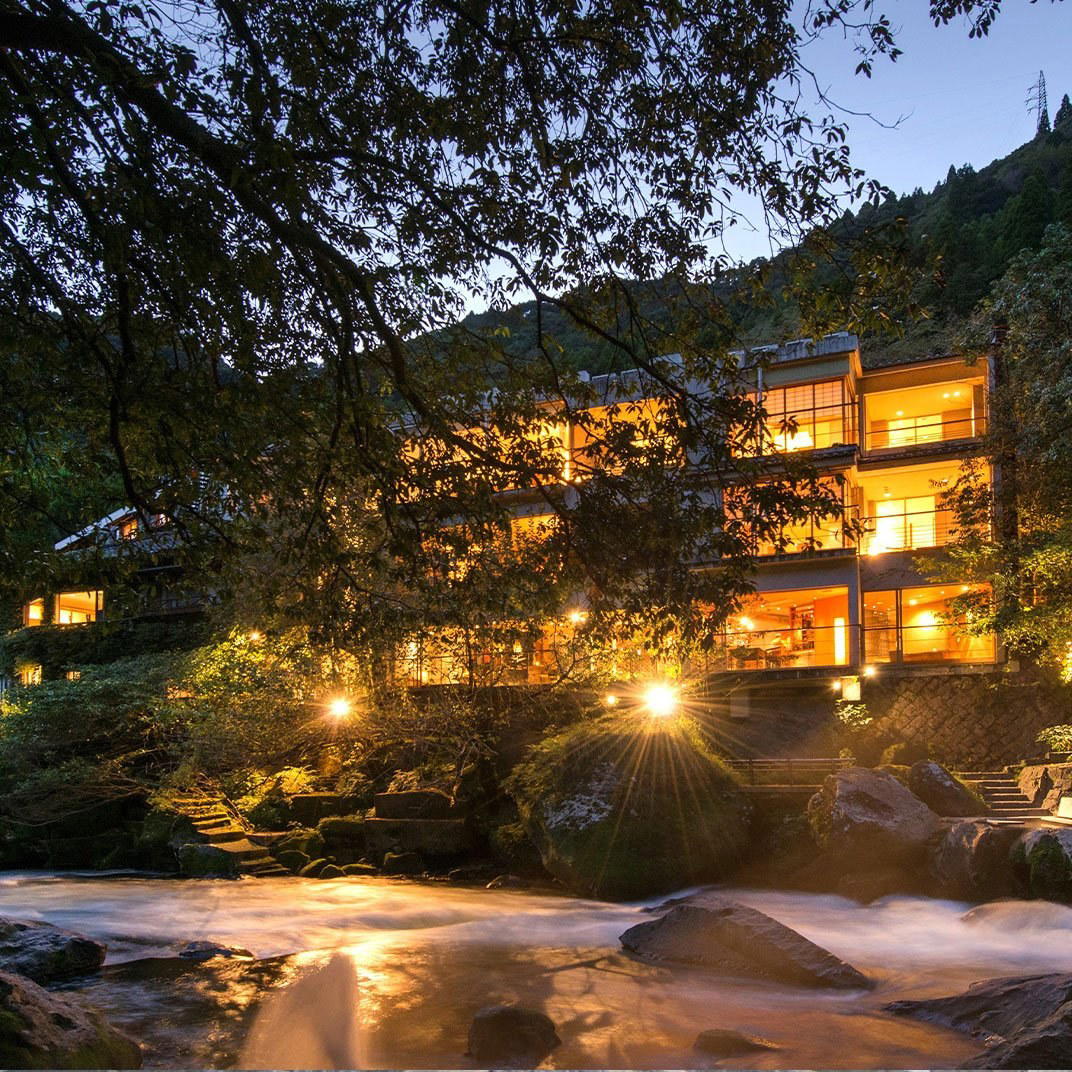
Details
- Scenic
- Quiet
- Modern
- Minimalist
- Solo Exploration
- Group Outing
- Special Occasion
- Corporate Event
- Design Destination
- Historic Building
- Private Tasting
- Waterfront
- Guided Tasting
- Distillery Tour
- Warehouse Tour
- Japanese
- English
Current opening hours
- Monday
- Closed
- Tuesday
- 10 am–4:30 pm
- Wednesday
- 10 am–4:30 pm
- Thursday
- 10 am–4:30 pm
- Friday
- 10 am–4:30 pm
- Saturday
- 10 am–4:30 pm
- Sunday
- 10 am–4:30 pm
Hours can change for holidays and private events. Last verified .
Coastal and serene, with a relaxed seaside atmosphere shaped by Fukiagehama Beach, East China Sea breezes, and the distillery’s scenic oceanfront setting.