

Opposite the Limère golf course in Ardon, La Table earns its 2024 Michelin star through chef Loïs Bée's seasonal, eco-conscious cooking that draws directly from the Loire Valley's forests and kitchen gardens. The open kitchen format, 600-label cellar, and ingredient sourcing rooted in Sologne terroir place it among the Loire region's most considered modern tables. Closed Sunday and Monday.
Pearl is the En Primeur Club membership app — saves, bookings, and concierge access live there. Same editors, same standards.
- Address
- Orléans FR, 200 All. des 4 Vents, 45160 Ardon, France
- Phone
- +33 2 38 61 48 07
- Website
- latabledacote.fr
- Directions
- Get directions
 Saves & bookings on Pearl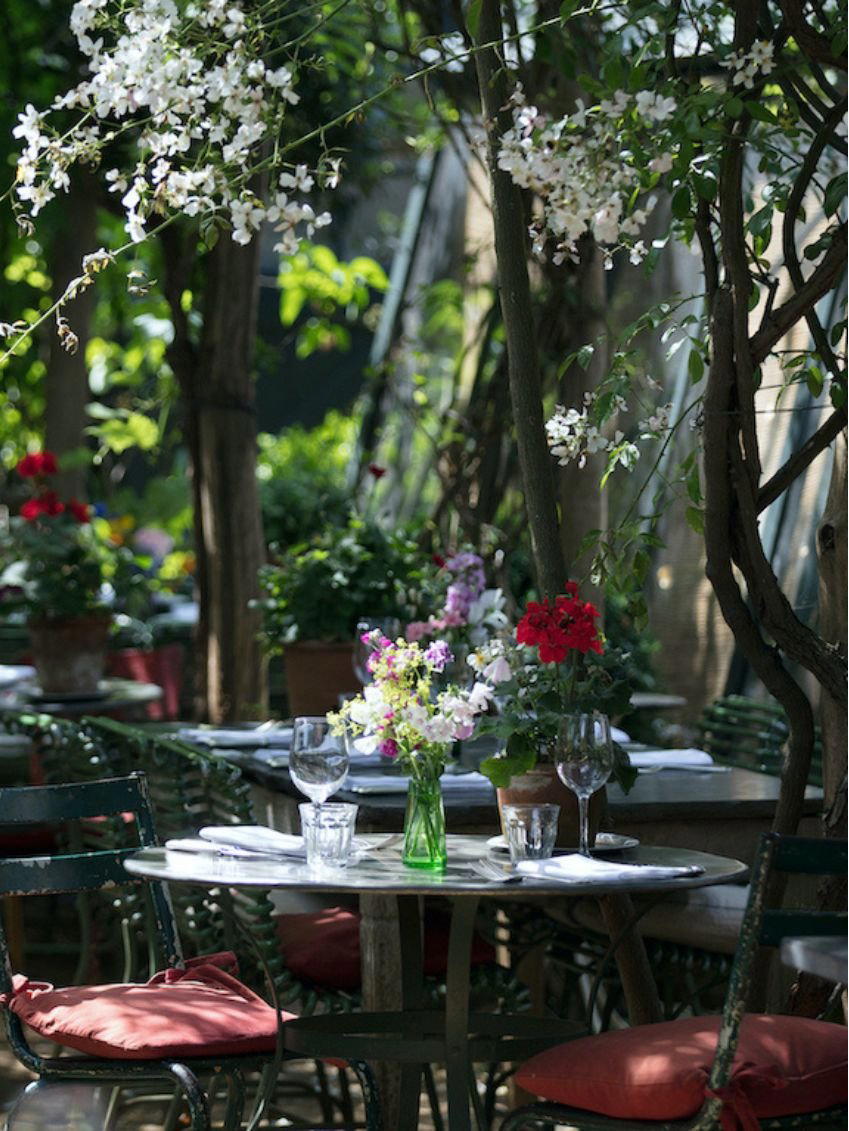
Where the Forest Comes Indoors
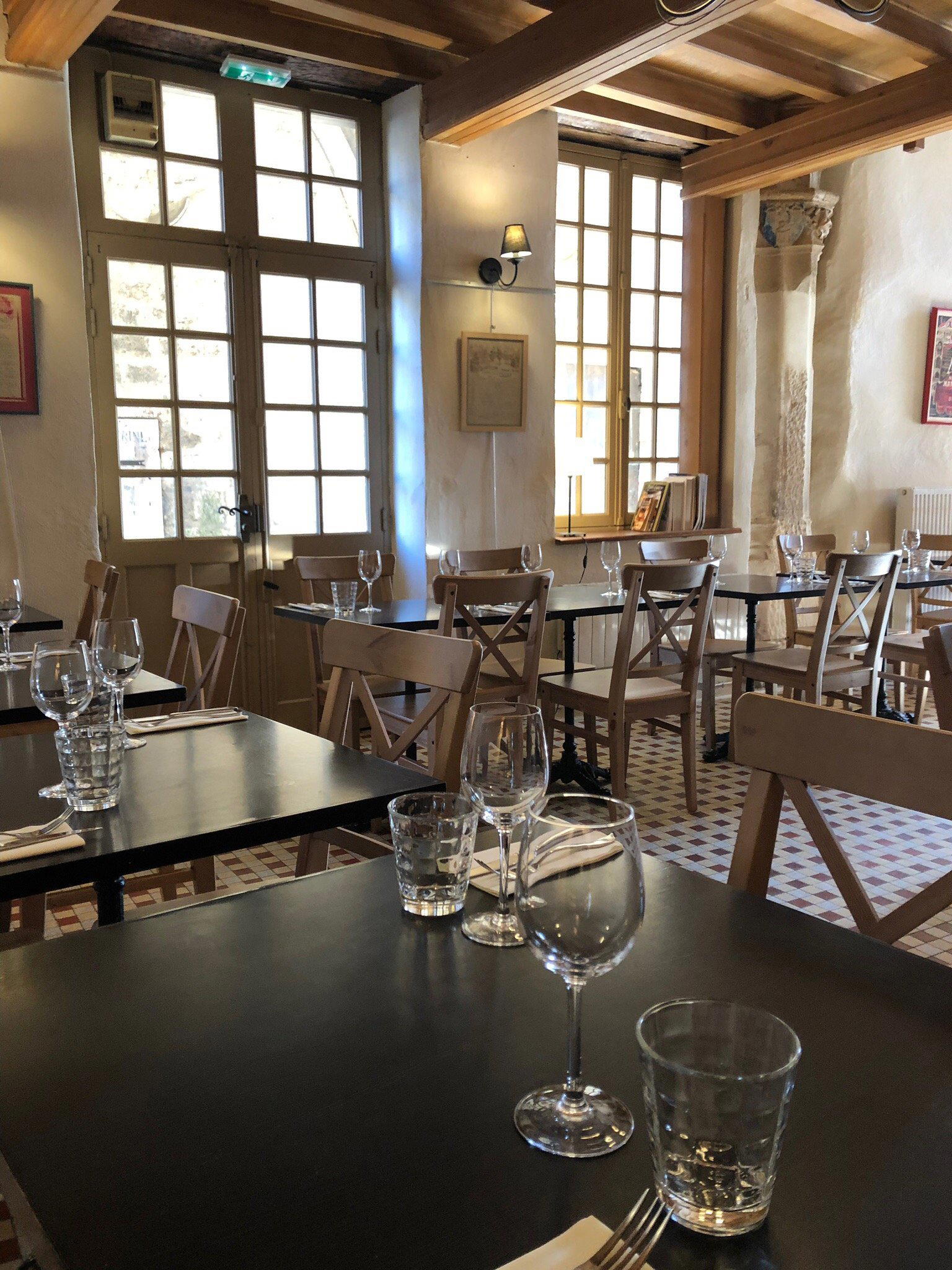
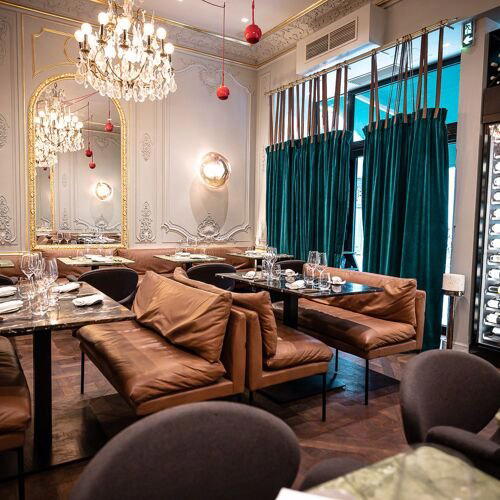
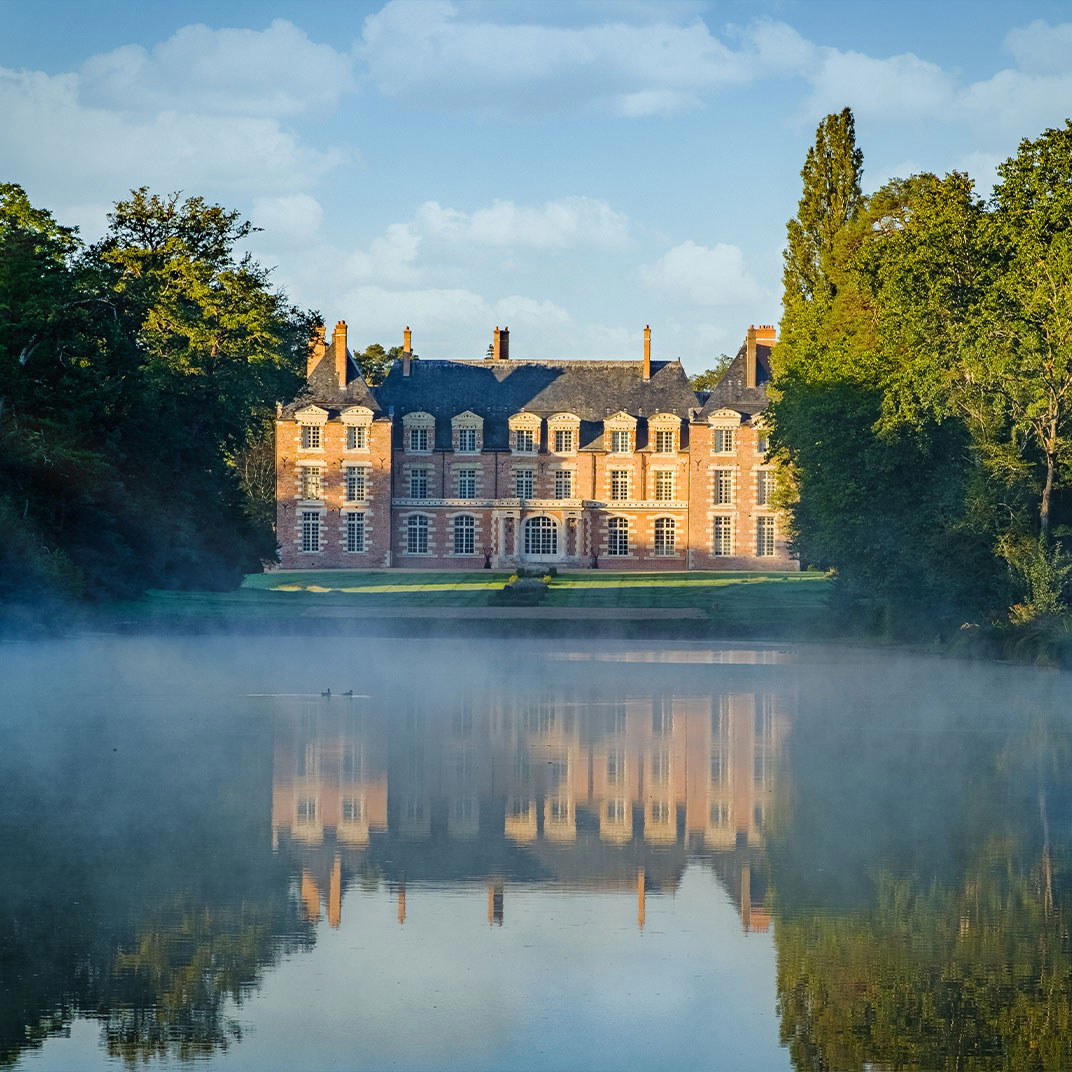
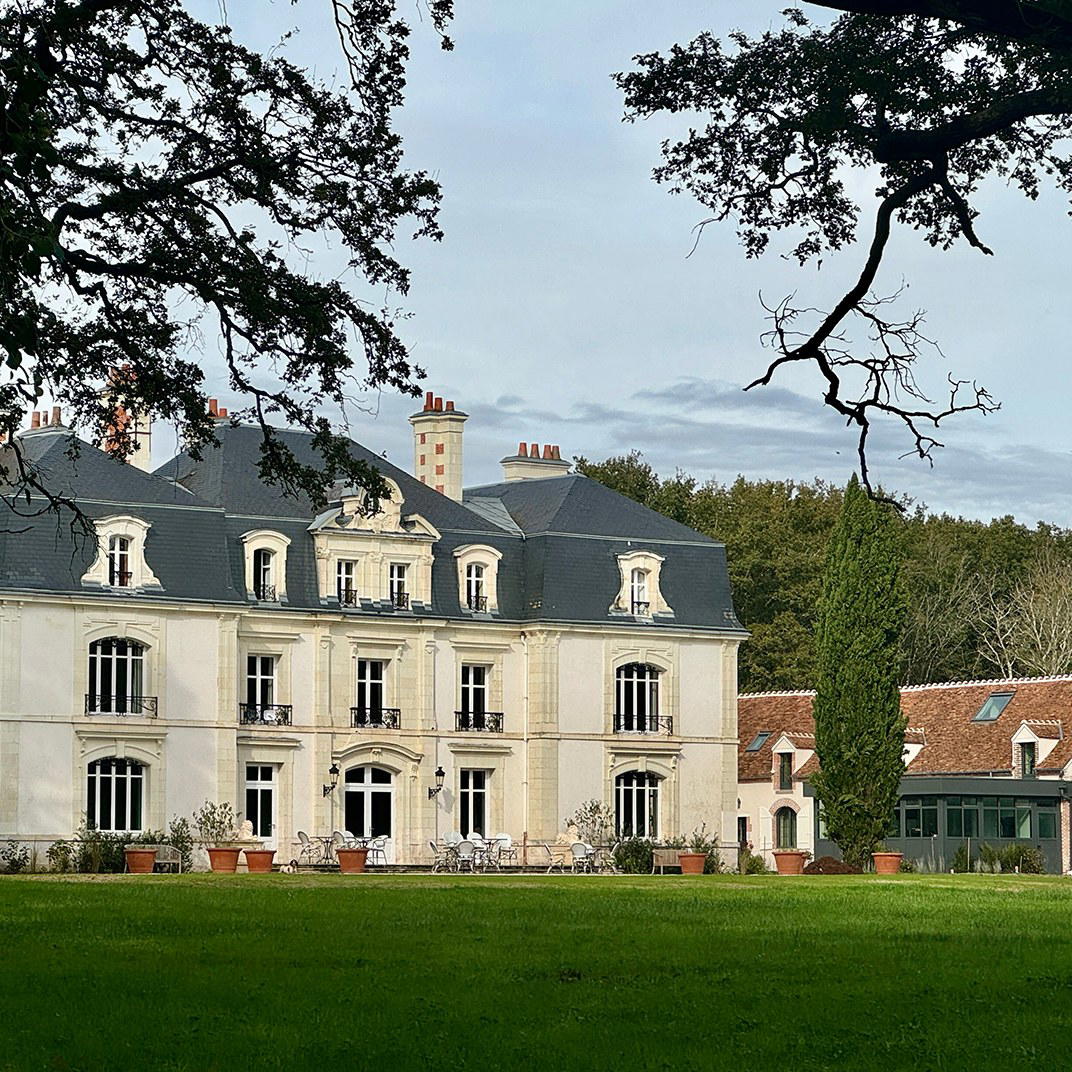
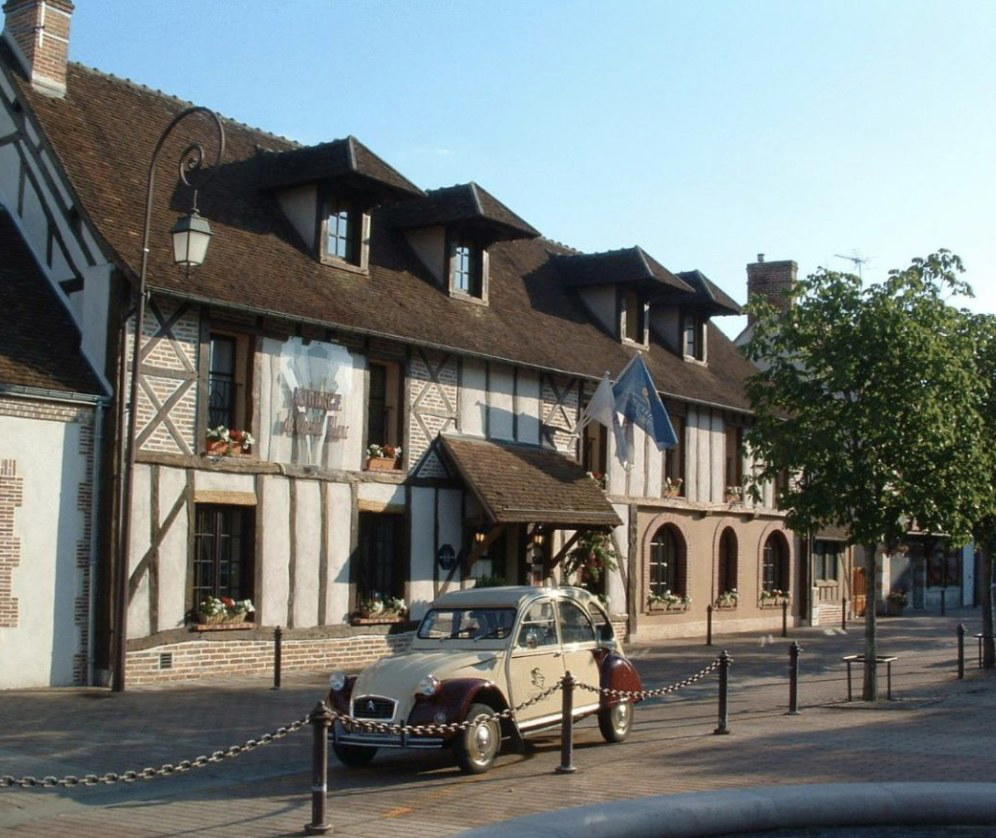
The approach to La Table sets its terms immediately. Positioned across from the Limère golf course on the outskirts of Ardon, the building reads as contemporary but deliberate, a structure designed to frame the flat, forested terrain of the Sologne rather than compete with it. Inside, the nature-and-forest design ethos that defines Christophe Hay's broader project translates into an interior where material choices and spatial rhythm align with what arrives on the plate. This is not decorative theming. It is a consistent editorial position that runs from the architecture through to the sourcing of ingredients, and it gives the dining room a coherence that many €€€€ restaurants in provincial France fail to achieve.
The Loire Valley's broader dining identity has long been shaped by its gardens and rivers, a tradition rooted in vegetables, freshwater fish, and game from the surrounding forests. La Table operates squarely within that tradition while adding the technical confidence of a one-star kitchen. For context on how French regional restaurants carry terroir into fine dining format, the trajectory here parallels approaches taken at addresses like Bras in Laguiole or Flocons de Sel in Megève, where the landscape is not backdrop but primary ingredient logic.
Loïs Bée and the Intelligence of a Second Establishment
La Table functions as Christophe Hay's second establishment in the area, and that structure, a parent project with an autonomous kitchen lead, has become a recognised format in French fine dining. The arrangement works when the house ethos is transmitted clearly and the resident chef interprets rather than replicates it. Here, Loïs Bée runs the open kitchen with confident technique, yet one that remains in tune with the house ethos. That balance is harder to achieve than it sounds. Plenty of second-stage restaurants collapse into either pale imitation or incoherent deviation.
The editorial angle worth understanding is not biographical, it is structural. A kitchen led by a chef who has internalised the founding philosophy without being constrained by it produces food with distinct creative handwriting. The menu reads that way: Sologne trout served with cucumber, verbena, and tapioca is rooted in local product but shaped by precise compositional thinking. An ostrich fillet and andouille with parsley-flavoured viennoise, wild garlic, potatoes, and shallots takes game, a Sologne staple, and applies technique that reframes the ingredient without erasing its origin. A tart of morels with white pudding, cockscomb, pearl onions, and hazelnuts works a similar logic: classical French product combinations refracted through a contemporary technical lens. These are dishes that teach you something about the region even as they demonstrate what the kitchen can do.
For a comparative frame, consider how Auberge du Vieux Puits in Fontjoncouse or Auberge de l'Ill in Illhaeusern anchor their cooking in a specific regional ecology. La Table belongs to the same current: kitchens where terroir is an argument, not a marketing word.
Eco-Conscious Sourcing as Kitchen Logic
The phrase eco-conscious gets applied loosely across contemporary fine dining, often as positioning rather than practice. At La Table, the commitment to short supply chains and seasonal game is structural: the kitchen garden supplies vegetables that determine menu rhythm, and game in season means the menu shifts as the Sologne's hunting calendar shifts. This is sourcing as culinary constraint, and constraints, when genuinely applied, produce more interesting cooking than freedom alone.
The Sologne is one of France's most game-rich regions, a largely flat expanse of forests, ponds, and heathland southeast of Orléans, known for wild boar, venison, waterfowl, and pheasant. A kitchen that takes that seriously is not merely making a local sourcing claim. It is plugging into a centuries-old food culture that modern French fine dining, in its more Paris-centric expressions, has often treated as peripheral. La Table's position in Ardon, well outside any major city, is not a limitation. It is the condition that makes this kind of cooking possible and coherent.
For readers building a broader picture of how French modern cuisine handles regional identity, the comparable set extends beyond the Loire. Mirazur in Menton works garden-to-plate logic on the Mediterranean coast; Troisgros in Ouches has made the Roanne countryside its primary reference for decades. La Table joins that lineage without copying its precedents.
The Wine Cellar and the Open Kitchen
A 600-label wine cellar is a serious collection for a one-star address. In French regional fine dining, cellar depth is often the clearest signal of how seriously an establishment positions itself over time, a built asset rather than an immediate revenue move. Six hundred labels at this price tier suggests a programme assembled with range in mind: Loire Valley appellations would be the obvious anchor given geography, but a cellar of that size at a €€€€ restaurant typically covers Burgundy, Bordeaux, and selected international references as well. For a deeper look at what Loire Valley wine culture offers beyond the table, our full Ardon wineries guide covers the regional context.
The open kitchen is a format statement as much as a design choice. At La Table, it keeps Loïs Bée's kitchen visible throughout service, a transparency that reinforces the house ethos rather than treating technique as something performed behind closed doors. Open kitchen formats in Michelin-starred French restaurants still carry some novelty outside Paris; here it functions as editorial coherence between the philosophy and the physical space.
Service and the Dining Room Rhythm
Service is particularly attentive. In practice, this means the room operates with the kind of front-of-house intelligence that reads pace and adjusts accordingly. At a restaurant where the menu is seasonal, produce-driven, and composed around the Sologne's agricultural calendar, service that can articulate sourcing and preparation without defaulting to recitation matters.
Planning a Visit
La Table takes bookings for lunch and dinner from Tuesday through Saturday. Lunch service runs 12:15 to 2:00 PM; dinner runs 7:30 to 9:30 PM. The restaurant is closed Sunday and Monday. Ardon sits just south of Orléans, making it accessible from Paris in roughly 90 minutes by train to Orléans followed by a short road transfer. At the €€€€ price tier with a 600-label cellar, an evening here should be budgeted accordingly. For those interested in the broader architecture of contemporary French fine dining, our profiles of Alléno Paris au Pavillon Ledoyen, Assiette Champenoise in Reims, Au Crocodile in Strasbourg, AM par Alexandre Mazzia in Marseille, and Paul Bocuse in Collonges-au-Mont-d'Or offer useful context for how starred kitchens across France are shaping the current conversation. For international modern cuisine comparisons, Frantzén in Stockholm and FZN by Björn Frantzén in Dubai show how the format travels.
Comparable Venues
Comparable venues nearby, for context on price, style, and recognition.
| Venue | Cuisine | Price | Awards | Notes |
|---|---|---|---|---|
| La Table - Christophe Hay et Loïs Bée | Modern French Fine Dining with Loire Valley Focus | $$$$ | Michelin 1 Star | Ardon |
| Anne | Modern French Fine Dining | $$$$ | Michelin 1 Star | Le Marais |
| Maison Dubois | Modern French Fine Dining | $$$$ | Michelin 1 Star | 8eme arrondissement |
| Granite | Modern French Fine Dining | $$$$ | Michelin 1 Star | Les Halles |
| Le Tout-Paris | Modern Parisian Brasserie | $$$$ | Michelin 1 Star | Saint-Germain-l'Auxerrois |
| Grand Hôtel du Lion d'Or | Classic French Fine Dining with Sologne Terroir | $$$$ | Michelin 1 Star | centre ville |
Recognition history
Dated appearances from independent guides and award organizations, with the underlying list record or original source where available.
Michelin 1 Star
Michelin
Gault & Millau Remarkable Restaurant
Gault & Millau
Michelin 1 Star
Michelin
Michelin 1 Star
Michelin
Continue exploring
More in Ardon
Restaurants in Ardon
Browse all →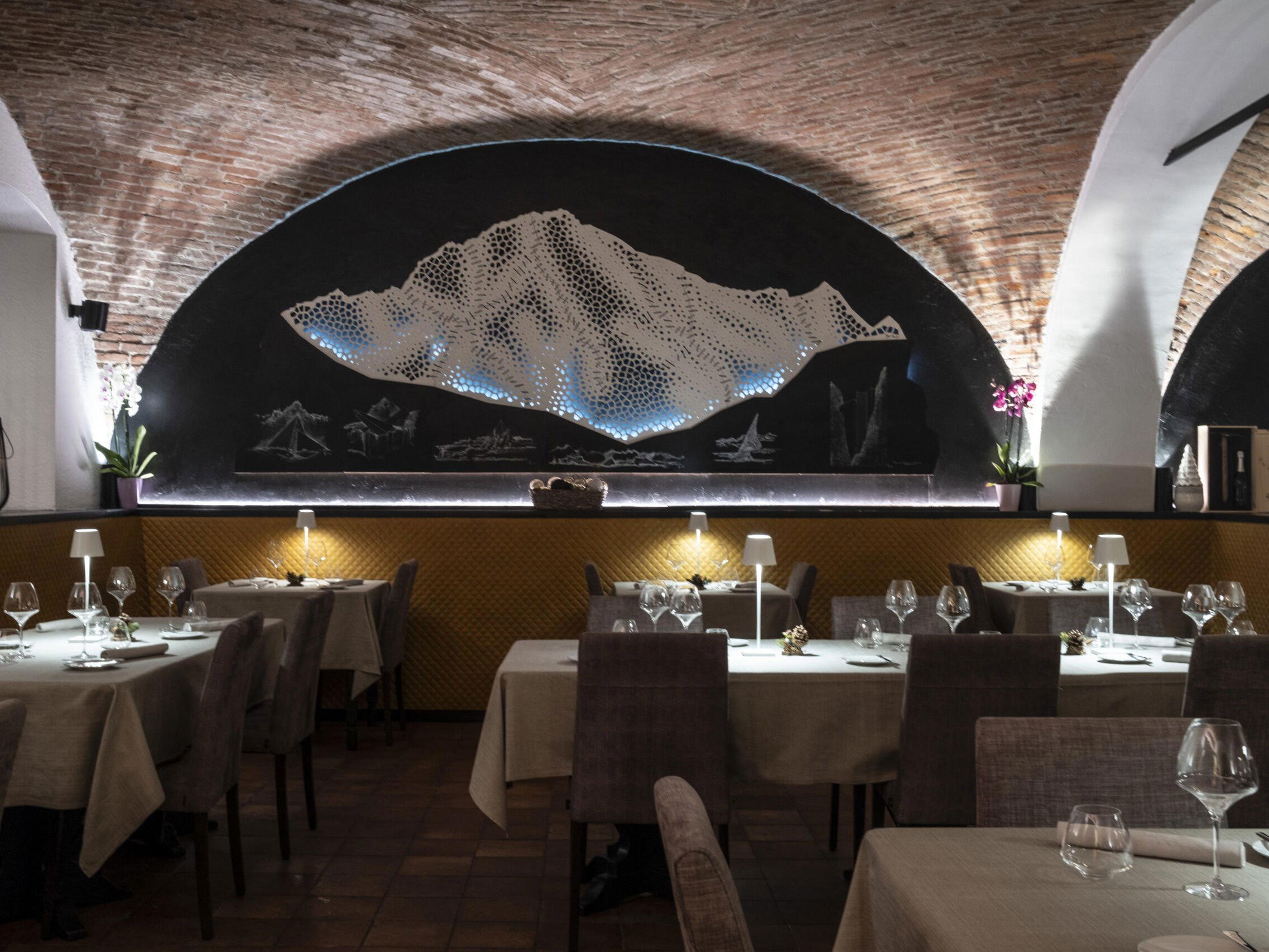
At a Glance
- Elegant
- Sophisticated
- Intimate
- Modern
- Date Night
- Special Occasion
- Business Dinner
- Open Kitchen
- Extensive Wine List
- Sommelier Led
- Local Sourcing
- Farm To Table
Current opening hours
- Monday
- Closed
- Tuesday
- 12:15–2 PM, 7:30–9:30 PM
- Wednesday
- 12:15–2 PM, 7:30–9:30 PM
- Thursday
- 12:15–2 PM, 7:30–9:30 PM
- Friday
- 12:15–2 PM, 7:30–9:30 PM
- Saturday
- 12:15–2 PM, 7:30–9:30 PM
- Sunday
- Closed
Hours can change for holidays and private events. Last verified .
Contemporary salle inspired by nature and forests, with a large open kitchen, refined and sober decor creating an elegant, harmonious atmosphere.