Skip to Main Content
← Collection
Paris, France

Le Petit Sommelier Daguerre

LocationParis, France
Star Wine List

<h2>Rue Daguerre After Dark: Paris's Wine Bar Tradition in the 14th</h2><p>There is a particular kind of Parisian street that resists tourism not through obscurity but through ordinariness: the kind of ordinary that locals defend by simply living on it. Rue Daguerre, a pedestrianised market street in the 14th arrondissement, is exactly that. Cheesemakers, butchers, and boulangeries occupy the ground floors, and in the evenings the pace shifts from provisioning to lingering. Le Petit Sommelier Daguerre sits within this rhythm rather than against it, a wine bar that draws from the same neighbourhood logic as the fromagerie two doors down.</p><p>The Parisian cave-à-manger format — part wine shop, part casual dining room — has been one of the city's more durable contributions to how adults eat on weekday evenings. These spaces operate on a different register from the brasserie or the gastronomic restaurant: the wine is the spine of the experience, the food an argument for the next glass rather than a separate mission. Le Petit Sommelier Daguerre belongs to this tradition. As the sibling property to Le Petit Sommelier in Montparnasse, located roughly five minutes on foot, it extends the same wine-forward approach into a cosier, more neighbourhood-facing setting.</p><h2>The 14th and Its Produce Logic</h2><p>Understanding what a wine bar like this pours and plates requires understanding where it sits. The 14th arrondissement has long operated as a provisioning district: the Marché Edgar Quinet, the daily market along Rue Daguerre itself, and the Marché Brancusi feed residents with a supply chain that runs through the Île-de-France and deeper into the Loire and the southwest. Wine bars that thrive in this kind of neighbourhood tend to build their lists around the same sourcing logic that defines the street markets around them: small producers, clear provenance, bottles that can justify their place on the list by pointing somewhere specific on a map.</p><p>That sourcing approach has become increasingly central to how Paris's better wine bars differentiate themselves. The city's natural wine movement, which gathered pace in the early 2010s in arrondissements like the 11th and the 10th, has since dispersed into left-bank neighbourhoods, including pockets of the 14th. The result is that wine bars operating in this area now compete less on cellar depth and more on the coherence of their selection: whether the bottles tell a story about place, farming, and the people who make them.</p><h2>Cosy by Design, Not Accident</h2><p>The physical format of Le Petit Sommelier Daguerre is small, which in Paris is both a practical reality and an editorial choice. The French capital's most characterful cave-à-mangers rarely exceed twenty or thirty covers; the constraint forces a specificity of list and a proximity between staff and guests that larger rooms cannot replicate. In a neighbourhood like Rue Daguerre, where the surrounding shops operate at human scale, a compact wine bar reads as consistent rather than limiting.</p><p>This scale also shapes how the wine is served and discussed. In smaller Parisian wine bar settings, the person pulling the cork is typically the person who chose the bottle, which compresses the gap between selection and service in a way that matters when the list skews toward producers that require some explanation. For guests arriving without strong prior knowledge of natural or low-intervention wines, this proximity to the selection process is practical as well as atmospheric.</p><h2>The Montparnasse Connection</h2><p>The relationship between Le Petit Sommelier Daguerre and its parent address in Montparnasse places it within a pattern common to Paris's independent restaurant and bar sector: a single strong concept extended to a second address rather than scaled into a chain. The distinction matters because it generally preserves the list quality and the kitchen approach that made the original address worth replicating. Guests familiar with the Montparnasse location will find the Daguerre address operating from the same philosophical position, adjusted for the slightly different character of the street.</p><p>Montparnasse itself carries a specific weight in Paris's food and drink history, from the literary café culture of the interwar period to the brasserie tradition that persists around Boulevard du Montparnasse today. A wine bar operating in that orbit, and extending its reach into the residential 14th, is positioning itself against a backdrop that rewards serious drink rather than spectacle. For context on how Paris's bar scene has developed across its arrondissements, the <a href="https://www.enprimeurclub.com/bars/paris">full Paris bars guide</a> maps the current terrain across the city.</p><h2>What to Drink and When to Go</h2><p>Paris wine bar visits tend to reward the unhurried. The format, particularly in smaller cave-à-manger settings, is built around an hour that becomes two, and a glass that becomes a bottle shared between two people who discover they have more to say than expected. Rue Daguerre in the early evening, when the market stalls are wrapping up and the street shifts from provisioning to socialising, is a specific kind of Paris moment that a visit to Le Petit Sommelier Daguerre fits directly into.</p><p>Walk-in visits are the conventional mode for wine bars in this format, particularly at off-peak hours, though the Daguerre address, like most compact Paris wine bars, can fill quickly on Thursday and Friday evenings. The practical approach is to arrive early, by 7pm, or to contact the venue directly to understand current booking arrangements. For those spending time in the 14th and planning multiple evenings, the full <a href="https://www.enprimeurclub.com/restaurants/paris">Paris restaurants guide</a> and <a href="https://www.enprimeurclub.com/experiences/paris">Paris experiences guide</a> offer broader orientation.</p><p>Visitors comparing wine bar formats across Paris will find a range of approaches: cocktail-focused rooms like <a href="https://www.enprimeurclub.com/bars/danico-paris">Danico</a> and <a href="https://www.enprimeurclub.com/bars/candelaria-paris">Candelaria</a> operate on a different register, while larger operations such as <a href="https://www.enprimeurclub.com/bars/buddha-bar-paris">Buddha Bar</a> represent the spectacle end of the market. <a href="https://www.enprimeurclub.com/bars/bar-nouveau-paris">Bar Nouveau</a> occupies its own niche in the city's contemporary bar circuit. Le Petit Sommelier Daguerre sits apart from all of these: smaller, quieter, and organised around wine as a primary language rather than a supporting element. For those tracking the broader European bar scene, comparisons with <a href="https://www.enprimeurclub.com/bars/papa-doble-montpellier">Papa Doble in Montpellier</a>, <a href="https://www.enprimeurclub.com/bars/bar-fouquets-cannes-bar">Bar Fouquet's in Cannes</a>, or <a href="https://www.enprimeurclub.com/bars/bar-leather-apron-honolulu">Bar Leather Apron in Honolulu</a> offer a sense of how different cities approach the wine-and-hospitality pairing. The <a href="https://www.enprimeurclub.com/wineries/paris">Paris wineries guide</a> and <a href="https://www.enprimeurclub.com/hotels/paris">Paris hotels guide</a> round out the practical picture for those building a longer stay around the city's drink culture.</p><h2>Frequently Asked Questions</h2><dl><dt>What should I drink at Le Petit Sommelier Daguerre?</dt><dd>The wine list at Le Petit Sommelier Daguerre follows the same producer-focused philosophy as the parent address in Montparnasse. Parisian cave-à-manger bars in this tradition typically organise their selections around small independent producers from France's main regions, with a lean toward bottles that reflect place and farming practice. Ask the staff for guidance based on the food you're ordering; in a setting this size, the person serving usually knows the list in depth.</dd><dt>What should I know about Le Petit Sommelier Daguerre before I go?</dt><dd>The venue sits at 39 Rue Daguerre in the 14th arrondissement, a pedestrianised market street that runs parallel to the Montparnasse orbit. It operates as the younger sibling to Le Petit Sommelier in Montparnasse, five minutes away on foot. The format is cosy and intimate, which means space is finite; an early evening arrival is advisable if you don't have a confirmed reservation.</dd><dt>Do they take walk-ins at Le Petit Sommelier Daguerre?</dt><dd>Wine bars in this format across Paris typically accommodate walk-ins during quieter mid-week evenings and at the start of service. However, the compact size of Le Petit Sommelier Daguerre means the room fills faster than larger venues on busy evenings. If your visit falls on a Thursday or Friday, arriving before 7pm or contacting the venue in advance is the more reliable approach.</dd><dt>What's Le Petit Sommelier Daguerre a strong choice for?</dt><dd>It suits evenings when the priority is wine over theatre: a genuine Paris neighbourhood wine bar with a coherent list and a setting that invites conversation rather than spectacle. The Rue Daguerre location makes it a natural fit for guests staying in or exploring the 14th, and the connection to the Montparnasse address means the quality baseline is established rather than untested.</dd><dt>How does Le Petit Sommelier Daguerre compare to other wine bars along Rue Daguerre and the Montparnasse area?</dt><dd>Rue Daguerre's food and drink scene is neighbourhood-facing by character, which means most of its bars and restaurants serve locals rather than passing visitors. Le Petit Sommelier Daguerre is among the more deliberate wine destinations on the street, reflecting the curatorial approach of the Montparnasse original rather than functioning as a casual tabac-style option. For visitors already familiar with the Montparnasse wine bar circuit, the Daguerre address offers a quieter and more residential version of the same experience.</dd></dl>

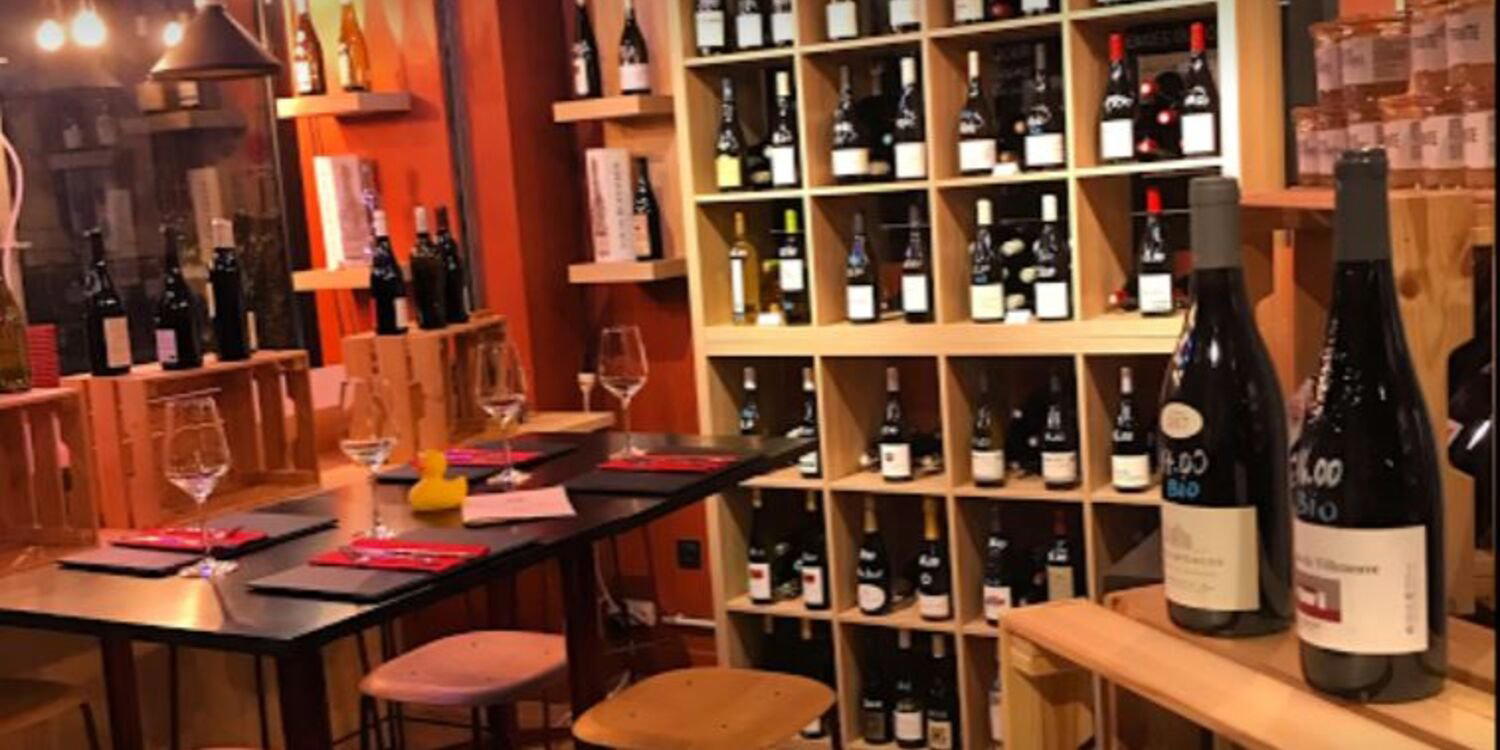
Le Petit Sommelier Daguerre bar in Paris, France
About

Rue Daguerre After Dark: Paris's Wine Bar Tradition in the 14th

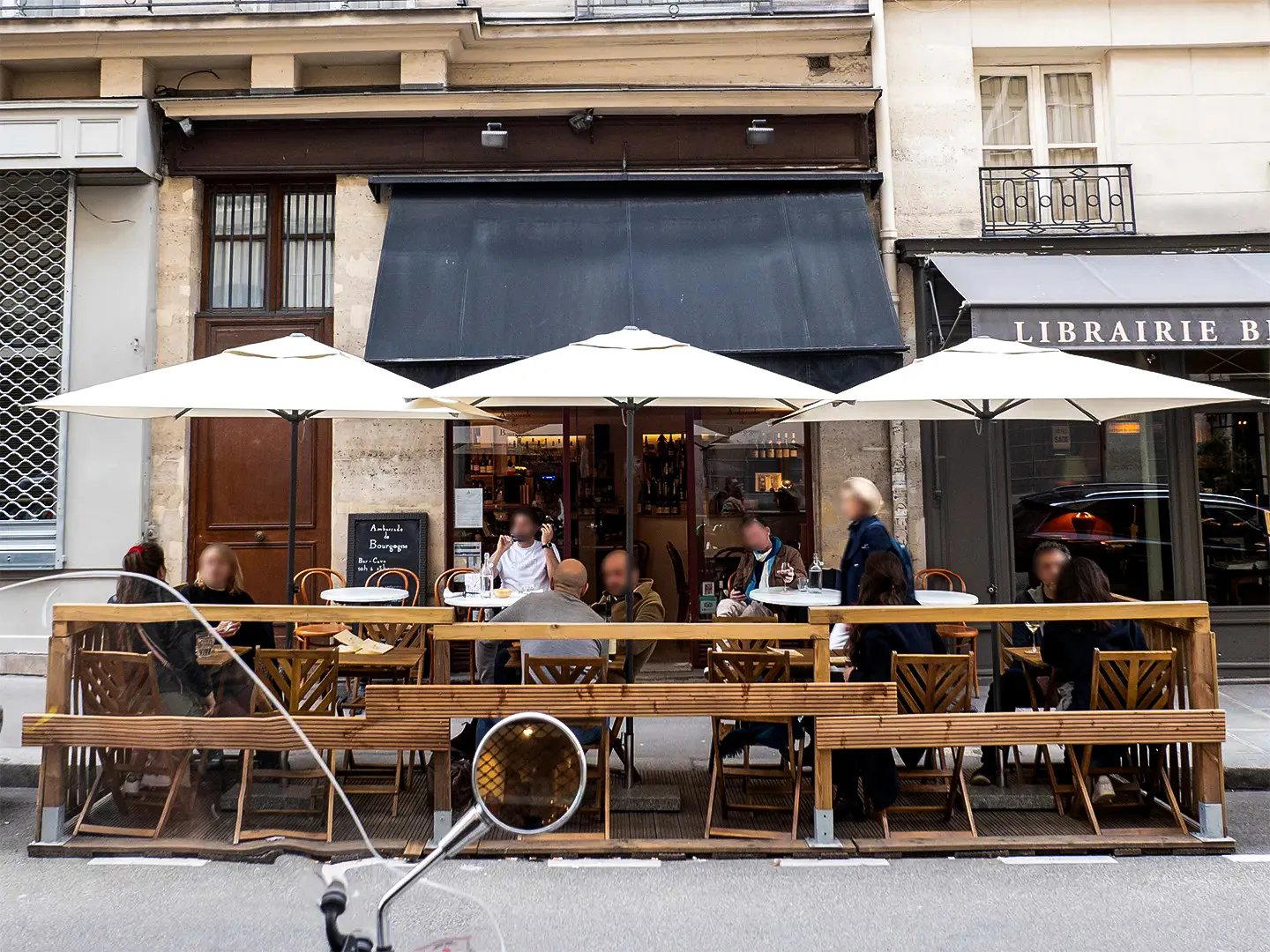
There is a particular kind of Parisian street that resists tourism not through obscurity but through ordinariness: the kind of ordinary that locals defend by simply living on it. Rue Daguerre, a pedestrianised market street in the 14th arrondissement, is exactly that. Cheesemakers, butchers, and boulangeries occupy the ground floors, and in the evenings the pace shifts from provisioning to lingering. Le Petit Sommelier Daguerre sits within this rhythm rather than against it, a wine bar that draws from the same neighbourhood logic as the fromagerie two doors down.

The Parisian cave-à-manger format — part wine shop, part casual dining room — has been one of the city's more durable contributions to how adults eat on weekday evenings. These spaces operate on a different register from the brasserie or the gastronomic restaurant: the wine is the spine of the experience, the food an argument for the next glass rather than a separate mission. Le Petit Sommelier Daguerre belongs to this tradition. As the sibling property to Le Petit Sommelier in Montparnasse, located roughly five minutes on foot, it extends the same wine-forward approach into a cosier, more neighbourhood-facing setting.

Members Only

The shortlist, unlocked.

Hard-to-book tables, cellar releases, and concierge-planned trips.

Get Exclusive Access →

The 14th and Its Produce Logic

Understanding what a wine bar like this pours and plates requires understanding where it sits. The 14th arrondissement has long operated as a provisioning district: the Marché Edgar Quinet, the daily market along Rue Daguerre itself, and the Marché Brancusi feed residents with a supply chain that runs through the Île-de-France and deeper into the Loire and the southwest. Wine bars that thrive in this kind of neighbourhood tend to build their lists around the same sourcing logic that defines the street markets around them: small producers, clear provenance, bottles that can justify their place on the list by pointing somewhere specific on a map.

That sourcing approach has become increasingly central to how Paris's better wine bars differentiate themselves. The city's natural wine movement, which gathered pace in the early 2010s in arrondissements like the 11th and the 10th, has since dispersed into left-bank neighbourhoods, including pockets of the 14th. The result is that wine bars operating in this area now compete less on cellar depth and more on the coherence of their selection: whether the bottles tell a story about place, farming, and the people who make them.

Cosy by Design, Not Accident

The physical format of Le Petit Sommelier Daguerre is small, which in Paris is both a practical reality and an editorial choice. The French capital's most characterful cave-à-mangers rarely exceed twenty or thirty covers; the constraint forces a specificity of list and a proximity between staff and guests that larger rooms cannot replicate. In a neighbourhood like Rue Daguerre, where the surrounding shops operate at human scale, a compact wine bar reads as consistent rather than limiting.

This scale also shapes how the wine is served and discussed. In smaller Parisian wine bar settings, the person pulling the cork is typically the person who chose the bottle, which compresses the gap between selection and service in a way that matters when the list skews toward producers that require some explanation. For guests arriving without strong prior knowledge of natural or low-intervention wines, this proximity to the selection process is practical as well as atmospheric.

The Montparnasse Connection

The relationship between Le Petit Sommelier Daguerre and its parent address in Montparnasse places it within a pattern common to Paris's independent restaurant and bar sector: a single strong concept extended to a second address rather than scaled into a chain. The distinction matters because it generally preserves the list quality and the kitchen approach that made the original address worth replicating. Guests familiar with the Montparnasse location will find the Daguerre address operating from the same philosophical position, adjusted for the slightly different character of the street.

Montparnasse itself carries a specific weight in Paris's food and drink history, from the literary café culture of the interwar period to the brasserie tradition that persists around Boulevard du Montparnasse today. A wine bar operating in that orbit, and extending its reach into the residential 14th, is positioning itself against a backdrop that rewards serious drink rather than spectacle. For context on how Paris's bar scene has developed across its arrondissements, the full Paris bars guide maps the current terrain across the city.

What to Drink and When to Go

Paris wine bar visits tend to reward the unhurried. The format, particularly in smaller cave-à-manger settings, is built around an hour that becomes two, and a glass that becomes a bottle shared between two people who discover they have more to say than expected. Rue Daguerre in the early evening, when the market stalls are wrapping up and the street shifts from provisioning to socialising, is a specific kind of Paris moment that a visit to Le Petit Sommelier Daguerre fits directly into.

Walk-in visits are the conventional mode for wine bars in this format, particularly at off-peak hours, though the Daguerre address, like most compact Paris wine bars, can fill quickly on Thursday and Friday evenings. The practical approach is to arrive early, by 7pm, or to contact the venue directly to understand current booking arrangements. For those spending time in the 14th and planning multiple evenings, the full Paris restaurants guide and Paris experiences guide offer broader orientation.

Visitors comparing wine bar formats across Paris will find a range of approaches: cocktail-focused rooms like Danico and Candelaria operate on a different register, while larger operations such as Buddha Bar represent the spectacle end of the market. Bar Nouveau occupies its own niche in the city's contemporary bar circuit. Le Petit Sommelier Daguerre sits apart from all of these: smaller, quieter, and organised around wine as a primary language rather than a supporting element. For those tracking the broader European bar scene, comparisons with Papa Doble in Montpellier, Bar Fouquet's in Cannes, or Bar Leather Apron in Honolulu offer a sense of how different cities approach the wine-and-hospitality pairing. The Paris wineries guide and Paris hotels guide round out the practical picture for those building a longer stay around the city's drink culture.

Frequently Asked Questions

What should I drink at Le Petit Sommelier Daguerre?
The wine list at Le Petit Sommelier Daguerre follows the same producer-focused philosophy as the parent address in Montparnasse. Parisian cave-à-manger bars in this tradition typically organise their selections around small independent producers from France's main regions, with a lean toward bottles that reflect place and farming practice. Ask the staff for guidance based on the food you're ordering; in a setting this size, the person serving usually knows the list in depth.
What should I know about Le Petit Sommelier Daguerre before I go?
The venue sits at 39 Rue Daguerre in the 14th arrondissement, a pedestrianised market street that runs parallel to the Montparnasse orbit. It operates as the younger sibling to Le Petit Sommelier in Montparnasse, five minutes away on foot. The format is cosy and intimate, which means space is finite; an early evening arrival is advisable if you don't have a confirmed reservation.
Do they take walk-ins at Le Petit Sommelier Daguerre?
Wine bars in this format across Paris typically accommodate walk-ins during quieter mid-week evenings and at the start of service. However, the compact size of Le Petit Sommelier Daguerre means the room fills faster than larger venues on busy evenings. If your visit falls on a Thursday or Friday, arriving before 7pm or contacting the venue in advance is the more reliable approach.
What's Le Petit Sommelier Daguerre a strong choice for?
It suits evenings when the priority is wine over theatre: a genuine Paris neighbourhood wine bar with a coherent list and a setting that invites conversation rather than spectacle. The Rue Daguerre location makes it a natural fit for guests staying in or exploring the 14th, and the connection to the Montparnasse address means the quality baseline is established rather than untested.
How does Le Petit Sommelier Daguerre compare to other wine bars along Rue Daguerre and the Montparnasse area?
Rue Daguerre's food and drink scene is neighbourhood-facing by character, which means most of its bars and restaurants serve locals rather than passing visitors. Le Petit Sommelier Daguerre is among the more deliberate wine destinations on the street, reflecting the curatorial approach of the Montparnasse original rather than functioning as a casual tabac-style option. For visitors already familiar with the Montparnasse wine bar circuit, the Daguerre address offers a quieter and more residential version of the same experience.

At-a-Glance Comparison

A compact peer snapshot based on similar venues we track.

Collector Access

Need a Table?

Our members enjoy priority alerts and concierge-led booking support for the world's most difficult bars and lounges.

Get Exclusive Access
Members Only

The shortlist, unlocked.

Hard-to-book tables, cellar releases, and concierge-planned trips.

Get Exclusive Access →