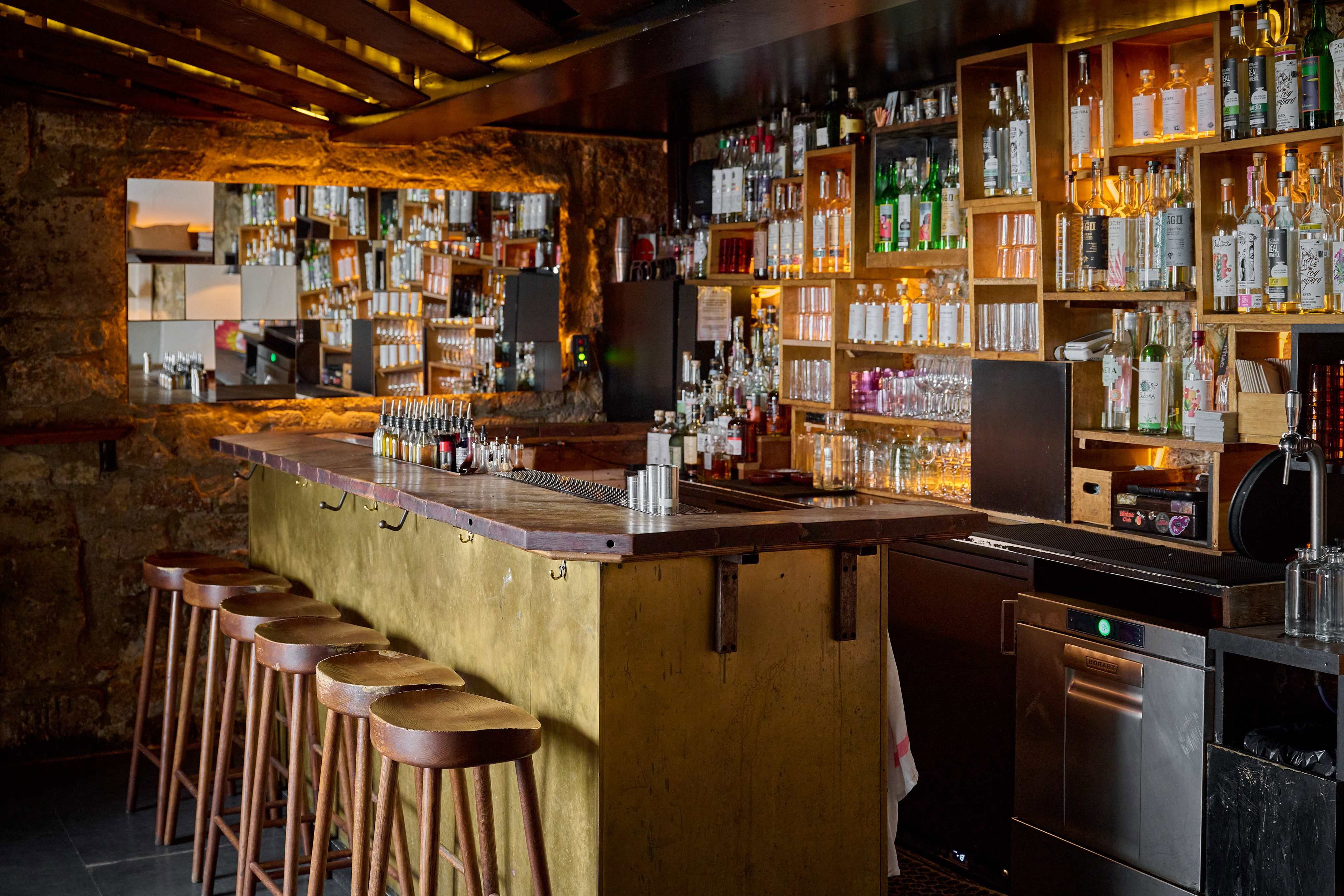
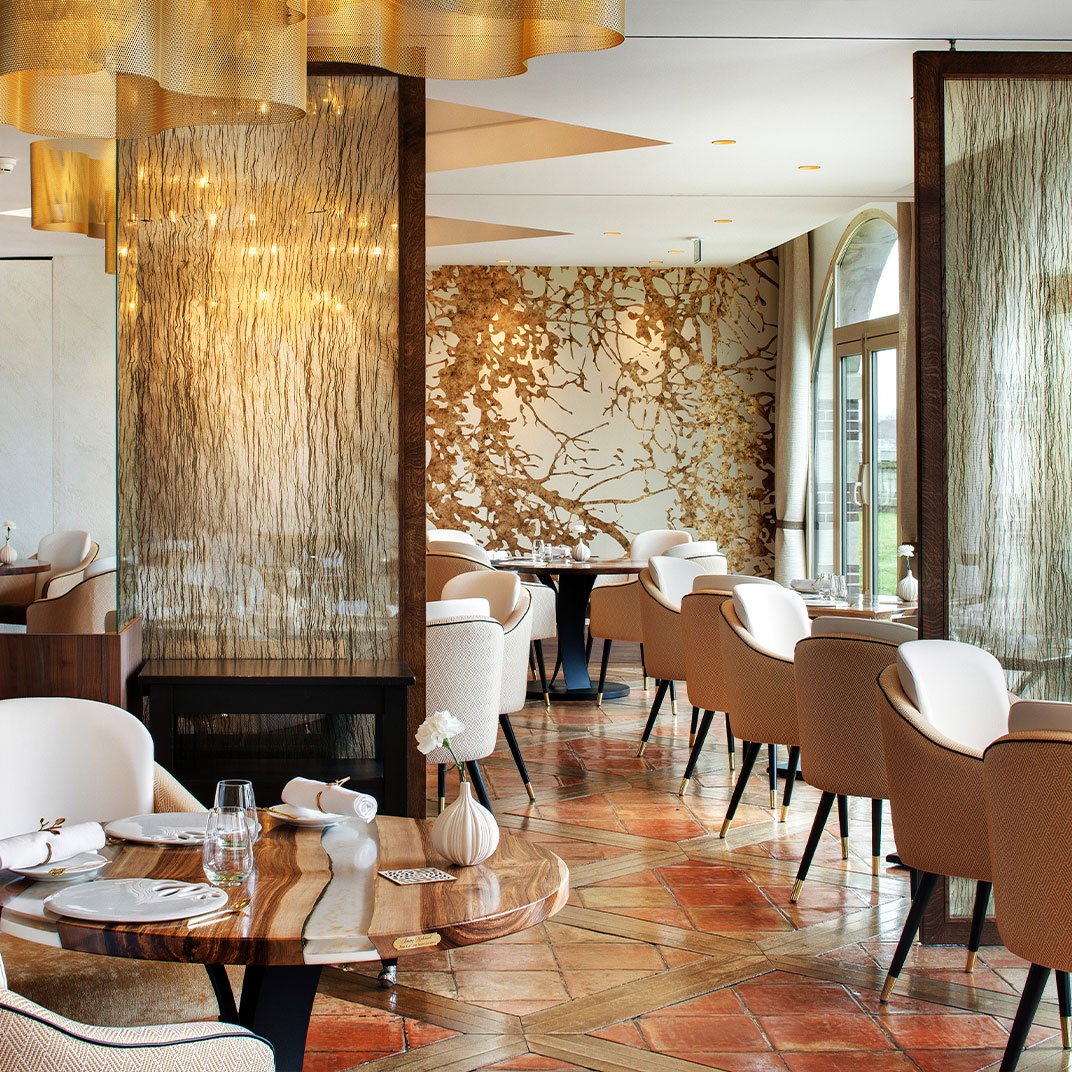
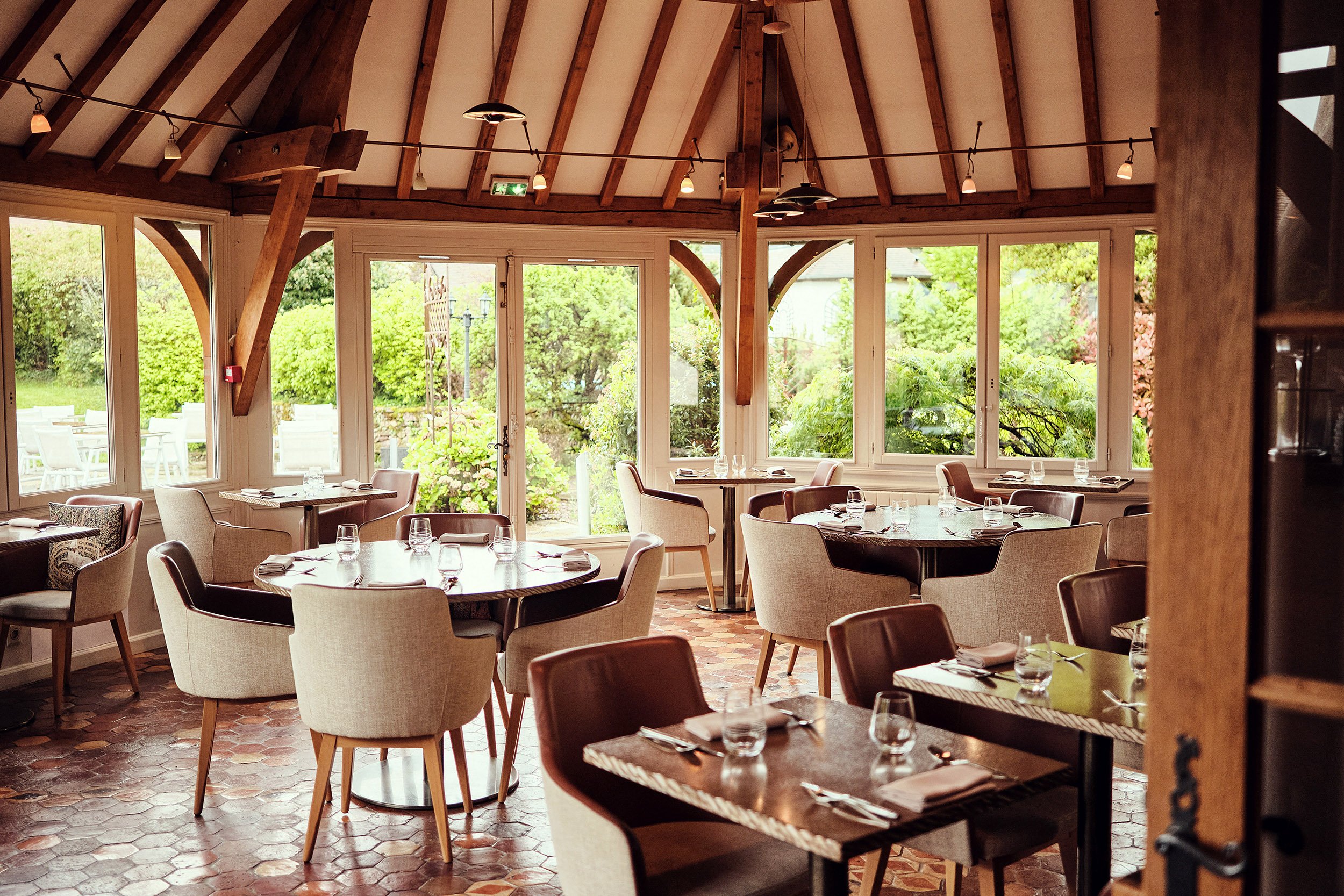
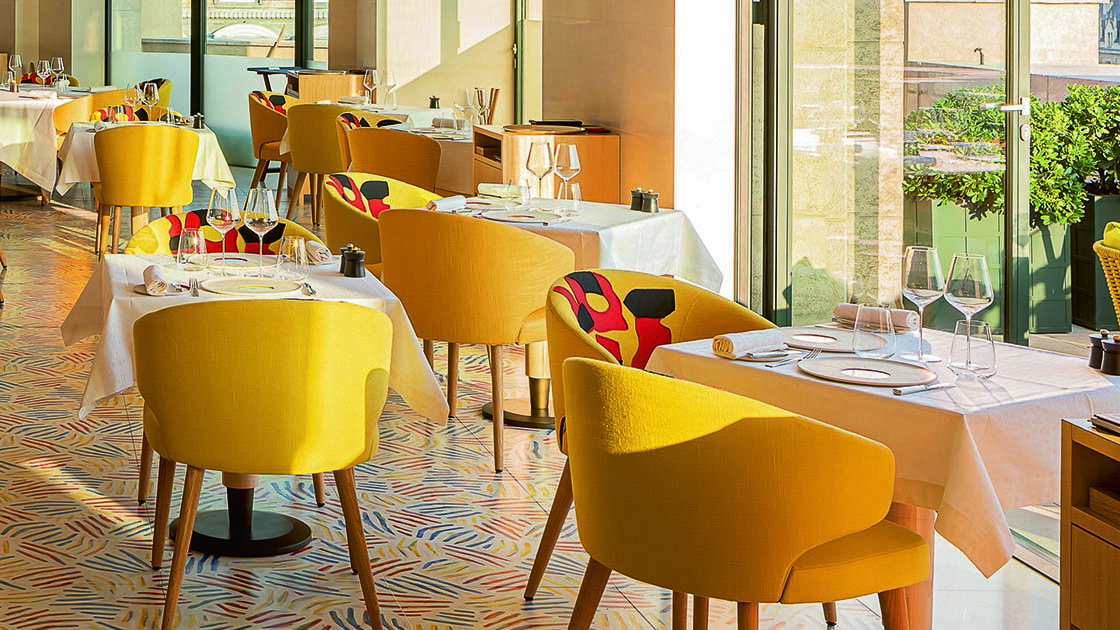
Chablis Wine Not sits on Rue des Moulins in the heart of Chablis, France's most mineral-driven white wine appellation, and holds a 2026 Star Wine List award. The wine program leans into the region's identity with a focus on the Chardonnay-only appellation that has defined serious French wine culture for centuries. A considered stop for anyone drinking seriously through Burgundy's northern reaches.
 Discover on Pearl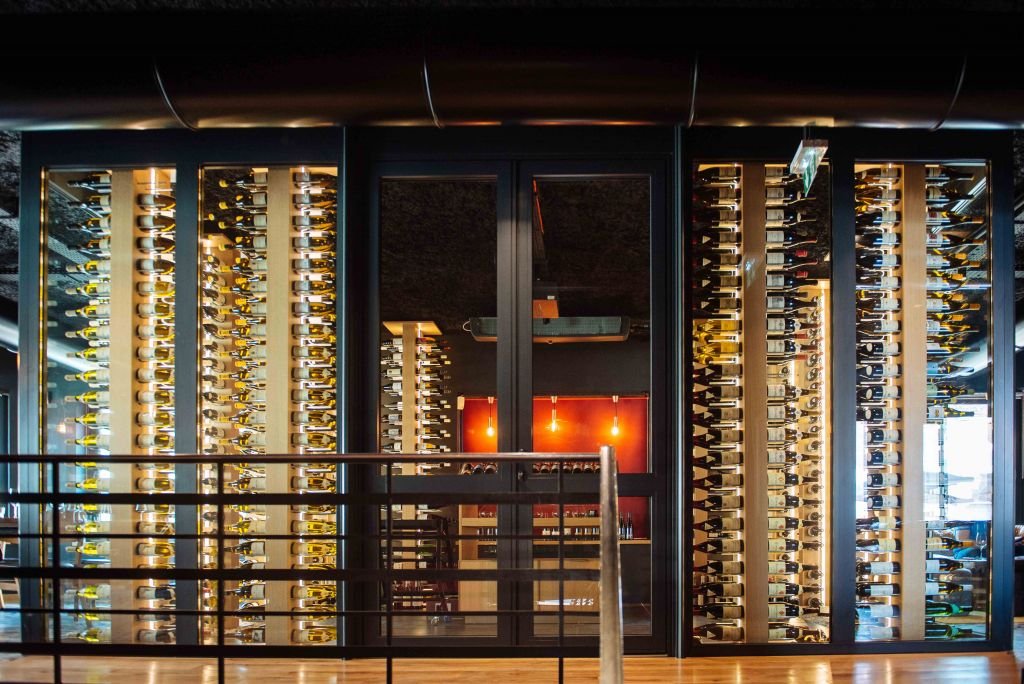
Drinking in the Appellation: What Chablis Wine Not Tells You About the Region
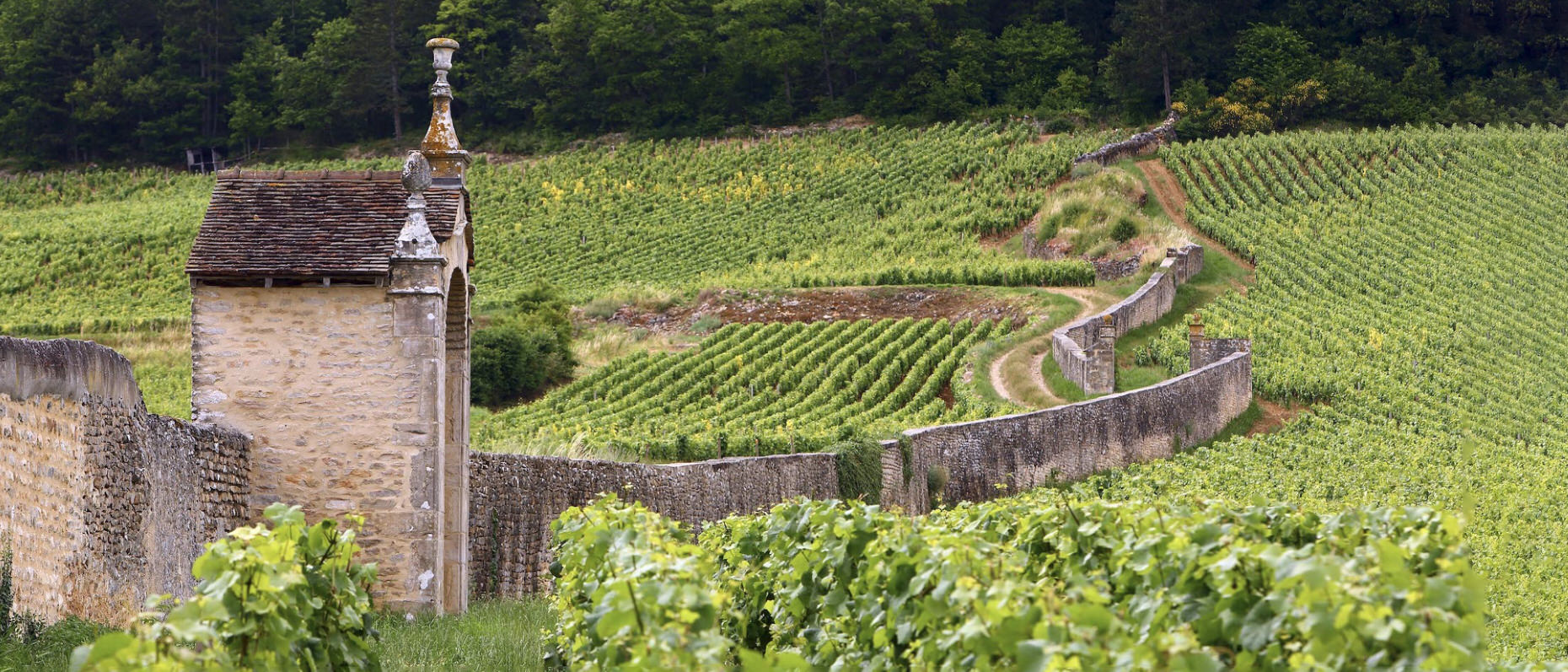
Chablis occupies a particular position in French wine geography. It sits roughly 180 kilometres south-east of Paris and 100 kilometres north of the Côte d'Or, close enough to Burgundy to share the Chardonnay grape and the appellation logic, yet geographically and climatically distinct enough to produce wines that taste like nowhere else in France. The Kimmeridgian limestone soils here carry fossilised oyster shells from an ancient seabed, and that mineral signature translates directly into the glass: high acid, low to moderate alcohol, a steely quality that Côte de Beaune Chardonnay rarely replicates. Any serious wine bar operating in this town inherits that geological argument whether it intends to or not.
Chablis Wine Not, on Rue des Moulins, works within that context. Holding a 2026 Star Wine List award, it sits in a category of European wine bars that have been recognised for the depth and coherence of their programs rather than theatrical presentation or celeb-chef adjacency. The Star Wine List credential specifically evaluates wine selection and service knowledge, which means its recognition here carries weight as evidence of a list that does more than stock the obvious appellations.
The Wine Program: Mineral Logic at the Source
Wine bars in single-appellation towns operate under a specific pressure. Visitors arrive with an expectation already formed by the place name itself, and the program has to either confirm or productively complicate that expectation. In Chablis, the hierarchy is precise: Village, Premier Cru, and Grand Cru tiers each represent a different expression of the same soil type, and the Grand Crus, occupying a narrow band of south-west facing slopes above the town, command prices that compete with serious Meursault. A list worth its Star Wine List recognition in this postcode needs to work vertically through those tiers, showing what the classification system actually means in sensory terms rather than simply stocking a range of price points.
The broader pattern in French wine bars that have earned similar recognition, from Bar Nouveau in Paris to La Maison M. in Lyon, is that the strongest lists offer producer-level specificity alongside appellation breadth. In Chablis, that means distinguishing between growers whose approach to oak (or deliberate absence of it) shapes the wine's character, since the debate between stainless steel-aged and barrel-influenced Chablis remains one of the more substantive stylistic fault lines in French white wine. A program built on that distinction teaches the drinker something the appellation label alone cannot.
The Setting and Atmosphere
Rue des Moulins runs through the older part of Chablis, close to the Serein river that bisects the town. The area around the river and the medieval church of Saint-Martin gives the town a concentrated, quiet character that larger wine regions rarely preserve. Chablis does not attract the volume of tourist traffic that comes with Beaune or Épernay, which means wine bars here operate for a more specific audience: trade visitors, serious wine tourists, and locals who work within the appellation. That audience shapes the atmosphere in practical ways. Conversations tend to be more technical, the expectation of casual drop-in service is lower, and the room tends toward unhurried rather than high-turnover.
That character places Chablis Wine Not in a different register from the urban cocktail programs of Papa Doble in Montpellier or the brasserie energy of Au Brasseur in Strasbourg. This is a destination within a destination, leading approached with time rather than efficiency in mind.
Chablis in the Wider French Wine Bar Context
France's wine bar scene has diversified considerably over the past decade. The cave à manger format, which combines a retail selection with by-the-glass service and light food, has become a model in Paris and spread to secondary cities. Regional wine bars with deep local appellation focus represent a more specific sub-category, where the selection is narrow by design and the depth within that narrowness is the point. Bar Casa Bordeaux in Bordeaux and Coté vin in Toulouse represent variations on that regional-focus model in their respective wine cities.
What separates a wine bar in Chablis from those urban counterparts is proximity to production. The vineyards are walkable from the town centre during harvest season, and the producers whose wines appear on lists like this one are often local enough that the provenance question answers itself. That immediacy is harder to replicate in a metropolitan setting, and it gives the leading Chablis venues a kind of authority that a Paris wine bar can suggest but never fully own. If you are building a serious understanding of how Kimmeridgian terroir translates across the classification ladder, being in the appellation while you drink is not incidental.
Further afield, spirits-focused venues like House of Cointreau in Angers and BOUVET LADUBAY in Saumur represent the Loire-adjacent alternative for visitors working through France's northern wine regions. The contrast is useful: where those venues deal in sparkling wine and liqueur heritage, Chablis remains fixed on still, unoaked or lightly oaked Chardonnay as its defining argument. Venues like Le Café de la Fontaine in La Turbie or Le Petit Nice Passedat in Marseille represent the Mediterranean end of the French drinking spectrum, where the priorities shift toward warmer climates and different grape varieties entirely.
Planning Your Visit
Chablis is most practically reached by train from Paris Gare de Lyon via Laroche-Migennes, with a journey time of approximately two hours including a regional connection, or by car via the A6 autoroute. The town is compact enough that Rue des Moulins is reachable on foot from any central accommodation within minutes. The harvest period in September and October brings additional activity to the appellation, and visiting during that window adds a layer of context to any tasting program. Booking ahead for any wine-focused venue during harvest season is advisable, as trade visitors and wine press occupy a meaningful share of capacity.
For a broader view of the region's drinking and dining options, see our full Chablis restaurants guide. Those planning a longer circuit through France's serious drinking destinations may also find the Bar Leather Apron in Honolulu a useful comparative reference for what a wine-and-spirits program looks like when it operates outside European appellation logic entirely.
Side-by-Side Snapshot
These are the closest comparables we have in our database for quick context.
| Venue | Cuisine | Price | Awards | Notes |
|---|---|---|---|---|
| Chablis Wine Not | This venue | |||
| Bar Nouveau | World's 50 Best | |||
| Buddha Bar | World's 50 Best | |||
| Candelaria | World's 50 Best | |||
| Danico | World's 50 Best | |||
| Harry's Bar | World's 50 Best |
Continue exploring