
Falstaff Winery - Listed
A small-scale Chablis producer based in the village of Préhy, Domaine Clotilde Davenne works across several appellations in the northern Burgundy corridor, where Kimmeridgian limestone and a cool continental climate define the house style.

Pearl is the En Primeur Club membership app — saves, bookings, and concierge access live there. Same editors, same standards.
- Address
- 3 Rue de Chantemerle, 89800 Préhy
- Website
- clotildedavenne.fr
- Directions
- Get directions
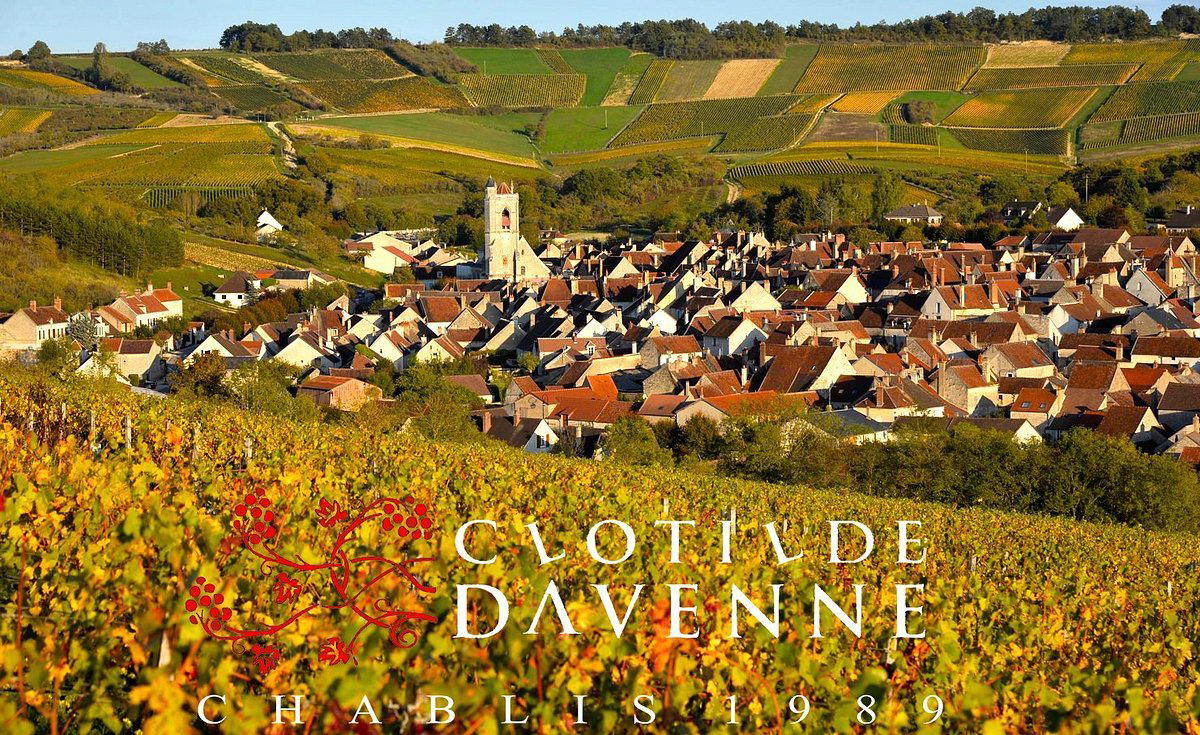
Where Kimmeridgian Limestone Does the Talking
The village of Préhy sits just south of Chablis proper, far enough from the grand cru slopes to be overlooked by casual visitors, close enough to share the same Kimmeridgian limestone substrate that defines northern Burgundy's most distinctive whites. This is calcaire à exogyres territory: ancient seabed compressed into chalky, mineral-dense soil that pulls iron and saline tension into the wines grown above it. Domaine Clotilde Davenne operates from an address on Rue de Chantemerle in this quiet commune, and the physical context of the domaine matters more than any tasting note could convey. When a producer is this close to the geology that defines an entire appellation system, the land is doing most of the interpretive work.
Chablis and its satellite appellations represent one of the clearest examples in French wine of a region where terroir is not a marketing concept but a verifiable geological fact. The Kimmeridgian seam runs from Chablis south through Auxerre and beyond, and producers who sit directly on it — or on its continuation in villages like Préhy — work with a soil profile that imprints itself legibly on the wines. The chalky minerality that defines classic Chablis, that distinctive quality sometimes described as struck flint or sea salt on cold stone, originates here, in this compressed marine limestone.
Préhy and the Northern Burgundy Corridor
Préhy is not a name that appears often in the mainstream wine press, which is partly a function of how Chablis appellation classifications work and partly a function of how wine media tends to concentrate on the grands crus and premiers crus rather than on the villages that supply the broader appellation hierarchy. That asymmetry of attention does not reflect an asymmetry of quality among serious producers. In this part of the Yonne département, the same geological continuity that makes the Chablis appellation coherent also connects villages like Préhy to the broader northern Burgundy story.
For a broader view of what serious production in this part of the corridor looks like, Domaine Jean-Marc Brocard provides a useful reference point in the same village: a larger operation with significant landholdings across multiple appellations, whose approach to the same Kimmeridgian base offers a direct comparison. The contrast between larger négociant-style houses and smaller domaines working with focused parcels is one of the recurring structural tensions in Chablis, and it shapes how wines from this corridor are perceived and priced. See [our full Préhy wineries guide]() for a more complete picture of what the village currently offers.
La Paulée Recognition and What It Signals
Domaine Clotilde Davenne was selected as a featured producer for La Paulée 2026, the harvest celebration that has become one of the most serious forums for Burgundy and Burgundy-adjacent wines outside France. La Paulée functions as a curator of a specific kind of producer: small to mid-scale, terroir-focused, with wines that reward the kind of close attention that a table of informed collectors will give them.
For comparison, consider the structural diversity of the list: Château Bastor-Lamontagne in Preignac, Château Branaire Ducru in St-Julien, and Château Batailley in Pauillac represent the Bordeaux left and right banks; Albert Boxler in Niedermorschwihr anchors the Alsace contingent. Alongside producers like Château Bélair-Monange in Saint-Emilion, Château Boyd-Cantenac in Cantenac, Abadía Retuerta in Sardón de Duero, and Aberlour in Aberlour, the list spans styles and regions but converges on a common standard: wines that communicate provenance with some precision. Domaine Clotilde Davenne was calibrated into this peer group at the Pearl prestige tier, which places it below the very best of the La Paulée hierarchy but within the bracket of producers whose bottles are actively sought rather than simply included for completeness. For broader context on how French producers from outside the canonical Burgundy villages tend to be positioned at such events, a glance at Chartreuse in Voiron is instructive.
The Appellation Hierarchy and How a Producer Sits Within It
Chablis operates on a four-tier system: petit Chablis, Chablis AOC, premier cru, and grand cru. A domaine based in Préhy may hold parcels that qualify across several of these tiers, and working across the hierarchy is common practice for producers of this scale. The interest, from a collector's standpoint, is in how consistently a producer handles the transition between tiers: whether the village-level wine communicates the same geological signature as the premier cru, simply with less concentration and definition, or whether the tiers feel like disconnected products. The leading small Chablis houses maintain terroir legibility at every level, which is harder to achieve than it might appear when yields and vinification choices differ significantly between appellations.
Northern Burgundy whites at this level also occupy a specific position in the broader French white wine market. They sit outside the Côte de Beaune prestige hierarchy that drives prices at the top of the market, which means that serious producers in the Chablis corridor often represent better value per unit of geological interest than their counterparts in Puligny or Chassagne. That positioning has driven increased collector attention over the past decade, particularly for producers whose wines show well at the kind of event formats where Burgundy is consumed communally and discussed seriously.
Planning a Visit
Comparable Venues
Comparable venues nearby, for context on price, style, and recognition.
| Venue | Cuisine | Price | Awards |
|---|---|---|---|
| Domaine Clotilde DavenneThis venue — the venue you are viewing | Préhy, Chardonnay, Pinot Noir | Not listed | Falstaff Winery - Listed |
| Domaine Jean-Marc Brocard | Préhy, Chardonnay, Sauvignon Blanc | Not listed | Falstaff Winery - Listed |
| Domaine Roland Lavantureux | Lignorelles, Chardonnay, Pinot Noir | Not listed | Not listed |
| Domaine Garnier & Fils | Ligny-le-Châtel, Chardonnay | Not listed | Falstaff Winery - Listed |
| Château de Ferrand | Saint-Hippolyte, Merlot, Cabernet Franc | $30–50 | Falstaff Winery - Listed |
| Domaine Didier Fornerol | Corgoloin, Pinot Noir, Chardonnay | Not listed | Not listed |
Recognition history
Dated appearances from independent guides and award organizations, with the underlying list record or original source where available.
Falstaff Winery - Listed
Falstaff
Continue exploring
More in Préhy
Wineries in Préhy
Browse all →
Bars in Préhy
Browse all →
Restaurants in Préhy
Browse all →
Details
- Rustic
- Scenic
- Quiet
- Elegant
- Wine Education
- Solo Exploration
- Special Occasion
- Vineyard Tour
- Estate Grounds
- Sustainable
- Vineyard
- Chardonnay
- Pinot Noir
- Aligoté
- Sauvignon Blanc
- César
- Still White
- Still Red
- Still Rosé
- Sparkling
- Cave Tasting
- Estate Tasting
- English
- French
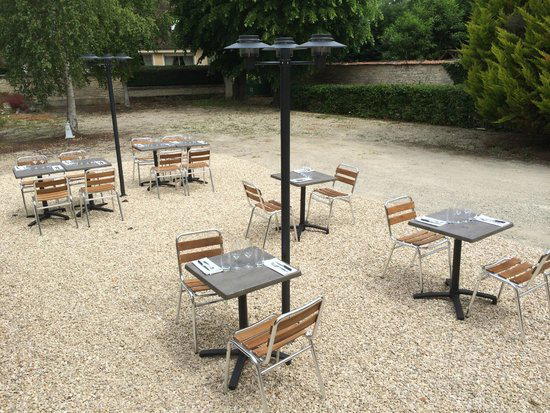
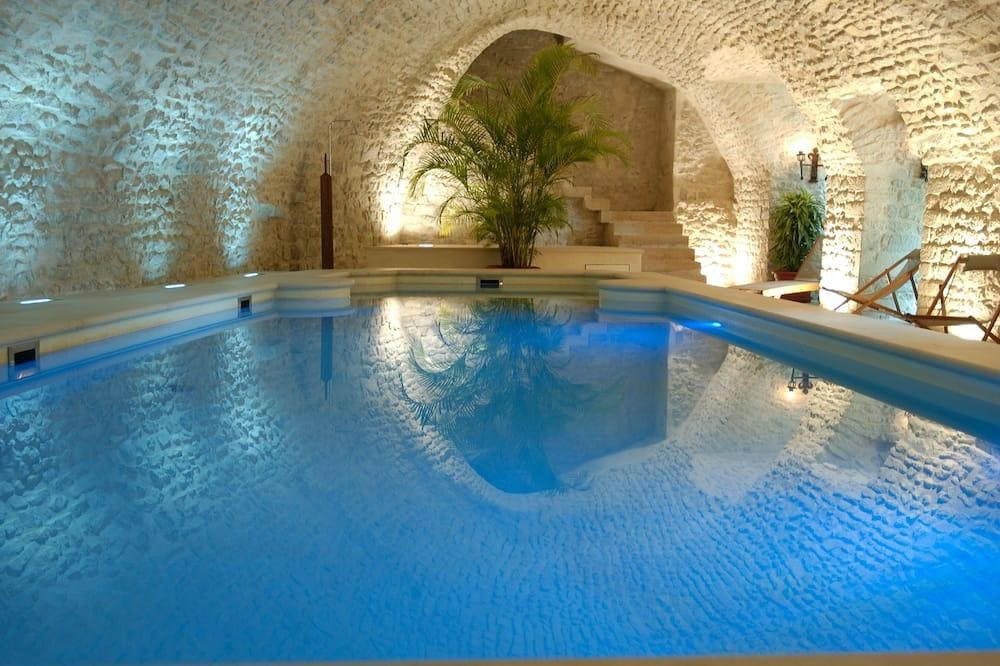
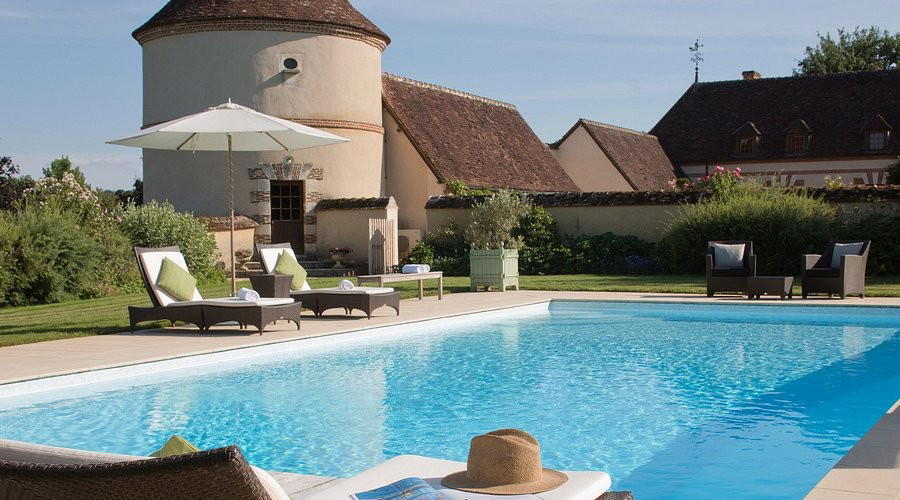
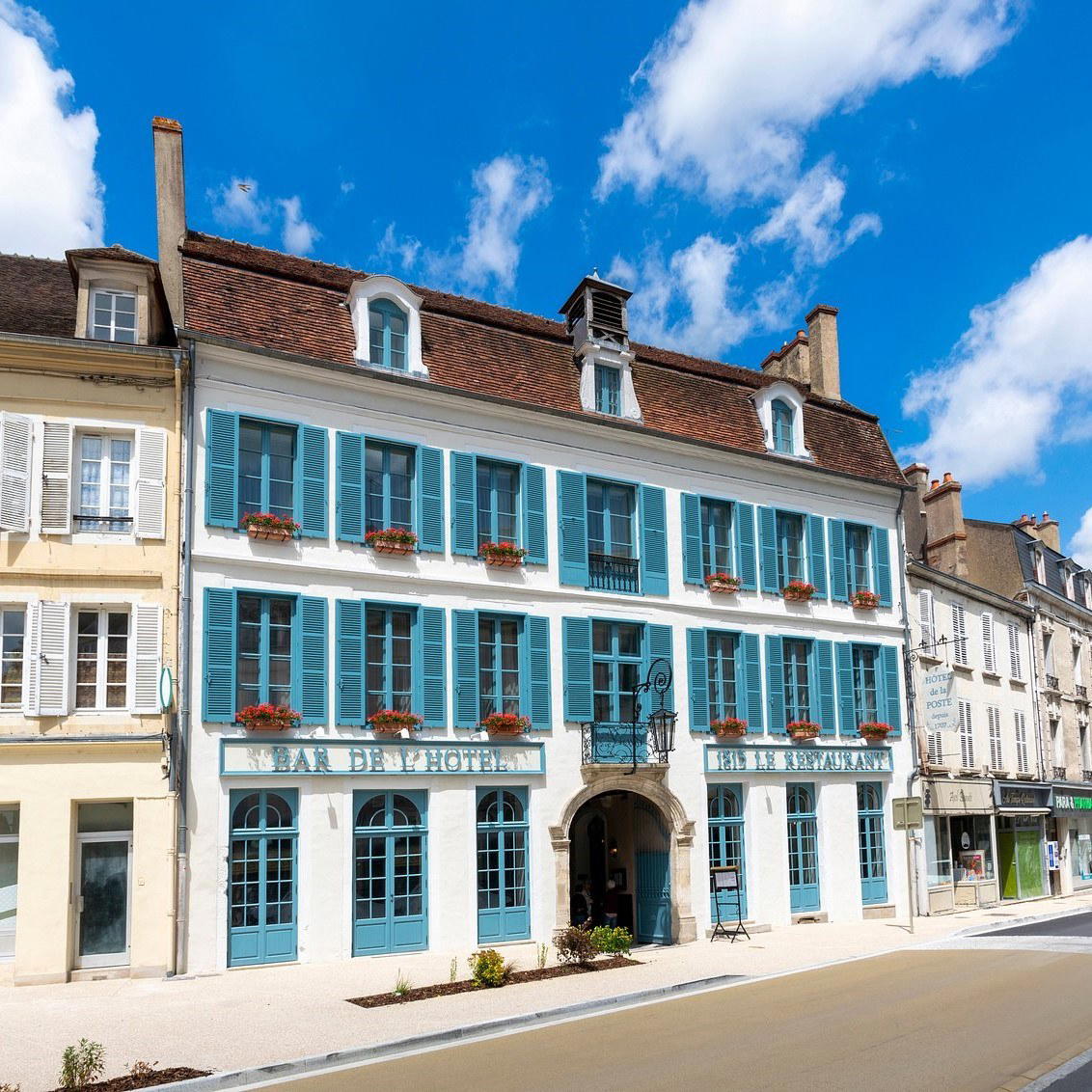
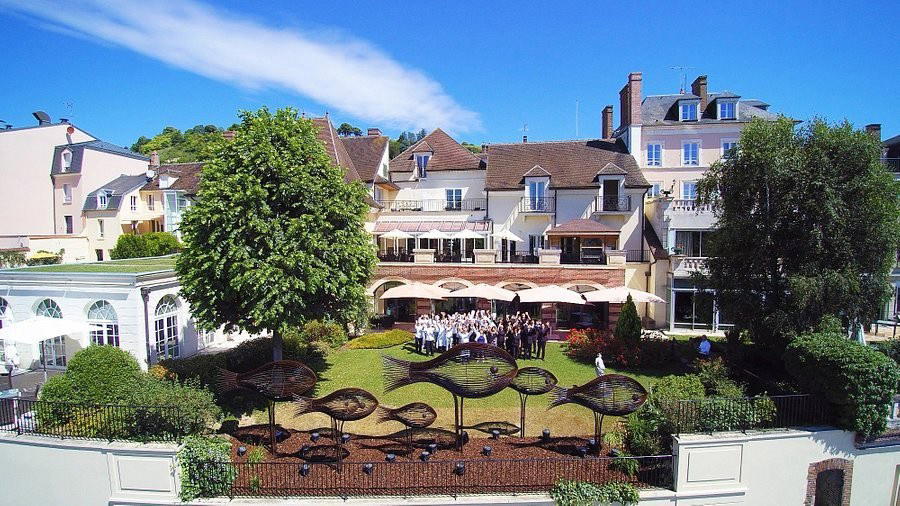
Set in picturesque Burgundy countryside with dramatic vineyard landscapes and a focus on terroir expression.