
Domaine Jean-Marc Brocard operates from the village of Préhy, in the heart of Chablis country. The domaine represents a significant presence in the appellation, with its address on the Route de Chablis placing it squarely within the gravitational field of the region's most consequential vineyards. For wine drinkers drawn to Chardonnay in its most mineral and unadorned form, this is a serious reference point.
Pearl is the En Primeur Club membership app — saves, bookings, and concierge access live there. Same editors, same standards.
- Address
- Rte de Chablis, 89800 Préhy
- Phone
- +33 3 86 41 49 00
- Website
- brocard.fr
- Directions
- Get directions
 Saves & bookings on Pearl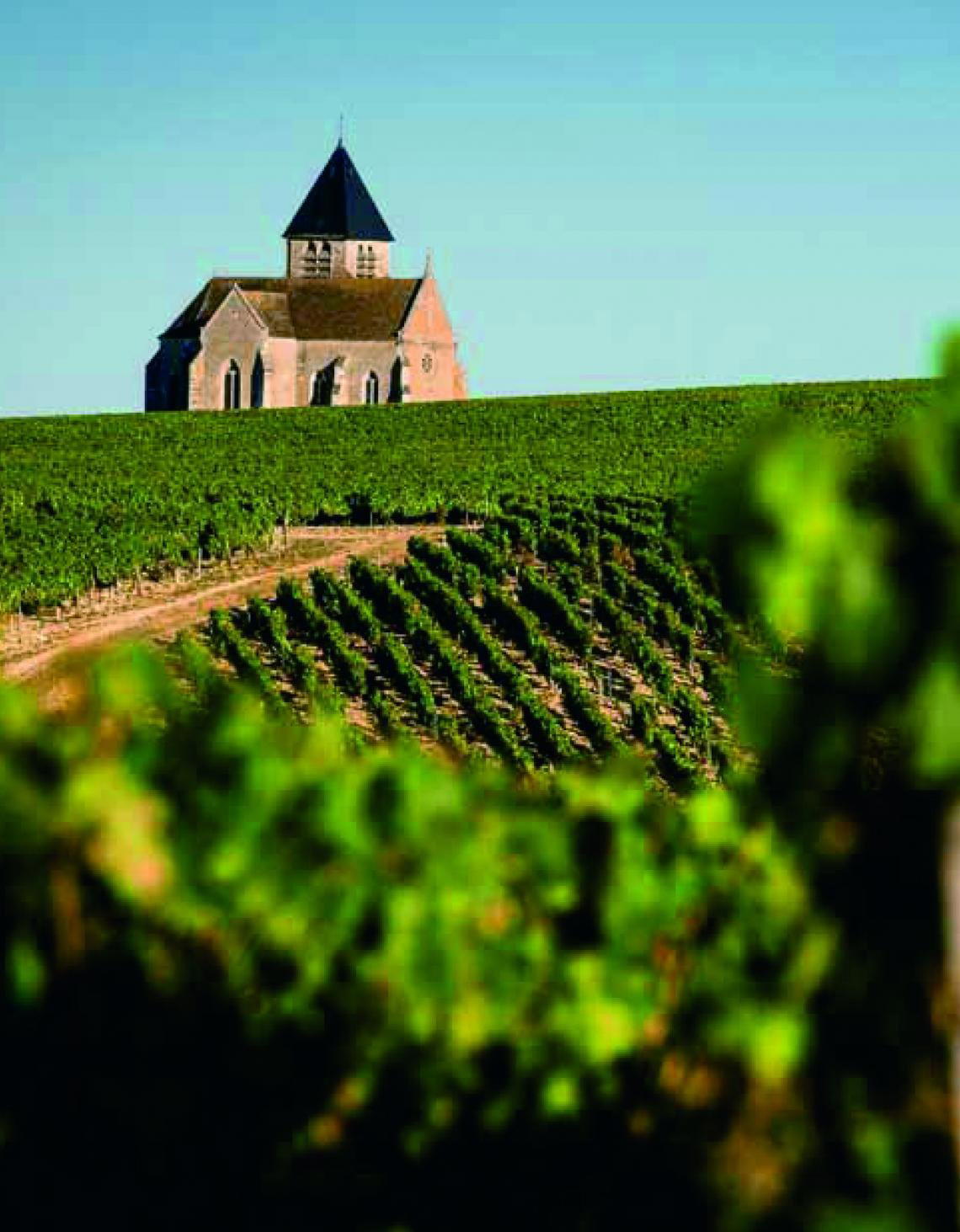
Where Chablis Begins: The Village at the Edge of the Appellation
The road from Auxerre to Chablis passes through a string of small Yonne villages where the limestone plateau starts to assert itself underfoot. Préhy sits along this corridor, close enough to Chablis proper to share its geological inheritance yet sufficiently removed to occupy a quieter position in the wine world's mental map of Burgundy. It is exactly the kind of place where serious wine production happens without the footfall that attaches itself to more celebrated addresses. Domaine Jean-Marc Brocard is located on the Route de Chablis in that village, and the positioning is deliberate: this is a working wine estate, not a tourist set piece.
Chablis as a category has been pulled in competing directions over recent decades. On one side, large négociant operations have made the name globally available at accessible price points. On the other, a smaller cohort of grower-producers has worked to anchor identity in specific vineyard sites and farming choices.
The Chablis Terroir Argument and Where Brocard Fits
Chablis makes its case on Kimmeridgian limestone, a marine sedimentary layer rich in fossilised oyster shells that runs through the Yonne valley and reappears in Sancerre to the west. The soil type is so specific to the region's identity that debates about what qualifies as authentic Chablis have centred on it for decades. Producers who source from these outcrops tend to make wines with a chalk-and-flint character, tight acids, and a salinity that distinguishes Chablis from other white Burgundy appellations.
Brocard draws on a substantial vineyard holding across the appellation's hierarchy, from regional Chablis through to Premier Cru and Grand Cru plots. This breadth matters for understanding the domaine: the range functions as a legible map of the appellation's internal architecture. Entry-level Chablis delivers the appellation's signature raciness without the age requirements of the higher classifications, while Premier Cru sites, Montée de Tonnerre and Montmains among the more referenced in this context, add textural complexity and the capacity to develop over several years in bottle. Grand Cru parcels, the apex of the appellation's seven classified slopes, produce wines built on concentration and longevity. Comparing across the hierarchy from a single producer is one of the more instructive exercises available to anyone building literacy in the region.
For reference across French appellations, the breadth of a domaine's holdings across classification tiers is a recurring marker of institutional weight. Producers like Château Bélair-Monange in Saint-Emilion or Château Branaire Ducru in St-Julien illustrate how appellation-level prestige and estate scale interact differently across France's major wine regions. In Chablis, where Grand Cru land is limited to roughly 100 hectares in total, access to those blocks at all signals a long-established footprint.
Philosophy in the Vineyard and Cellar
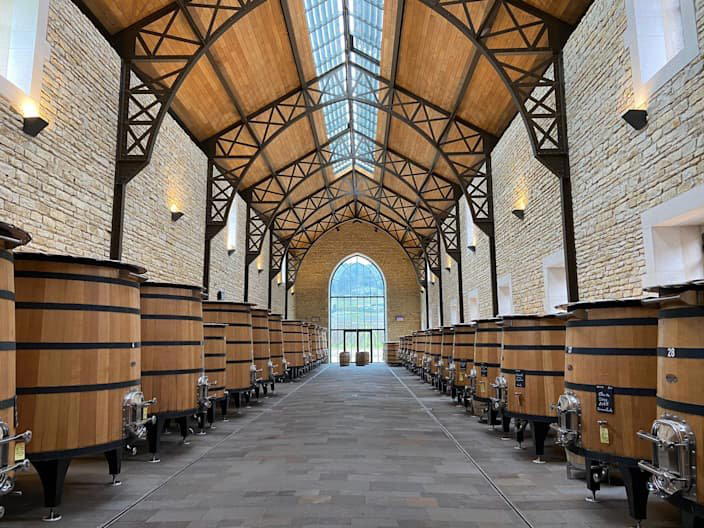
The editorial angle on Brocard's approach is not personal biography but production philosophy as a regional statement. Chablis has seen ongoing tension between producers who favour extended oak ageing, often in large neutral barrels, and those who prefer stainless steel or concrete to preserve the appellation's lean, high-toned character. Brocard's position in that debate has historically leaned toward the latter: a preference for preserving freshness, acidity, and the geological transparency that the Kimmeridgian terroir makes possible.
This matters because Chablis occupies a contested interpretive space. Critics who want to see the appellation as Burgundy's purest expression of unoaked Chardonnay push back against wines that absorb too much oak influence. Brocard's orientation toward cleaner, mineral-forward winemaking aligns the domaine with that school of thought. It is a choice that has consequences for how the wines age, how they pair at table, and how they read against peers from other Chardonnay benchmarks globally, including, for context, producers as geographically distant as Albert Boxler in Niedermorschwihr in Alsace, where a different interpretive tradition shapes white wine production of similar seriousness.
Visiting Préhy and the Domaine
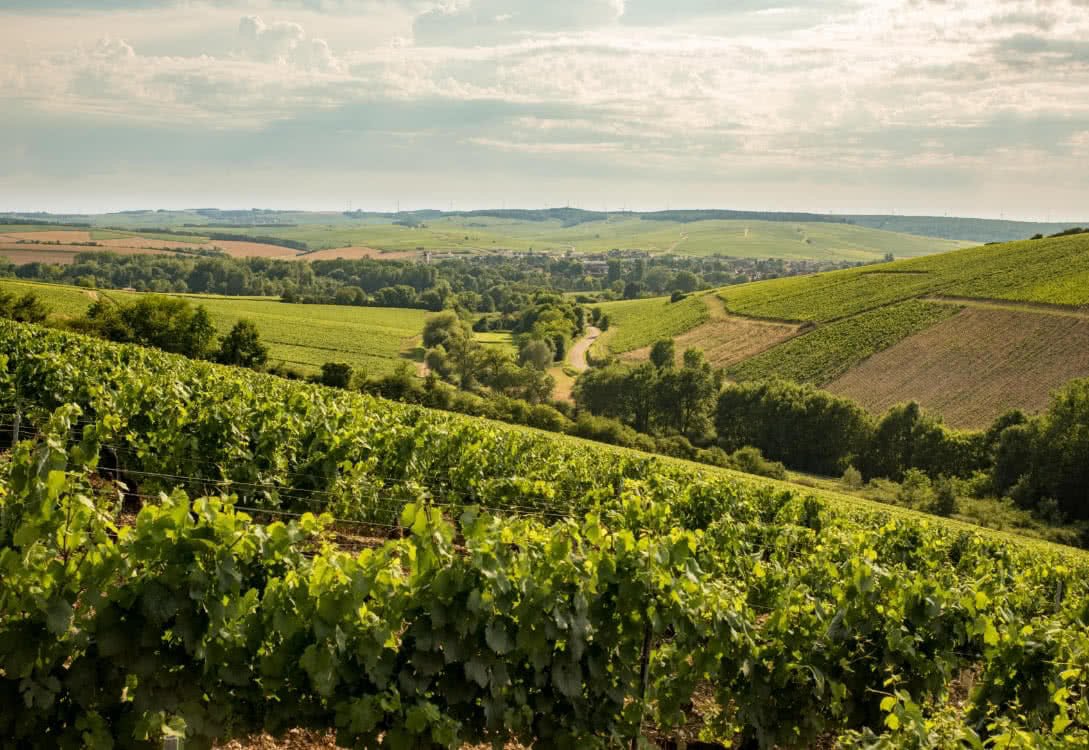
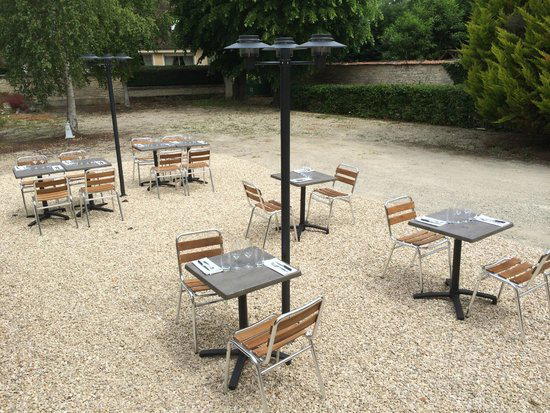
Préhy is a small commune, and arrival is by car from Auxerre or Chablis town, with no meaningful public transport connection. The Route de Chablis address places the domaine along the main approach road, and the practical reality of a working estate in rural Burgundy applies: visits are leading arranged in advance rather than assumed. Cellar door experiences at estates of this category typically function differently from larger tourist-oriented operations. The emphasis is on tasting and purchasing rather than staged tours, though the vineyard environment, overlooking the plateau's agricultural spread, provides its own orientation to the landscape.
For context on visit planning: Chablis town, a few kilometres from Préhy, provides one useful base, with accommodation, restaurants, and the Kimmeridgian limestone outcrops visible from the town's walking routes. Spring and early autumn are the period's most active for visitor traffic, autumn offering the additional draw of harvest activity in the vineyards. Planning around this timing gives the access to the region's working rhythm, though it also means competition for accommodation in a compact area.
Château Bastor-Lamontagne in Preignac, Château Batailley in Pauillac, and Château Boyd-Cantenac in Cantenac demonstrate how Bordeaux estates handle cellar visitor programs at comparable prestige levels, a useful comparison for managing expectations across different French regions. In Burgundy, the format tends toward quieter, more conversation-led tastings with less infrastructure than the larger Bordeaux châteaux.
Within the EP Club evaluation framework, this is a marker of a producer whose wines reliably deliver against the appellation's benchmarks across multiple vintages. It is comparable in weight, across different categories, to the recognition carried by estates such as Château Cantemerle in Haut-Médoc or Château Clinet in Pomerol within their own appellations.
For buyers and visitors making decisions about where to focus attention in a region with hundreds of producers, a rating of this tier narrows the field meaningfully. It is a different signal from a single-vintage critic score: it implies a track record and a house style that holds across years and across the appellation's classification levels. See our full Préhy restaurants guide for more on what the village and its surroundings offer beyond the domaine itself.
Planning Your Visit
Domaine Jean-Marc Brocard is located at Route de Chablis, 89800 Préhy, France. The domaine sits within easy driving distance of Chablis town and the Yonne valley's network of wine villages. Contact the domaine in advance before arrival, as visit formats depend on scheduling and seasonal activity. The Chablis appellation's relatively compact geography makes it feasible to combine a visit here with other Premier and Grand Cru producers in a single day, and the regional tourist infrastructure in Chablis town supports multi-day exploration of the wider Yonne wine zone.
Budget Reality Check
Comparable venues nearby, for context on price, style, and recognition.
| Venue | Cuisine | Price |
|---|---|---|
| Domaine Jean-Marc BrocardThis venue — the venue you are viewing | Préhy, Chardonnay, Sauvignon Blanc | $$ |
| Domaine Clotilde Davenne | Préhy, Chardonnay, Pinot Noir | $$ |
| Les Aligoteurs | Flagey-Echézeaux, Aligoté | Not listed |
| Nicolas Feuillatte | Côte des Blancs, Chardonnay, Pinot Noir | $$ |
| Domaine Roland Lavantureux | Lignorelles, Chardonnay, Pinot Noir | $$ |
| Maison Gautheron d'Anost | Arsenal, Chardonnay, Pinot Noir | $$ |
Recognition history
Dated appearances from independent guides and award organizations, with the underlying list record or original source where available.
Falstaff Winery - Listed
Falstaff
Continue exploring
More in Préhy
Wineries in Préhy
Browse all →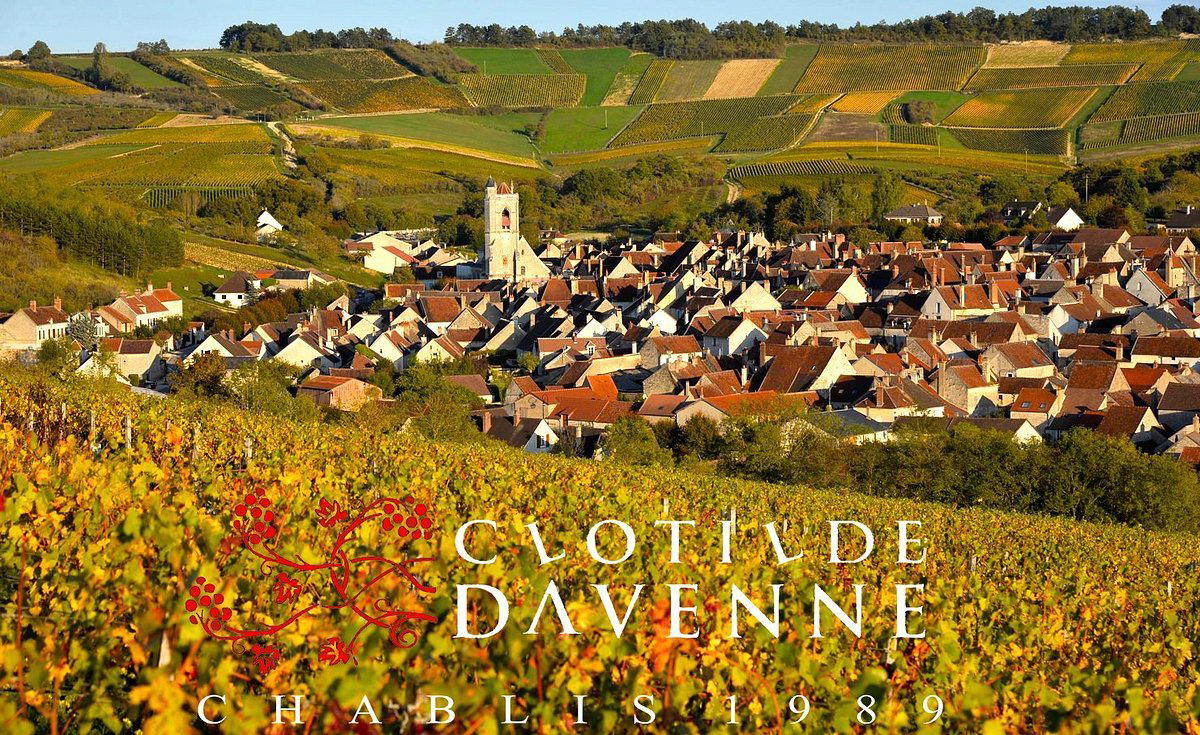
Bars in Préhy
Browse all →
Restaurants in Préhy
Browse all →
At a Glance
- Rustic
- Elegant
- Scenic
- Wine Education
- Solo Exploration
- Vineyard Tour
- Cave Tasting
- Organic
- Biodynamic
- Vineyard
- Chablis AOC
- Chardonnay
- Sauvignon Blanc
- Still White
- Cave Tasting
Crisp, mineral-driven atmosphere reflecting the Kimmeridgian limestone terroir, with a focus on freshness, precision, and respect for nature.