Grand Hôtel du Lion d'Or




1 Michelin Star · Relais Chateaux Award · Gault & Millau Remarkable Restaurant
Our verdict
A Michelin-starred landmark in the heart of Sologne, Grand Hôtel du Lion d'Or channels the pastoral traditions of the Loire Valley through a menu built on forgotten herbs, regional grains, and mindful sourcing. Chef Didier Clément's third-generation family house occupies a restored Renaissance townhouse on Romorantin-Lanthenay's main street, pairing classical French technique with a wine list that draws from the Loire's top producers.

Pearl is the En Primeur Club membership app, where members save venues, book tables and use the concierge.
The menu
What to order
- Langoustines à la Graine de Paradis
- Variation d'Asperges blanches de Sologne
- Millefeuille de Cèpes au Tabac de Cuisine
Stone, Soil, and the Sologne Table
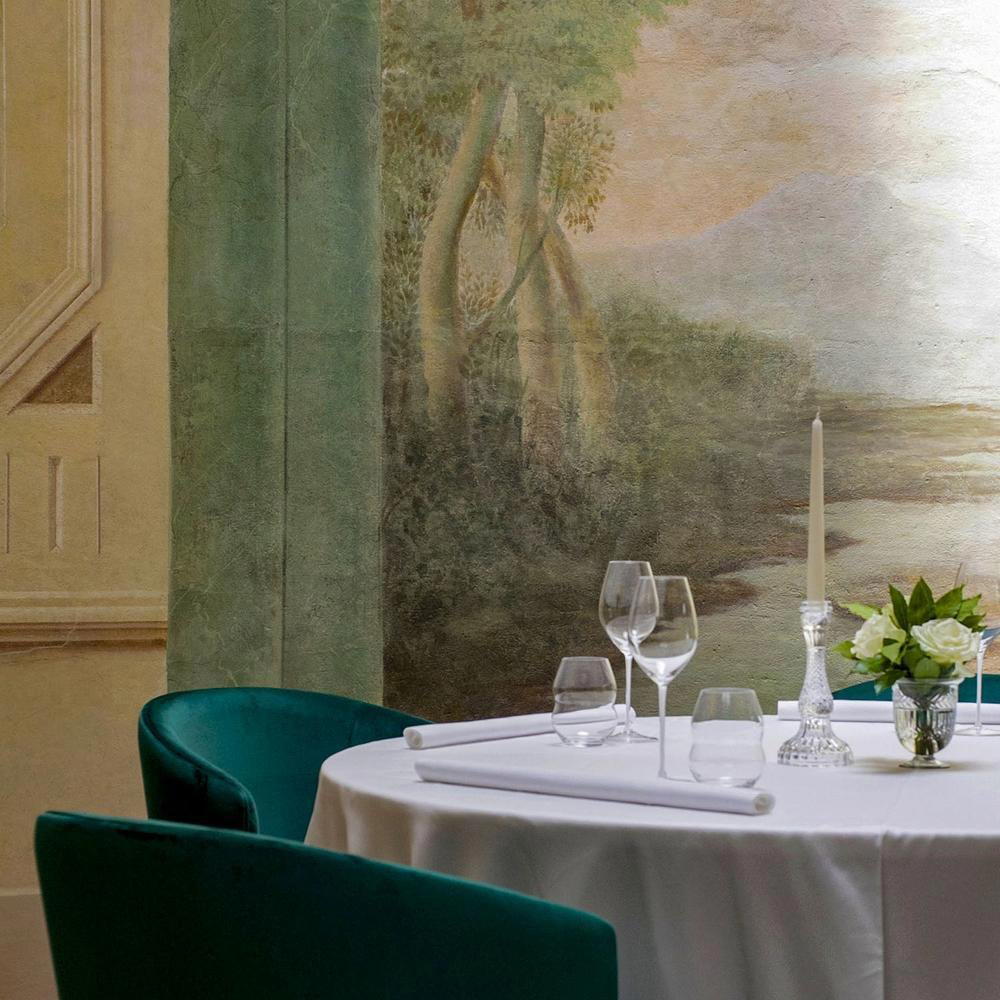
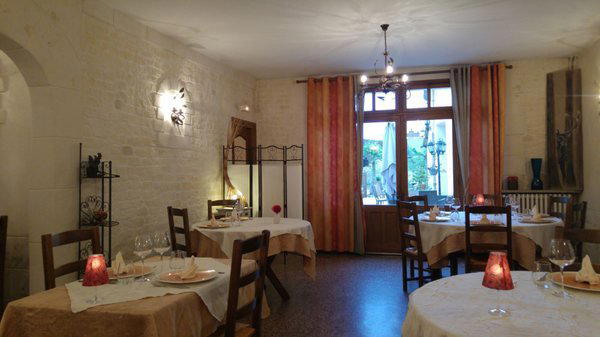
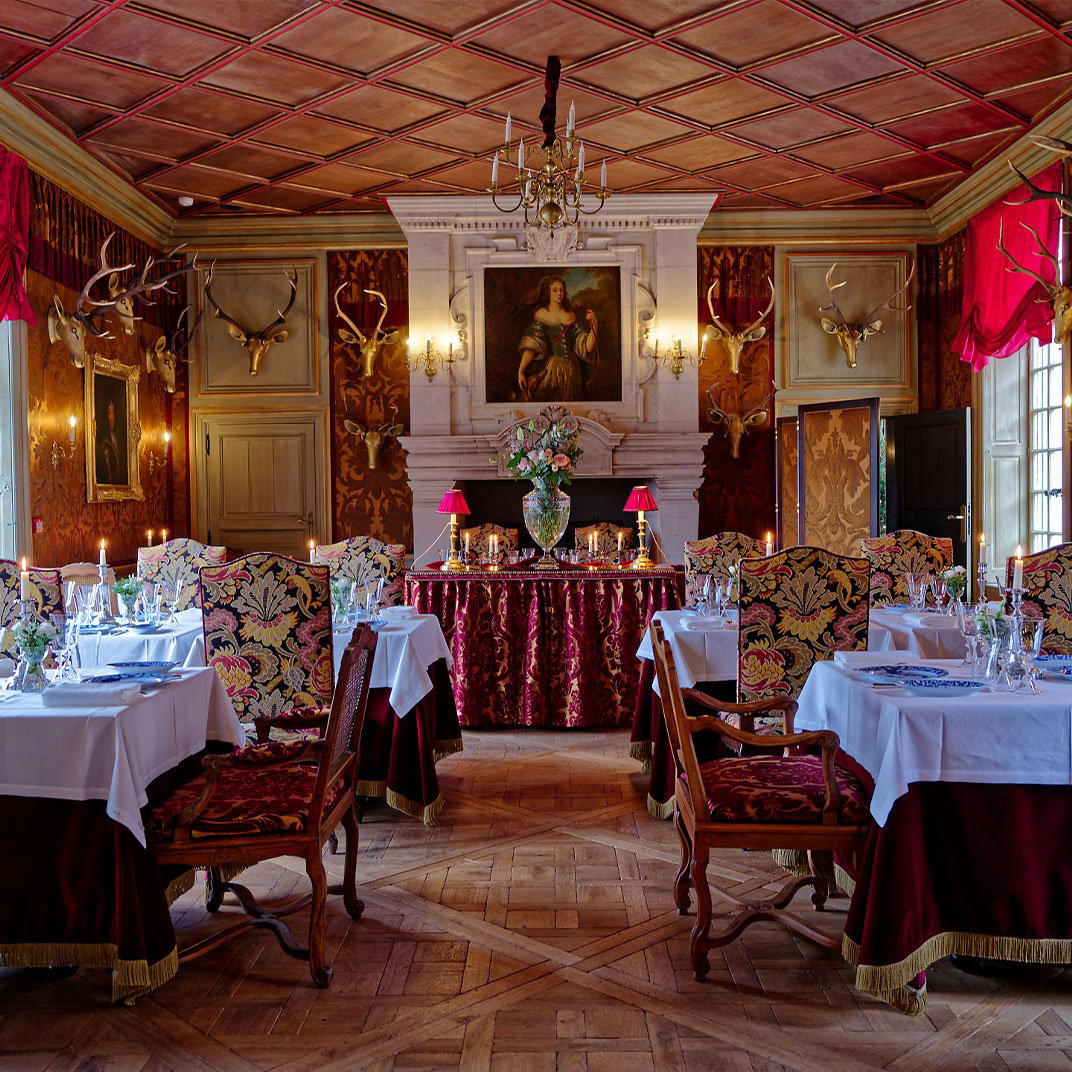
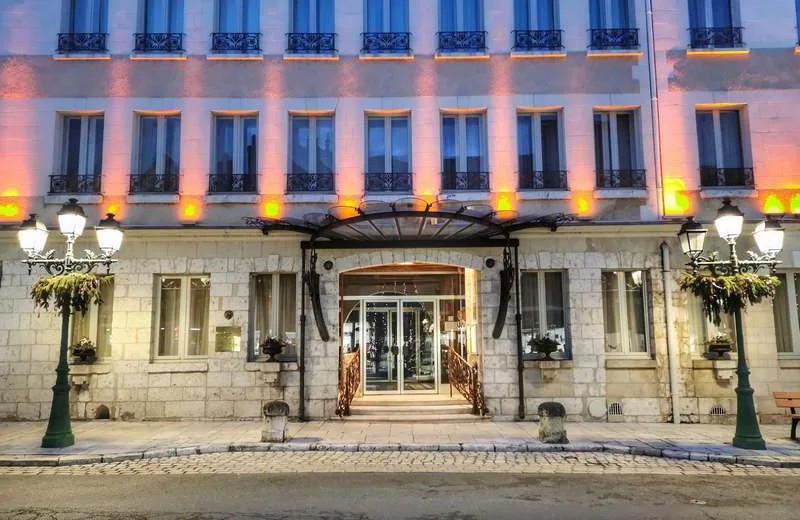
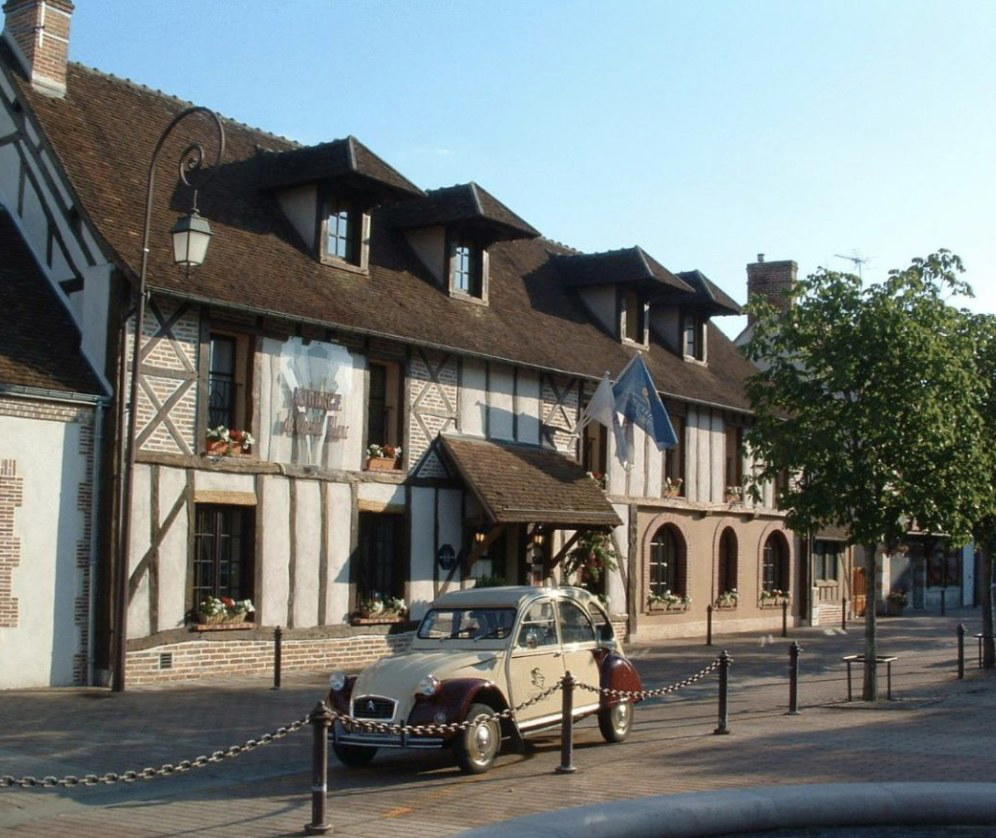
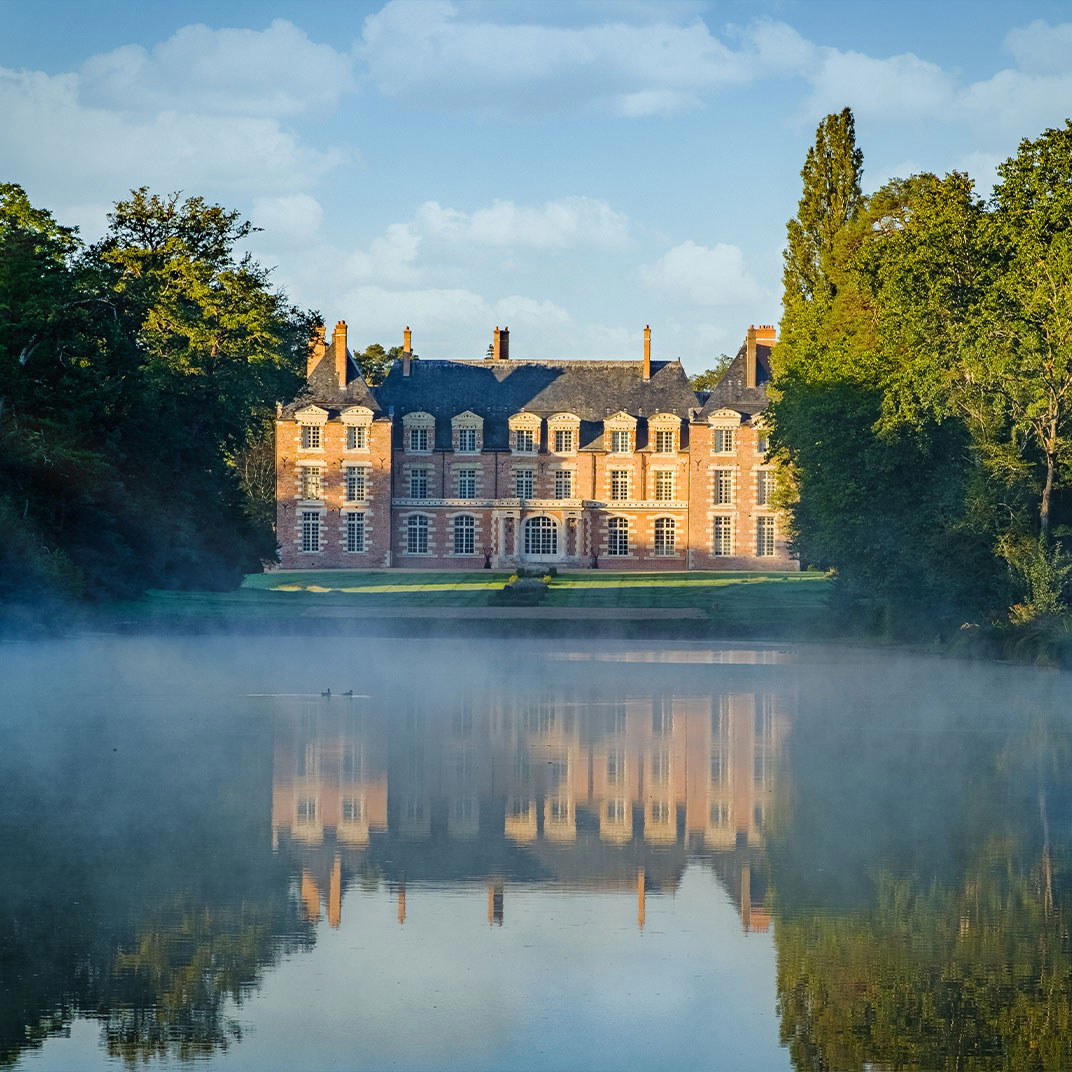
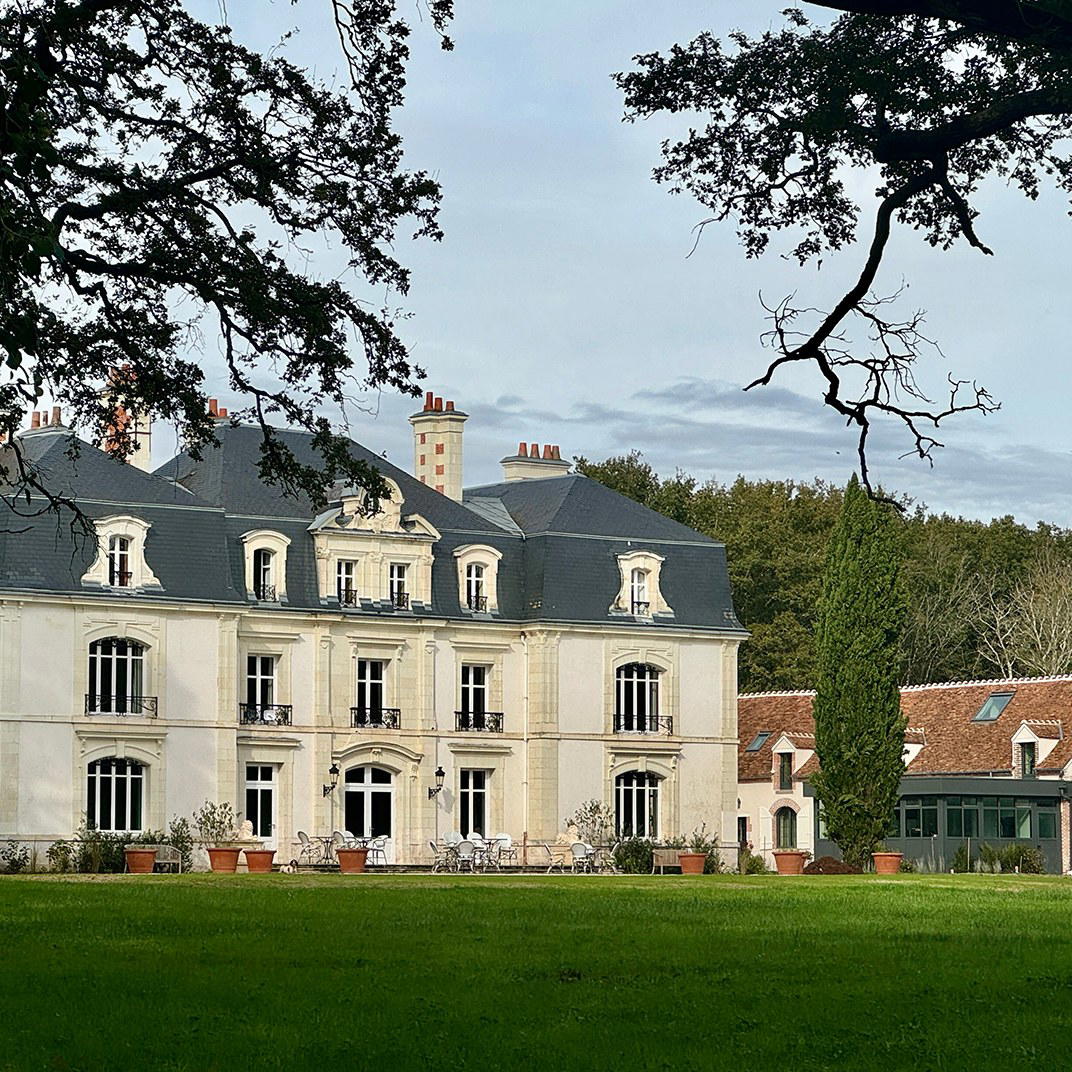
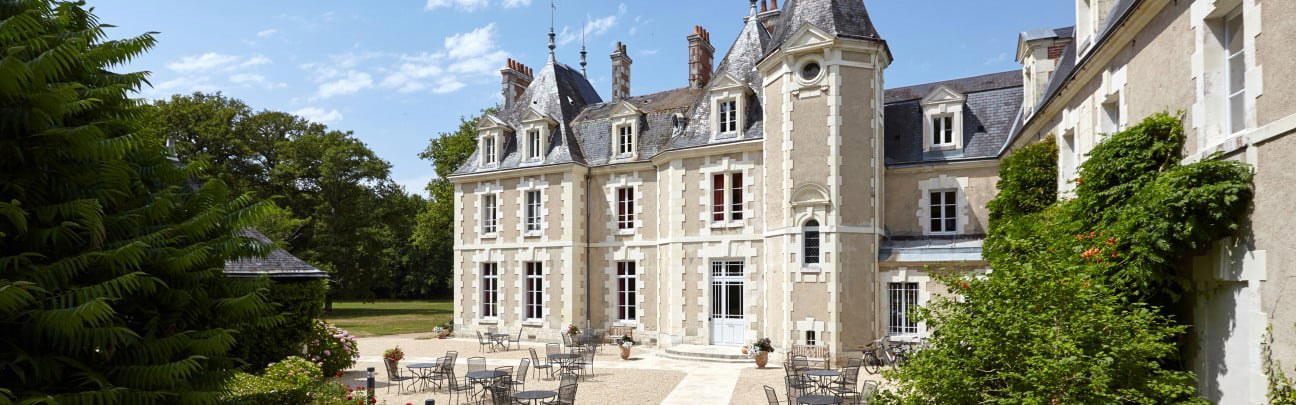
Romorantin-Lanthenay sits in the middle of the Sologne, a vast, thinly populated stretch of forest, étangs, and farmland that defines the southern Loire Valley between Blois and Bourges. This is not a destination that courts passing trade. You arrive here with intention, often because the Lion d'Or is the reason for the trip. The building itself announces that history before you cross the threshold: a Renaissance townhouse on the Rue Georges Clemenceau, its stone façade carrying the quiet authority of a structure that has outlasted several centuries of French provincial life. Inside, the Offard house's 18th-century technique of sculpted "stone cardboard" creates an interior that reads simultaneously as historic and considered, rural and composed. It is the kind of room that tells you something true about the region before a single dish arrives.
That connection to place is not decorative. Across France, the strongest regional tables earn their position not by replicating Paris fine dining at a provincial remove, but by doing something the capital cannot: rooting the plate in a specific geography. The Loire has its own vernacular, game from the Sologne forests, freshwater fish from its rivers, grains and aromatics from its alluvial soils. At the Lion d'Or, that vernacular is the menu's organising principle. Chef Didier Clément has spent years researching herbs and spices that fell out of mainstream French kitchens, ingredients like grains of paradise, sand leek, angelica, and lemon thyme, and reintegrating them into a cuisine that reads as regional rather than nostalgic. The result is a lineup the venue's own documentation describes as patriotic: free of unnecessary frills, anchored in succulent jus and sauces that speak to classical French training applied with discipline rather than accumulation.
Where This Sits in the French Gastronomic Order
A single Michelin star, confirmed in the 2024 guide, places the Lion d'Or in a specific tier of French dining: serious enough to demand attention, but positioned outside the three-star theatre that defines houses like Alléno Paris au Pavillon Ledoyen, Le Cinq at the Four Seasons George V, or Guy Savoy in Paris. The Opinionated About Dining guide, which ranks classical European restaurants by crowd-sourced expert opinion, placed the Lion d'Or at number 301 in its 2024 Classical in Europe ranking, with a recommended listing in 2023 as well. That dual recognition matters: OAD's classical category skews toward restaurants where technique and tradition hold more weight than trend-chasing, which is precisely where the Lion d'Or operates.
Houses like Auberge de l'Ill in Illhaeusern, Bras in Laguiole, and Troisgros in Ouches represent the French tradition of the destination restaurant with deep regional roots, where the setting is not incidental to the food but constitutive of it. The Lion d'Or belongs to this category, even if its profile is lower than those three-starred flagships. Among Loire Valley fine dining, that positioning is relatively rare: the concentration of Michelin-starred restaurants in the region is thinner than in Burgundy or Alsace, which means a table like this one carries more local gravity than it might elsewhere.
For a broader sense of how provenance-led French cooking plays at the top of the market, properties like Flocons de Sel in Megève, Mirazur in Menton, Assiette Champenoise in Reims, Au Crocodile in Strasbourg, Paul Bocuse in Collonges-au-Mont-d'Or, and AM par Alexandre Mazzia in Marseille illustrate how differently regional identity gets expressed across France's culinary geography. The Lion d'Or occupies a quieter register than most of those addresses, which is partly a function of its location and partly a deliberate editorial stance on the part of its kitchen.
The Ingredient Logic Behind the Menu
The Sologne is one of France's most distinctive natural environments: 500,000 hectares of heath, pine, and wetland that has historically been hunting and foraging territory as much as farmland. Wild game, freshwater fish, fungi, and foraged aromatics have always been the raw materials of local cooking. What Clément has done, over years of documented research, is recover the spice and herb vocabulary that once accompanied these ingredients before it was simplified out of French provincial kitchens. Grains of paradise, a West African pepper relative, were common in medieval and early modern European cooking before black pepper displaced them. Sand leek grows wild in the Loire's sandy soils. Angelica, cultivated and wild, runs through Angevin tradition. Lemon thyme is a lighter, more aromatic variant of common thyme that changes the register of a sauce meaningfully.
This is not affectation. The recovery of these ingredients is an act of regional archaeology that happens to produce cooking with a flavour signature different from anything you will find in Paris or in the Loire's more mainstream tourist restaurants. The pairing with succulent jus and sauces grounds those aromatics in classical French technique rather than letting them drift into the kind of ingredient-list novelty that can make natural-forage cooking feel arbitrary. The menu's discipline, by all available accounts, lies in that balance: the wild and the forgotten, held inside a structure that remains unmistakably French.
The Wine List and the Loire's Depth
The Loire Valley is one of the most diverse wine regions in France, running from Muscadet at the Atlantic end through Anjou's chenin blanc country, Saumur, the Touraine appellations including Vouvray and Chinon, and out to the Sancerre and Pouilly-Fumé zone in the east. Romorantin itself gives its name to a grape variety, Romorantin, grown almost exclusively in the Cour-Cheverny appellation just to the northwest. A wine list that draws seriously from this geography has access to material that broader French lists often underweight in favour of Burgundy and Bordeaux.
The Lion d'Or's list has been noted in venue documentation as showcasing some of the Loire's leading producers, and at €€€€ pricing, the expectation is for depth and range rather than a short list. For a table this committed to regional identity on the plate, the alignment with Loire producers is a coherent position rather than a geographical convenience. Guests focused on chenin blanc, Touraine Sauvignon, or Loire Cabernet Franc will find the wine program working in the same direction as the menu rather than against it.
Planning Your Visit
Lion d'Or is third-generation family-run, which in practice means it operates with the rhythms of a house rather than a corporate hospitality group. The property observes annual closures: the hotel and restaurant close from 17 November 2025 to 28 November 2025, and again from 15 February 2026 to 28 March 2026. Both windows are worth checking against travel plans, particularly the spring closure, which covers much of the period when the Sologne begins to come back into season.
At €€€€ price range and with Michelin recognition, advance planning is advisable. This is not a restaurant that benefits from a speculative walk-in. Romorantin-Lanthenay itself is accessible from the A85 motorway, roughly an hour and a quarter south of the Loire châteaux of Blois and Chambord, making it a natural anchor for a Loire Valley circuit that moves off the tourist corridor. The hotel component means the Lion d'Or can serve as a base for exploring the Sologne rather than a detour from it. For the broader dining and accommodation context in the town, see our full Romorantin-Lanthenay restaurants guide, our hotels guide, our bars guide, our wineries guide, and our experiences guide for the area. If you are looking for a contrast within Romorantin-Lanthenay itself, Le Bois Blanc represents the town's modern cuisine offer at a different register.
Frequently asked questions
How do I find Grand Hôtel du Lion d'Or?
Grand Hôtel du Lion d'Or is located at 69 Rue Georges Clemenceau, 41200 Romorantin-Lanthenay, France, Romorantin-Lanthenay.
What awards or recognition does Grand Hôtel du Lion d'Or have?
Grand Hôtel du Lion d'Or has received recognition including: Category: Remarkable; to 28/11/2025: hotel and restaurant(s) from 15/02/2026….
What's the best thing to order at Grand Hôtel du Lion d'Or?
The kitchen's clearest identity is in its use of recovered Sologne aromatics: grains of paradise, sand leek, angelica, and lemon thyme, ingredients Didier Clément has spent years sourcing from the region's heath and wetland terrain. These are not decorative flourishes but structural elements, paired with the jus and sauces that characterise his classically anchored cooking. Order anything that foregrounds the Sologne's seasonal produce, and let the Loire wine list guide the pairing from there.
What does dinner at Grand Hôtel du Lion d'Or typically cost?
Pricing at Grand Hôtel du Lion d'Or is listed as €€€€.
Who is the chef at Grand Hôtel du Lion d'Or?
The chef associated with Grand Hôtel du Lion d'Or is Didier Clément.
How far ahead should I plan for Grand Hôtel du Lion d'Or?
At €€€€ pricing with a confirmed 2024 Michelin star and an OAD Classical in Europe ranking of #301, the Lion d'Or draws visitors who travel specifically for the table rather than passing through Romorantin-Lanthenay by chance. Plan for several weeks' notice minimum, and factor in the documented annual closure periods: mid-to-late November 2025, and mid-February through late March 2026, when both the hotel and restaurant are shut.
| Venue | Cuisine | Price | Awards | Notes |
|---|---|---|---|---|
| Grand Hôtel du Lion d'OrThis venue (the venue you are viewing) | Classic French Fine Dining with Sologne Terroir | $100–150 | 1 Michelin Star · Relais Chateaux Award | Not listed |
| Alléno Paris au Pavillon Ledoyen | Modern French Fine Dining | $150–200 | 3 Michelin Stars · World's 50 Best #79 | Creative |
| Kei | Contemporary French, Modern Cuisine | Not listed | Michelin 3 Star | Not listed |
| L'Ambroisie | Classic French Haute Cuisine | $300–500 | 2 Michelin Stars · World's 50 Best #23 | French, Classic Cuisine |
| Le Cinq - Four Seasons Hôtel George V | Modern French Fine Dining | $300–500 | 3 Michelin Stars · World's 50 Best #24 | French, Modern Cuisine |
| Plénitude | Modern French Sauce-Led Fine Dining | $300–500 | 3 Michelin Stars · World's 50 Best #14 | Contemporary French |
Recognition history
Dated appearances from independent guides and award organizations, with the underlying list record or original source where available.
Michelin 1 Star
Michelin
Relais Chateaux Award
Relais Chateaux
Gault & Millau Remarkable Restaurant
Gault & Millau
Opinionated About Dining Classical in Europe Ranked #301
Opinionated About Dining
Full recognition history (8 entries)
Michelin 1 Star
Michelin
Relais Chateaux Award
Relais Chateaux
Michelin 1 Star
Michelin
Opinionated About Dining Classical in Europe Recommended
Opinionated About Dining
Continue exploring
More in Romorantin-Lanthenay
Restaurants in Romorantin-Lanthenay
All restaurants in Romorantin-Lanthenay →

Grand Hôtel du Lion d'Or
The wine
- Wine program
- Deep wine list
- Extensive wine list
Details
- Elegant
- Classic
- Sophisticated
- Cozy
- Date Night
- Special Occasion
- Business Dinner
- Historic Building
- Hotel Restaurant
- Extensive Wine List
- Local Sourcing
- A La Carte
- Prix Fixe
- Wine
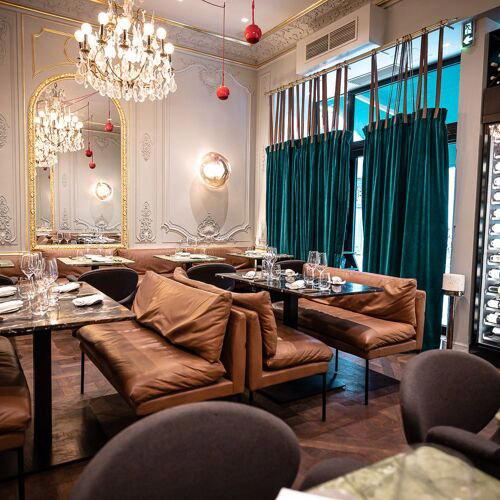
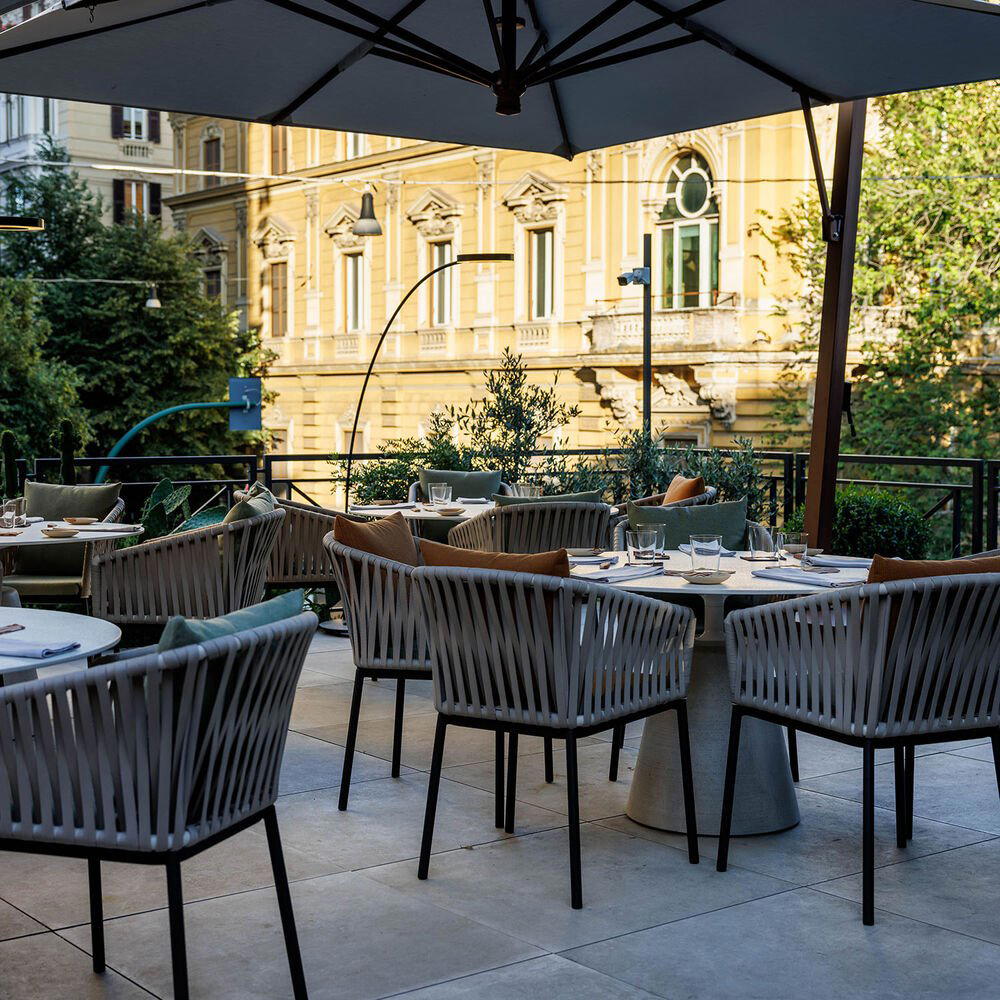
Elegant and serene with poetic decor evoking Sologne nature, warm lighting, and a refined, welcoming atmosphere.