Delas Freres

Falstaff Winery - Listed
Delas Frères sits at the granite heart of Tain-l'Hermitage, where the northern Rhône's most storied appellations meet a production house with over a century of trading in Syrah and Viognier.

Pearl is the En Primeur Club membership app, where members save venues, book tables and use the concierge.
Granite, Wind, and the Northern Rhône
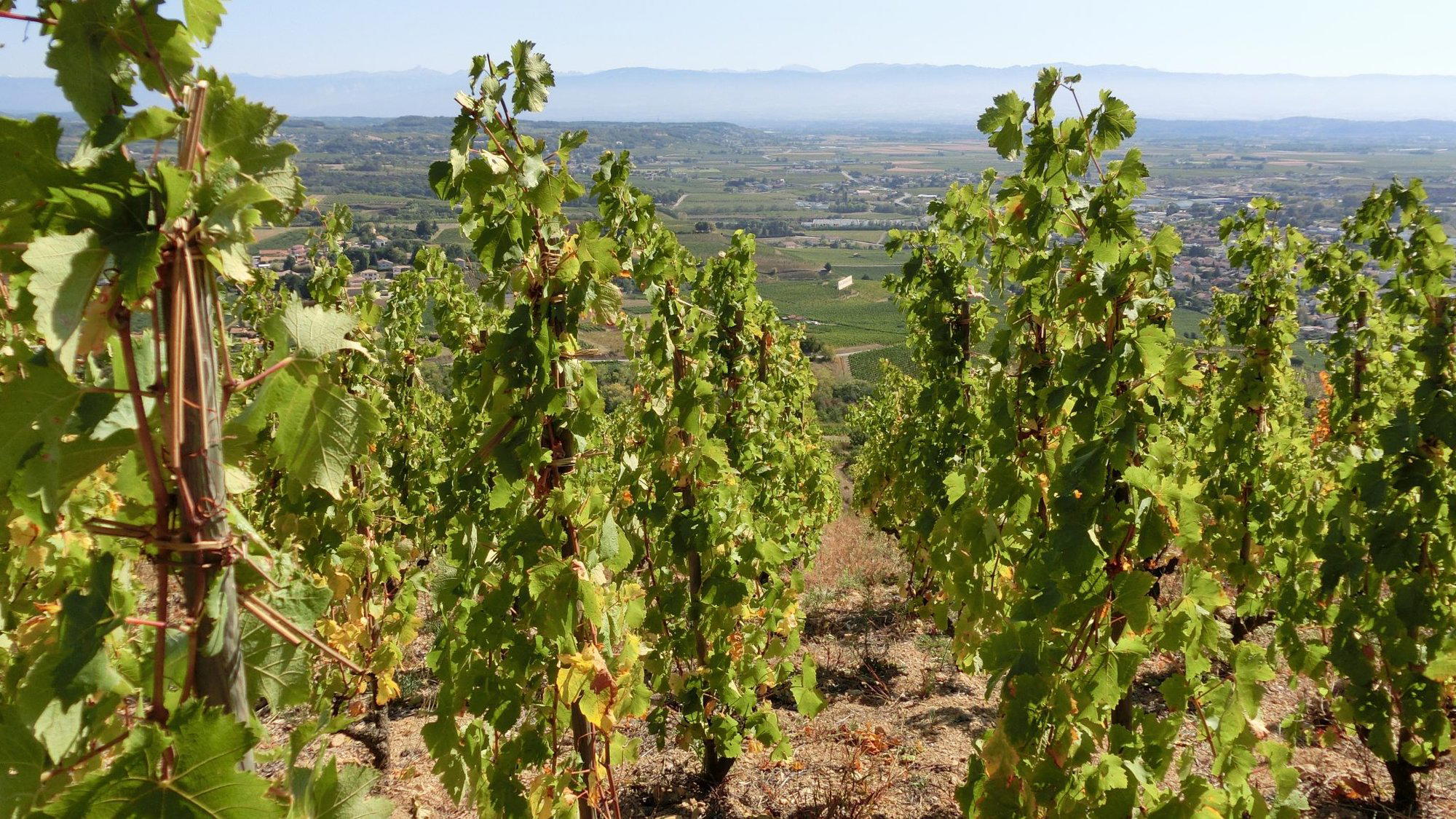
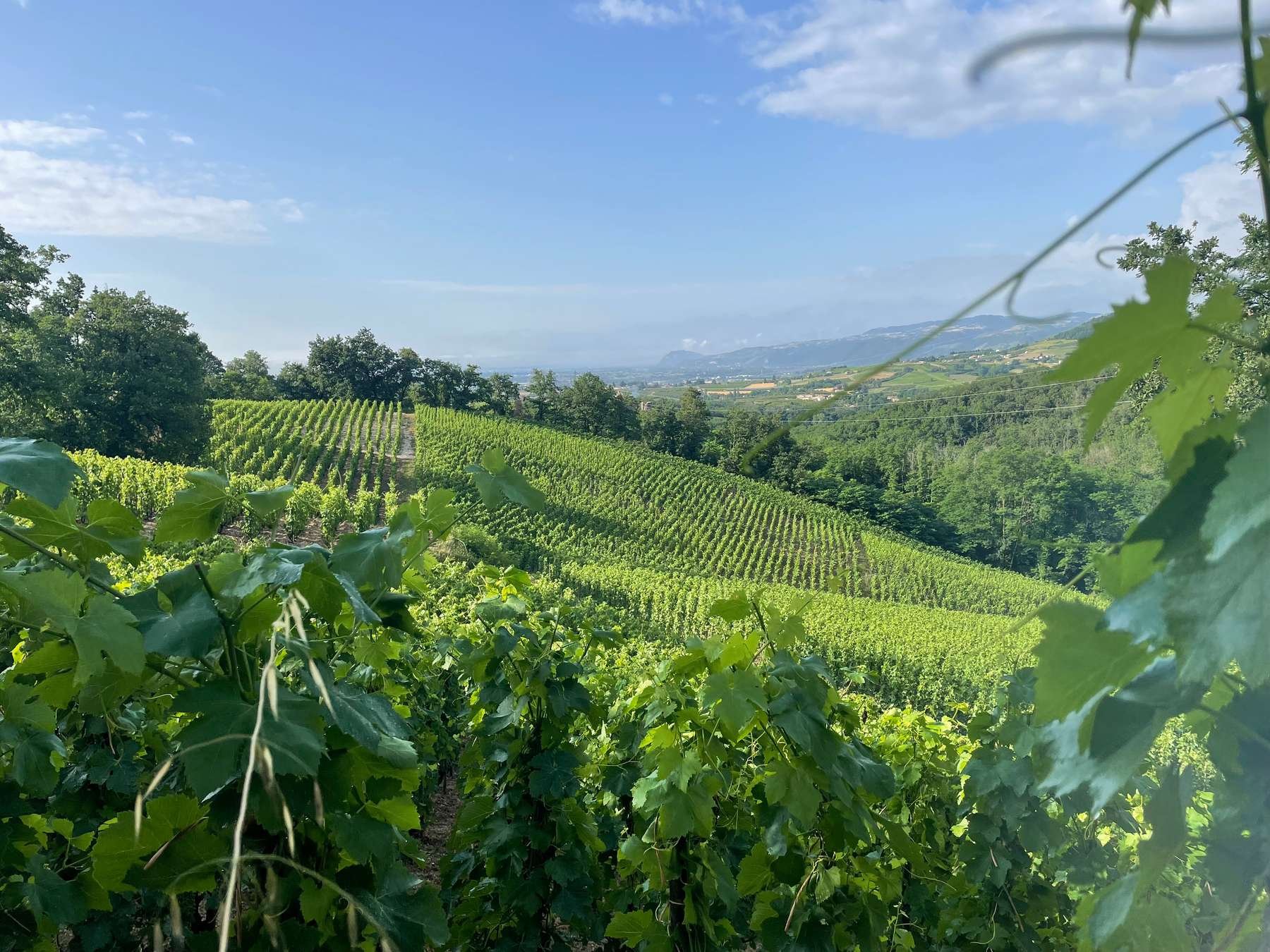
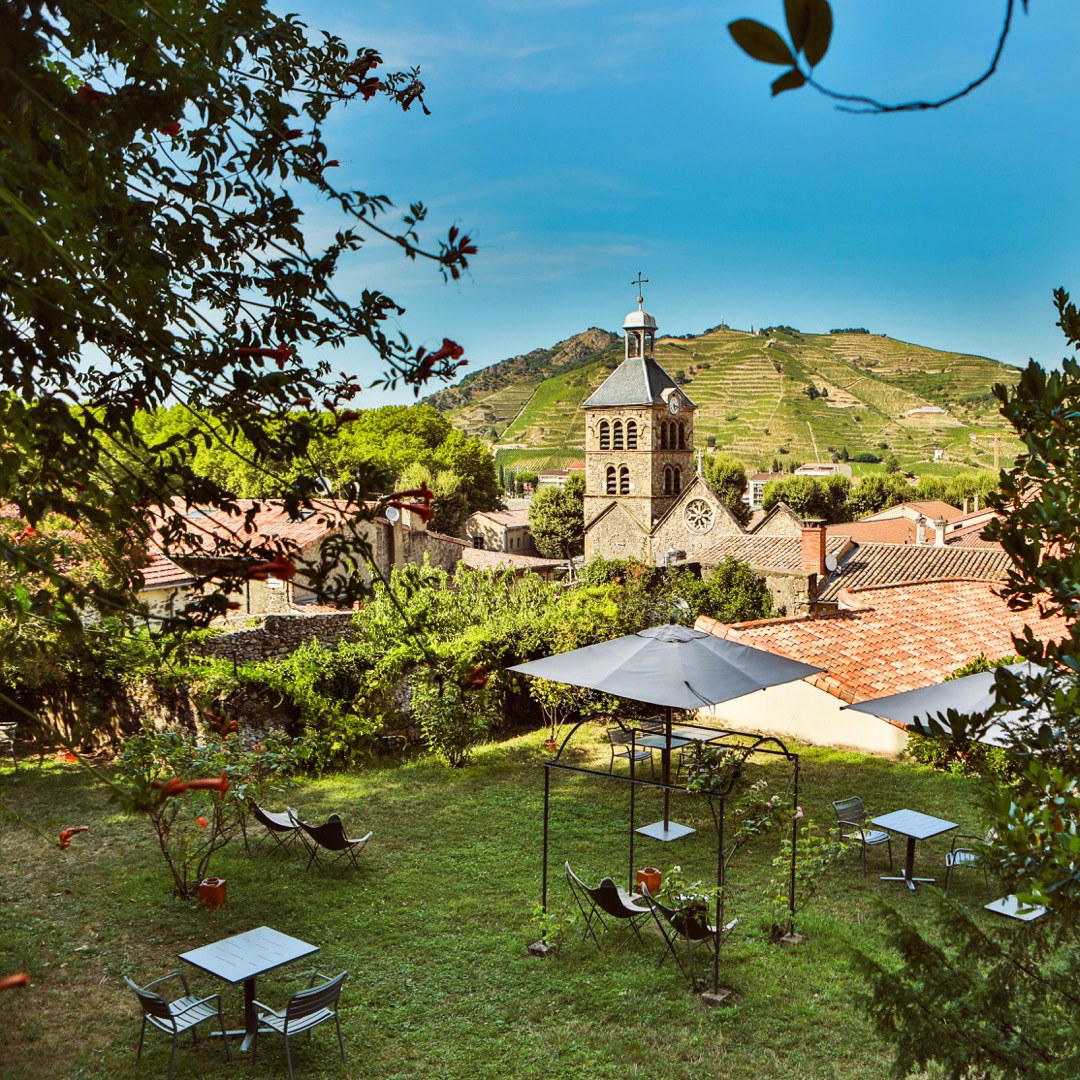
The hill of Hermitage rises sharply above the town of Tain-l'Hermitage, a geological interruption in the Rhône valley that has shaped the wines made at its feet for centuries. The granite soils here drain fast and retain heat differently from the limestone and clay systems further south, pushing Syrah toward savory concentration rather than fruit-forward warmth. This is the context in which Delas Frères operates, and it is impossible to understand the domaine without first understanding the hill.
Tain-l'Hermitage is a compact riverside town whose wine culture operates at a different register from Bordeaux's château estates or Burgundy's village-based domaines. The northern Rhône produces in smaller volumes across its headline appellations, Hermitage, Crozes-Hermitage, Cornas, Saint-Joseph, and the négociant houses that established themselves here over generations built their identities through access to parcels across multiple appellations rather than single-estate concentration. Delas Frères follows that model, drawing from across the northern Rhône's appellation map. Neighbors Chapoutier and Paul Jaboulet Aîné occupy the same competitive tier, each house representing a particular interpretation of what this stretch of river produces.
What Granite Does to Syrah
The editorial argument for visiting Delas Frères is essentially an argument about terroir specificity. Hermitage's granite subsoil, decomposed gneiss and schist on the upper slopes, coarser alluvial material toward the base, produces a Syrah that carries a mineral tension absent in warmer Rhône zones. The wines from these parcels tend toward tighter structures in their early years, with the kind of slow-developing complexity that rewards patience in the cellar.
Crozes-Hermitage, the larger appellation surrounding the Hermitage hill itself, produces wines from more varied soils and at higher volumes. It represents the more accessible entry point into the Delas range, while the single-vineyard Hermitage bottlings sit at the apex of production. This appellation hierarchy matters practically: it shapes pricing tiers, production volumes, and aging expectations across the portfolio. Visitors planning a tasting should bear that structure in mind when considering which wines to prioritize.
Viognier adds a separate chapter. Condrieu, the white wine appellation just north of Hermitage, produces Viognier of unusual aromatic intensity, peach blossom, apricot, lanolin, that reads as a direct translation of the schist soils and continental microclimate. The northern Rhône's white wine tradition, though smaller in volume than its red, operates with the same terroir logic: soil type and slope orientation produce measurable differences in aromatic profile and texture.
Placing Delas Frères in the Northern Rhône's Producer Hierarchy
The northern Rhône's prestige producer tier is a relatively small field. Volume constraints from the appellations' geographic limits mean that even the most established houses work with quantities that would read as boutique by Bordeaux standards. Within that context, Delas Frères occupies the négociant-with-domaine-holdings position: purchasing fruit and operating owned vineyard parcels simultaneously, which gives the house both breadth across appellations and depth within specific sites.
At this tier, differentiation between producers comes down to specific parcel access, winemaking decisions around extraction and oak influence, and vintage-by-vintage consistency. For the wine-focused traveler, that makes Delas Frères a useful reference point rather than simply a destination, tasting here builds vocabulary for understanding the appellation system across producers. Comparable prestige-tier estates elsewhere in France, such as Albert Boxler in Niedermorschwihr or Château Bélair-Monange in Saint-Emilion, operate with similar appellation-depth logic, where the producer's identity is inseparable from specific terroir access.
Across Bordeaux's appellations, the same prestige dynamics apply to estates like Château Branaire Ducru in St-Julien, Château Batailley in Pauillac, Château Boyd-Cantenac in Cantenac, and Château Cantemerle in Haut-Médoc, each operating within a classified hierarchy where terroir access defines the competitive position. Sauternes producers such as Château Bastor-Lamontagne in Preignac and Château d'Arche in Sauternes follow the same logic in their appellation. On the Right Bank, Château Clinet in Pomerol represents a parallel premium tier shaped by its distinctive clay and gravel soils. The comparison is useful: prestige in each case derives from the specificity of place, not from production volume.
The Town and How to Approach a Visit
Tain-l'Hermitage sits on the A7 motorway corridor, approximately 80 kilometers south of Lyon, making it accessible from both Lyon and Valence by road or rail. The town itself is compact; the main wine producers are distributed along or near the Rhône riverfront, and the Hermitage hill is visible from most points in the town center. This concentration makes Tain-l'Hermitage practical for focused wine visits in a way that more dispersed appellations cannot match. Spring and autumn represent peak visiting periods for the northern Rhône; harvest in late September through October adds activity but also reduces the likelihood of unhurried appointments at busier houses.
For broader context on eating and drinking in the region, our full Tain-l'Hermitage restaurants guide covers the town's dining options, which skew toward Rhône-focused wine lists and Lyon-influenced cuisine. Chartreuse in Voiron and Aberlour in Aberlour represent different but complementary producer-visit formats for travelers building a broader drinks-focused itinerary across France. Accendo Cellars in St. Helena offers a point of comparison for those interested in how small-production prestige models translate across the Atlantic.
Fast Comparison
Comparable venues nearby, for context on price, style, and recognition.
| Venue | Cuisine | Price | Awards | Notes |
|---|---|---|---|---|
| Delas FreresThis venue (the venue you are viewing) | Syrah, Marsanne | Not listed | Falstaff Winery - Listed | Not listed |
| Paul Jaboulet Aîné | Syrah, Marsanne | $30–50 | Falstaff Winery - 4 Stars | Tain-l'Hermitage |
| Chapoutier | Syrah | Not listed | World's 50 Best #77 · Falstaff Winery - Listed | Tain-l'Hermitage |
| Château Malromé | Merlot, Cabernet Sauvignon | Not listed | Not listed | Saint-André-du-Bois |
| Château de Ferrand | Merlot, Cabernet Franc | $30–50 | Falstaff Winery - Listed | Saint-Hippolyte |
| Domaine du Vieux Télégraphe | Grenache, Syrah | $50–100 | Not listed | Bédarrides |
Recognition history
Dated appearances from independent guides and award organizations, with the underlying list record or original source where available.
Falstaff Winery - Listed
Falstaff
Continue exploring
More in Tain-l'Hermitage
Wineries in Tain-l'Hermitage
All wineries in Tain-l'Hermitage →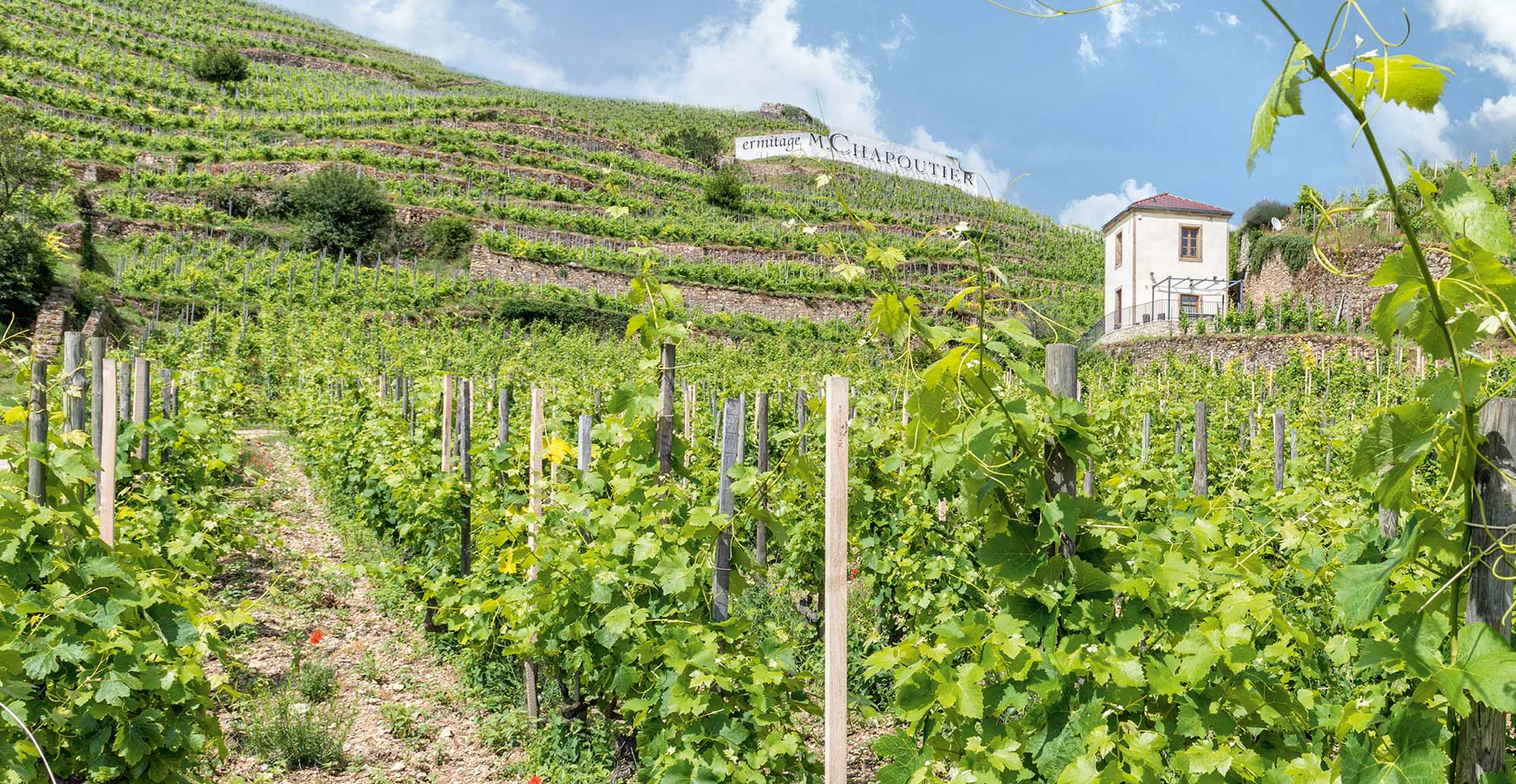

Details
- Classic
- Elegant
- Scenic
- Rustic
- Sophisticated
- Wine Education
- Special Occasion
- Vineyard Tour
- Historic Building
- Terrace
- Panoramic View
- Vineyard
- Mountain
- Syrah
- Marsanne
- Roussanne
- Viognier
- Grenache
- Still Red
- Still White
- Cave Tasting
- Private Tasting
- French
- English
- Spanish
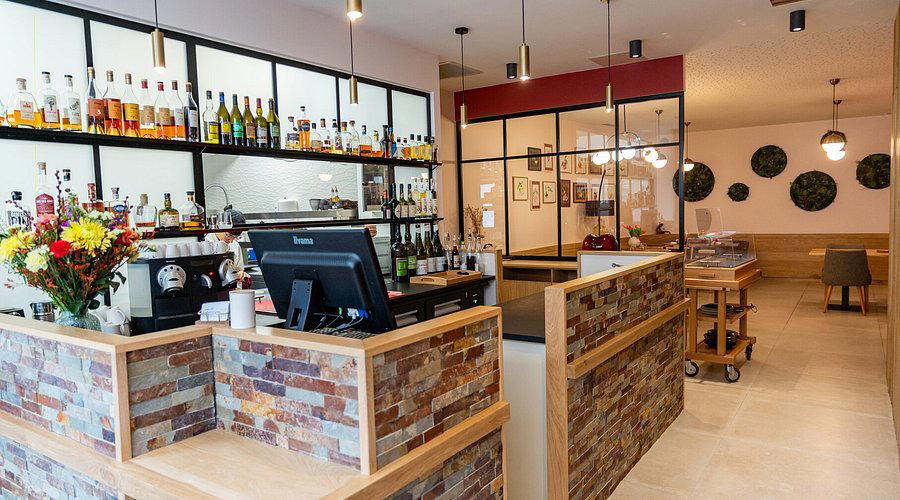
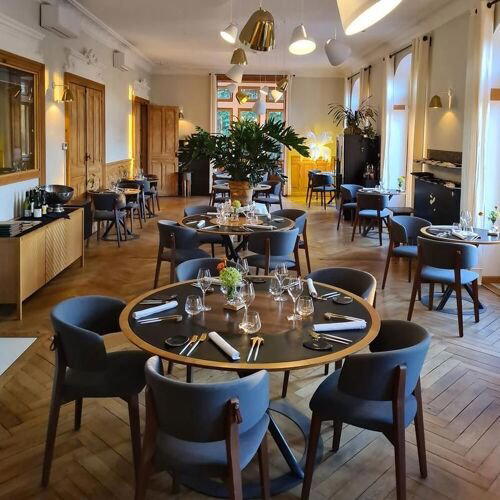
Juxtaposition of 19th-century manor house tradition with modern stone, glass, and steel materials in a light-filled presentation area curving around an old chestnut tree.