Les Maisons Marcon

Three Michelin stars and a Green Star in a village of fewer than 300 people: Les Maisons Marcon has turned the remote Haute-Loire plateau into one of France's most consequential dining addresses. The property combines a serious restaurant program with accommodation in a setting shaped by volcanic highland architecture, earning a 4.8/5 rating from over 1,100 Google reviewers who make the deliberate journey to reach it.
Pearl is the En Primeur Club membership app — saves, bookings, and concierge access live there. Same editors, same standards.
- Address
- 18 Chem. de Brard Larsiallas, 43290 Saint-Bonnet-le-Froid, France
- Phone
- +33 4 71 59 93 72
- Website
- lesmaisonsmarcon.fr
 Saves & bookings on Pearl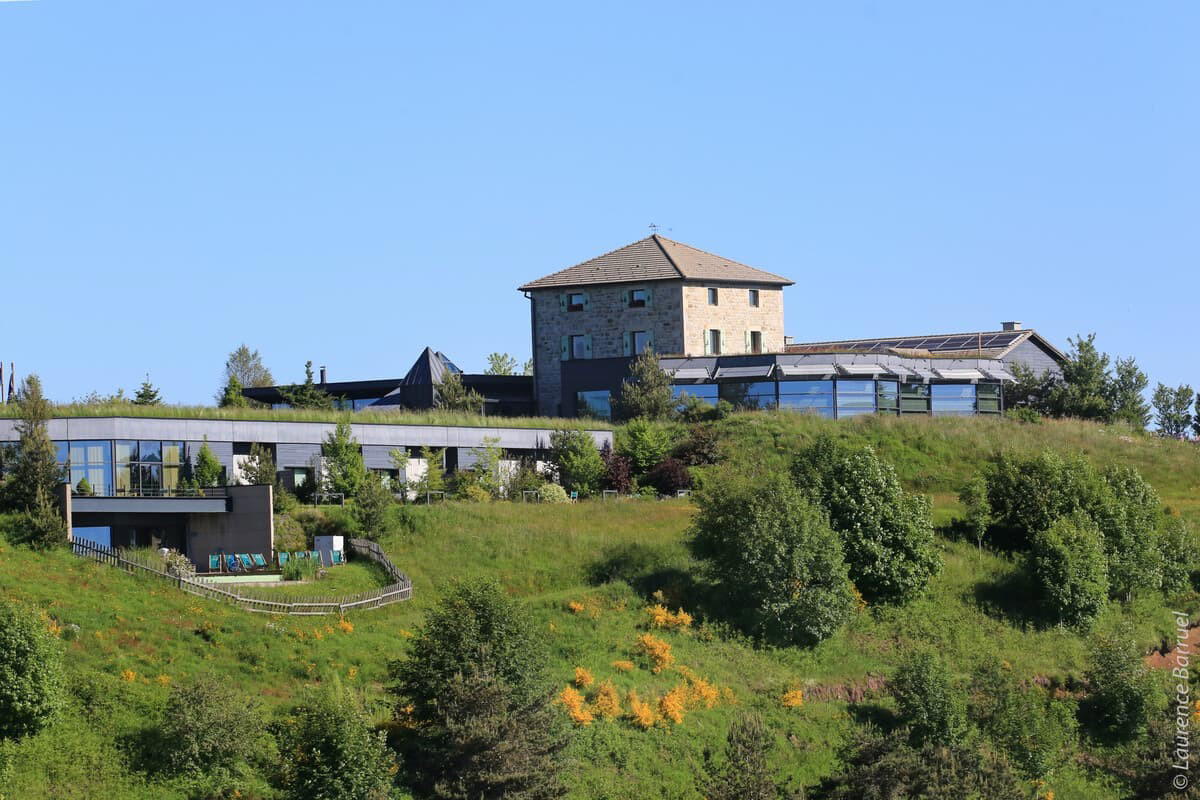
Where the Plateau Arrives Before the Plate
The approach to Saint-Bonnet-le-Froid prepares you for what follows inside. The village sits on the high plateau of the Massif Central, at an altitude that strips away the ambient noise of lowland France. Volcanic terrain, dense conifer stands, and roads that narrow as they climb signal, before any meal is eaten, that this is not a destination you stumble upon. Arriving here requires a decision. From Lyon, the route runs south on the A7 before cutting inland through Annonay toward Le Puy-en-Velay, roughly 100 kilometres of travel that transitions gradually from urban sprawl to something closer to wilderness. The last stretch into the village is where the landscape does its work on expectations.
Les Maisons Marcon occupies that physical context deliberately. The address at 18 Chemin de Brard Larsiallas places it at the edge of the village rather than its commercial centre, which means the architecture reads against a backdrop of open plateau rather than shop fronts. For a property holding four stars, this setting is not incidental. It is the argument the property makes before a guest crosses the threshold. France has a tradition of destination dining in improbable rural coordinates, see the legacy of Fernand Point in Vienne or Michel Bras in Laguiole, and Les Maisons Marcon belongs to that lineage of places that ask the diner to travel toward them rather than accommodating casual passing trade.
The Physical Language of the Property
French three-star properties in the twenty-first century divide broadly into two architectural registers. The first is the restored historic pile: the abbey, the château, the grand bourgeois house that carries institutional weight through age and volume. Properties like Baumanière Les Baux-de-Provence and Domaine Les Crayères in Reims operate in this register. The second is the purpose-built contemporary structure that treats its site as a design brief, shaping the building around views and materials indigenous to its region. Les Maisons Marcon belongs to the latter category, with an architectural posture that answers the plateau rather than ignoring it.
The plural in the name is telling. "Les Maisons" implies an ensemble rather than a single statement building, a cluster of volumes that distributes accommodation and dining across the site rather than consolidating them into one monolithic structure. This approach recurs across France's most considered rural properties, from Villa La Coste in Provence to Les Sources de Caudalie outside Bordeaux, where the dispersal of spaces across a landscape creates a different rhythm of movement and discovery than a traditional hotel corridor ever could. The spatial logic here reinforces the property's relationship with its surroundings and anchors the intimate setting the property is known for.
Three Stars on a High Plateau: What the Michelin Signal Means
Three Michelin stars in a remote French village communicates something specific to the broader dining market. The guide's third star has historically been awarded to places that justify travel in themselves, and Saint-Bonnet-le-Froid at 1,100 metres above sea level, with a population measured in hundreds rather than thousands, fits that criterion more literally than almost any other three-star address in France. The Green Star awarded alongside, indicating a commitment to sustainable and ecological practices, positions the property within a growing cohort of multi-star kitchens that treat ingredient sourcing and environmental footprint as part of the culinary proposition rather than a secondary marketing point.
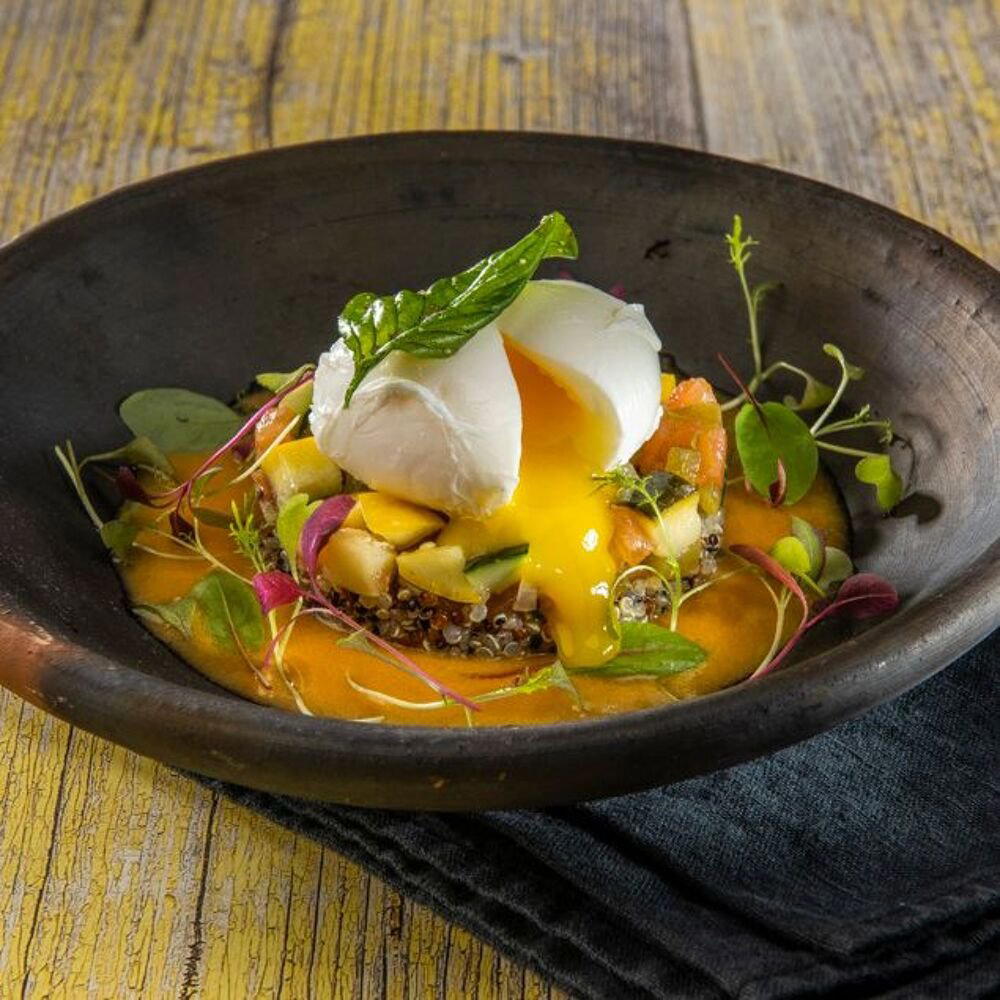
Plant-based cuisine is a defining characteristic here, placing Les Maisons Marcon in a specific and still-uncommon position within French haute cuisine. France's gastronomic tradition was built substantially on animal proteins and classical sauces, and the pivot toward plant-forward cooking at the highest tier of the Michelin hierarchy carries more editorial weight than the same move made in a major city with an established vegetable-forward dining scene. In Paris, a tasting menu that foregrounds vegetables reads as a trend adoption. In a mountain village in Haute-Loire, held by a family with decades of institutional history in that specific location, it reads as a genuine philosophical position.
Guests rate the property 4.8 out of 5, drawn from 1,172 Google reviews, which is an unusually high volume for a remote rural property and suggests the guest experience is generating word-of-mouth at a rate that transcends the typical dining circuit. For comparison, urban three-star properties in Paris or Lyon with larger potential audiences often accumulate review volumes at a slower pace relative to covers served. The depth of that score matters as much as the number: sustained 4.8 ratings across four-figure review counts indicate consistency rather than a single viral moment.
The Village as Culinary Address
Saint-Bonnet-le-Froid is a case study in how a single kitchen can transform a place name into a culinary reference point. The village does not have the geographic advantages of, say, the Luberon villages that attract properties like La Bastide de Gordes, nor the coastal glamour that draws guests to Hotel du Cap-Eden-Roc or La Réserve Ramatuelle. What it has is altitude, silence, and a kitchen that has accumulated enough Michelin recognition to function as a destination in its own right. That recognition reflects a broader critical consensus that the address has moved beyond the category of good restaurant in a surprising location into something more durable: a place that defines the expectations of those who visit.
Logistically, guests driving from Lyon face a journey of approximately 100 kilometres, navigable via the A7 south and then the N88 toward Le Puy-en-Velay with a turn at Dunières toward the village. Lyon Saint-Exupéry International Airport sits at that same 100-kilometre radius, making a fly-drive approach viable for international visitors. Saint-Étienne Perrache, the closest major rail connection, sits roughly 50 kilometres away, which means the final leg requires a car or private transfer regardless of arrival mode. The GPS coordinates 45.1428, 4.4362 place the property with enough specificity that navigation into the village does not depend on signage. This is the kind of journey that properties like Four Seasons Megève or Cheval Blanc Courchevel understand well: altitude-accessed properties that treat the journey as part of the proposition rather than a barrier to overcome.
For those extending travel into the broader region, the Auvergne-Rhône-Alpes area supports several additional reference properties worth mapping before or after a visit to Saint-Bonnet-le-Froid. Cheval Blanc Paris and Royal Champagne Hotel and Spa sit within reasonable reach of a multi-property French itinerary, while those routing through the south might consider adding Château de la Gaude or Château de Montcaud to the itinerary.
Planning the Visit
A property of this category in a village of this size operates on advance bookings rather than walk-in capacity. Remote dining rooms at this level typically require reservations made weeks or months ahead, particularly during the warmer months when the plateau is at its most accessible and the surrounding terrain most hospitable to the kind of extended stay the property's ensemble format encourages. Guests arriving without a reservation are unlikely to be accommodated in the dining room, and the intimacy of the setting means that any spontaneous arrival should be treated as an exception rather than a realistic expectation.
The combination of dining and accommodation on a single site makes an overnight or multi-night stay the logical format for a visit. Driving back toward Lyon or Saint-Étienne after a full tasting menu at altitude, in darkness, on roads that require attention, is a practical consideration that the lodging option resolves cleanly. Further afield, those building longer French itineraries around comparable combinations of architecture, landscape, and design might look at Château Lafaurie-Peyraguey in the Sauternes, Casadelmar in Porto-Vecchio, or Castelbrac in Dinard as properties that operate in a similar register of place-specific design and serious kitchen credentials.
How It Stacks Up
Comparable venues nearby, for context on price, style, and recognition.
| Venue | Cuisine | Price | Awards | Notes |
|---|---|---|---|---|
| Les Maisons MarconThis venue — the venue you are viewing | Luxury eco-conscious boutique hotel emphasizing sustainable design and natural integration with the landscape. | $$$$ | 4-Star | |
| Hotel Marcon | Contemporary eco-integrated luxury hotel | $$$$ | 4-Star | Saint-Bonnet-le-Froid |
| Lodge de Charme A Cheda | charming Corsican lodge in organic gardens | $$$$ | 4-Star | Bonifacio |
| Les Manoirs de Tourgéville | Charming Normandy manor estate with half-timbered main building and round manors in lush parkland | $$$$ | 4-Star | Tourgeville |
| Hotel La Trêve | Chic apartment-style boutique hotel blending Parisian residential charm with full-service 4-star amenities. | $$$$ | 4-Star | 7th arrondissement |
| Version Maquis Santa Manza | Art Deco boutique in Corsican countryside | $$$$ | 4-Star | Santa Manza |
Continue exploring
More in Saint-Bonnet-le-Froid
Hotels in Saint-Bonnet-le-Froid
Browse all →
Restaurants in Saint-Bonnet-le-Froid
Browse all →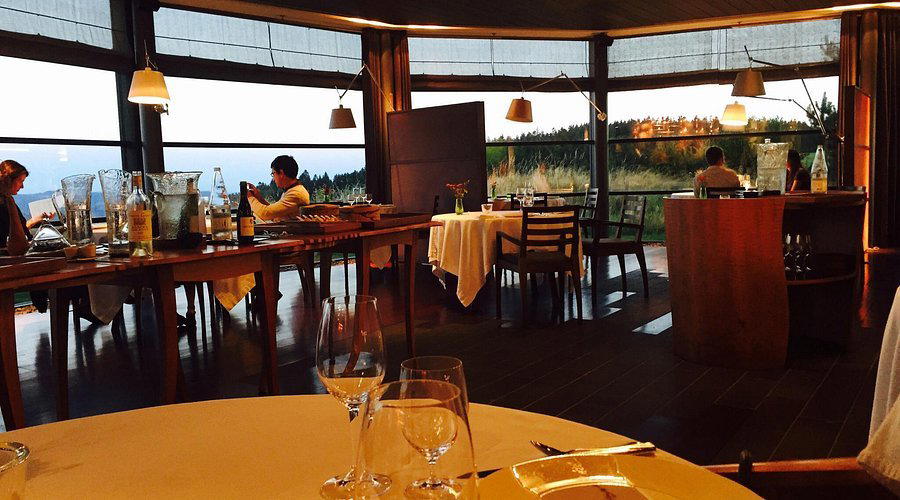
At a Glance
- Romantic
- Elegant
- Scenic
- Sophisticated
- Intimate
- Quiet
- Romantic Getaway
- Anniversary
- Celebration
- Destination Wedding
- Panoramic View
- Destination Spa
- Private Dining
- Garden
- Terrace
- Wifi
- Pool
- Spa
- Room Service
- Concierge
- Restaurant
- Bar
- Bakery
- Cooking School
- Mountain
- Garden
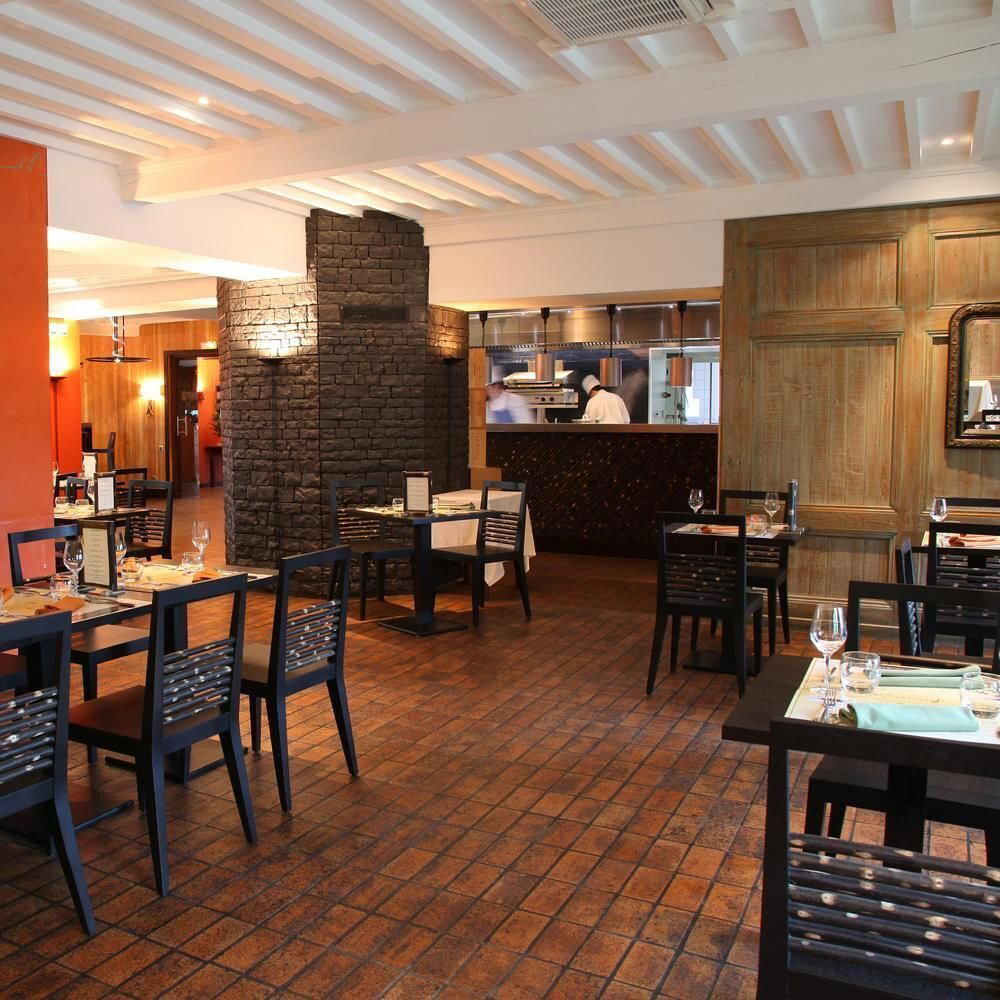
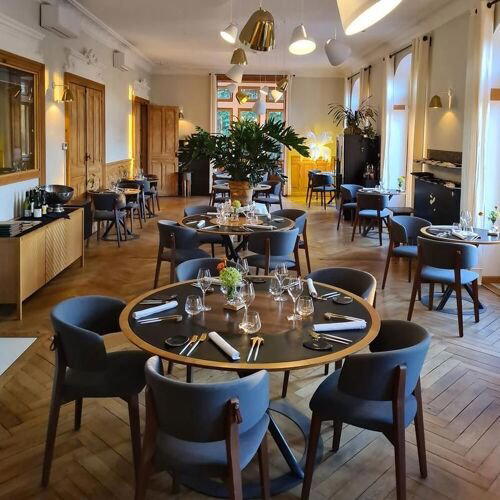
Minimalist, serene design with abundant natural light from expansive windows overlooking the Ardèche mountains and Velay peaks; intimate dining spaces with warm, attentive service that balances professionalism with genuine hospitality.