
Distillerie Buton, the Bologna-area operation behind the Vecchia Romagna brandy label, sits in Zola Predosa at the western edge of Emilia-Romagna's production corridor. Awarded a Pearl 2 Star Prestige rating in 2025, it represents Italy's longer tradition of spirit-making alongside its more celebrated wine culture. For visitors serious about Italian distillate, it belongs in the same conversation as the country's named grappa and brandy houses.
Pearl is the En Primeur Club membership app — saves, bookings, and concierge access live there. Same editors, same standards.
- Address
- Via Enrico Fermi, 4, 40069 Zola Predosa BO
- Phone
- +39 051 617 0411
- Website
- vecchiaromagna.it
 Saves & bookings on Pearl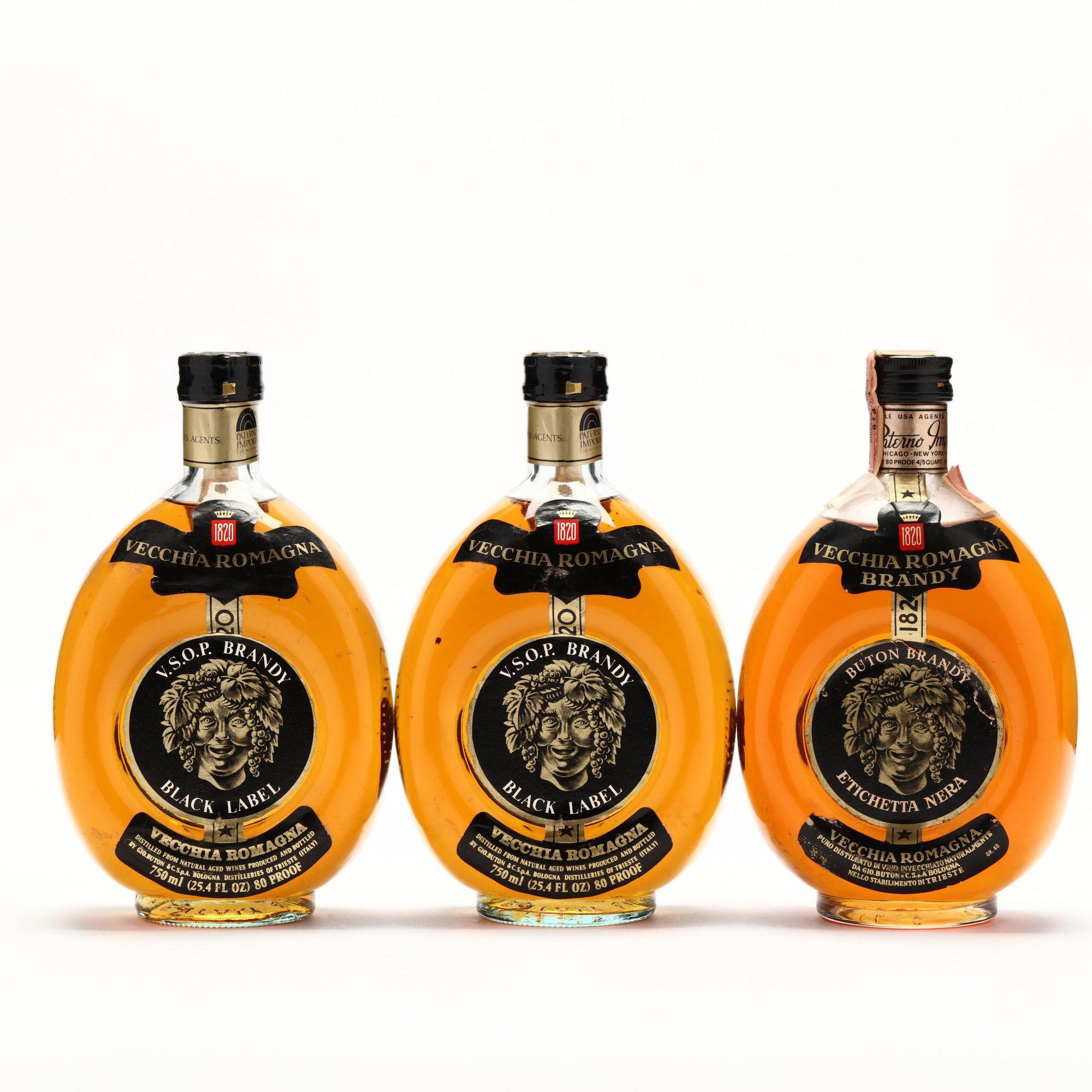
Italy's Brandy Tradition, Mapped from Bologna's Western Fringe
Distillerie Buton (Vecchia Romagna) is a brandy producer in Zola Predosa near Bologna, holding a Pearl 2 Star Prestige (2025). The industrial perimeter of Zola Predosa, a few kilometres west of Bologna along the Via Emilia corridor, is not where most visitors expect to find a production facility that has shaped Italian drinking culture for generations. Yet this is where Vecchia Romagna brandy has long been made, under the Distillerie Buton name, at an address that reads more like a light-industrial estate than a heritage cellar. That dissonance is characteristic of Italian spirits: the country's brandy and grappa houses rarely position themselves as destination experiences in the way that Barolo or Brunello estates do, yet they carry production histories that run deep into the twentieth century and, in some cases, beyond.
Italian brandy occupies a specific, frequently misunderstood register within European distillate culture. Where Cognac and Armagnac are tightly appellation-controlled, Italian brandy developed under a broader regulatory framework that allowed producers considerable latitude in base material and ageing approach. Emilia-Romagna, with its proximity to Trebbiano-heavy vineyards and its tradition of blending and aging for mass-market consistency, became a logical home for brandy production at scale. Vecchia Romagna is the label most associated with that regional heritage, and Distillerie Buton is its production anchor. For context on how Italian spirit producers at this scale compare to their peers, operations like Campari in Milan and Gruppo Montenegro, also Bologna-rooted, define the broader Italian spirits-at-scale category, while dedicated distillate specialists like Nonino Distillery in Pavia di Udine and Distilleria Marzadro in Nogaredo represent the artisanal grappa end of the spectrum.
Terroir and Tradition: What the Land Contributes to Italian Brandy
In a wine context, terroir discussion is standard. In spirits, it is rarer and more contested. Yet the question of where base wine comes from, how it was farmed, and what character it carries into distillation is not irrelevant to brandy. Italian brandy producers historically drew on high-volume Trebbiano production from across central and northern Italy, a grape prized for its neutrality and acidity rather than aromatic complexity. That choice is deliberate: neutral base wine allows the distillation and ageing process to drive the final character, rather than grape aromatics dominating the spirit.
Emilia-Romagna's agricultural character, flat Po Plain viticulture with high yields and reliable acidity, makes it suitable territory for this approach. The region produces quantity with consistency, which is what a brandy operation targeting national distribution requires. This is a different production logic from, say, the site-specific focus of Castello di Volpaia in Radda in Chianti or Planeta in Menfi, where single-estate expression is the commercial proposition. At the brandy scale, the terroir argument shifts from vineyard specificity to the accumulated knowledge of blending, ageing vessel selection, and the microclimate of the ageing warehouse itself.
In that sense, Zola Predosa's position matters less as a wine-growing site and more as a logistical and climatic environment for spirit maturation. The Po Plain's temperature swings between seasons accelerate interaction between spirit and wood relative to the more stable cellars of Atlantic-facing Cognac. This is part of why Italian brandy, when aged for meaningful periods, develops its own character rather than simply mimicking French counterparts.
Peer Context: Where Distillerie Buton Sits Among Italian Producers
The 2025 Pearl 2 Star Prestige award places Distillerie Buton in a recognized tier of Italian production. The facility is by appointment only. For comparison, the Italian spirits and wine production field includes operations recognized at similar or adjacent levels: Distilleria Romano Levi in Neive, whose grappa production earned cult following through entirely different craft logic, and Lungarotti in Torgiano, which built institutional recognition across wine and hospitality in Umbria. These are producers who sit in recognized comparable venues without relying on single-vintage scarcity or Michelin adjacency to establish their position.
Vecchia Romagna as a label has national recognition in Italy that goes beyond the enthusiast audience. It is a brandy that appears at trattoria tables and in the home bar of anyone who grew up in postwar Italian drinking culture. That ubiquity is sometimes read as a commercial rather than a quality signal, but it also reflects a production consistency that smaller artisan producers often cannot match. The same durability applies to other Italian producers with long institutional footprints: Aldo Conterno in Monforte d'Alba and Ca' del Bosco in Erbusco hold comparable positions in their respective categories as producers whose reputations are built on decades of consistent output rather than singular headline moments. For those interested in Italian brandy within the broader arc of the country's wine and spirit production, L'Enoteca Banfi in Montalcino and Accendo Cellars in St. Helena represent different ends of the Italian-heritage production story, one rooted in Tuscan terroir, one carrying Italian winemaking knowledge into Napa.
Visiting and Planning: What to Know Before You Go
The facility sits at Via Enrico Fermi, 4, in Zola Predosa, a western suburb of Bologna reachable by car from the city centre in under twenty minutes. Public transport options exist but are limited, and most visitors with a specific interest in the production site will find driving or a hired car the practical choice. Bologna's own infrastructure as a rail hub, with fast connections to Milan, Florence, and Venice, makes it a logical base for anyone combining Distillerie Buton with broader Emilia-Romagna or northern Italian itineraries. For a full picture of what Bologna's food and drink scene offers beyond this single address, our full Bologna restaurants guide covers the city's range from market-level eating to its more serious dining addresses.
The site operates in an industrial-use area rather than as a consumer-facing tasting destination in the way a wine estate might, so pre-arranged access is the reasonable assumption. The 2025 Pearl 2 Star Prestige recognition suggests the operation is actively engaging with the broader drinks trade and awards circuit, which may indicate greater visitor access than the facility's production-first profile would suggest.
Fast Comparison
Comparable venues nearby, for context on price, style, and recognition.
| Venue | Cuisine | Price | Notes |
|---|---|---|---|
| Distillerie Buton (Vecchia Romagna)This venue — the venue you are viewing | Trebbiano | $$$ | |
| Vecchia Romagna | Trebbiano | $$ | Zola Predosa |
| Gruppo Montenegro | Winery | , | Bologna |
| Distilleria Nardini | Merlot, Cabernet Sauvignon | $$$ | Bassano del Grappa |
| Pieropan | Garganega, Trebbiano di Soave | $$$ | Soave |
| Castello di Monsanto | Sangiovese, Canaiolo | $$$ | San Donato in Poggio |
Continue exploring
More in Bologna
Wineries in Bologna
Browse all →
Bars in Bologna
Browse all →
Restaurants in Bologna
Browse all →
At a Glance
- Classic
- Historic
- Elegant
- Sophisticated
- Wine Education
- Special Occasion
- Historic Building
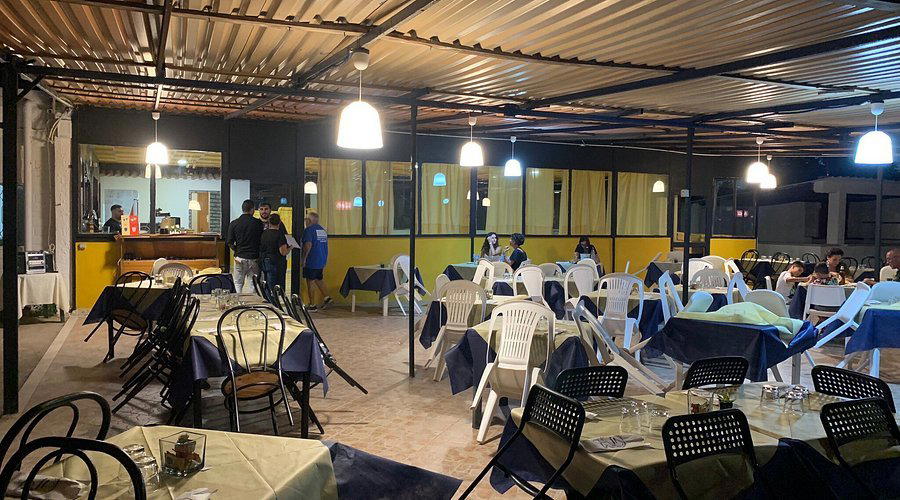
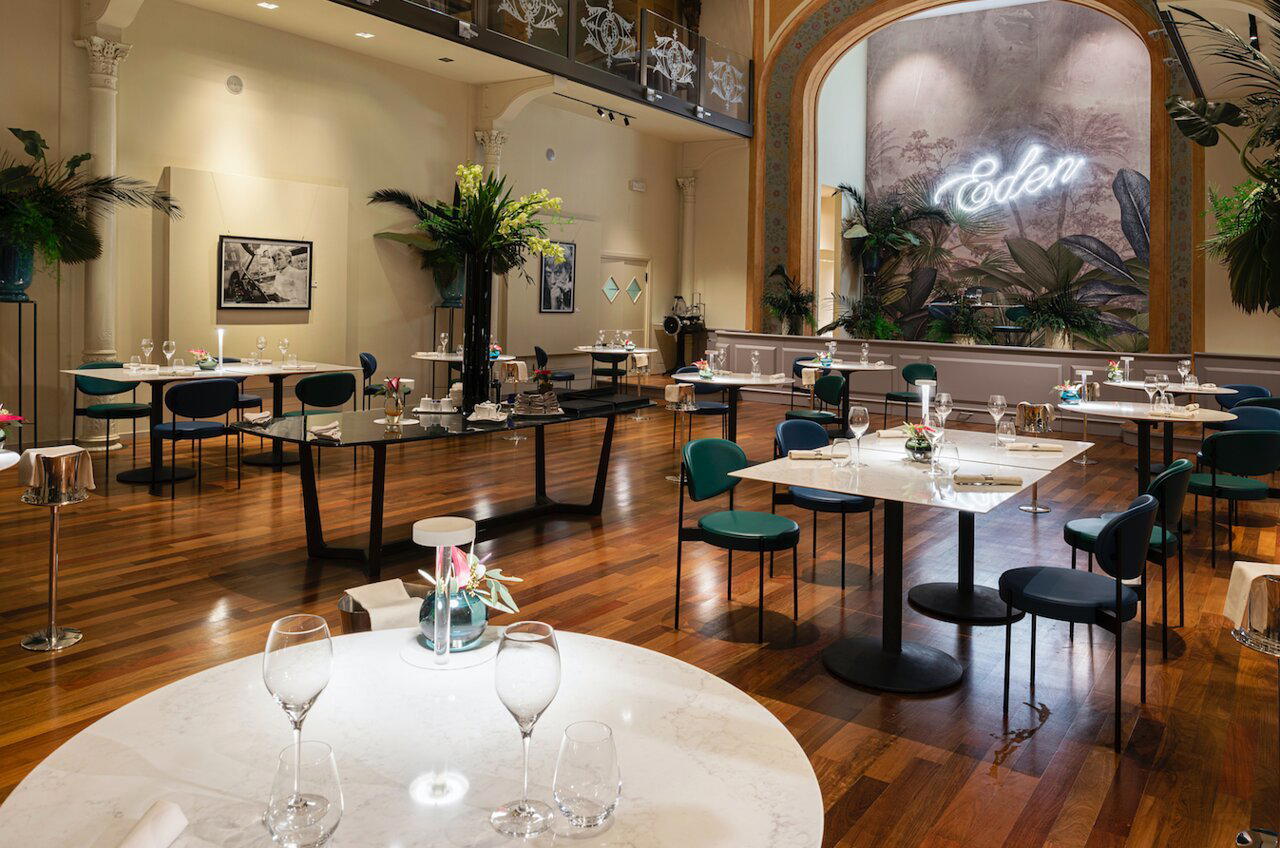
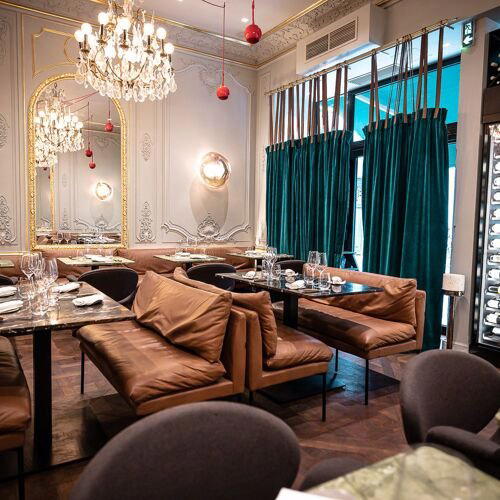
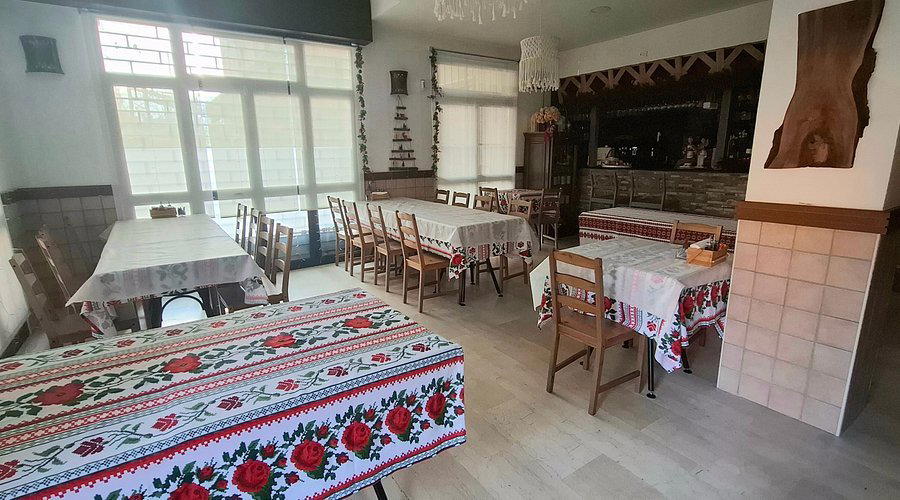
Quiet, intimate atmosphere in historic underground cellars filled with wooden and ethereal scents from ageing barrels.