
Michelin Plate
Our verdict
A seafood-focused address in Bologna's residential south, Acqua Pazza holds a 2025 Michelin Plate and operates every evening of the week at the €€€ price point. The kitchen concentrates on fish and shellfish prepared with minimal intervention, letting the quality of the catch set the standard. For a city built on cured pork and egg pasta, it is a deliberate and well-executed counterpoint.

Pearl is the En Primeur Club membership app — saves, bookings, and concierge access live there. Same editors, same standards.
- Address
- Via Augusto Murri, 168c, 40137 Bologna BO, Italy
- Phone
- +39 051 443422
- Hours
- Mon ClosedTue–Thu 7:30–10 PMFri–Sat 12:30–2 PM, 7:30–10 PMSun 12:30–2 PM
- Directions
- Get directions
- Booking
- Book on TheFork
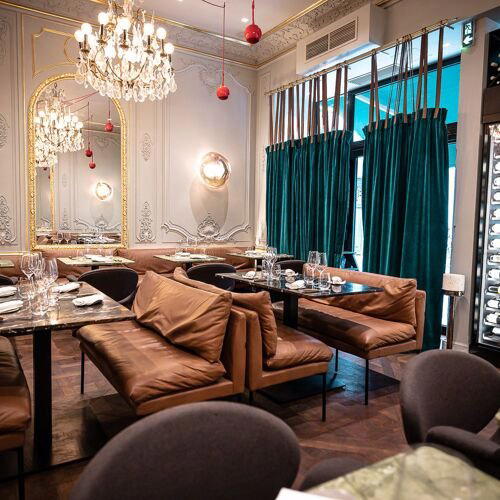
A Landlocked City and Its Seafood Counter
Bologna's food identity is so thoroughly defined by cured meats, aged cheeses, and hand-rolled pasta that a serious seafood restaurant can feel like a provocation. The city sits roughly equidistant from the Adriatic to the east and the Ligurian coast to the west, yet neither shore dominates its cooking tradition. That context matters when reading Acqua Pazza, which has spent years holding a dedicated seafood position at the €€€ tier in a dining scene where most of its price-point peers lean heavily on the Emilian canon. The restaurant sits on Via Augusto Murri in the Murri neighbourhood, south of the historic centre, in the kind of residential quarter where a destination dinner address can sustain itself on returning locals as much as visiting food travellers.
The Sourcing Logic Behind a Fish Menu in Bologna
Running a fish-focused kitchen in an inland city requires a specific discipline around supply chains that a coastal restaurant can take for granted. The Adriatic is close enough — under 90 kilometres from Bologna's ring road — to support meaningful daily sourcing from ports like Cesenatico, Rimini, and Cattolica, all of which supply restaurants across the Po Plain. What separates an address like Acqua Pazza from a generic fish restaurant is how directly that sourcing logic shapes the menu structure. When the kitchen leans on raw seafood preparations at the opening of the menu, as this one does, it signals that the supply chain is tight enough to support dishes where nothing masks the ingredient. Crudo and raw shellfish selections function as a daily credential: they only work when the catch is recent and handled correctly from landing to plate. For comparison, the approach sits closer to the port-to-plate model you find at specialist coastal addresses like Gambero Rosso in Marina di Gioiosa Ionica or Alici on the Amalfi Coast than the style of a city-centre fish bistro serving frozen stock.
The editorial note in the Michelin data is instructive: the guide describes dishes that allow ingredients to take centre stage, with unfussy, classic preparations. That framing is a sourcing argument as much as a stylistic one. When a kitchen chooses restraint over complexity, it is betting on the quality of what arrived that morning. A heavily sauced or elaborately constructed dish can absorb a mediocre ingredient; a piece of simply cooked fish cannot.
Where It Sits in Bologna's Dining Tier
Bologna's restaurant scene in 2025 divides roughly between the Emilian tradition, where Al Cambio and All'Osteria Bottega anchor the mid-range end, and a smaller cluster of contemporary addresses pulling at the edges of that tradition. Ahimè pushes into modern country cooking at the €€ level, while I Portici carries a Michelin star at the €€€€ tier with a creative Italian programme. Acqua Pazza operates at €€€, a price point that in Bologna's context implies a considered wine list, professional service, and a kitchen working with premium ingredients rather than volume margins.
The Michelin Plate recognition it holds in 2025 places it in a specific bracket: one step below star level, but clearly inside the guide's quality threshold. Across Italy's dining scene, Michelin Plates function as a shorthand for restaurants the inspectors return to and consider worthy of the guide's audience, even when the full star criteria aren't met.
Within Bologna's options, Acqua Pazza fills a gap that the Emilian-focused houses leave open. There is no direct competitor at the same price tier offering the same seafood depth, which is part of why it attracts a consistent local clientele in a neighbourhood that is not primarily a dining destination. The Murri area, centred on the long Via Murri corridor running south toward the hills, is largely residential and academic, home to hospital workers, university staff, and long-established families, rather than tourists following a heritage trail through the porticoes. A restaurant that endures there does so on repeat visits, not footfall.
The Wine List as Context
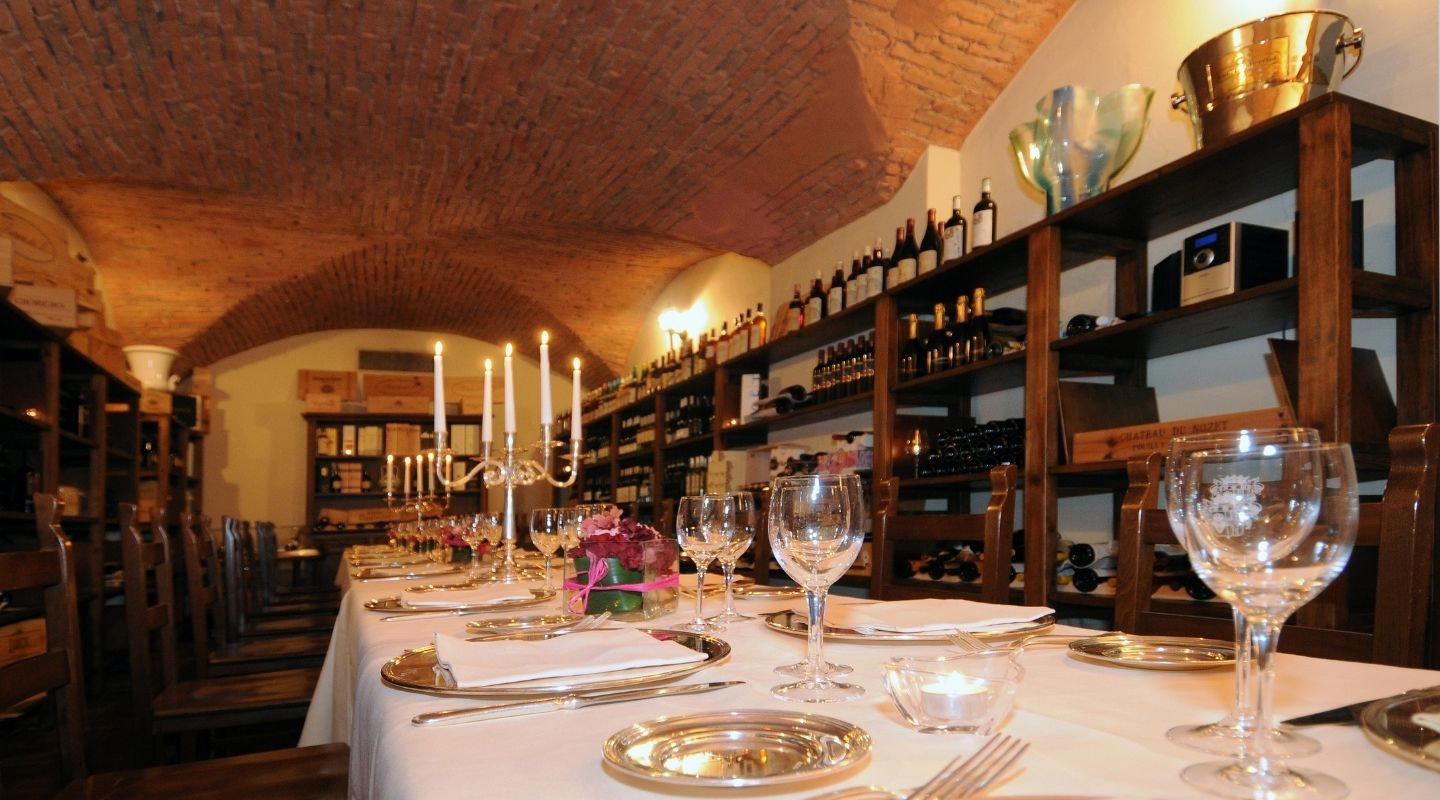
Michelin's description of an impressive wine list is worth reading against the seafood programme. Italy's leading fish restaurants tend to build cellar depth around the obvious candidates, Vermentino, Verdicchio, Falanghina, Campanian whites, Friulian orange wines, but also hold serious depth in aged whites and light reds that work against richer preparations. In a city as wine-serious as Bologna, where the broader region produces Pignoletto, Albana, and the Sangiovese-based reds of the Apennine foothills, a list that complements a fish menu without leaning solely on the Emilian portfolio requires genuine selection discipline. That dimension connects Acqua Pazza to the broader Northern Italian fine dining tradition, represented at the upper end by addresses like Enoteca Pinchiorri in Florence, Osteria Francescana in Modena, and Dal Pescatore in Runate, where the cellar is understood as part of the editorial position, not an afterthought.
Planning a Visit
Acqua Pazza opens for dinner every evening of the week from around 7:30 PM through to 11:30 PM, which gives it one of the more consistent operating schedules among Bologna's serious restaurants, many of which close one or two days weekly. The address is on Via Augusto Murri 168c, in the southern residential belt of the city, a fifteen-minute taxi ride from the historic centre or reachable by bus along the Murri corridor. At the €€€ price point, expect a dinner for two with wine to sit comfortably in the range typical for Bologna's mid-to-upper tier. Booking ahead is advisable, particularly for weekends, as the restaurant draws a predominantly local clientele rather than passing trade. For those building a broader Bologna itinerary, Osteria Bartolini offers further reference points in the city's restaurant scene, and EP Club's full Bologna restaurants guide maps the wider field. Travellers planning the full visit can also consult the Bologna hotels guide, bars guide, wineries guide, and experiences guide for the complete picture.
For reference across Northern Italy's wider fine dining circuit, Le Calandre in Rubano, Enrico Bartolini in Milan, and Atelier Moessmer Norbert Niederkofler in Brunico represent the upper tier of the region's current offer.
What to Order at Acqua Pazza
The raw seafood selection at the opening of the menu functions as the kitchen's clearest statement of intent and is the most direct expression of the sourcing discipline described above. At a restaurant operating in an inland city, a well-executed crudo course is the leading single indicator of how tight the supply chain is on any given night. The broader menu focuses almost exclusively on fish and shellfish, treated in classic, ingredient-led preparations rather than modern interventions, so the most instructive order is one that follows the kitchen's natural sequence: raw dishes first, cooked fish in the main courses, and a wine selection drawn from the list rather than brought independently.
Frequently asked questions
Is Acqua Pazza open every day?
Hours at Acqua Pazza: Monday 7:29 PM-11:30 PM Tuesday 7:29 PM-11:30 PM Wednesday 7:29 PM-11:30 PM Thursday 7:29 PM-11:30 PM Friday 7:29 PM-11:30 PM Saturday 7:29 PM-11:30 PM Sunday 7:29 PM-11:30 PM.
Is Acqua Pazza award-winning?
Acqua Pazza is currently Michelin Plate-listed / Michelin-selected for its Bologna seafood restaurant.
What's the best thing to order at Acqua Pazza?
The raw seafood selection at the opening of the menu is the kitchen's clearest statement of quality and sourcing discipline. Michelin's recognition of the restaurant specifically calls out this course as evidence of ingredient standard. For a fish-focused restaurant operating at the €€€ price tier in an inland city, the raw section is where the sourcing logic either holds or doesn't — at Acqua Pazza, it's where the meal begins in earnest.
In Context: Similar Options
| Venue | Cuisine | Price | Awards | Notes |
|---|---|---|---|---|
| Acqua PazzaThis venue — the venue you are viewing | Modern Italian Seafood | Not listed | Michelin Plate | Not listed |
| I Portici | Modern Italian Fine Dining | $100–150 | 1 Michelin Star · We're Smart World 3 Radishes | Italian, Creative |
| Al Cambio | Traditional Bolognese | Not listed | Michelin Bib Gourmand · The Best Chef One Knife | Bolognese, Emilian |
| Oltre. | Modern Bolognese | $50–100 | Michelin Plate · The Best Chef One Knife | Emilian |
| Ahimè | Modern Italian with Seasonal Ingredients | $50–100 | Michelin Bib Gourmand · We're Smart World 2 Radishes | Modern Bolognese, Country cooking |
| All'Osteria Bottega | Traditional Emilian Osteria | $30–50 | Michelin Plate | Emilian |
Recognition history
Dated appearances from independent guides and award organizations, with the underlying list record or original source where available.
Michelin Plate
Michelin
Continue exploring
More in Bologna
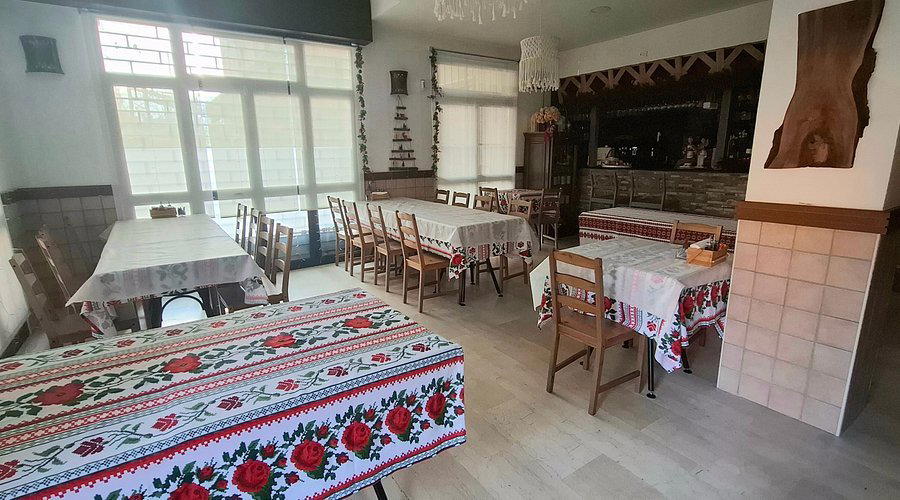
Restaurants in Bologna
Browse all →
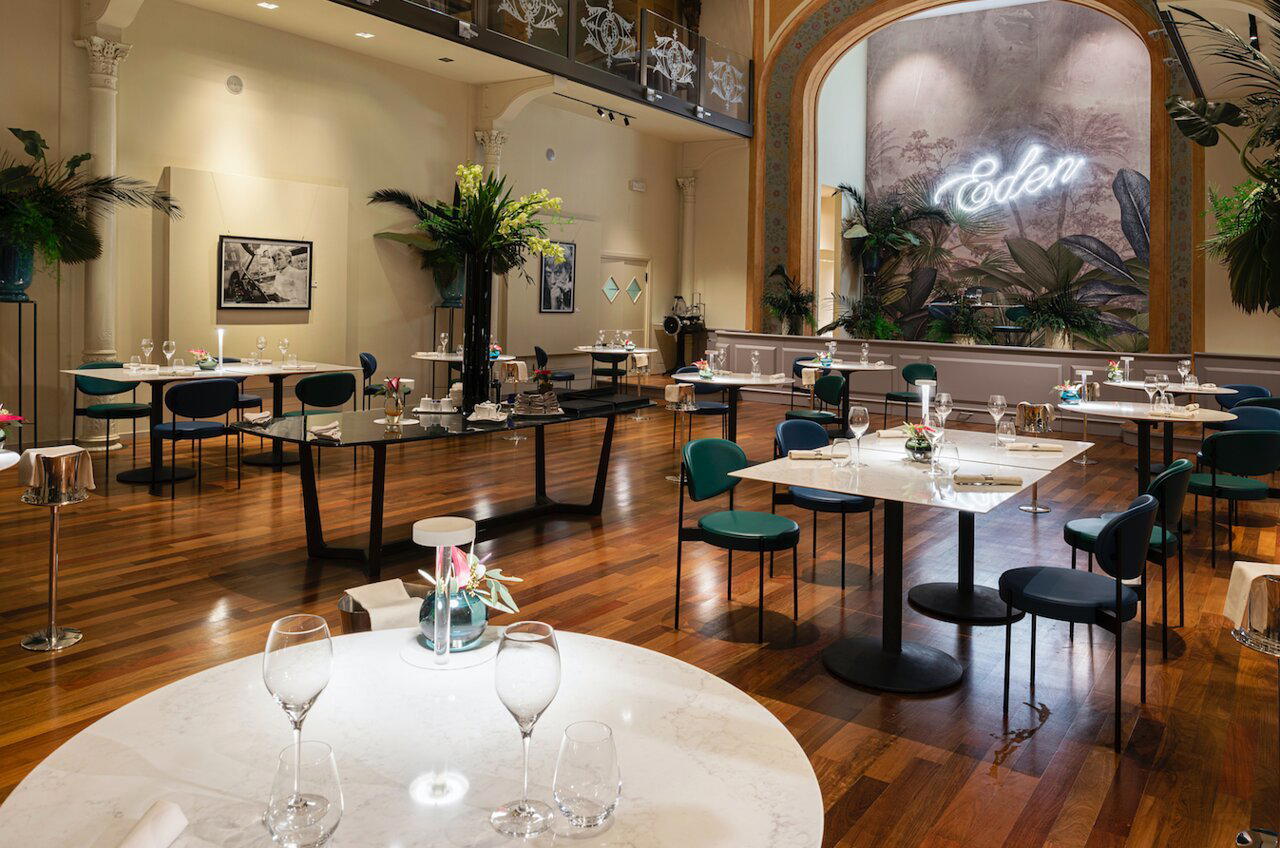
Bars in Bologna
Browse all →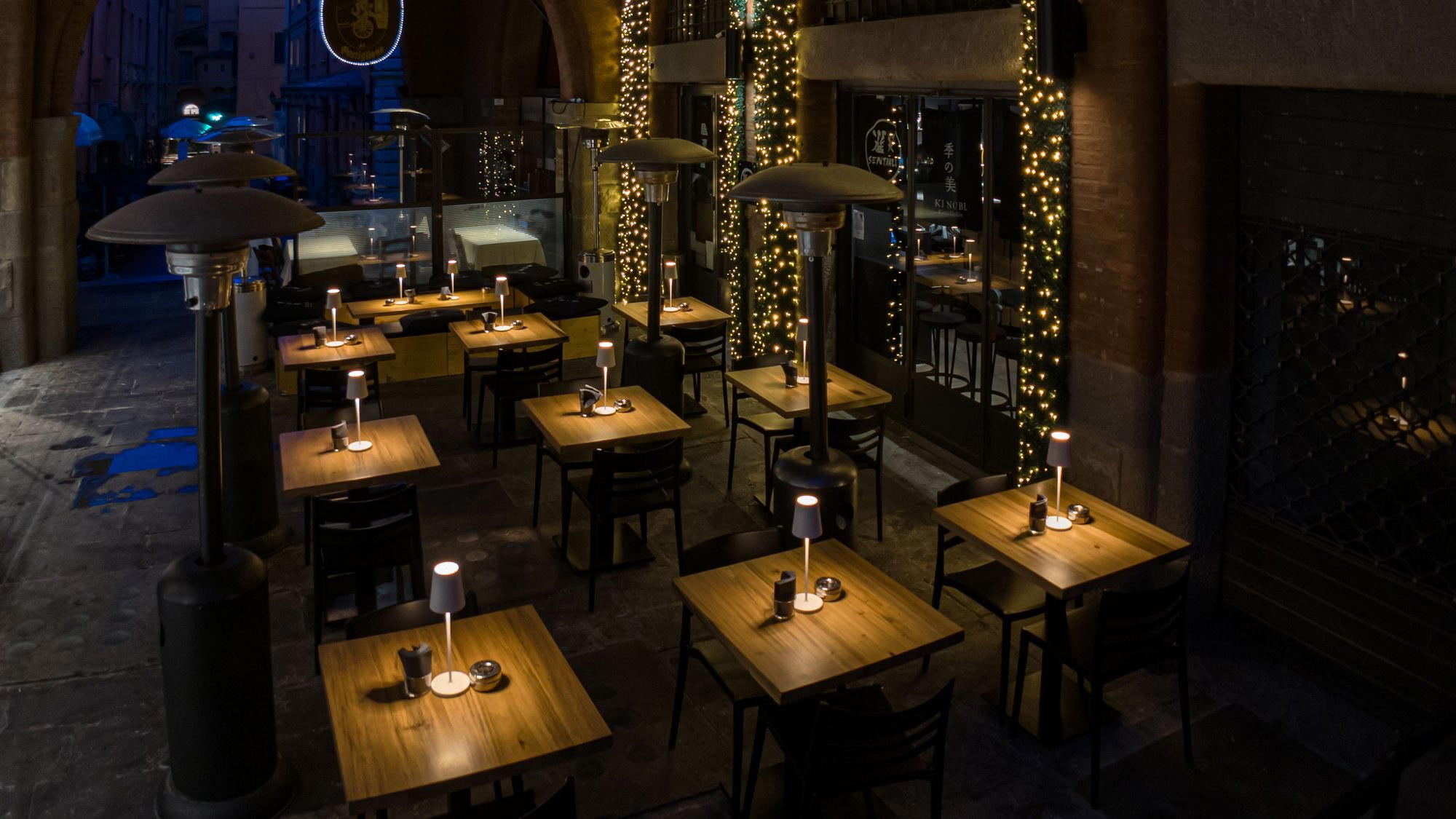
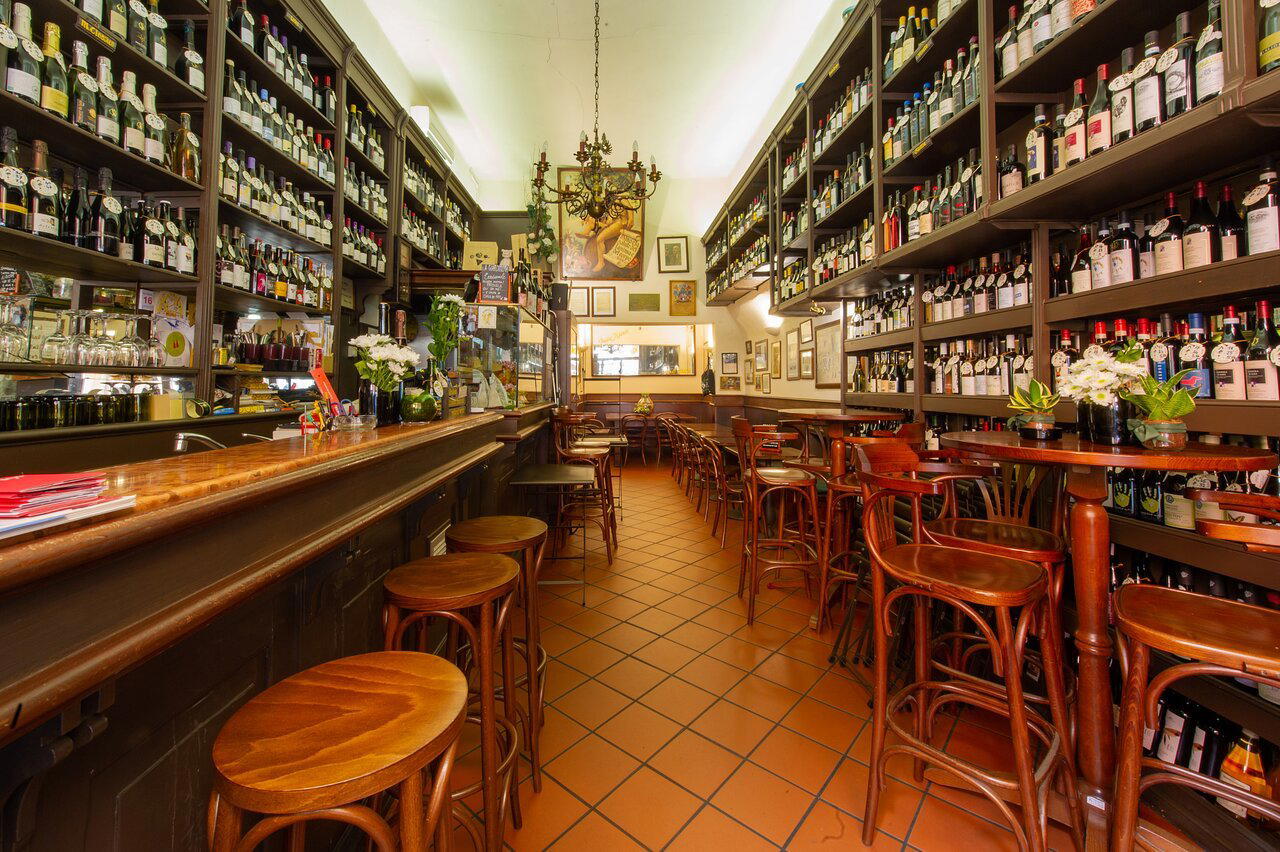
Hotels in Bologna
Browse all →

Acqua Pazza
The wine
- Wine program
- Exceptional wine program
- Extensive wine list
Details
- Elegant
- Sophisticated
- Intimate
- Date Night
- Special Occasion
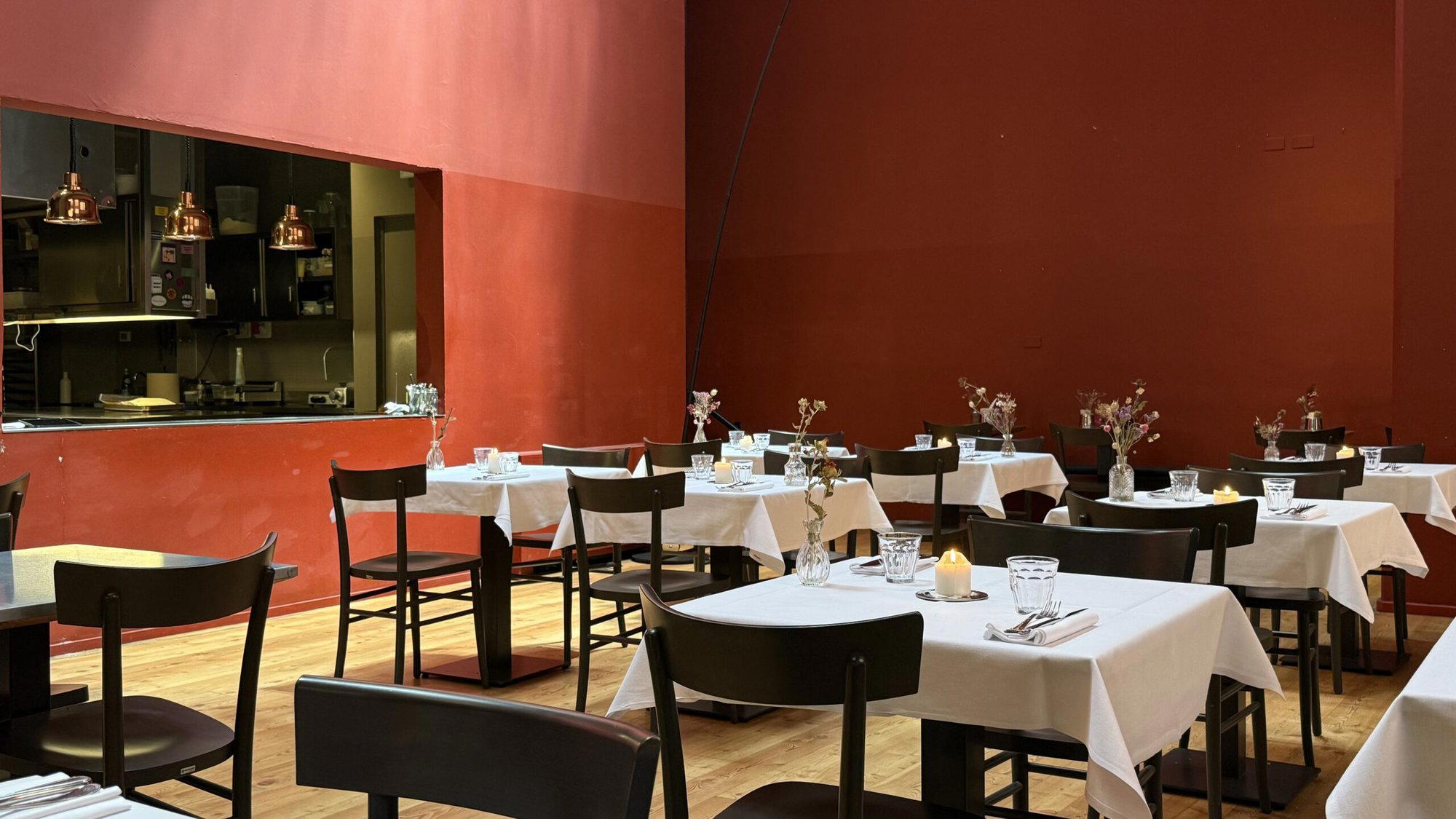
- Open Kitchen
- Extensive Wine List
- A La Carte
- Tasting Menu
- Gluten Free Options
Current opening hours
- Monday
- Closed
- Tuesday
- 7:30–10 PM
- Wednesday
- 7:30–10 PM
- Thursday
- 7:30–10 PM
- Friday
- 12:30–2 PM, 7:30–10 PM
- Saturday
- 12:30–2 PM, 7:30–10 PM
- Sunday
- 12:30–2 PM
Hours can change for holidays and private events. Last verified .
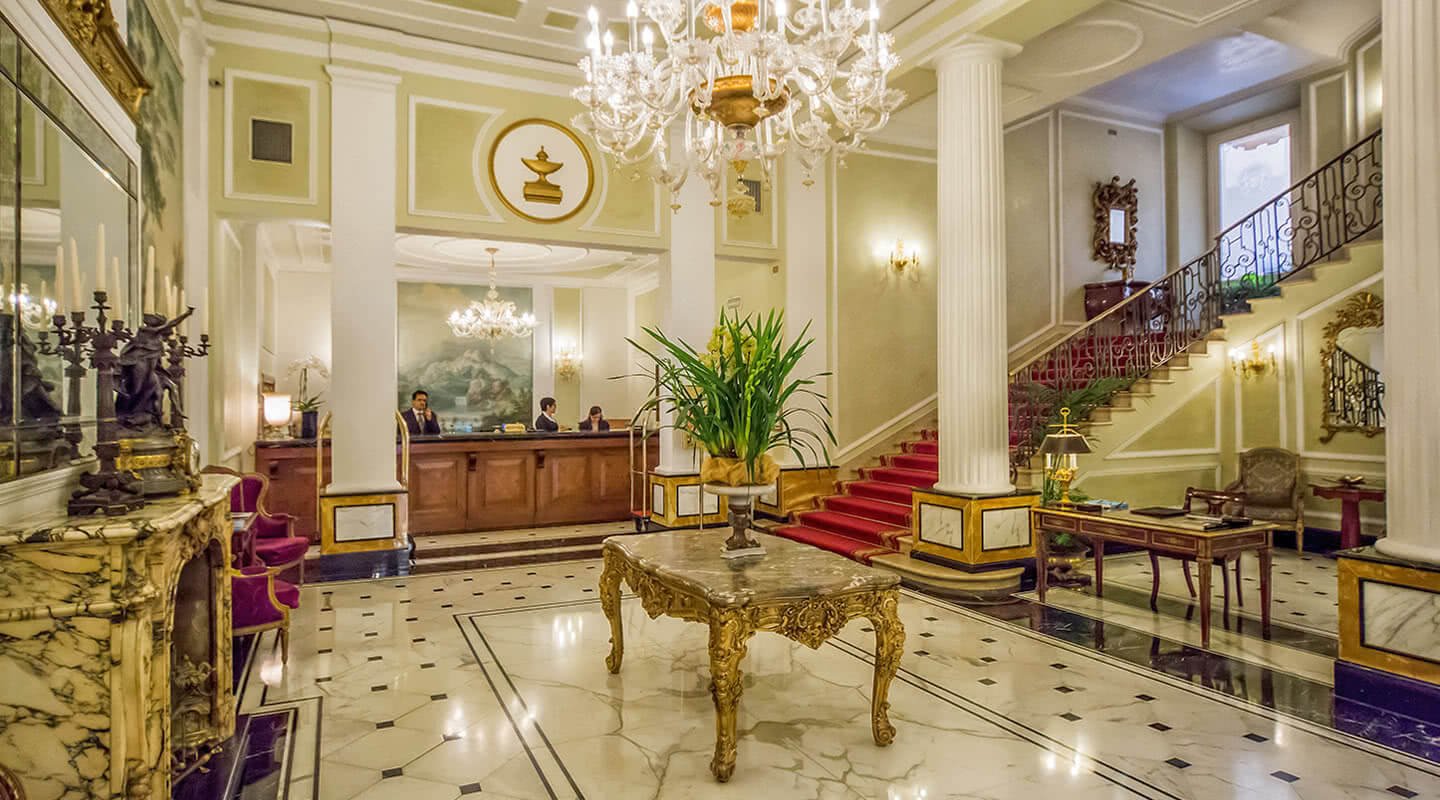
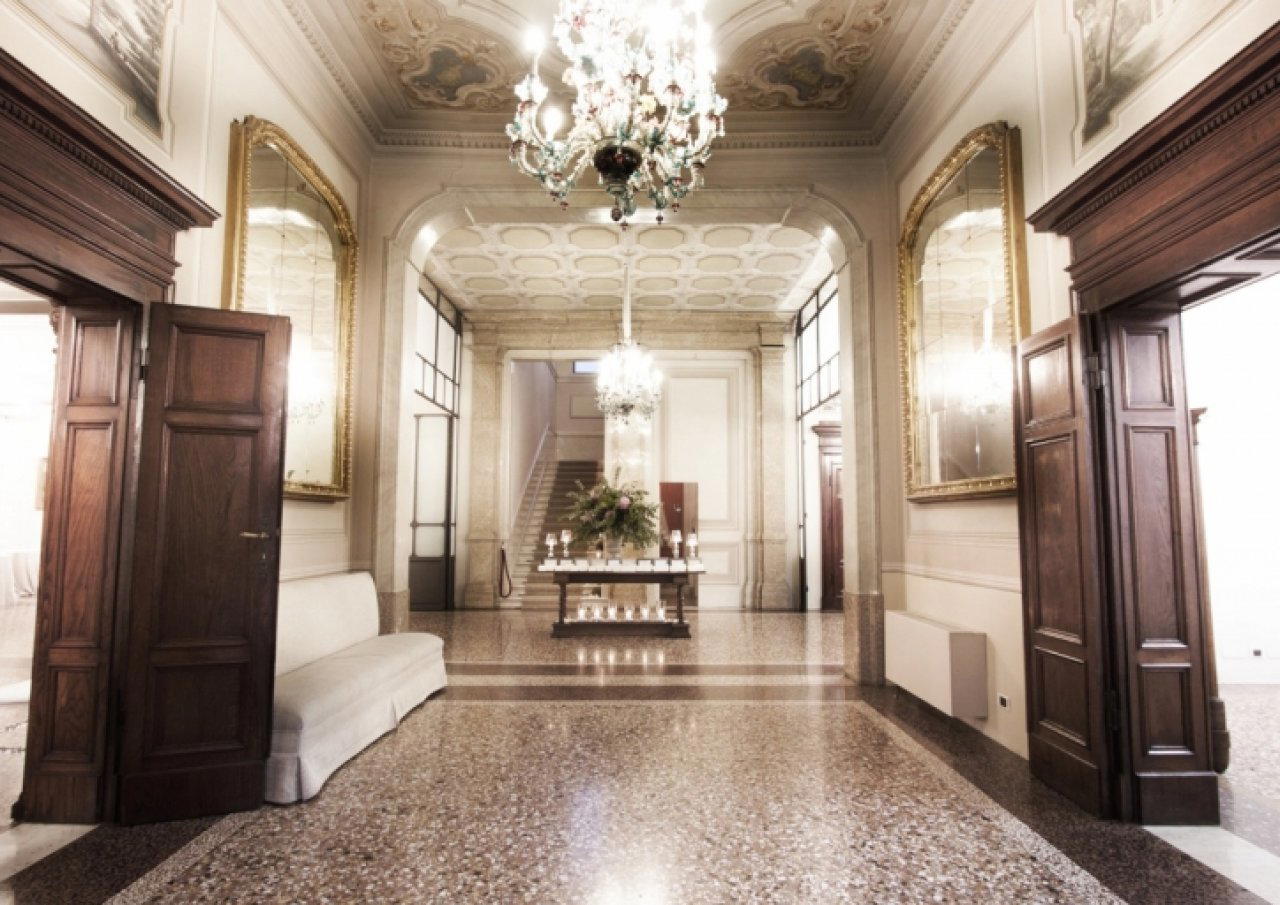
Relaxed and comfortable with beautiful decor, attentive personal service, and a lovely feel enhanced by opera music.