


Michelin Bib Gourmand · We're Smart World 2 Radishes
Our verdict
A Michelin Bib Gourmand holder for two consecutive years, Ahimè sits near Bologna's Mercato delle Erbe and runs a menu that shifts daily around what arrives from the farm. Chef Lorenzo Vecchia's approach tilts heavily plant-based without abandoning traditional Bolognese structure. At the €€ price point, it occupies a different tier from the city's heavier osteria tradition.

Pearl is the En Primeur Club membership app — saves, bookings, and concierge access live there. Same editors, same standards.
- Address
- Via S. Gervasio, 6e, 40121 Bologna BO, Italy
- Phone
- +39 051 498 3400
- Hours
- Mon 7:30–10 PMTue–Sat 12:30–2 PM, 7:30–10 PMSun Closed
- Website
- ahime.it
- Directions
- Get directions
- Booking
- Book on the venue's website
The menu
What to order
- Butter infused with locally foraged juniper with ancient grain sourdough
- Duck tartare with caramelized garlic and berbere spice
- Elbow pasta in spring fava beans and parsley oil
- Tortellini with rib filling
- Cauliflower with white chocolate, milk, capers and sage
Where the Menu Starts at the Market
Bologna's food identity has long been built on abundance: ragù cooked low and slow, mortadella in thick slices, pasta dough that takes years to master. Against that backdrop, a restaurant that changes its menu daily — and sometimes more often than that — according to what the nearby market yields, represents a meaningful counterpoint. The farm-to-table position is common enough as a slogan across European dining; fewer kitchens follow through with the structural commitment that it actually demands, including menus that may look nothing like last week's.
Ahimè sits on Via S. Gervasio, a short walk from the Mercato delle Erbe, Bologna's covered market and one of the more useful gauges of what the season is actually producing in Emilia-Romagna. That proximity is not incidental. The relationship between this kitchen and its ingredient supply runs in the direction most restaurants claim but few engineer: sourcing first, menu second. Visiting the market before or after a meal here gives the experience a useful frame, you can trace what was on display at the stalls to what appears on the plate.
The Plant-Forward Turn in a Meat-Heavy City
Emilia-Romagna is, by most measures, the richest meat-eating territory in Italy. Bologna exports cured pork products that define global charcuterie standards. The region's identity is inseparable from slow-braised cuts and stuffed pasta filled with animal protein. That makes the tilt at Ahimè, toward vegetable-forward plates and explicitly plant-based options, a sharper editorial decision than it would be in Milan or Rome, where the dining culture is less anchored to a single protein tradition.
Chef Lorenzo Vecchia's menus lean heavily on seasonal produce, with vegetarian dishes cited consistently as among the kitchen's strongest work. The approach aligns with the European Green Deal framing that the restaurant has adopted publicly, though the more immediate evidence is on the plate: dishes built around what the farm sends, cooked with enough technical attention to make the plant matter carry its own weight rather than substituting for meat. In the context of where Bologna's dining sits more broadly, with heavier Emilian restaurants like All'Osteria Bottega and Al Cambio anchoring the traditional end, Ahimè occupies a clearly distinct position.
What the Awards Signal
The Michelin Bib Gourmand, held in both 2024 and 2025, is worth understanding precisely. It is not a star, and Michelin awards it to restaurants where the inspectors find cooking of genuine quality at a price point that does not stress the calculation. At the €€ price range, Ahimè sits in the same general tier as traditional Bolognese trattorias, but the Bib Gourmand citation signals that inspectors found something more considered than the average neighbourhood table. Two consecutive years of the award suggests the kitchen is not running on a single good season.
The Opinionated About Dining ranking adds a second data point from a different measurement system. The OAD list aggregates assessments from experienced diners rather than anonymous professional inspectors, which means the signals come from a different kind of attention. Ahimè ranked #471 in the OAD Casual Europe list in 2024 and moved to #787 in 2025, a shift that likely reflects the list's expansion rather than any decline, given the stable Michelin recognition in the same period. That convergence across three different evaluation systems, Michelin, OAD, and public reviews, points toward a kitchen that performs reliably rather than occasionally.
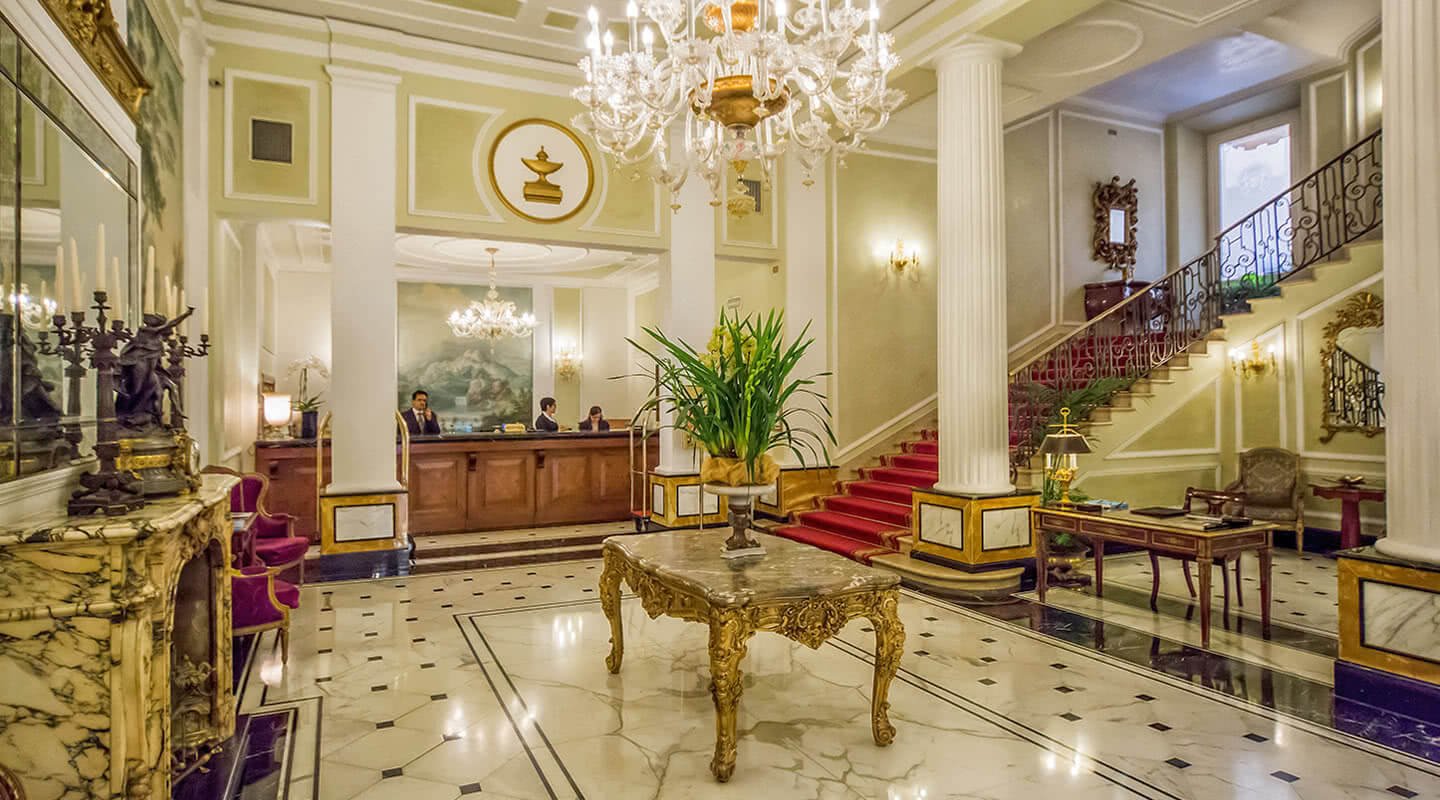
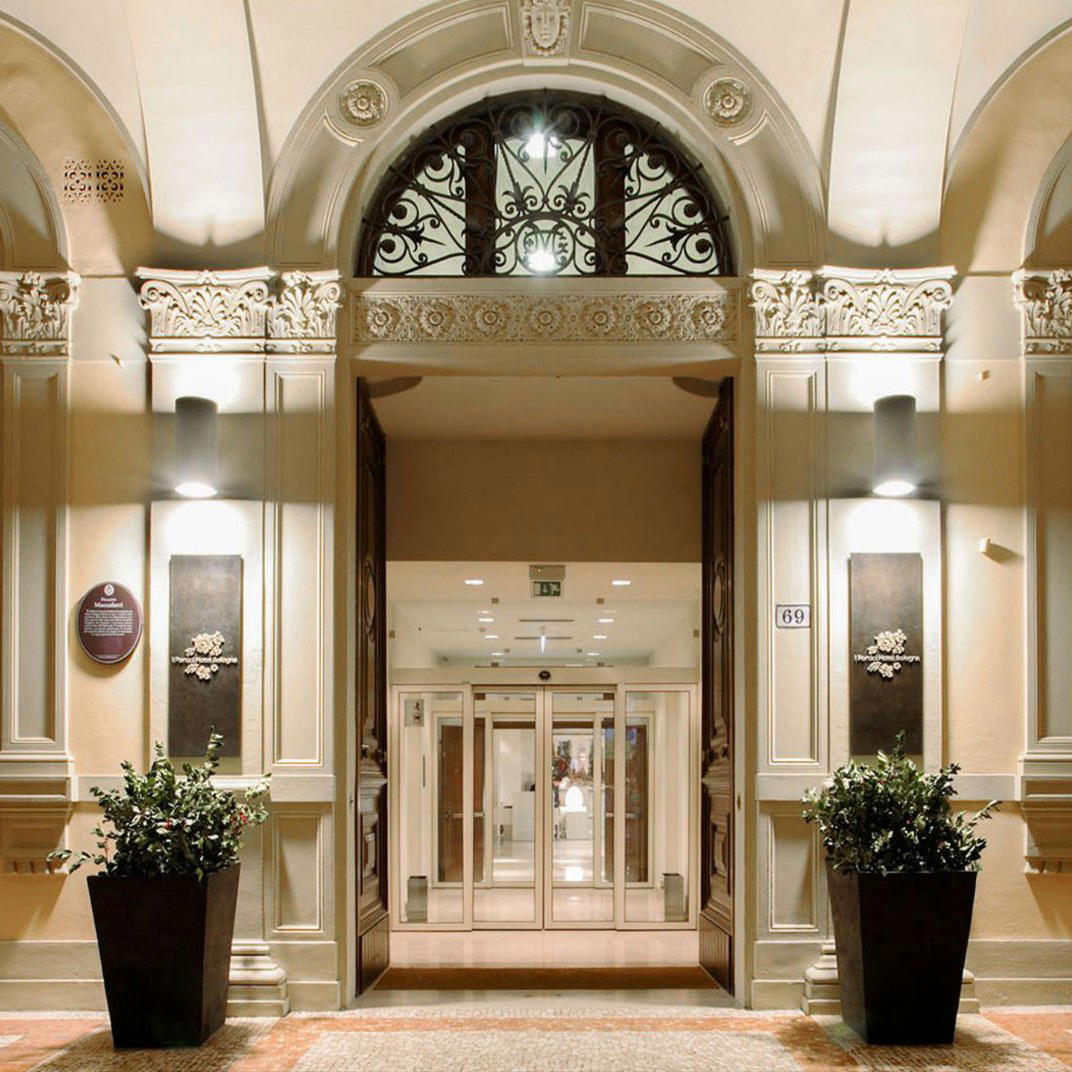
For context on where this sits in the Italian dining conversation more broadly, the country's most celebrated addresses, Osteria Francescana in Modena, Enoteca Pinchiorri in Florence, Enrico Bartolini in Milan, operate at a different price tier entirely. Within Bologna itself, I Portici holds Michelin star recognition at the €€€€ level.
The Daily Bread and the Seasonal Menu
Two elements of the kitchen's work appear consistently in how the restaurant is described by Michelin and the OAD community: the house-made bread, baked daily with attention to technique, and the menu's refusal to standardise. Both are harder to maintain than they appear. Daily bread production requires either a dedicated process or a very small kitchen that makes it a standing priority. A menu that shifts to reflect incoming produce rather than running fixed dishes demands that front-of-house staff stay informed enough to guide guests through options they may not have encountered before.
The style sits at the intersection of what Michelin describes as simple and what the OAD notes as full of flavour, not minimalist in the sense of withheld technique, but direct in presentation, grounded in ingredient quality rather than elaborate construction. This places it in a different category from Bologna's more technique-forward contemporary addresses like Corbezzoli, while remaining distinct from the classical format of the old-school trattorias.
The farm-to-table sourcing model here mirrors approaches practised at higher price points across Italy and Europe. Atelier Moessmer Norbert Niederkofler in Brunico operates a more formally structured version of the same philosophy at three-star level; Dal Pescatore in Runate draws on its own gardens as part of a long-standing kitchen identity. What Ahimè demonstrates is that the sourcing discipline does not require a large production budget, it requires a kitchen willing to absorb the operational inconvenience of not knowing exactly what the menu will look like until the produce arrives.
Planning a Visit
Restaurant operates Tuesday through Saturday for both lunch and dinner, with lunch service running 12:30 to 2:00 pm and dinner from 7:30 to 10:15 pm. Monday is dinner only; Sunday the kitchen is closed. The location on Via S. Gervasio, close to the Mercato delle Erbe, makes a market visit a natural pairing, the market gives useful context for what the kitchen is likely working with that day. At the €€ price point, Ahimè sits comfortably in a range accessible to most travellers planning a Bologna itinerary that already includes a higher-spend meal elsewhere.
For a fuller picture of what Bologna's dining scene offers at different price points and styles, see our full Bologna restaurants guide. Those planning a longer stay will also find reference points in our Bologna hotels guide, bars guide, wineries guide, and experiences guide. For those curious how the farm-driven format compares at the seafood end of the spectrum, Acqua Pazza offers a point of contrast. For international reference, kitchens where sourcing rigour meets high technical investment, Le Bernardin in New York or Atomix in New York represent very different expressions of the same underlying commitment to ingredient integrity.
Frequently asked questions
Who runs the kitchen at Ahimè?
The chef associated with Ahimè is Lorenzo Vecchia.
Where is Ahimè located?
Ahimè is located at Via S. Gervasio, 6e, 40121 Bologna BO, Italy, Bologna.
What do people recommend at Ahimè?
Michelin inspectors and OAD community reviewers consistently single out the vegetarian dishes as the kitchen's strongest work. The fennel with coconut and green pepper sauce appears specifically in Michelin's notes, and the daily house-made bread draws repeated mention across both sources. Because the menu shifts regularly, sometimes day to day, the specific lineup varies, but the plant-based courses are where the kitchen concentrates its most considered technique.
What's the pricing like at Ahimè?
Pricing at Ahimè is listed as €€.
Is Ahimè open every day?
Hours at Ahimè: Hours: Monday 7:30–10:15 pm Tuesday 12:30–2 pm, 7:30–10:15 pm Wednesday 12:30–2 pm, 7:30–10:15 pm Thursday 12:30–2 pm, 7:30–10:15 pm Friday 12:30–2 pm, 7:30–10:15 pm Saturday 12:30–2 pm, 7:30–10:15 pm Sunday Closed.
Price Lens
A small set of peers for context, based on recorded venue fields.
| Venue | Cuisine | Price | Awards | Notes |
|---|---|---|---|---|
| AhimèThis venue — the venue you are viewing | Modern Italian with Seasonal Ingredients | $50–100 | Michelin Bib Gourmand · We're Smart World 2 Radishes | Not listed |
| I Portici | Modern Italian Fine Dining | $100–150 | 1 Michelin Star · We're Smart World 3 Radishes | Italian, Creative |
| Al Cambio | Traditional Bolognese | Not listed | Michelin Bib Gourmand · The Best Chef One Knife | Bolognese, Emilian |
| Oltre. | Modern Bolognese | $50–100 | Michelin Plate · The Best Chef One Knife | Emilian |
| Acqua Pazza | Modern Italian Seafood | Not listed | Michelin Plate | Seafood |
| All'Osteria Bottega | Traditional Emilian Osteria | $30–50 | Michelin Plate | Emilian |
Recognition history
Dated appearances from independent guides and award organizations, with the underlying list record or original source where available.
Michelin Bib Gourmand
Michelin
Opinionated About Dining Casual in Europe Recommended
Opinionated About Dining
We're Smart World 2 Radishes
We're Smart World
Full recognition history (7 entries)
Michelin Bib Gourmand
Michelin
Opinionated About Dining Casual in Europe Ranked #787
Opinionated About Dining
Michelin Bib Gourmand
Michelin
Opinionated About Dining Casual in Europe Ranked #471
Opinionated About Dining
Continue exploring
More in Bologna
Restaurants in Bologna
Browse all →
Bars in Bologna
Browse all →
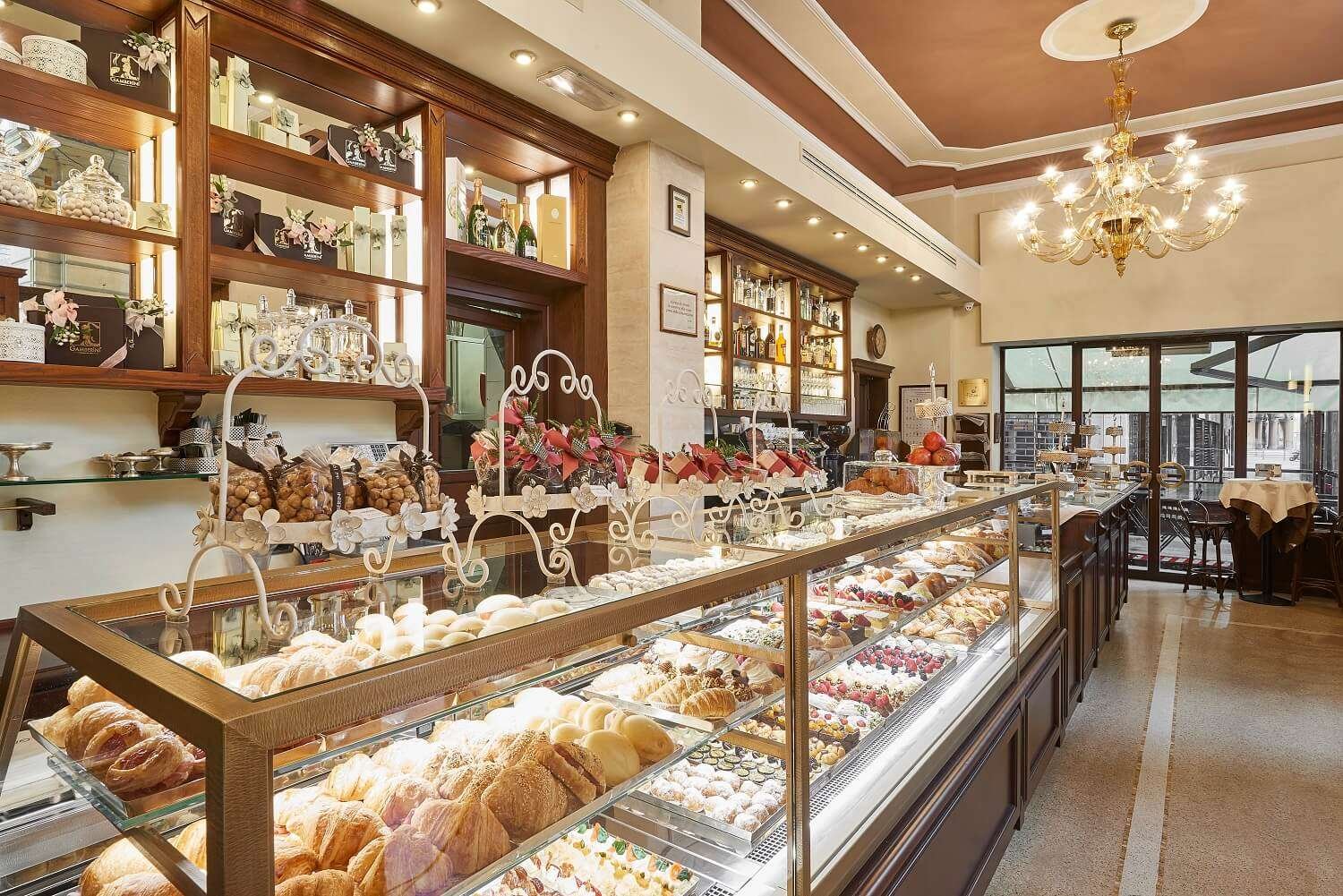
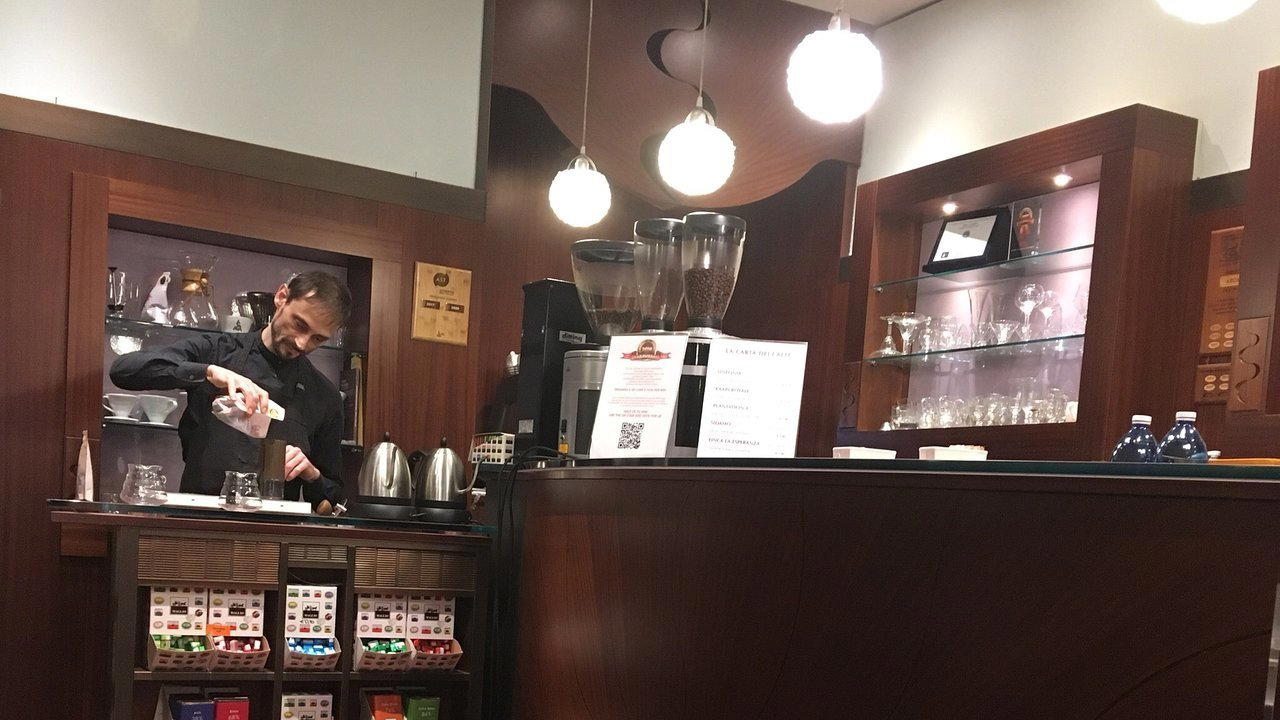
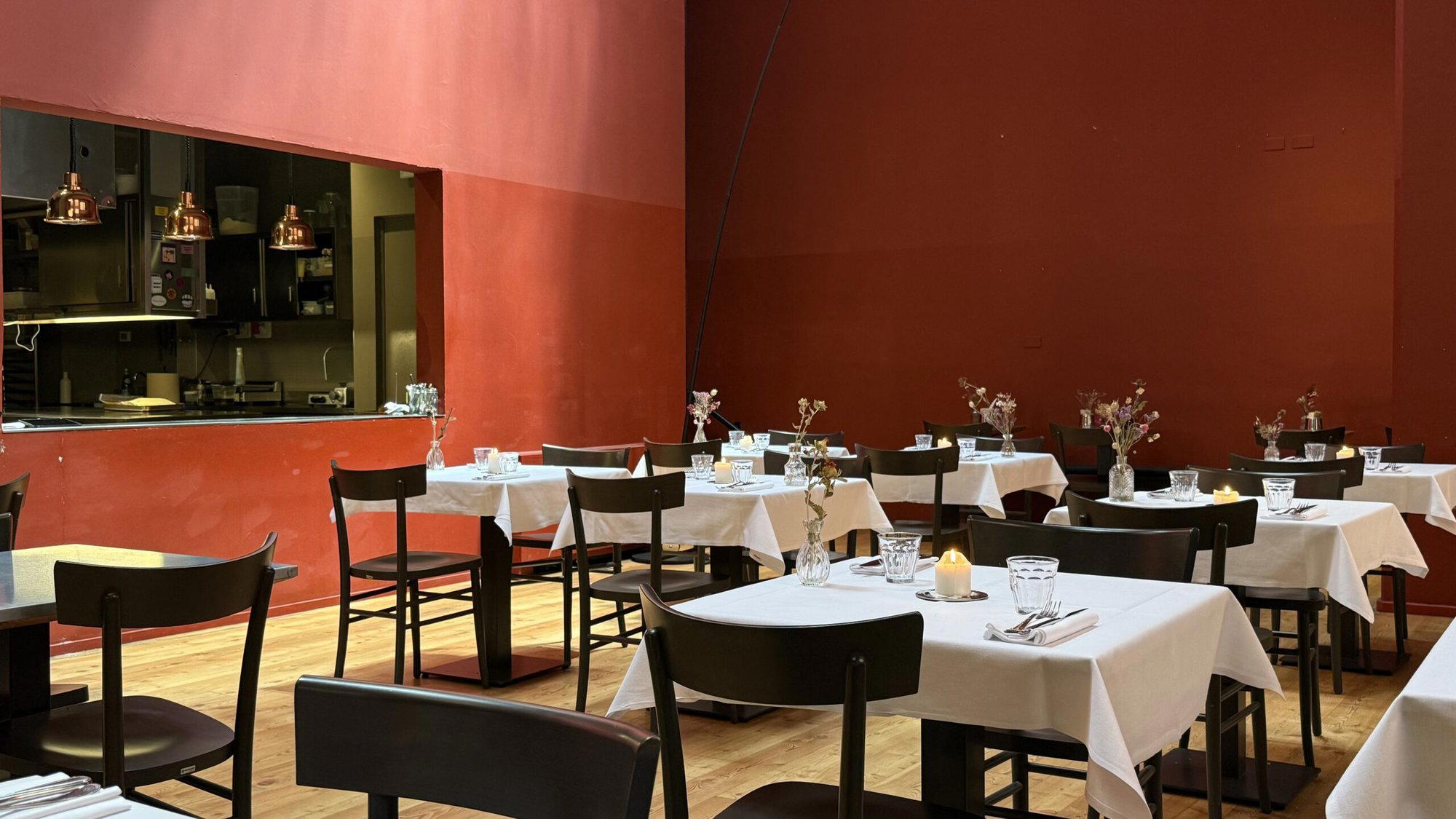
Hotels in Bologna
Browse all →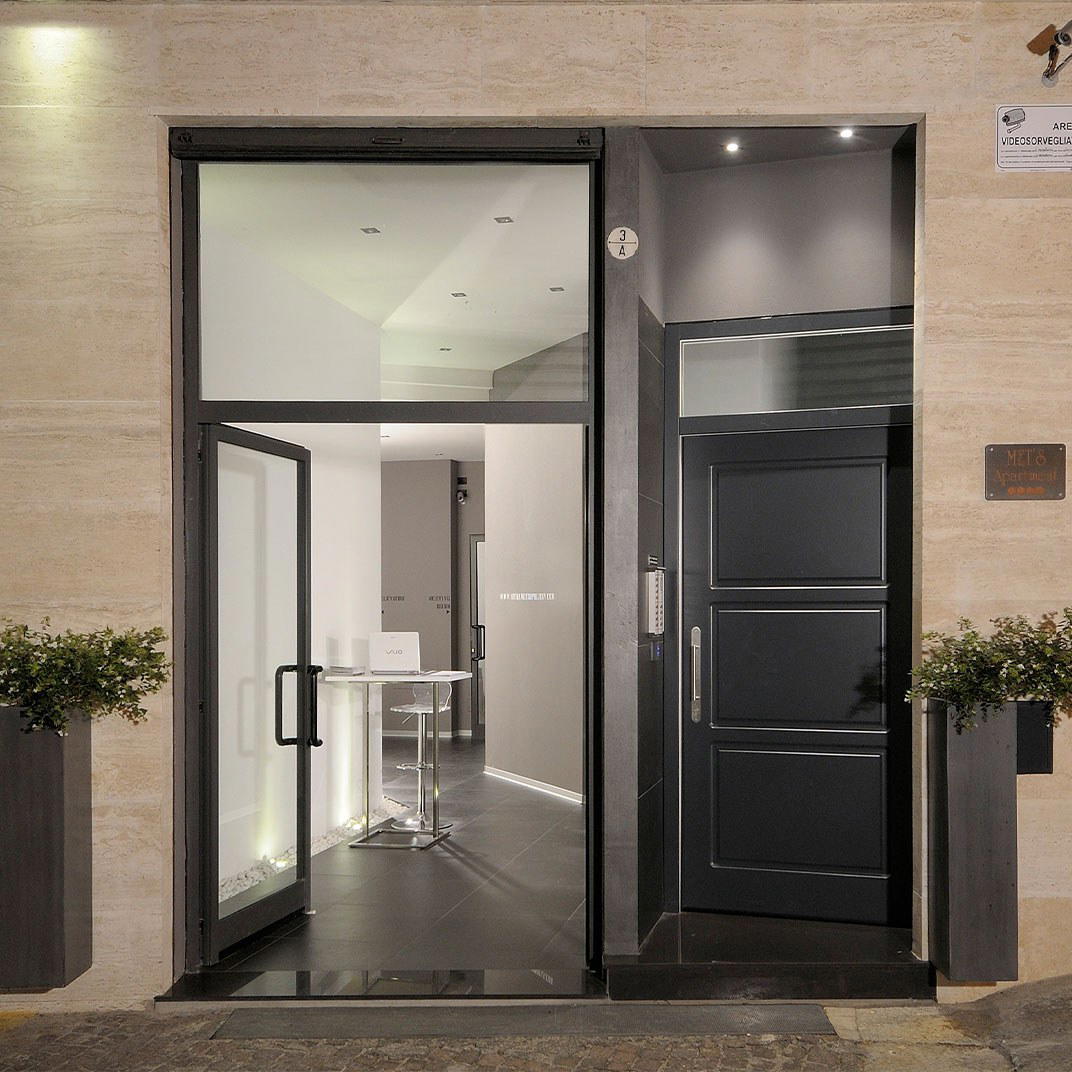

Details
- Modern
- Trendy
- Elegant
- Intimate
- Date Night
- Special Occasion
- Celebration
- Open Kitchen
- Design Destination
- Extensive Wine List
- Natural Wine
- Sommelier Led
- Farm To Table
- Organic
- Natural Wine
- Local Sourcing
- Biodynamic
- Zero Waste
- Tasting Menu
- A La Carte
- Small Plates
- Natural Wine
- Organic Wine
- Local Wine
- Vegetarian Friendly
- Vegan Options
- Organic Focus
- Allergy Accommodating
Current opening hours
- Monday
- 7:30–10 PM
- Tuesday
- 12:30–2 PM, 7:30–10 PM
- Wednesday
- 12:30–2 PM, 7:30–10 PM
- Thursday
- 12:30–2 PM, 7:30–10 PM
- Friday
- 12:30–2 PM, 7:30–10 PM
- Saturday
- 12:30–2 PM, 7:30–10 PM
- Sunday
- Closed
Hours can change for holidays and private events. Last verified .
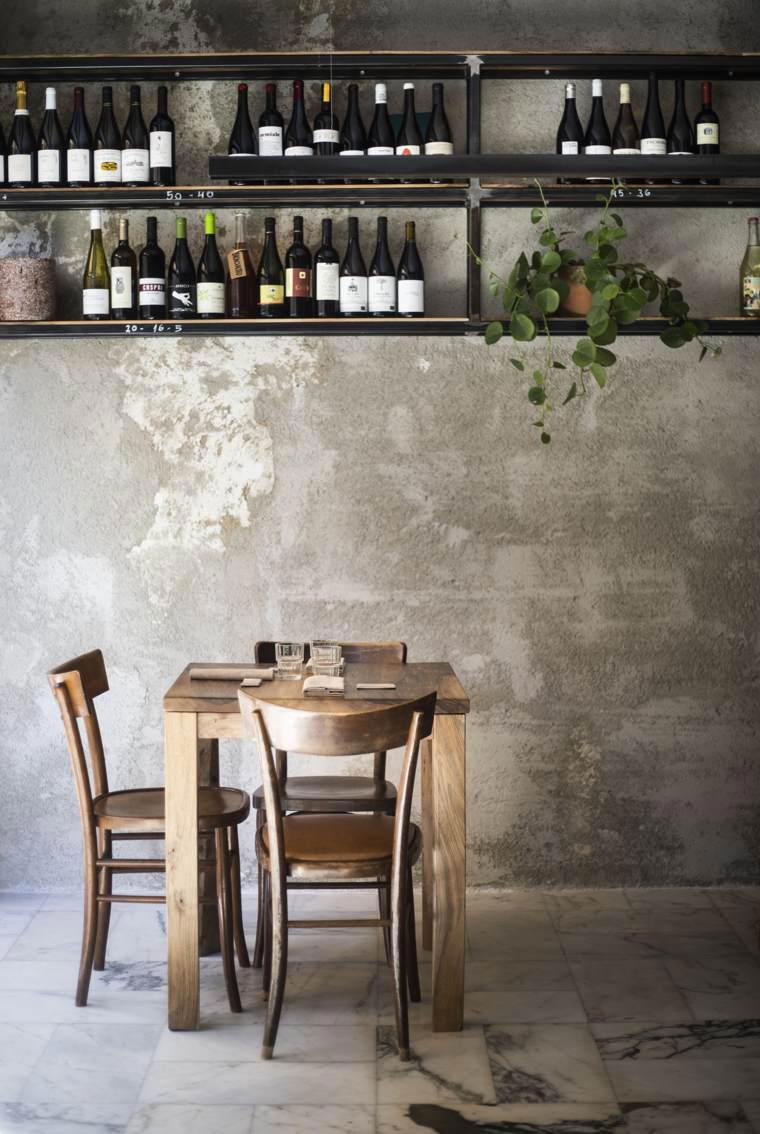
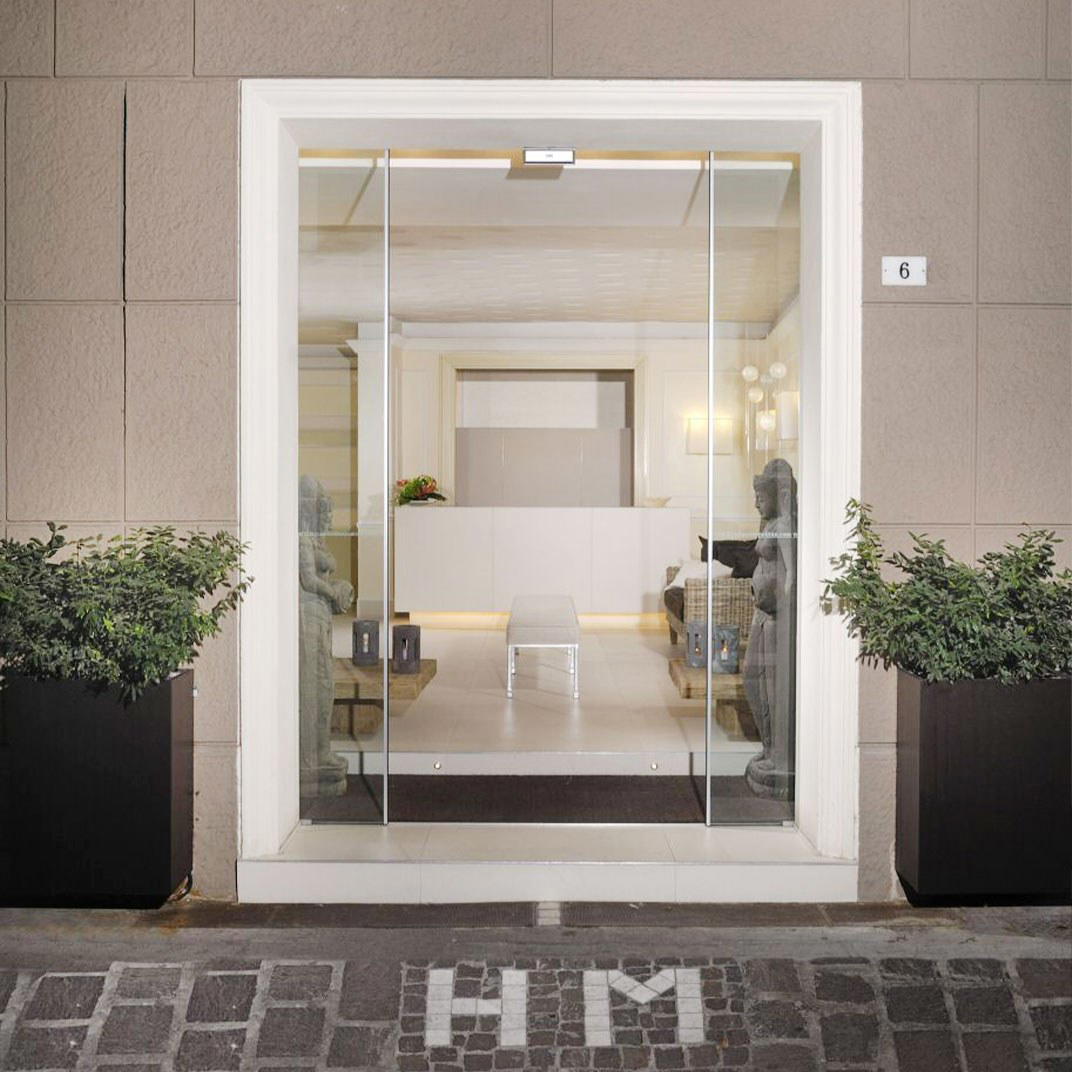
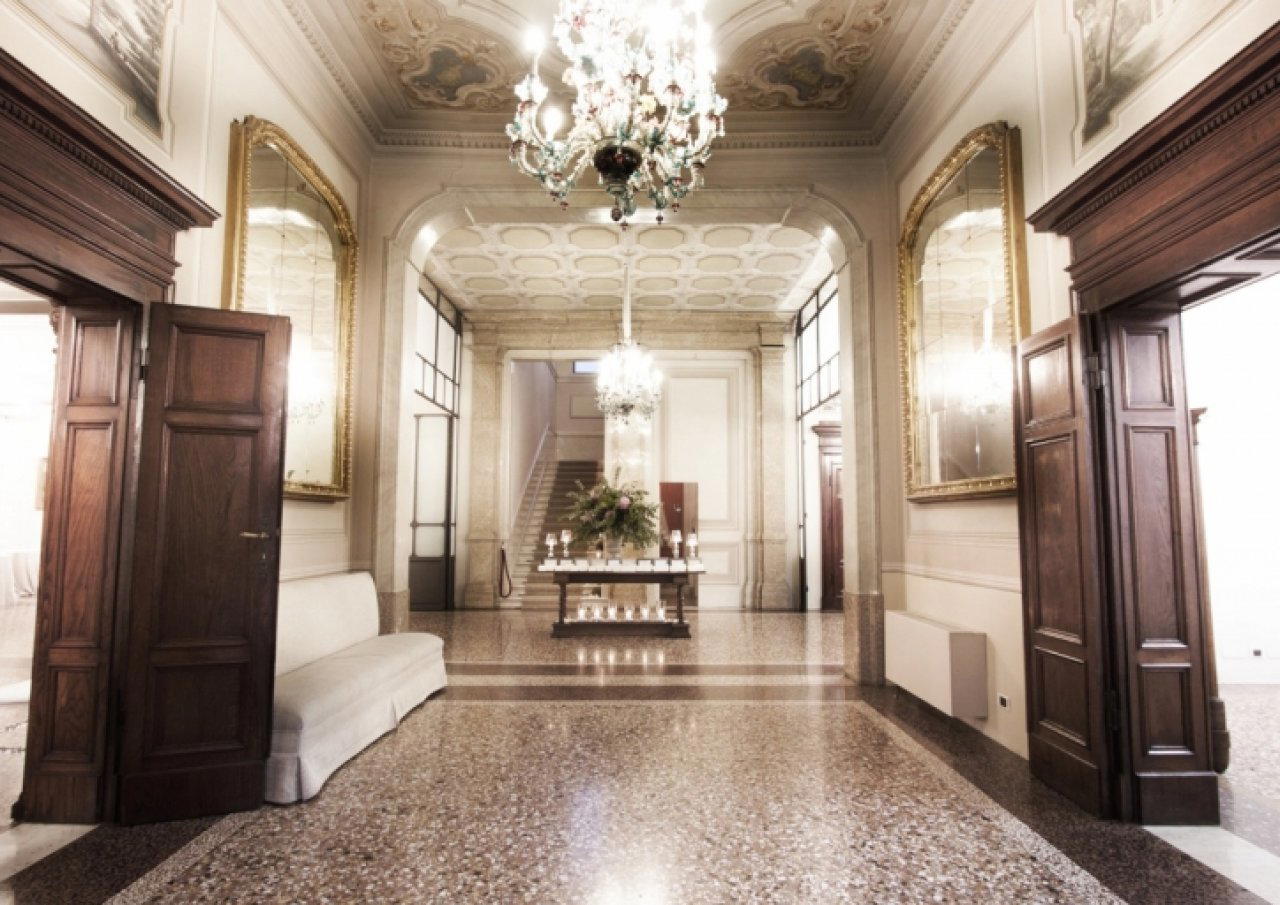
Modern yet cozy interior with thoughtful design creating an intimate atmosphere; light and natural colors with an open kitchen view; youthful and lively neighborhood setting.