

1 Michelin Star · We're Smart World 3 Radishes
Our verdict
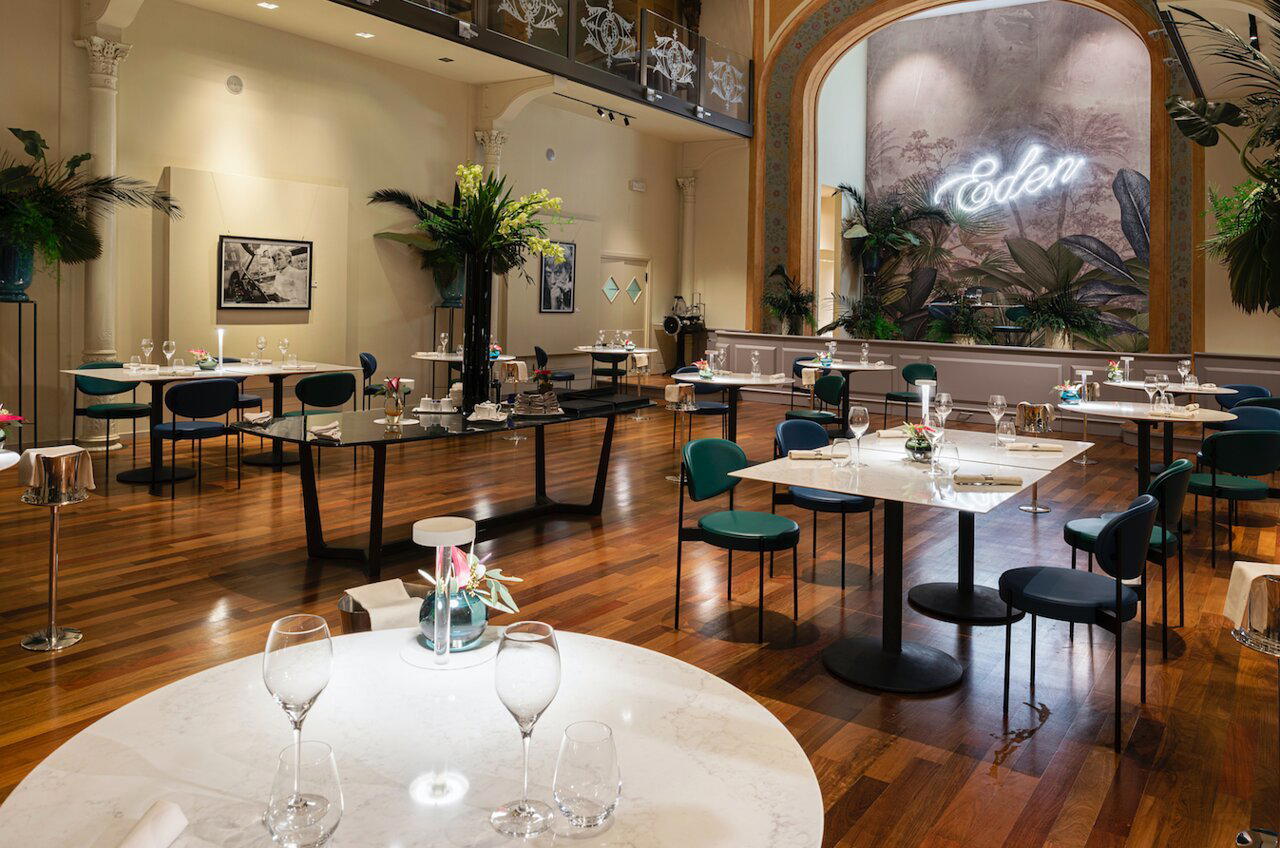
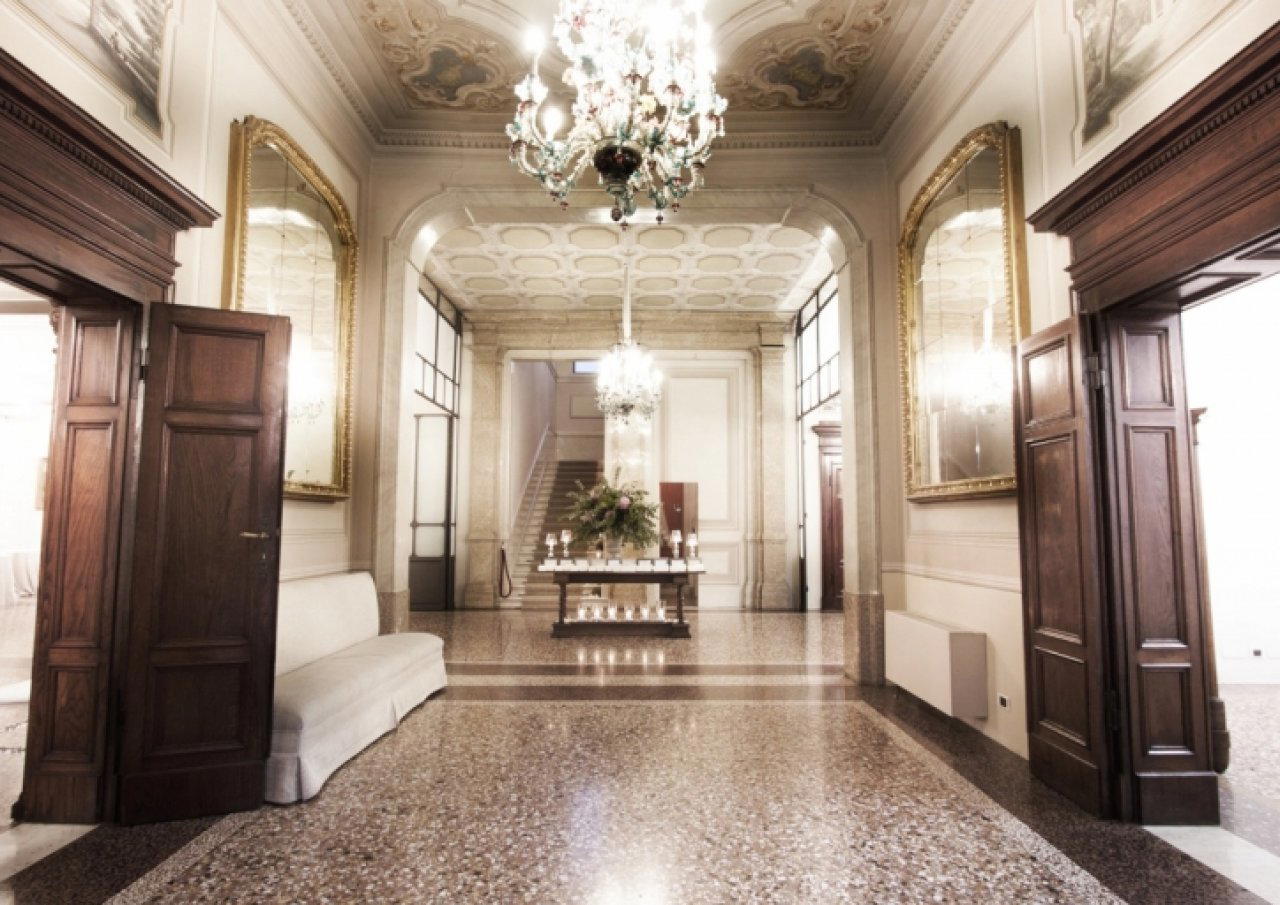
A Michelin-starred restaurant inside Bologna's historic I Portici hotel, occupying a former 19th-century musical café adorned with Liberty-style frescoes. Chef Emanuele Petrosino — named Michelin Young Chef 2019 — bridges Mediterranean technique with Emilian tradition across tasting menus of five, seven, or nine courses. Service runs Tuesday through Thursday evenings only, making advance booking essential.

Pearl is the En Primeur Club membership app — saves, bookings, and concierge access live there. Same editors, same standards.
- Address
- Via dell'Indipendenza, 69, 40121 Bologna BO, Italy
- Phone
- +39 051 421 8562
- Hours
- Mon ClosedTue–Thu 7:15–9:30 PMFri–Sat 12:15–2:15 PM, 7:15–9:30 PMSun Closed
- Website
- iporticihotel.com
- Directions
- Get directions
The menu
What to order
- Fagottelli with aged pecorino
- Red mullet with saffron and potato
- Tuna panzanella
- Lobster-filled mozzarella ravioli
That tension between historical setting and forward-looking cuisine is not unique to Bologna — you find versions of it at Enoteca Pinchiorri in Florence or Enrico Bartolini in Milan — but the scale here is more intimate, and the cooking carries a regional specificity that anchors it firmly in Emilia-Romagna rather than hovering in stateless fine-dining space.
For those exploring the full range of what Bologna's dining scene offers, our full Bologna restaurants guide maps the city's options from neighbourhood trattorias to Michelin-starred tables.
Where the Trattoria Spirit Meets Tasting Menu Structure
Bologna's culinary identity is built on a different set of values than Milan or Rome. The city's trattoria tradition prizes generosity, directness, and an almost militant respect for local ingredients: tagliatelle al ragù in the proportions the Bologna Chamber of Commerce codified in 1972, mortadella from pigs fed on the Po Valley's grain surplus, Parmigiano-Reggiano aged until the paste turns granular and sharp. This is not a cuisine that apologises for richness or hides behind reduction.
What makes the cooking at I Portici register as something distinct within that tradition is the way it absorbs those Emilian reference points without simply reproducing them. Emanuele Petrosino, who the Michelin Guide named Young Chef in 2019, works at a junction between the Mediterranean lightness he trained toward and the density of Emilian pantry staples. The result is dishes built on pure ingredient flavour rather than classical sauce architecture, pasta filled with 36-month Parmigiano-Reggiano alongside beans, endive, and Crushi peppers is one recorded example, where the aged cheese does the structural work without a supporting cream or butter reduction. It is Emilian in its reverence for the ingredient, Mediterranean in its restraint with fat.
This approach places I Portici in a specific sub-category within Bologna's dining tier: not the traditional trattoria warmth of All'Osteria Bottega or the mid-century Bolognese formality of Al Cambio, but a creative register that shares some ground with Ahimè and Corbezzoli without being equivalent to either. The Michelin one-star awarded in 2024 formalises a positioning that the kitchen had been building toward for several years. Wine pairings are handled by a sommelier whose recommendations are described in the Michelin record as knowledgeable, a characterisation that, in Michelin's notably compressed vocabulary, carries genuine weight.
The wine programme in a restaurant sitting inside the Emilia-Romagna corridor has obvious regional material to draw from: Lambrusco in its serious, dry Grasparossa or Sorbara expressions, Albana di Romagna, the occasional Colli Bolognesi Pignoletto that handles the kitchen's lighter preparations better than most guidebooks suggest. Whether the cellar leans into this regional depth or ranges more broadly across the Italian south and central appellations is worth asking at booking.
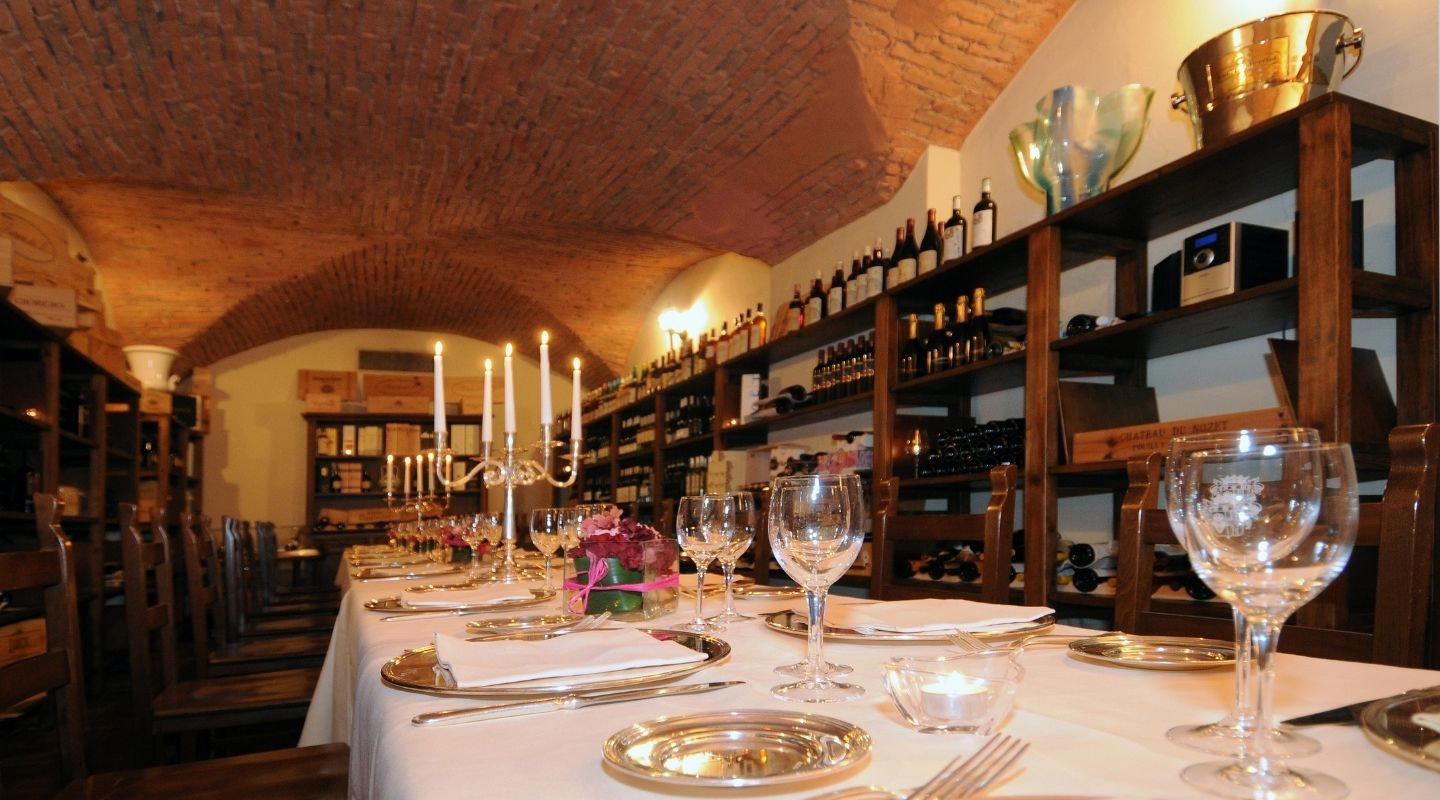
Physical cellar is not a back-room detail here. Tables are available in a 14th-century icehouse attached to the main room, where a glass floor exposes the wine storage below. It is the kind of architectural feature that could easily read as gimmick; in practice it functions as a genuine differentiator for guests who want a quieter, more enclosed atmosphere than the main frescoed room provides. For a table in that space specifically, it is worth requesting at the time of reservation rather than on arrival.
Comparison to similar creative Italian programmes in other cities is instructive. Osteria Francescana in Modena operates at three stars with a very different scale of international recognition; Atelier Moessmer Norbert Niederkofler in Brunico and Dal Pescatore in Runate each represent the multi-star bracket with long-established reputations. I Portici operates below that tier in terms of star count but within the same national conversation about what Italian fine dining owes to its regional base. For the reader who wants that conversation at a one-star price point and in Bologna specifically, the calculus is direct.
€€€€ pricing reflects the city's premium tier. For context, much of Bologna's well-regarded dining sits at €€, Al Cambio, Ahimè, and All'Osteria Bottega all operate at that middle bracket, while Acqua Pazza sits at €€€. I Portici's four-bracket position is the ceiling of the city's restaurant pricing and should be treated as such when planning. The nine-course menu with wine pairing will represent a significant per-head spend; the five-course entry point is the more accessible version of the same kitchen. Number 69 places the restaurant within a ten-minute walk of the medieval towers and the covered porticoes that define the city's streetscape at ground level. It is not a hidden address or a destination requiring navigation; the I Portici hotel occupies a prominent position on a prominent street, which gives it a different civic character from the destination-in-the-hills model of some Italian fine dining.
The schedule requires attention. I Portici is open for dinner Tuesday through Thursday only, from 7:15 PM to 9:30 PM, and is closed Friday, Saturday, Sunday, and Monday. This is a narrow window by any measure: three evenings per week, with a 9:30 PM last seating that gives the kitchen a controlled service period. Booking ahead is not optional at this service frequency.
Guests staying at the I Portici hotel have the option of treating this as their in-house restaurant, which changes the planning logic: the hotel's position gives access to the full range of Bologna's dining and cultural offer. For broader context on where to stay in the city, our full Bologna hotels guide covers the available options across price tiers and neighbourhood positions. The city's bar scene, accessible through our full Bologna bars guide, is worth building into any multi-evening itinerary that includes dinner at I Portici.
For those planning a broader Emilia-Romagna visit that extends beyond Bologna, our full Bologna wineries guide and full Bologna experiences guide provide the additional context for a longer stay. Creative Italian programmes at comparable ambition levels elsewhere in the country include Quattro Passi in Marina del Cantone and Il Piccolo Principe in Viareggio, both operating in the Italian coastal register that Petrosino's Mediterranean training connects to in a different geography. For a perspective on how the Italian creative cuisine tradition travels internationally, Rosetta in Mexico City offers a useful point of comparison.
What Dish Is I Portici Famous For?
The kitchen does not operate around a single signature in the way some single-dish restaurants do, but the Michelin record documents fresh pasta filled with 36-month Parmigiano-Reggiano, beans, endive, and Crushi peppers as a representative example of Petrosino's approach. It is a dish where the aged cheese provides both texture and salinity, the endive introduces a measured bitterness, and the Crushi peppers (a sweet variety from Campania) add brightness without heat. It illustrates the kitchen's method: Emilian ingredients handled with Mediterranean restraint, where the filling does layered flavour work that a classical Bolognese filling resolves differently. The linguine with garlic, oil, chilli, cabbage, and scampi is the second recorded example, sitting in the same register of restrained technique applied to strong ingredients.
Frequently asked questions
Who's behind the kitchen at I Portici?
The chef associated with I Portici is Gianluca Renzi.
What dish is I Portici famous for?
The kitchen does not anchor its identity to a single signature plate, but the Michelin record specifically documents fresh pasta filled with 36-month-aged Parmesan, beans, endive, and Crushi peppers as representative of the kitchen's approach: Emilia Romagna's richness filtered through Mediterranean restraint. The three tasting menus (five, seven, and nine courses) are the primary lens through which the cooking is experienced, so no single dish carries the full weight here — the arc of a service does.
What price level is I Portici?
Pricing at I Portici is listed as €€€€.
What days is I Portici closed?
Hours at I Portici: Monday closed Tuesday 7:15 PM-9:30 PM Wednesday 7:15 PM-9:30 PM Thursday 7:15 PM-9:30 PM Friday closed Saturday closed Sunday closed.
Price and Recognition
| Venue | Cuisine | Price | Awards |
|---|---|---|---|
| I PorticiThis venue — the venue you are viewing | Modern Italian Fine Dining | $100–150 | 1 Michelin Star · We're Smart World 3 Radishes |
| Al Cambio | Traditional Bolognese | Not listed | Michelin Bib Gourmand · The Best Chef One Knife |
| Oltre. | Modern Bolognese | $50–100 | Michelin Plate · The Best Chef One Knife |
| Ahimè | Modern Italian with Seasonal Ingredients | $50–100 | Michelin Bib Gourmand · We're Smart World 2 Radishes |
| Acqua Pazza | Modern Italian Seafood | Not listed | Michelin Plate |
| All'Osteria Bottega | Traditional Emilian Osteria | $30–50 | Michelin Plate |
Recognition history
Dated appearances from independent guides and award organizations, with the underlying list record or original source where available.
Michelin 1 Star
Michelin
We're Smart World 3 Radishes
We're Smart World
Full recognition history (4 entries)
Michelin 1 Star
Michelin
Michelin 1 Star
Michelin
Continue exploring
More in Bologna
Restaurants in Bologna
Browse all →
Bars in Bologna
Browse all →
Hotels in Bologna
Browse all →

Details
- Elegant
- Sophisticated
- Modern
- Romantic
- Date Night
- Special Occasion
- Celebration
- Business Dinner
- Historic Building
- Open Kitchen
- Private Dining
- Design Destination
- Hotel Restaurant
- Extensive Wine List
- Sommelier Led
- Local Sourcing
- Tasting Menu
- A La Carte
- Prix Fixe
- Italian Wine
- Wine Pairing
- Vegetarian Friendly
- Pescatarian Friendly
- Allergy Accommodating
Current opening hours
- Monday
- Closed
- Tuesday
- 7:15–9:30 PM
- Wednesday
- 7:15–9:30 PM
- Thursday
- 7:15–9:30 PM
- Friday
- 12:15–2:15 PM, 7:15–9:30 PM
- Saturday
- 12:15–2:15 PM, 7:15–9:30 PM
- Sunday
- Closed
Hours can change for holidays and private events. Last verified .
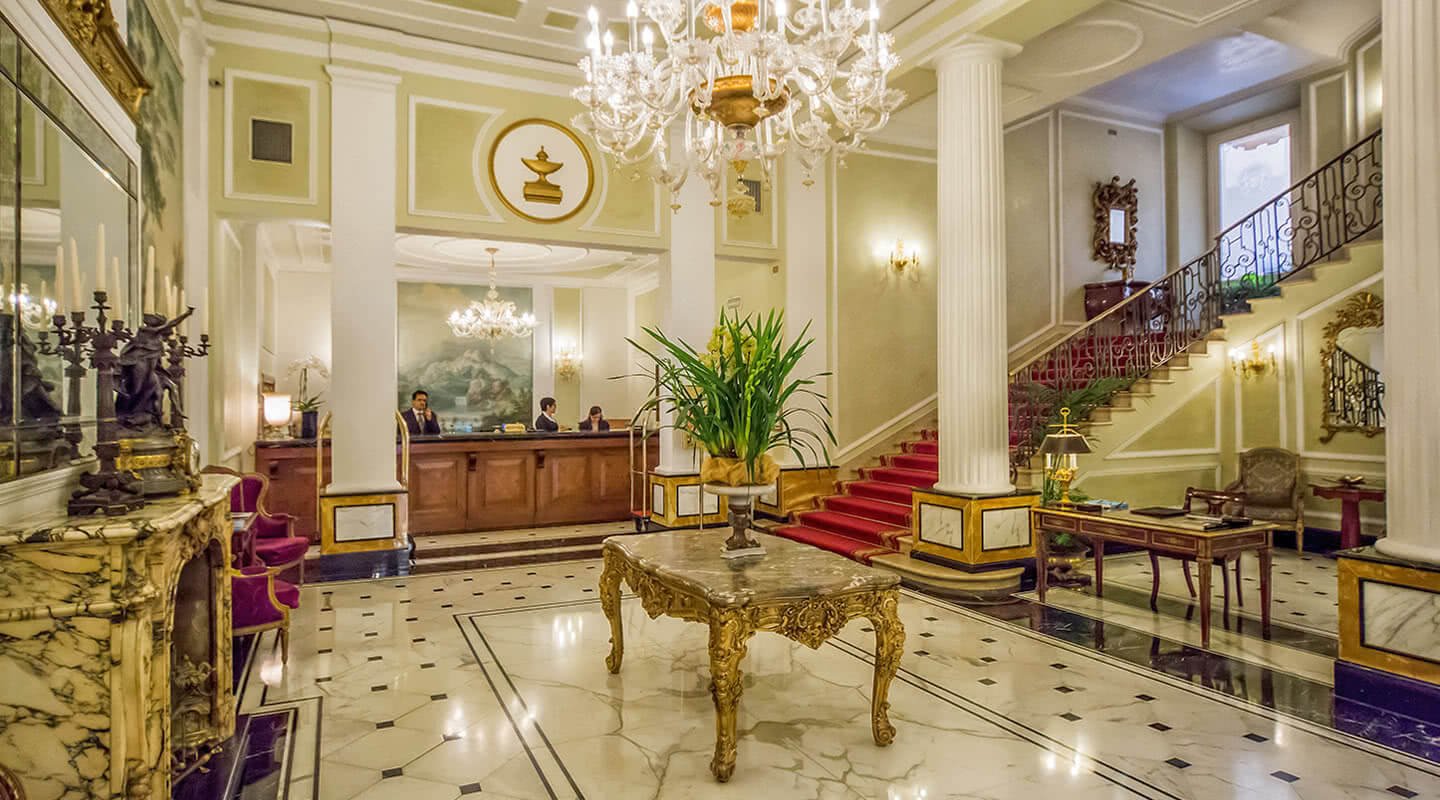
Refined and spacious dining room in a restored dance hall with elegant decor, soft lighting, and a sophisticated yet relaxed atmosphere that feels both polished and welcoming.