
Forno Brisa Galliera sits on Via Galliera in central Bologna, operating as a bakery and specialty coffee destination within a city that treats bread and coffee as serious cultural practice. The address places it in the old portico quarter, where the tradition of slow fermentation and single-origin roasting has found a modern home. For visitors oriented around food culture rather than restaurant ticking, it warrants attention alongside Bologna's wider artisan scene.
Pearl is the En Primeur Club membership app — saves, bookings, and concierge access live there. Same editors, same standards.
- Address
- Via Galliera, 34d, 40121 Bologna BO, Italy
- Phone
- +39 051 248556
- Website
- fornobrisa.it
- Directions
- Get directions
 Saves & bookings on Pearl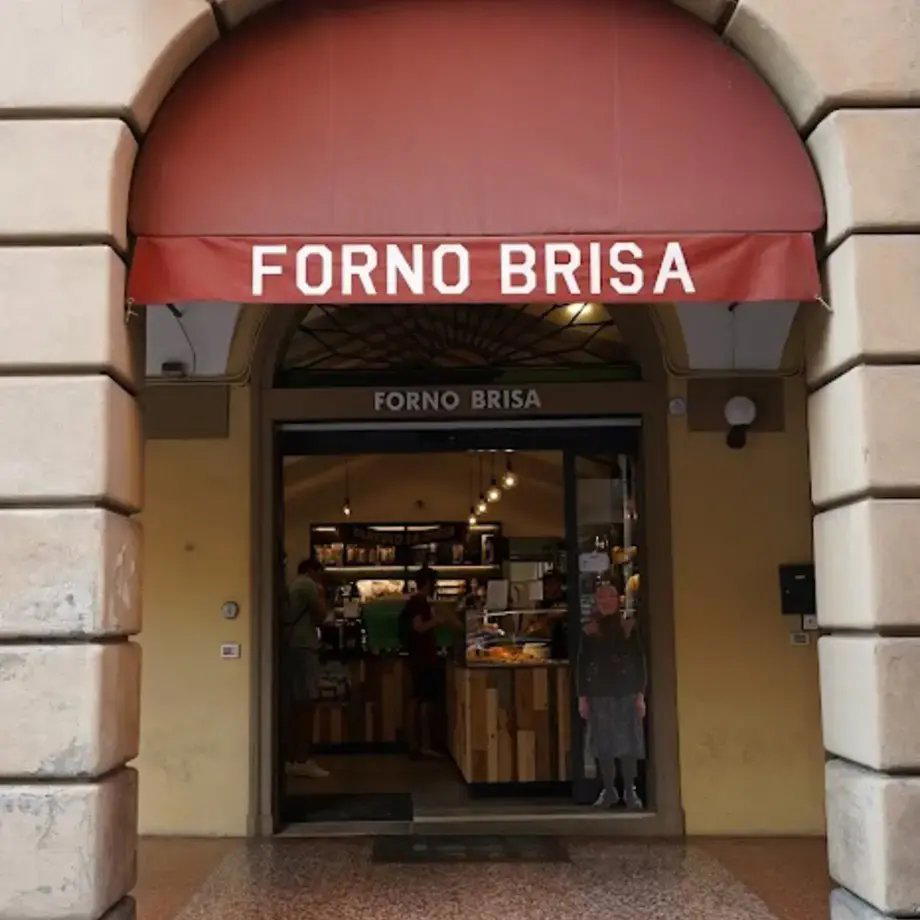
Bread, Coffee, and the Weight of Bologna's Grain Culture
Via Galliera runs north from the old medieval core toward the Bolognese periphery, lined with the terracotta-arched porticoes that define how this city moves and eats. The portico culture of Bologna, those continuous covered walkways stretching roughly 40 kilometres through the city, now a UNESCO World Heritage Site, was never merely architectural. It shaped how markets operated, how vendors set up, how citizens paused mid-morning for bread and coffee. Forno Brisa Galliera, a bakery and specialty coffee shop in Bologna, sits inside that tradition whether it intends to or not. Bakeries on Via Galliera carry context before a customer crosses the threshold.
Bologna is frequently described by food writers as a serious eating city in Italy, a claim that rests less on fine dining concentration and more on the depth of its everyday provisions culture. The city produces mortadella, hand-rolled tortellini, and aged Parmigiano-Reggiano from the surrounding plains, but its relationship with bread and grain runs equally deep. Emilian baking traditions include tigelle, piadina, and crescentine, flatbreads and leavened formats shaped by centuries of agricultural rhythm. The contemporary artisan bakery wave that has moved through European cities since the early 2010s found particularly fertile ground in Bologna precisely because the audience already knew what good bread was supposed to taste like.
Where Specialty Coffee Sits in an Espresso-Dominant City
Italy's relationship with specialty coffee is complicated in ways that matter for any visitor arriving with third-wave expectations. The national espresso culture, short, dark, consumed standing at a zinc bar, has historically treated the single-origin, slow-extraction model with indifference or mild suspicion. Milan and Rome have seen one visible specialty coffee development, but Bologna's scene has grown steadily, anchored by a younger food-curious population and a university city dynamic that sustains independent operators. A venue pairing specialty coffee with serious bread work reflects a format that has become recognisable across European cities: the combined bakery-café where the sourcing philosophy applied to flour and fermentation extends naturally to green coffee selection and brew method.
Aroma Specialty Coffees represents another node in Bologna's developing specialty coffee network, and the city now sustains multiple operators working in this register. Forno Brisa Galliera operates alongside rather than in competition with these addresses, the bakery dimension gives it a distinct anchor that pure coffee bars don't share. In a city where Coffee Patiserie Gamberini connects the pastry and café tradition to a longer historical lineage, and where Enoteca Historical Faccioli holds the natural wine end of the artisan provisions conversation, Forno Brisa occupies its own register: the morning address, the fermentation-forward bakery, the place where the day begins rather than ends.
Reading the Artisan Bakery Format
The combined bakery and specialty coffee format has become a reliable indicator of a neighbourhood's food culture maturity. Where these operations succeed, they typically do so by treating both disciplines, bread and coffee, as equally technical, rather than using one as decoration for the other. Slow fermentation bread programs demand attention to flour quality, hydration levels, ambient temperature, and timing in ways that parallel the sourcing and extraction precision of serious coffee work. When both disciplines are running well under the same roof, the result is a morning experience with genuine depth: bread that has character beyond its crust, and coffee that rewards attention to the cup rather than the ritual of consumption.
Via Galliera 34d places Forno Brisa in the northern section of the centro storico, within comfortable walking distance of Bologna Centrale station. Visitors arriving by train can reach the address directly without requiring additional transport. The practical implication is that the bakery functions as a natural first stop for arriving visitors oriented around food, or an equally logical departure point before catching a return service.
The Broader Bologna Morning
Bologna rewards the kind of itinerary that treats mornings as seriously as evenings. The city's covered market infrastructure, particularly the Quadrilatero district southeast of Piazza Maggiore, means that a morning in the centro storico can move between bakeries, coffee stops, and market vendors without requiring a formal restaurant reservation. Forno Brisa Galliera fits this pattern: an address that contributes to a morning spent in serious engagement with what Bologna actually produces, rather than moving directly to the richer, heavier formats the city is more internationally associated with.
For context on how Bologna's evening drinking and dining scene unfolds, Allegra represents the cocktail end of the city's offer, while the natural wine conversation at Enoteca Historical Faccioli continues a different but equally serious line of Bolognese food culture. Across Italy more broadly, the bar and café scene has developed considerable regional variation: 1930 in Milan, Drink Kong in Rome, Gucci Giardino in Florence, and L'Antiquario in Naples each reflect the distinct character of their cities rather than a single national template. Bologna's contribution to that map is quieter but no less considered. Further afield, Lost & Found in Nicosia, Al Covino in Venice, and Bar Leather Apron in Honolulu illustrate how the specialist artisan format translates across different hospitality cultures.
Planning Your Visit
Via Galliera 34 is in the centro storico, reachable on foot from most central accommodation and from Bologna Centrale in under fifteen minutes. Bakeries in this format typically operate from early morning through early afternoon, with bread stock diminishing across the day, arriving mid-morning rather than at lunchtime is generally the more reliable approach for full selection. Specific hours and current offerings are listed below.
Booking and Cost Snapshot
Comparable venues nearby, for context on price, style, and recognition.
| Venue | Cuisine | Price | Notes |
|---|---|---|---|
| Forno Brisa Galliera - Bakery & Specialty CoffeeThis venue — the venue you are viewing | Porto, Bar | $$ | Not listed |
| Gino Fabbri Pastry la caramella | Cadriano, lounge | $$ | Not listed |
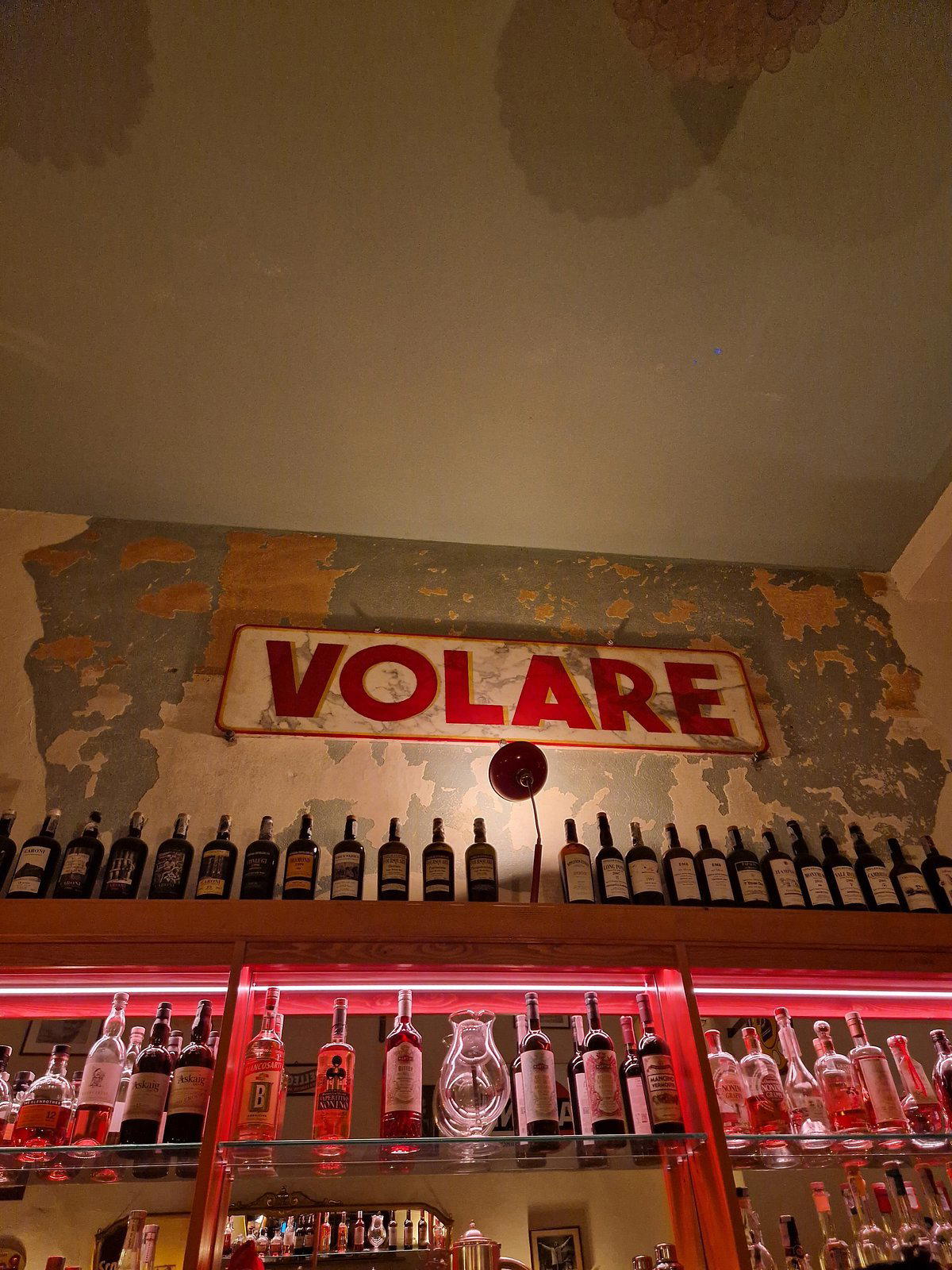
| Volare | Not listed | $$ | Marconi, cocktail_bar |
| Enoteca Historical Faccioli - Enoteca Storica Vini Naturali | Not listed | $$ | historic center, wine_bar |
| Il Pollaio | Not listed | $$ | Navile, wine_bar |
| Sentaku Izakaya | Not listed | $$ | city center, sake_bar |
Recognition history
Dated appearances from independent guides and award organizations, with the underlying list record or original source where available.
Gambero Rosso Tre Pani
Gambero Rosso
Continue exploring
More in Bologna
Bars in Bologna
Browse all →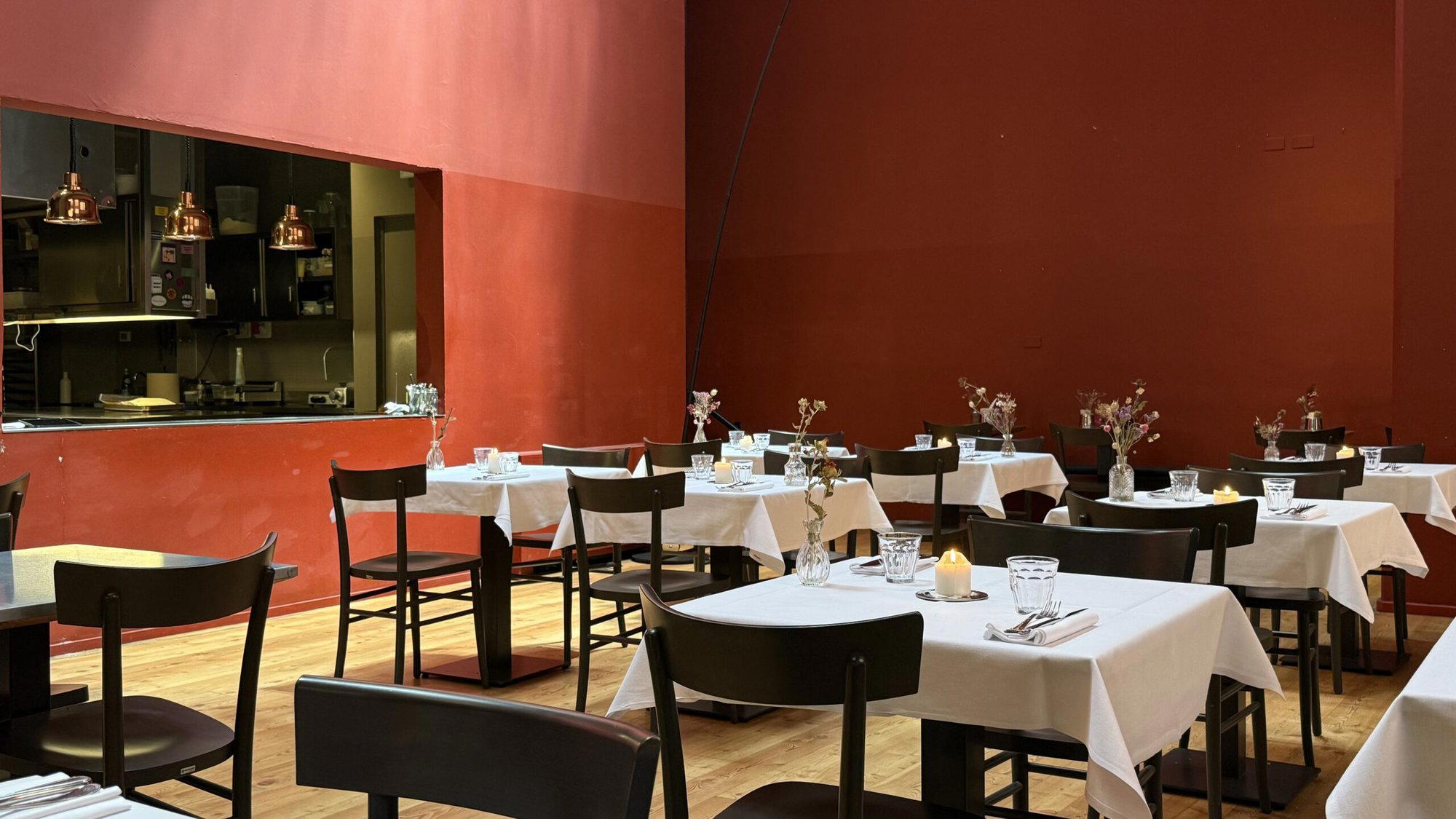
Restaurants in Bologna
Browse all →
Hotels in Bologna
Browse all →


At a Glance
- Cozy
- Trendy
- Casual Hangout
- Design Destination
- Communal Tables
- Outdoor Terrace
- Street Scene
Current opening hours
- Monday
- Closed
- Tuesday
- 7:30 AM–3 PM, 4–8:30 PM
- Wednesday
- 7:30 AM–8:30 PM
- Thursday
- 7:30 AM–8:30 PM
- Friday
- 7:30 AM–8:30 PM
- Saturday
- 7:30 AM–8:30 PM
- Sunday
- 8:30 AM–3:30 PM
Hours can change for holidays and private events. Last verified .
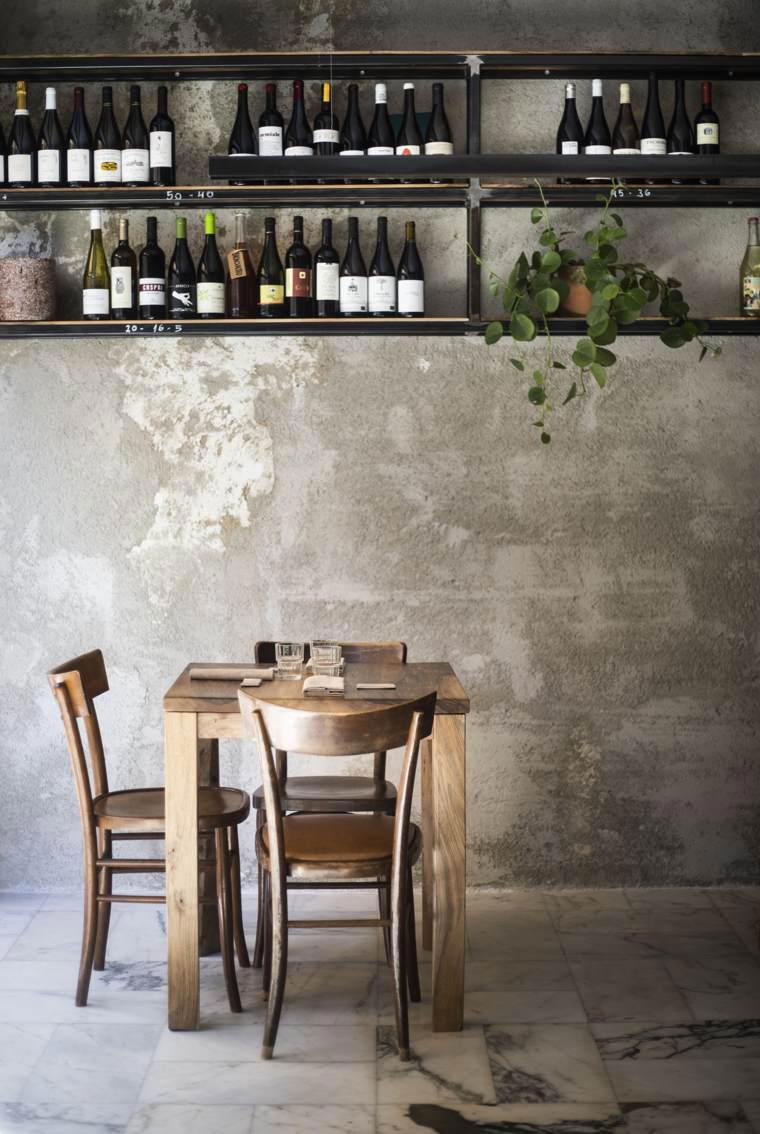
Cozy and lively atmosphere with mural-covered walls, where patrons enjoy baked goods while watching local life.