
Michelin Selected
A Michelin Selected apartment-hotel on Via de Monari in Bologna's medieval centre, The Met's Apartments positions itself in the city's small-scale, design-conscious accommodation tier. The address places guests within walking distance of the Quadrilatero market district and the portico-lined streets that define Bologna's urban character. Practical for extended stays, it offers residential-format lodging inside a historic urban fabric.

Pearl is the En Primeur Club membership app — saves, bookings, and concierge access live there. Same editors, same standards.
- Address
- Via de’ Monari, 3, 40121 Bologna BO, Italy
- Phone
- +39 051 229393
- Website
- metsapartment.it
- Directions
- Get directions
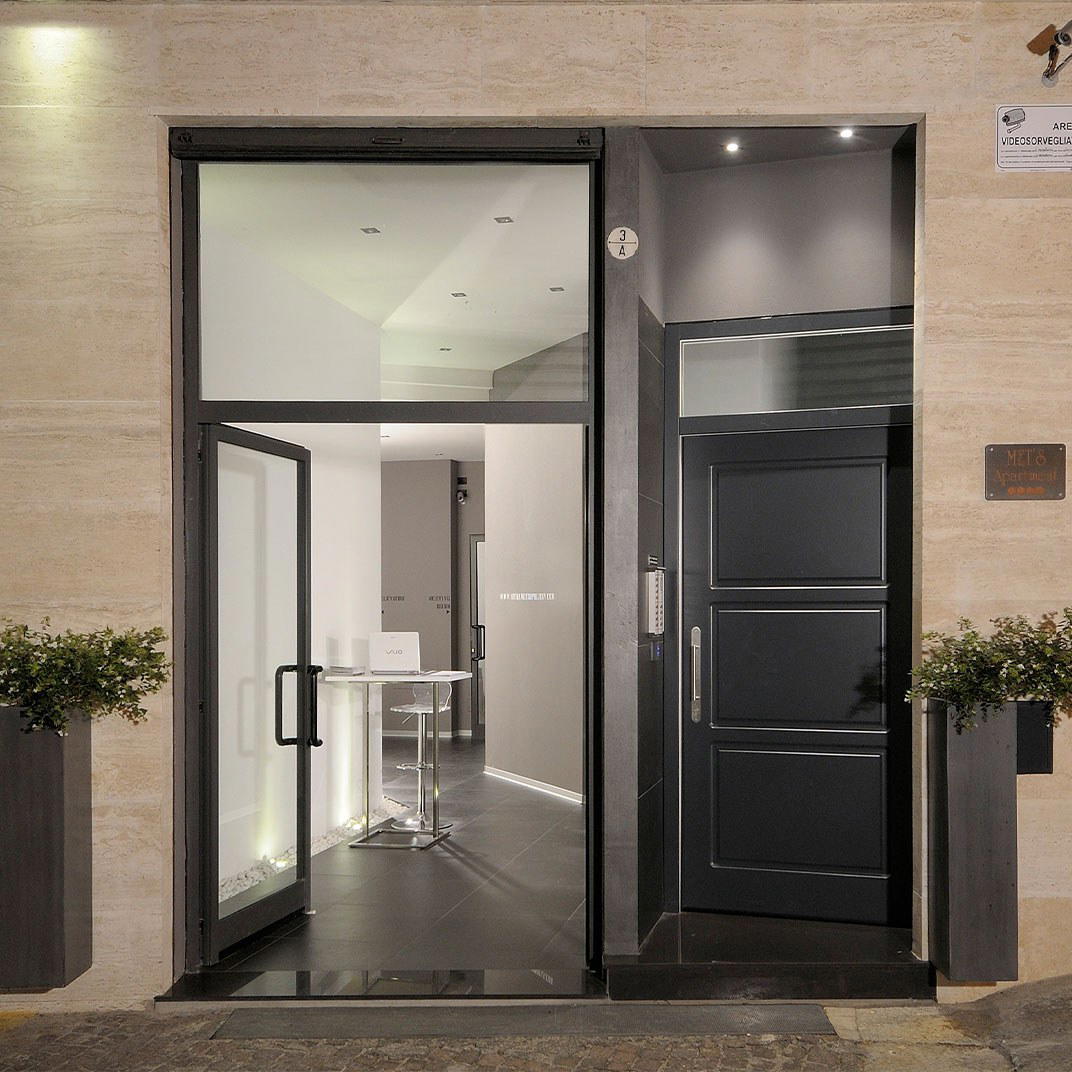
Bologna's Apartment-Hotel Tier and Where The Met's Sits Within It
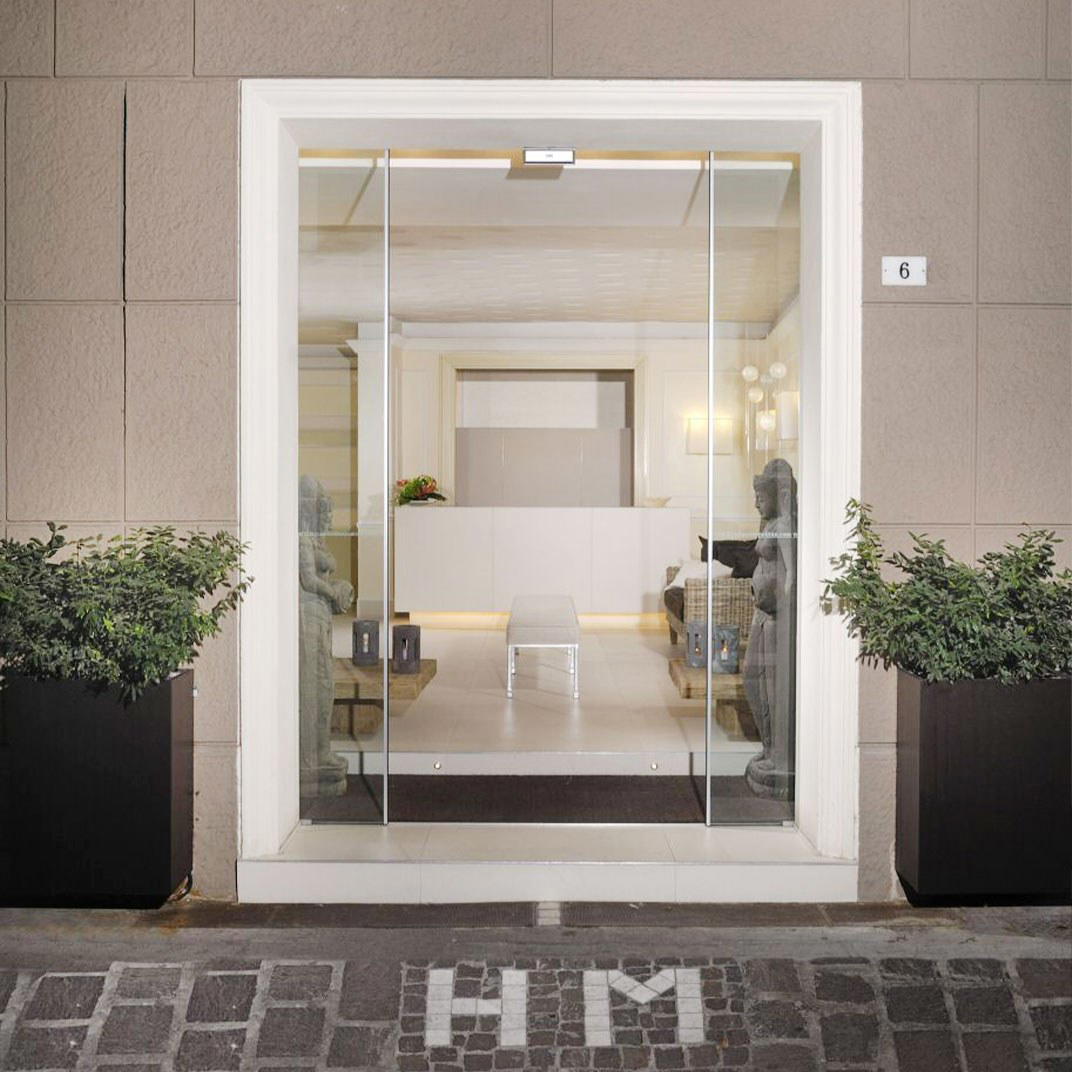
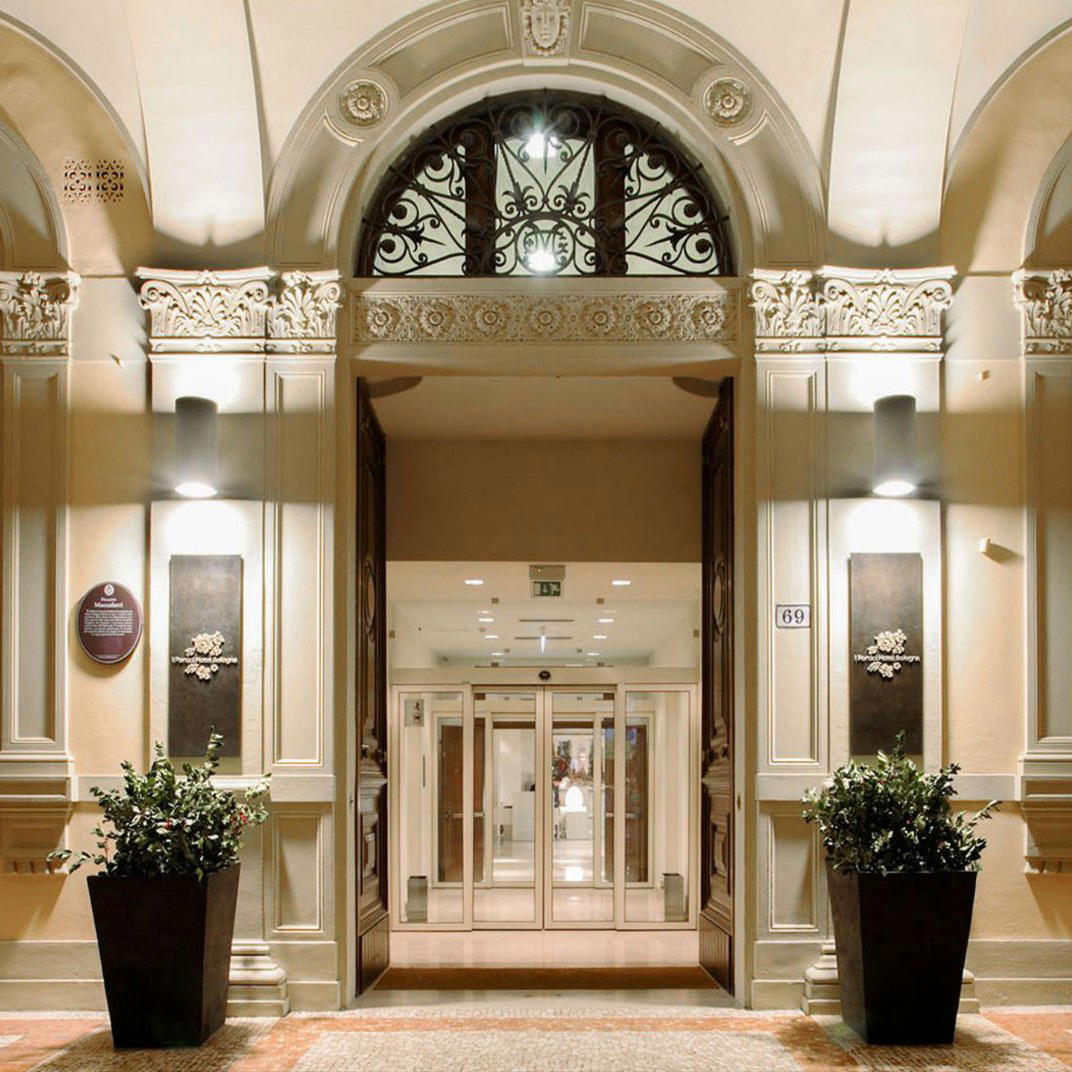
Bologna divides its premium accommodation offer more sharply than most Italian cities of comparable size. At one end, the grand 19th-century address: the Grand Hotel Majestic Già Baglioni on Via dell'Indipendenza represents the palazzo-hotel tradition, all formal symmetry and period-piece grandeur. At the other end, a quieter tier of smaller, design-led properties has established itself inside the city's medieval fabric, prioritising residential comfort and neighbourhood integration over ballrooms and concierge theatre. The Met's Apartments belongs to this second category. Its Michelin Selected designation for 2025 places it in the same recognised tier as a handful of Bologna properties earning that credential, a list that also includes I Portici Hotel Bologna and Hotel Metropolitan, though each occupies a distinct position within the city's accommodation range.
The apartment-hotel format has found particular traction in Italian historic centres over the past decade, partly because planning constraints limit new-build construction and partly because visitors to cities like Bologna increasingly seek accommodation that functions like a base rather than a stage set. The format rewards guests who want to buy from the Quadrilatero market and return to a kitchen, or who arrive for a working visit to one of Europe's oldest university cities and need more than a double room. The Met's Apartments, on Via de Monari, addresses that demand from an address that places guests immediately inside the medieval street pattern rather than on a ring road or near a train interchange.
Via de Monari and the Physical Logic of the Address
Via de Monari sits in the tangle of narrow streets between Piazza Maggiore and the Quadrilatero, Bologna's medieval market district. This is the part of the city where the portico system — the 40 kilometres of covered walkways that define Bolognese street life and earned UNESCO recognition in 2021 — feels most continuous and most alive. Arriving on foot from Bologna Centrale station, the walk takes roughly 15 to 20 minutes through the porticoed Via dell'Indipendenza and into progressively narrower lanes. Arriving by taxi, the medieval street grid limits vehicle access close to the address, which is a consistent feature of central Bologna rather than a quirk of this specific property.
The architectural context of Via de Monari is typical of Bologna's centro storico: brick-faced buildings of three and four storeys, ground-floor retail and workshop spaces with residential floors above, medieval street widths that rarely exceed four metres at their narrowest. Hotels and apartments inserted into this fabric must work within the existing building envelope, which produces a particular design challenge. There is no scope for grand entrances, double-height lobbies, or exterior gestures. The interior must do the work that the exterior cannot. For apartment-hotel operators in this district, that means the quality of internal finishes, the calibre of fittings, and the spatial organisation of individual units carry more weight than they might in a purpose-built hotel on a wider street. This architectural constraint has, in the better properties of this district, produced a more considered approach to interior specification than is common in mid-scale hotels operating from larger, less constrained buildings.
Design Approach Within the Historic Fabric
The apartment-hotel category in Italian historic centres has developed along two recognisable lines. The first is the reclaimed-materials aesthetic: exposed brick, reclaimed timber beams, terracotta floors, and period fixtures presented as authentic evidence of age. The second is a cleaner intervention model, in which contemporary finishes are introduced against the historic shell with deliberate contrast rather than seamless blending. Bologna's better recent conversions have generally favoured the latter approach, treating the medieval structure as fixed context and layering modern spatial decisions on leading rather than mimicking a past that would inevitably read as pastiche.
For comparison within the Bologna accommodation market, Casa Bertagni represents the design-led, historic-conversion approach at a smaller scale, while properties such as I Portici Hotel operate from the format of a 19th-century building adapted with a full hotel service model. The Met's Apartments sits in the apartment-format niche, which means the design relationship between communal and private space differs from a conventional hotel: the apartment becomes the primary spatial experience, and common areas, if present, serve a secondary function.
How the Michelin Selection Works as a Positioning Signal
Michelin's hotel selection, separate from its restaurant star system, operates as a curation exercise rather than a tiered award. Inclusion on the 2025 Michelin Selected Hotels list signals that a property has cleared Michelin's threshold for quality, consistency, and character, but it does not rank properties against each other within the selection. For a relatively small apartment-hotel in a competitive historic centre, the designation functions primarily as a verification signal for first-time bookers who might otherwise hesitate between several similar-looking options in the same district. It does not imply five-star service infrastructure or a full hotel amenity set, and it should not be read as equivalent to Michelin's restaurant distinction system, which uses a different methodology entirely.
In the context of Italian apartment-hotels specifically, Michelin Selected properties in this format tend to share a profile: high-specification interior finishes, considered spatial design, a residential scale that limits total unit count, and an address inside a walkable historic centre. Properties like Aman Venice or Four Seasons Hotel Firenze in Florence represent the best of the Italian palazzo-conversion category, but they operate at a fundamentally different scale and price point.
Bologna as Context: Why the Address Matters
Bologna's appeal as a destination has been relatively stable and relatively specialist. It does not receive the tourist volume of Florence, Rome, or Venice, and its visitor profile skews toward food-focused travellers, architecture and university history enthusiasts, and business visitors connected to the city's manufacturing and trade fair economy. This has kept the central accommodation market leaner and less over-developed than comparable Italian historic centres. Properties on or near Via de Monari benefit from proximity to both the food market infrastructure of the Quadrilatero and the civic architecture of Piazza Maggiore, without the hotel density or visitor noise that a comparable address in central Florence would carry.
For visitors building a wider Italian itinerary, Bologna works well as a junction point. Casa Maria Luigia in Modena is accessible in under 40 minutes by train, making it a logical complement for those interested in Emilia-Romagna's food production geography. Portrait Milano is roughly an hour by high-speed rail. For those extending south, Bulgari Hotel Roma in Rome sits within two hours on the Frecciarossa. Bologna's position on the main Florence-Milan rail axis makes it one of the more practical staging points in northern Italy, a fact that gives a centrally located apartment-hotel more operational utility than the same property would have in a less connected city. See our full Bologna restaurants guide for the food context that makes this address worth treating as a destination in its own right rather than a transit stop.
Italy's wider apartment-hotel offer extends well beyond Emilia-Romagna. Properties like Il Sereno in Torno on Lake Como, Passalacqua in Moltrasio, and Rosewood Castiglion Del Bosco in Montalcino each represent the residential-format model at different price tiers and landscape settings. The Met's Apartments occupies the urban end of that spectrum, where the surrounding city is the amenity rather than private grounds or lake frontage.
Planning a Stay
Via de Monari 3 is walkable from Bologna Centrale station in under 20 minutes, or a short taxi ride. The Quadrilatero market operates mornings from Tuesday through Saturday, and proximity to it is one of the practical arguments for an apartment format over a conventional hotel room. Booking is advisable in advance during the spring and autumn trade fair seasons, when Bologna's accommodation market tightens considerably across all categories. Confirmation of room categories, current rates, and availability should be verified directly, as specific pricing and unit configuration details were not available at the time of publication.
Side-by-Side Snapshot
Comparable venues nearby, for context on price, style, and recognition.
| Venue | Cuisine | Price | Awards | Notes |
|---|---|---|---|---|
| The Met's ApartmentsThis venue — the venue you are viewing | Boutique design hotel annex with apartment-style accommodations | $100–200 | Michelin Selected | Not listed |
| Hotel Metropolitan | Renovated historic building with modern comforts and exclusive inner design. | $100–200 | Michelin Selected | Historic Center |
| I Portici Hotel Bologna | Contemporary-classic conversion of a 19th-century palazzo blending preserved historic architecture with modern sensibilities, positioned as a luxury boutique hotel for both business and leisure travelers. | $100–200 | Michelin Selected | Historic Center, Via dell'Indipendenza |
| Casa Bertagni | Heritage boutique guest house with eclectic design | Not listed | Michelin Selected | University Area |
| Grand Hotel Majestic Gia’ Baglioni | Historic luxury palazzo with classic Italian elegance. | Not listed | 1 Michelin Key · Virtuoso Luxury Hotel Partner | Historic Center |
| citizenM Roma Isola Tiberina | affordable design hotel in historic mid-century building | $300–500 | Michelin Selected | Isola Tiberina |
Recognition history
Dated appearances from independent guides and award organizations, with the underlying list record or original source where available.
Michelin Selected
Michelin
Continue exploring
More in Bologna
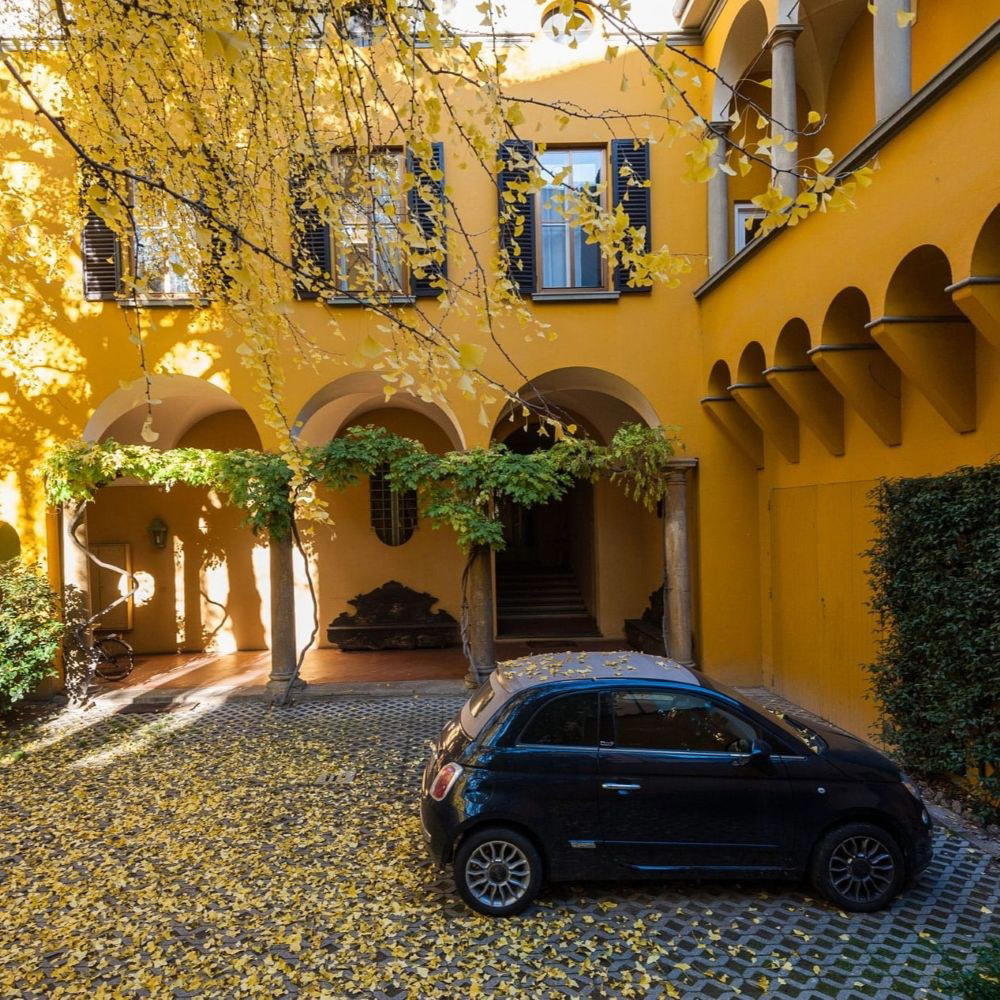
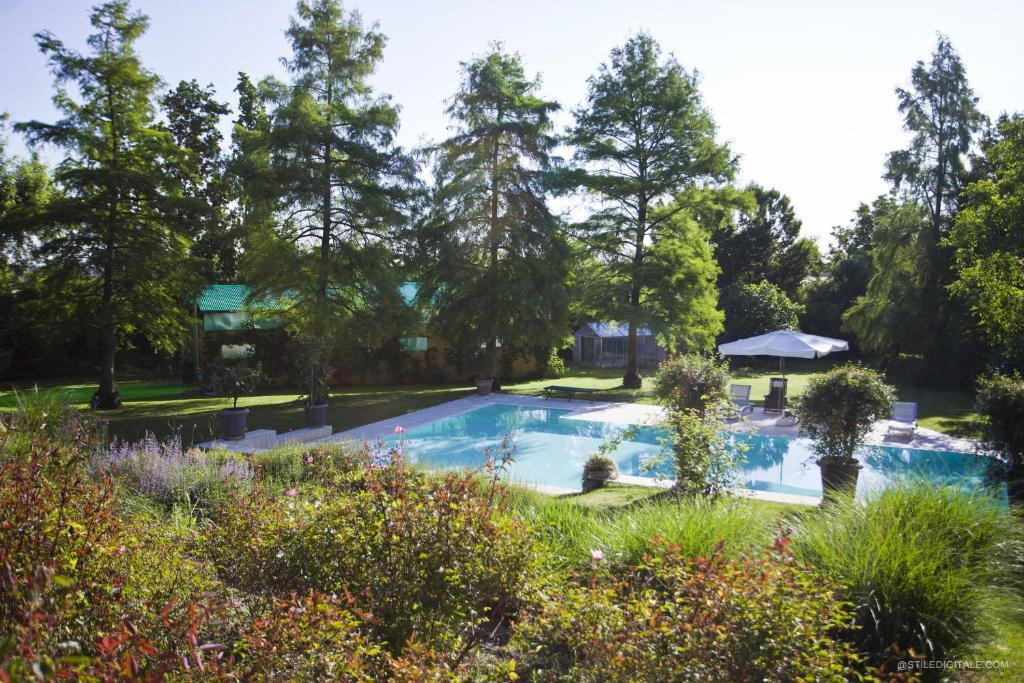
Hotels in Bologna
Browse all →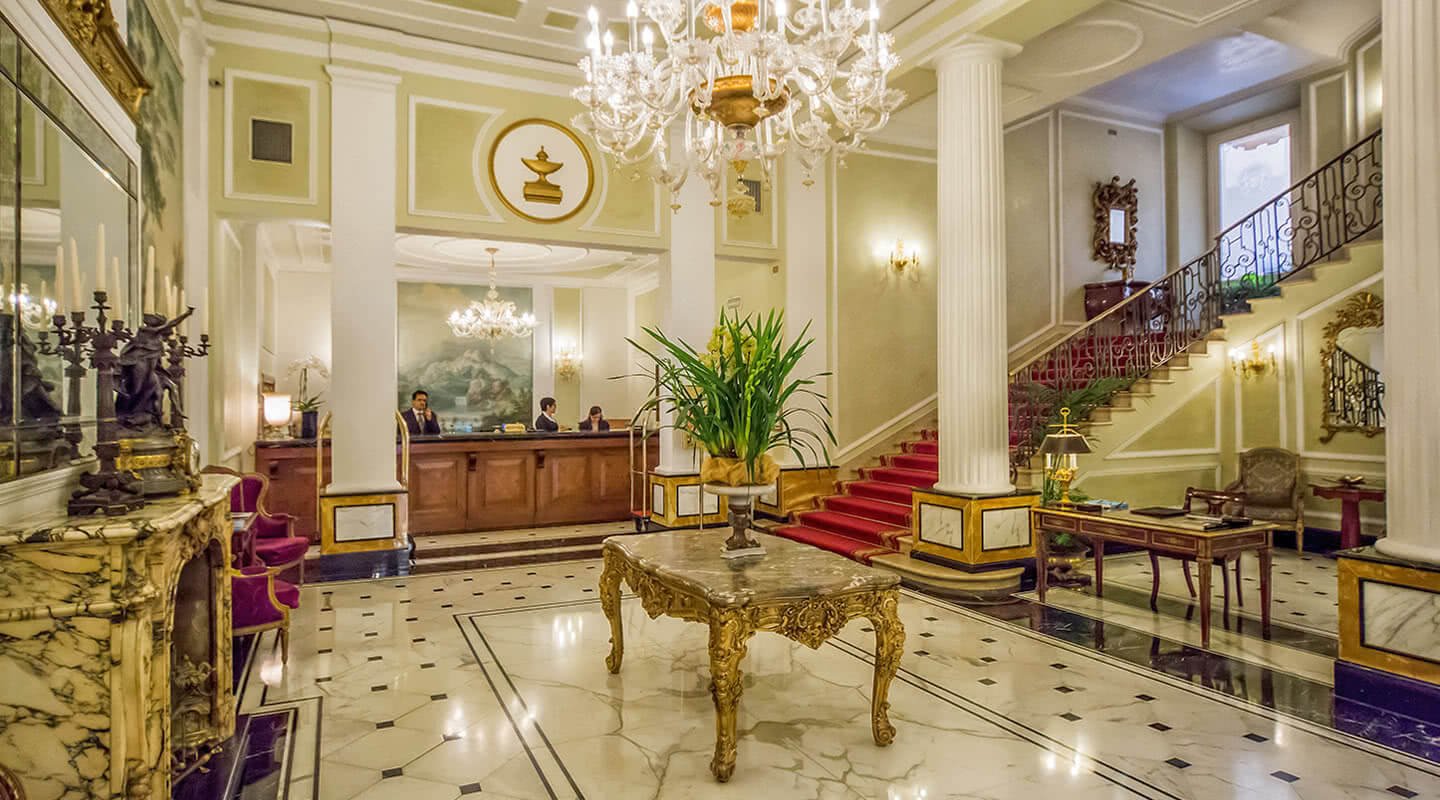
Bars in Bologna
Browse all →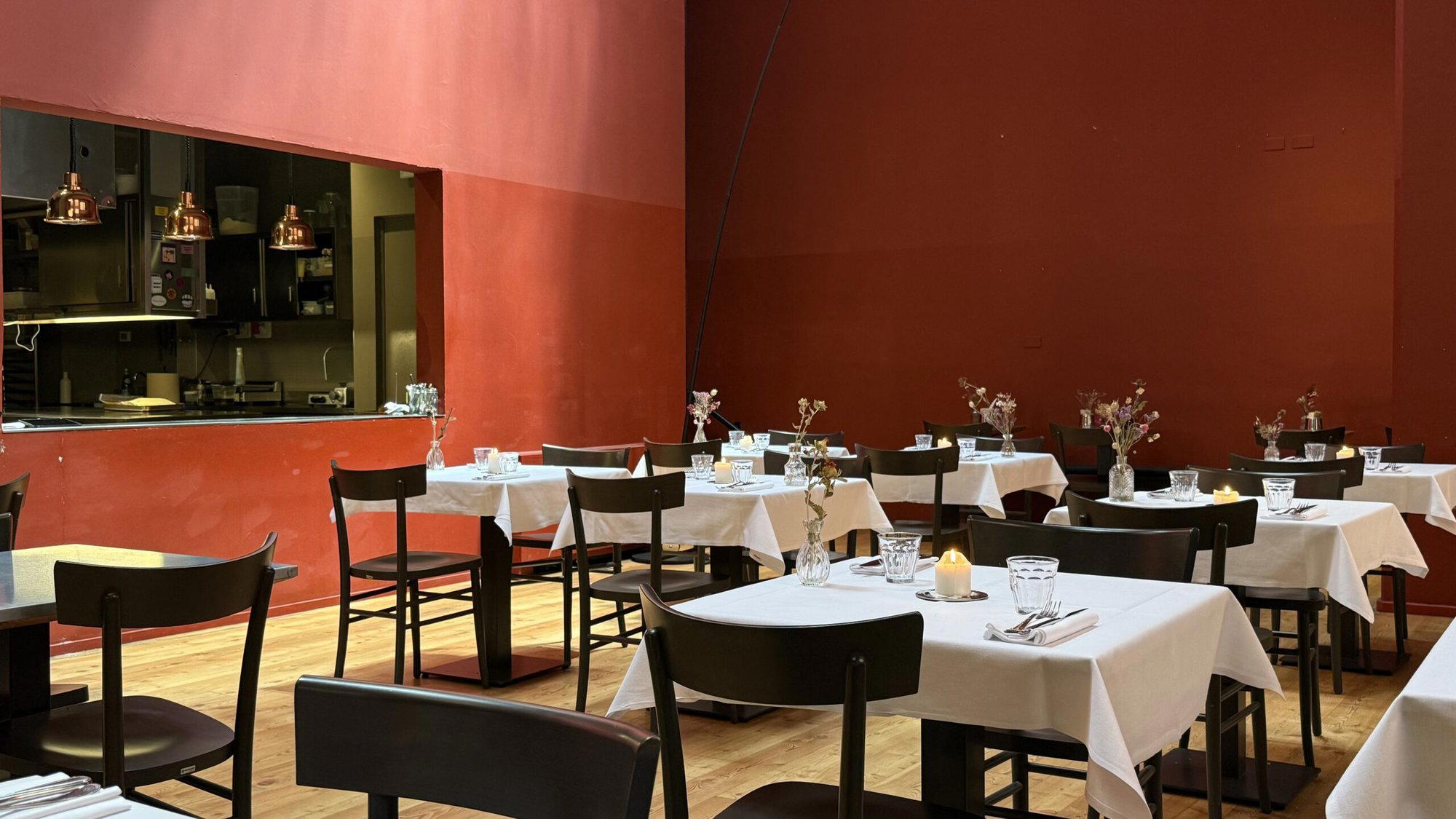
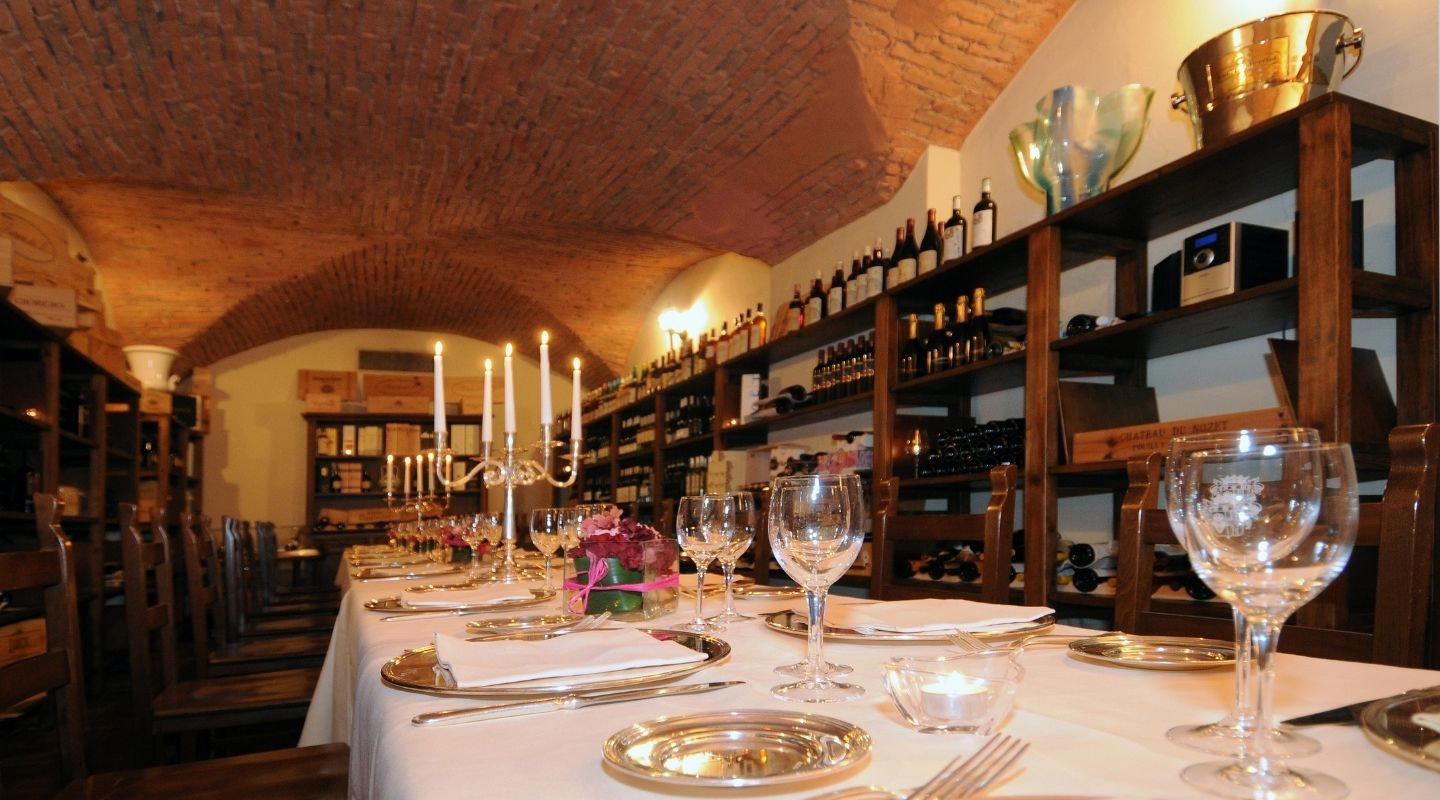
Restaurants in Bologna
Browse all →

Details
- Modern
- Quiet
- Minimalist
- Business Trip
- Weekend Escape
- Historic Building
- Wi Fi
- Air Conditioning
- Elevator
- Wheelchair Accessible
Current opening hours
- Monday
- 8 AM–10 PM
- Tuesday
- 8 AM–10 PM
- Wednesday
- 8 AM–10 PM
- Thursday
- 8 AM–10 PM
- Friday
- 8 AM–10 PM
- Saturday
- 8 AM–10 PM
- Sunday
- 8 AM–10 PM
Hours can change for holidays and private events. Last verified .
Contemporary classic and quiet with sleek, African-tinged design elements.