Distilleria Caselli operates out of Sassuolo, on the southern edge of Modena's production corridor, where the Apennine foothills shape both agriculture and the art of distillation. A serious address for anyone tracking the evolution of Emilian distilling.

Pearl is the En Primeur Club membership app — saves, bookings, and concierge access live there. Same editors, same standards.
- Address
- Via S. Bernardo, 6, 41049 Sassuolo MO
- Phone
- +39 0536 802046
- Website
- caselli1860.it
- Directions
- Get directions
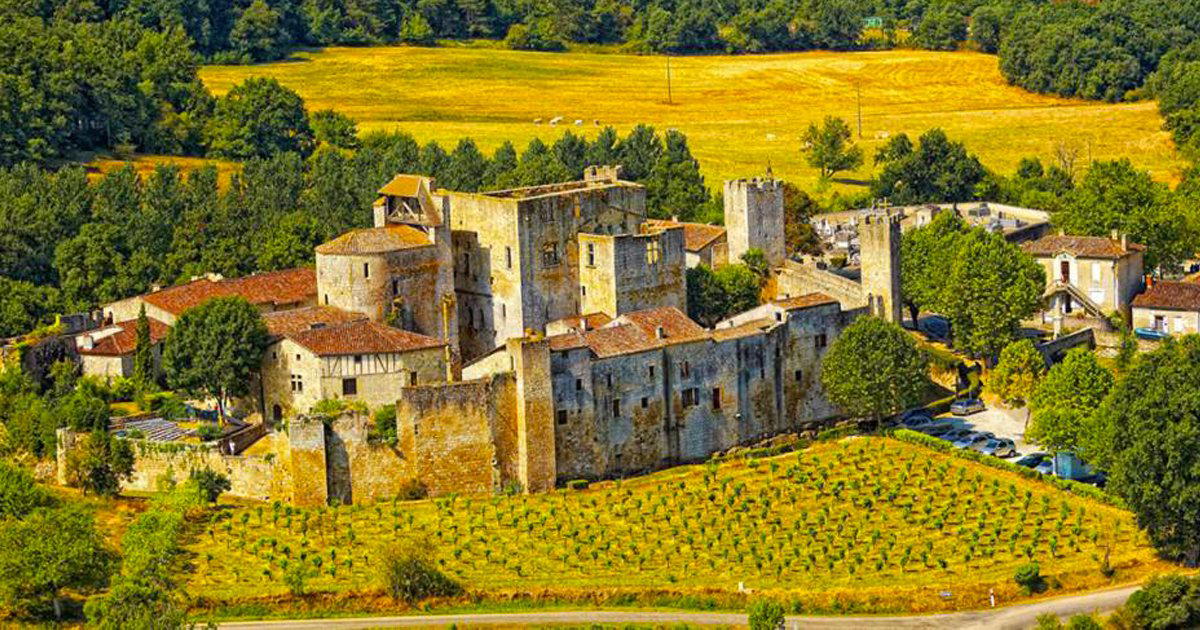
Where the Apennines Meet the Still
Sassuolo sits at the point where the Po Valley begins its slow climb toward the Emilian Apennines, and that geography matters for anyone serious about Italian distillation. The hills that surround this part of the Modena province have shaped local agriculture for centuries, from the vineyards that produce Lambrusco and Pignoletto to the orchards and grain fields that feed a broader tradition of fermented and distilled spirits. Distilleria Caselli is planted firmly in that tradition, occupying a site on Via S. Bernardo that places it within easy reach of both the agricultural raw materials and the market-facing city of Modena itself, one of the most food-serious provincial capitals in Italy. For context on how the broader Modena food and drink scene is structured, see our full Modena restaurants guide.
Emilian Distilling and the Question of Terroir
The conversation around terroir in distilled spirits has moved well past wine country in the past decade. Italian grappa producers led much of that shift, arguing that the grape variety, the soil type, and the altitude of the vineyard all express themselves in the final pomace distillate, provided the distiller is disciplined enough not to intervene too heavily. That argument has weight in the Modena corridor, where the transition from clay-heavy lowland soils to the sandier, limestone-influenced terrain of the Apennine foothills produces meaningfully different agricultural raw materials within a short geographic range.
Producers in this zone have historically occupied a different tier from the celebrated grappa houses of the Veneto and Piedmont. Houses like Nonino Distillery in Pavia di Udine or Poli Distillerie in Schiavon built their international reputations partly on varietal specificity and partly on proximity to the great Friulian and Veneto wine estates whose pomace they could source. Emilian distillers have had to make a different case, one rooted in the particular character of local grape material and in the broader food culture of the region, which provides a ready and sophisticated local audience.
That audience understands spirits the way it understands Parmigiano-Reggiano or aged balsamic: as products of time, place, and accumulated craft knowledge rather than as commodities. Distilleria Marzadro in Nogaredo and Distilleria Romano Levi in Neive illustrate how different regional contexts, the Trentino foothills and the Langhe respectively, produce distinct craft positioning even within the same national category. Distilleria Caselli's Sassuolo address places it in the Emilian variant of that broader Italian craft distilling conversation.
Award designations at this level function as comparative positioning signals: they indicate that the producer has cleared a threshold that separates craft-serious operations from generic regional output.
In the Italian spirits context, such recognition matters because the market is crowded with producers who claim artisan credentials without the product evidence to support them. The 2025 recognition for Distilleria Caselli arrives at a moment when the Emilian food and drink sector is attracting renewed international attention, partly driven by the global appetite for Italian craft products and partly by the deepening reputation of the Modena province as a reference point for Italian gastronomy. That positioning echoes patterns visible in wine, where producers in historically overlooked zones use award recognition to signal a quality shift; see, for instance, how Lungarotti in Torgiano used consistent critical recognition to establish Umbria as a serious wine address against the dominant Tuscan narrative, or how Planeta in Menfi did the same for western Sicily.
The Sassuolo Address: Industrial Heritage, Artisan Present
Sassuolo carries a dual identity that is worth understanding before visiting. It is primarily known internationally as the capital of Italian ceramic tile production, a heavy industrial sector that has shaped the town's architecture and economic character for decades. That industrial DNA makes Sassuolo feel less immediately charming than the centro storico of Modena, which sits roughly 15 kilometres to the north. For visitors arriving by car, the route from Modena centre to Sassuolo follows the SS467, a corridor that passes through the transition zone between urban and peri-urban Emilia.
That same industrial heritage, however, has created a pragmatic local culture that values craft skill and production discipline, qualities that translate well into serious distilling. The contrast between Sassuolo's utilitarian character and the precision required for quality spirit production is not as jarring as it might first appear. Craft producers across Italy have found productive homes in similar zones, where lower property costs and proximity to agricultural supply chains offset the absence of touristic infrastructure. This is a place to visit for the product, not the backdrop.
Italian Distilling in a Wider Frame
Understanding where Distilleria Caselli sits requires some sense of how the Italian artisan spirits sector is structured at a national level. The northern Italian distilling tradition divides, broadly, between the grappa producers of the northeast, who work predominantly with grape pomace, and a more varied set of producers across Piedmont, Lombardy, and Emilia who draw on local fruit, grain, and botanical resources alongside pomace. Prominent Italian producers across different categories have demonstrated that regional specificity is a competitive advantage when handled with discipline. Campari in Milan represents the industrial-scale end of that spectrum, while craft houses in the Piedmontese Langhe or the Trentino foothills occupy the opposite pole. Distilleria Caselli sits somewhere between those reference points, rooted in a specific Emilian geography but operating with the production seriousness that award recognition implies.
The Italian wine estates that have built international reputations through terroir-specific production offer a useful parallel. Aldo Conterno in Monforte d'Alba, Ca' del Bosco in Erbusco, and Castello di Volpaia in Radda in Chianti each made their case by insisting on geographic specificity at a time when that argument was still being established in their respective zones. Distilleria Caselli is making a version of that same argument in Emilian distilling.
Planning a Visit
Distilleria Caselli is located at Via S. Bernardo, 6, in Sassuolo, accessible from Modena by car or local transport along the SS467 corridor. Given that specific booking details, opening hours, and tasting formats are not publicly listed at the time of writing, contacting the distillery in advance of any visit is the practical first step. For visitors building a broader Emilian itinerary, Modena's food and drink circuit offers significant depth; the city is within comfortable range of producers across multiple categories, and a half-day in Sassuolo pairs naturally with time in Modena centre. Visits to other award-recognised Italian producers, such as Accendo Cellars in St. Helena or Poggio Antico in Monte San Vito and L'Enoteca Banfi in Montalcino, illustrate that award-tier producers at this level tend to reward visitors who arrive with prior knowledge and a clear sense of what they are tasting and why.
Comparable Spots, Quickly
Comparable venues nearby, for context on price, style, and recognition.
| Venue | Cuisine | Price | Awards | Notes |
|---|---|---|---|---|
| Distilleria CaselliThis venue — the venue you are viewing | Lambrusco, Trebbiano | Not listed | Not listed | Not listed |
| Cantina Produttori Nebbiolo di Carema | Nebbiolo | Not listed | Falstaff Winery - Listed | Carema |
| Prà | Garganega, Trebbiano di Soave | $20–30 | Falstaff Winery - Listed | Monteforte d'Alpone |
| Lamoreaux Landing Wine Cellars | Winery | $10–20 | Not listed | Lodi |
| Aperol (Barbieri) | Winery | Not listed | Not listed | Padua |
| Distilleria F.lli Brunello | Carmenère, Raboso | Not listed | Not listed | Montegalda |
Continue exploring
More in Modena
Wineries in Modena
Browse all →
Bars in Modena
Browse all →
Restaurants in Modena
Browse all →
Details
- Rustic
- Classic
- Intimate
- Wine Education
- Historic Building
- Lambrusco
- Trebbiano
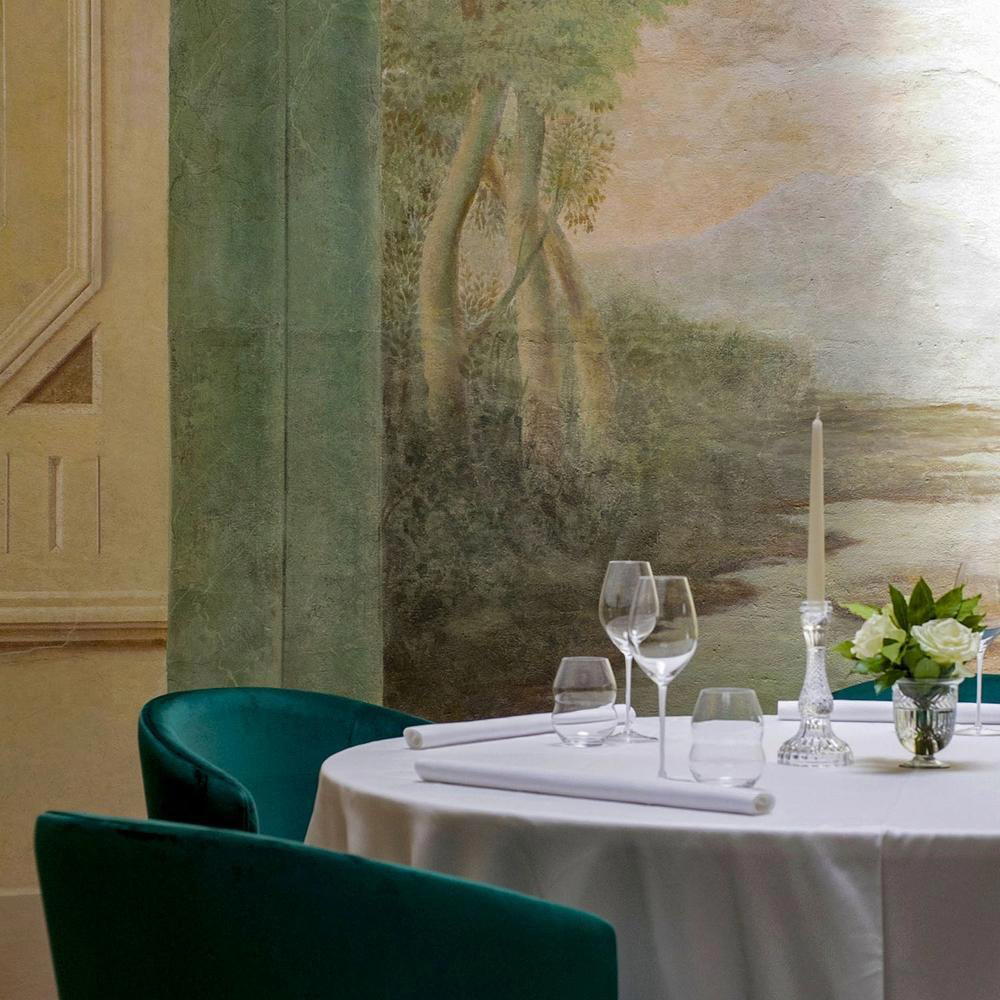
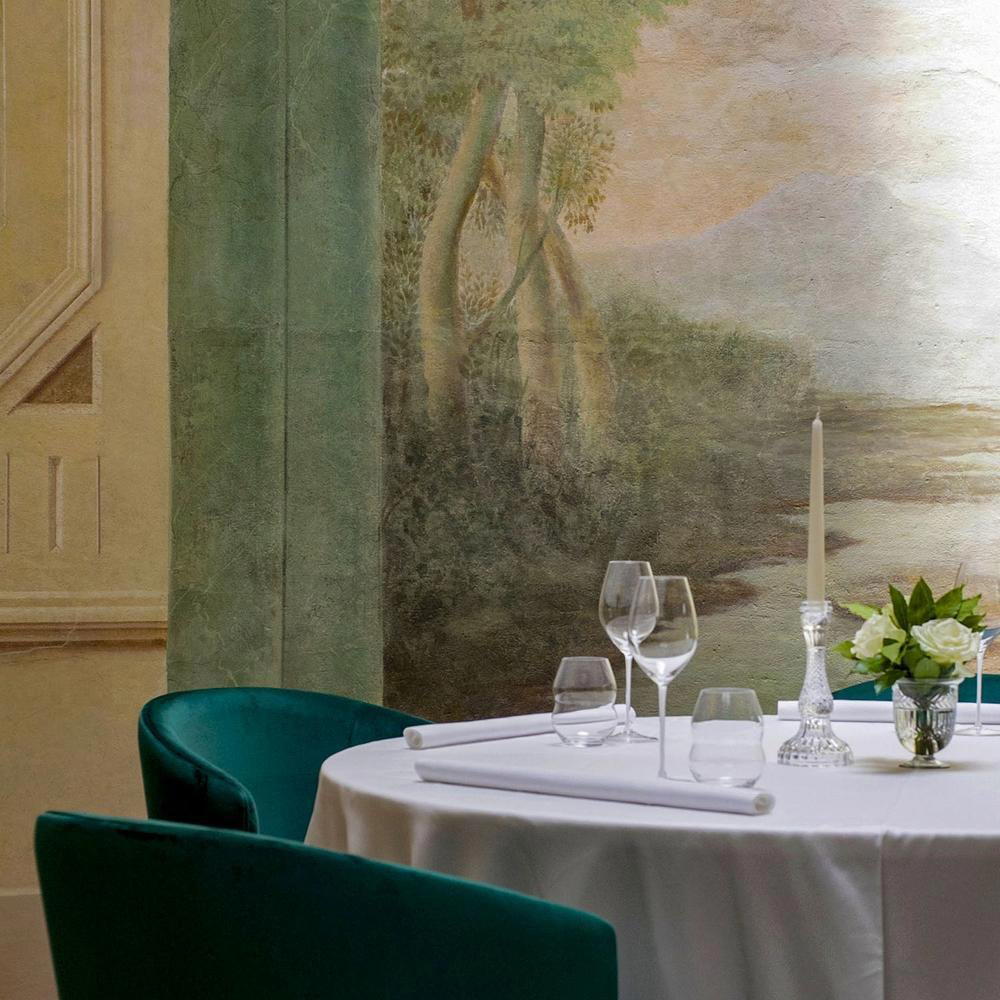
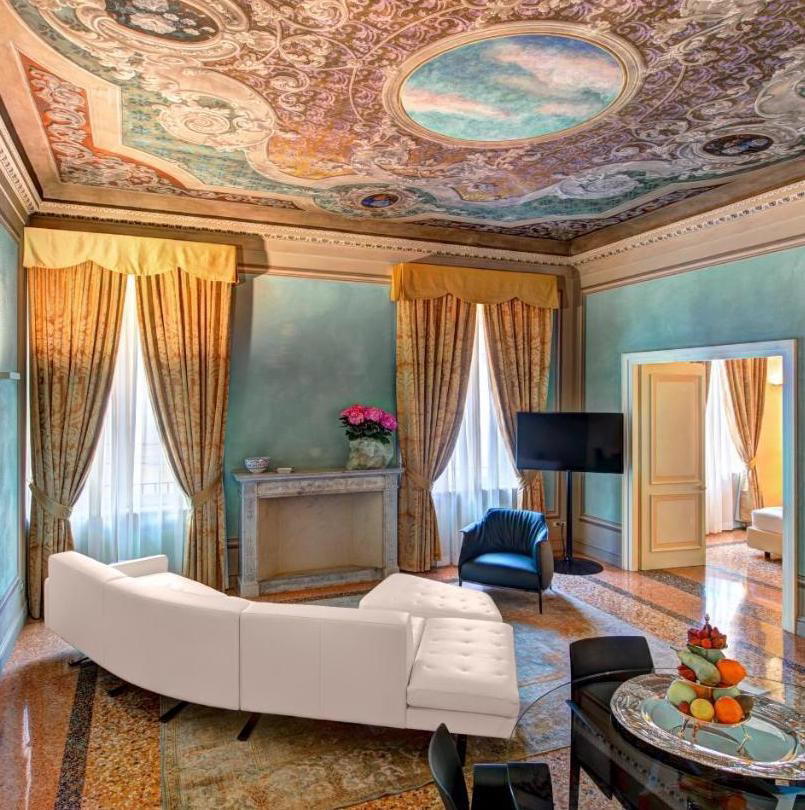
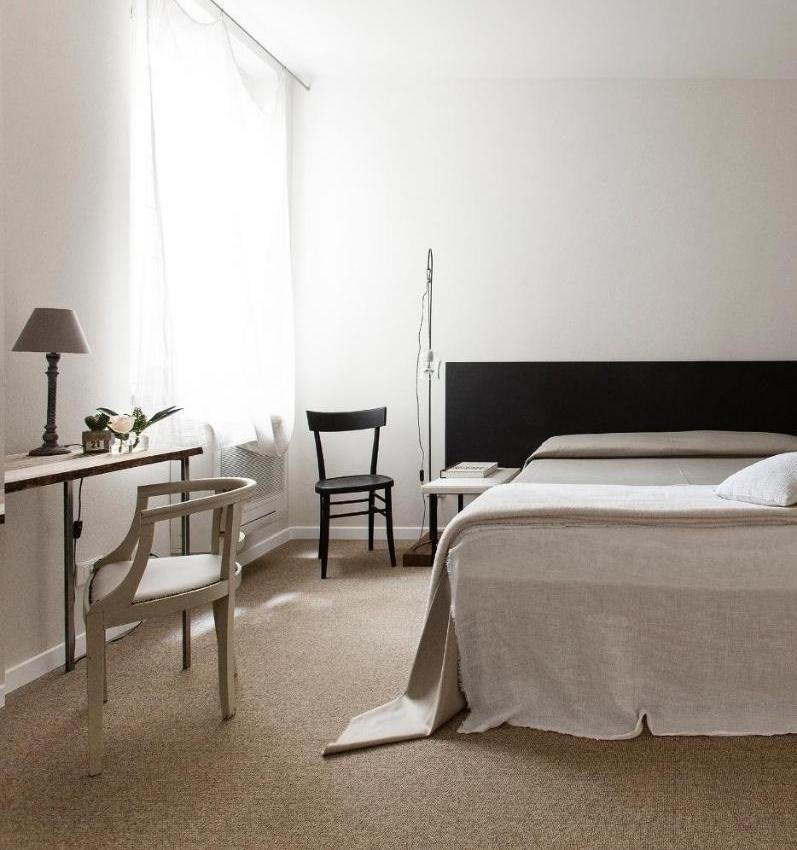
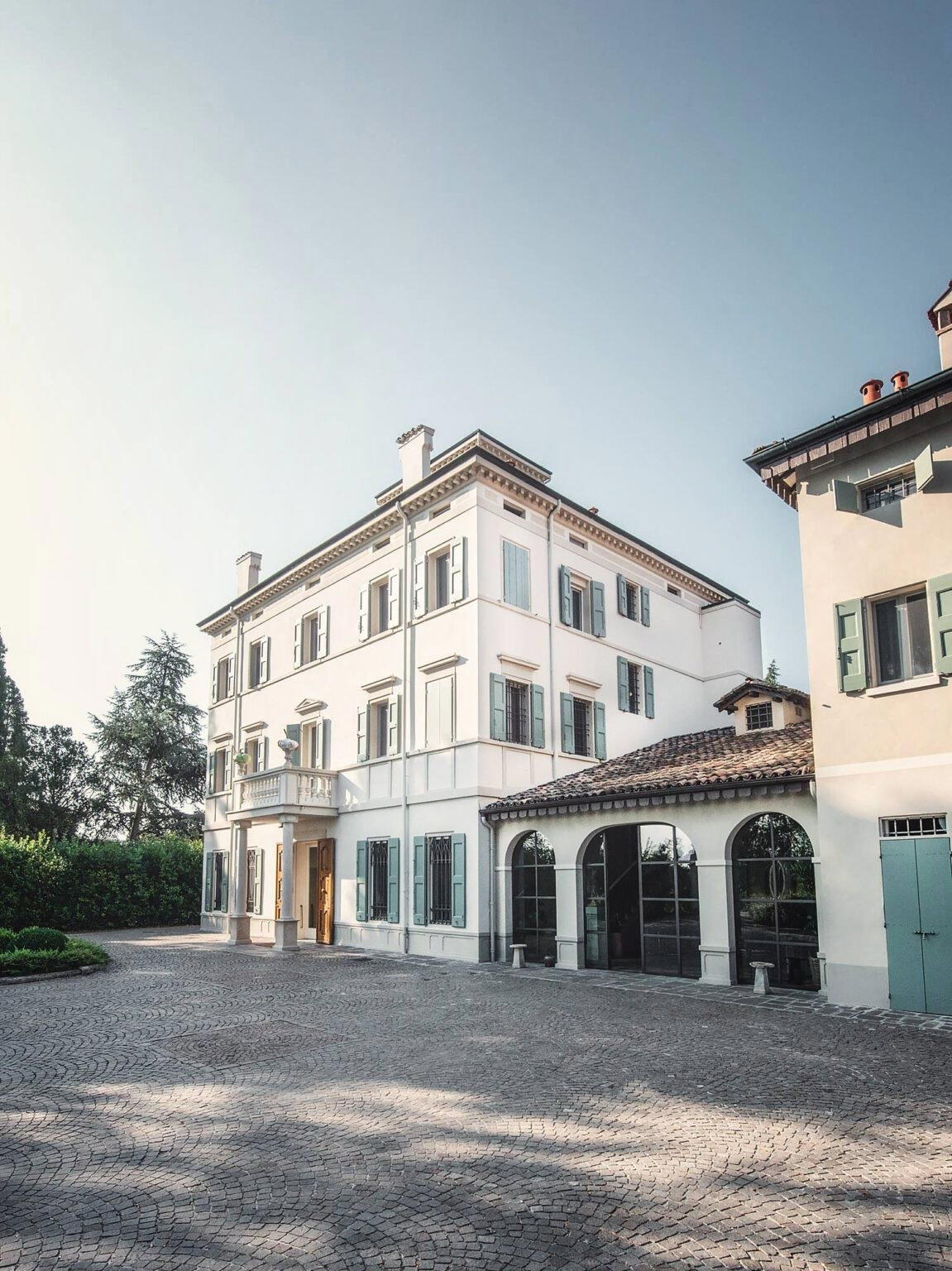
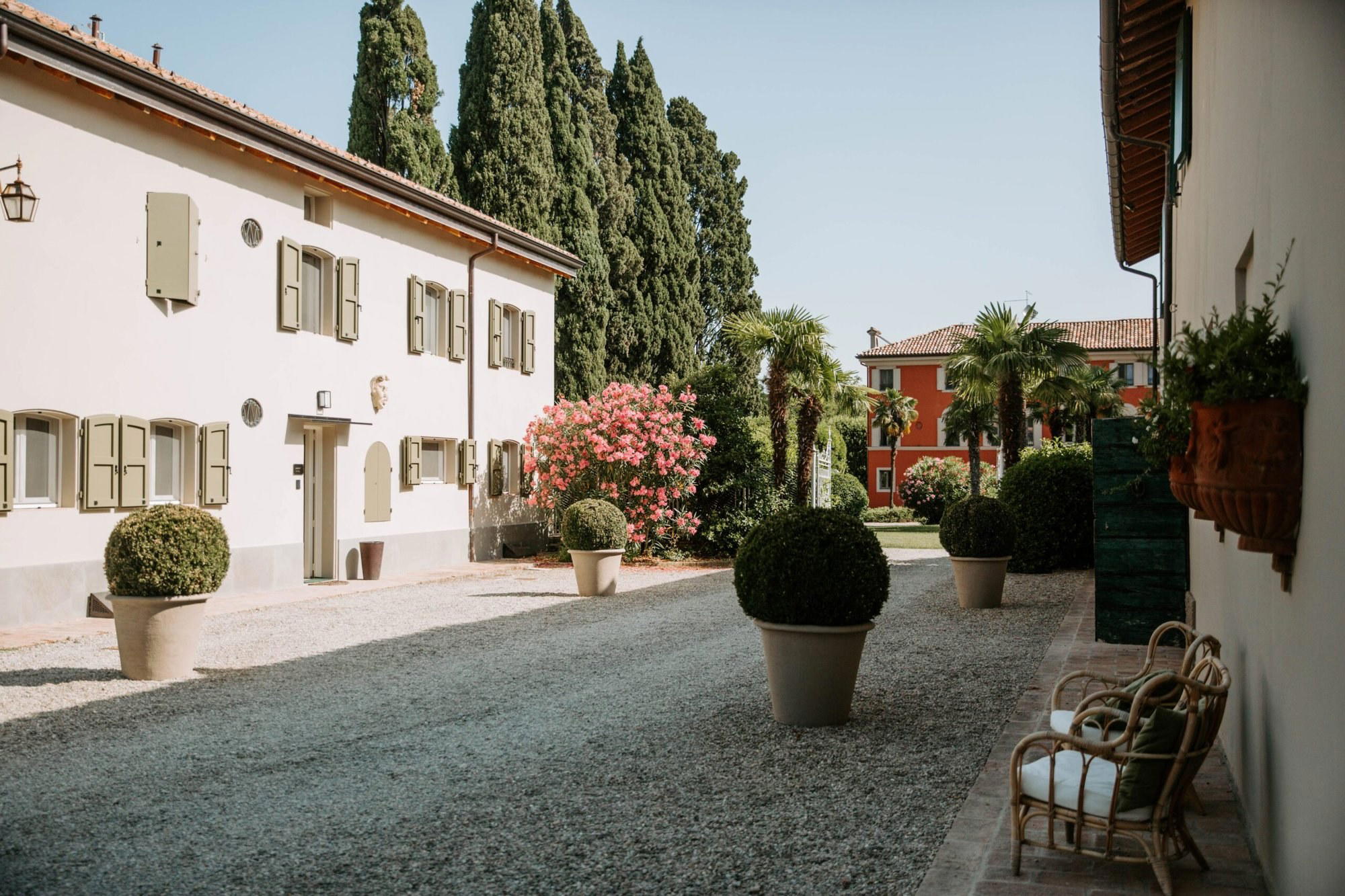
Historic family-owned distillery with traditional artisanal atmosphere centered on aged wooden barrels and classic Emilian craftsmanship.