
Distillerie Bonollo operates from Conselve in the Veneto flatlands, where the industrial logic of grappa production meets the agricultural rhythms of the Euganean lowlands. Awarded Pearl 2 Star Prestige recognition in 2025, it occupies a credible tier among Italy's established distilleries. For those tracing the geography of Italian grappa, the Padua province address places it squarely in the northeastern heartland of the tradition.
Pearl is the En Primeur Club membership app — saves, bookings, and concierge access live there. Same editors, same standards.
- Address
- Via Padova, 74, 35026 Conselve PD
- Phone
- +39 049 538 4326
- Website
- bonollo.it
 Saves & bookings on Pearl
Grappa from the Veneto Plain: Reading the Terroir Through the Still
The Veneto flatlands between Padua and the Euganean Hills do not announce themselves with the drama of Alpine slopes or the obvious romance of Tuscan hillsides. The land here is agricultural in a working sense: Po valley geometry, vine rows interrupted by irrigation channels, and a climate shaped more by continental proximity than coastal softness. It is exactly this kind of territory that produces grappa with a particular character, assertive, direct, tied to the pomace of the grapes grown across Veneto, Trentino, and Friuli rather than softened by altitude or theatrical geography. Distillerie Bonollo, at Via Padova, 74 in Conselve, sits within this agricultural logic, and understanding it means understanding something about where Italian grappa comes from and why the Veneto has remained central to that tradition.
Grappa's production map in northeastern Italy is not evenly distributed. The Trentino Alto Adige corridor, anchored by producers like Distilleria Marzadro in Nogaredo and the celebrated Nonino Distillery in Pavia di Udine, draws much of the prestige attention. Further south, in the Vicenza hills, producers like Poli Distillerie in Schiavon have built reputations on single-varietal and aged expressions. Conselve occupies a different register, a Padua province town on the plain, connected to the agricultural supply chains that feed the Veneto wine industry. That positioning gives a distillery here access to a wide variety of pomace from across the region's output, which shapes both the range and the character of what gets produced.
The 2025 Pearl 2 Star Prestige Award: What Recognition at This Level Signals
Distillerie Bonollo received Pearl 2 Star Prestige recognition in 2025. Within the tiered recognition frameworks used to assess Italian spirits producers, a two-star prestige classification at this level indicates consistent quality across the portfolio and a position in the credible mid-to-upper segment of established Italian distilleries. It does not place the producer in the same conversation as the most decorated single-varietal monovigna houses, but it does signal something more than regional anonymity. Recognition of this kind tends to reward technical discipline in distillation, control of fermentation temperatures, still management, and aging protocols, rather than the agricultural drama that wine awards often prioritize. For a distillery working with pomace sourced across the Veneto agricultural basin, that technical emphasis is the relevant measure.
The peer context matters here. Italian grappa sits in a complicated prestige hierarchy. At one end, artisan producers in Friuli and Trentino have spent decades arguing for grappa's legitimacy alongside Cognac and single malt Scotch, with producers like Distilleria Romano Levi in Neive occupying a near-mythological position in the Piedmontese tradition. At the other end, industrial volume production has historically kept grappa associated with rough firewater in markets outside Italy. The middle tier, where technical seriousness meets accessible production scale, is where most of the serious Veneto distilleries operate. Bonollo's 2025 recognition places it in that credible middle space.
Conselve and the Agricultural Logic of Veneto Distilling
Arriving in Conselve, the landscape context is instructive. The town sits in the Padua plain, south of the city, with the Euganean Hills visible to the west. This is vine-growing territory, though not in the way that Soave or Valpolicella might suggest to visitors more familiar with the region's wine denominations. The plains here contribute Raboso, Merlot, and various local varieties to the Veneto's enormous output, and that output generates the pomace that feeds distilleries operating along the plain. The address at Via Padova, 74 places the operation on a main arterial road, consistent with the functional, production-oriented logic of how serious Italian distilleries tend to operate: close to agricultural supply, connected to transport networks, and without the decorative rural theatre that wine estates often cultivate for visitor purposes.
This is worth stating directly because it shapes visitor expectations. Distillerie Bonollo is a working distillery in an agricultural town, not a heritage estate designed for tourist visits. The comparison set here is not Tuscan wine estates like Castello di Volpaia in Radda in Chianti or the hospitality-forward operations of Ca' del Bosco in Erbusco. The comparison is with producers whose primary output is the spirit itself, and where the logic of quality runs through the distillation process rather than through curated grounds and tasting rooms. For visitors oriented toward understanding production, that difference has value in itself.
Terroir Expression in Grappa: What the Veneto Plain Contributes
Grappa's relationship with terroir is less direct than wine's, but it is not absent. The grape variety from which pomace is derived, the fermentation conditions, and the distillation method all carry traces of the agricultural origin. Veneto pomace from Glera, the grape behind Prosecco production in the Treviso hills, produces a different character than Nebbiolo pomace from the Langhe or Moscato pomace from Asti. The concentration of Prosecco production in the northeastern Veneto means that distilleries in the region have consistent access to a specific aromatic profile in their base material, one that tends toward floral and stone-fruit registers in the finished spirit when handled with care.
For producers like Bonollo operating across the Padua plain, the range of available pomace varieties is broader than it would be for a specialist tied to a single estate or denomination. That breadth has different implications depending on production philosophy: it can support a wide portfolio across different varietal expressions, or it can complicate the argument for single-origin specificity. The 2025 prestige recognition suggests the former approach is working at a credible level. Those planning visits to the area should note that the broader food and drink context around the town helps situate a Bonollo visit within a wider day in the Padua province.
Italian Distilling in a Broader National Context
Italian spirits production extends well beyond grappa. The country's industrial spirits heritage runs through operations like Campari in Milan, which built an international liqueur portfolio from a base in Italian aperitivo culture. Estate-level wine producers with strong hospitality operations, like Lungarotti in Torgiano and Aldo Conterno in Monforte d'Alba, sit in a different category but share the broader mission of expressing Italian agricultural specificity through a bottled product. Planeta in Menfi represents yet another register, where wine production in Sicily carries a strong terroir argument rooted in volcanic and coastal soil profiles. Grappa's place in this national picture is that of the agricultural by-product refined into a considered category, and the distilleries that have made that argument most successfully are the ones that treat pomace sourcing and distillation technique with the same seriousness that winemakers bring to vineyard management.
Bonollo's 2025 recognition, read in this context, represents continued participation in that argument from a Veneto plain position. It is not the loudest voice in the conversation, but it is a consistent one, operating within a tradition that rewards technical discipline over spectacle. For those building a serious understanding of Italian grappa geography, the Padua province is an undervisited part of the map, and a working distillery with current prestige recognition makes the case for its inclusion.
Planning a Visit
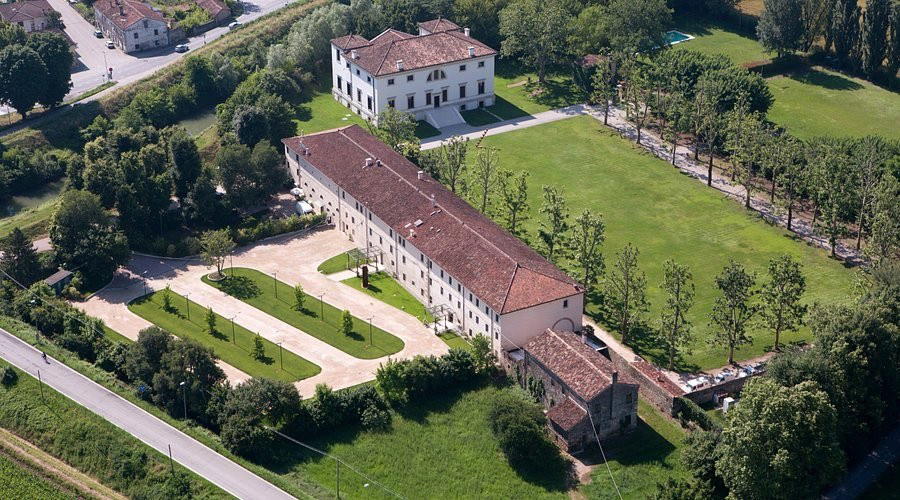
Distillerie Bonollo is located at Via Padova, 74 in Conselve, a town in the Padua province of the Veneto. Conselve is accessible by road from Padua, approximately 20 kilometres to the south, making it a practical extension of any visit to the city. Direct contact with the distillery before visiting is advisable to confirm access arrangements. The working nature of the operation means availability for external visits may be structured around production schedules rather than standard hospitality hours. Those travelling from further afield, visiting from Venice or Verona, will find Conselve sits comfortably within a day-trip range from either city, and the Euganean Hills area to the west offers additional context for the agricultural character of the region.
Comparable Venues
Comparable venues nearby, for context on price, style, and recognition.
| Venue | Cuisine | Price | Notes |
|---|---|---|---|
| Distillerie BonolloThis venue — the venue you are viewing | Friularo | $$ | |
| Gruppo Montenegro | Winery | , | Bologna |
| Lamoreaux Landing Wine Cellars | Winery | , | Lodi |
| Distilleria Moccia | other_grape | , | Ferrara |
| Prà | Garganega, Trebbiano di Soave | $$ | Monteforte d'Alpone |
| Casoni Fabbricazione Liquori | Winery | $$ | Finale Emilia |
Continue exploring
More in Conselve
Wineries in Conselve
Browse all →

Bars in Conselve
Browse all →
Restaurants in Conselve
Browse all →
At a Glance
- Classic
- Rustic
- Wine Education
- Historic Building
- Sustainable
- Zero Waste
Historic family-run distillery with a focus on traditional craftsmanship and modern innovation in a classic industrial setting.