



A two-Michelin-star address in the Venetian hinterland, Antica Osteria Cera has built its reputation on the seafood traditions of the northern Adriatic and Venetian lagoon, placing it among Italy's most serious fish restaurants. The room is modern and spare, the menu spans raw preparations, charcoal-grilled fish, and regional specialities like cassopipa and broetto, and the wine list leans heavily on Italian whites.
Pearl is the En Primeur Club membership app — saves, bookings, and concierge access live there. Same editors, same standards.
- Address
- Via Marghera, 24, 30010 Lughetto VE, Italy
- Phone
- +39 041 518 5009
- Website
- osteriacera.it
- Directions
- Get directions
 Saves & bookings on Pearl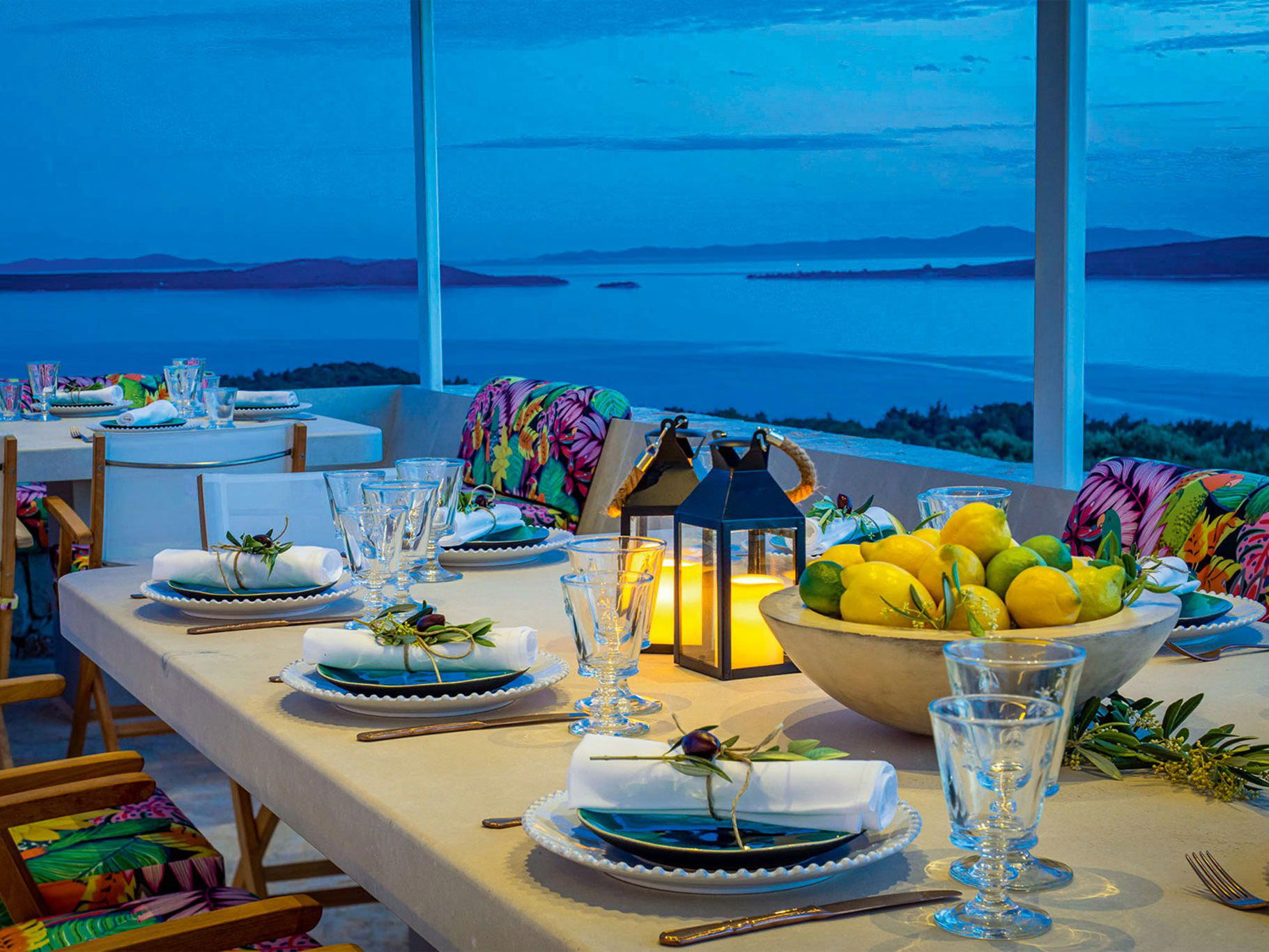
Where the Venetian Lagoon Meets the Dining Room
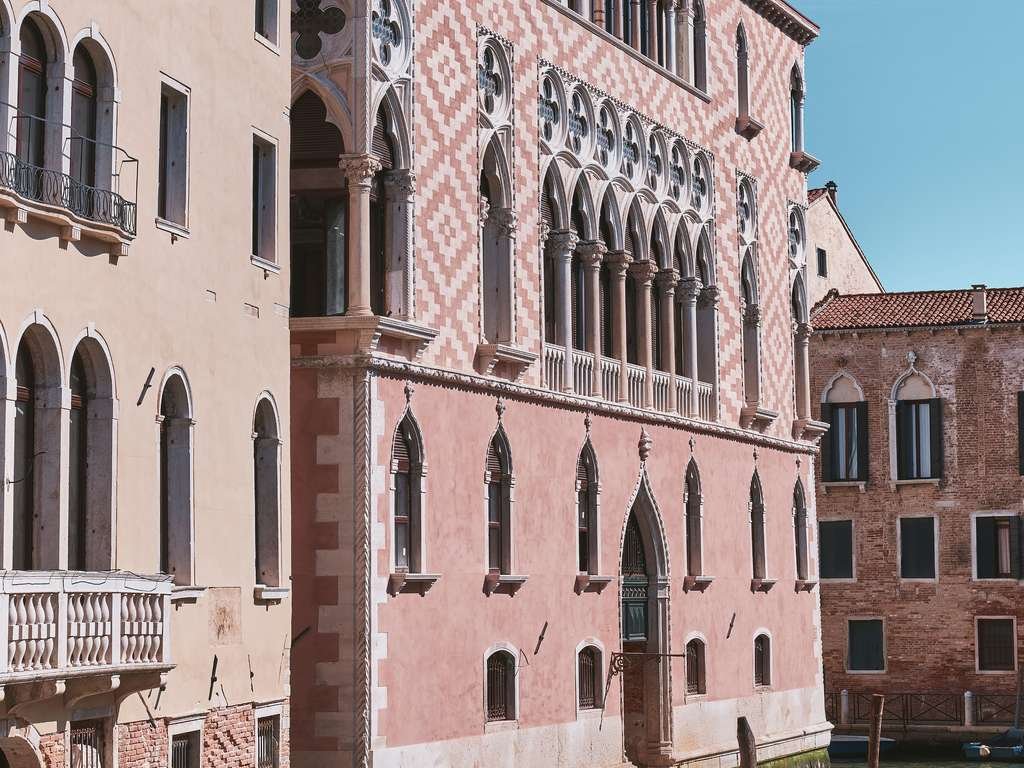
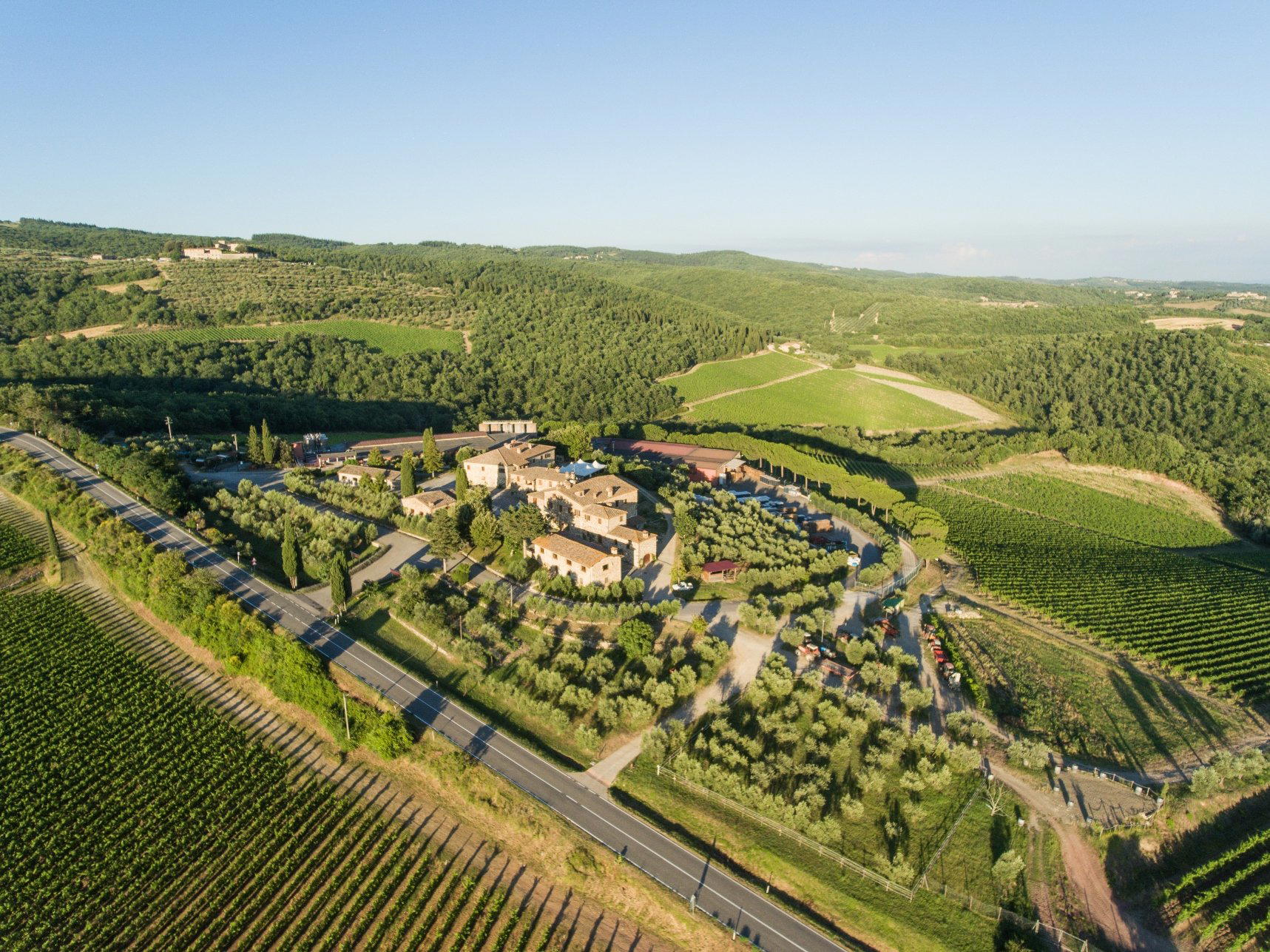
Approaching Lughetto, a small settlement in the Venetian flatlands of the Veneto region, the landscape gives little away. There are no canals visible from the road, no tourist infrastructure, and no cluster of restaurants competing for attention. The village is agricultural, quiet, and emphatically not on the way to anywhere else. Which is precisely why the two Michelin stars held by Antica Osteria Cera carry a particular weight: the kitchen earns its audience through reputation alone, not footfall. Serious diners from Venice, Padua, and further afield make the drive with deliberate intent. That kind of pilgrimage dynamic shapes what happens inside.
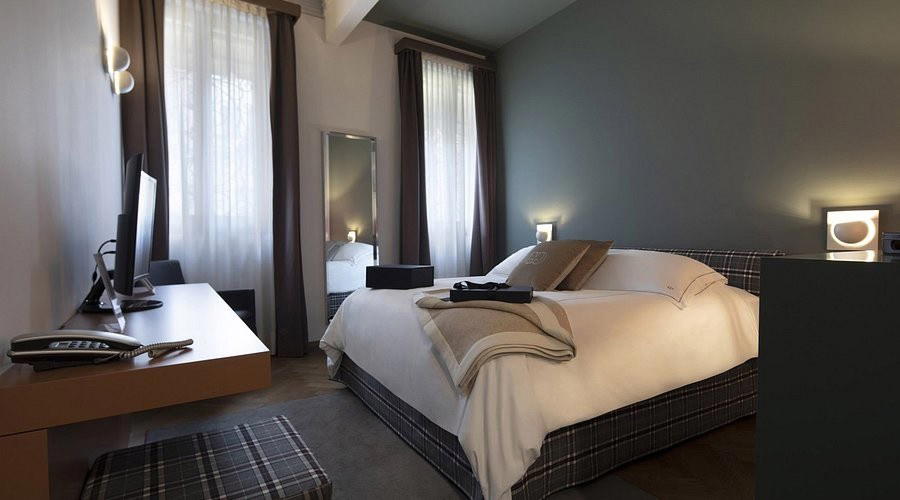
The interior is modern and minimalist. The room is modern and minimalist, with an atmosphere closer to a contemporary restaurant than the rustic warmth the word osteria implies. The name is an inheritance, not a descriptor. What the space communicates instead is discipline, a focus that extends from the tablecloths to the way service is organised. Decoration does not distract. The food is the argument.
The Regional Tradition on the Plate
Northern Adriatic and Venetian seafood cooking occupies a specific register in Italian culinary geography. Unlike the bold, tomato-forward fish dishes of the southern Adriatic coast around Puglia and Calabria, or the more olive-oil-saturated preparations of the Ligurian coast, Venetian tradition prizes restraint, freshness, and technique applied to ingredients sourced from a narrow geographical corridor: the lagoon, the Po Delta, and the northern Adriatic.
That tradition shows on the menu at Antica Osteria Cera through dishes that would be immediately legible to anyone familiar with the Veneto's historic fish culture. Cassopipa is one of them: a slow-cooked cuttlefish preparation in its own ink with polenta, found in the trattorie of the lagoon towns for centuries, but rarely executed with this level of attention in a fine-dining context. Broetto, the Venetian fish broth built from mixed small fish and historically associated with fishermen cooking on board, appears alongside it. These are not nostalgic gestures. They are the load-bearing elements of a menu that uses classical Venetian seafood vocabulary as its foundation before building outward.
The kitchen extends that vocabulary through raw preparations and charcoal-grilled fish, both of which place different demands on sourcing. Raw fish work requires daily procurement of material in prime condition; the charcoal grill asks for fish of a size and quality that can withstand direct heat without disintegrating. The Uliassi in Senigallia on the Adriatic's western coast and Quattro Passi in Marina del Cantone in Campania represent other Italian expressions of serious seafood cooking at the two-star level, each anchored in their own regional tradition. Cera's positioning is distinctly Venetian lagoon, and the sourcing reflects that geography specifically.
The Po Delta Perla Rosa oyster is a notable point of reference here. The Po Delta, which empties into the northern Adriatic roughly 80 kilometres south of Venice, produces oysters that carry the estuarine character of that environment, fleshy and with a flavour profile that differs materially from Atlantic or Breton oysters more commonly seen on fine-dining menus. The Cera menu features these alongside a broader oyster selection, and they represent a deliberate positioning within Italian aquaculture rather than a generic luxury signifier.
Structure, Format, and Where Cera Sits Among Italian Peers
Italy's two-star tier is not uniform. The category contains everything from progressive creative kitchens like Reale in Castel di Sangro to classicist houses like Dal Pescatore in Runate, which has held its stars across multiple decades. The three-star contingent in Italy includes addresses as different from each other as Osteria Francescana in Modena, Enrico Bartolini in Milan, Le Calandre in Rubano, Enoteca Pinchiorri in Florence, and Atelier Moessmer Norbert Niederkofler in Brunico. Within this comparable set, Cera's distinction lies in its regional specificity and its discipline around a single ingredient category.
Michelin stars sustained across multiple years signal a kitchen operating at a stable high level. Piazza Duomo in Alba and Casa Perbellini 12 Apostoli in Verona represent the northern Italian fine-dining circuit within which Cera operates, each anchored to a distinct regional identity. For Italian seafood restaurants operating in a similar register, comparisons with Il Marin in Genoa and La Pineta in Marina di Bibbona are instructive: each of these addresses draws on a specific coastal tradition, and each has developed a distinct identity around that tradition rather than converging on a generic fine-dining idiom.
The menu structure at Cera includes tasting-oriented selections, classical regional dishes, and a dedicated vegetarian menu titled Solo Verde. Alongside the tasting-oriented selections and the classical regional dishes, a dedicated vegetarian menu titled Solo Verde runs parallel. In a kitchen whose identity is built around fish, offering a fully developed vegetarian programme signals both operational depth and an awareness that dietary requirements do not follow dining room logic.
The Wine Argument
The wine list at Antica Osteria Cera is described as extensive, with particular depth in Italian white wines. This is the natural pairing axis for a kitchen centred on raw fish, lagoon shellfish, charcoal-grilled sea bream, and the lighter broth preparations of Venetian tradition. The Veneto produces a range of whites that work across different stages of a seafood-centred meal: the lighter Soave Classico and Lugana styles in the early courses, moving to the more structured whites from Friuli or Alto Adige as the dishes gain weight. A list built around these benchmarks would have both regional coherence and service logic.
Getting There and Planning Your Visit
Lughetto is accessible by car from Venice in approximately 45 minutes, and from Padua in around 30. There is no practical public transport option for this village. The kitchen operates Tuesday through Saturday for lunch (12 to 2 pm) and dinner (8 pm to midnight), closing on both Sunday and Monday. The price positioning at €€€€ places it at the premium end of the regional dining market, consistent with its two Michelin stars. Booking in advance is essential, particularly for weekend dinner sittings: a restaurant with this level of recognition operating in a low-footfall location fills its tables through reservation rather than walk-in.
Comparison Snapshot
Comparable venues nearby, for context on price, style, and recognition.
| Venue | Cuisine | Price | Awards | Notes |
|---|---|---|---|---|
| Antica Osteria CeraThis venue — the venue you are viewing | Modern Venetian Seafood | $$$$ | Michelin 2 Star | Not listed |
| Madonnina del Pescatore | Modern Italian Seafood Fine Dining | $$$$ | Michelin 2 Star | Lido di Marzocca |
| Terra The Magic Place | Modern Italian Regional Fine Dining | $$$$ | Michelin 2 Star | Sarentino |
| Santa Elisabetta | Modern Italian Fine Dining with Seafood Focus | $$$$ | Michelin 2 Star | San Niccolo |
| Verso Capitaneo | Modern Italian Fine Dining | $$$$ | Michelin 2 Star | Duomo |
| Acquolina | Modern Mediterranean Seafood Fine Dining | $$$$ | Michelin 2 Star | Campo Marzio |
Recognition history
Dated appearances from independent guides and award organizations, with the underlying list record or original source where available.
Falstaff Restaurant - 95 Falstaff Points
Falstaff
La Liste Top Restaurants
La Liste
Michelin 2 Stars
Michelin
La Liste Top Restaurants
La Liste
Michelin 2 Stars
Michelin
Opinionated About Dining Classical in Europe Ranked #189
Opinionated About Dining
Michelin 2 Stars
Michelin
Opinionated About Dining Classical in Europe Ranked #207
Opinionated About Dining
Opinionated About Dining Classical in Europe Recommended
Opinionated About Dining
Continue exploring
More in Lughetto
Restaurants in Lughetto
Browse all →

Bars in Lughetto
Browse all →
Hotels in Lughetto
Browse all →
At a Glance
- Elegant
- Modern
- Minimalist
- Sophisticated
- Special Occasion
- Date Night
- Business Dinner
- Private Dining
- Standalone
- Extensive Wine List
- Sustainable Seafood
- Local Sourcing
Current opening hours
- Monday
- Closed
- Tuesday
- 12–2 PM, 8 PM–12 AM
- Wednesday
- 12–2 PM, 8 PM–12 AM
- Thursday
- 12–2 PM, 8 PM–12 AM
- Friday
- 12–2 PM, 8 PM–12 AM
- Saturday
- 12–2 PM, 8 PM–12 AM
- Sunday
- Closed
Hours can change for holidays and private events. Last verified .
Elegant, modern and minimalist interior with refined lighting and sophisticated atmosphere, far from traditional osteria aesthetics despite the name.