Google: 4.7 · 525 reviews
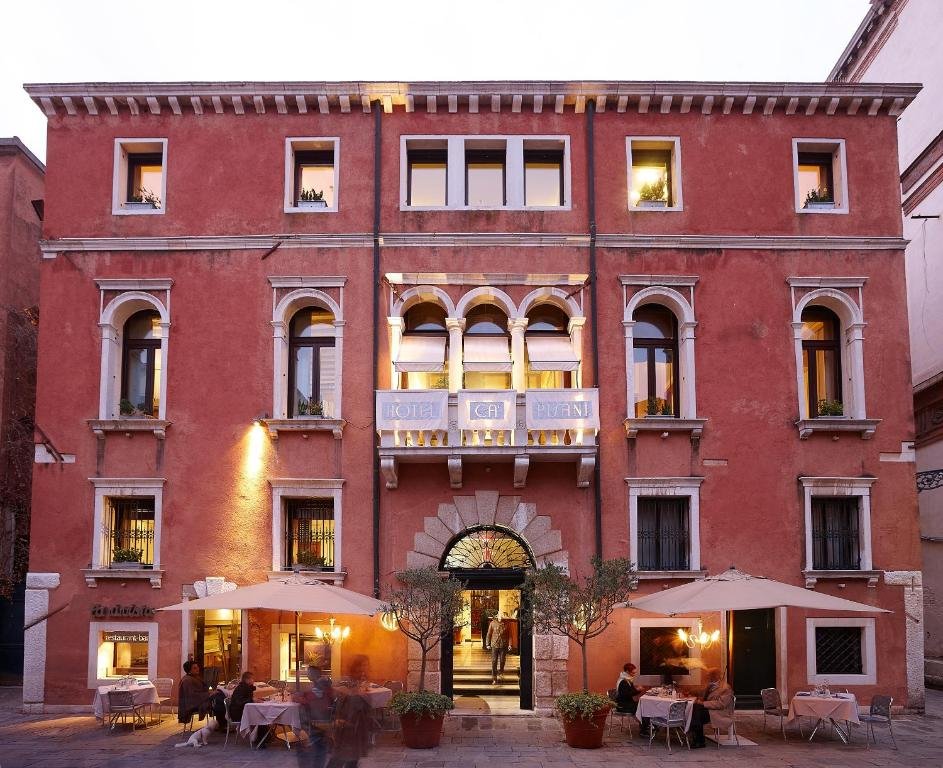
Palazzina Grassi occupies a quietly positioned address in the San Marco sestiere, drawing a loyal Venice crowd that returns for its atmosphere rather than spectacle. The property sits within the kind of layered, canal-adjacent setting that defines how the city's more considered hospitality spaces operate. For visitors willing to look beyond the obvious, it offers a different register of Venetian evening entirely.
 Discover on Pearl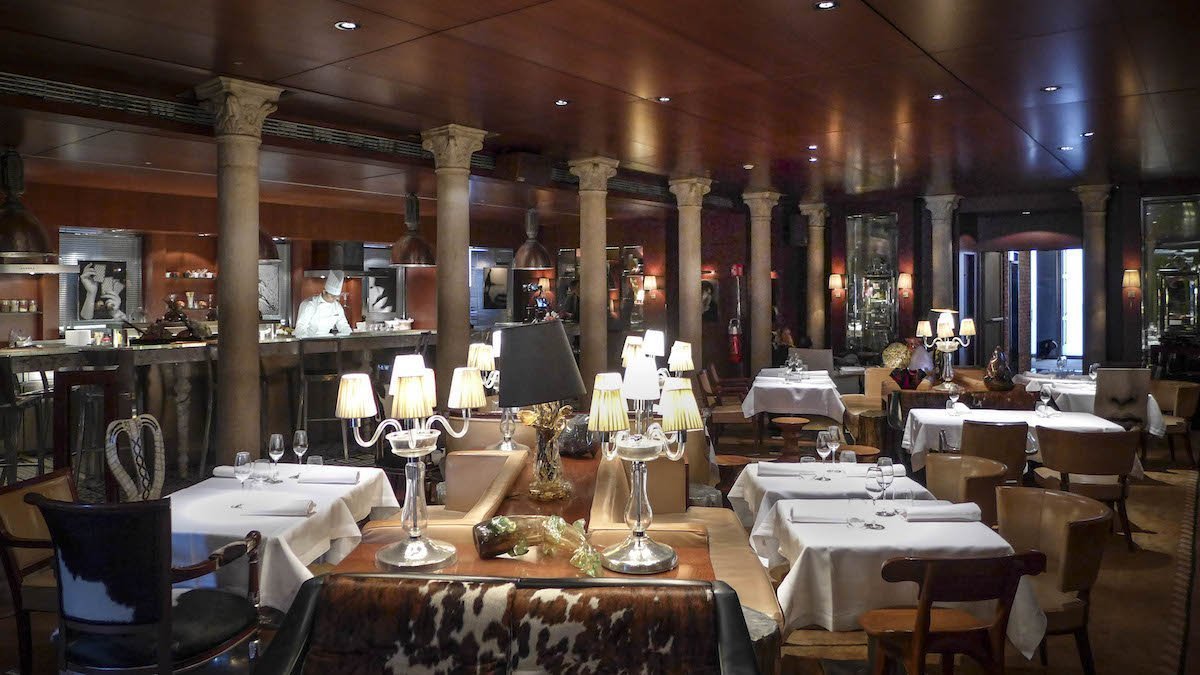
What the Canal Does to a Room
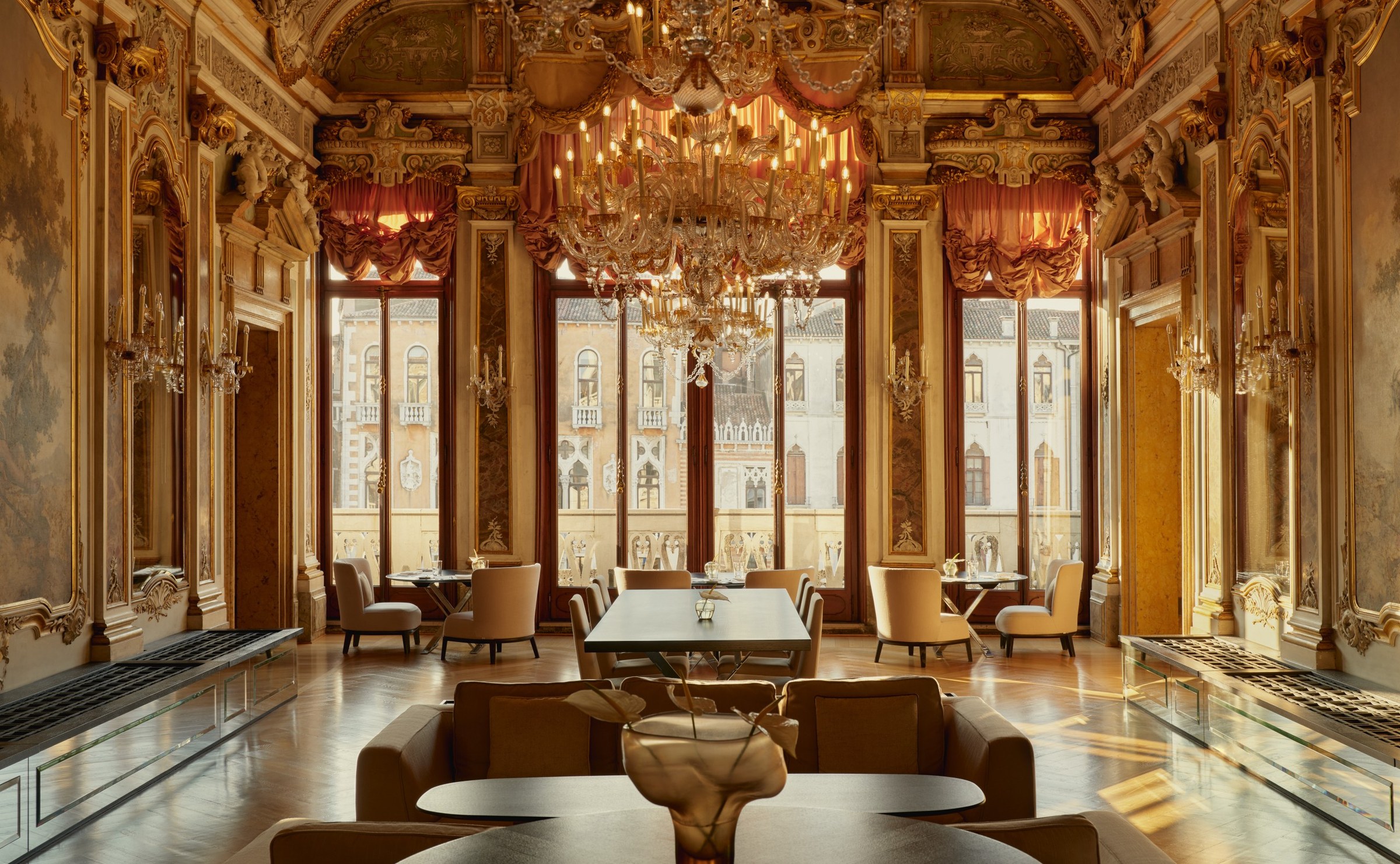
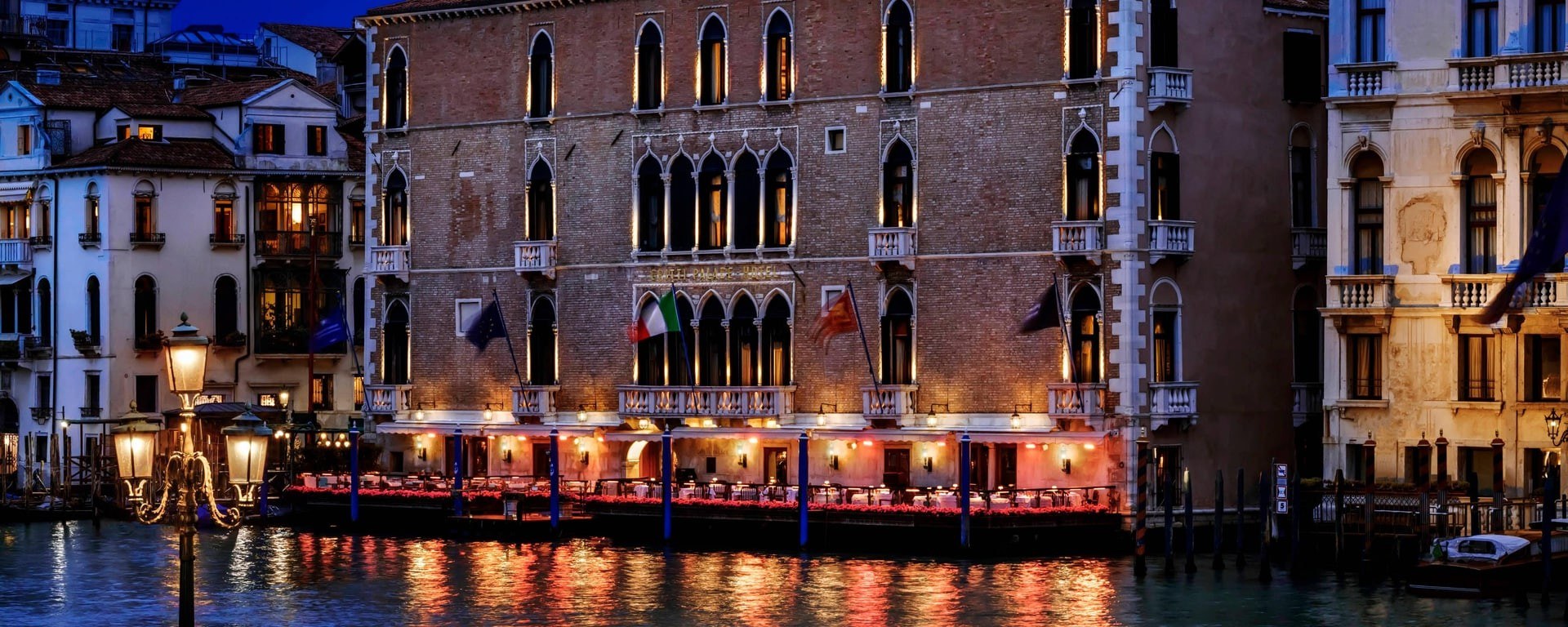
There is a particular quality of light that arrives in Venice around dusk, when the water reflects the last of the sun back through ground-floor windows and the city's stone surfaces soften from grey to amber. Properties on or near the smaller rii — the secondary canals that branch away from the Grand Canal — catch this effect differently than the main thoroughfares, and Palazzina Grassi, addressed at Ramo Grassi 3247 in the San Marco sestiere, sits in that quieter register. Approaching on foot through the narrow calli that connect this part of the sestiere to the Frari and Dorsoduro districts, the transition from tourist-density Venice to something more residential is gradual but clear. By the time you arrive, the city has already done part of the work.
This is relevant because repeat visitors to Palazzina Grassi , and there are a notable number of them, the kind who build an annual or biannual Venice trip around a specific set of addresses , describe the property less in terms of services and more in terms of atmosphere and position. In a city where the gap between what a property promises and what it delivers is often widest in the mid-tier, places that hold a loyal local and semi-local following tend to do so because they are consistent in ways that marketing cannot manufacture.
The Venice That Regulars Know
Venice's hospitality scene has long operated on a split between the highly visible and the quietly known. The Grand Canal properties , led by the Aman Bar and the Gritti Palace tier , absorb the majority of first-time luxury visitors. A separate layer of addresses, fewer in number and less aggressively marketed, persists because it serves people who already know the city well enough to have opinions about which side of the Accademia bridge they prefer to sleep on.
Palazzina Grassi belongs to this second layer. Its address in San Marco keeps it within the historic core without placing it on any of the predictable tourist circuits. Guests who return cite the kind of consistency that is hard to manufacture , a property that operates as though it knows who its clientele is and makes no particular effort to be something else. In cities that change rapidly, this can read as inertia; in Venice, which changes almost not at all, it reads as alignment.
For comparison, the bar and cicchetti culture that defines Venice's more animated social hours runs from spots like Al Covino and Al Mercà in the Rialto vicinity to the more seated, wine-focused format of Al Covo. These venues serve Venice's eating and drinking culture at ground level. Palazzina Grassi operates in a different mode: the evening drink before dinner, the late arrival after a flight from Milan or London, the morning coffee taken without urgency. It is a property that assumes its guests have places to be and time to get there.
San Marco as a Residential Proposition
The San Marco sestiere carries a paradox familiar to anyone who has spent more than a long weekend in Venice. It contains the city's most visited monuments , the Basilica, the Doge's Palace, the Piazza itself , and yet, move two or three calli away from the main axis and the residential character reasserts itself quickly. Streets that were dense with day-trippers an hour earlier empty out after early evening, and the neighbourhood becomes something closer to what it was before mass tourism defined the city's economic metabolism.
Palazzina Grassi's address on Ramo Grassi sits in this interstitial zone, close enough to the major sites to be convenient and far enough from the main drag to be quiet by nine o'clock. For the guest who has already done the obligatory Venetian itinerary and is now interested in a different pace, this is a meaningful distinction. The logistics are direct: water taxi from Marco Polo airport to a nearby water entrance, or the vaporetto to the San Samuele stop on the Grand Canal, a short walk from the address. Venice's public water transport runs reliably until midnight, and night services, while reduced, connect the main points of the city.
What Keeps People Coming Back
The regulars' case for Palazzina Grassi is not built on a single feature. It is built on accumulation: the fact that the same staff tend to be there, that the physical space has not been redesigned into unfamiliarity, that the position in the city rewards the kind of slow, on-foot exploration that Venice still rewards when you already know which bridges to take. These are not selling points that appear in a brochure, because they only become apparent on a second or third visit.
This pattern is not unique to Venice or to this property. Across Italy's cities, the bars and hotels that retain loyal followings tend to share a quality of deliberate restraint , they are not trying to be the most discussed address in the city, and this very absence of ambition becomes, over time, a form of reliability. Enoteca Historical Faccioli in Bologna operates on a similar principle in the wine bar register, as does L'Antiquario in Naples in the cocktail tier. The pattern holds across the peninsula's more considered drinking and hospitality addresses.
Beyond Italy, the same logic applies to properties in cities where the tourism infrastructure has outgrown the resident culture. Lost and Found in Nicosia and Bar Leather Apron in Honolulu serve locally-rooted followings that are largely invisible to first-time visitors. The leading Italian urban counterparts to this model include 1930 in Milan, Drink Kong in Rome, and Gucci Giardino in Florence, each of which has built a reputation that functions independently of tourist season.
Planning a Visit
Venice's high seasons run from April through June and September through October, when hotel availability tightens across all tiers and rates climb accordingly. The winter months, particularly November through February, offer a different version of the city: the acqua alta risk is real and the fog can be dense, but the crowds recede and the residential character of the sestieri reasserts itself in a way that is difficult to access in peak season. For the guest who has visited Venice in summer and wants to understand what the regulars value about the city, a winter or shoulder-season stay changes the proposition considerably.
For a broader orientation to the city's eating, drinking, and staying options, the EP Club Venice guide maps the major addresses by neighbourhood and category. Palazzina Grassi sits within a peer set of San Marco properties that prioritise position and atmosphere over programmatic hospitality, and understanding that set is useful context before booking.
Cuisine and Recognition
A quick peer reference to anchor this venue in its category.
| Venue | Cuisine | Awards | Notes |
|---|---|---|---|
| Palazzina Grassi | This venue | ||
| Aman Bar | |||
| Arts Bar | |||
| Il Mercante | |||
| Vino Vero | |||
| Al Covino |
Continue exploring
More in Venice
Bars in Venice
Browse all →
Restaurants in Venice
Browse all →
Hotels in Venice
Browse all →

At a Glance
- Elegant
- Sophisticated
- Romantic
- Opulent
- Modern
- Date Night
- Special Occasion
- Waterfront
- Terrace
- Historic Building
- Design Destination
- Hotel Bar
- Lounge Seating
- Outdoor Terrace
- Classic Cocktails
- Waterfront
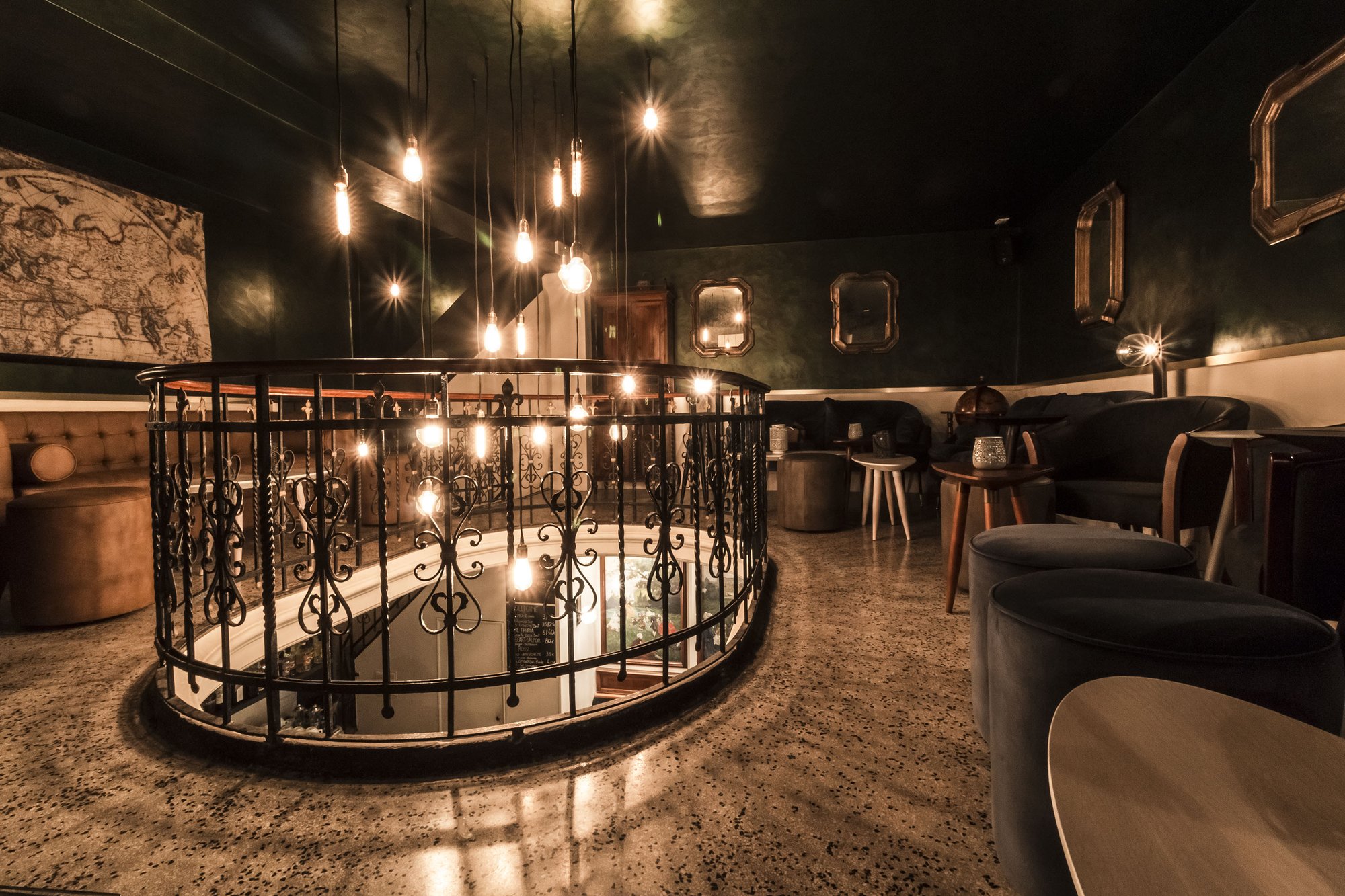
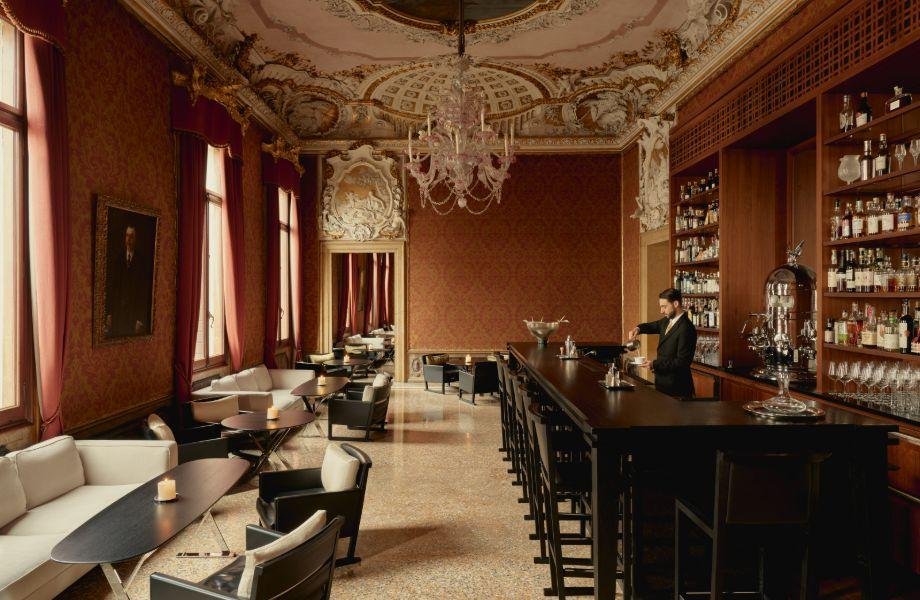
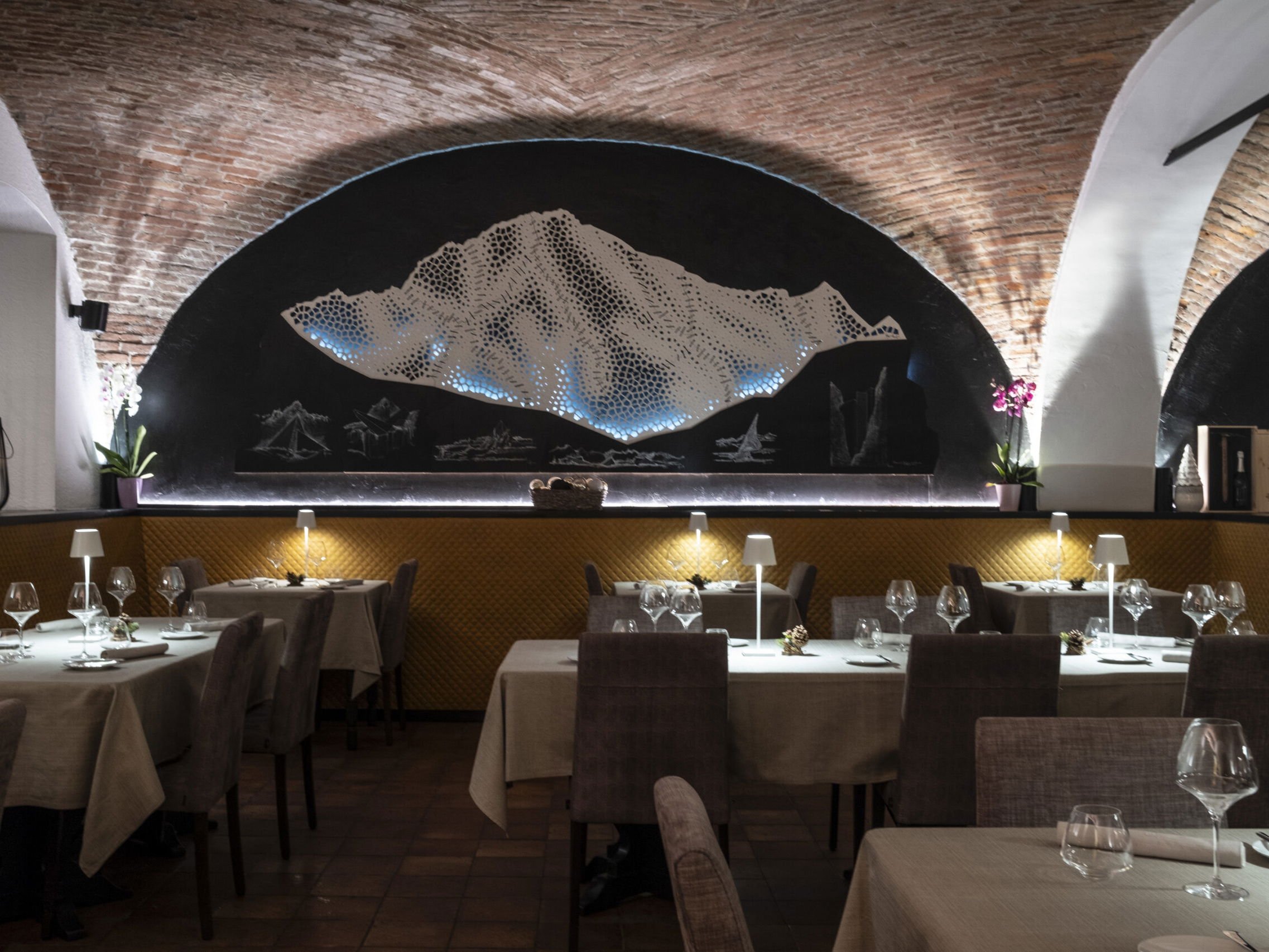
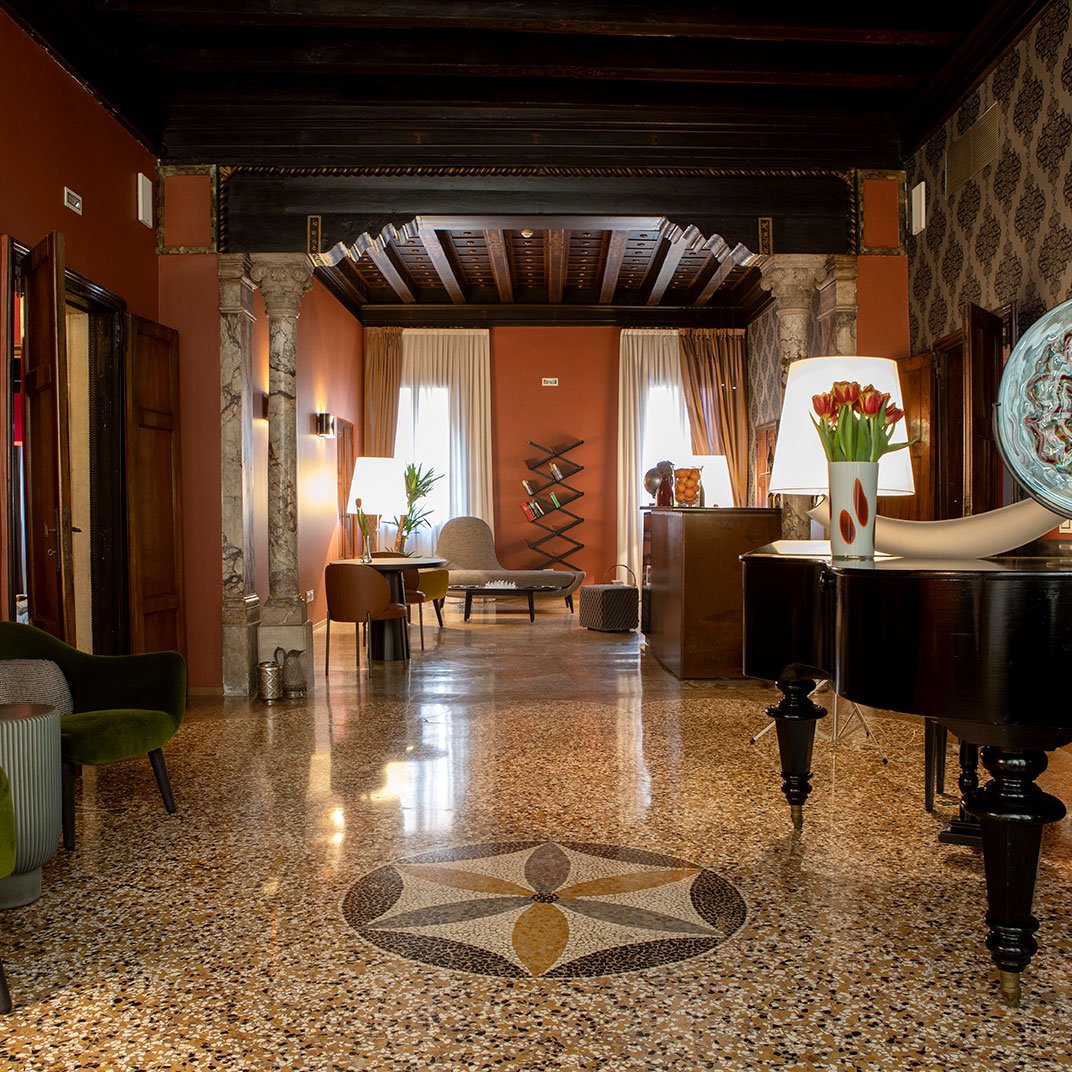
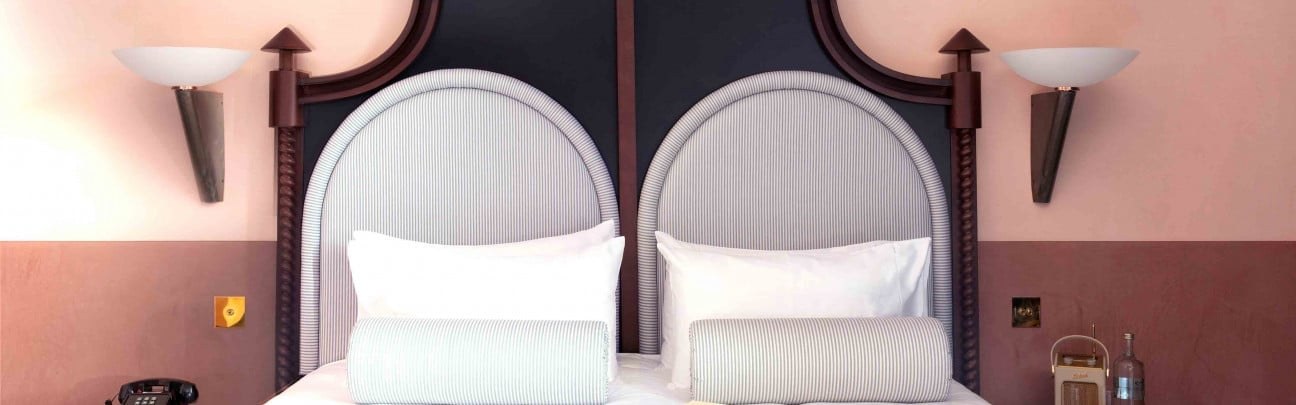
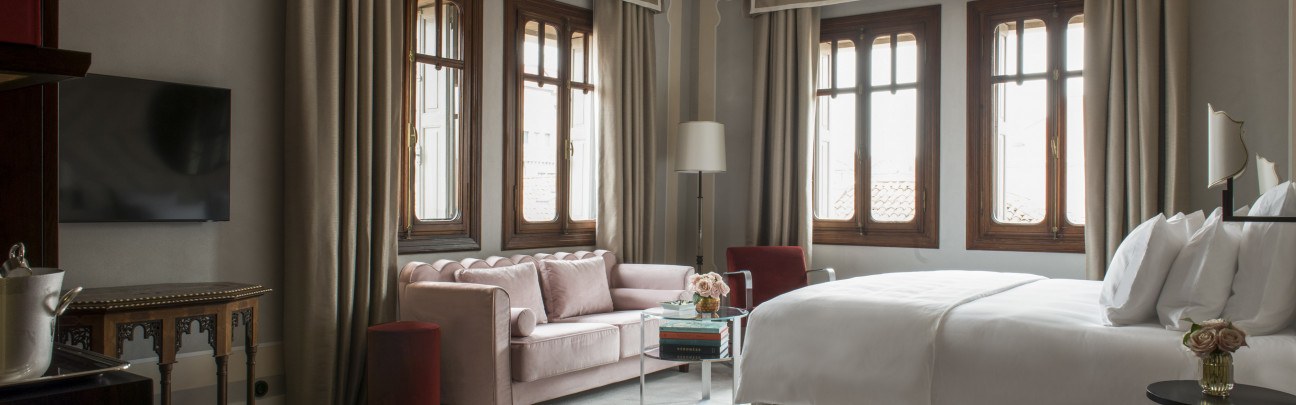
Mood-lit with mahogany, velvet, leather, exposed brick, flickering candles in Murano glass, and warm muffled atmosphere.