
Occupying a 19th-century building on the grounds of a villa designed by Andrea Palladio himself, La Barchessa di Villa Pisani is a 16-room property in the Veneto countryside between Verona and Padua. A Michelin 1 Key recipient in 2024, it pairs Renaissance architectural atmosphere with contemporary Italian design and an on-site osteria focused on regional cuisine. Rates from $158 per night.
Pearl is the En Primeur Club membership app — saves, bookings, and concierge access live there. Same editors, same standards.
- Address
- di Lonigo, Via Risaie, 1/3, 36045 Bagnolo VI
- Phone
- +39 0444 831207
- Website
- labarchessadivillapisani.it
- Directions
- Get directions
 Saves & bookings on Pearl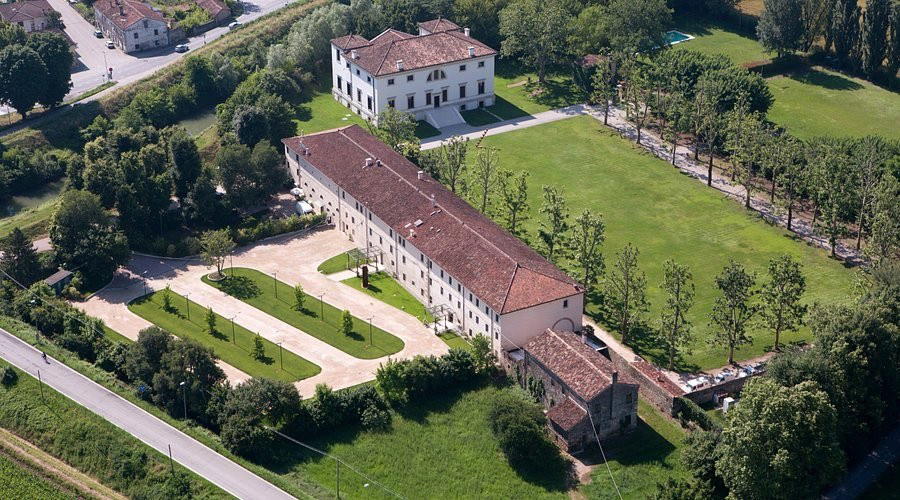
Where Palladio's Shadow Still Falls
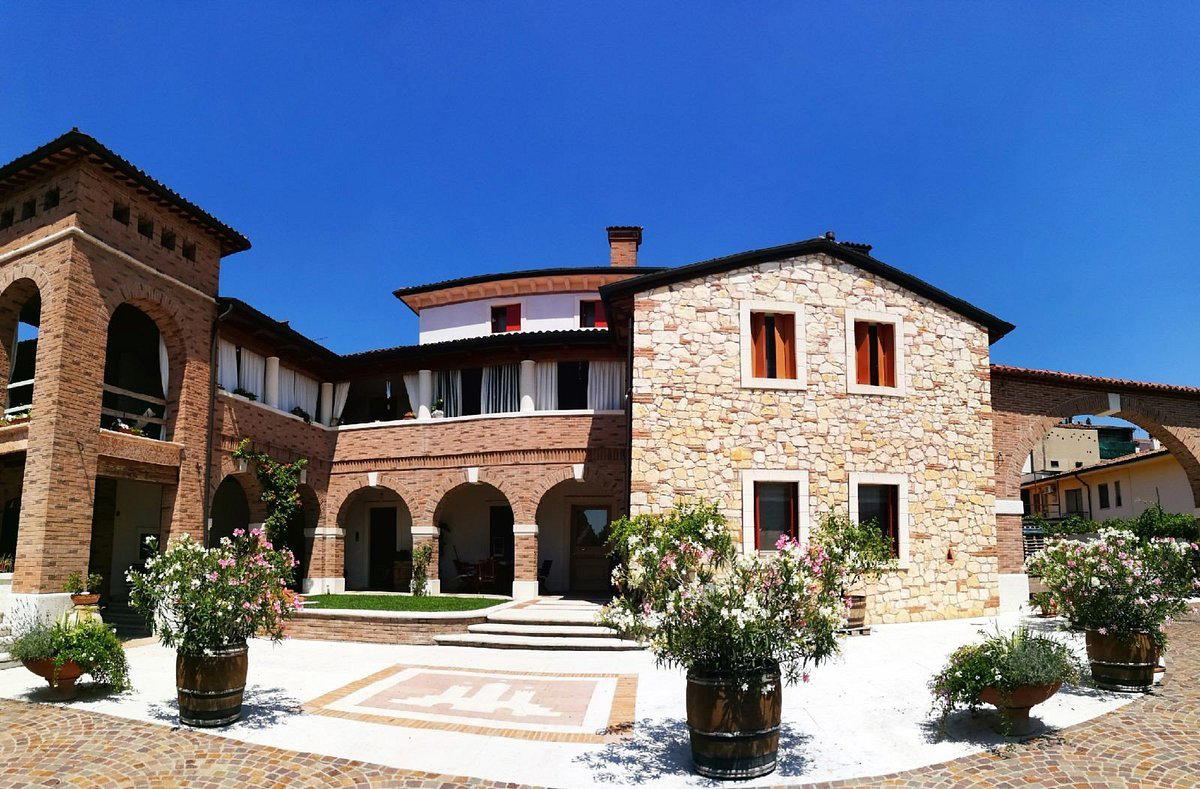
Approaching La Barchessa di Villa Pisani across the flat agricultural plain of the Bagnolo Vicentino, the proportions arrive before the details do: the symmetrical facade, the clean horizontal lines, the geometry that signals something more deliberate than ordinary countryside architecture. This is the Veneto as Andrea Palladio mapped it in the 16th century, a region he populated with villas that functioned as working estates but were designed with the rigour of civic monuments. Villa Pisani is not Palladian in spirit or influence, it was designed by Palladio himself, placing it in a category that even particularly celebrated properties in the region cannot claim. For anyone who travels with architecture as a primary coordinate, that distinction carries real weight.
The hotel occupies a 19th-century barchessa, the term for the agricultural outbuilding that flanked the main villa, constructed in the same classical vocabulary as the original and restored to its present form as a 16-room luxury property. This building type is common across the Veneto: long, colonnaded, originally intended to house farm equipment, livestock, and seasonal workers. What La Barchessa di Villa Pisani represents is the more considered end of that conversion tradition, where restoration has been attentive rather than expedient, and where the contemporary layer sits inside the historical shell without erasing it.
The Architecture of Restraint
The Palladian system operates on principles that have aged better than almost any other Western architectural language: harmonic proportions derived from classical antiquity, facades organised around a central axis, interiors where room sizes relate to each other in mathematical ratios. What makes a stay at La Barchessa structurally different from other historic conversions, and Italy has hundreds of them, ranging from Castello di Reschio in Lisciano Niccone to Castelfalfi in Tuscany, is that the architectural pedigree here is not borrowed. The proportional logic was set by the same hand that shaped the Villa La Rotonda and the Basilica Palladiana in Vicenza itself.
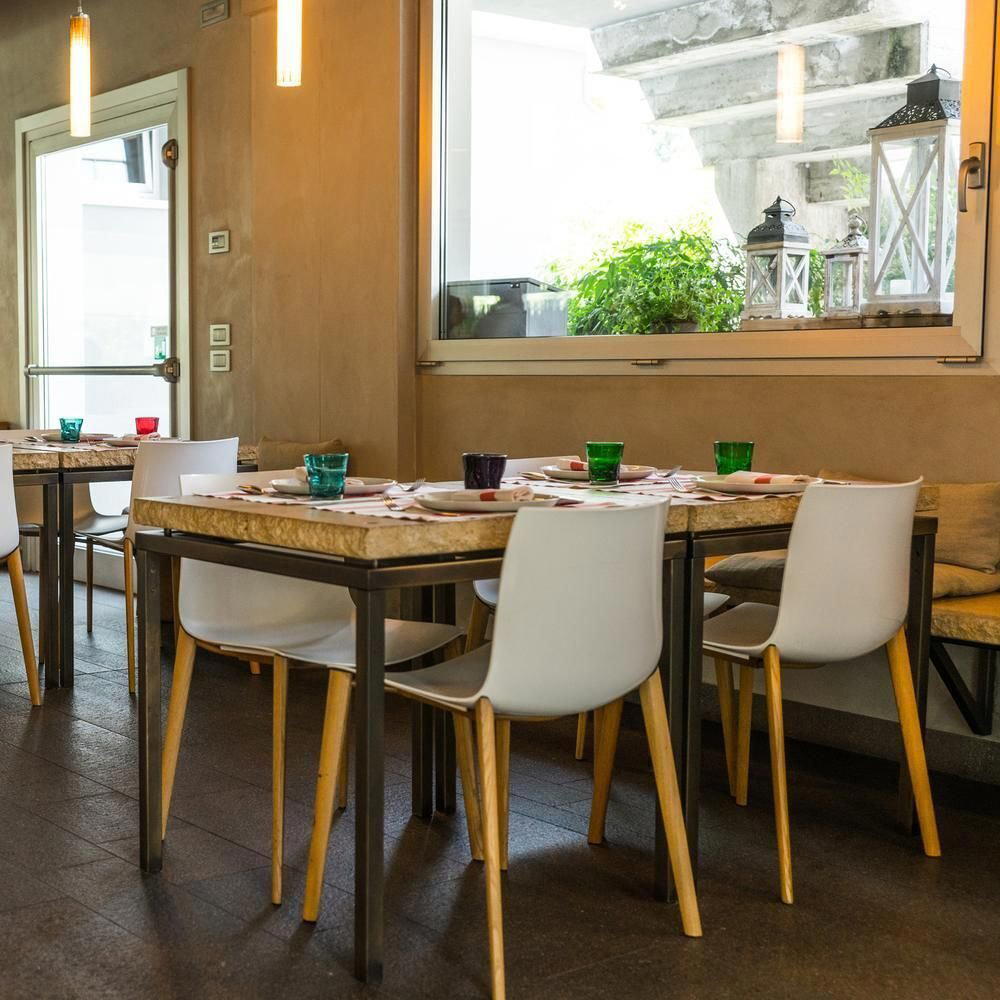
Interiors reflect a design approach that Italian hospitality at its more considered end tends to handle well: the pairing of architectural features that read as classical (vaulted ceilings, stone floors, carefully framed apertures) with furnishings that sit in the present tense. At La Barchessa, rooms combine antique and contemporary furniture, and artworks that are new in execution but draw on Renaissance scenes as subject matter. This is not pastiche, it is the kind of layering that only works when the underlying architecture is confident enough to absorb contrast. The result, across 16 rooms, is a property that reads as accumulated rather than staged.
For comparison, properties like Four Seasons Hotel Firenze in Florence or Bulgari Hotel Roma in Rome bring substantial resources to the problem of inserting luxury into historic fabric. La Barchessa operates on a different scale entirely, 16 rooms, a countryside setting, no urban amenity network, and its proposition is correspondingly more singular. You are not buying access to a city through a beautiful building. You are buying the building, and the landscape it commands, as the primary experience.
The Veneto Setting and Why It Matters
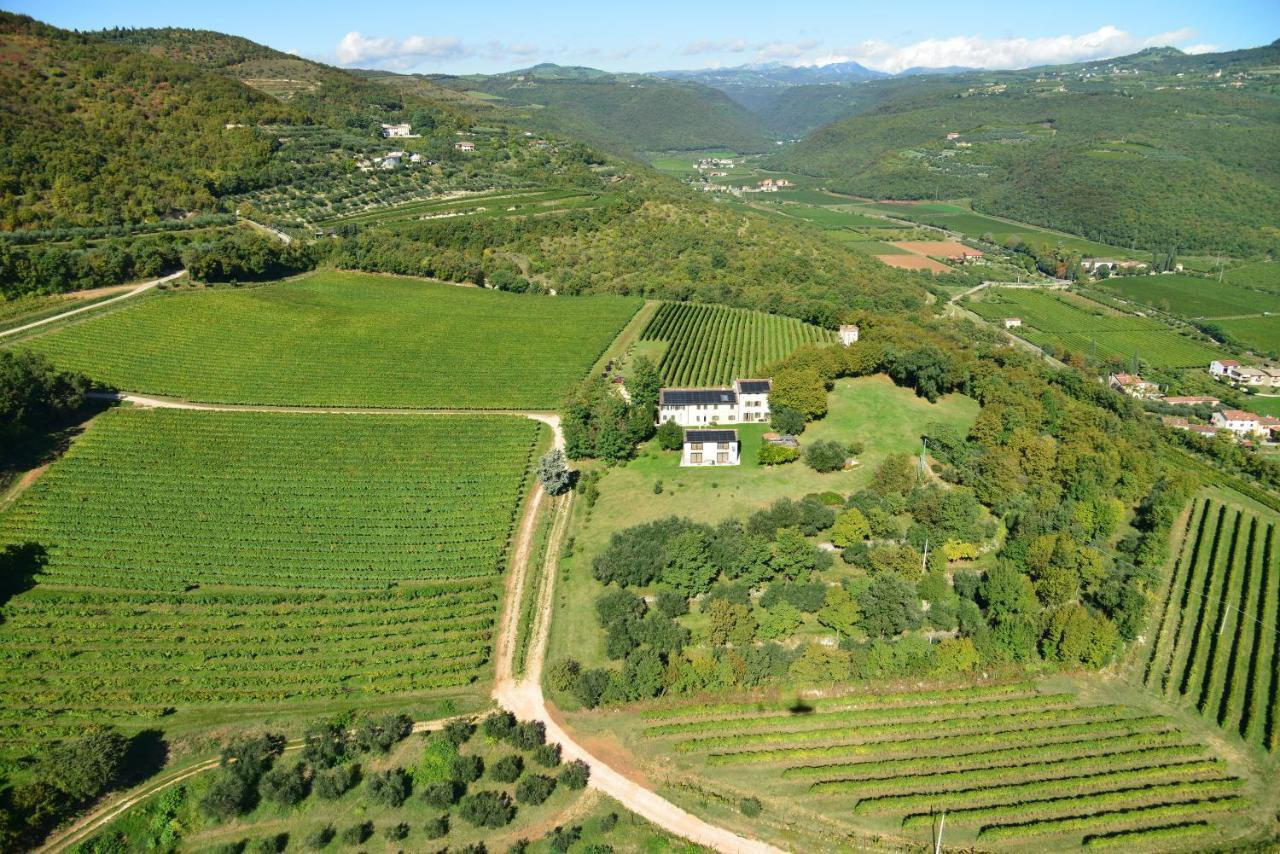
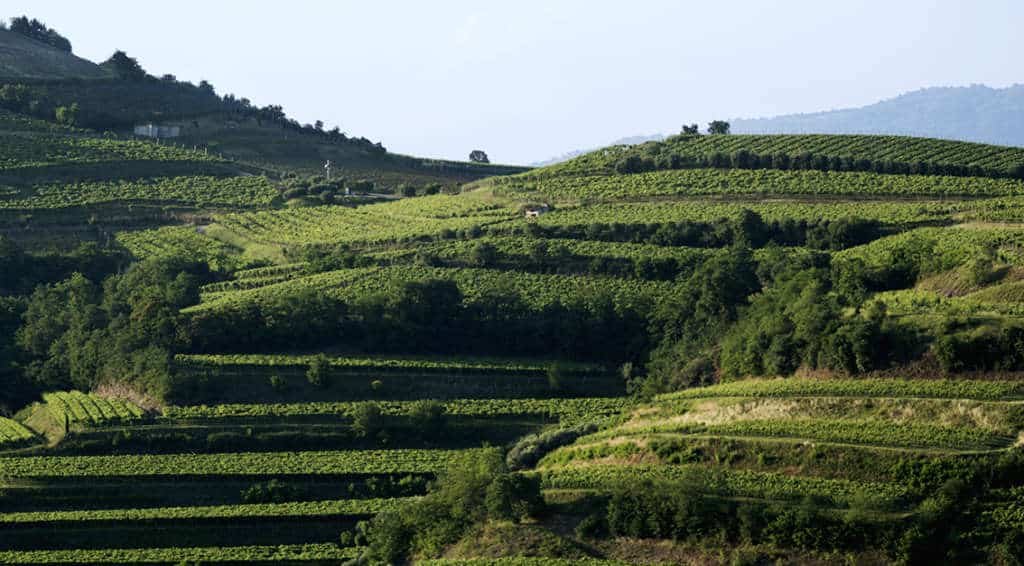
The Veneto is the region where Palladio's villas were not exceptions but a coordinated programme: more than two dozen built across the foothills and plains between Vicenza, Verona, and Padua, most of them still standing, several accessible to visitors. The UNESCO listing of the Palladian Villas of the Veneto recognises this density as a collective cultural achievement. La Barchessa di Villa Pisani sits within that network geographically, positioned between Verona and Padua in a part of the Veneto that draws serious architecture travellers but fewer casual tourists than the Amalfi Coast or Tuscany's better-known circuits.
This position has practical implications. Verona, with its Roman amphitheatre, its medieval centre, and its operatic associations, is reachable as a day trip, as is Padua with the Scrovegni Chapel. Vicenza itself, the city most associated with Palladio's urban work, sits within easy reach and is covered in depth in our full Vicenza restaurants guide. The countryside around Bagnolo is not dramatic in the way of Dolomite or Amalfi scenery, Forestis Dolomites in Plose or Borgo Santandrea on the Amalfi Coast deliver landscape spectacle that the flat Veneto plain does not attempt to compete with. What the Veneto offers instead is an agricultural quietness, a sense of historic continuity in working land, and access to one of Italy's most distinctive regional food traditions.
Osteria del Guà and the Veneto Table
Veneto cuisine is among the more territorially specific in Italy. It does not travel as well as Bolognese ragù or Neapolitan pizza; it is rooted in the particular geography of lagoons, alpine foothills, and river plains. Dishes built around polenta, bigoli, salt cod prepared in the Vicentino manner, radicchio from Treviso, and Soave from the hills east of Verona represent a culinary tradition with as much internal logic as Emilia-Romagna's, but with lower international visibility. The on-site Osteria del Guà positions itself within this tradition, and the Michelin 1 Key recognition the property received in 2024, a guide designation covering the full hotel experience rather than the restaurant alone, suggests the food component carries sufficient weight to factor into the overall assessment.
The osteria format, in the Veneto context, carries its own connotations: informality, regional loyalty, a preference for wine from nearby appellations. How La Barchessa's kitchen interprets this within a luxury property setting is its own editorial question, but the combination of Palladian setting and Veneto regional cooking is not incidental. Both belong to the same geography and the same argument about place as a source of meaning.
Where It Sits in the Italian Property Tier
Italy's premium hotel offer has expanded considerably over the past decade. Properties like Aman Venice, Passalacqua in Moltrasio, which held the leading position in the World's 50 Best Hotels list, and Casa Maria Luigia in Modena have raised the reference point for what design-led, historically situated Italian properties can achieve. Within this company, La Barchessa occupies a different position: smaller, more rural, less brand-associated, and anchored to a specific architectural argument rather than a lifestyle proposition. At a published rate from $158 per night, it also prices at a different level than its more internationally recognised peers, which makes it accessible to a traveller who would find Rosewood Castiglion Del Bosco in Montalcino or Il Pellicano in Porto Ercole beyond comfortable range.
Other properties in the northern Italian arc offer comparable historic atmosphere at varying scales: Grand Hotel Tremezzo in Tremezzo on Lake Como, EALA My Lakeside Dream in Limone sul Garda, or Castel Fragsburg in Merano each sit within their own landscape and architectural logic. La Barchessa's differentiating factor is the documented Palladian attribution of the main villa, a credential that architecture-led travellers will find harder to substitute than a lake view or an alpine terrace.
Planning a Stay
The property offers 16 rooms, a spa, a gym, and an outdoor pool, with on-site dining through Osteria del Guà.7 across 191 reviews suggests consistent guest satisfaction at the property level. Given the Michelin 1 Key award and the limited room count, advance booking is advisable. The address at Via Risaie 1/3, Bagnolo Vicentino, places the property in farmland outside the town itself; a car is the practical choice for arriving and for exploring the surrounding villa network. Rates from $158 per night represent one of the more accessible entry points into the Michelin-recognised Italian countryside tier.
At-a-Glance Comparison
Comparable venues nearby, for context on price, style, and recognition.
| Venue | Cuisine | Price | Awards | Notes |
|---|---|---|---|---|
| La Barchessa di Villa PisaniThis venue — the venue you are viewing | Historic country house in Palladian villa park with traditional architecture | $$$$ | Michelin 1 Key | Not listed |
| The Glam Boutique Hotel & Apt | Modern boutique hotel blending classical elements with contemporary furnishings. | $$$ | 4-Star | Vicenza |
| Brunelleschi Hotel | Historic boutique in medieval tower with modern luxury. | $$$$ | Michelin 1 Key | San Niccolo |
| Vista Verona | Intimate boutique luxury hotel with modern Italian flair in a historic city center setting. | $$$$ | Michelin 1 Key | Citta' Antica |
| Castello di Spaltenna | Historic luxury castle resort blending medieval architecture with contemporary wellness amenities in the heart of Chianti wine country. | $$$$ | Michelin 1 Star | Gaiole in Chianti |
| Villa San Michele, A Belmond Hotel, Florence | Historic Renaissance monastery converted into luxury boutique hotel | $$$$ | Michelin 1 Key | Fiesole |
Recognition history
Dated appearances from independent guides and award organizations, with the underlying list record or original source where available.
Michelin 1 Key
Michelin
Michelin 1 Key
Michelin
Continue exploring
More in Vicenza
Hotels in Vicenza
Browse all →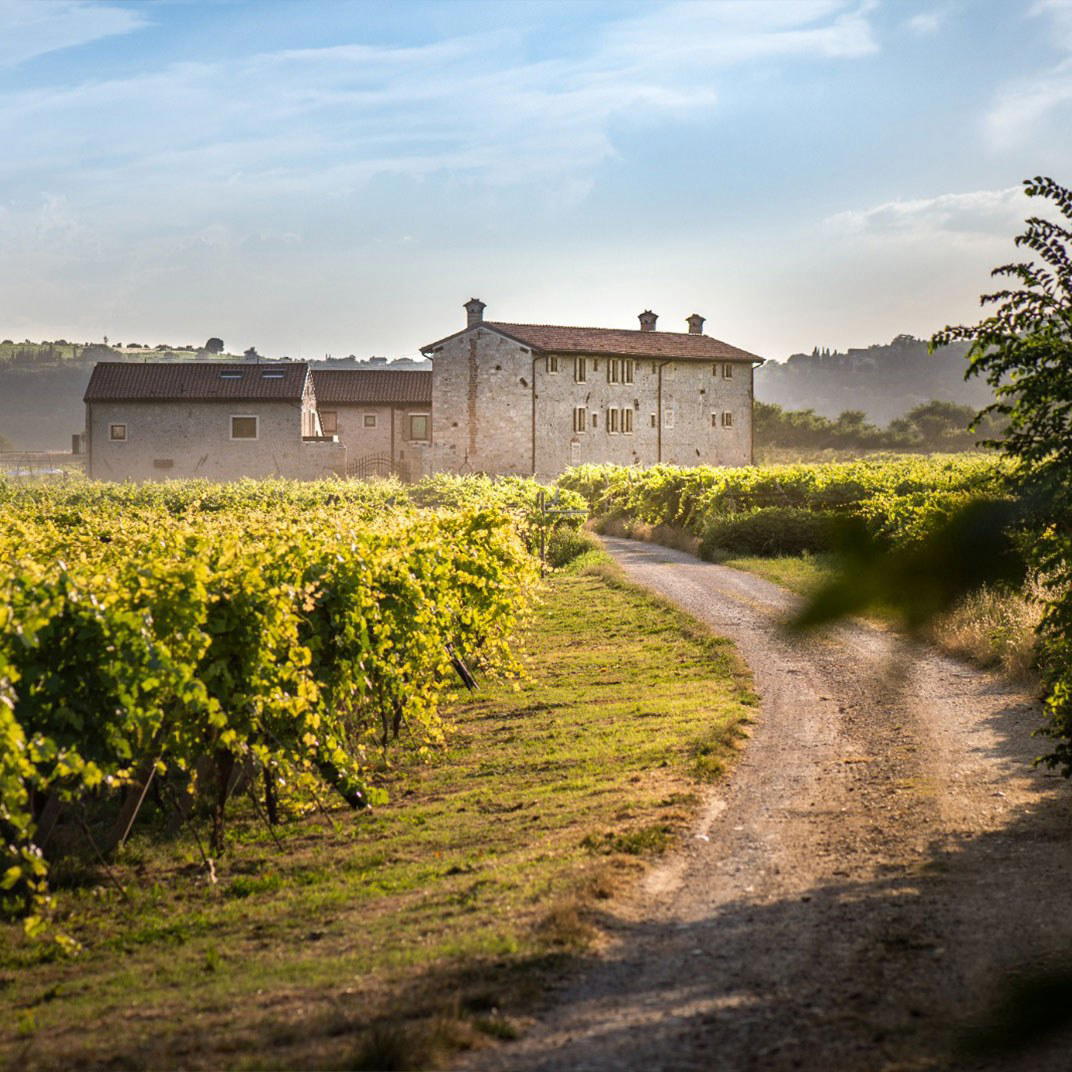
Bars in Vicenza
Browse all →
Restaurants in Vicenza
Browse all →

At a Glance
- Romantic
- Quiet
- Elegant
- Rustic
- Sophisticated
- Romantic Getaway
- Anniversary
- Weekend Escape
- Historic Building
- Garden
- Terrace
- Panoramic View
- Wi Fi
- Pool
- Sauna
- Fitness Center
- Room Service
- Concierge
- Restaurant
- Golf Course
- EV Charging
- Garden
- Wi Fi
- Pool
- Sauna
- Fitness Center
- Room Service
- Concierge
- Restaurant
- Golf Course
- EV Charging
Quiet, elegant, and relaxing atmosphere with personal service, chic and informal vibe, peaceful surroundings praised in guest reviews.