A neighbourhood pasticceria on the quieter Dorsoduro side of Venice, Pasticceria Toletta occupies the kind of unhurried canal-adjacent spot that the city's tourists rarely reach. The draw is traditional Venetian pastry and coffee culture in a format that prioritises regulars over foot traffic — the antithesis of the tourist-facing bars crowding the Rialto. For those moving between the Accademia and San Polo, it functions as a reliable, low-key waypoint.

Pearl is the En Primeur Club membership app — saves, bookings, and concierge access live there. Same editors, same standards.
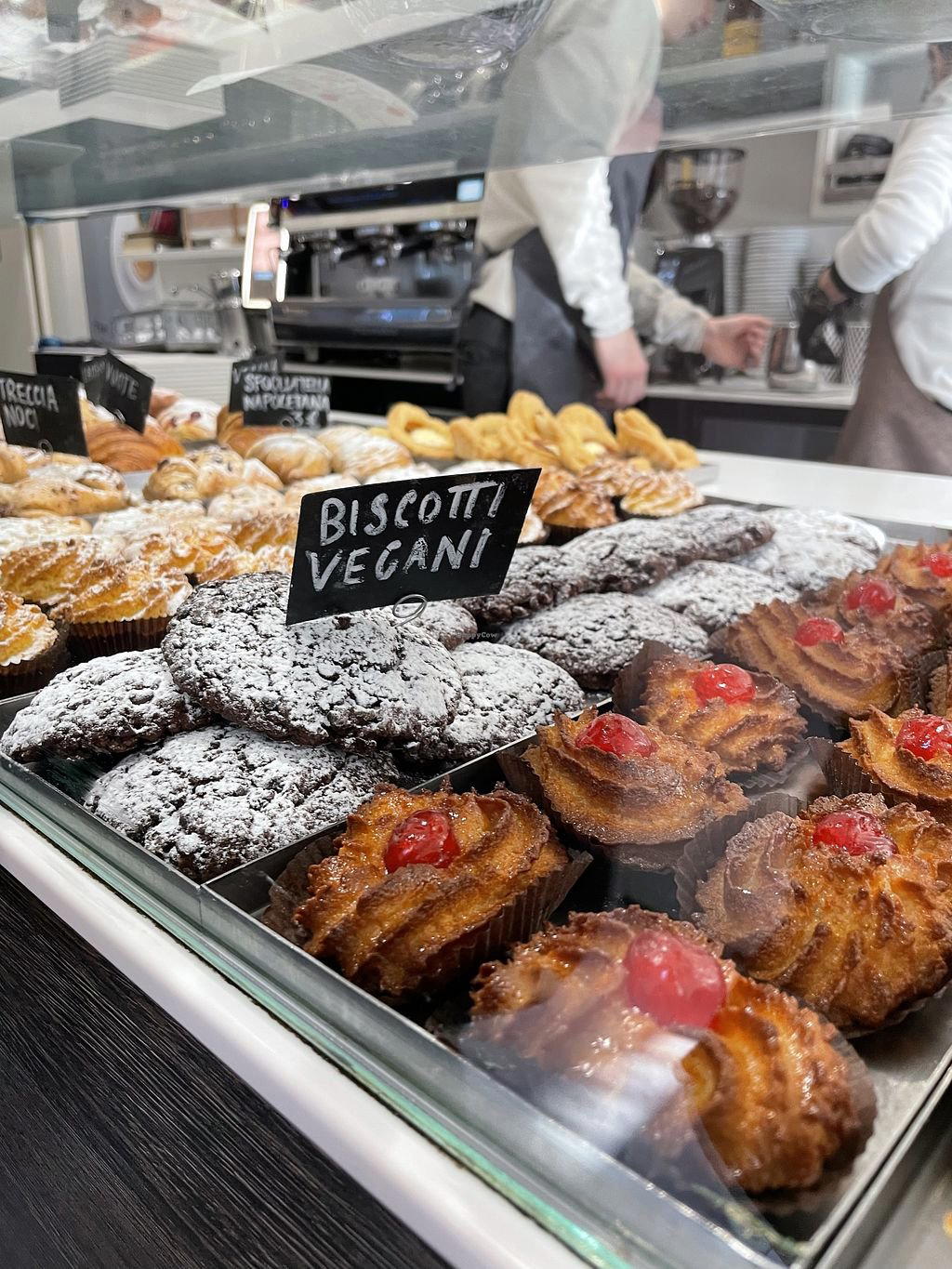
A Pasticceria at the Edge of the Tourist Map
Venice's coffee and pastry culture divides sharply along geographic lines. The bars clustered around San Marco and the Rialto operate at high volume and tourist-facing pricing, while the city's older neighbourhood pasticcerie — the ones still serving the same families who live a few minutes from the water — occupy a different register entirely. Pasticceria Toletta sits in that second category, on a quiet calle in Dorsoduro near Ponte de le Maravegie, a stretch of the sestiere that most visitors pass through only on the way to the Accademia or the Zattere waterfront.
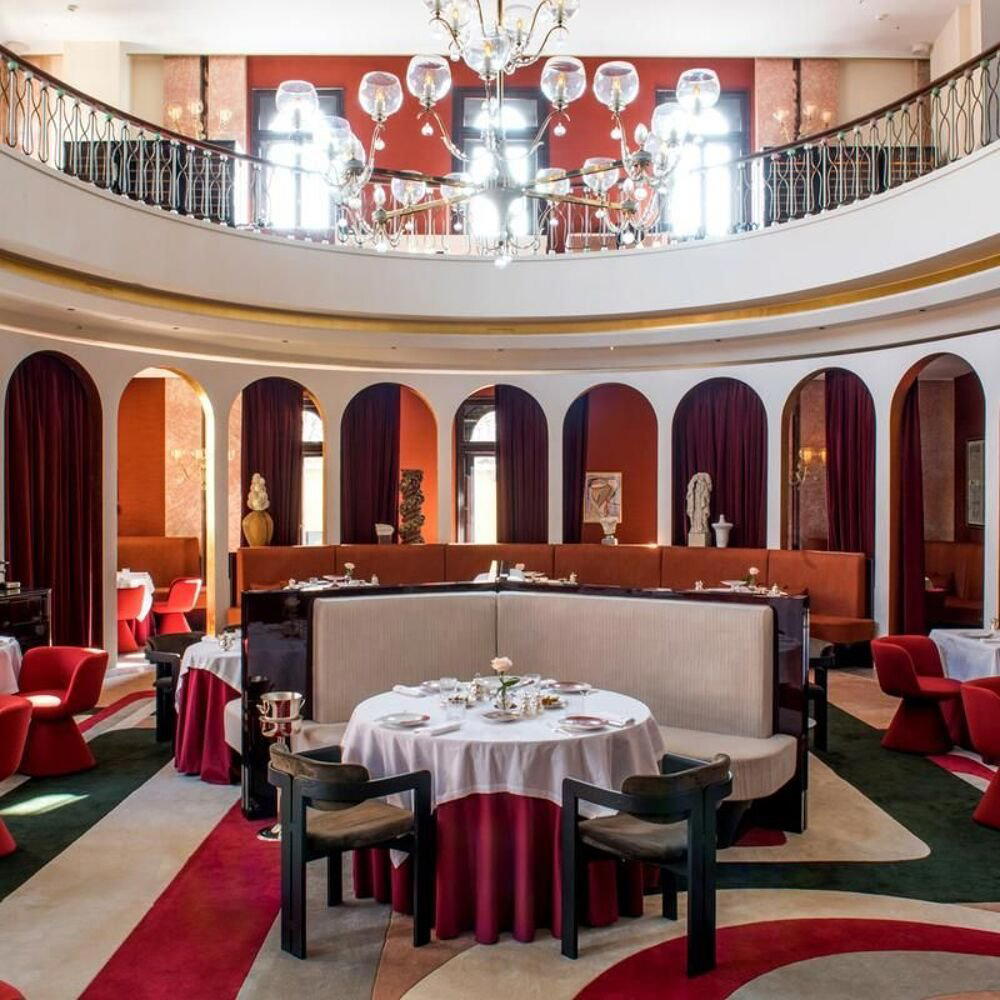
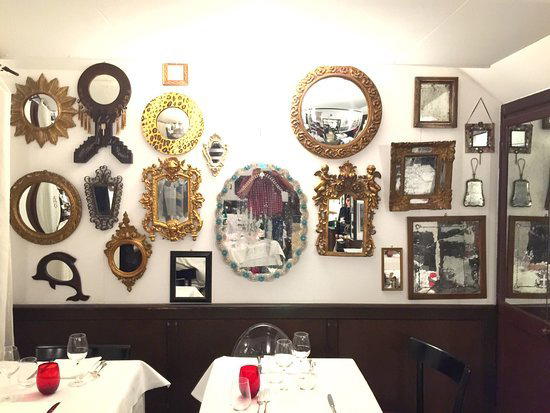
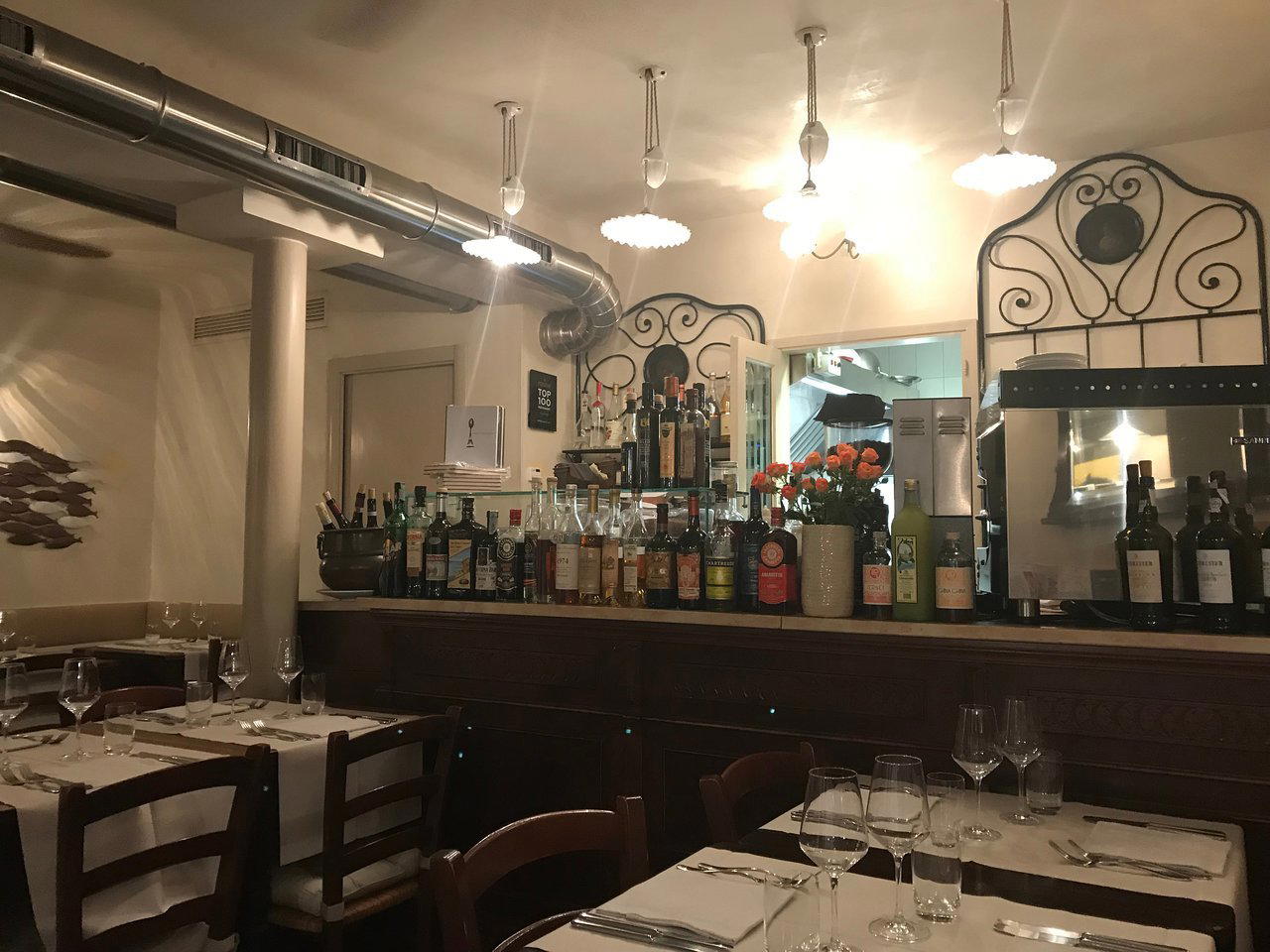
The physical approach signals the difference immediately. There are no laminated menu boards in four languages, no queues of visitors photographing their orders. The bar is small, the light is warm, and the pace is set by the locals who make it a morning ritual. This is what Venice looks like before the cruise passengers disembark, and increasingly, it is what many longer-stay visitors are actively seeking out as an alternative to the performative coffee culture of the city's main thoroughfares.
Dorsoduro and the Tradition It Protects
Dorsoduro is one of Venice's more residentially intact sestieri, home to students from the Ca' Foscari university, artists with long-term studio leases, and families whose connection to the neighbourhood predates the current wave of short-term rental conversions. That residential density sustains a different kind of hospitality infrastructure: not the prosecco-at-noon bars of the tourist trail, but the coffee-and-cornetto rhythm of a functioning Italian neighbourhood. A pasticceria in this context is a civic institution as much as a commercial one, it is where people begin the day, where pensioners sit with newspapers, where children stop before school.
Across Italy, the traditional pasticceria model is under pressure from two directions: rising ingredient costs are pushing some operators toward industrially produced pastry, while the premium end of the market has consolidated around a smaller number of high-profile laboratorio-style operations that align with contemporary sustainability and sourcing narratives. Venues like Pasticceria Toletta occupy a middle ground that is harder to sustain but arguably more culturally important, they represent continuity rather than reinvention, and their environmental footprint tends to be modest by default: small kitchens, low waste, short supply chains dictated by proximity rather than ideology.
Ethical Sourcing as Ordinary Practice
The sustainability conversation in Italian food has largely been captured by high-end restaurants with elaborate farm-to-table frameworks and named producers on their menus. But the traditional pasticceria often practices something quieter and more durable: sourcing driven by local relationships and production scaled to daily demand rather than speculative batch sizes. In a city like Venice, where resupply is expensive and logistically constrained by the absence of road access, waste reduction is not a philosophical position, it is an operational necessity. Baking to order, or in tight daily quantities, is simply how small island businesses survive.
That structural constraint has always shaped Venetian food culture in ways that align, somewhat accidentally, with contemporary thinking about responsible production. The canal city's isolation from the mainland distribution networks that supply most of Italy's bar and restaurant sector means that the businesses which survive here are, by necessity, more attuned to what they can reliably source and sell. A neighbourhood pasticceria in Dorsoduro is unlikely to be making claims about certified organic supply chains, but it is also unlikely to be generating the kind of systemic waste associated with high-turnover tourist operations.
Where Toletta Sits in the Venetian Drinking and Eating Scene
Venice's bar and pasticceria scene has developed a more defined premium tier in recent years, with venues like Aman Bar and Al Covino anchoring a cocktail-forward, design-conscious end of the market. Wine bars like Al Mercà and Al Covo have built reputations around natural and regional wine selections that speak to a more informed drinking public. Pasticceria Toletta does not compete in any of those tiers, it operates in a register that predates the current wave of considered hospitality and, in a sense, has no interest in competing with it.
That positioning is itself a kind of distinction. In a city where the hospitality offer has split between tourist-volume operations and a newer generation of technically ambitious bars and restaurants, the neighbourhood pasticceria that has held its ground occupies a category with very few genuine examples left. If you are moving between Dorsoduro and San Polo, or spending time near the Accademia, Toletta functions as a practical and culturally honest stop, the kind of place that contextualises the rest of the city's food and drink scene by showing what existed before the current iterations arrived.
For wider context on how Venice's food and drink scene has evolved across the sestieri, the full Venice restaurants guide maps the current offer by neighbourhood and category. Elsewhere in Italy, the gap between traditional neighbourhood formats and the new wave of technically focused operations is equally visible: 1930 in Milan, Drink Kong in Rome, Gucci Giardino in Florence, and L'Antiquario in Naples represent the premium, programme-driven end of the country's bar culture, while operations like Toletta represent the unreconstructed baseline against which all of that should be measured. Further afield, venues like Enoteca Historical Faccioli in Bologna, Lost and Found in Nicosia, and Bar Leather Apron in Honolulu show how the neighbourhood-anchor model translates into different drinking cultures globally.
Planning a Visit
Pasticceria Toletta is a walk-in operation, no booking infrastructure, no reservation system, no dress code. The address is Ponte de le Maravegie, 1192, in the Dorsoduro sestiere, which places it within easy walking distance of the Accademia vaporetto stop and roughly central to the quieter residential grid between Campo Santa Margherita and the Zattere. Morning is the natural time to visit, when the pastry offer is freshest and the clientele is primarily local. The neighbourhood itself rewards slower movement: the calli around Toletta are among the less trafficked in Venice's central zone, and the transition from the tourist density of the Accademia bridge to the quieter streets of inner Dorsoduro is noticeable within a block or two.
The Minimal Set
| Venue | Price | Awards |
|---|---|---|
| Pasticceria TolettaThis venue — the venue you are viewing | Not listed | Not listed |
| Aman Bar | Not listed | Top 500 Bars Best Bars #315 |
| Arts Bar | Not listed | Pinnacle Guide 1 Pin · Top 500 Bars Best Bars #204 |
| Il Mercante | Not listed | Top 500 Bars Best Bars #407 |
| Vino Vero | $20–30 | Star Wine List · Falstaff Wine Bar - Listed |
| Al Covino | $30–50 | Not listed |
Continue exploring
More in Venice
Bars in Venice
All bars in Venice →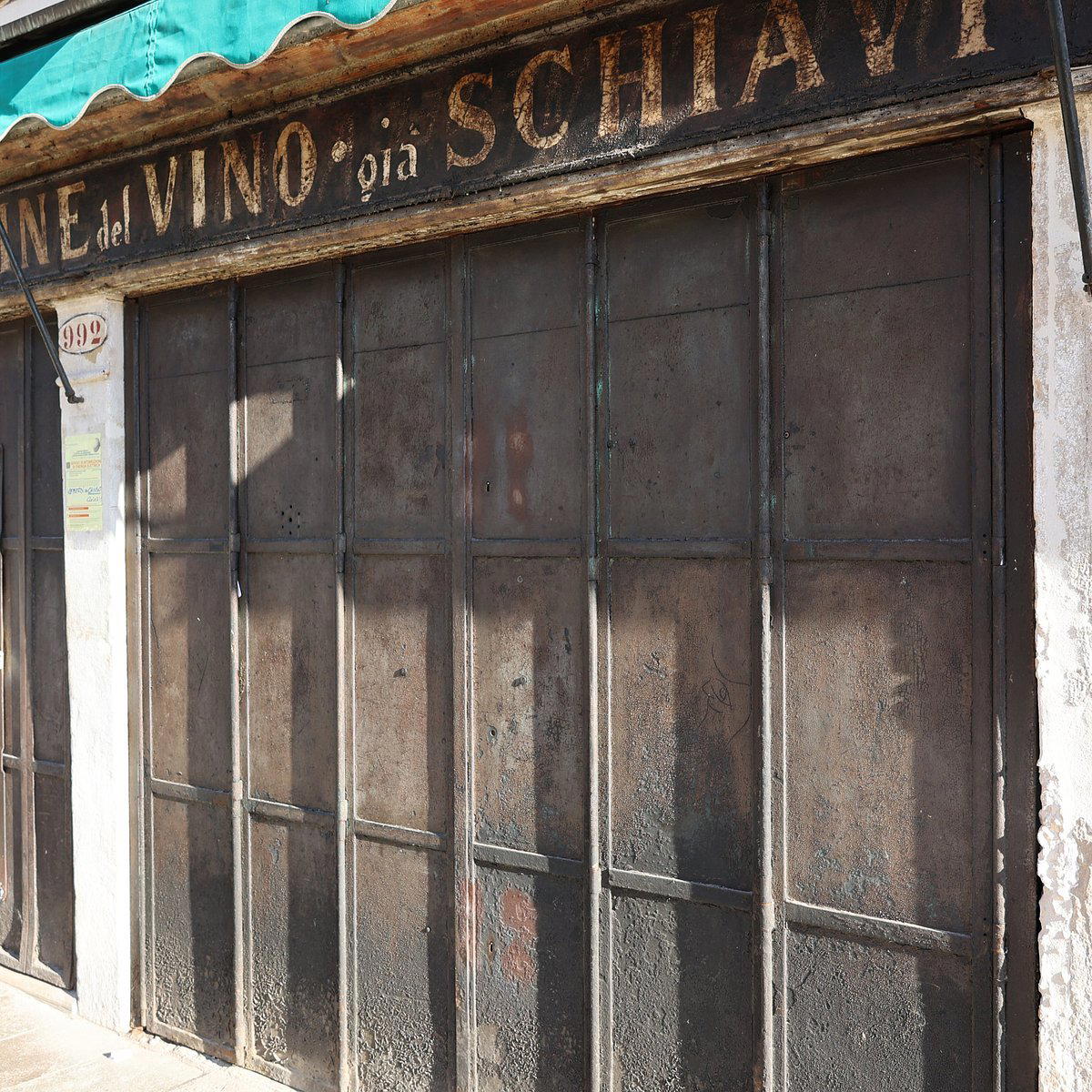
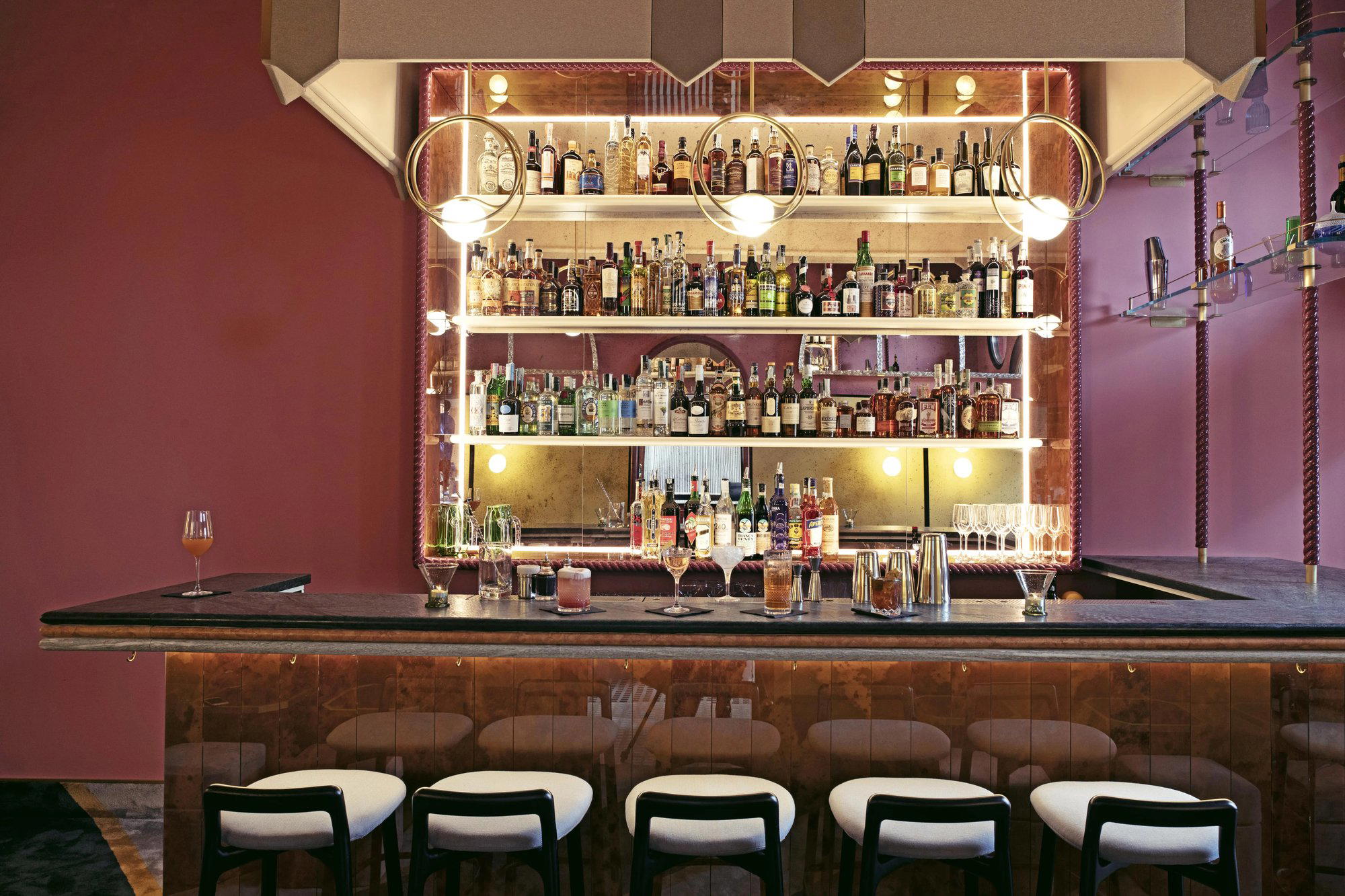
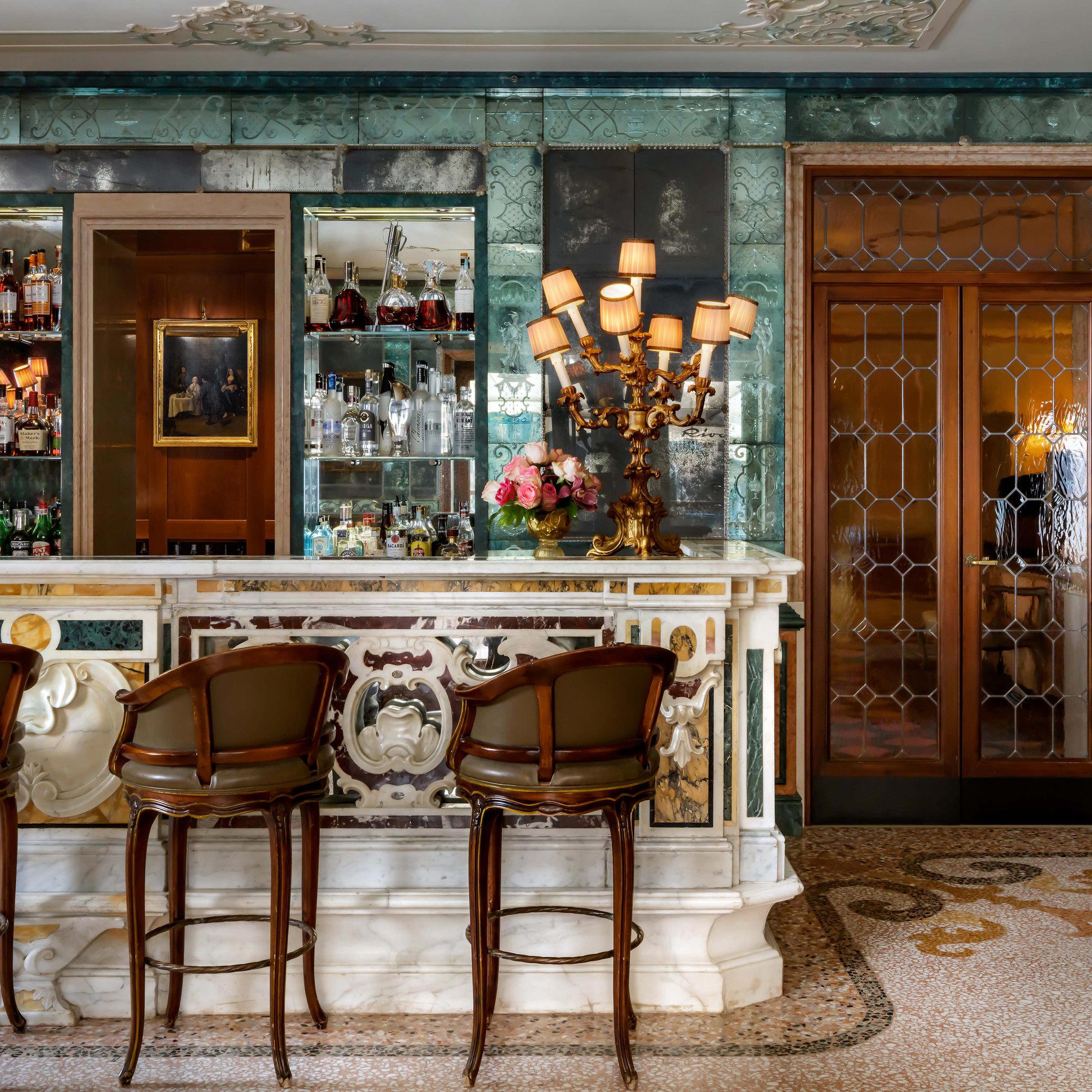
Restaurants in Venice
All restaurants in Venice →
Details
- Cozy
- Classic
- Casual Hangout
- Historic Building
- Standing Room
- Counter Only
Current opening hours
- Monday
- 7:30 AM–7:30 PM
- Tuesday
- 7:30 AM–7:30 PM
- Wednesday
- 7:30 AM–7:30 PM
- Thursday
- 7:30 AM–7:30 PM
- Friday
- 7:30 AM–7:30 PM
- Saturday
- 8 AM–7:30 PM
- Sunday
- 8 AM–7:30 PM
Hours can change for holidays and private events. Last verified .
Warm and inviting with a cozy, authentic local atmosphere full of early morning crowds.