Fratelli Barbieri on Via Venezuela sits within Padua's western quarters. The address places it away from the city's tourist circuits, making it a reference point for those interested in the Barbieri name and its long association with Italian aperitivo culture. Check our full Padua guide for booking and planning context.
Pearl is the En Primeur Club membership app — saves, bookings, and concierge access live there. Same editors, same standards.
- Address
- Via Venezuela, 11, 35127 Padova PD, Italy
- Phone
- +39 049 870 3223
- Website
- linktr.ee
- Directions
- Get directions
 Saves & bookings on Pearl
The Barbieri Name in Padua's Drinking Culture
Padua sits at the intersection of Venetian tradition and Padanian plainness, a city whose bar culture has historically favoured the aperitivo hour over the long tasting menu. It is in this context that the Barbieri name carries weight. The family's connection to Italian aperitivo production stretches back generations, with Aperol (Barbieri) representing the commercially documented branch of that legacy. Fratelli Barbieri, at Via Venezuela 11 in Padua's 35127 district, sits within this same tradition, operating in a city where the line between a drinks producer and a hospitality destination has always been permeable.
The address itself is instructive. Via Venezuela falls in Padua's western residential and light-industrial fringe, outside the historic centro where most visitors concentrate. That positioning reflects a pattern seen across northern Italy's mid-size cities: particularly credentialled drinking destinations in Veneto sit away from the cathedral squares and porticoed tourist corridors, serving a local and regional clientele that has no need for a central address to find them.
Award programmes of this type typically assess consistency of product, provenance of sourcing, and the coherence between a venue's identity and its offer. In the Veneto context, that often means a clear relationship between regional producers and what appears on the table or behind the bar.
Italy's northern drinking culture has produced a dense network of award-holding venues across Lombardy, Piedmont, and the Veneto. Producers like Ca' del Bosco in Erbusco and Aldo Conterno in Monforte d'Alba anchor the wine end of that spectrum. On the spirits and aperitivo side, houses like Campari in Milan and Nonino Distillery in Pavia di Udine represent the category's production depth. Fratelli Barbieri belongs to a Paduan chapter of that story, one that is less documented in international press but no less rooted in the region's identity.
The Aperitivo Tradition and What It Means Here
Northern Italy's aperitivo culture is not a trend. It is a structural part of how this region has eaten and drunk for over a century, with the Veneto and Lombardy producing the bitter liqueurs and sparkling wines that defined the format globally. The Barbieri family's contribution to that history through the Aperol lineage is a matter of public record. What Fratelli Barbieri as a Paduan address represents is the local, grounded expression of that heritage: a venue where the connection between production knowledge and hospitality is direct rather than decorative.
This is a model seen elsewhere in Italian drinks culture. Distilleria Marzadro in Nogaredo and Distilleria Romano Levi in Neive both operate hospitality extensions that draw directly from their production identity. The venue becomes a way of contextualising the product, not simply selling it. In the Veneto, where local pride in regional produce is particularly strong, that model resonates with a clientele that prefers depth to performance.
Padua's Wider Drinking and Dining Context
For visitors approaching Padua as a food and drink destination, the city rewards attention to its less-publicised quarters. The university population keeps a large number of bars and osterie economically viable in areas that larger tourist cities might have gentrified out of existence. That creates a layered offer: historic enoteca-style venues in the centro storico, specialist producers operating hospitality arms in the periphery, and a steady supply of regional wines from the Colli Euganei and the Berici hills to the south and west.
The broader Veneto wine canon is well represented in venues across the region. Producers like Lungarotti in Torgiano and, further south, Planeta in Menfi demonstrate how Italian regionality operates at different latitudes. In the north, the emphasis shifts towards Prosecco, Soave, and the bitter aperitivo category that Padua helped define. Castello di Volpaia in Radda in Chianti shows how Tuscany anchors its identity through Sangiovese; the Veneto's equivalent anchoring is through the spritz and the bitter liqueur tradition, and the winery sits within that frame.
For a fuller picture of where the winery fits within the city's options across price tiers and cuisine types,
Planning a Visit: What the Address Tells You
Via Venezuela 11 is in the western part of Padua, outside the ring of the medieval walls and away from the Piazza delle Erbe and Piazza della Frutta where most eating and drinking is concentrated for visitors. Getting there on foot from the train station takes roughly fifteen to twenty minutes, or a short bus or taxi journey. The location suggests the venue draws primarily from a local and regionally-aware clientele rather than passing tourist traffic, which typically correlates with a different standard of hospitality: less performance, more substance.
Advance contact is advisable. The address at Via Venezuela 11, 35127 Padova remains the confirmed point of reference.
Booking and Cost Snapshot
Comparable venues nearby, for context on price, style, and recognition.
| Venue | Cuisine | Price | Notes |
|---|---|---|---|
| Fratelli BarbieriThis venue — the venue you are viewing | Winery | Not listed | Not listed |
| Aperol (Barbieri) | Winery | Not listed | Not listed |
| Gruppo Montenegro | Winery | Not listed | Not listed |
| Distilleria Moccia | Not listed | Not listed | Ferrara, other_grape |
| Amaro Santa Maria al Monte | Winery | Not listed | Not listed |
| Cantina Produttori Nebbiolo di Carema | Carema, Nebbiolo | $$ | Not listed |
Continue exploring
More in Padua
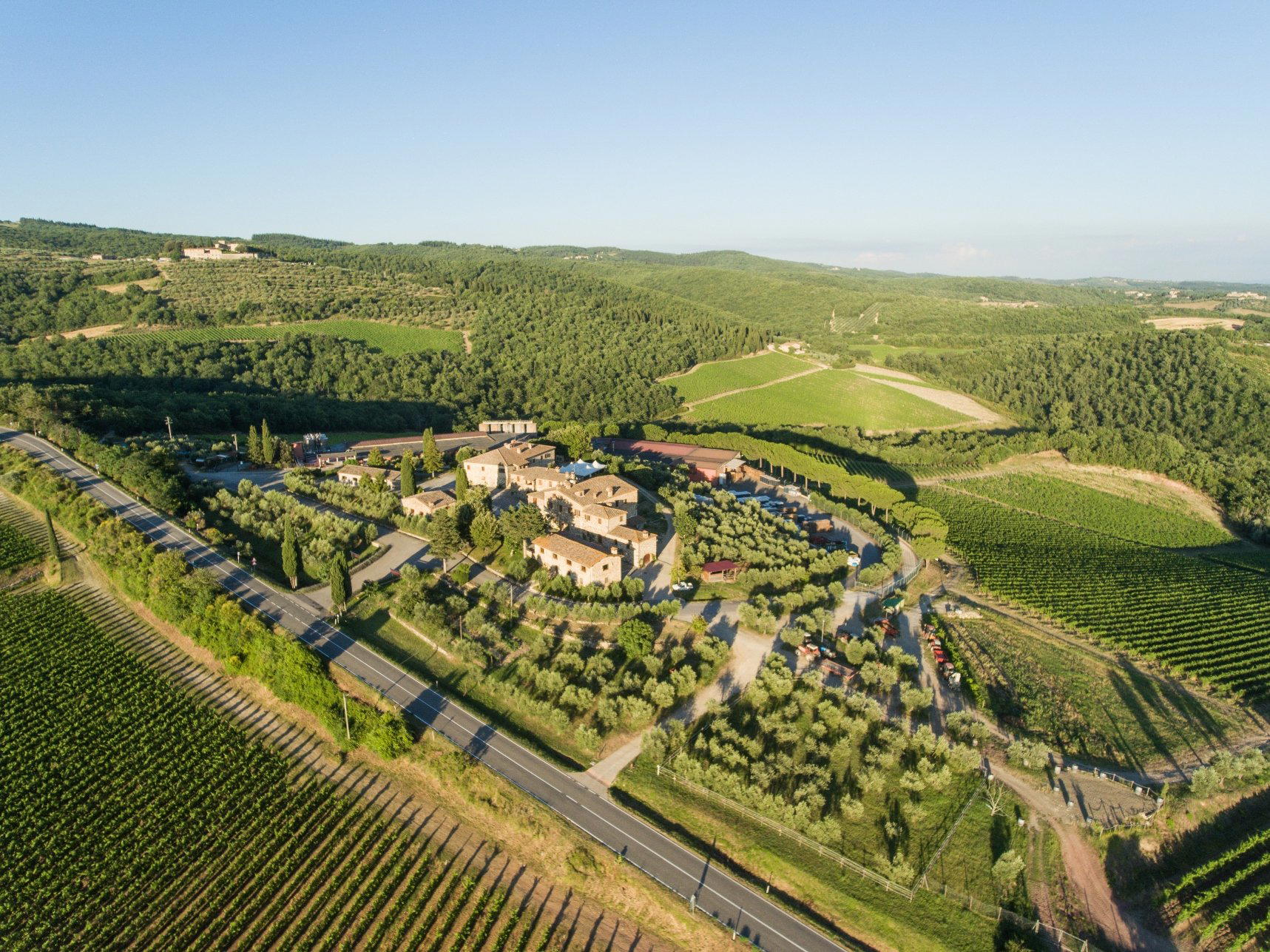
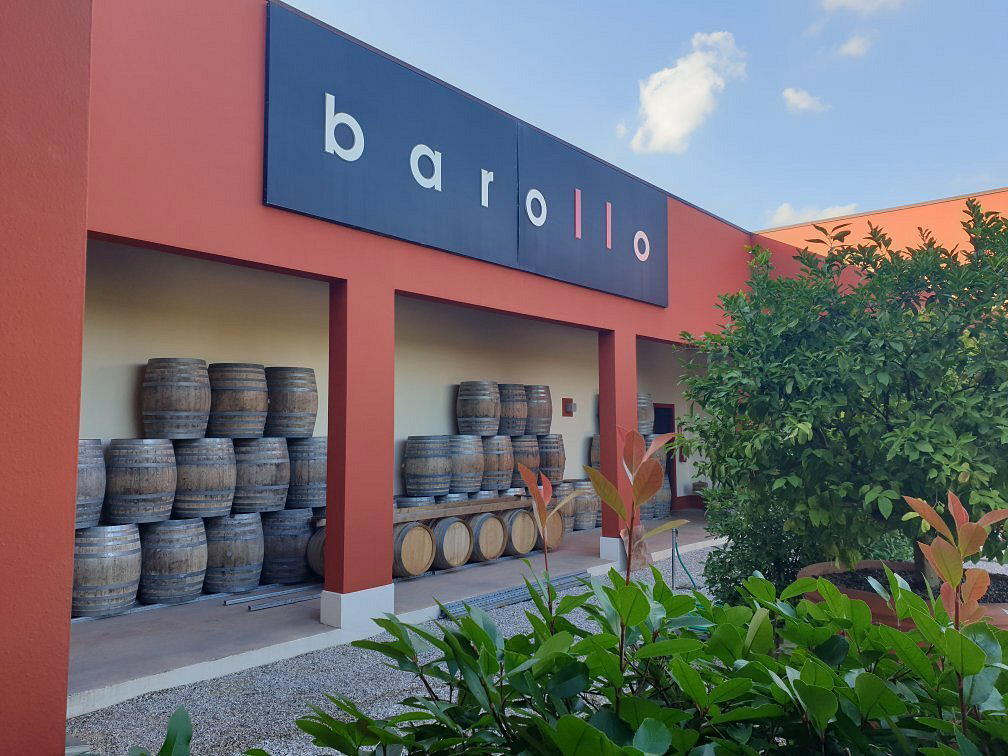
Wineries in Padua
Browse all →
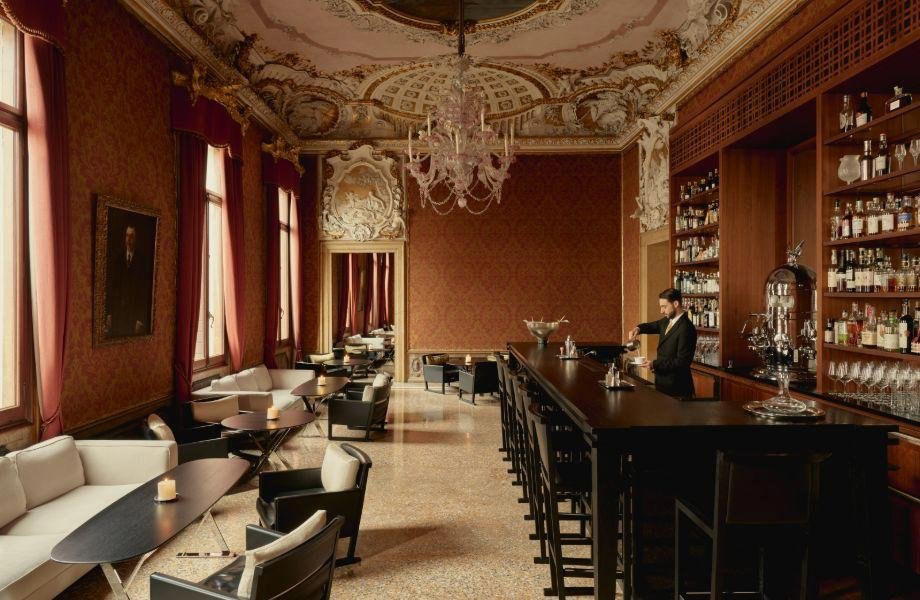
Bars in Padua
Browse all →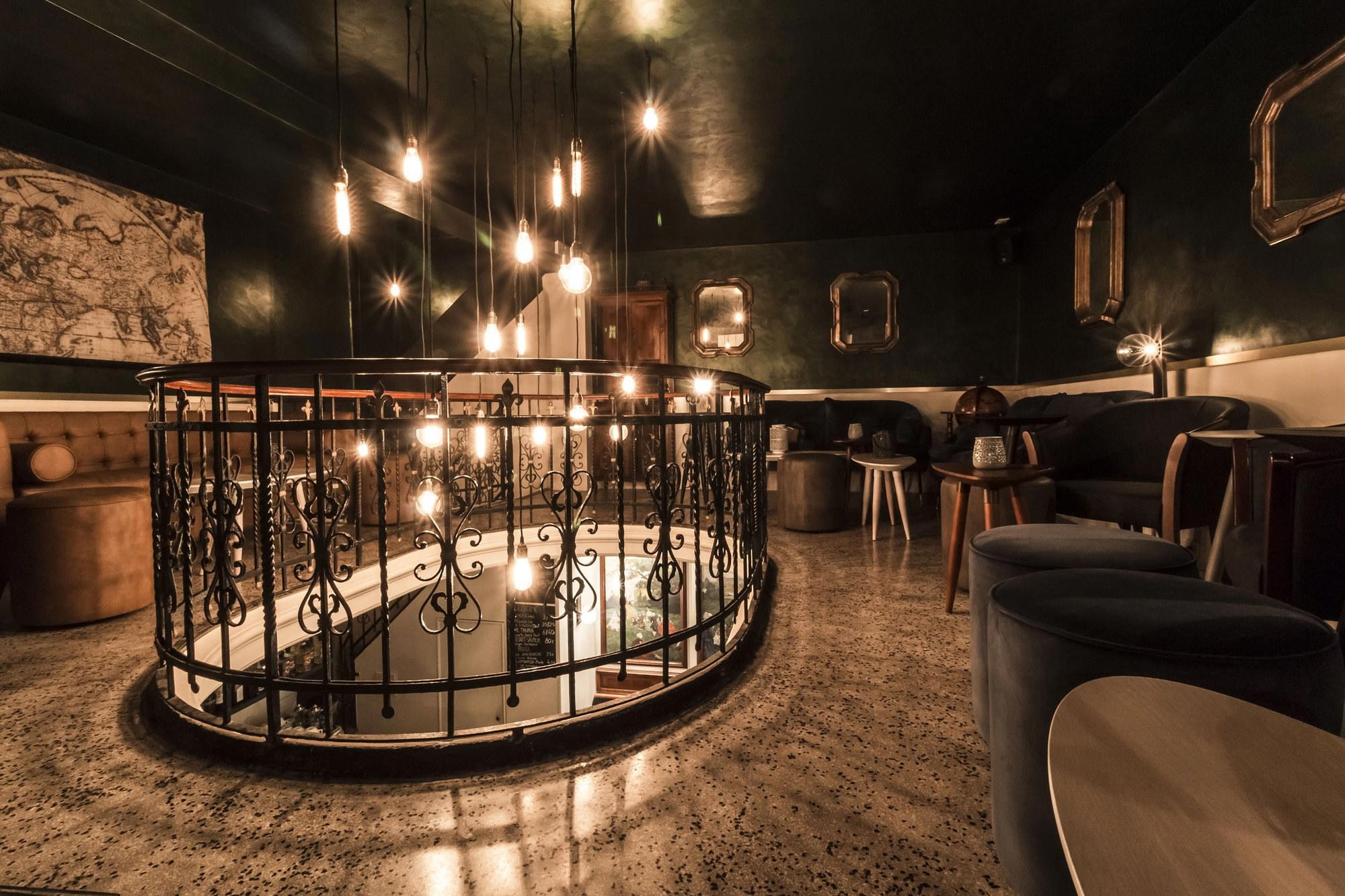
Restaurants in Padua
Browse all →
At a Glance
- Lively
- Energetic
- Trendy
- Group Outing
- Celebration
- Special Occasion