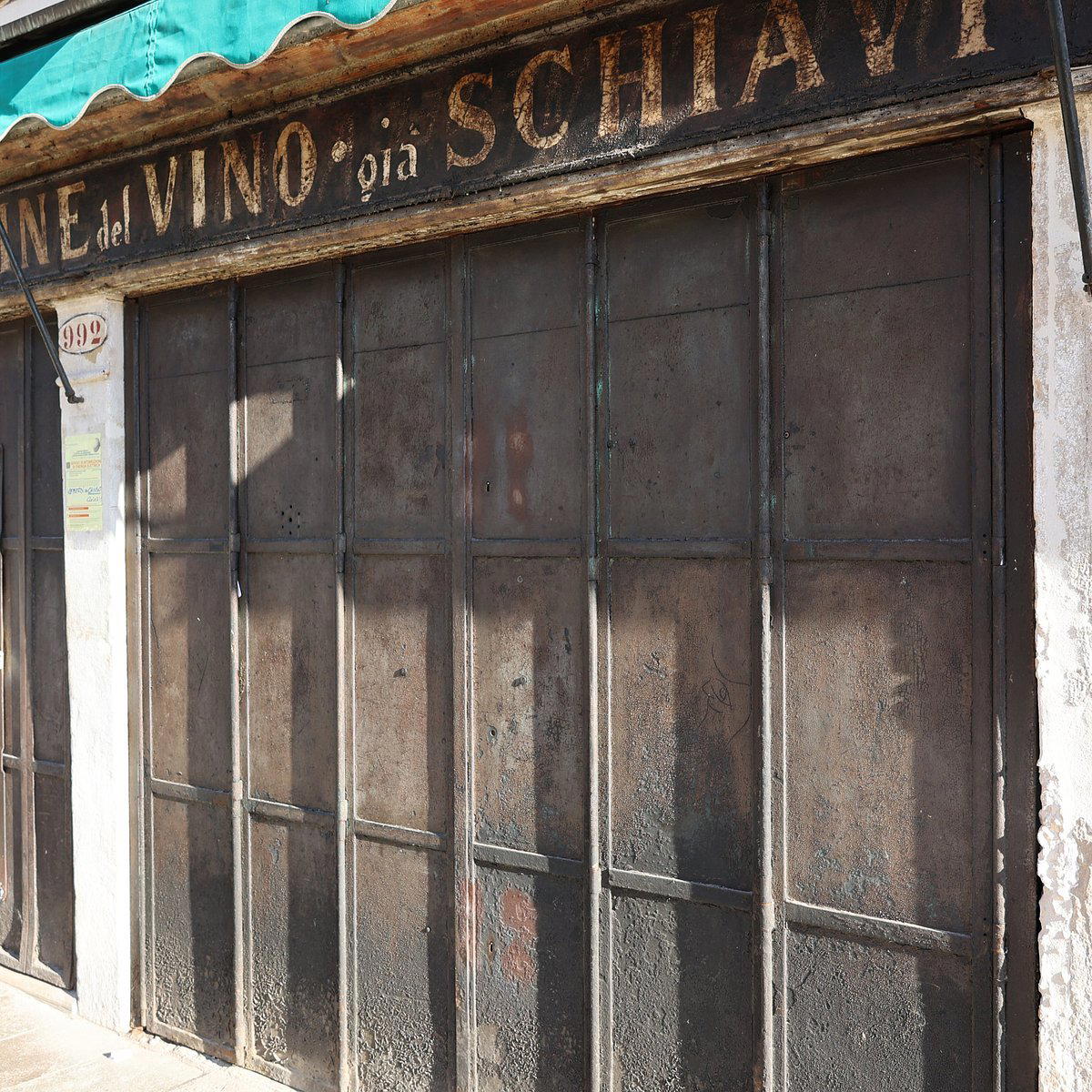
On the Fondamenta Nani in Dorsoduro, Cantine del Vino già Schiavi is one of Venice's oldest bacari — the kind of narrow, bottle-lined wine bar where locals stand at the counter with a small glass of house wine and a cicchetto balanced in hand. It operates on the logic of the canal-side spritz hour: unhurried, unpretentious, and governed by ritual rather than reservation.

Pearl is the En Primeur Club membership app — saves, bookings, and concierge access live there. Same editors, same standards.
The Canal-Side Counter: How Venice's Bacaro Tradition Still Works
The approach along Fondamenta Nani in Dorsoduro does something that most of Venice's more polished dining addresses no longer manage: it feels genuinely local before you've crossed the threshold. The narrow fondamenta runs alongside the Rio di San Trovaso, and on most afternoons the pavement outside Cantine del Vino già Schiavi holds a loose cluster of people, glasses in hand, standing with the practised ease of somewhere they've stood before. This is the Venetian bacaro at its most functional — a wine bar where the ritual is as much about the pause as it is about the pour.
The bacaro format is one of the older urban eating habits in northern Italy, predating the contemporary aperitivo culture that now shapes bars from 1930 in Milan to Drink Kong in Rome. In Venice, it developed around the practical needs of workers and traders — quick, affordable, sustaining, and the leading surviving examples have resisted the temptation to upgrade their format into something more photogenic. Schiavi, as it is known locally, sits squarely in that category.
The Ritual of the Ombra
Understanding how to use a bacaro well requires accepting that it operates on different temporal logic than a restaurant. There are no reserved tables, no tasting menus, no arc from amuse-bouche to dessert wine. Instead, the structure is compressed: arrive, position yourself near the counter, order a small glass, the ombra, the classic Venetian unit of wine, typically between 100ml and 150ml, and select from the cicchetti arranged along the bar. The cicchetti at a place like Schiavi are the real substance of the visit: small pieces of bread or polenta topped with combinations of fish, cured meat, cheese, or vegetable preparations. They function as the meal and the snack simultaneously, calibrated to what you order from the glass.
This is a format where pace is self-regulated. One glass becomes two, the cicchetti selection extends by a piece or two, and the canal outside provides whatever distraction the conversation doesn't. It bears almost no structural resemblance to the high-format tasting counter experiences at places like Aman Bar or the wine-focused precision of Al Covino, and it isn't trying to. The bacaro occupies a different tier of the city's drinking and eating ecosystem entirely.
Wine by the Glass in a City That Prefers the Bottle
The interior of Cantine del Vino già Schiavi reflects its function as a working wine shop as much as a bar. Bottles cover most available wall space, organised in the compressed, practical manner of a shop that moves stock rather than displays it. The wine selection leans toward the Veneto and northeastern Italy, Soave, Valpolicella, Prosecco from the Conegliano Valdobbiadene hills, though the counter experience is less about selection depth and more about the house pours that come at the speed and price point that make the ombra habit viable for daily use.
This positions Schiavi in a specific competitive set within Venice's wine bar scene. Where Al Covo leans into a more considered restaurant register and Al Mercà operates with a similar bacaro energy near the Rialto, Schiavi's position in Dorsoduro gives it a neighbourhood anchor distinct from the tourist-density zones around San Marco and the markets. The comparison is worth making in the context of Italy's broader enoteca culture: the wine bar as daily infrastructure rather than destination, a format equally present at places like Enoteca Storica Faccioli in Bologna.
Dorsoduro and the Geography of the Unhurried Drink
The address on Fondamenta Nani matters contextually. Dorsoduro is the sestiere most associated with the Accademia galleries, the Peggy Guggenheim Collection, and a student population attached to the Ca' Foscari university. Its bacari and bars operate on a schedule closer to the neighbourhood's own rhythms than to cruise-ship timetables, which means a different crowd composition at Schiavi than you would find at a bar positioned near the Piazza or the Frari. The fondamenta itself runs past one of Venice's few remaining working gondola repair yards, the Squero di San Trovaso, which gives the approach something of the character of a working waterfront that Venetian tourism has largely erased elsewhere.
For a city that demands considerable logistical engagement, vaporetto timings, the absence of wheeled transport, the way districts shift personality between low and high season, a fixed point like Schiavi functions as a useful anchor. It is one of those addresses that works in the late afternoon gap between sightseeing and dinner, a gap that Venetian food culture fills better than most cities through exactly this kind of standing-wine-and-small-bite format. The approach to planning a visit is correspondingly informal: no booking, no dress consideration beyond the practical, arrival when the fondamenta is at its most animated in the mid-to-late afternoon.
Where This Fits in the Broader Italian Bar Scene
Bacari of this type are among the least exported formats in Italian food culture. The aperitivo bar has travelled reasonably well, you find serious versions at Gucci Giardino in Florence and L'Antiquario in Naples, but the standing wine bar with cicchetti at a canal's edge is a format that doesn't transport. It belongs to a specific urban geography and a specific set of social habits that make it native to Venice in a way that cocktail bars, however well-executed, are not. Even internationally regarded bar programs like Lost & Found in Nicosia or Bar Leather Apron in Honolulu operate on premises of craft and presentation that are beside the point at a bacaro. The point here is continuity, the same ritual, the same counter, the same glass, day after day.
For those working through our full Venice guide, Schiavi represents a specific category: the address that teaches you how the city eats between meals, which may be as useful as knowing where to book the most considered dinner table.
Planning Your Visit
Cantine del Vino già Schiavi is located at Fondamenta Nani 992 in Dorsoduro, reachable on foot from the Accademia vaporetto stop in under ten minutes. No reservation is required or possible, this is a stand-at-the-counter operation by design. The practical advice for a first visit is to arrive with some flexibility on timing: the pavement fills in the early evening, and the cicchetti selection can thin out later in the day. Come before 7pm for the widest choice. Budget is low by any Venetian standard; the ombra-and-two-cicchetti format typically runs to a few euros, which is part of what preserves the bacaro's democratic social function. The shop side of the operation means bottles are available to take away, which is worth knowing if you plan an evening picnic along one of the quieter fondamente.
Cuisine Context
| Venue | Cuisine | Price | Awards |
|---|---|---|---|
| Cantine del Vino già SchiaviThis venue — the venue you are viewing | This venue | $10–20 | Not listed |
| Aman Bar | Not listed | Not listed | Top 500 Bars Best Bars #315 |
| Arts Bar | Not listed | Not listed | Pinnacle Guide 1 Pin · Top 500 Bars Best Bars #204 |
| Il Mercante | Not listed | Not listed | Top 500 Bars Best Bars #407 |
| Vino Vero | Not listed | $20–30 | Star Wine List · Falstaff Wine Bar - Listed |
| Al Covino | Not listed | $30–50 | Not listed |
Continue exploring
More in Venice
Bars in Venice
All bars in Venice →
Restaurants in Venice
All restaurants in Venice →
Details
- Classic
- Cozy
- Rustic
- Well Known
- Casual Hangout
- After Work
- Historic Building
- Standing Room
- Counter Only
- Conventional Wine
- Street Scene
- Waterfront
Current opening hours
- Monday
- 8:30 AM–2 PM, 4–8:30 PM
- Tuesday
- 8:30 AM–2 PM, 4–8:30 PM
- Wednesday
- 8:30 AM–2 PM, 4–8:30 PM
- Thursday
- 8:30 AM–2 PM, 4–8:30 PM
- Friday
- 8:30 AM–2 PM, 4–8:30 PM
- Saturday
- 9:30 AM–2:30 PM
- Sunday
- Closed
Hours can change for holidays and private events. Last verified .
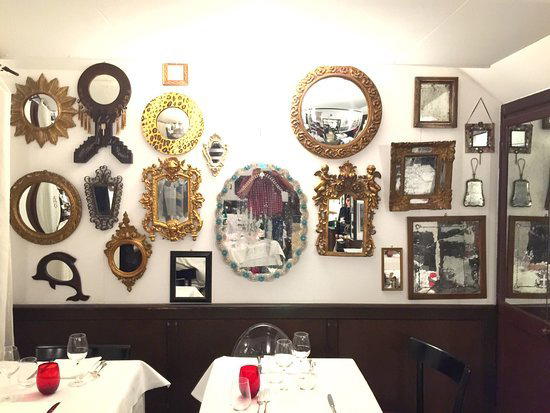
Charming traditional bacaro atmosphere with original furnishings, walls lined with wine bottles, cozy standing room inside, and canal-side seating outside.