Distilleria Sibona
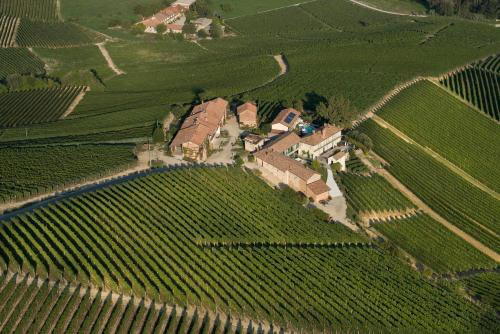
Distilleria Sibona operates in Piobesi d'Alba, in the heart of Piedmont's Langhe production zone, where the same nebbiolo and moscato grapes that define the region's wines feed a grappa tradition that runs parallel and equally serious..
Pearl is the En Primeur Club membership app — saves, bookings, and concierge access live there. Same editors, same standards.
- Address
- Via Castellero, 5, 12040 Piobesi d'Alba CN
- Phone
- +39 0173 614914
- Website
- distilleriasibona.it
- Directions
- Get directions
 Saves & bookings on Pearl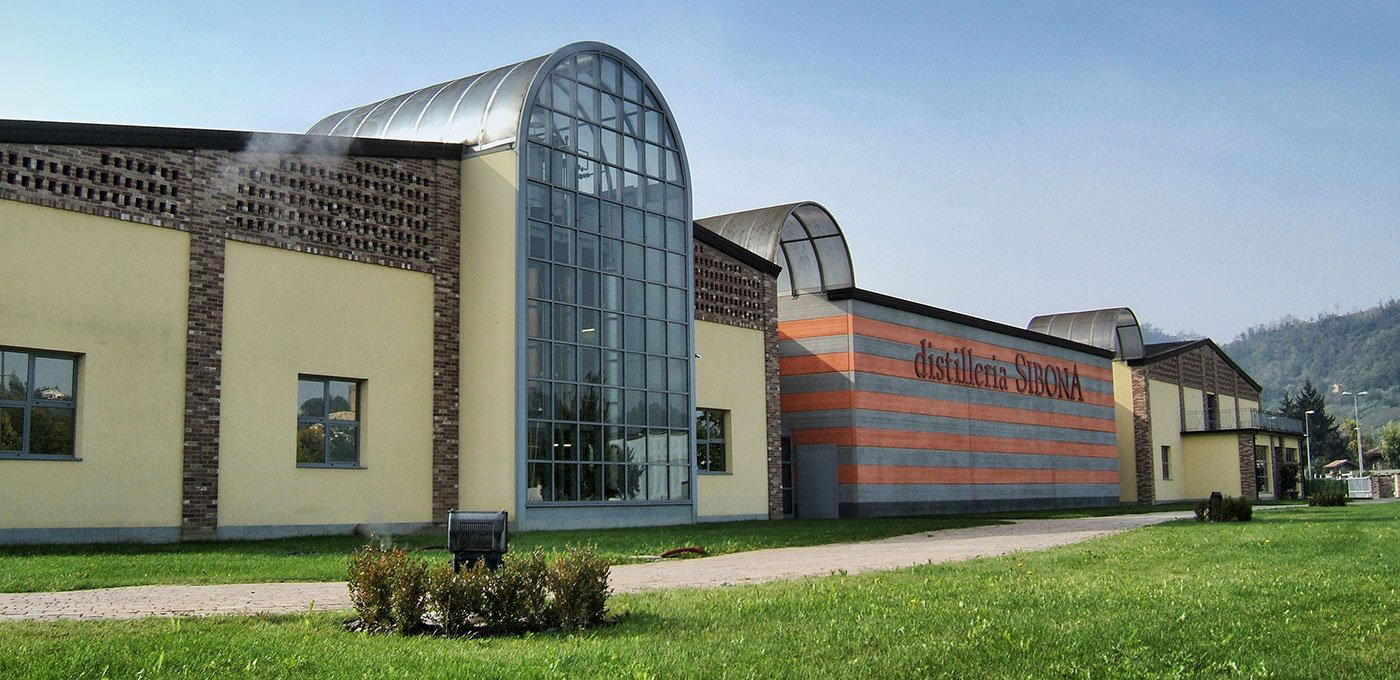
Grappa Country: The Langhe as Distillation Terroir
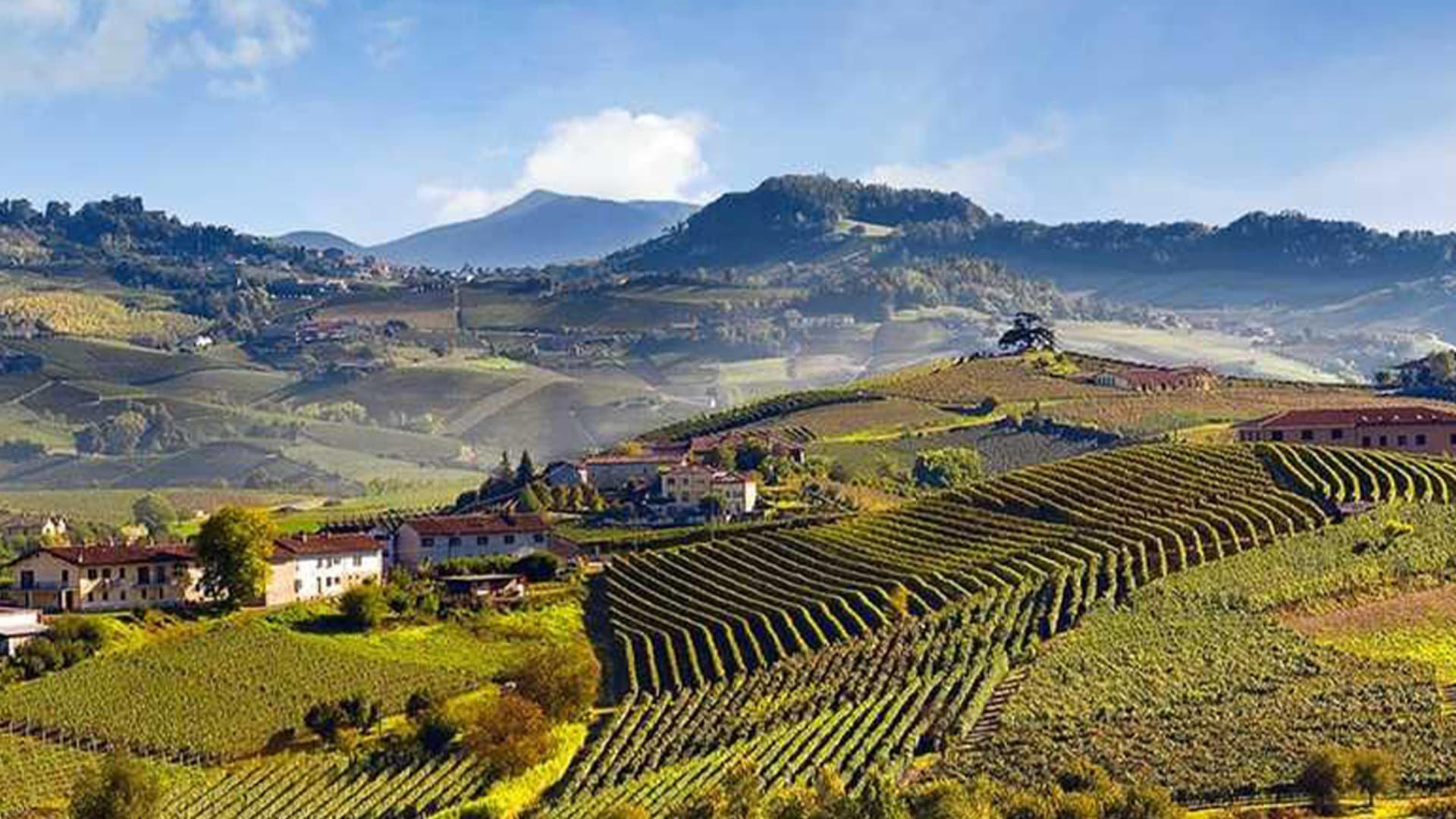
Distilleria Sibona is a grappa distillery in Piobesi d'Alba, in Piedmont's Langhe. The hills around Alba do not belong to wine alone. The same clay-limestone soils that push nebbiolo toward its particular tannic structure and aromatic density also produce the spent grape marc that feeds Piedmont's grappa tradition. Piobesi d'Alba sits inside this production corridor, a small comune in the Cuneo province where the harvest calendar determines everything: when the wineries press, the distilleries follow. Distilleria Sibona operates within this rhythm, drawing marc from a growing region whose raw materials are among the more characterful in Italy.
Italian artisan distillation has a defined comparable set, ranging from Trentino operations like Distilleria Marzadro in Nogaredo and Nonino Distillery in Pavia di Udine to the Veneto's Poli Distillerie in Schiavon and the storied artisan operation of Distilleria Romano Levi in Neive, which sits just kilometres away. Each house draws its identity in large part from the marc it sources and how that marc is handled between harvest and still. In the Langhe, the argument for terroir expression in grappa is direct: nebbiolo marc from a Barolo producer carries a different aromatic weight than, say, prosecco pomace from the Veneto. The soil, the clone, the fermentation approach at the originating winery all transfer into the distillate in ways that attentive producers preserve and less careful ones erase.
This recognition aligns Sibona with the specialist end of Italian grappa rather than the commercial blending side.
For comparison, the producers Sibona sits alongside in recognition terms span Piedmont and beyond. Estates like Aldo Conterno in Monforte d'Alba define what Langhe terroir means in wine; what Sibona and its neighbours do with the marc those estates generate is an extension of the same terroir argument into a different medium. Recognised Italian spirits producers across the country, from Campari in Milan to regional craft houses, occupy different points on the quality and scale spectrum. Sibona's 2025 award places it clearly in the craft-specialist tier rather than the industrial-scale one.
Terroir in the Still: How Place Reaches the Glass
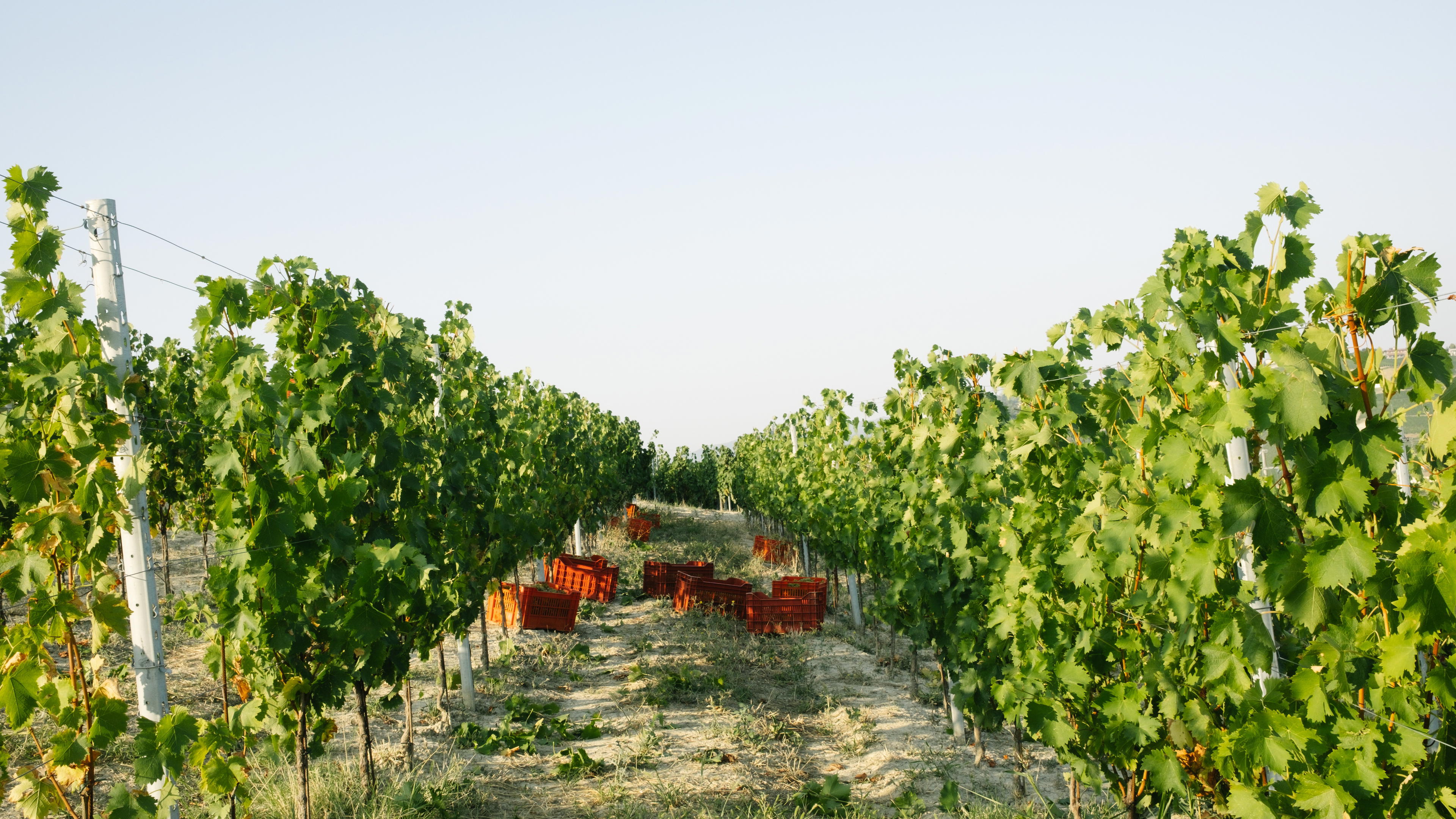
The terroir argument for grappa is less discussed than for wine but no less real. Nebbiolo marc, when handled quickly after pressing and distilled in copper pot stills rather than continuous column equipment, retains aromatic compounds that speak directly to the grape's identity: dried rose, tar, a slight bitter-almond edge. The Langhe's altitude and diurnal temperature variation, which slow phenolic development in the grape and concentrate aromatic precursors, carry into the pomace and from there into the spirit if the distiller preserves rather than strips them. Producers who source from single estates or single varieties can trace that character precisely; those who blend multi-variety marc tend toward a more generic profile.
Piobesi d'Alba is a working part of the Langhe agricultural system. Visiting during the harvest window, roughly October into November, means arriving when the distillery is operating at pace, the air carrying the particular fermented-grape smell that defines the season across the whole of the Cuneo hills. This is the time when the connection between vineyard and still is most legible, when the marc has been handled for days rather than months and the distillate runs fresh from the still rather than resting in neutral holding tanks. Producers across the Langhe, whether making wine at estates like Castello di Volpaia in Radda in Chianti (in a different Italian hill-country context) or spirits in the Piedmont valleys, share this harvest-calendar dependency.
Sibona in the Broader Italian Craft Spirits Map
Italian artisan distillation is a category with distinct geographic clusters. Trentino-Alto Adige and Friuli have historically dominated the craft conversation, with producers like Nonino helping define the modern monovarietal grappa format from the 1970s onward. Piedmont's contribution is different in character: the Langhe's emphasis on nebbiolo, barbera, and moscato means its grappas tend toward more structured, aromatic profiles rather than the clean, fruit-forward style more associated with northern Italian producers working with delicate white-grape pomace.
Sibona fits into this Piedmontese register. Its address in the Cuneo hills, the same agricultural zone that produces the wines of Piobesi d'Alba and its surrounds, aligns it with producers whose identity derives from the region's own grape varieties rather than from sourced or imported marc. This is a meaningful distinction in a category where provenance claims are difficult to verify from the outside but matter considerably to buyers who understand what nebbiolo marc should taste like versus a generic multi-variety blend.
For a wider picture of Italian premium production and how regional identity functions across wine and spirits, comparison with estates like Lungarotti in Torgiano, Planeta in Menfi, or Ca' del Bosco in Erbusco is instructive: each operates within a defined regional identity and derives credibility from the coherence between place and product. Sibona's position in Piobesi d'Alba makes the same argument for distillation that those estates make for wine. Producers outside Italy making a parallel case for place-driven spirits, such as Aberlour in Aberlour or Accendo Cellars in St. Helena in a wine context, demonstrate that terroir legibility crosses categories and borders when production discipline is maintained.
Planning a Visit
Piobesi d'Alba is accessible from Alba, the commercial and gastronomic centre of the Langhe, with the commune sitting a short drive south through the vineyard roads. As a working distillery in a small Piedmontese town rather than a hospitality-oriented estate, Sibona rewards visitors who approach it as a production site rather than a tasting room in the conventional wine-tourism sense. The harvest and distillation season provides one immediate connection to the production process; visiting outside that window is quieter and more focused on finished product. Sibona is best approached with similar preparation.
How It Stacks Up
Comparable venues nearby, for context on price, style, and recognition.
| Venue | Cuisine | Price | Notes |
|---|---|---|---|
| Distilleria SibonaThis venue — the venue you are viewing | Nebbiolo, Barbera | $$$ | Not listed |
| Distillerie Berta | Barbera, Nebbiolo | $$$ | Casalotto di Mombaruzzo |
| Martini & Rossi | Moscato Bianco, Glera | $$$ | Pessione |
| Distilleria Romano Levi | Nebbiolo, Barbera | $$$$ | Neive |
| Distilleria Beccaris | Moscato, Nebbiolo | $$ | Boglietto |
| Engine Gin | Barbaresco | $$$ | Not listed |
Continue exploring
More in Piobesi d'Alba
Wineries in Piobesi d'Alba
Browse all →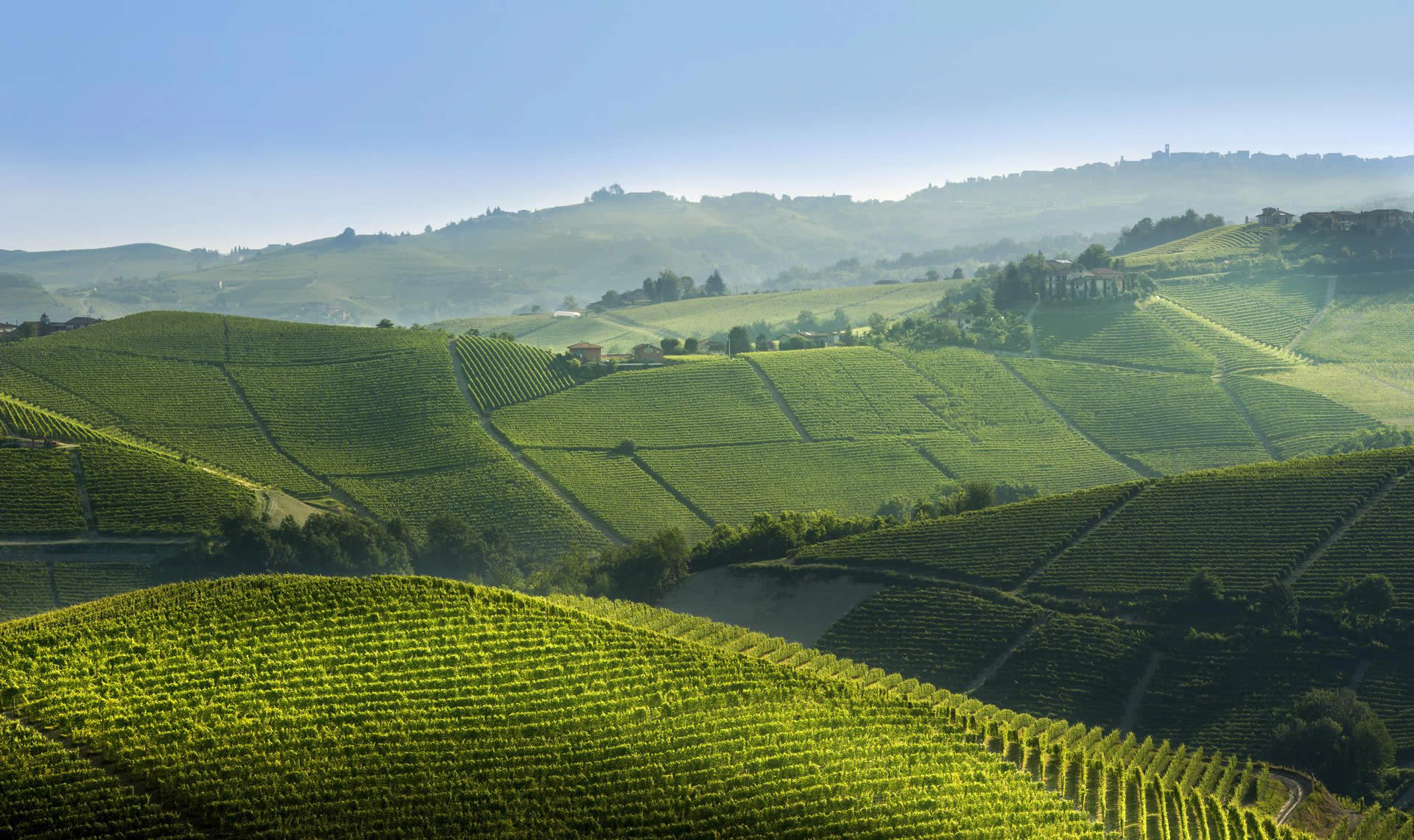
Bars in Piobesi d'Alba
Browse all →
Restaurants in Piobesi d'Alba
Browse all →
At a Glance
- Rustic
- Classic
- Elegant
- Wine Education
- Special Occasion
- Historic Building
- Vineyard
- Roero
- Nebbiolo
- Barbera
- Arneis
- Moscato
- Dolcetto
- Chardonnay
- Brachetto
- Grappa Tasting
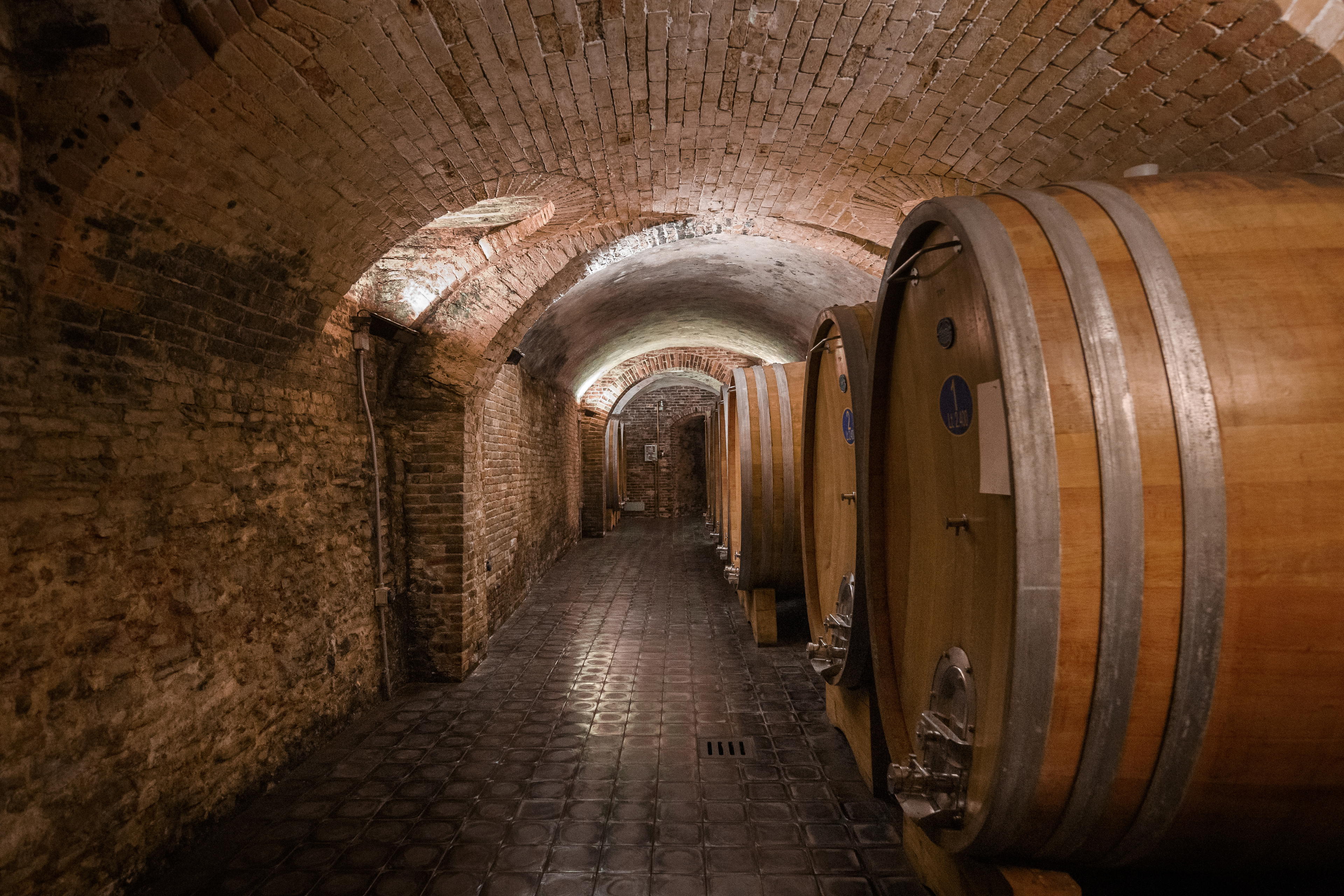
Historic aging cellars with barrels evoking tradition and craftsmanship in a prestigious wine region.