Engine Gin

Engine Gin sits at Strada Giro della Valle in the heart of Barbaresco, bringing a spirits-focused identity to a zone better known for Nebbiolo than botanicals. Awarded Pearl 2 Star Prestige in 2025, it occupies a distinct position among the Langhe's growing roster of artisan producers. For visitors moving between the region's wineries, it offers a different but complementary lens on Piedmontese craft production.
 Discover on Pearl
Pearl is the En Primeur Club membership app — saves, bookings, and concierge access live there. Same editors, same standards.
- Address
- Strada Giro della Valle, 3 12050 Barbaresco (CN), Italy
- Website
- engine.land
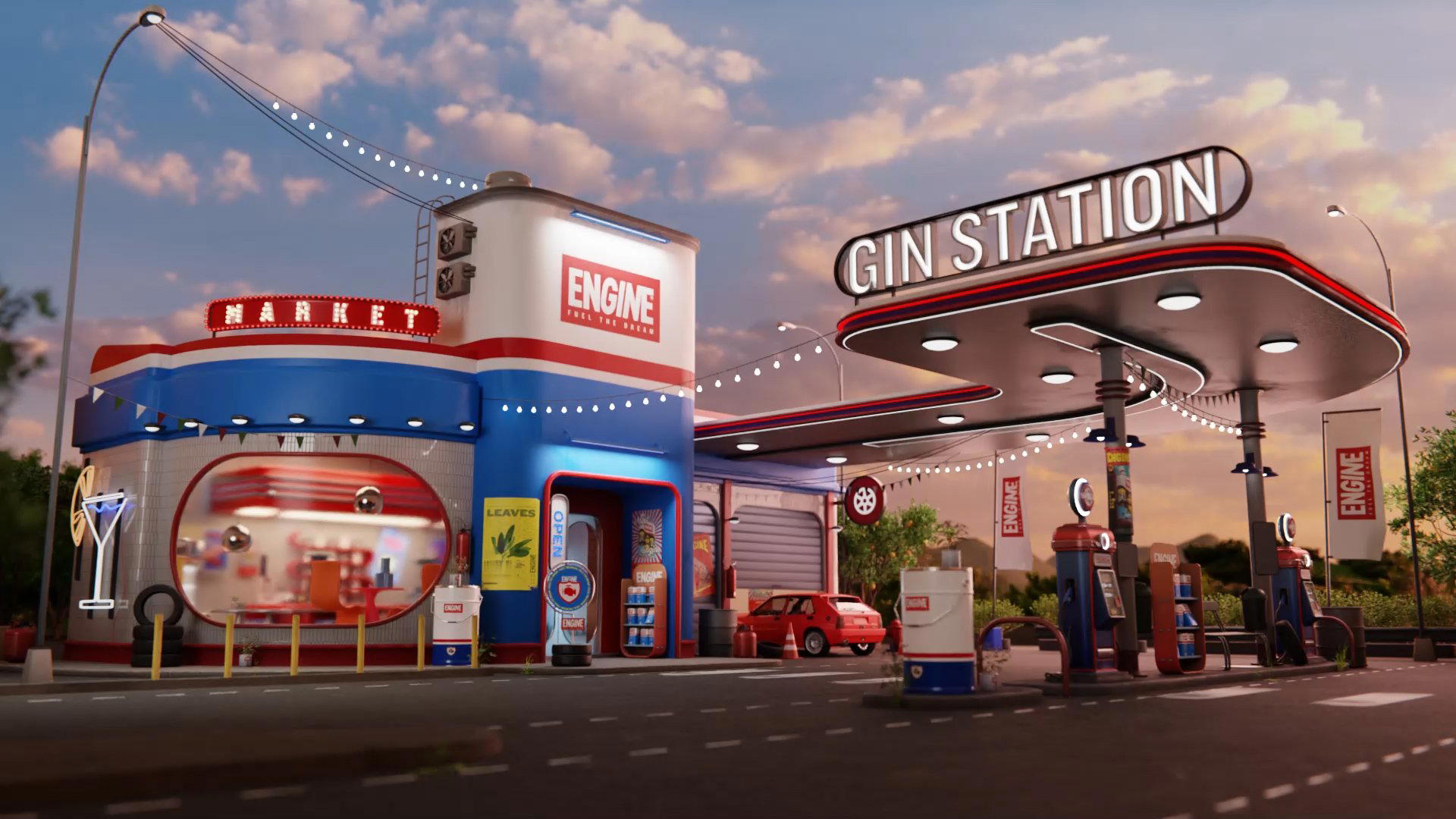
A Spirits Address in Nebbiolo Country
Barbaresco's reputation is built almost entirely on one grape. The village of fewer than 700 residents sits above the Tanaro River on the eastern edge of the Langhe hills, and its entire cultural and commercial identity orbits around Nebbiolo: the austere, slow-maturing variety that Produttori del Barbaresco turned into a cooperative benchmark and Gaja transformed into one of Italy's most discussed cellar addresses. Against that backdrop, a gin producer operating from Strada Giro della Valle reads as a deliberate counter-position. Engine Gin is not trying to compete with the Nebbiolo houses; it is operating in a different register entirely, one that the Langhe has only recently started to accommodate.
Across northern Italy, the past decade has seen a quiet expansion in artisan spirits production alongside the wine-dominant narrative. Distilleria Romano Levi in Neive, just a few kilometres from Barbaresco, long held near-mythological status for its grappa, demonstrating that the Langhe could sustain spirits identities beyond the bottle of Barolo on the table. Engine Gin arrives in that tradition but angles toward a different category, bringing botanical distillation into a zone that has historically exported its agricultural identity through wine alone.
The Physical Setting: Vineyard Country as Context
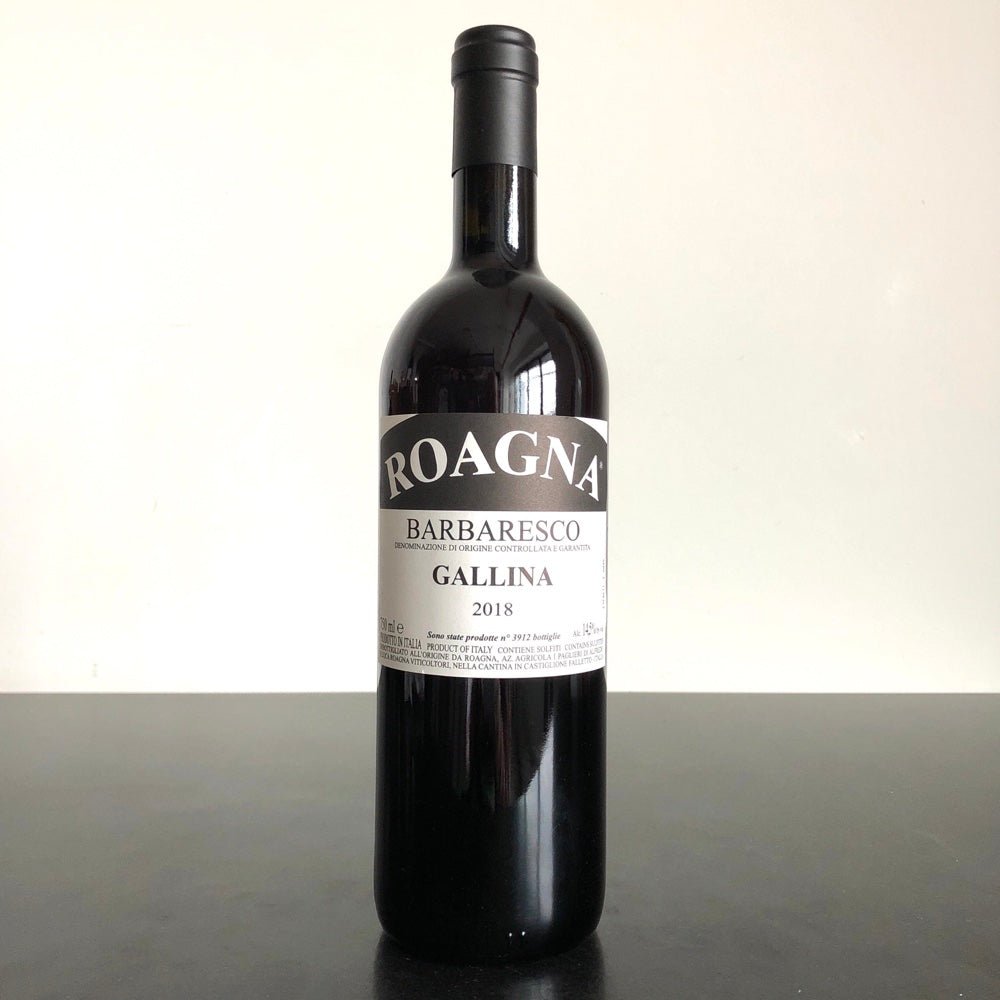
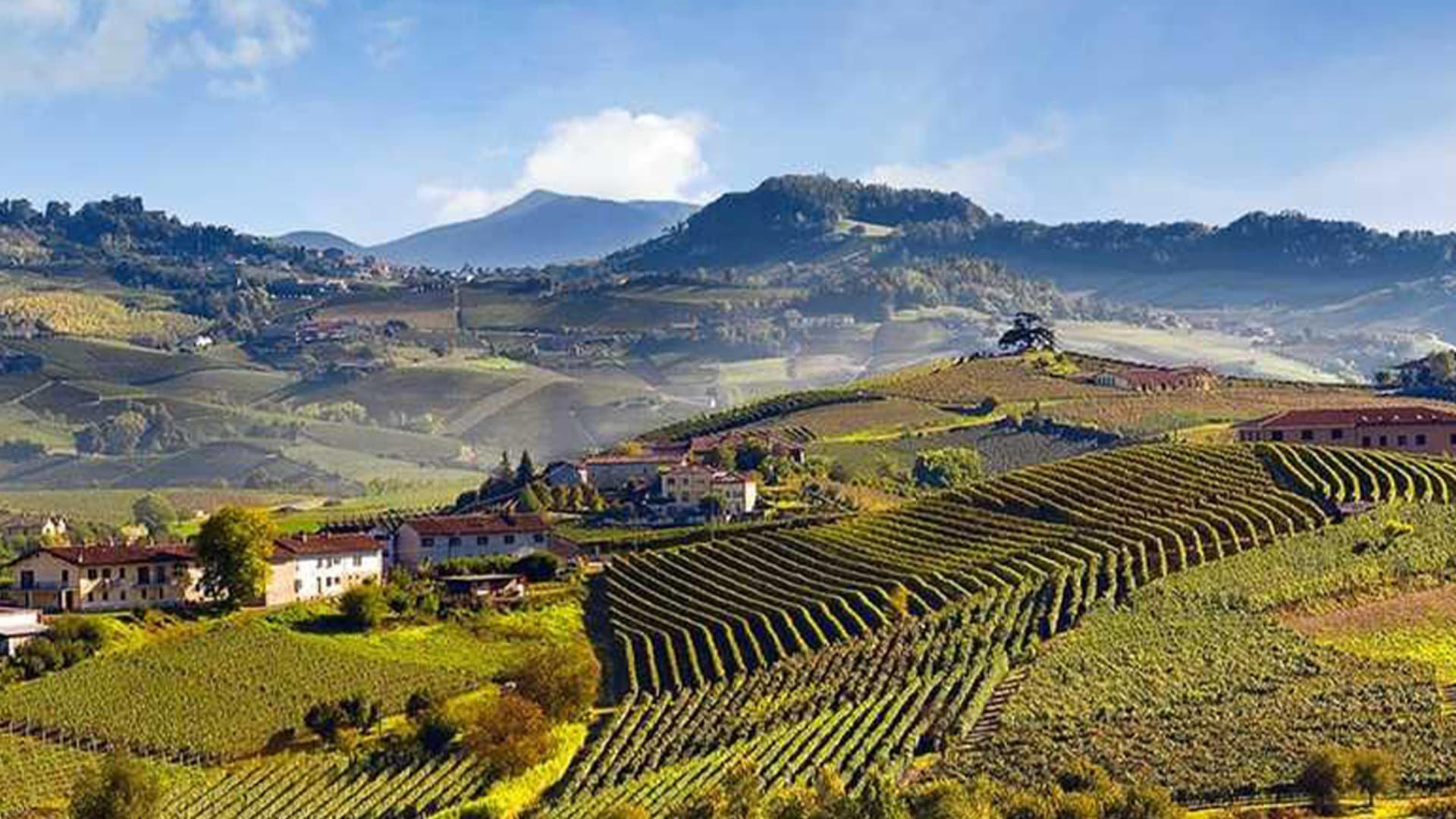
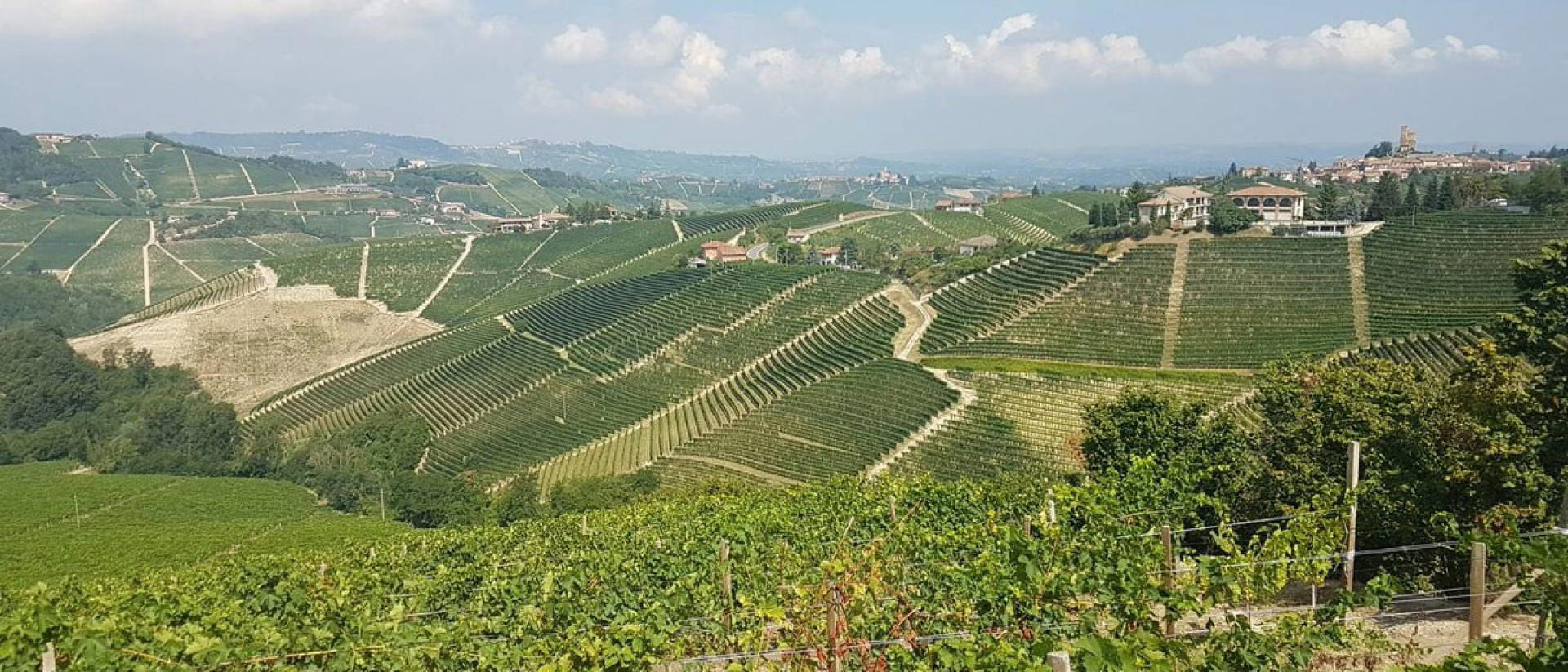
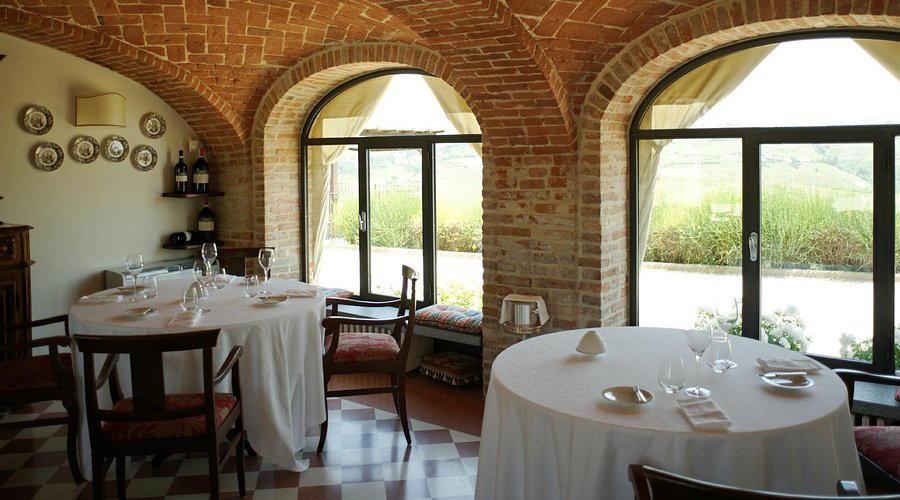
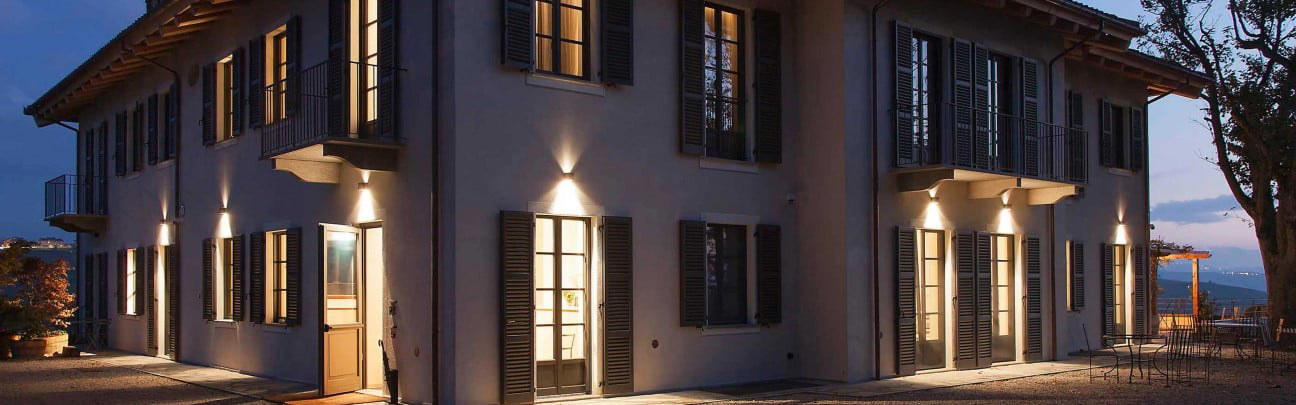
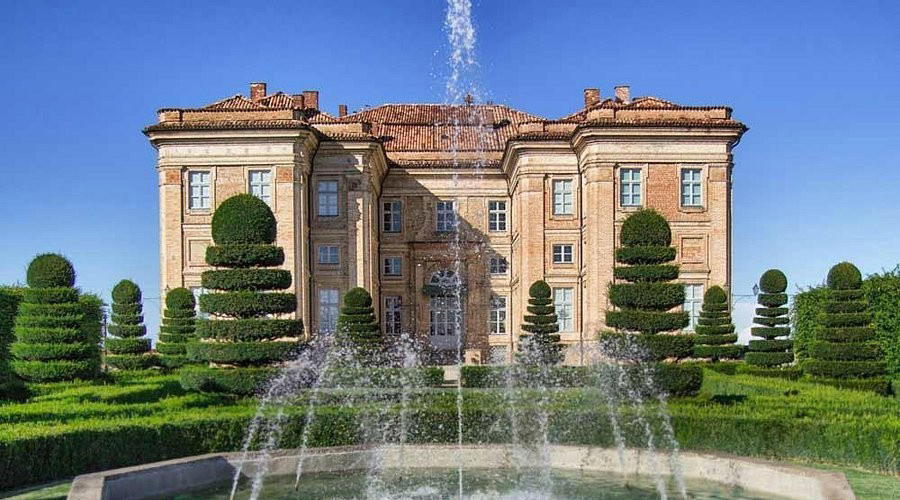
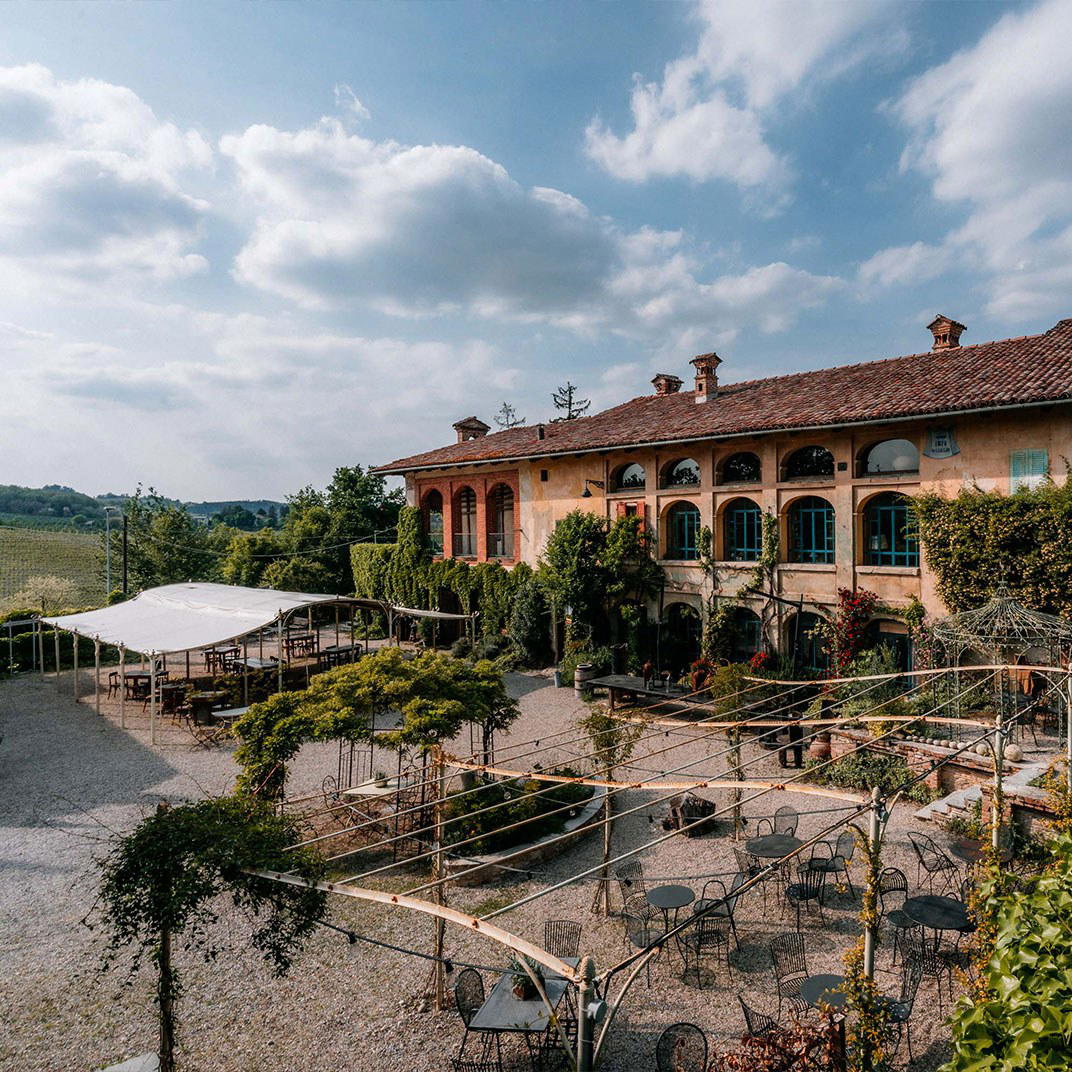
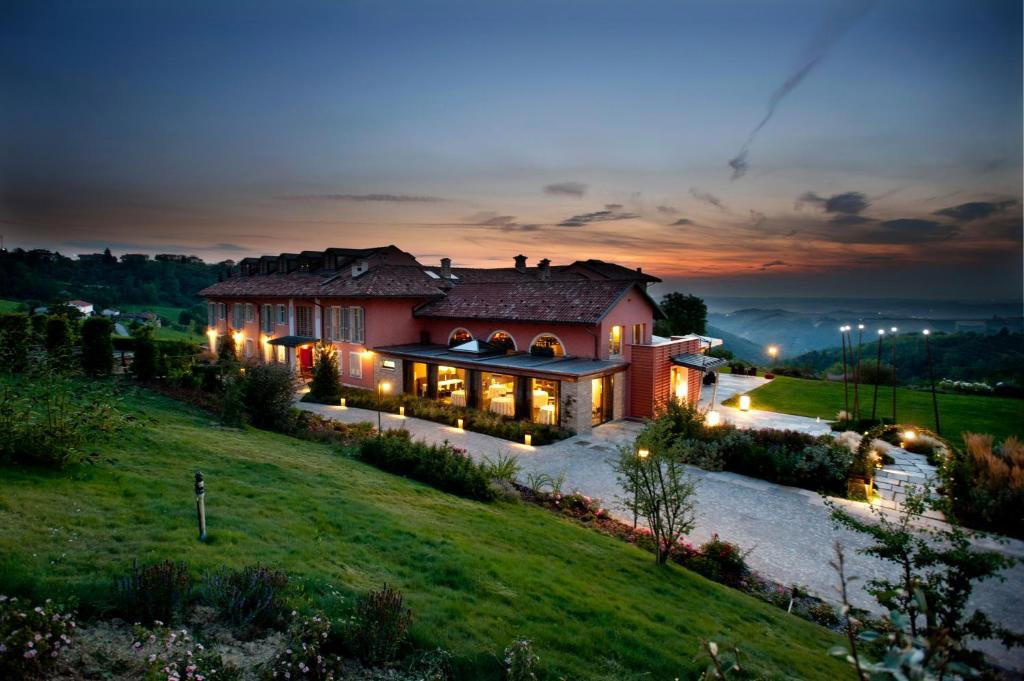
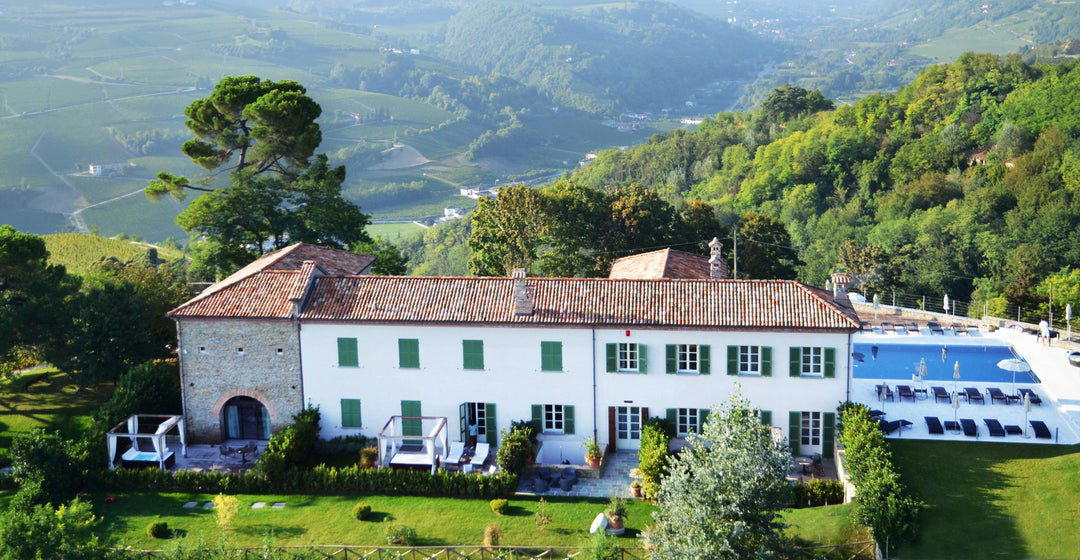
The address at Strada Giro della Valle places Engine Gin within the agricultural fabric of the Barbaresco commune rather than on a tourist strip. The road winds through the hillside landscape that defines this part of the Langhe: terraced Nebbiolo plots, hazelnut groves, and the kind of unhurried topography that makes the area photogenic in every season. Arriving in late autumn, the vine rows run in copper and amber down slopes that producers like Roagna have farmed with near-obsessive attention to site expression for generations.
This physical context matters for understanding what Engine Gin is doing here. Italian gin production has split broadly between urban laboratory operations (Milan's cocktail bar scene, with its proximity to houses like Campari, has driven much of this) and rurally grounded producers who lean into regional botanical identity. Engine Gin's location in the Langhe positions it firmly in the latter camp, where the surrounding agriculture is part of the product's implied story, even if the specific botanical sources are not detailed in available records.
The drive itself is part of the experience. The Langhe's road network is built for agricultural access rather than tourism, which means reaching Engine Gin requires navigating narrow lanes between vine rows and small cascine farmsteads. Visitors who have already spent time at the larger estate properties in the area, including the historic cellars along the Barbaresco DOCG zone, will find the approach familiar. For those arriving specifically for spirits rather than wine, the vineyard setting provides an immediate orientation to the region's character.
The 2025 Pearl 2 Star Prestige Award: What It Signals
In the context of Italian artisan spirits, award recognition functions as one of the few reliable external calibration points in a category where marketing language proliferates. Engine Gin's Pearl 2 Star Prestige rating in 2025 places it within a tier of producers whose output has been assessed against a structured quality framework rather than relying on regional provenance alone.
Two-star prestige designations in spirits evaluation sit above entry-level recognition but below the highest tier, suggesting a producer that has demonstrated consistency and craft without yet reaching the leading bracket of its peer set. For a gin operation based in Barbaresco, this is a meaningful signal: the Langhe is not historically a gin-producing zone, and earning external recognition in a category where Italian production is still establishing credibility internationally carries more weight than the same award would in a more established spirits region.
For comparison, Italian grappa houses that have built international recognition, such as Nonino Distillery in Pavia di Udine or Distilleria Marzadro in Nogaredo, spent years building award profiles before achieving the kind of cross-border shelf presence they hold today. Engine Gin's 2025 recognition suggests it is in an earlier phase of that trajectory.
Engine Gin in the Broader Italian Spirits Picture
Italian gin production has grown substantially since the mid-2010s, driven partly by the domestic cocktail bar boom and partly by a broader European market appetite for geographically specific botanical expressions. Producers from Piedmont, Lombardy, and Tuscany have entered the category with varying degrees of seriousness, from large commercial operations (the footprint of Ca' del Bosco in Erbusco and its parent company's scale illustrates how large luxury producers can absorb spirits alongside wine) to single-site artisan distillers working with local foraged or farmed botanicals.
Engine Gin's position in Barbaresco rather than in a larger production hub gives it a provenance story that many urban Italian gin brands cannot match. The Langhe's soil and microclimate are known quantities in agricultural terms; whether those conditions translate into botanicals that differentiate the gin from its peer set is a question that requires tasting rather than documentation. What the address provides is immediate credibility with the wine-literate visitor already in the region, the kind of traveller who understands that where something is grown and made matters.
Internationally, gin producers with strong regional identities have generally fared better in the premium on-trade than those relying on novelty alone. The Scottish model, represented by long-established houses like Aberlour in Speyside (where whisky provenance has crossed over into a broader regional identity), shows how deep geographic association can anchor a spirits brand across decades. Italian gin is much earlier in that process, but producers with genuine place-based credentials are better positioned than those without.
Visiting: Practical Context for the Langhe Traveller
Engine Gin sits within the broader circuit of Barbaresco and Langhe visits that most serious wine travellers already plan. The area is typically accessed by car from Alba, the commercial centre of the Langhe, approximately 10 kilometres to the west. The harvest season (September and October) and the truffle season (October through December) bring the highest visitor density to the area, with estates across the DOCG, including major houses like Aldo Conterno in Monforte d'Alba, typically requiring advance booking during those months. Engine Gin's specific visiting arrangements, hours, and booking requirements are not documented; direct contact via the Strada Giro della Valle address is the recommended approach for planning a visit.
Those building a wider Italian spirits itinerary alongside a Langhe wine trip might also consider Lungarotti in Torgiano (Umbria) for a wine-and-estate context, or Castello di Volpaia in Radda in Chianti for a Tuscan counterpart to the Langhe's estate-based model. For those prioritising the California wine world alongside their Italian itinerary, Accendo Cellars in St. Helena and L'Enoteca Banfi in Montalcino round out a broader picture of how premium producers operate across wine and hospitality formats.
Continue exploring
More in Barbaresco
Wineries in Barbaresco
Browse all →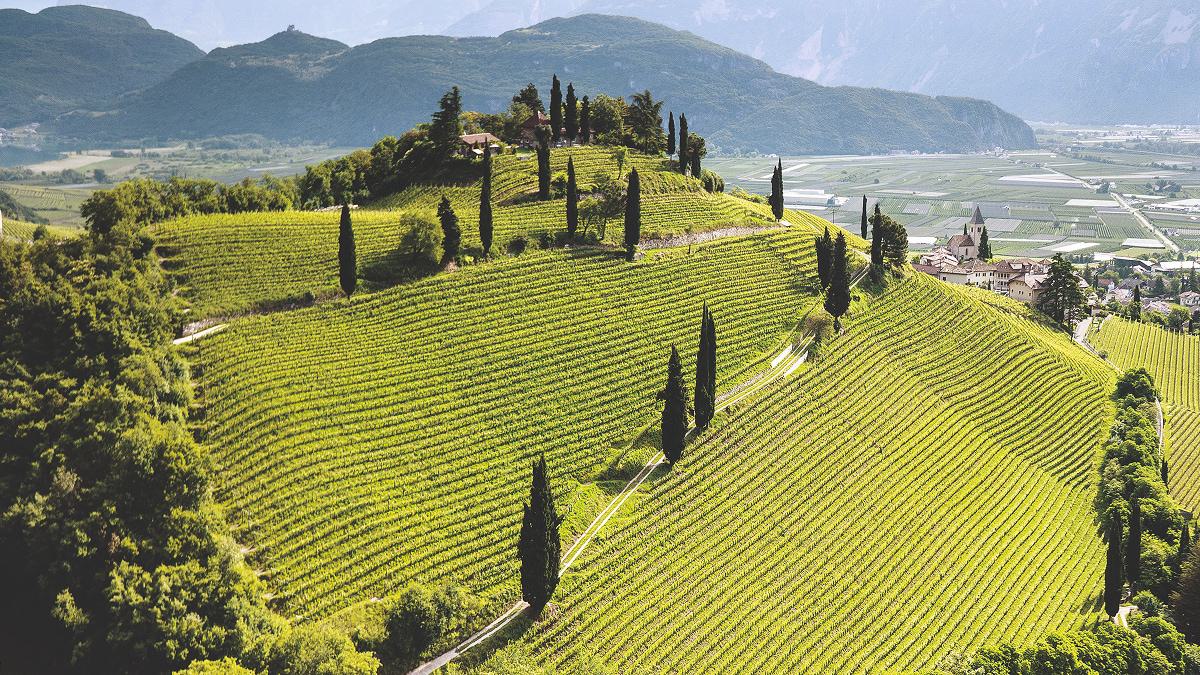
Bars in Barbaresco
Browse all →
Restaurants in Barbaresco
Browse all →
At a Glance
- Rustic
- Elegant
- Scenic
- Wine Education
- Estate Grounds
- Organic
- Vineyard
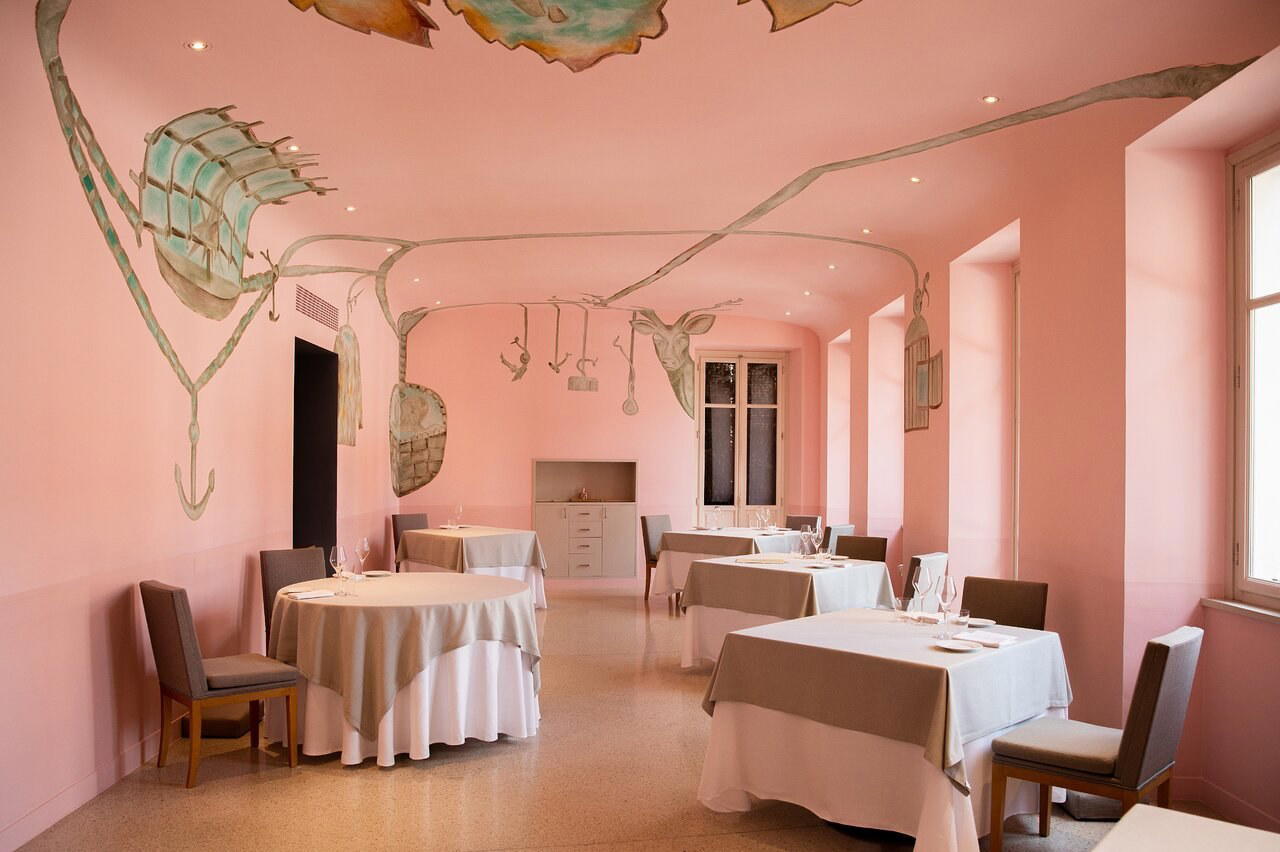
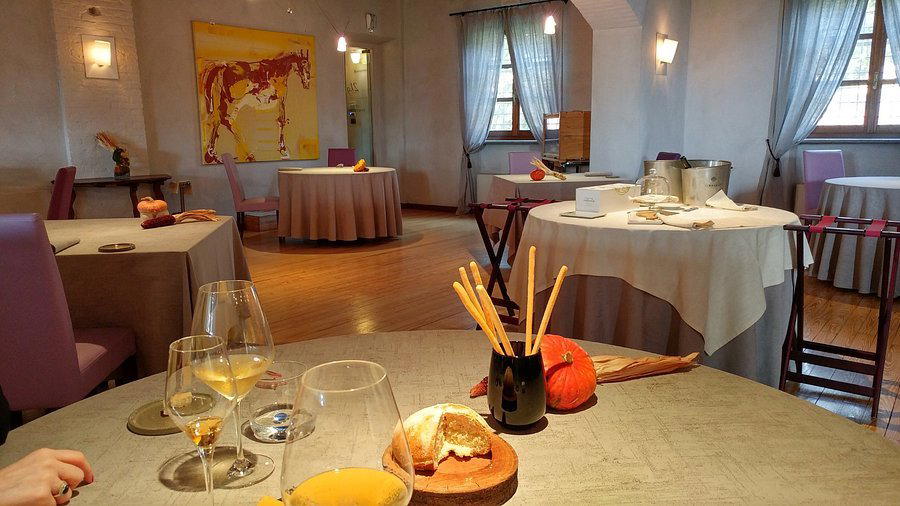
rustic artisanal distillery atmosphere in the scenic Langhe hills with a focus on regional terroir and innovation.