


Michelin Selected · Mr & Mrs Smith Seal of Approval · Gault & Millau Exceptional Hotel
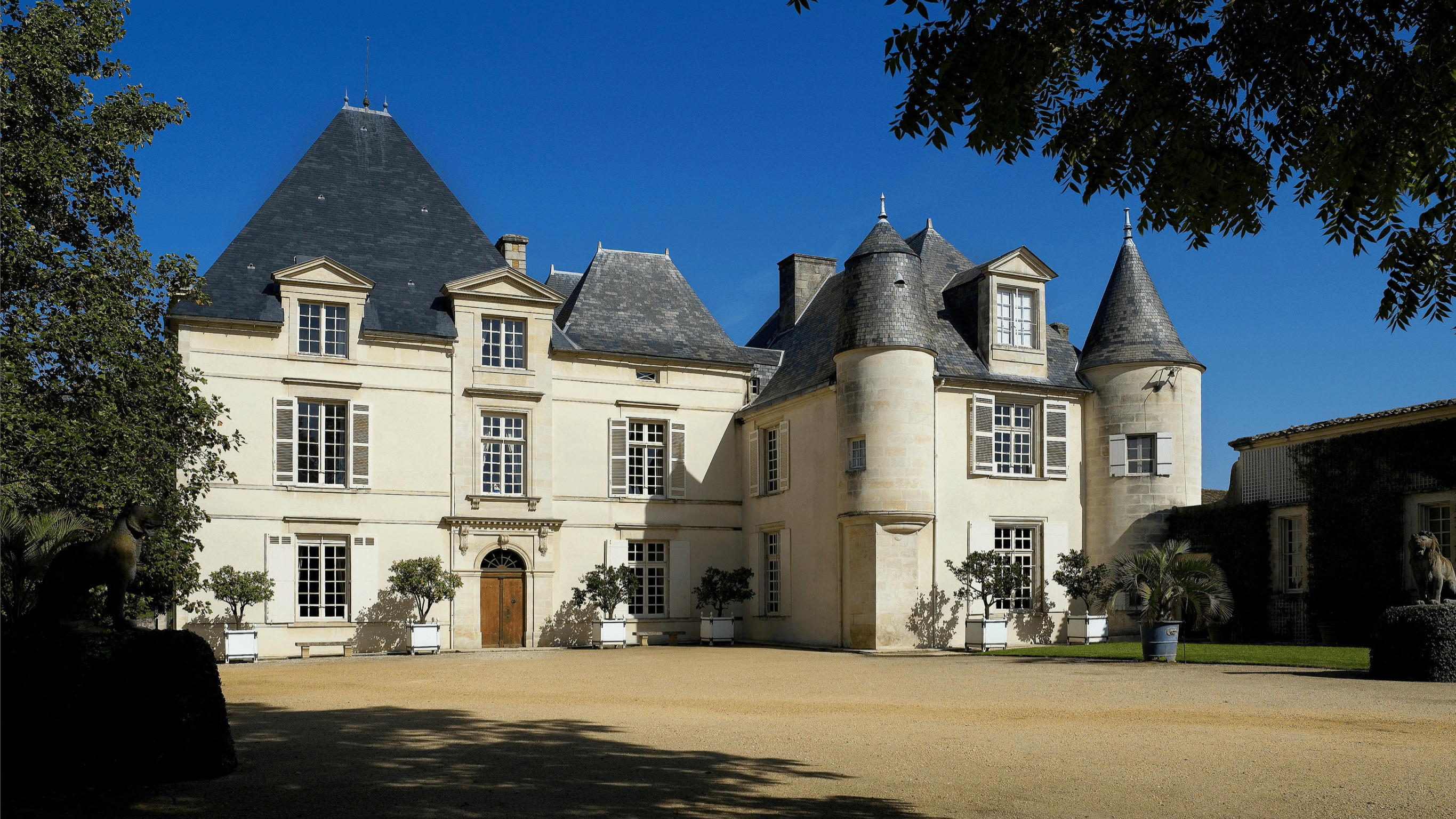
Château Léognan sits at the heart of one of Bordeaux's most storied appellations, earning a Gault & Millau Exceptional Hotel designation (5 points, 2025). The property occupies the grounds where château architecture and wine country converge, drawing guests who want proximity to Pessac-Léognan's classified estates without the anonymity of a city hotel.

Pearl is the En Primeur Club membership app — saves, bookings, and concierge access live there. Same editors, same standards.
- Address
- 88 Chem. du Barp, 33850 Léognan
- Phone
- +33 5 35 56 96 70
- Website
- chateauleognan.com
- Directions
- Get directions
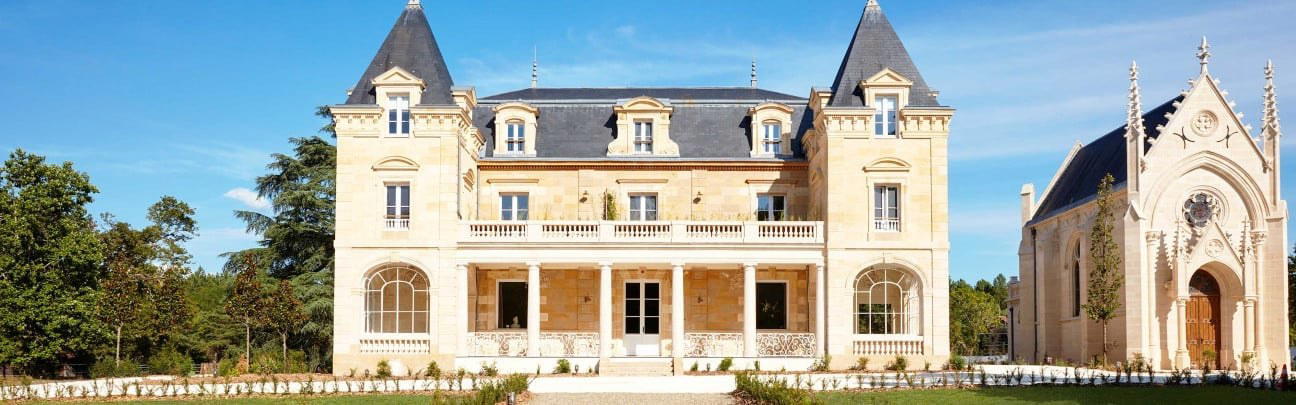
Where Bordeaux's Wine Country Meets Château Hospitality
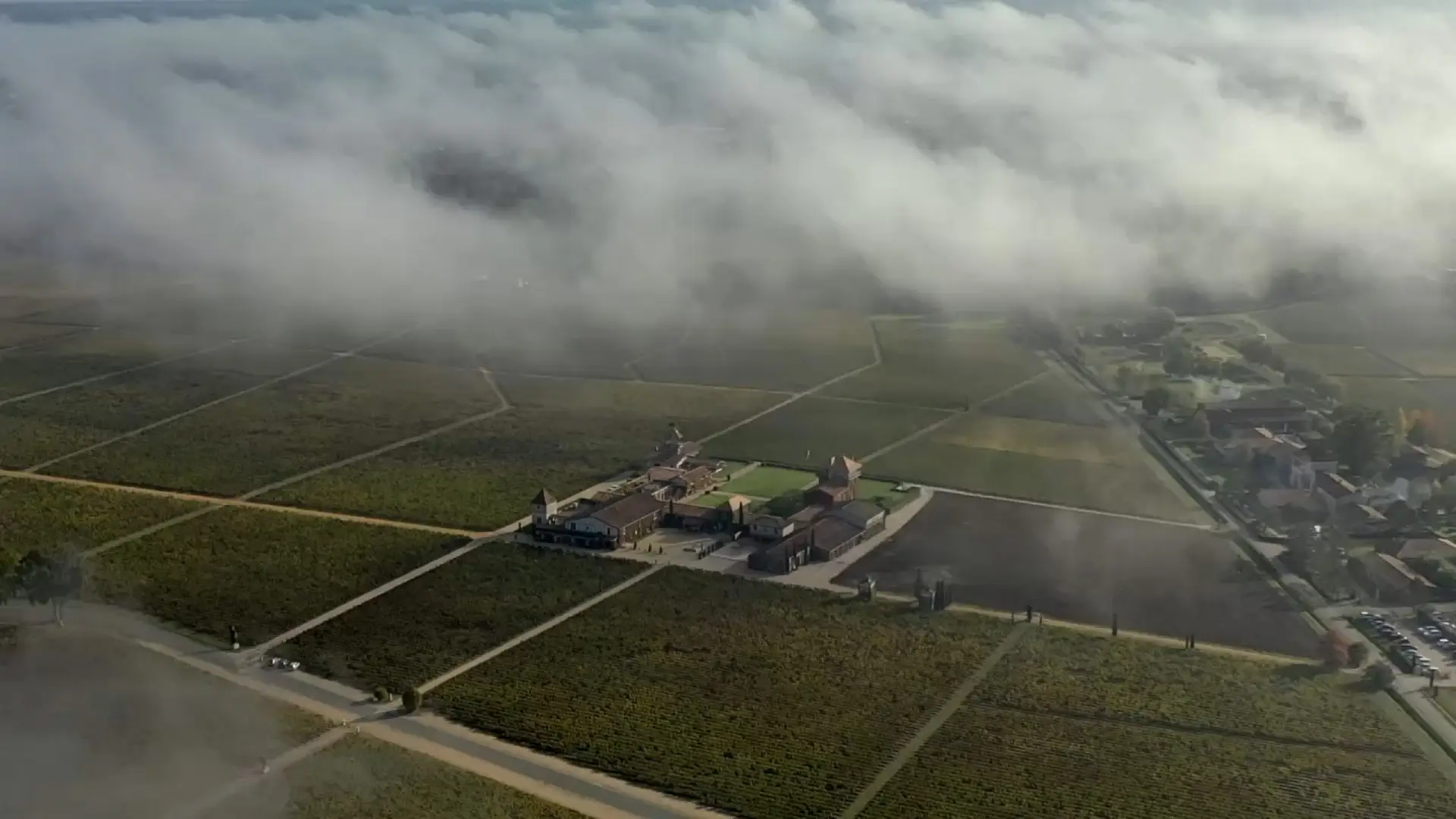
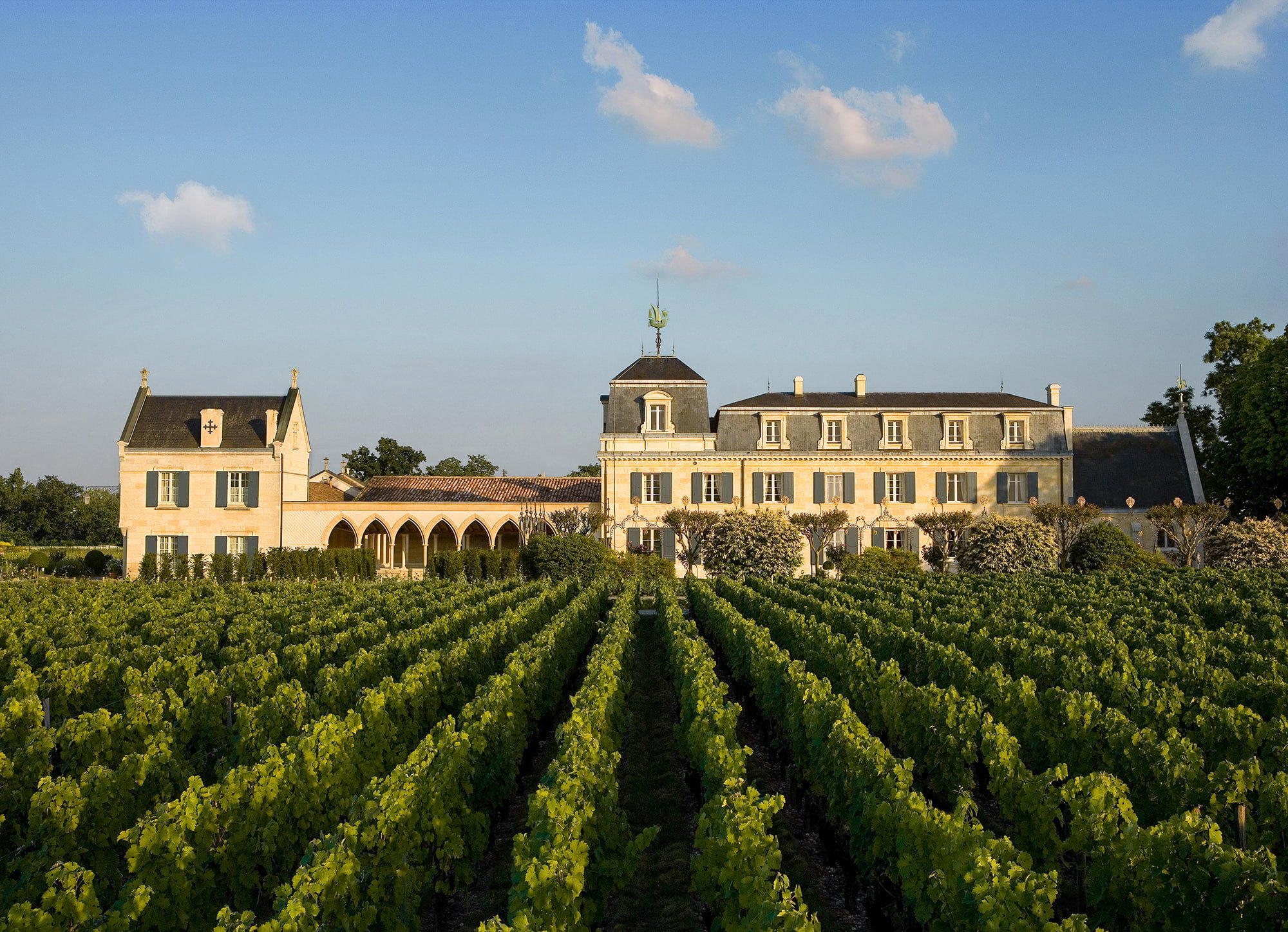
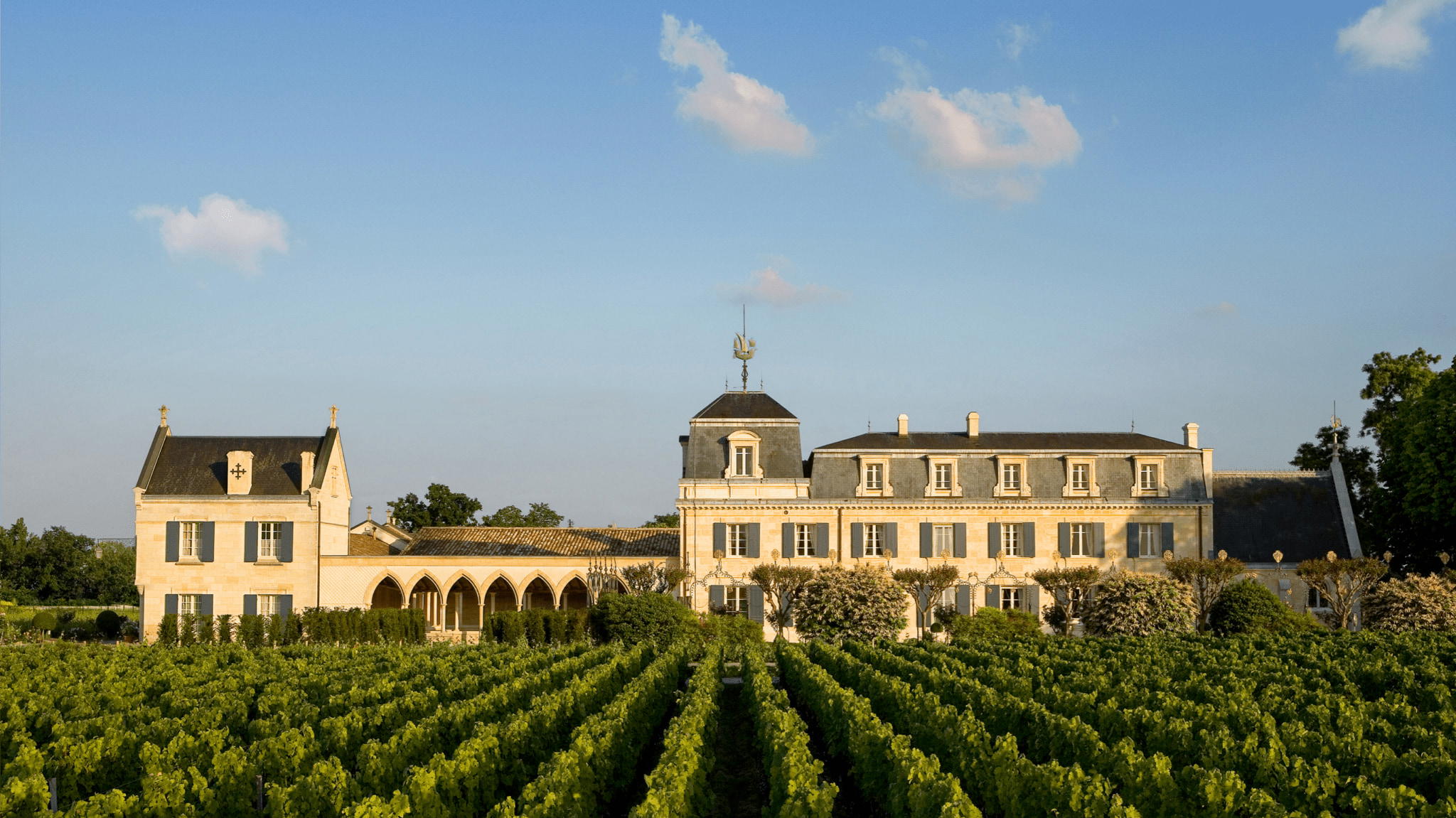
The Pessac-Léognan appellation has a particular relationship with architecture. Unlike the Médoc, where grand châteaux were built primarily as statements of 18th-century merchant wealth, Léognan's estates tend to be more intimate in scale, set back from country roads behind stands of pine and oak that characterise the Landes forest edge. Approaching Château Léognan along the Chemin du Barp, that pattern holds: the property sits within the spatial logic of the appellation itself, where the built environment defers to the agricultural and natural surroundings rather than commanding them.
This is the context in which Château Léognan should be understood. The Bordeaux region has developed a distinct category of château-hotel in recent decades, where historic wine estates have been converted or purpose-developed to receive guests. Les Sources de Caudalie anchors the southern edge of this category near Martillac; Château Lafaurie-Peyraguey represents the Sauternes expression of the format.
The Gault & Millau Signal and What It Implies
Gault & Millau awarded Château Léognan Exceptional Hotel status with 5 points in 2025. Within Gault & Millau's hotel evaluation framework, the Exceptional designation is applied to properties that demonstrate a coherent identity across physical space, service, and overall experience, rather than simply meeting a checklist of luxury amenities. The 5-point score places it in a tier that the guide reserves for properties with a defined character. That recognition, from a French guide with deep roots in the country's hospitality and gastronomy culture, carries weight in a region where château-hotels are judged against demanding local standards.
For context on what Gault & Millau Exceptional means at the regional level: properties earning this designation in wine country tend to share a common trait, which is the successful integration of the estate's agricultural or viticultural identity into the guest experience, rather than treating the wine connection as decorative. Whether Château Léognan achieves this through its wine program, its grounds management, or its architectural dialogue with the surrounding vines is something guests encounter directly. The award suggests the integration is substantive rather than superficial.
Architecture in a Region That Takes Buildings Seriously
Pessac-Léognan sits immediately south of Bordeaux's city limits, which means it exists in an unusual tension between urban proximity and rural character. The commune has been absorbed into the greater Bordeaux metropolitan area on its northern edge, while its southern and western parcels retain the agricultural texture of the Graves gravel plateau. Château Léognan's address on the Chemin du Barp places it in the quieter, more rural register of the commune.
The architectural tradition of the Bordeaux château is worth noting here. The region's great estates were designed to communicate permanence and agricultural seriousness, not aristocratic theatricality. Even the grandest Médoc châteaux, built in the 19th century at the height of classified-growth confidence, tend toward a restrained neoclassicism rather than the baroque excess that characterised contemporaneous aristocratic building elsewhere in Europe. In Pessac-Léognan, where the estates are generally smaller in scale and the ownership history more varied, this architectural sobriety runs through even modest properties. Château Léognan operates within that tradition.
For guests comparing château-hotels across France, the physical environment here reads differently from, say, the Champagne country grandeur of Domaine Les Crayères in Reims or the designed-landscape drama of Villa La Coste in Le Puy-Sainte-Réparade. The Bordeaux wine country idiom is quieter, more agricultural, and more insistently tied to the land's productive history. That is not a limitation; it is a distinct aesthetic position.
Léognan as a Base for the Appellation
One of the practical arguments for staying in Léognan rather than Bordeaux city is access to the appellation's classified estates without routing through urban traffic. Pessac-Léognan's classified growths, designated under the 1959 classification for Graves, include estates producing both red and white wines from the same parcels, a configuration unique among Bordeaux's major appellations. The white wines of Pessac-Léognan, made principally from Sauvignon Blanc and Sémillon, hold a status in the region's hierarchy that their equivalents in the Médoc do not. Staying within the appellation gives guests the option to visit estates during morning hours, before the afternoon heat and tourist volumes increase, then return to the property without a significant journey.
Bordeaux city is accessible from Léognan for evening dining or cultural visits. The TGV station at Bordeaux Saint-Jean connects to Paris Montparnasse in roughly two hours, making the property a plausible base for guests arriving by train rather than car. Those who prefer to anchor in Paris and travel out might look at Cheval Blanc Paris or Aman New York as urban counterparts, but the Léognan stay is specifically about immersion in the appellation rather than urban access.
For guests building a broader southwest France itinerary, the Pyrénées and Basque Country are within two hours by car. Those exploring multiple wine regions might extend to the Dordogne or, in a different register, to the Riviera properties like Hotel Du Cap-Eden-Roc in Cap d'Antibes or La Réserve Ramatuelle. See our full Léognan restaurants guide for dining options within the commune and across the appellation.
Planning a Stay
Bordeaux wine country has two high-demand windows: the spring en primeur week in April, when trade buyers and collectors descend on the region to taste barrel samples of the latest vintage, and the autumn harvest period from late September through October, when estate visits carry an additional layer of activity. Both periods see accommodation across Pessac-Léognan fill quickly, and properties at the Gault & Millau Exceptional level book well in advance of those windows. Outside these peaks, the appellation is accessible year-round; winter visits offer quieter estate access, though some smaller producers reduce visiting hours between December and February.
The property's address is 88 Chemin du Barp, 33850 Léognan. Guests planning estate visits alongside their stay should confirm château opening hours directly with individual producers, as Pessac-Léognan's classified growths vary considerably in their public access policies.
Side-by-Side Snapshot
Comparable venues nearby, for context on price, style, and recognition.
| Venue | Cuisine | Price | Awards | Notes |
|---|---|---|---|---|
| Château LéognanThis venue — the venue you are viewing | Historic château with modern luxury and distinctive accommodations in a vast parkland. | Not listed | Michelin Selected · Mr & Mrs Smith Seal of Approval | Not listed |
| Orion Treehouses | Ecological treehouse B&B retreat | Not listed | Michelin Selected | Saint-Paul-de-Vence |
| Banke Opéra Paris – A Radisson Collection Hotel | Luxury lifestyle heritage hotel in a converted early-20th-century bank building near Opéra Garnier. | Not listed | Not listed | 9th arrondissement (Opéra/La Fayette) |
| Zoku Paris | hybrid home-office apartment hotel | Not listed | Michelin Selected | 17th arrondissement |
| Hotel Des Dunes | Charming boutique beach hotel with West Coast surf lodge inspiration. | $100–200 | Michelin Selected | Cap-Ferret |
| Ville d'Hiver | Historic industrial heritage converted into boutique hotel | $100–200 | Michelin Selected | Ville d'Hiver |
Recognition history
Dated appearances from independent guides and award organizations, with the underlying list record or original source where available.
Michelin Selected
Michelin
Mr & Mrs Smith Seal of Approval
Mr & Mrs Smith
Gault & Millau Exceptional Hotel
Gault & Millau
Continue exploring
More in Léognan
Hotels in Léognan
Browse all →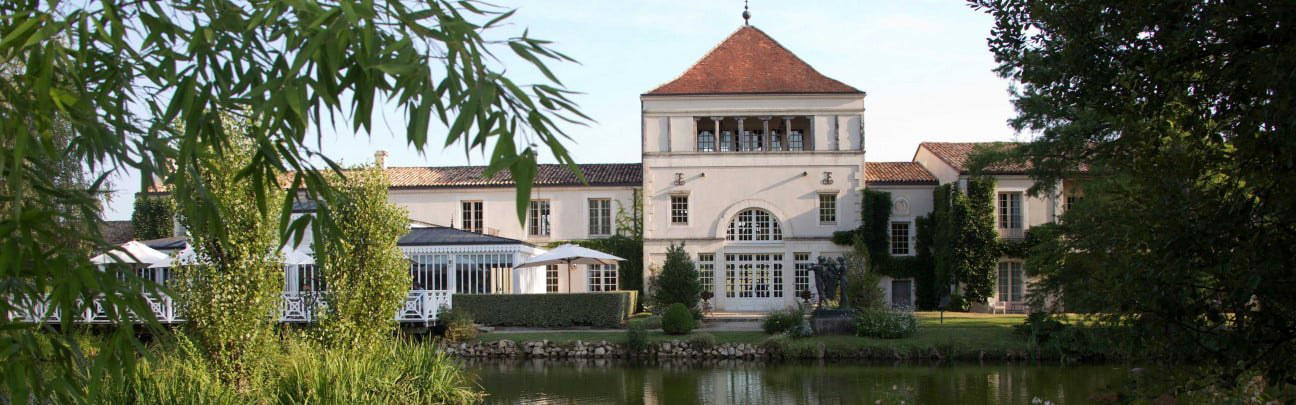
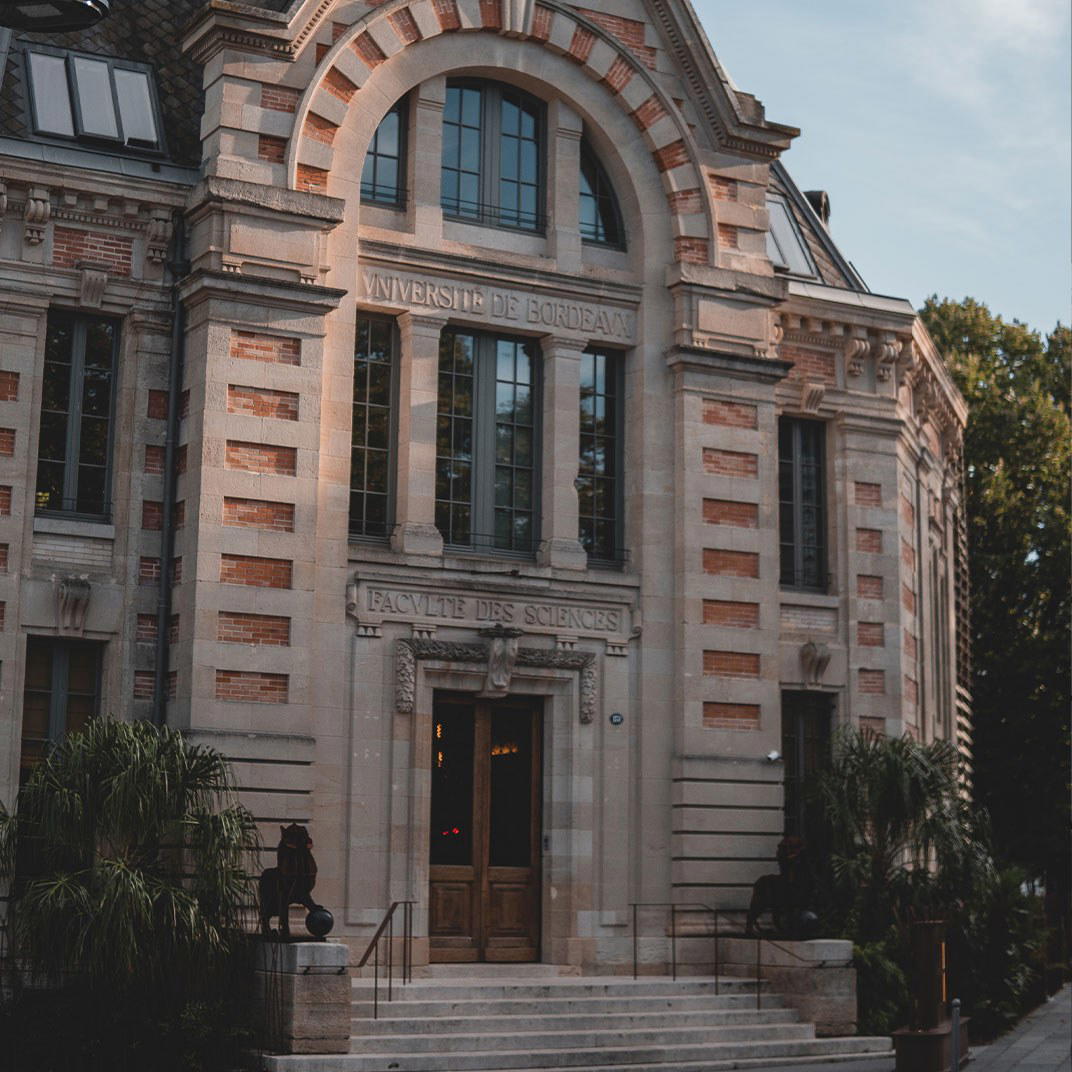
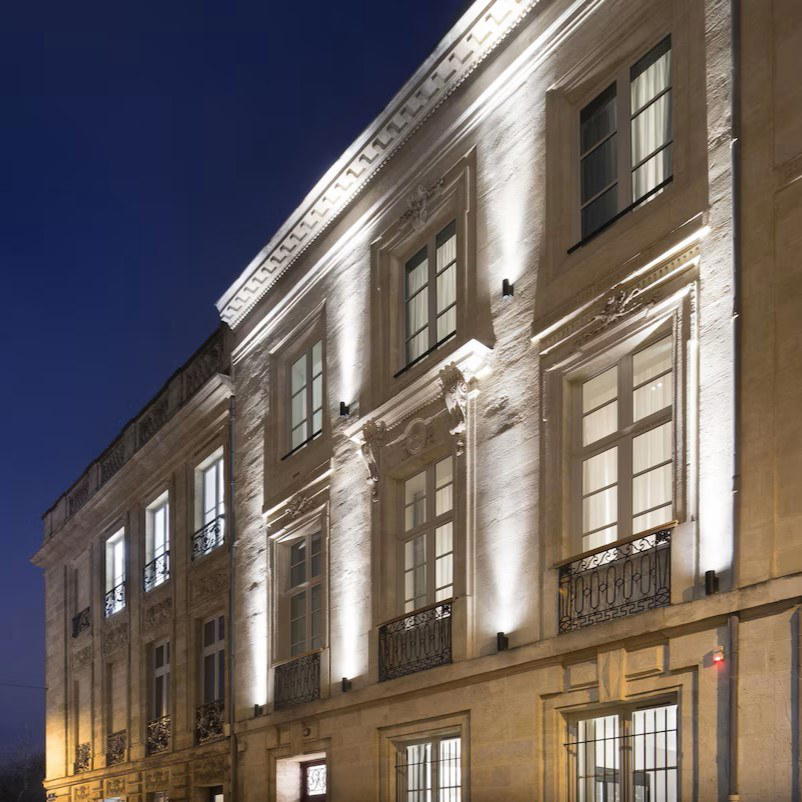
Bars in Léognan
Browse all →
Restaurants in Léognan
Browse all →
Details
- Romantic
- Elegant
- Scenic
- Cozy
- Sophisticated
- Romantic Getaway
- Honeymoon
- Weekend Escape
- Anniversary
- Historic Building
- Garden
- Terrace
- Wi Fi
- Spa
- Fitness Center
- Pool
- Sauna
- Tennis
- Restaurant
- Room Service
- Concierge
- Bicycle Rental
- Garden
- Vineyard
- Elevator
- Accessible Parking
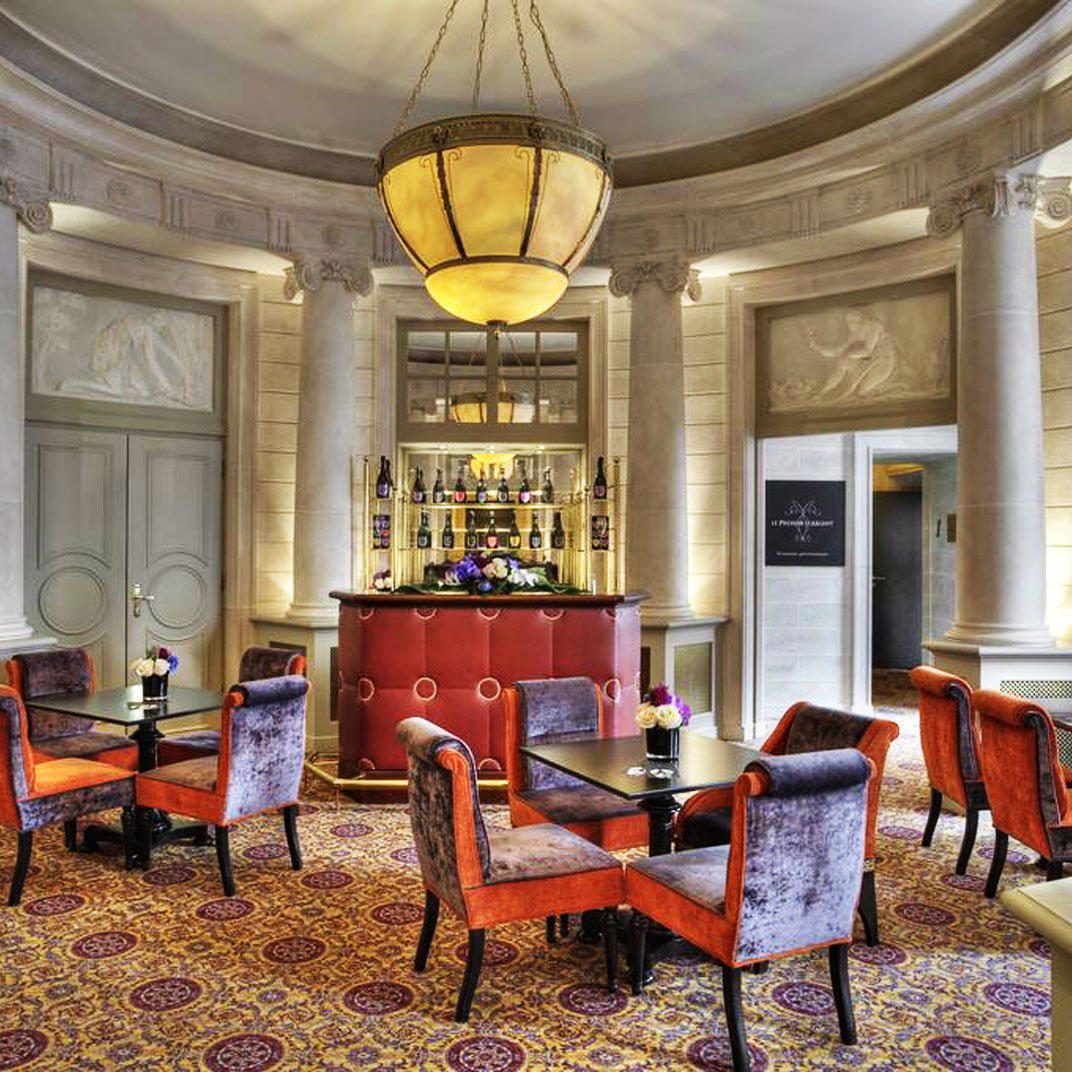
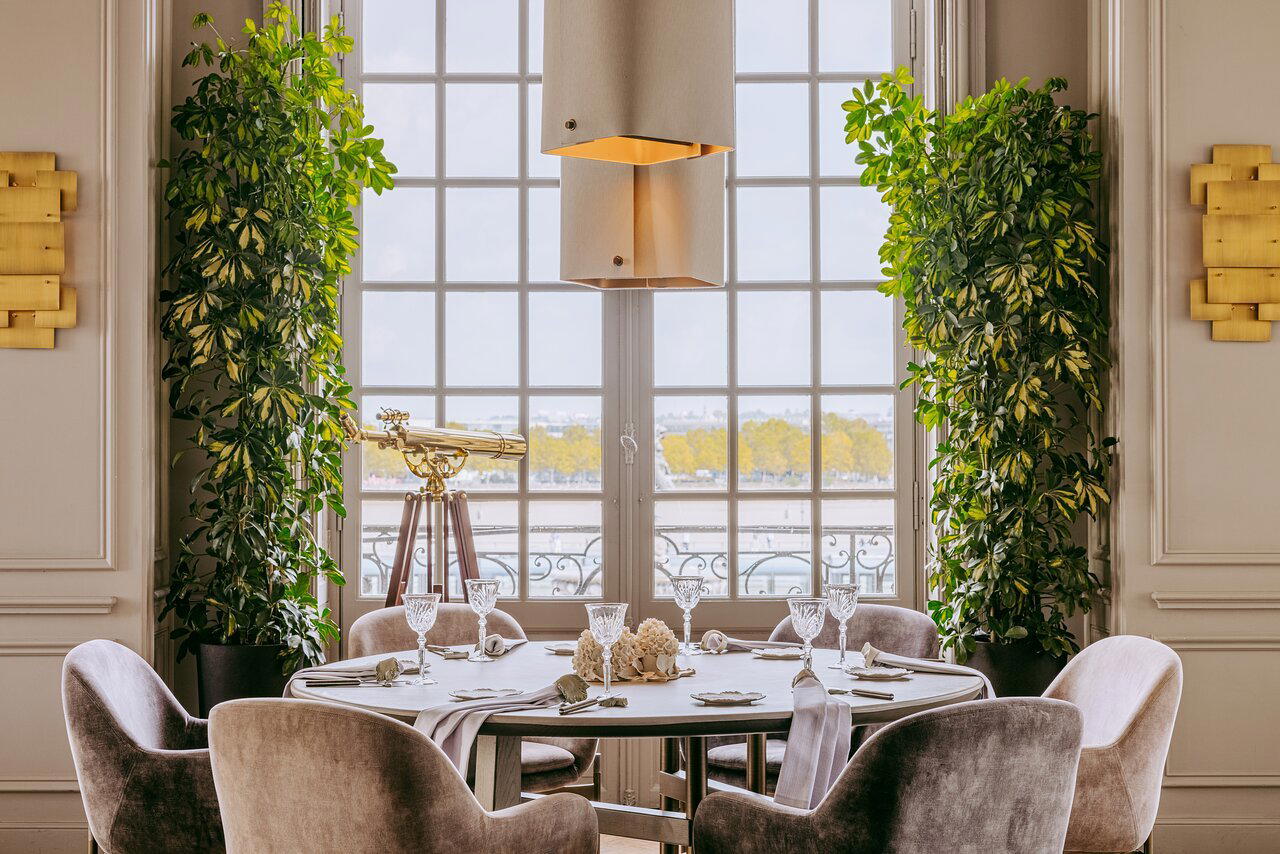
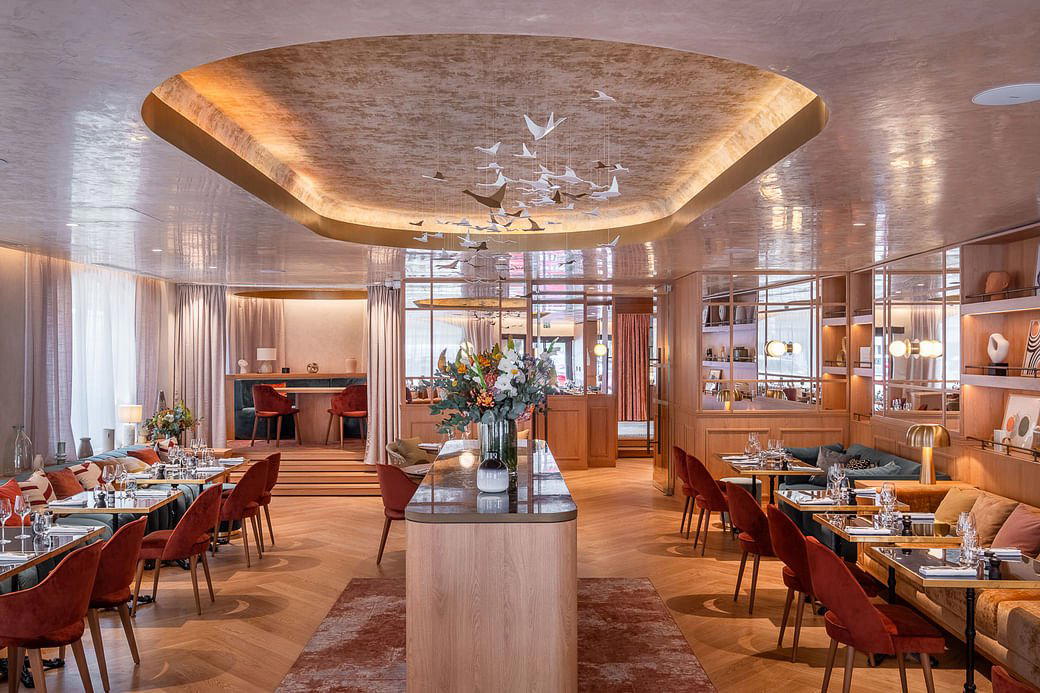
Elegant and intimate with soft pastel tones, antique furnishings, soundproofing, and serene park views creating a peaceful, cozy retreat amid nature.