
Falstaff Winery - Listed
The property sits in the heart of Sauternes country, where morning mists from the Ciron river encourage the noble rot that defines this appellation's celebrated sweet wines.

Pearl is the En Primeur Club membership app, where members save venues, book tables and use the concierge.
Where Botrytis Meets the Bommes Plateau
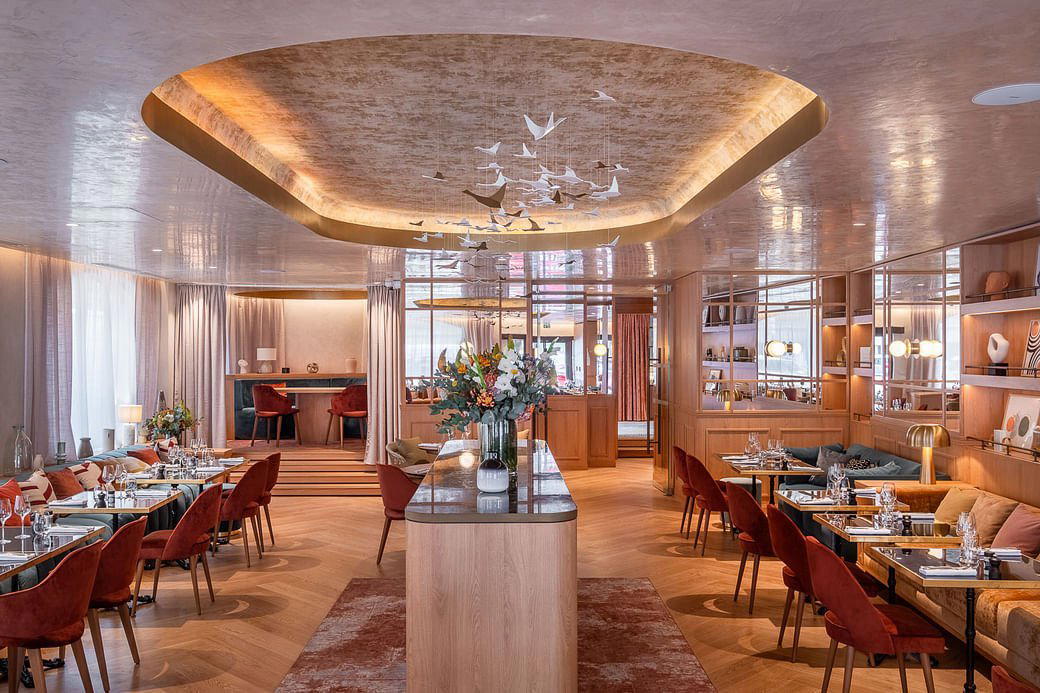
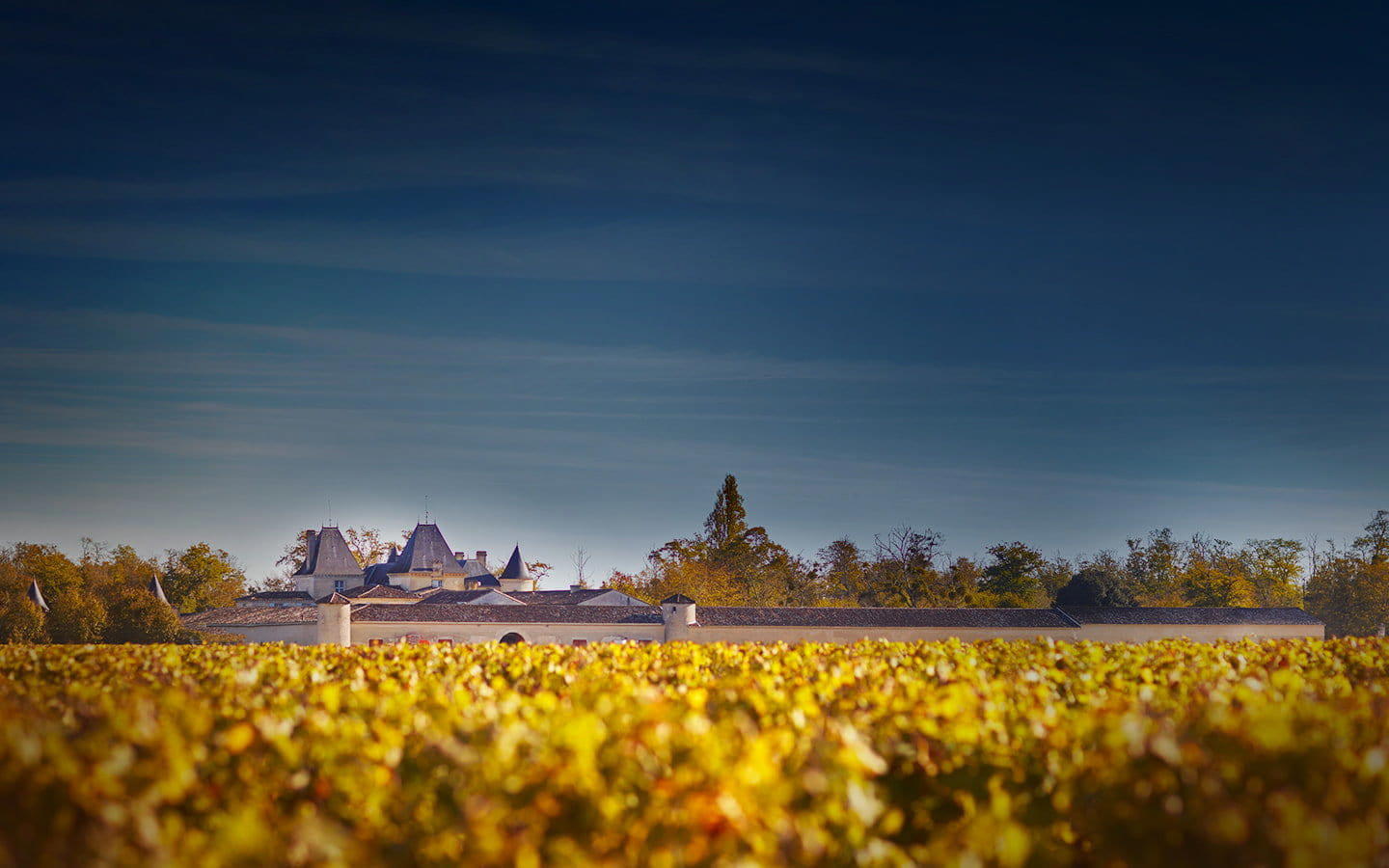
The road to Bommes in late autumn carries a particular quality of light: low, amber, filtered through a canopy that hasn't quite finished turning. The Ciron river, a cold tributary that meets the warmer Garonne just downstream, generates the morning fog that makes this stretch of Sauternes country function differently from virtually anywhere else in Bordeaux. That fog, and what it does to Semillon and Sauvignon Blanc left hanging on the vine into October, is the agricultural logic behind every Premier Cru Classé estate on this plateau, including Château Rabaud-Promis at 768 Route de Carbouniou.
The 1855 Classification of Sauternes placed two tiers of estates above the general cru level: the Premiers Crus and, above them, the singular Premier Cru Supérieur designation held by Château d'Yquem. Château Rabaud-Promis sits in that first tier, a ranking that has carried legal weight for over 170 years and continues to define how the estate positions itself against peers such as Clos Haut-Peyraguey and Château Rayne-Vigneau, both fellow Bommes Premiers Crus.
The Viticulture That Earns the Classification
Sauternes viticulture is, by design, inefficient. The selective harvesting process called tries successives requires pickers to pass through the vineyard multiple times, harvesting only the grapes at the precise stage of botrytis cinerea infection that concentrates sugars without tipping into rot. A single vine may be visited five or six times across a harvest that stretches weeks past the red wine regions to the north. Yields are correspondingly low; a Premier Cru estate in Bommes will typically produce a fraction of what a comparable Médoc property harvests per hectare.
The broader shift in Sauternes viticulture over the past two decades has moved toward lower chemical inputs and more careful canopy management, partly in response to pressure from premium wine buyers who now factor sustainability credentials into allocation decisions, and partly because the botrytis mechanism itself rewards vine balance over forced production. Estates that understand the fungal ecology of their terroir, the relationship between humidity, temperature differential, and the precise timing of infection, tend to produce more consistent noble rot and less of the grey rot that destroys rather than concentrates. The terroir of Bommes, with its gravelly clay soils draining toward the Ciron valley, sits among the commune's most climatically consistent zones for this process. Neighbouring estates such as Château La Tour Blanche and those across the appellation boundary in Barsac, including Château de Myrat, share similar challenges but face slightly different drainage and fog-exposure profiles.
For a Sauternes Premier Cru, that kind of recognition is grounded in the estate's ability to convert a fundamentally unpredictable natural process into bottles of consistent character across years as different as the frost-affected 2017, the early-harvested 2022, and the textbook conditions of 2021.
Sauternes in Its Regional Context
The Sauternes appellation occupies a distinct commercial and critical space within Bordeaux. Unlike the Left Bank Médoc or the Right Bank's Saint-Émilion, which operate under classifications that have been revised or contested in recent decades, the 1855 Sauternes hierarchy has remained largely intact, lending the Premier Cru tier a stability that some other Bordeaux classifications lack. Châteaux like Château La Mission Haut-Brion in the Pessac-Léognan appellation demonstrate how proximity to Bordeaux city influences both land values and visitor infrastructure; Bommes, by contrast, remains agricultural in character, its estates reached by departmental roads through working vine country rather than a groomed tourist corridor.
The economic model for Sauternes Premier Crus differs from dry Bordeaux wines in one important structural way: the secondary market. Sweet wines of genuine quality age on a curve that most buyers underestimate, and the cellaring requirements mean that en primeur purchasing decisions carry longer time horizons. Estates at the Château Rabaud-Promis level attract buyers who are positioning for a decade or more, which in turn supports the kind of investment in low-yield viticulture and selective harvesting that sustains quality across vintages. The comparison set for Rabaud-Promis is not the broader Bordeaux market but the tighter group of Sauternes and Barsac Premiers Crus, a category where reputation is built vintage by vintage with no shortcut from volume.
Parallels with other French appellications that depend on late-harvest or climatic specificity are instructive. Albert Boxler in Niedermorschwihr operates within Alsace's Sélection de Grains Nobles framework, which involves similar botrytis selection under different soil and climate conditions. The shared logic, minimal intervention in the vineyard, patience during harvest, long élevage, connects these estates across geography even as their wines read very differently in the glass.
Placing Rabaud-Promis Within Bommes
Bommes is the smallest of the five communes permitted to use the Sauternes appellation, which gives its Premier Cru estates a concentrated geographic identity. To understand the positioning of Château Rabaud-Promis, it helps to see the commune as a single terroir argument rather than a collection of competing brands. The plateau soils here tend toward heavier clay content in places, with gravel outcrops that improve drainage and thermal retention. Estates on the better-drained ridgelines historically show earlier and more even botrytis spread, which simplifies harvest logistics and improves lot consistency.
The original Rabaud estate was divided in the nineteenth century, creating both Château Rabaud-Promis and the separate sibling estate that occupies adjacent parcels. This kind of division is not unusual in Bordeaux's history, where inheritance law and financial pressures repeatedly split properties that had once been unified. The result is that two Premier Cru addresses share deep historical roots in what was originally a single classified vineyard, giving both access to the same fundamental terroir argument while developing distinct identities through their respective viticulture and winemaking approaches over generations.
For those planning visits across the Sauternes and Barsac corridor, our full Bommes guide maps the estate landscape and practical logistics in detail. The commune is most accessible from Bordeaux via the A62 autoroute, with Langon as the nearest service town. Visiting during harvest, typically September through November, gives the clearest picture of how the selective picking process operates, though appointment-based visits are the norm across the appellation's Premier Cru tier. The estates of Pauillac, Saint-Julien, and Saint-Émilion attract higher visitor volumes and have more developed tourism infrastructure; Bommes and Sauternes remain primarily producer-focused, which suits buyers arriving with specific allocation or tasting interests rather than general wine tourism itineraries.
For context across the broader Bordeaux classified world, Château Bastor-Lamontagne in Preignac offers a useful comparison just outside the Premier Cru tier, while Château Boyd-Cantenac in Cantenac illustrates how the 1855 red wine classification functions in a different part of the Médoc. Both comparisons reinforce what the Sauternes Premier Cru tier represents: a classification system old enough to have accumulated genuine reputational weight, applied to an appellation that remains small, specific, and dependent on a natural phenomenon that no winemaker fully controls.
Reputation Context
Comparable venues nearby, for context on price, style, and recognition.
| Venue | Cuisine | Price | Awards | Notes |
|---|---|---|---|---|
| Château Rabaud-PromisThis venue (the venue you are viewing) | Sémillon, Sauvignon Blanc | Not listed | Falstaff Winery - Listed | Not listed |
| Château Lafaurie-Peyraguey | Sémillon, Sauvignon Blanc | Not listed | Falstaff Winery - 3 Stars | Bommes |
| Clos Haut-Peyraguey | Semillon, Sauvignon Blanc | Not listed | Falstaff Winery - 3 Stars | Bommes |
| Château La Mission Haut-Brion | Cabernet Sauvignon, Merlot | Not listed | Michelin 2 Grapes · Falstaff Winery - 4 Stars | Pessac-Léognan |
| Château Sigalas-Rabaud | Sémillon, Sauvignon Blanc | $10–20 | Michelin 1 Grape · Falstaff Winery - 3 Stars | Bommes |
| Château La Tour Blanche | Sémillon, Sauvignon Blanc | Not listed | Michelin Main Selection · Falstaff Winery - 3 Stars | Bommes |
Recognition history
Dated appearances from independent guides and award organizations, with the underlying list record or original source where available.
Falstaff Winery - Listed
Falstaff
Continue exploring
More in Bommes
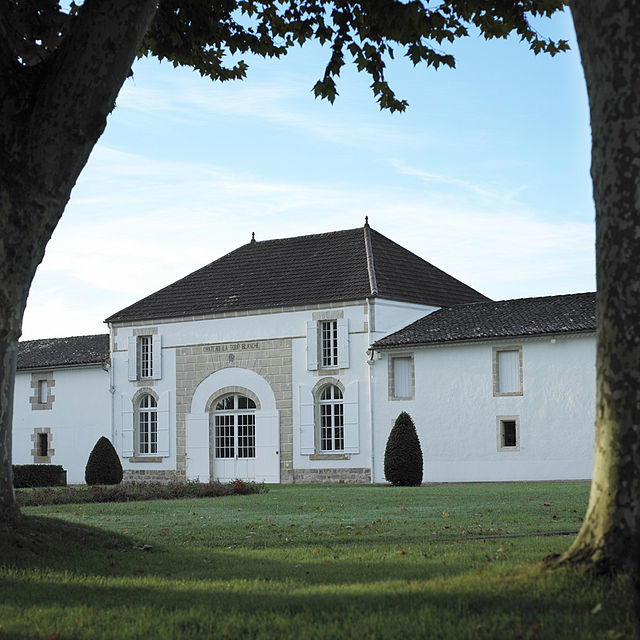
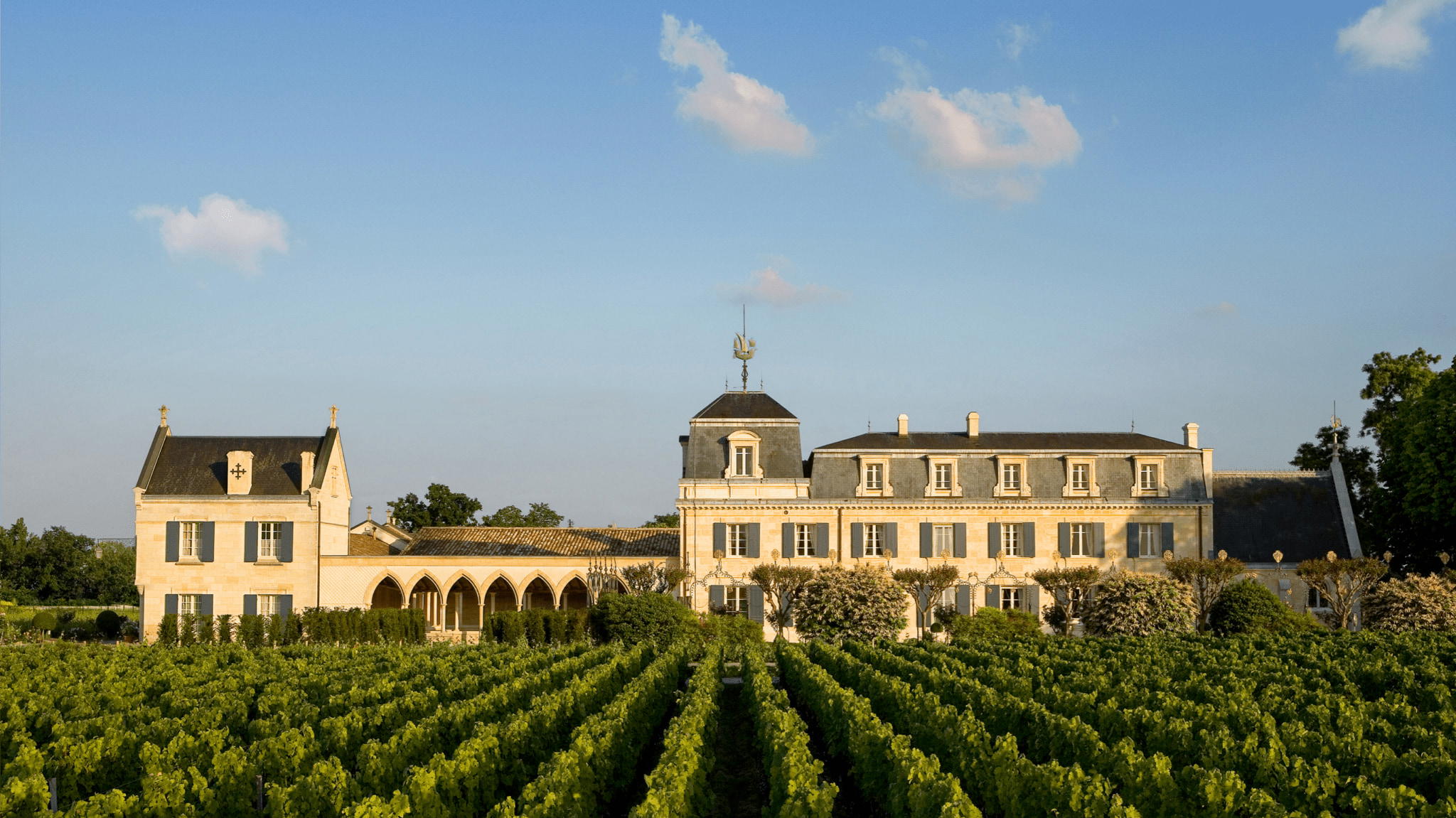
Wineries in Bommes
All wineries in Bommes →
Bars in Bommes
Browse all →
Details
- Classic
- Elegant
- Scenic
- Sophisticated
- Wine Education
- Special Occasion
- Vineyard Tour
- Estate Grounds
- Historic Building
- Sustainable
- Vineyard
- Garden
- Sémillon
- Sauvignon Blanc
- Muscadelle
- Still White
- Dessert
- Cave Tasting
- French
- English
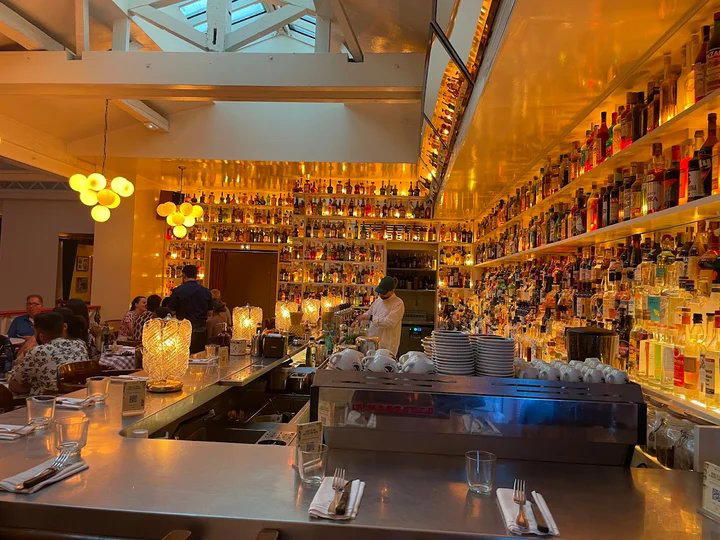
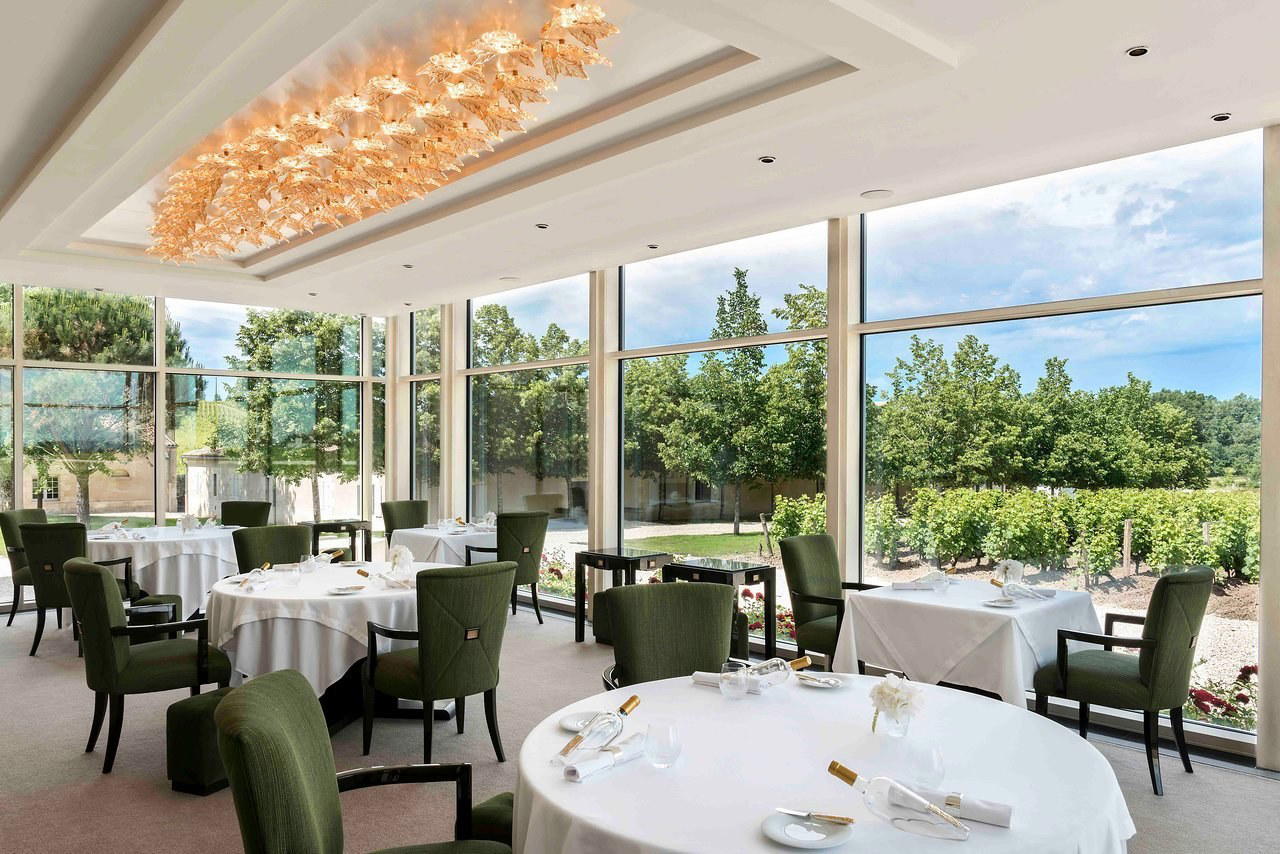
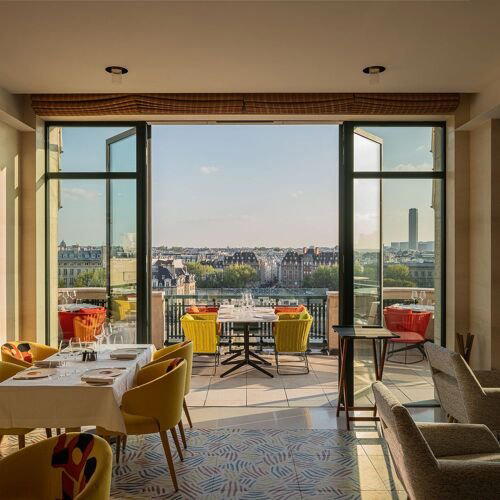
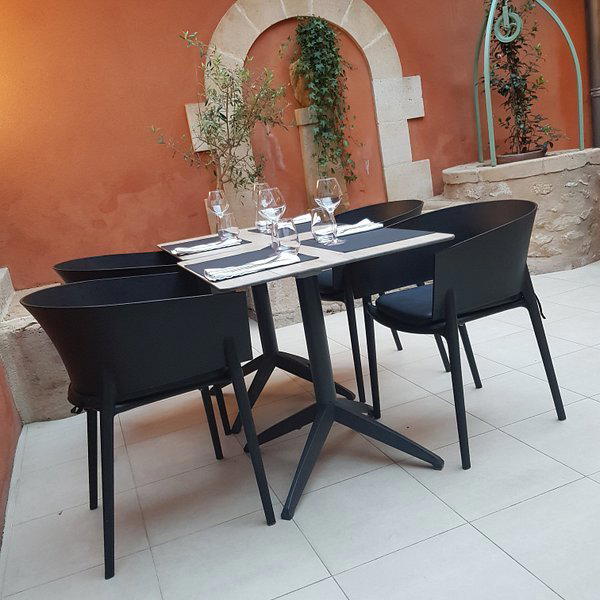
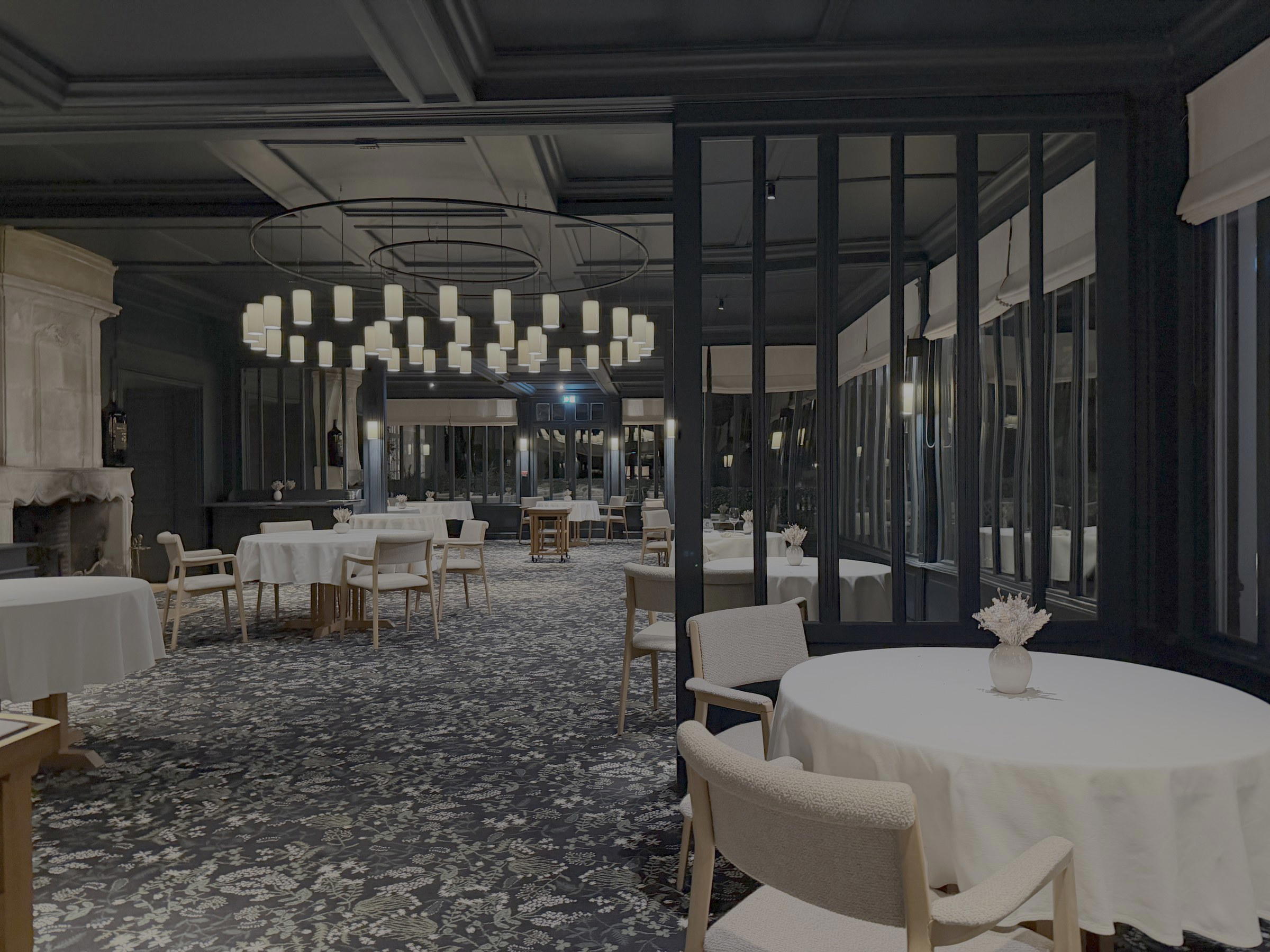
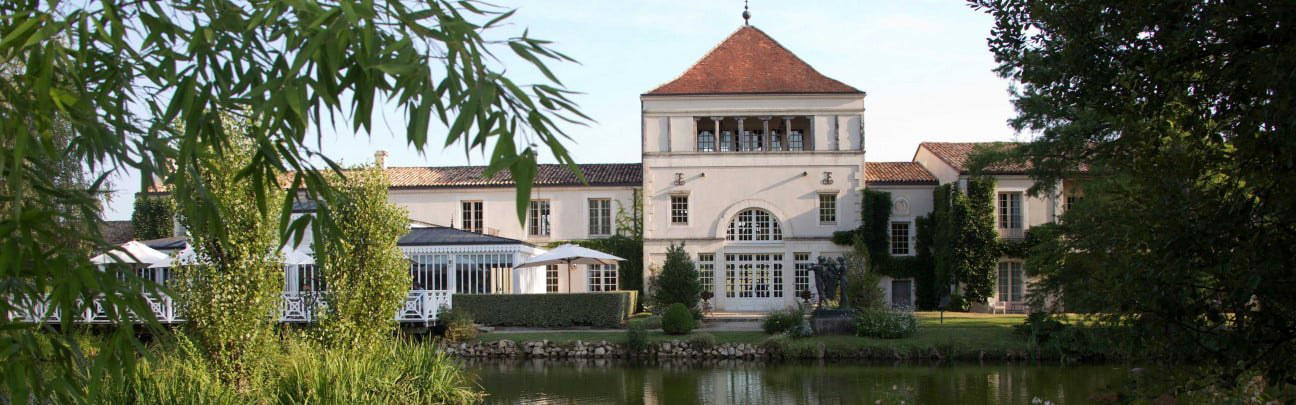
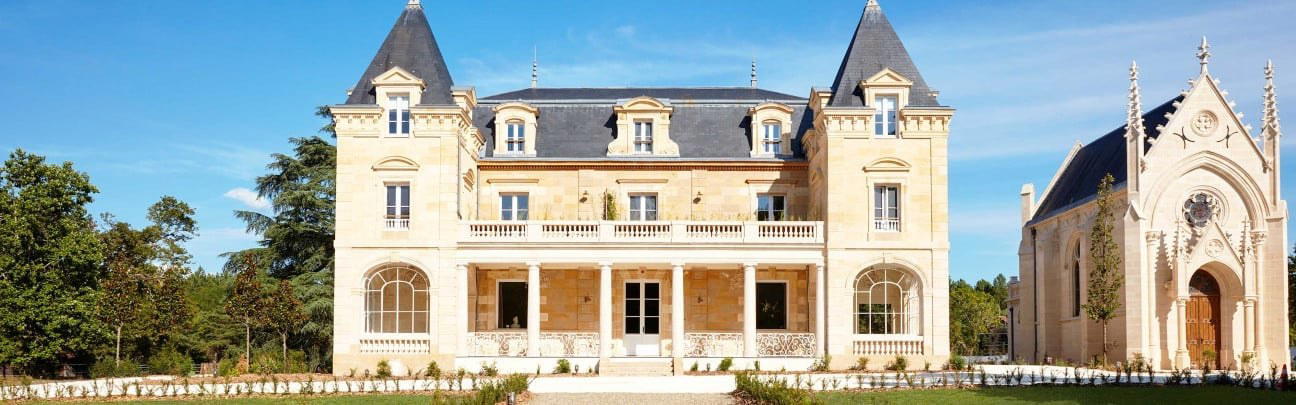
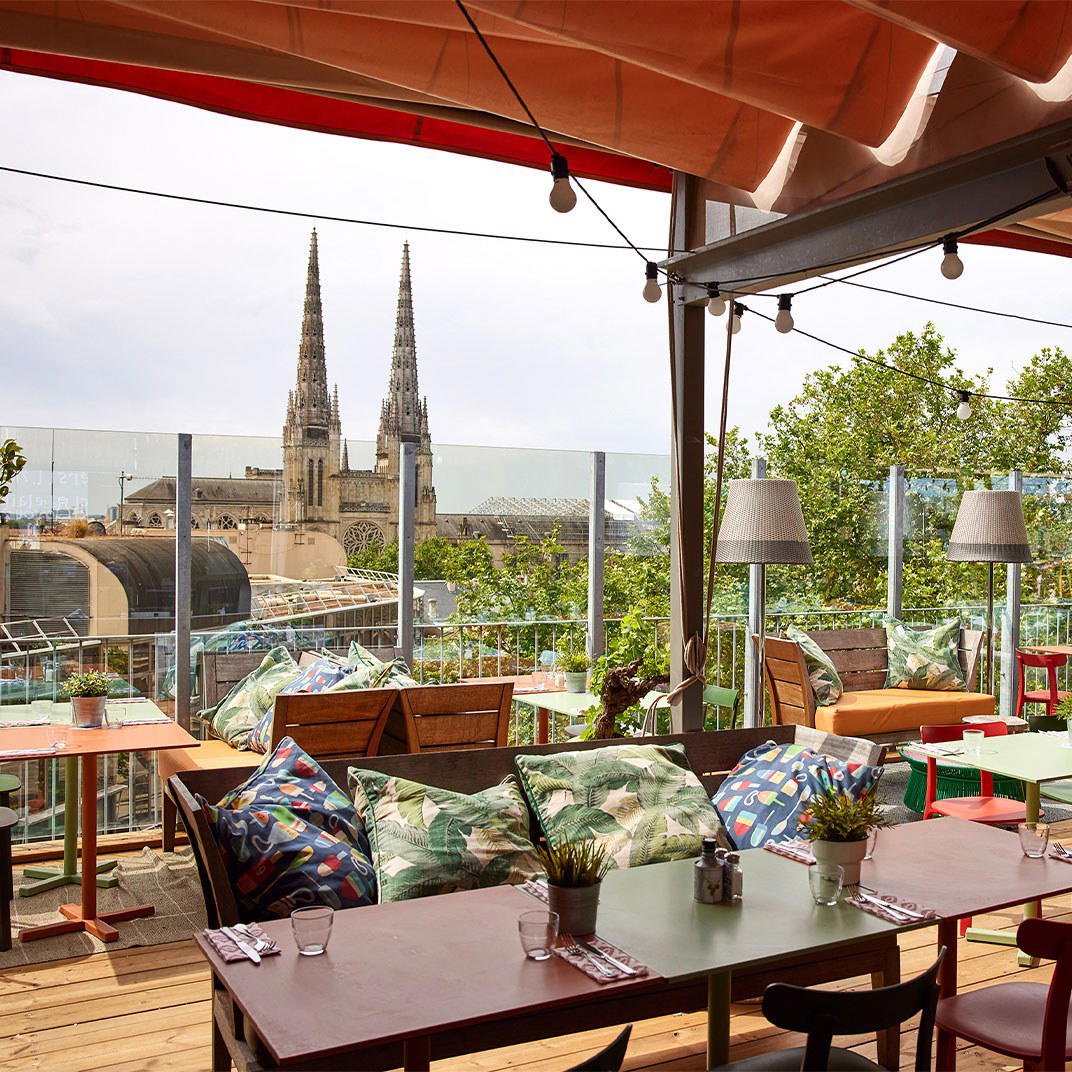
Elegant historic castle atmosphere with scenic vineyard views and a focus on balanced, aromatic sweet wines in a serene setting.