

A Michelin-starred address on Bordeaux's Right Bank, L'Oiseau Bleu has established itself as a genuine institution in a neighbourhood that offers few serious dining options at this level. Chef François Sauvêtre's surprise set menu and seasonal 'Balade de Saison' menus focus on ingredient clarity and sauce-led cooking, served in a refurbished stone house with a south-facing garden terrace.
Pearl is the En Primeur Club membership app — saves, bookings, and concierge access live there. Same editors, same standards.
- Address
- 127 Av. Thiers, 33100 Bordeaux, France
- Phone
- +33 5 56 81 09 39
- Website
- loiseaubleu.fr
- Directions
- Get directions
 Saves & bookings on Pearl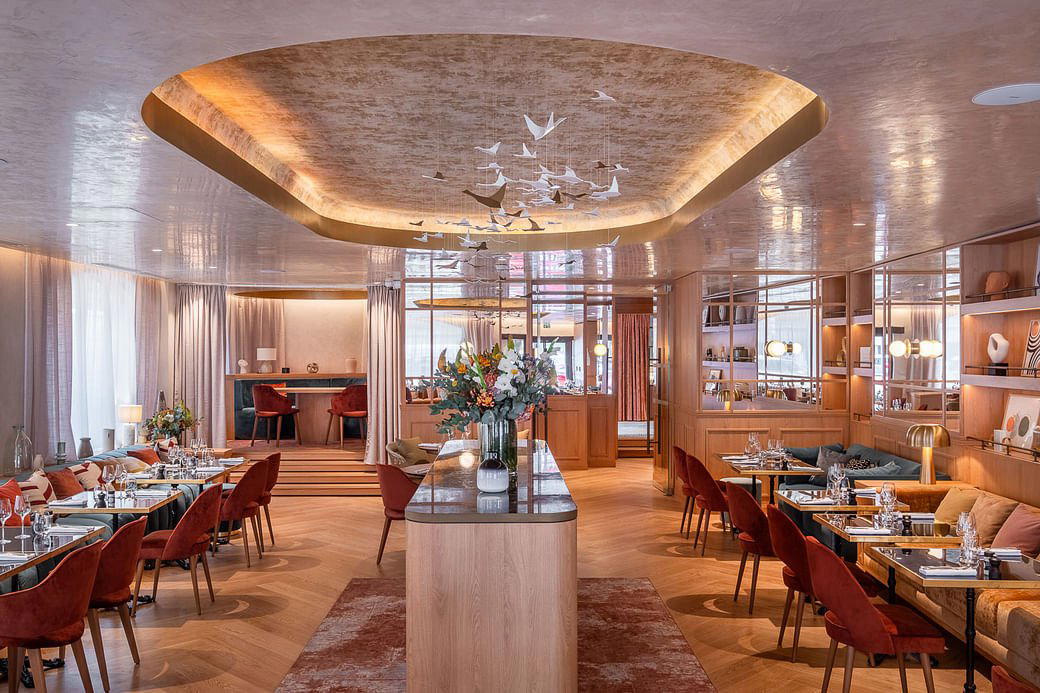
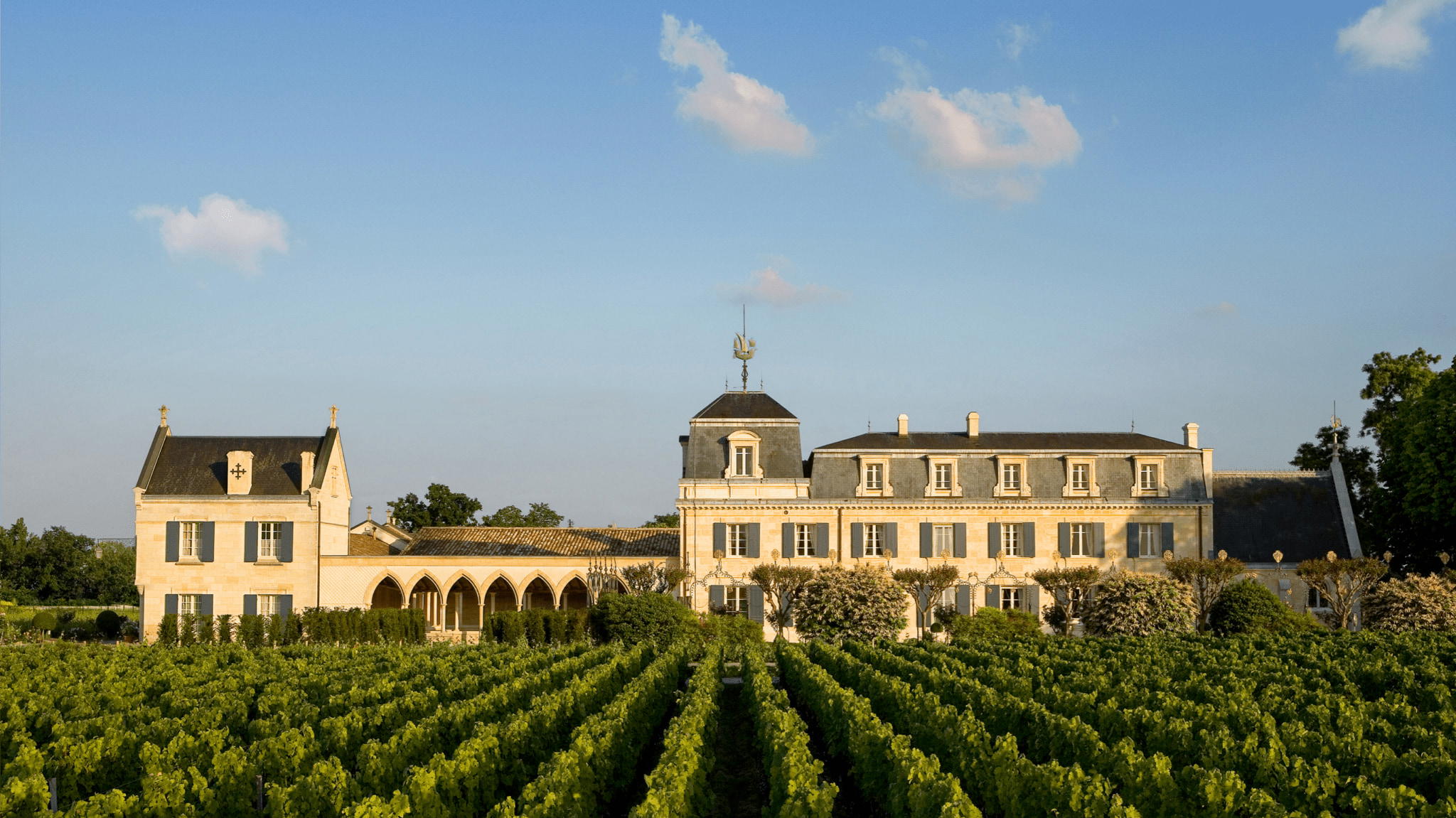
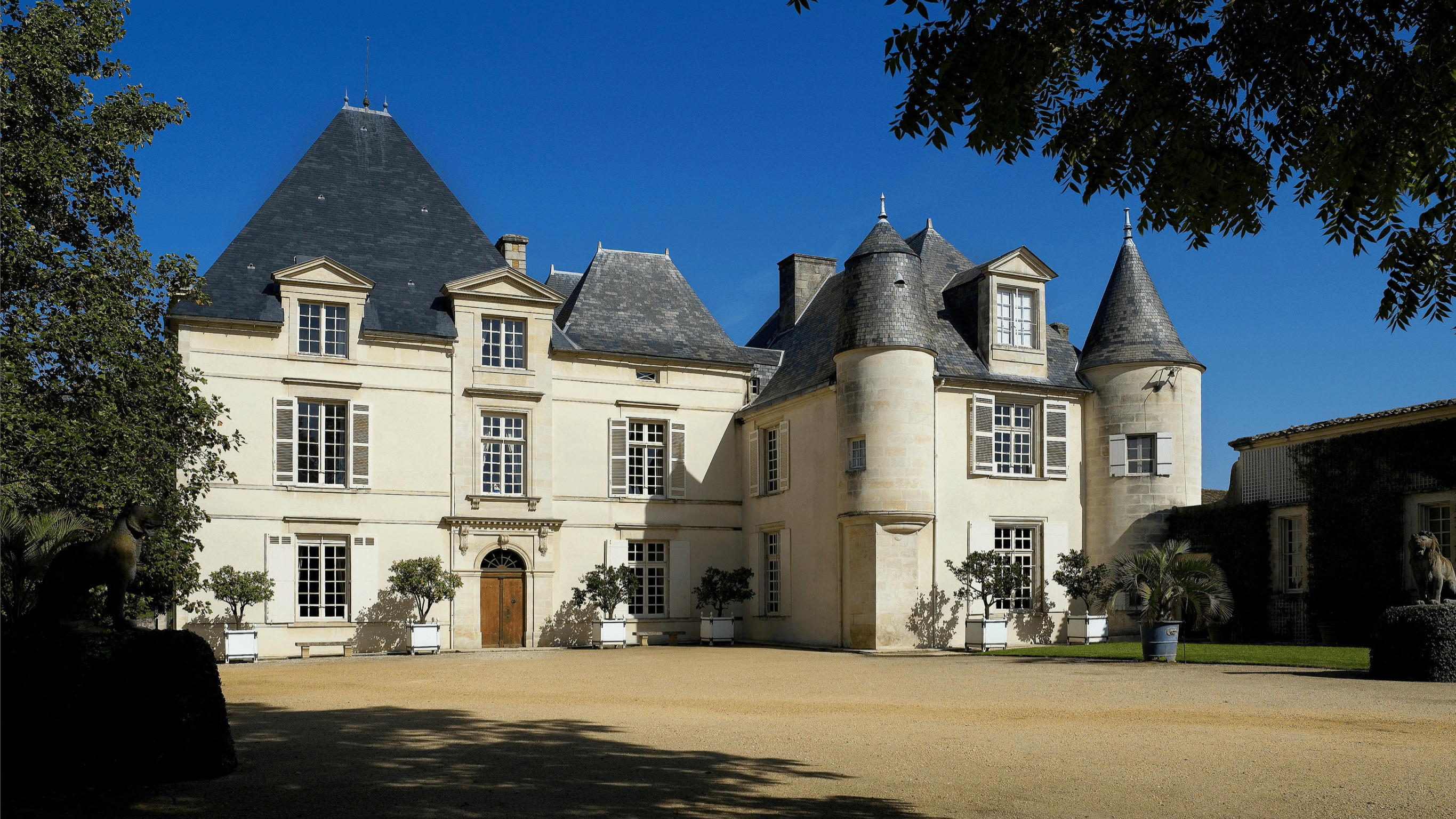
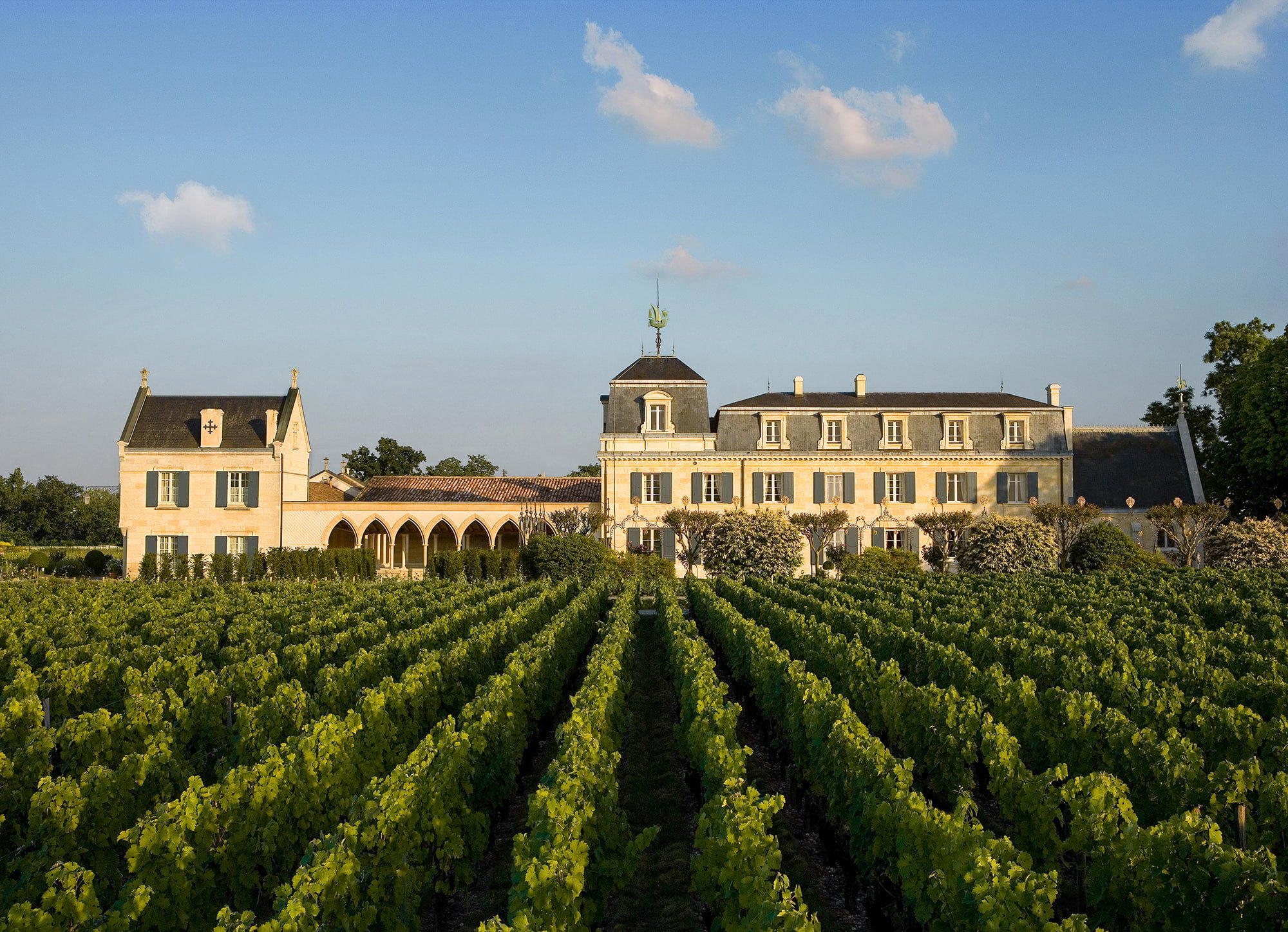
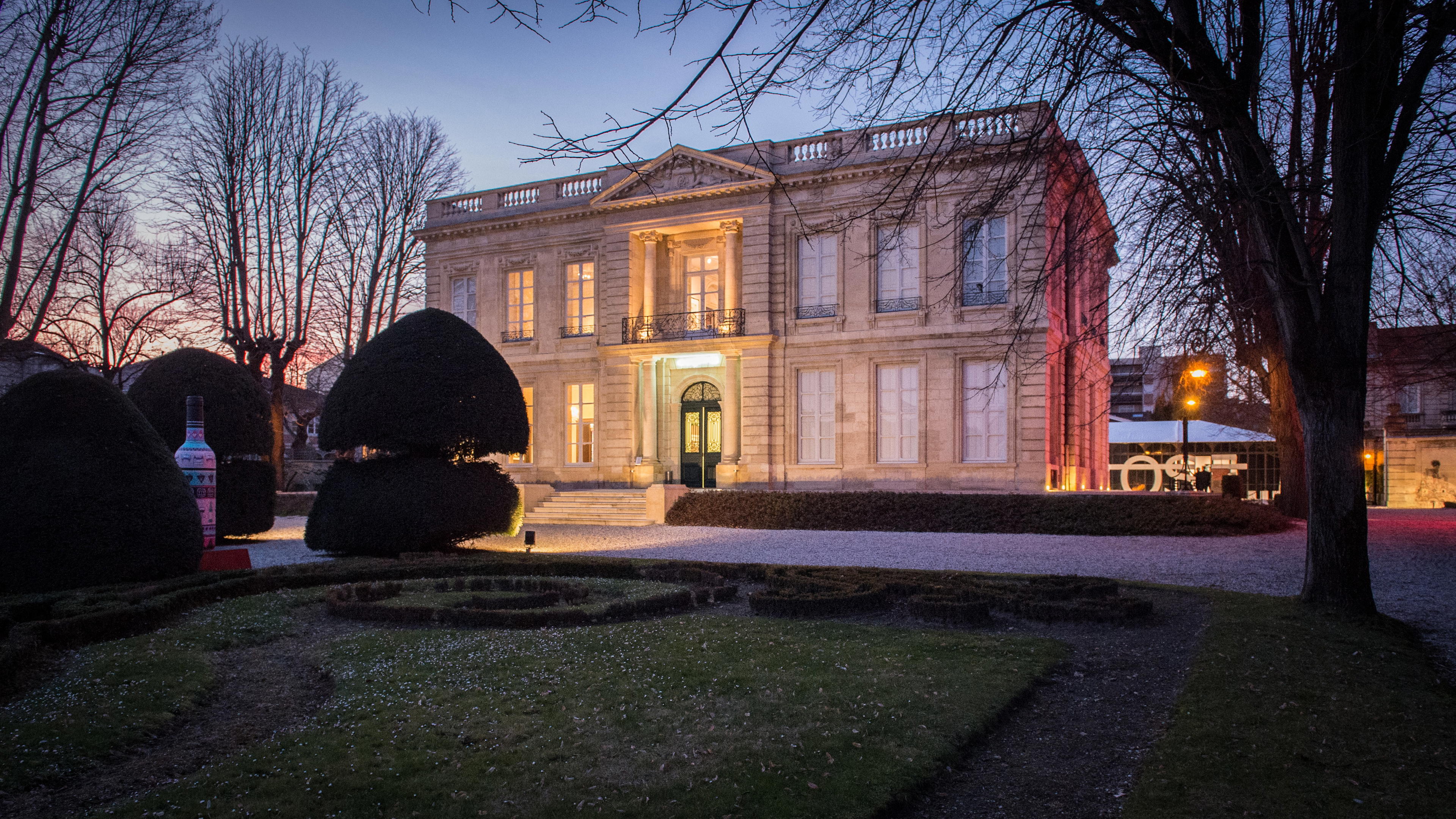
Avenue Thiers runs through a residential stretch of the Right Bank that most visitors to Bordeaux pass without stopping. The stone façade of L'Oiseau Bleu sits in this unremarkable corridor with the quiet self-assurance of a place that has never needed to advertise its presence. Inside, the dining room was refurbished in soft shades of white, blue, and grey, a considered palette that reads as calm rather than minimal, and that gives the south-facing terrace, open when weather allows, a visual continuity with the garden beyond. There is no performative theatre on arrival, no statement décor competing for attention. The room exists to place focus on what happens at the table.
The Right Bank Table: Why This Address Matters
Bordeaux's dining scene clusters heavily around the historic centre and the Chartrons district to the north, leaving the Right Bank, the Rive Droite, as a less-served territory for serious cooking. That makes L'Oiseau Bleu's position worth noting: Michelin's own description calls it a neighbourhood "not renowned for its stock of good restaurants," which gives its single star, awarded in 2024, a specific kind of weight. The restaurant is not competing in a crowded field of peers; it is effectively defining what a high-commitment table means for this part of the city.
At the price tier of €€€€, it sits below the two-star register of Le Pressoir d'Argent - Gordon Ramsay and above the casual comfort of traditional addresses like La Tupina. Within the one-star bracket, its closest local counterparts include Le Pavillon des Boulevards and Maison Nouvelle, both of which operate in a similar register of modern French cooking with a focus on produce. What distinguishes L'Oiseau Bleu is its specific combination of neighbourhood context, sauce-driven technique, and the structural choice to anchor the experience around a multi-course surprise format.
The Architecture of the Meal
Across much of provincial France, one revealing test of a kitchen's confidence is the menu surprise: a sequence of courses that arrives without advance disclosure, placing the entire narrative arc of the meal in the chef's hands. Chef François Sauvêtre's surprise set menu at L'Oiseau Bleu operates in this tradition. The guest cedes the decision-making entirely, and what returns is a progression shaped by market availability, seasonal logic, and the kitchen's particular strength, sauces.
Michelin's assessors, whose 2024 citation specifically highlights the chef's "talent for sauces," are pointing at something technically meaningful. Sauce-making is among the more labour-intensive and technically demanding disciplines in classical French cooking. A kitchen that builds its reputation around this element is making a deliberate statement about its relationship to the French culinary canon, even as it pursues what Michelin describes as "pared-back" cuisine that eschews elaborate technique for its own sake. That is not a contradiction, it is an editorial position: classical foundations, restraint in presentation, flavour as the end point.
This approach places the restaurant in a broader French tradition of cooking where the sauce is the argument rather than the garnish. That lineage connects to houses like Troisgros - Le Bois sans Feuilles in Ouches and Auberge de l'Ill in Illhaeusern, where sauce technique has historically been the currency of serious cooking. At the restaurant, that tradition is expressed through a modern lens and at a price point that makes it accessible well below the multi-star ceiling.
The Lunch Proposition
The "Balade de Saison" menu, the seasonal menu available at both lunch and dinner, functions differently from the surprise format. Where the surprise menu is a full surrender to the kitchen's sequence, the seasonal menu offers a more structured entry point, and Michelin specifically identifies it as offering "excellent value for money" at lunchtime. Given the restaurant's one-star status and the €€€ price range, this framing is practically useful: the lunch service on Tuesday through Saturday (midday to 1 PM) represents one of the more accessible ways to engage with this level of cooking in Bordeaux without a dinner-format commitment.
The logistics require attention. The kitchen's service windows are narrow by any standard: lunch runs from 12 PM to 1 PM, dinner from 7:30 PM to 9 PM on open days. The restaurant is closed on Mondays and Sundays. A one-hour lunch window and a ninety-minute dinner window are not common in French fine dining, and they signal a kitchen that controls its output precisely rather than turning tables across an extended service. Reservations are essential, and the limited seat count implied by the dining room's described dimensions makes this a planning priority rather than a walk-in option.
Bordeaux at This Level: The Comparative Set
For a city whose international identity is inseparable from wine, Bordeaux's fine dining scene has historically punched below its weight in global terms. The multi-star addresses are present, L'Observatoire du Gabriel and La Table d'Hôtes - Le Quatrième Mur operate at the higher end of the city's formal register, but the density of serious one-star cooking spread across the city's districts remains lower than comparable French cities of similar cultural weight.
Within France, the comparison class for sauce-focused, produce-led modern cooking at the one-star level includes addresses in regions with deeper contemporary fine dining infrastructure: Bras in Laguiole remains a reference point for ingredient-driven cooking with regional conviction, while Flocons de Sel in Megève operates with a similar emphasis on restraint and produce within a tasting format. The restaurant belongs to this broader cohort of addresses where the logic of the menu flows from the ingredient rather than from technique imposed upon it.
For international context, the modern cuisine format, tasting menus built on produce quality and classical technique rather than avant-garde intervention, is a consistent mode from Stockholm's Frantzén to Mirazur in Menton. At the opposite extreme of ambition and scale, Alléno Paris au Pavillon Ledoyen represents what sauce technique looks like at the highest formal register in the French system. The restaurant operates on different terms, smaller, more local, more neighbourhood-specific, but the underlying commitment to sauce as the primary expression of cooking skill places it in a recognisable tradition.
Planning a Visit
The restaurant is located at 127 Avenue Thiers, in the 33100 postal district of Bordeaux, the Right Bank, at a remove from the main tourist concentration around the Garonne quays. The service hours are Tuesday through Saturday for both lunch (12 PM–1 PM) and dinner (7:30 PM–9 PM), with the restaurant closed on Mondays and Sundays. The tight service windows make advance booking non-negotiable. Michelin's endorsement of the "Balade de Saison" menu at lunchtime for value makes the midweek lunch service a particularly strong entry point for first visits.
Given the narrowness of serious dining options in this part of the city, the restaurant functions as a standalone destination rather than one stop in an evening's itinerary.
Comparison Snapshot
Comparable venues nearby, for context on price, style, and recognition.
| Venue | Cuisine | Price | Awards | Notes |
|---|---|---|---|---|
| L'Oiseau BleuThis venue — the venue you are viewing | Modern French Gastronomique | $$$$ | Michelin 1 Star | Not listed |
| Le Pavillon des Boulevards | Modern French Fine Dining | $$$$ | Michelin 1 Star | Centre ville |
| La Table d'Hôtes - Le Quatrième Mur | Modern French Fine Dining | $$$$ | Michelin 1 Star | Centre ville |
| Ressources | Modern French Fine Dining | $$$$ | Michelin 1 Star | Centre ville |
| Amicis | Creative French Bistro | $$$ | Michelin 1 Star | Centre ville |
| Le Cercle de Montaigne | Modern French Fine Dining | $$$$ | Michelin Plate | Centre ville |
Recognition history
Dated appearances from independent guides and award organizations, with the underlying list record or original source where available.
Michelin 1 Star
Michelin
Gault & Millau Remarkable Restaurant
Gault & Millau
Michelin 1 Star
Michelin
Michelin 1 Star
Michelin
Continue exploring
More in Bordeaux
Restaurants in Bordeaux
Browse all →
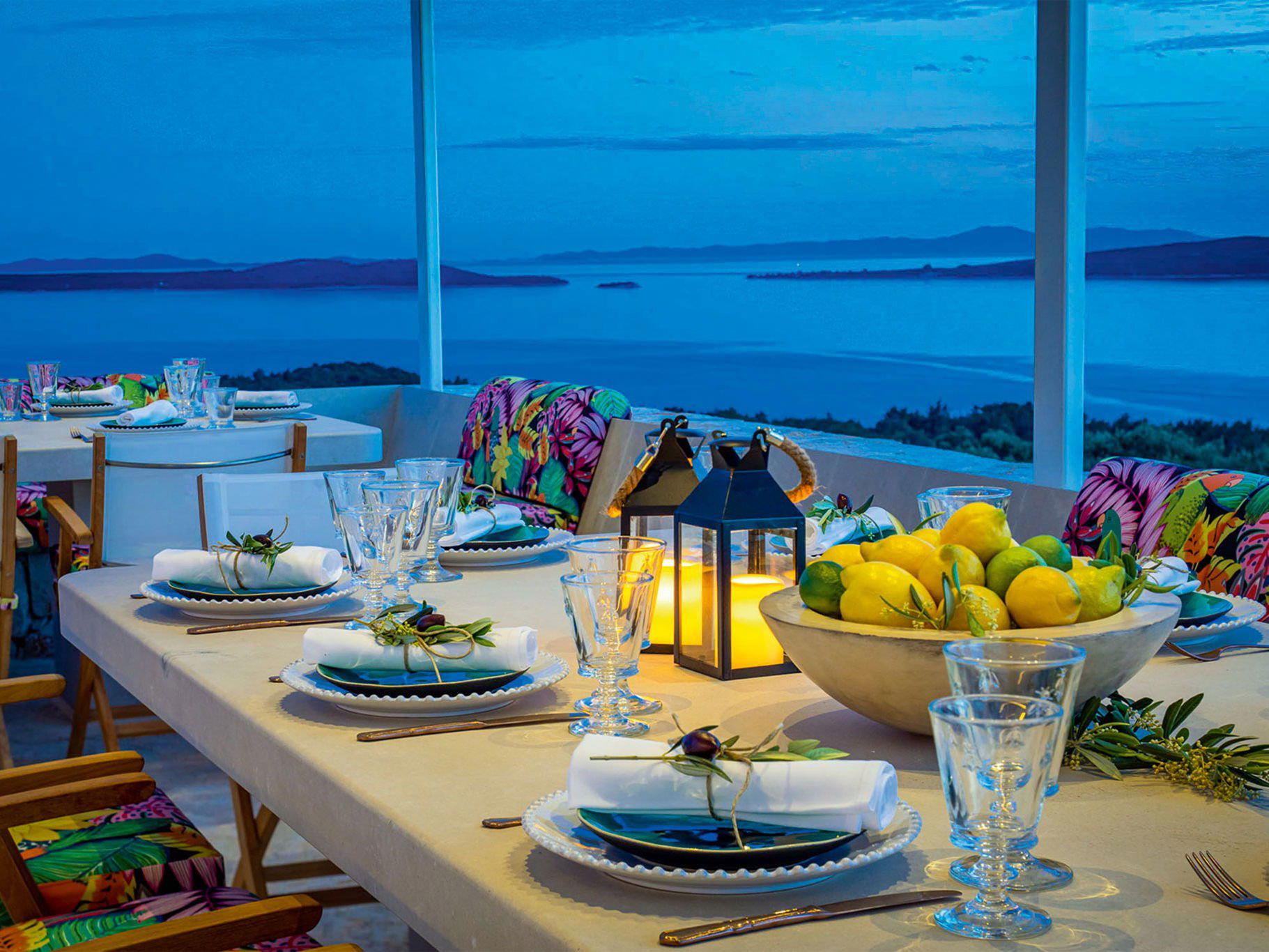
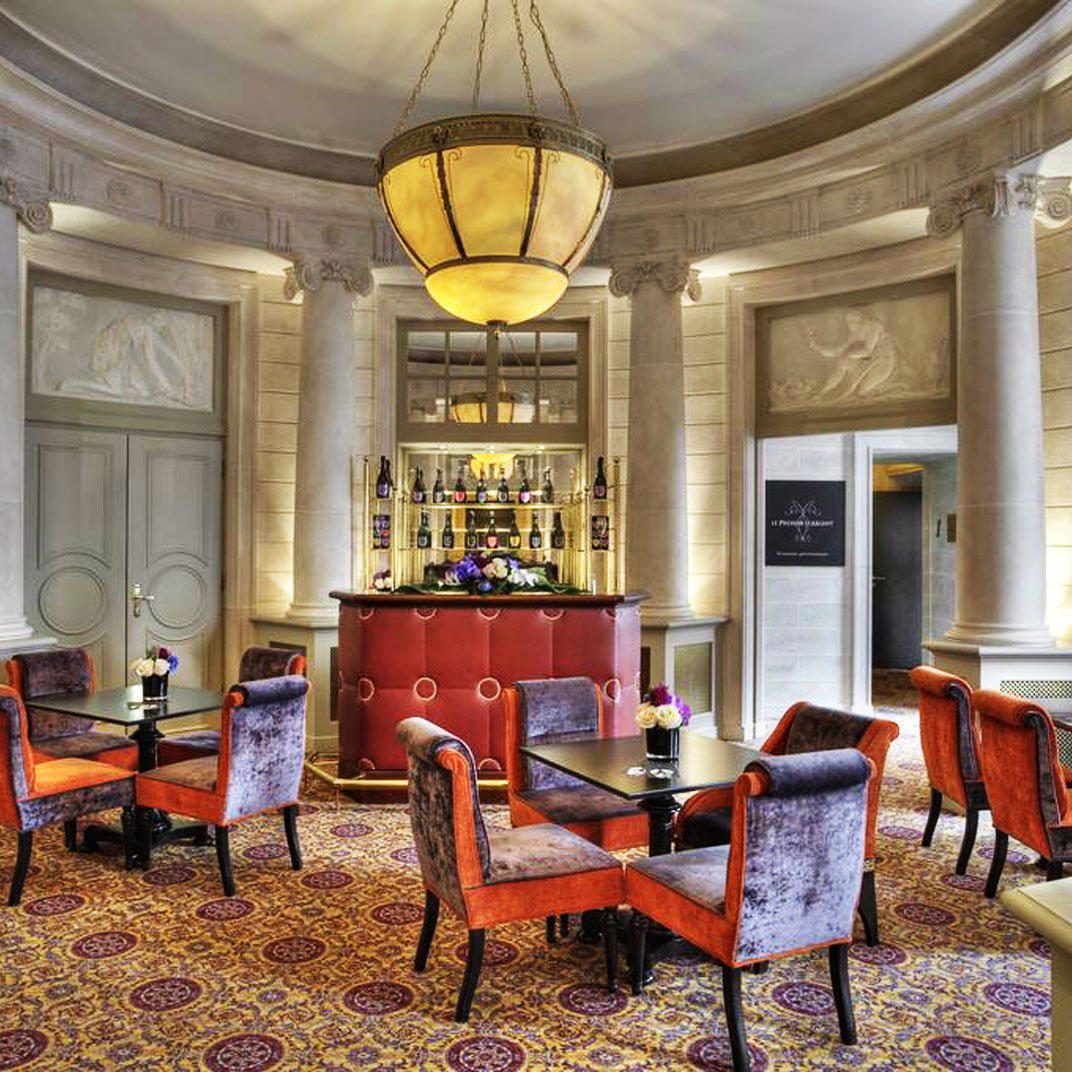
Bars in Bordeaux
Browse all →
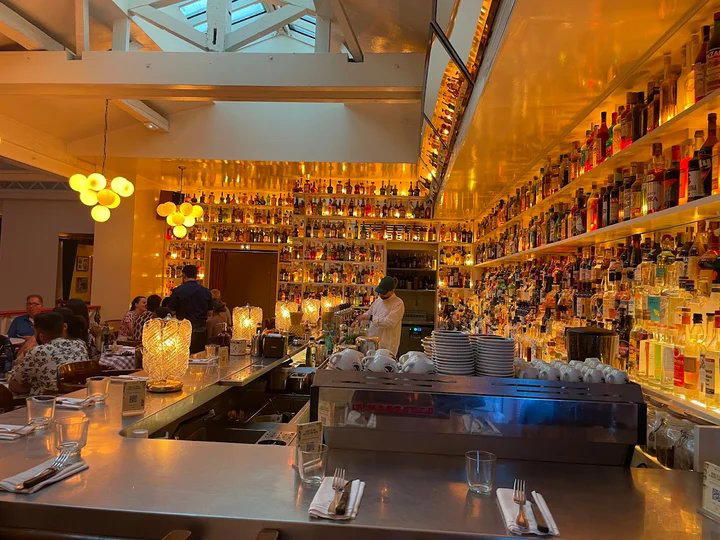
Hotels in Bordeaux
Browse all →
At a Glance
- Elegant
- Sophisticated
- Modern
- Intimate
- Date Night
- Business Dinner
- Special Occasion
- Celebration
- Terrace
- Garden
- Private Dining
- Standalone
- Historic Building
- Extensive Wine List
- Sommelier Led
- Farm To Table
- Local Sourcing
- Garden
Current opening hours
- Monday
- Closed
- Tuesday
- 12–1 PM, 7:30–9 PM
- Wednesday
- 12–1 PM, 7:30–9 PM
- Thursday
- 12–1 PM
- Friday
- 12–1 PM, 7:30–9 PM
- Saturday
- 12–1 PM, 7:30–9 PM
- Sunday
- Closed
Hours can change for holidays and private events. Last verified .
Warm neo-baroque dining room with soft, elegant colors and contemporary design; bright and chic with a pleasant south-facing garden terrace.