

Château Trotanoy is one of Pomerol's most scrutinised addresses. On the right bank's most prized clay and gravel soils, it sits in the same rarefied tier as the appellation's most allocation-driven producers. Acquiring a bottle demands patience; drinking one demands attention.
Pearl is the En Primeur Club membership app — saves, bookings, and concierge access live there. Same editors, same standards.
- Address
- 33500 Pomerol
- Phone
- +33557517896
- Website
- moueix.com
- Directions
- Get directions
 Saves & bookings on Pearl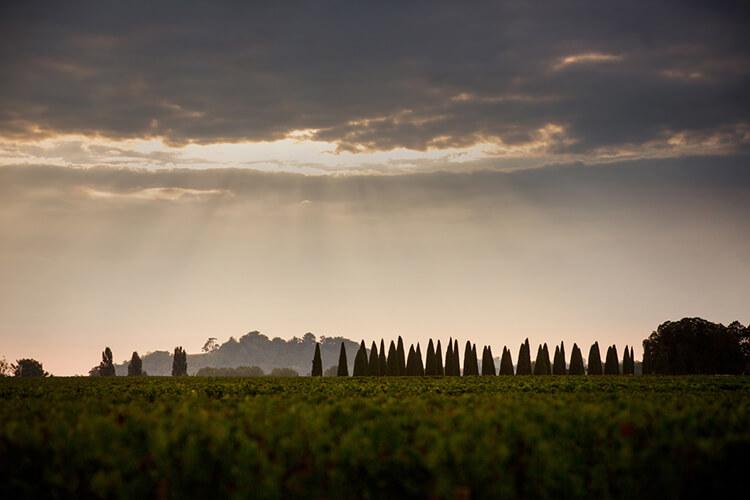
The Weight of Pomerol Clay
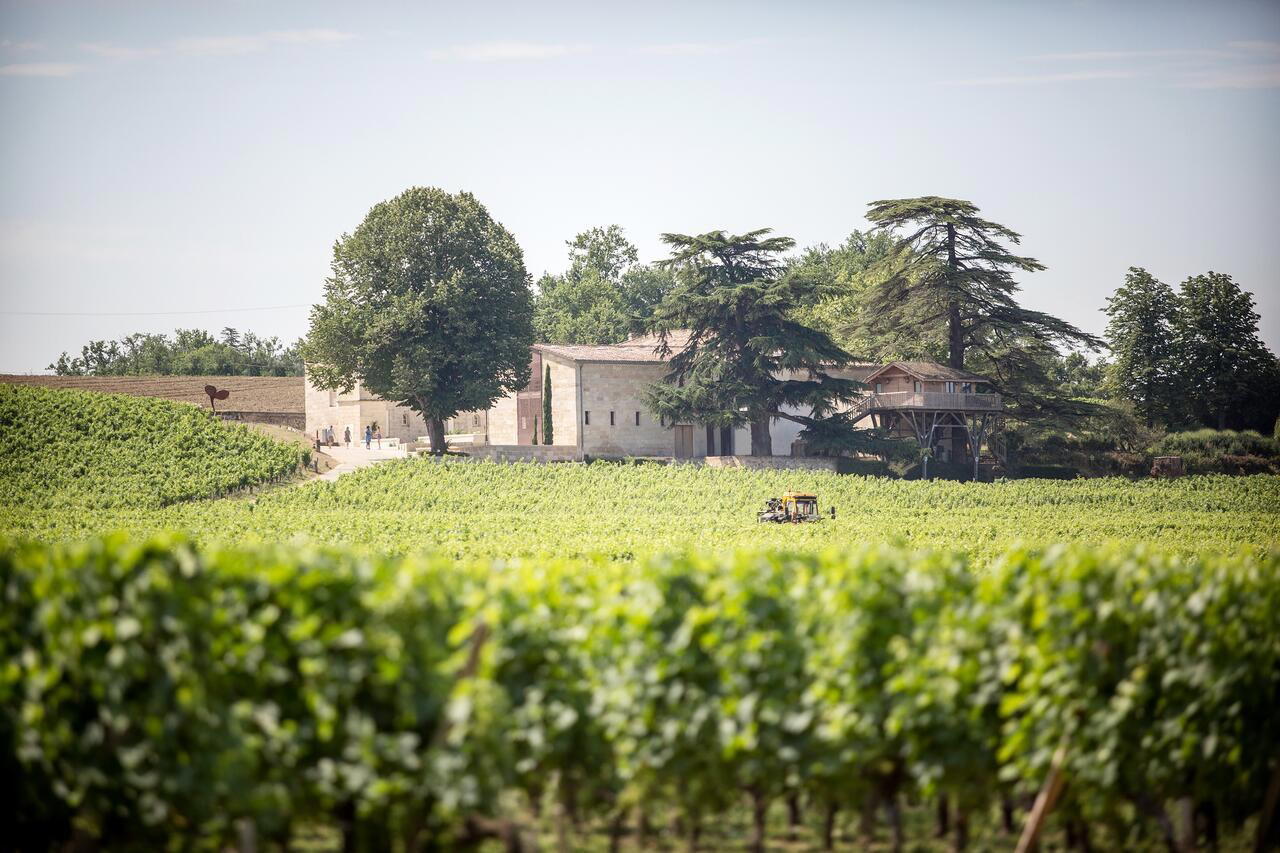
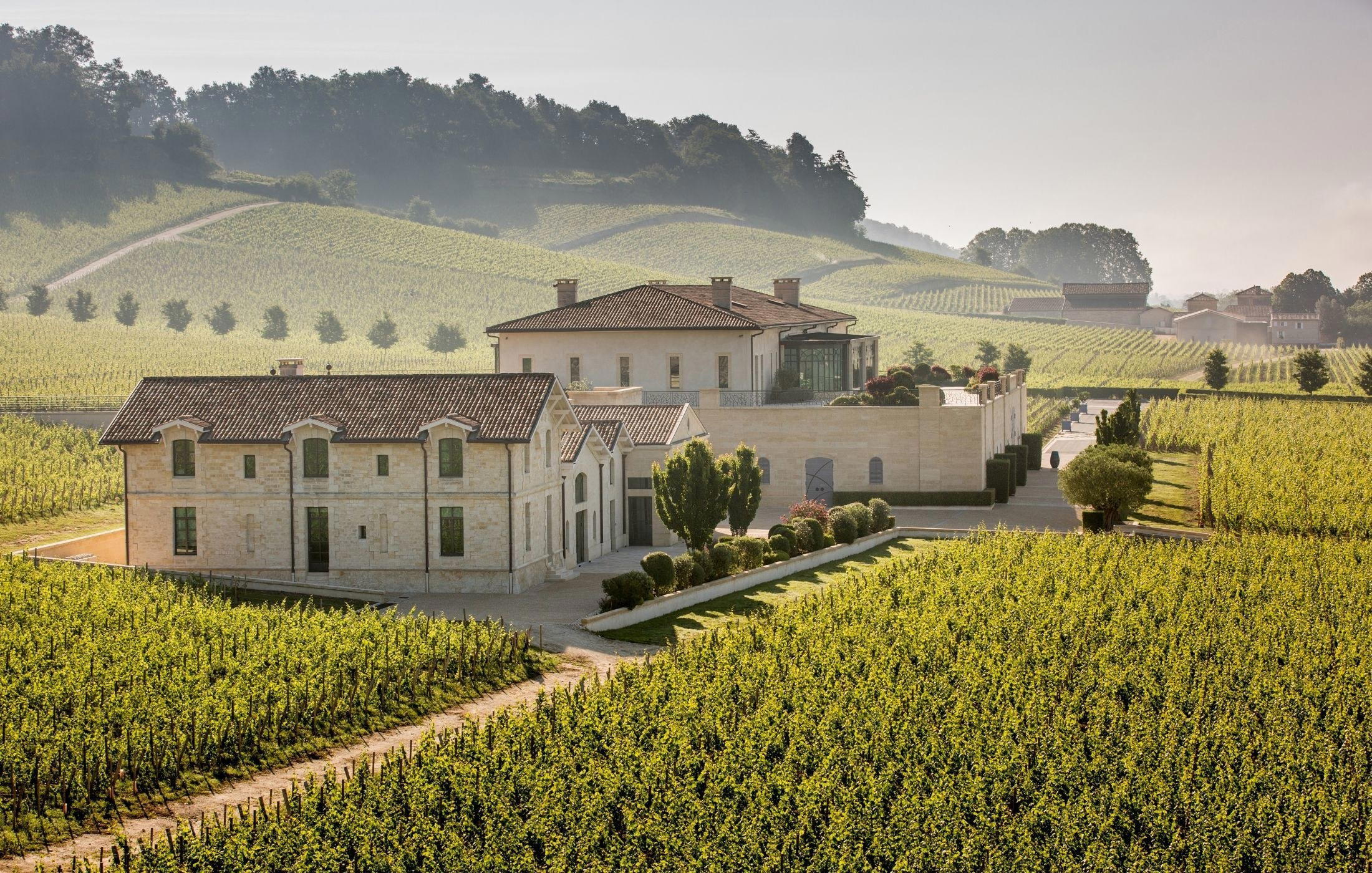
Approach Pomerol from Libourne on a grey November morning and the landscape offers almost nothing in the way of spectacle. There are no dramatic escarpments, no grand avenues of oak, no Loire-style facades built for the visitor's eye. The appellation is resolutely flat, its distinction buried a metre below the surface in a band of blue clay that drains slowly and holds heat long into the growing season. Trotanoy sits on some of that clay's most concentrated deposits, which partly explains why the estate has commanded sustained critical attention for generations. In a region where terroir arguments rarely stay theoretical, this is one of the addresses that critics return to when making the case that Pomerol's geology is its defining asset.
That geological specificity shapes everything about how these wines are experienced. This is not a Bordeaux appellation built for casual sampling. Pomerol Merlot at this level arrives with tannin structures that need time, and Trotanoy in particular has a reputation for closing down in its middle years before opening with considerable depth at decade-plus maturity. The ritual of opening a serious bottle here is, in a sense, a commitment made years in advance: the decision to acquire, the decision to cellar, the decision to choose the right occasion. For drinkers accustomed to wines that reward immediate access, that timeline can feel demanding. For those who understand it, the patience is the point.
Where It Sits in the Pomerol Hierarchy
Pomerol has no official classification, a fact that forces the market and the critical community to construct their own hierarchies through allocation pressure, secondary market pricing, and long-run critical consensus. At the summit of that informal structure sits Château Petrus, whose prices and scarcity operate in a category that most collectors can only observe from a distance. Below that, a handful of estates trade in a tier where allocations are tight, scores are consistently high, and bottles rarely appear on restaurant lists at anything approaching accessible price points.
Trotanoy operates inside that second tier. It is regularly grouped in critical discussion with neighbours including Château Clinet, Château Gazin, Château L'Eglise Clinet, and Château Le Gay, estates whose competitive set is defined not by price category alone but by the shared expectation that each vintage will be a serious critical event. Acquiring through this peer group typically means en primeur allocation or waiting for bottles to surface through merchant stock, often at a substantial premium to release price. Trotanoy belongs in the appellation's upper tier by any meaningful measure.
Jean-Claude Berrouet and the Question of Legacy
In Pomerol's modern critical narrative, Jean-Claude Berrouet's name functions less as a biographical fact than as a quality signal. His tenure across the right bank's most scrutinised estates established a winemaking framework that Pomerol's most respected producers still reference, whether they trained under him or simply learned from the critical record his wines produced. Trotanoy was among the estates shaped by that influence, and the wines from his active years carry a recognisable structural authority: precise tannin management, restrained extraction, a preference for letting the clay terroir speak rather than imposing a house style through cellar intervention.
That approach places Trotanoy in an interesting position relative to the broader right-bank conversation about intervention and terroir expression. Where some Bordeaux estates have moved toward a more international register, deeper colour, more extraction, higher alcohol, the Berrouet-era Trotanoys have aged in a way that suggests restraint was the right call. Comparable commitments to minimal intervention can be found in producers well outside Bordeaux: Albert Boxler in Niedermorschwihr takes a similarly patient, low-manipulation approach to Alsace's grand cru sites, and Accendo Cellars in St. Helena represents a parallel conviction in Napa that great terroir requires restraint rather than amplification. Across different regions and grape varieties, the underlying principle is consistent: the leading sites reward the winemakers who resist the temptation to over-manage them.
The Ritual of Acquiring and Opening
For collectors working with serious Pomerol, the acquisition ritual begins well before the wine is ready to drink. En primeur purchases, made in barrel before the wine is bottled, represent the primary channel for estates at this level, particularly for sought-after vintages. Buyers commit at release prices with no guarantee of delivery timing, often waiting two or more years for physical bottles to arrive. The secondary market provides an alternative, but prices for mature Trotanoy reflect the estate's sustained critical standing: bottles from well-regarded vintages command significant premiums, and availability at auction or through merchants can be inconsistent.
The physical act of opening the wine, once acquired, also carries its own set of decisions. Decanting questions are real here: how long, and at what temperature, depend on the vintage and its age. Young Trotanoy may benefit from extended aeration; older vintages can be more fragile. These are not hypothetical considerations but practical ones that experienced collectors treat with the same seriousness they bring to cellar organisation. The wine demands engagement from the moment of purchase to the moment of service, which is either a pleasure or a complication depending on your relationship with the category.
Collectors building across appellations might also consider estates in the Saint-Emilion tier, where Preignac and classified Médoc properties like Château Batailley in Pauillac, Château Branaire Ducru in St-Julien, and Château Boyd-Cantenac in Cantenac offer different price-to-quality propositions across the classification tiers. Further afield, prestige spirits producers like Chartreuse in Voiron and Aberlour in Aberlour attract a similar profile of collector: someone for whom provenance, age, and rarity are the primary variables in a purchasing decision.
Planning Your Engagement
Trotanoy does not operate a public visitor programme in the manner of larger Médoc châteaux. Access to the estate is typically through négociant relationships, allocated merchant accounts, or established collector networks rather than through walk-in tastings or direct online retail. For serious buyers, the appropriate point of entry is a reputable Bordeaux merchant with established primeur allocations and a track record of sourcing from the appellation's upper tier. Appointment-only access means buyers should work through an established Bordeaux merchant or négociant.
Standing Among Peers
Comparable venues nearby, for context on price, style, and recognition.
| Venue | Cuisine | Price | Notes |
|---|---|---|---|
| Château TrotanoyThis venue — the venue you are viewing | Merlot, Cabernet Franc | $$$$ | Not listed |
| Château L'Évangile | Merlot, Cabernet Franc | $$$$ | Pomerol |
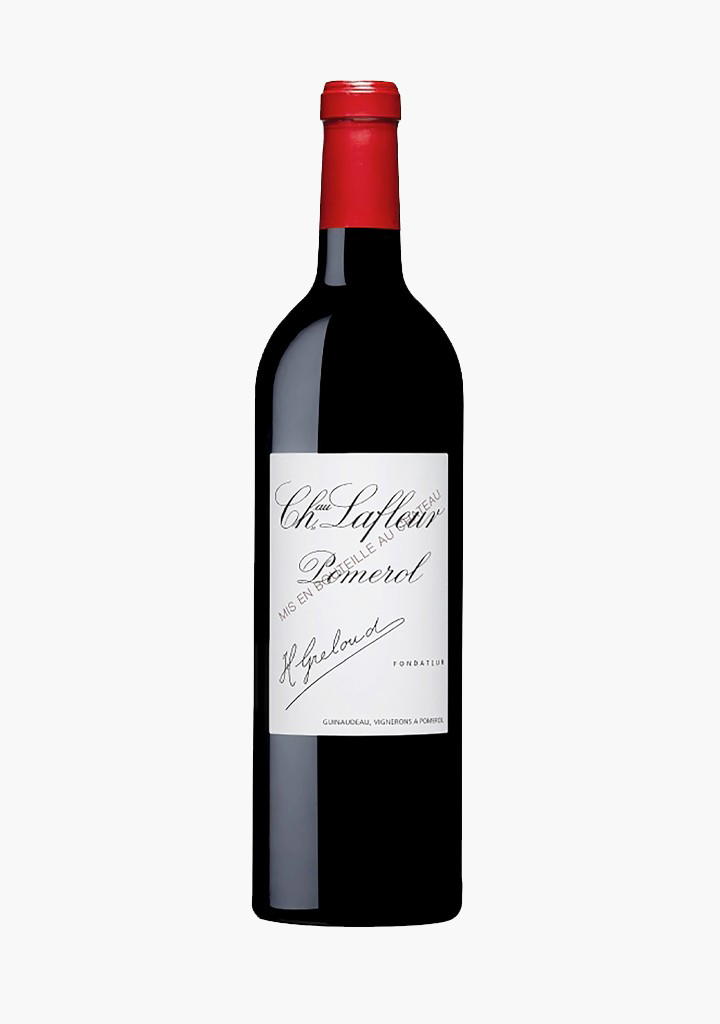
| Château Lafleur | Merlot, Cabernet Franc | $$$$ | Pomerol |
| Chateau Petrus | Merlot | $$$$ | Pomerol |
| Château Gazin | Merlot, Cabernet Franc | $$$$ | Pomerol |
| Vieux Château Certan | Merlot, Cabernet Franc | $$$$ | Pomerol |
Recognition history
Dated appearances from independent guides and award organizations, with the underlying list record or original source where available.
Falstaff Winery - 4 Stars
Falstaff
Michelin 1 Grape
Michelin
Continue exploring
More in Pomerol
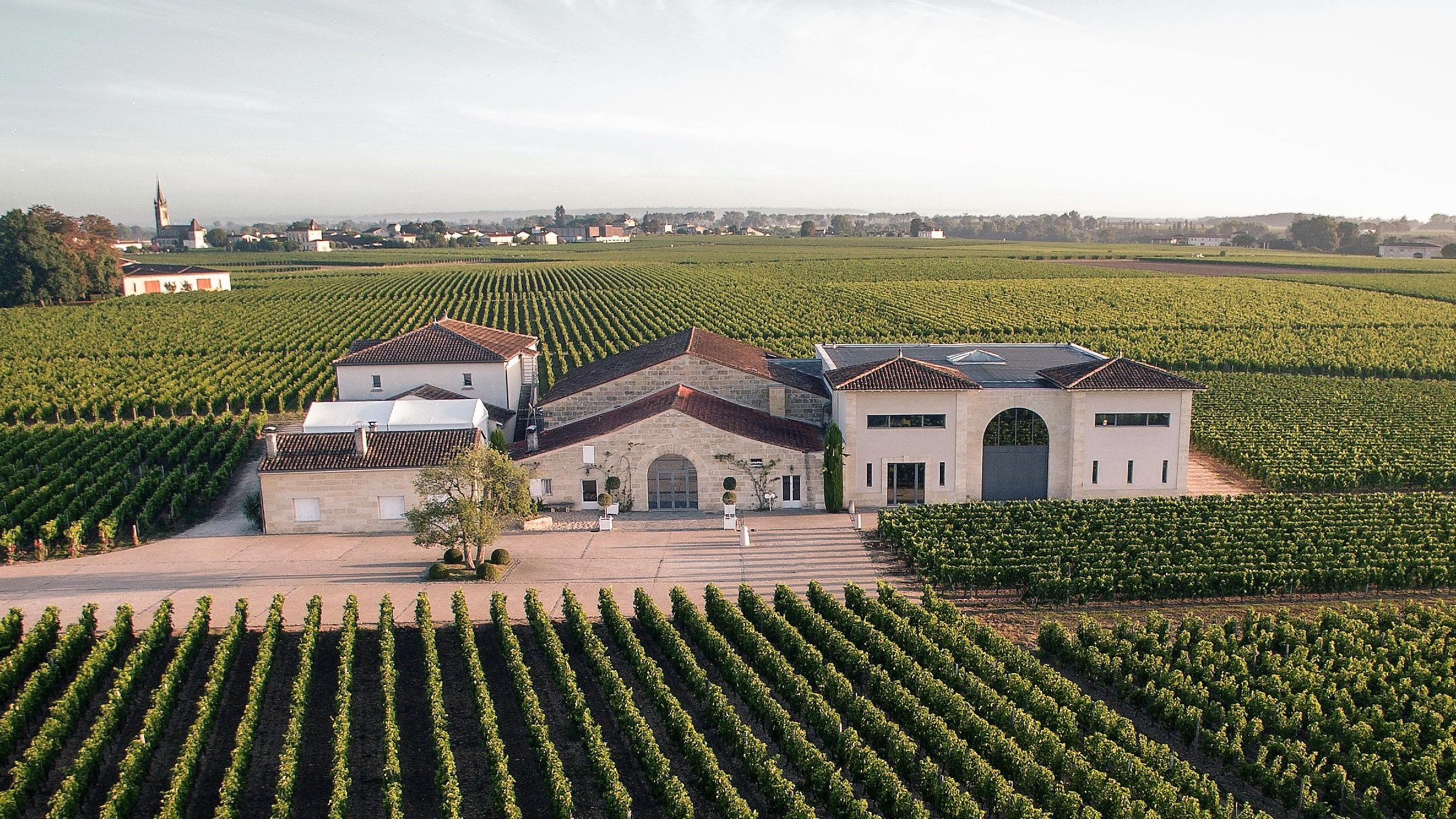
Wineries in Pomerol
Browse all →
Bars in Pomerol
Browse all →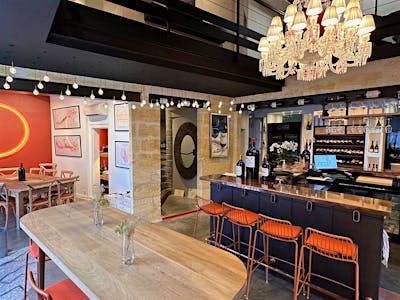

Restaurants in Pomerol
Browse all →
At a Glance
- Elegant
- Classic
- Sophisticated
- Rustic
- Wine Education
- Special Occasion
- Vineyard Tour
- Estate Grounds
- Historic Building
- Vineyard
- Pomerol AOC
- Merlot
- Cabernet Franc
- Still Red
- Cave Tasting
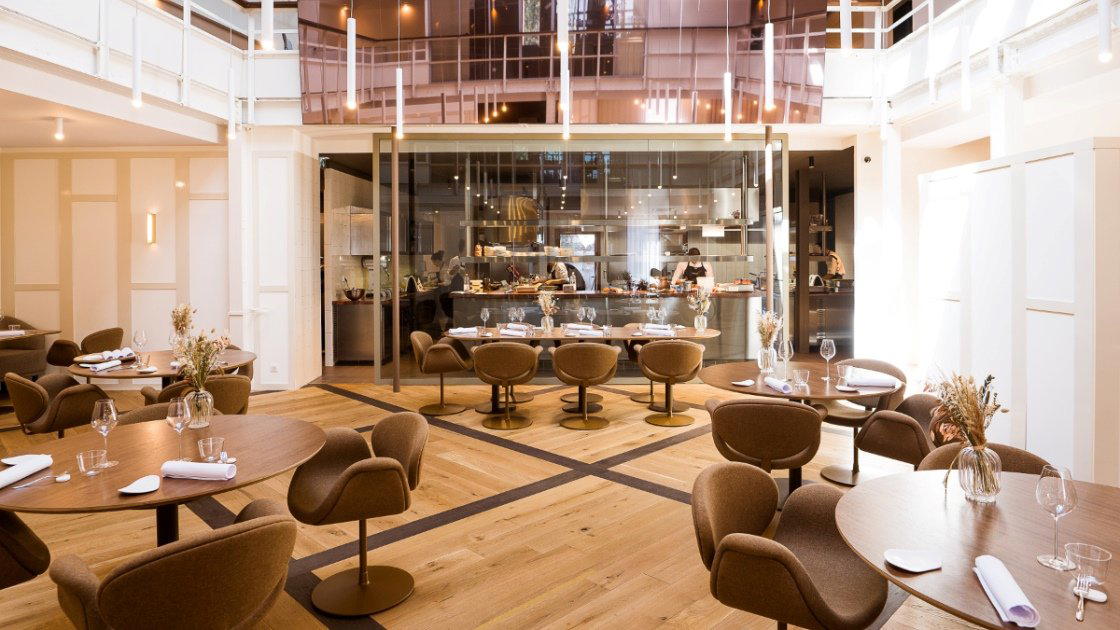
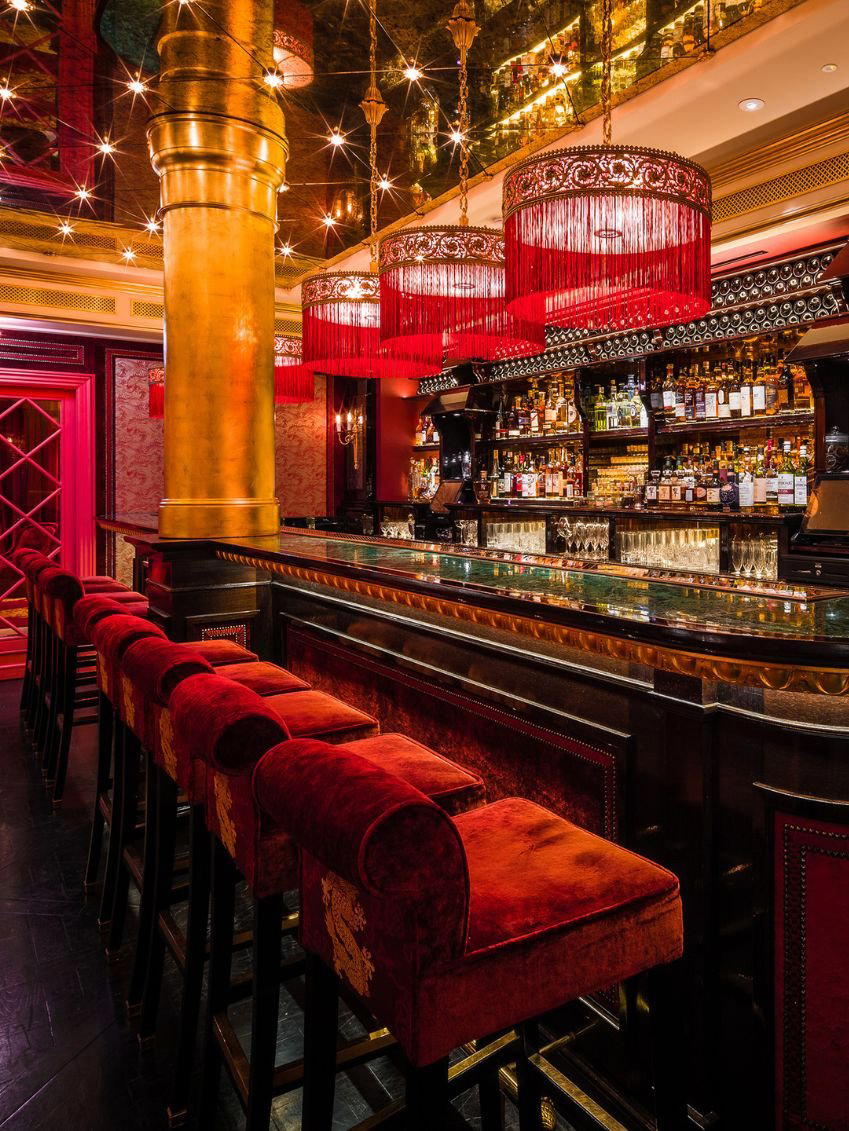
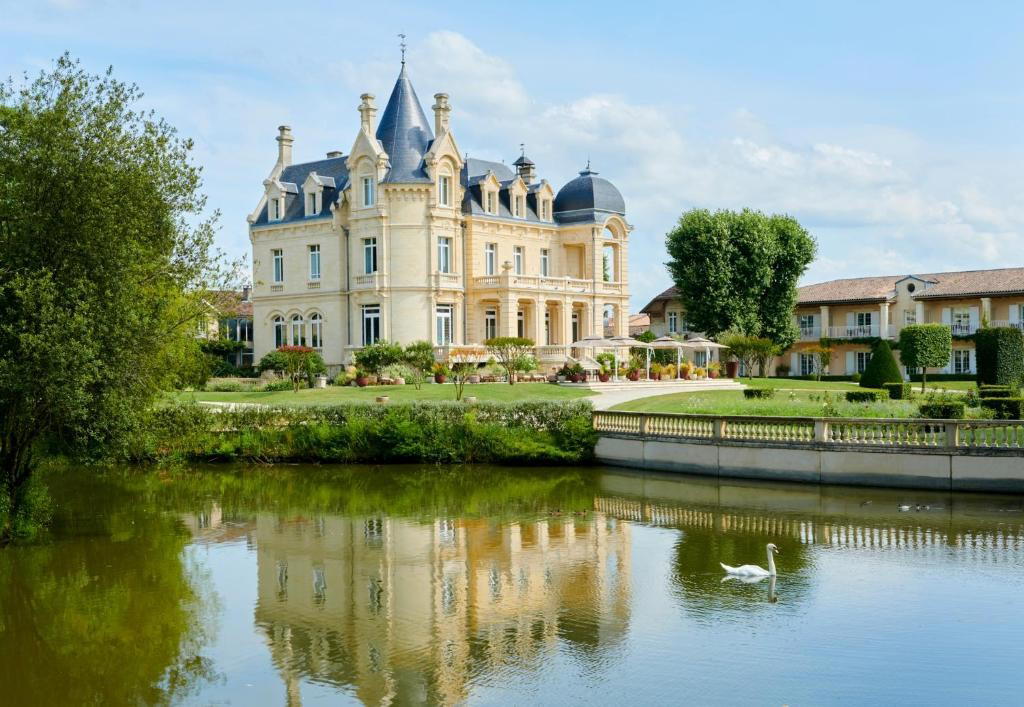
Elegant and sophisticated with a classic, timeless atmosphere reflecting its storied heritage and meticulous winemaking.