
Falstaff Winery - Listed
La Chablisienne is Chablis's cooperative winery, producing wines across the full appellation hierarchy from village-level Petit Chablis through to Grand Cru.. Located on Boulevard Pasteur in the town centre, it is a practical and credentialled entry point into the appellation.

Pearl is the En Primeur Club membership app — saves, bookings, and concierge access live there. Same editors, same standards.
- Address
- 8 Bd Pasteur, 89800 Chablis
- Phone
- +33 3 86 42 89 89
- Website
- chablisienne.com
- Directions
- Get directions
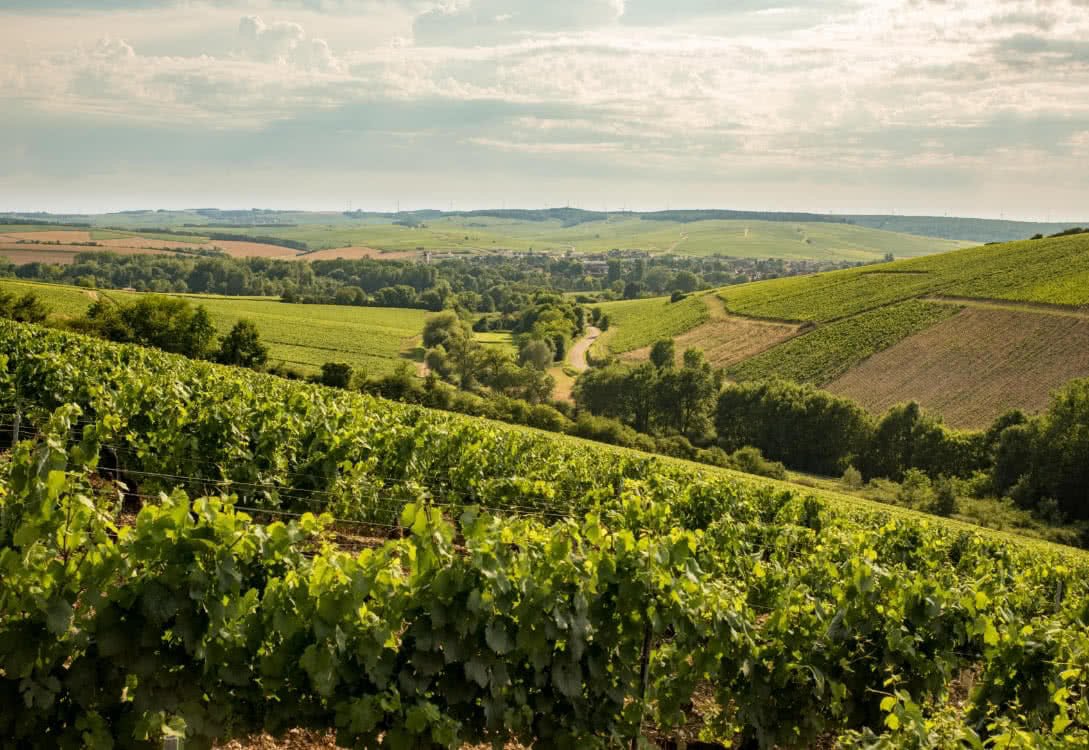
Where the Appellation Comes Into Focus
Boulevard Pasteur runs through the quiet commercial heart of Chablis — a town that, outside of harvest season, moves at a pace that matches the unhurried nature of the wines it produces. The building that houses La Chablisienne sits along this street with the understated confidence of an institution that does not need to announce itself. The Serein river is nearby, the same modest waterway whose limestone-rich banks have defined one of France's most geographically specific appellations. Arriving here, you are not approaching a destination designed for spectacle. You are approaching something closer to a working archive of the appellation itself.
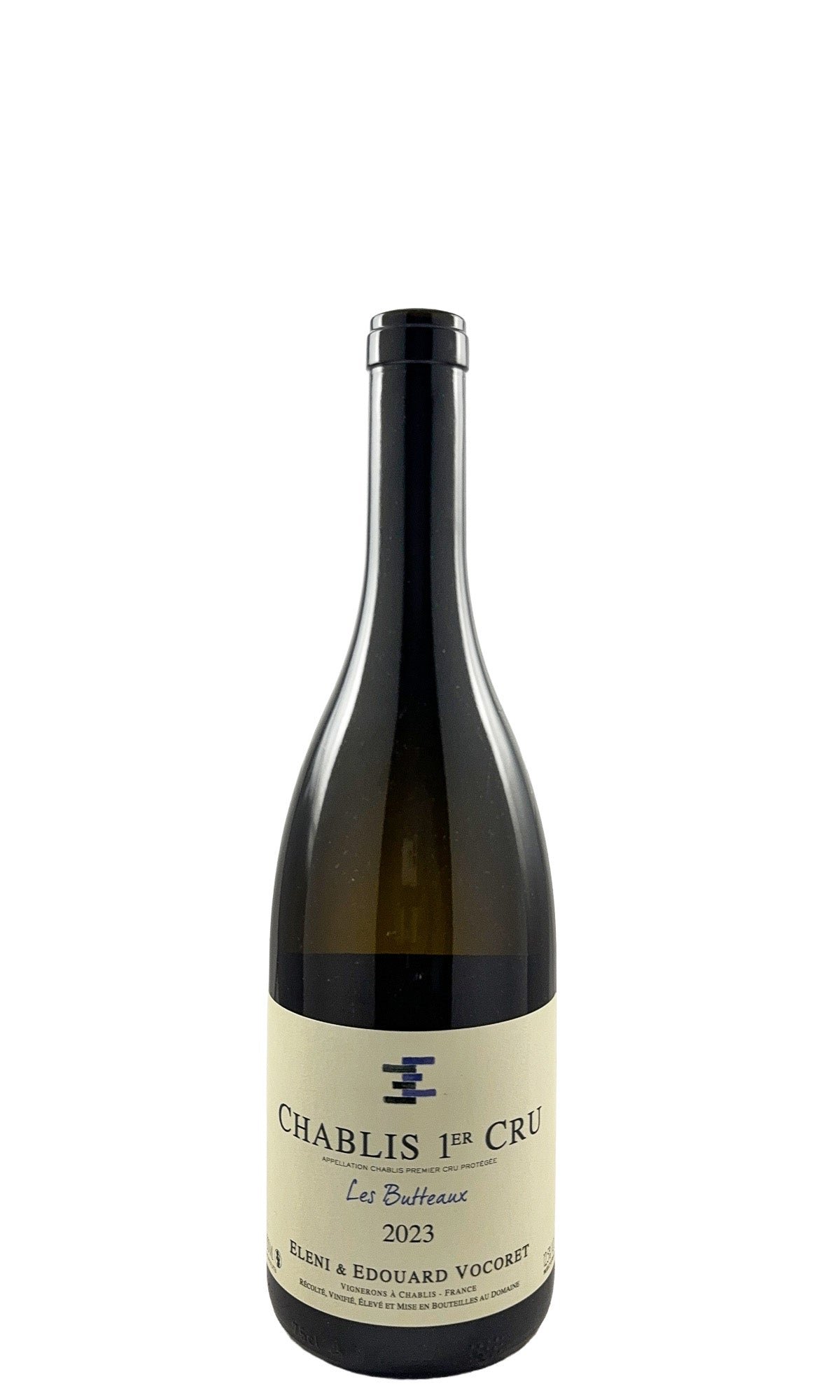
That context matters when placing La Chablisienne within Chablis's wider producer landscape. The town supports a cluster of highly regarded domaines — including Domaine William Fèvre, Domaine Billaud-Simon, Domaine Eleni and Edouard Vocoret, and Domaine Louis Michel et Fils, each working with relatively limited production across specific parcels. La Chablisienne operates differently. As the appellation's cooperative, it draws on vineyards across the full classification hierarchy: Petit Chablis, Chablis, Premier Cru, and Grand Cru. That breadth makes it structurally unlike any single domaine in the region, and creates a different kind of tasting experience for the visitor.
The Cooperative Model as Editorial Lens
France's wine cooperatives occupy an uneven reputation. In some appellations they function as volume producers with little attachment to terroir specificity. In Chablis, the cooperative model developed with different priorities. La Chablisienne, founded in the early twentieth century, became the mechanism through which many small growers maintained commercial viability through the difficult mid-century decades when Chablis faced both market indifference and repeated frost damage. The cooperative accumulated vineyard access across the appellation as a consequence, which means its range today covers the kind of geographical spread that would be impossible for a family domaine to replicate.
The practical result for anyone spending time in Chablis is that La Chablisienne functions as a comparative tasting resource. Moving through their lineup from a basic village wine to a Premier Cru and then a Grand Cru is one of the cleaner ways to understand what classification actually means in this appellation, where the differences between tiers are mineral and structural rather than aromatic and flamboyant. Chablis does not flatter visitors who come looking for fruit-driven excitement. The wines are built around tension, salinity, and the chalky-limestone quality the French describe as iodé. La Chablisienne's range gives you that progression in a single visit.
For context across the wider French fine wine landscape, producers like Domaine François Lamarche in Burgundy operate with the deep parcel-level specificity that defines great domaine production, a different model, but a useful comparative frame when assessing what the cooperative achieves at scale.
Food, Pairing, and the Hospitality Programme
Chablis's relationship with food pairing is one of the most consistent in French wine. The appellation has a structural affinity with shellfish, oysters from Normandy and Brittany, langoustines, and sea urchin in particular, rooted in the same marine fossil deposits (Kimmeridgian limestone) that give the Grand Cru wines their saline, almost oceanic character. That geology is not a marketing narrative; it is the reason Chablis and oysters have circulated together as a pairing template for decades.
La Chablisienne's position as a tasting venue in town means it operates at the intersection of these pairing traditions and the visitor experience. The cooperative's cave and tasting rooms are structured to accommodate the kind of comparative work that informs serious wine decisions. Premier Cru designations like Montée de Tonnerre, Fourchaume, and Vaillons have distinct soil compositions and exposures within the broader Kimmeridgian band, and tasting through these side by side is the most direct way to understand how micro-site variation expresses itself inside what is already a narrowly defined appellation.
For visitors planning around food, the wider Chablis town context is relevant. The local restaurant scene is small but has producers' palates as its reference point, meaning fish, seafood preparations, and dishes built around the region's snail and freshwater traditions circulate as natural pairings for the wines. La Chablisienne sits within walking distance of the town's dining options, which makes sequencing a tasting visit before or after a meal a logical itinerary. The broader Burgundian approach to hospitality, unhurried, knowledge-led, and oriented toward the table rather than the spectacle, defines how the region presents itself to visitors, and La Chablisienne operates within that tradition.
Across the French fine wine regions, the tasting-room-as-hospitality-format has evolved considerably. Properties like Château Bélair-Monange in Saint-Émilion and Château Branaire-Ducru in Saint-Julien have invested heavily in architectural and experiential presentation. La Chablisienne belongs to a different register: the emphasis is on the wine and its appellation context rather than on the production facility as spectacle. That is, in many ways, a reflection of Chablis itself, a region whose authority comes from geological specificity rather than grand infrastructure.
Where La Chablisienne Sits in the Appellation
Understanding La Chablisienne requires understanding that it does not compete with the appellation's marquee domaines on their own terms. Producers like Domaine William Fèvre and the highly allocated Domaine François Raveneau operate with parcel-level focus and collector-market positioning that the cooperative, by its nature, cannot replicate. What La Chablisienne offers instead is breadth, consistency across a large production, and an institutional continuity that has kept it central to the appellation's commercial life for the better part of a century.
For readers exploring the broader Alsace appellation context, Albert Boxler in Niedermorschwihr represents the kind of family domaine depth that contrasts with the cooperative model. In Bordeaux, Château Batailley in Pauillac and Château Boyd-Cantenac in Cantenac each sit within classified structures that parallel, in different ways, the classification hierarchy La Chablisienne navigates from within. The comparison is not direct, but the pattern of quality tier stratification is consistent across French fine wine.
For visitors to Chablis whose itinerary extends to Sauternes, Château Bastor-Lamontagne in Preignac offers a useful counterpoint: a property known for depth of terroir expression within a more obscure appellation tier, a dynamic with some echoes of La Chablisienne's own positioning. And for those whose broader French wine interests extend to spirits, Chartreuse in Voiron presents an interesting parallel in terms of institutional longevity and production at scale within a tightly defined regional identity.
Planning Your Visit
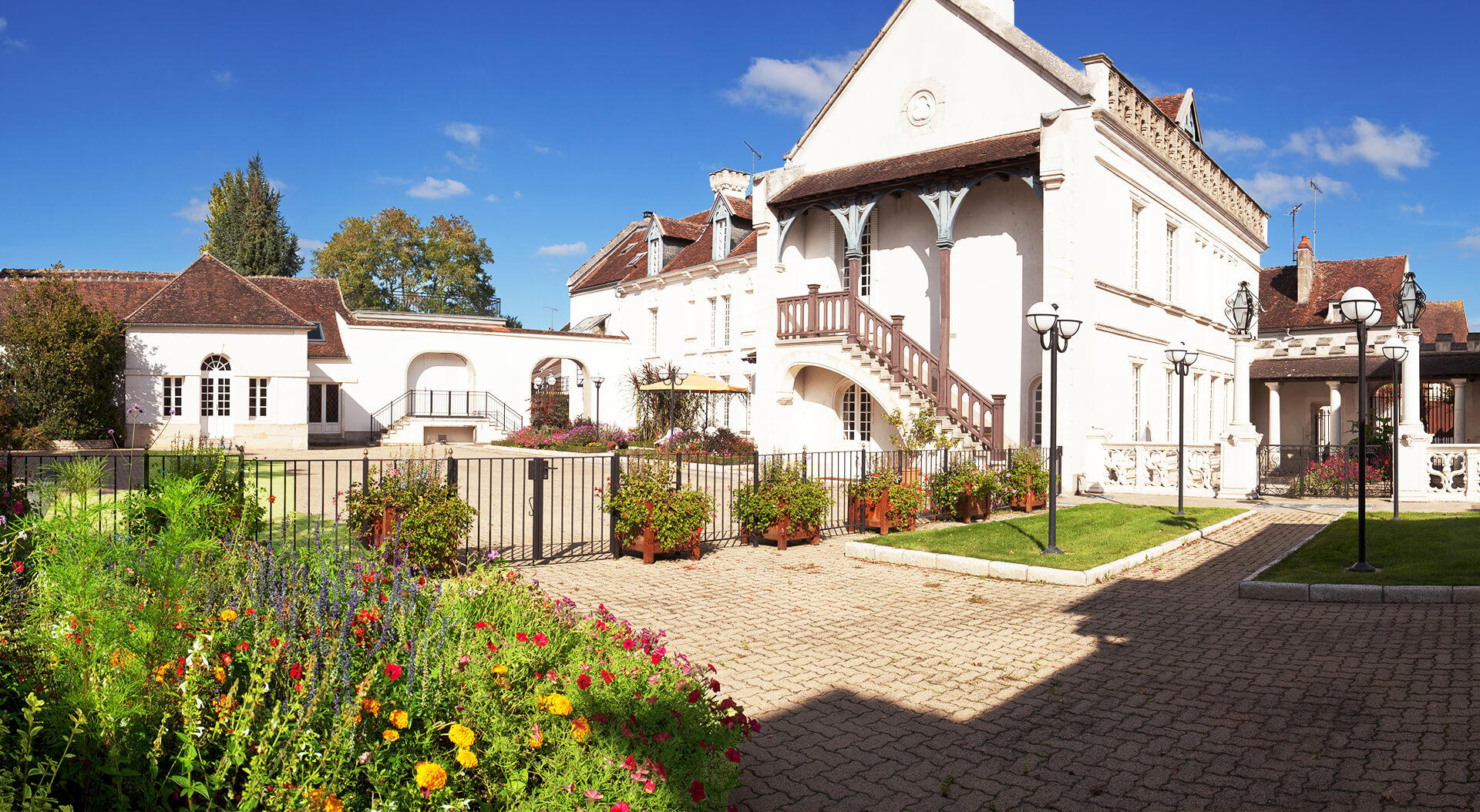
La Chablisienne is located at 8 Boulevard Pasteur in the town of Chablis, placing it within the walkable core of a small town where most of the appellation's visitor infrastructure is concentrated. Chablis is approximately two hours from Paris by car or accessible by train to Auxerre followed by a short transfer. The town itself is compact, and the cooperative's central location on Boulevard Pasteur means it anchors naturally into a half-day itinerary that might include one or two domaine visits alongside a lunch stop. For a broader orientation to drinking and dining in Chablis, our full Chablis guide maps the appellation's key producers and hospitality options in detail.
Readers whose interests extend beyond Chablis to other European wine regions might note that La Chablisienne's approach to cooperative winemaking has a parallel, in scale and institutional seriousness, with larger Alsatian and Rhône valley cooperatives. For individual domaine comparisons within Chablis and the wider Côte d'Or, producers like Domaine François Lamarche and Domaine Billaud-Simon provide a useful calibration of how family-scale production and cooperative-scale production differ in approach, allocation, and visitor experience. For those whose wine interests range as far as Napa, Accendo Cellars in St. Helena represents the micro-production extreme of the spectrum, a useful reminder of how differently the same premium intent can be structured.
In Context: Similar Options
Comparable venues nearby, for context on price, style, and recognition.
| Venue | Cuisine | Price | Awards | Notes |
|---|---|---|---|---|
| La ChablisienneThis venue — the venue you are viewing | Chardonnay | Not listed | Falstaff Winery - Listed | Not listed |
| Domaine Billaud-Simon | Chardonnay | Not listed | Falstaff Winery - Listed | Chablis |
| Domaine Willian Fevre | Chardonnay, Sauvignon Blanc | Not listed | Falstaff Winery - Listed | Chablis |
| Domaine Eleni & Edouard Vocoret | Chardonnay | Not listed | Falstaff Winery - Listed | Chablis |
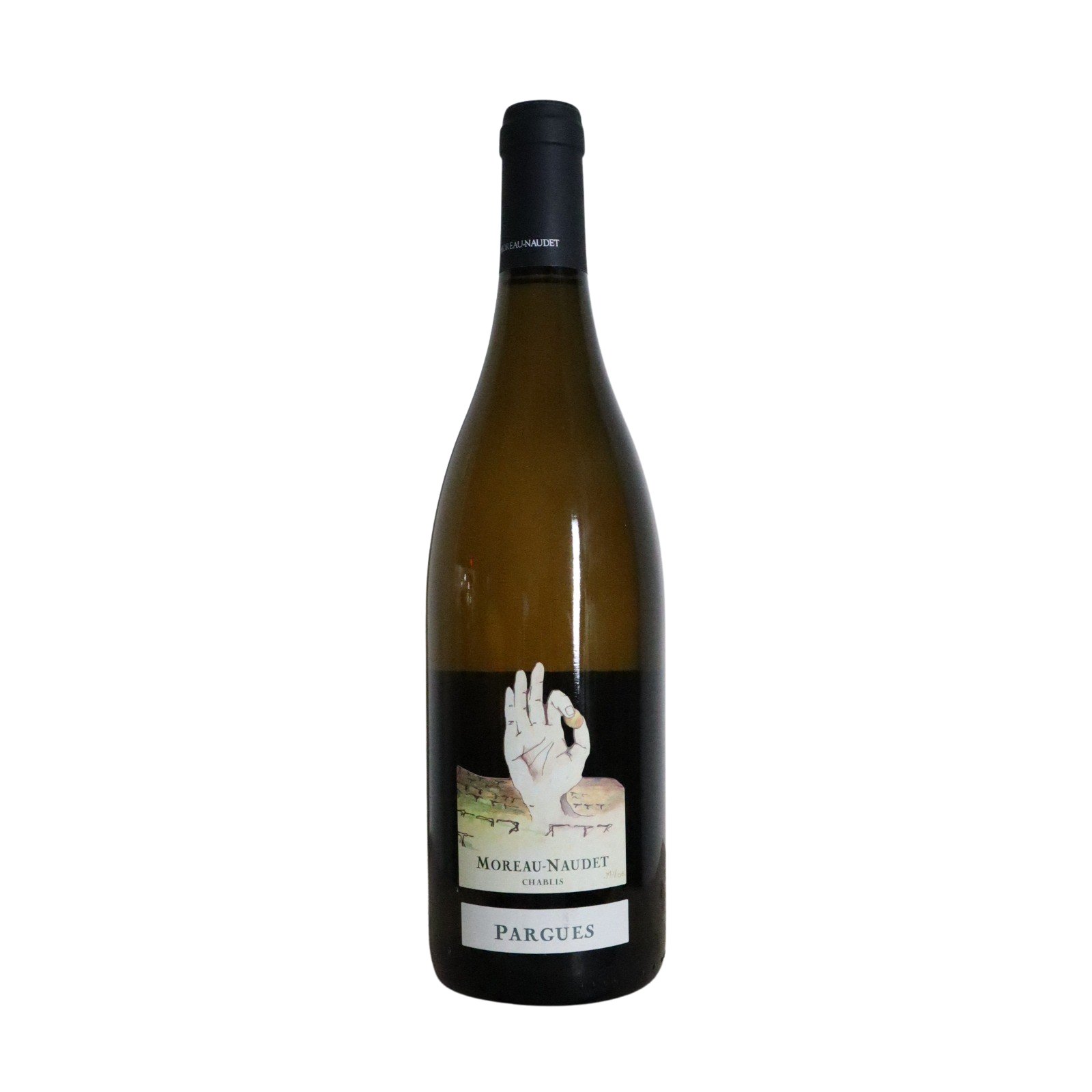
| Domaine Moreau-Naudet | Chardonnay | Not listed | Falstaff Winery - Listed | Chablis |
| Domaine Dauvissat | Chardonnay | $50–100 | Falstaff Winery - Listed | Chablis |
Recognition history
Dated appearances from independent guides and award organizations, with the underlying list record or original source where available.
Falstaff Winery - Listed
Falstaff
Continue exploring
More in Chablis
Wineries in Chablis
Browse all →

Bars in Chablis
Browse all →
Restaurants in Chablis
Browse all →
Details
- Classic
- Elegant
- Wine Education
- Solo Exploration
- Cave Tasting
- Vineyard
- Chardonnay
- Still White
- Cave Tasting
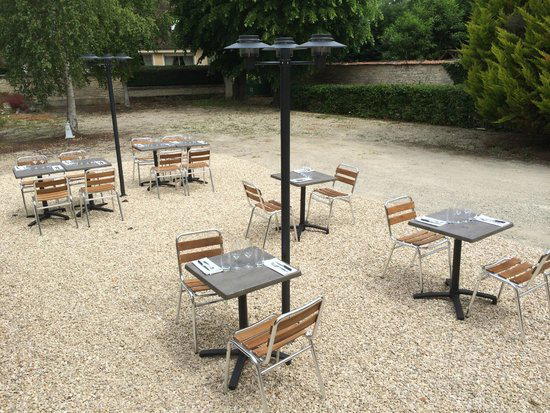
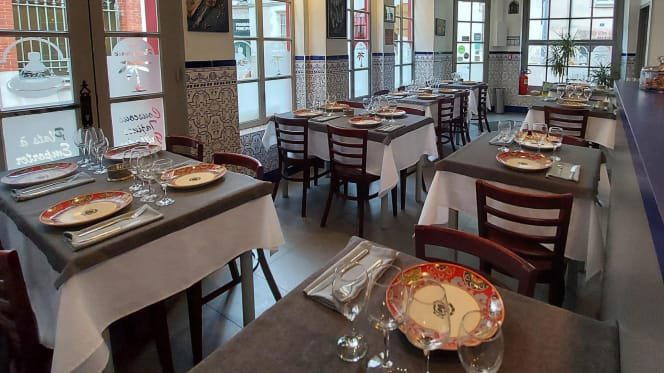
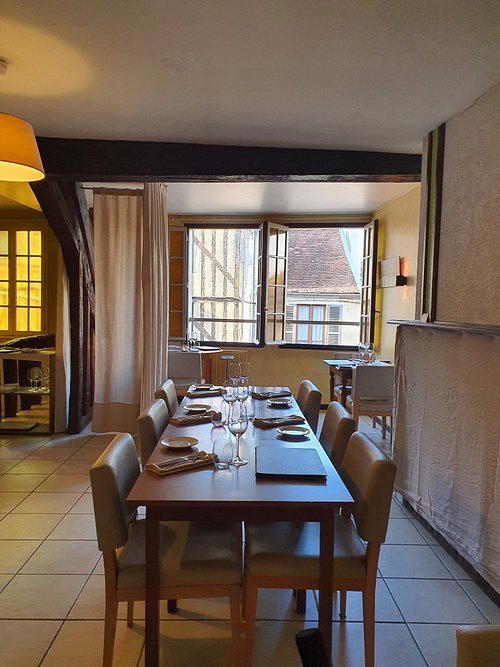
Modern, spacious tasting room with professional and welcoming staff, offering an educational and relaxed atmosphere ideal for discovering Chablis wines.