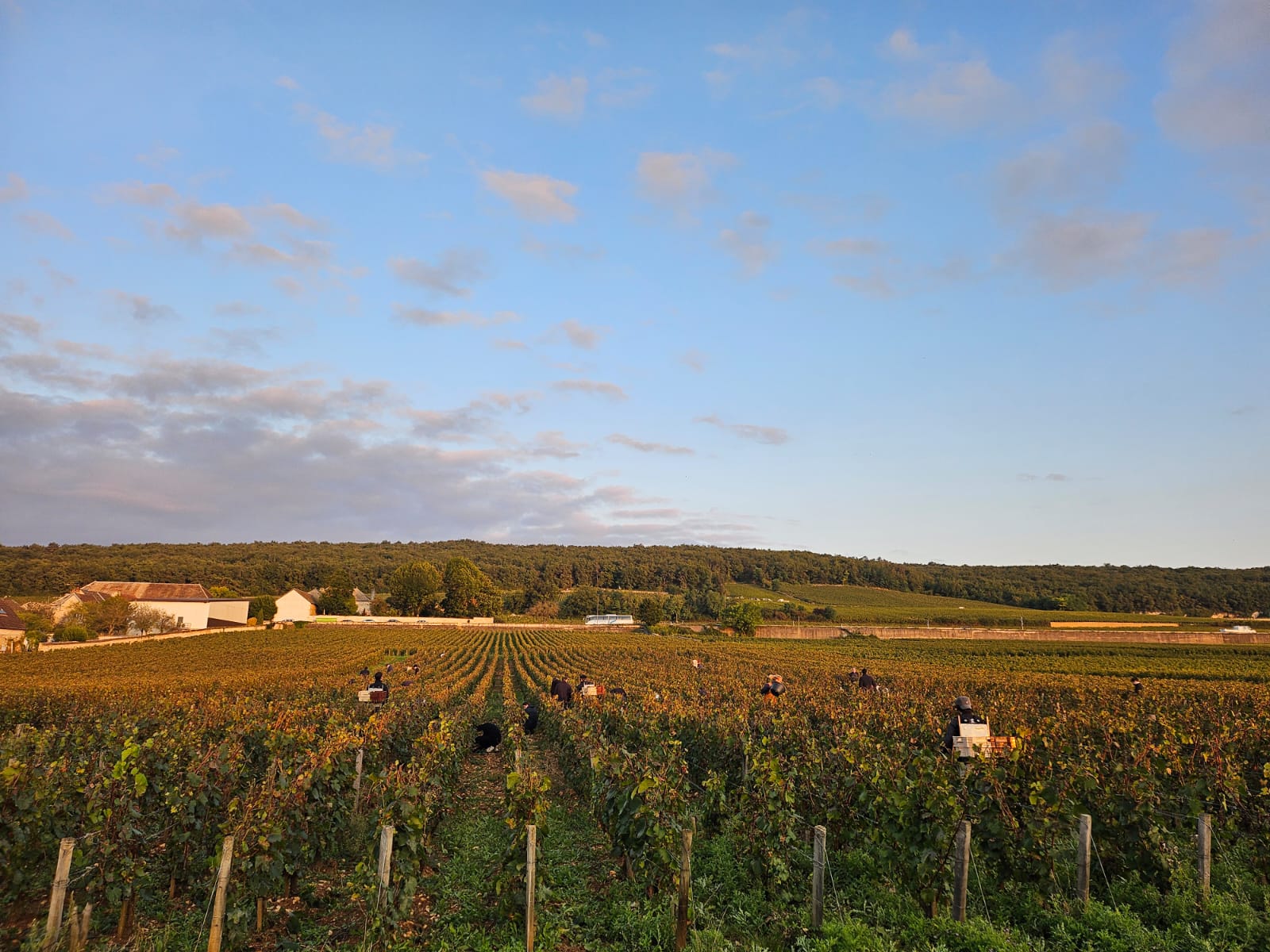
Domaine Didier Fornerol sits in the village of Corgoloin at the southern edge of the Côte de Nuits, where limestone-laced soils produce Pinot Noir of genuine structural depth. Visits are best arranged directly through the estate at 15 Place de la Mairie.
Pearl is the En Primeur Club membership app — saves, bookings, and concierge access live there. Same editors, same standards.
- Address
- 15 Pl. de la Mairie, 21700 Corgoloin
- Phone
- +33 3 80 62 93 09
- Website
- bourgognefornerol.com
- Directions
- Get directions
 Saves & bookings on Pearl
Corgoloin and the Southern Côte de Nuits
The village of Corgoloin sits at the precise point where the Côte de Nuits gives way to the Côte de Beaune, a boundary that matters more to wine geography than to casual visitors but shapes everything about how the vineyards here are classified and priced. Corgoloin holds no grand cru and no premier cru of its own, which places its producers in a comparable set that must argue for quality through the glass rather than through appellation prestige. For comparison, the similarly credentialed Domaine Camille Thiriet operates from the same village and faces the same appellation calculus.
The limestone and clay subsoils that define this corridor of the Côte de Nuits produce wines with a different register than Gevrey or Chambolle: less florally perfumed, more structured in their youth, with a mineral grip that can read as austerity if opened too early. Small producers working here often focus on Villages and regional appellations, which means price points sit well below the grands crus to the north while the viticulture and cellar work can be equally rigorous. That gap between effort and entry price is part of what draws collectors to estates like this one.
Château Bélair-Monange in Saint-Emilion or Château Batailley in Pauillac sit within their own appellation structures, each earns its position through documented performance rather than historical classification alone.
Among Burgundy's smaller producer cohort, a Prestige-tier rating signals limited production and the need to plan ahead. Estates at this level typically release wines in limited quantities through a combination of direct cellar-door sales, a small list of négociants, and allocated private clients. Visitors who arrive without prior contact frequently find that particularly interesting cuvées have already been committed. The approach to planning a visit to Domaine Didier Fornerol, at 15 Place de la Mairie in Corgoloin, should reflect that reality: contact the domaine ahead of any trip to confirm availability and arrange a tasting appointment.
The Winemaking Tradition This Estate Represents
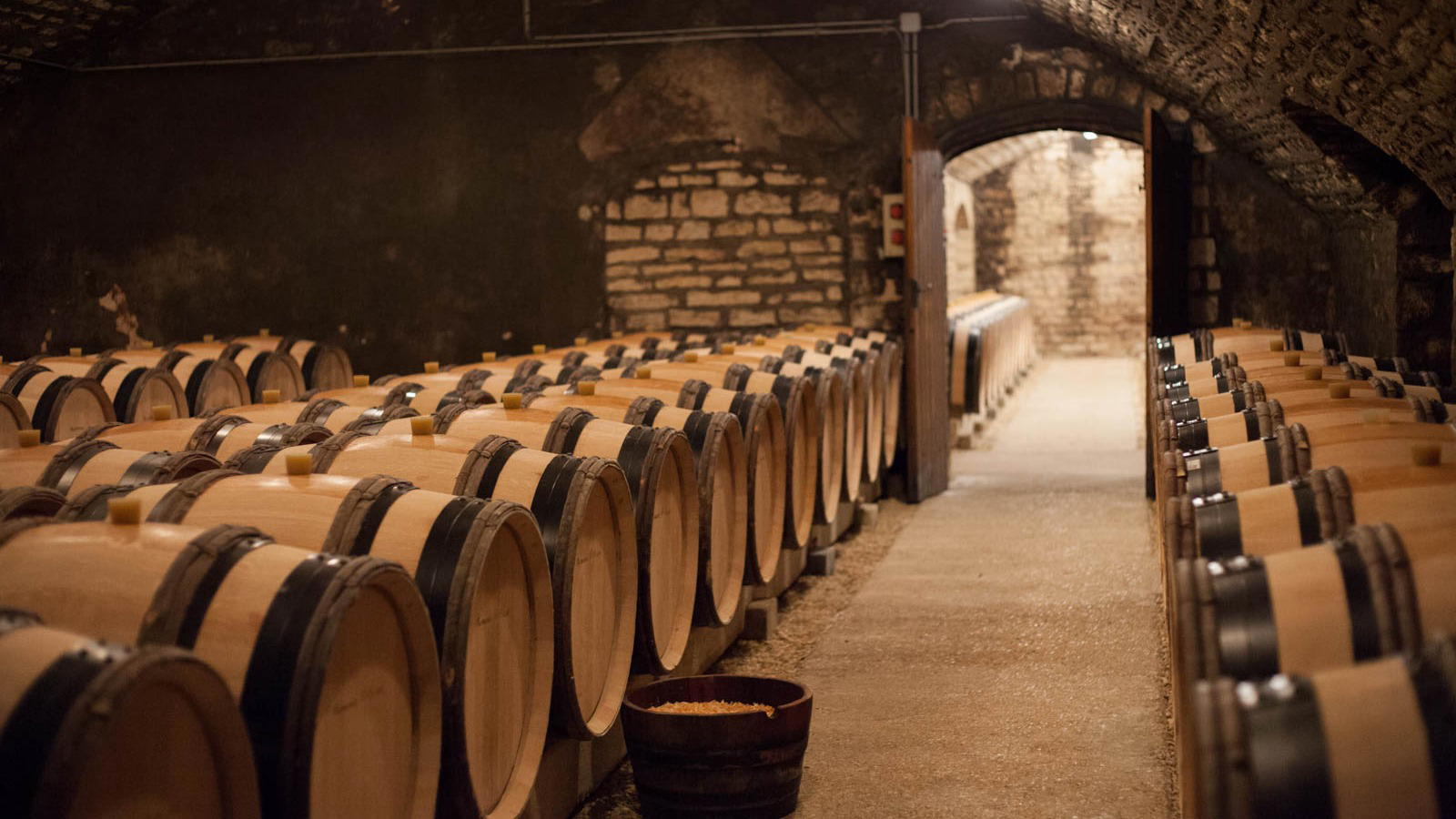
Small domaines in the Côte de Nuits operate within a centuries-old framework of plot-by-plot viticulture, where the accumulation of parcels across multiple appellations gives a producer range without scale. In this tradition, the winemaker's decisions in the cellar, extraction length, proportion of new oak, élevage duration, are understood as responses to vintage conditions and site character rather than as stylistic impositions. The estates that hold credibility in this tradition are those where those decisions remain legible in the finished wine: you can taste the year and, more importantly, you can taste the place.
That philosophy sits at some distance from the intervention-heavy, extraction-maximising approach that dominated parts of Burgundy through the 1990s and early 2000s. The contemporary trend among smaller Côte de Nuits producers runs toward lower new-oak percentages, earlier picking in some cases, and a renewed attention to whole-bunch fermentation as a tool for structural complexity rather than mere tannic weight. Whether Fornerol's cellar approach tracks precisely with these shifts is not documented in the available record, but the Prestige rating implies that the wines read as place-expressive to evaluators who apply that criterion seriously. For producers working in a similarly restrained register in other French regions, Albert Boxler in Niedermorschwihr provides a useful Alsatian reference point on what disciplined, site-first winemaking produces at the summit of a smaller appellation.
Placing Fornerol in the Broader Prestige-Rated Cohort
Across Bordeaux, estates like Château Branaire Ducru in Saint-Julien, Château Cantemerle in Haut-Médoc, and Château Clinet in Pomerol earn recognition through vintage-by-vintage performance within classified structures. Burgundy's smaller domaines operate without those classifications at the Villages level, which makes a Prestige rating a more independently earned signal. Producers in other categories, such as Château d'Arche in Sauternes or Château Bastor-Lamontagne in Preignac, face analogous challenges in sweet wine categories where appellation recognition does not automatically translate to collector attention. Château Boyd-Cantenac in Cantenac represents yet another instance of a classified estate working to maintain relevance through quality rather than historical rank alone.
Beyond Bordeaux and Burgundy, the same dynamic appears in estates working against type in their regions: Accendo Cellars in St. Helena operates as a small-production Napa house, Château d'Esclans reshaped expectations for Provençal rosé, and Chartreuse in Voiron demonstrates how a single producer can define a category's quality ceiling. Aberlour in Aberlour makes the same argument in Scotch whisky. At Fornerol, the argument is made through Pinot Noir grown at the quiet southern end of one of the world's most scrutinised wine corridors.
Planning a Visit
Domaine Didier Fornerol is located at 15 Place de la Mairie in Corgoloin, a small village in the Côte de Nuits most easily reached by car from Beaune, which lies roughly 10 kilometres to the south, or from Nuits-Saint-Georges a few kilometres to the north. The village itself offers little in the way of tourist infrastructure, so visits to the domaine work best as part of a structured day along the Route des Grands Crus rather than as a standalone destination. First contact is best made ahead of any visit to confirm availability and arrange an appointment. Arriving without an appointment carries real risk of finding the cellar closed.
Budget and Context
Comparable venues nearby, for context on price, style, and recognition.
| Venue | Cuisine | Price | Notes |
|---|---|---|---|
| Domaine Didier FornerolThis venue — the venue you are viewing | Corgoloin, Pinot Noir, Chardonnay | $$ | Not listed |
| Domaine Camille Thiriet | Corgoloin, Pinot Noir, Chardonnay | $$$ | Not listed |
| Domaine Henri Jayer | Winery | Not listed | Not listed |
| Maison Chanson Père & Fils | Beaune, Pinot Noir, Chardonnay | $$$ | Not listed |
| Domaine Robert Groffier Père & Fils | Morey-Saint-Denis, Pinot Noir, Gamay | $$$ | Not listed |
| Pernod Absinthe | Not listed | $$ | La Cluse-et-Mijoux, Absinthe de Pontarlier |
Continue exploring
More in Corgoloin
Wineries in Corgoloin
Browse all →
Bars in Corgoloin
Browse all →
Restaurants in Corgoloin
Browse all →
At a Glance
- Classic
- Rustic
- Intimate
- Wine Education
- Solo Exploration
- Vineyard Tour
- Estate Grounds
- Barrel Room
- Organic
- Sustainable
- Vineyard
- Côtes De Nuits Villages
- Pinot Noir
- Chardonnay
- Aligoté
- Gamay
- Still Red
- Still White
- Cave Tasting
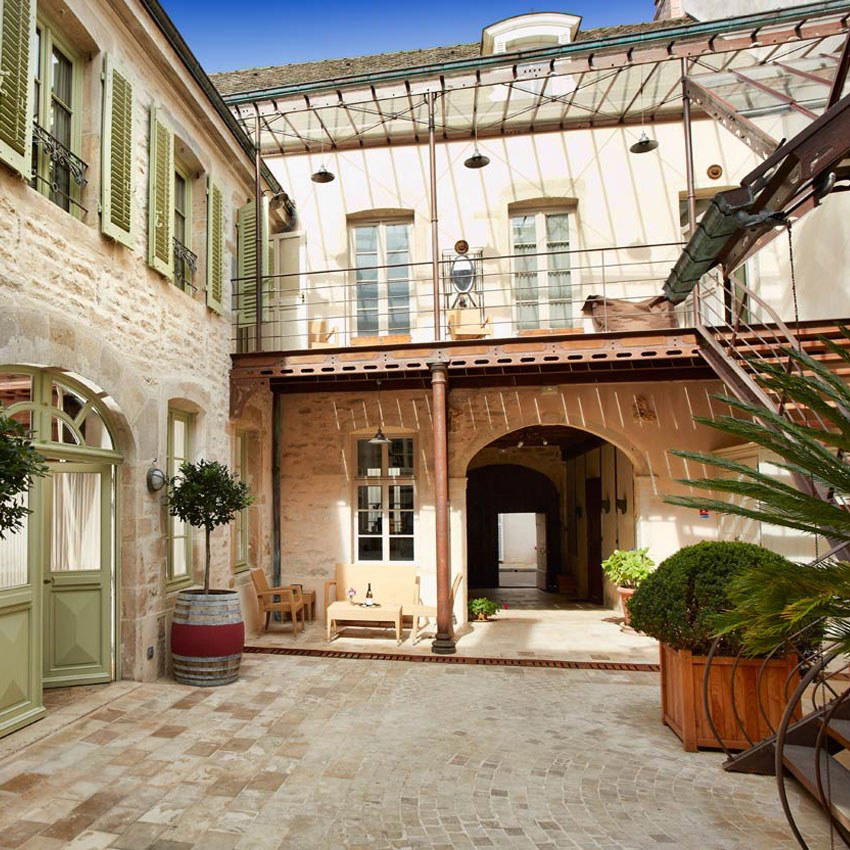
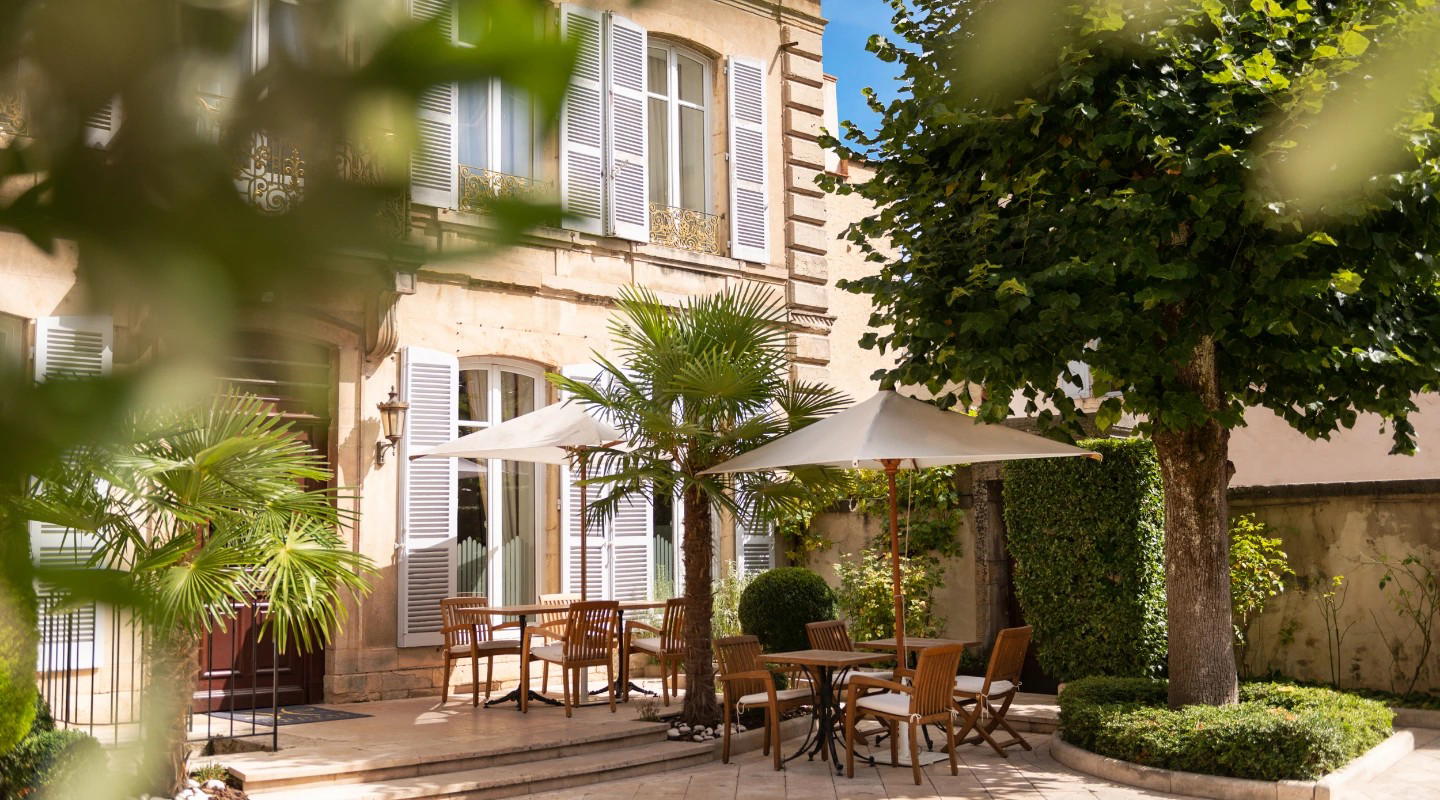
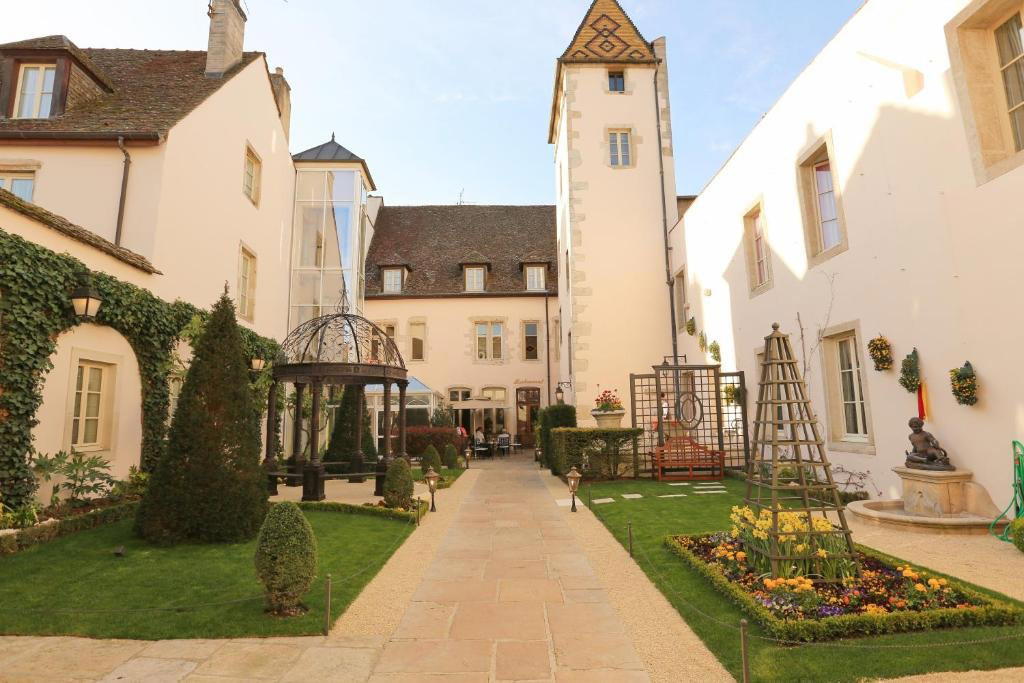
Traditional Burgundian winery with a focus on minimal intervention winemaking, emphasizing terroir and vineyard character in a humble, working estate setting.