Château de la Resle



1 Michelin Key · Design Hotels Member · Mr & Mrs Smith Seal of Approval
A ten-room Burgundy château that earned a Michelin Key in 2024, Château de la Resle pairs a classically composed 19th-century façade with a serious contemporary art and design collection curated by its owners. The result is a property that reads less like a hotel and more like a well-lived-in private house, at rates from $312 per night with a weekend minimum-stay policy during peak season.

Pearl is the En Primeur Club membership app — saves, bookings, and concierge access live there. Same editors, same standards.
- Address
- La Resle Lieu dit, 89230 Montigny-la-Resle
- Phone
- +33 6 86 11 29 22
- Website
- chateaudelaresle.com
- Directions
- Get directions
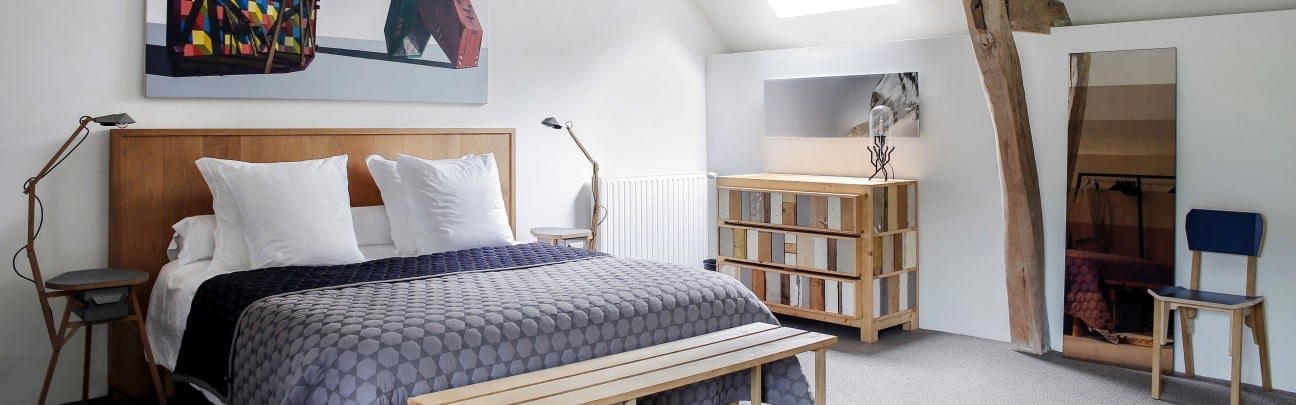
Where Burgundy Countryside Meets a Collector's Eye
The French country house hotel occupies a specific and well-understood niche in European hospitality: ivy-covered stone, shuttered windows, formal gardens, and a certain choreographed rusticity that signals both comfort and heritage. Most châteaux-hôtels in the Yonne and broader Burgundy region play faithfully to that archetype. Château de la Resle, in the small village of Montigny-la-Resle, starts from the same template — white-shuttered façade, climbing vines, a perfectly maintained garden that reads immediately as French — and then makes a decisive turn inward. The exterior promises the familiar. The interior delivers something else entirely.
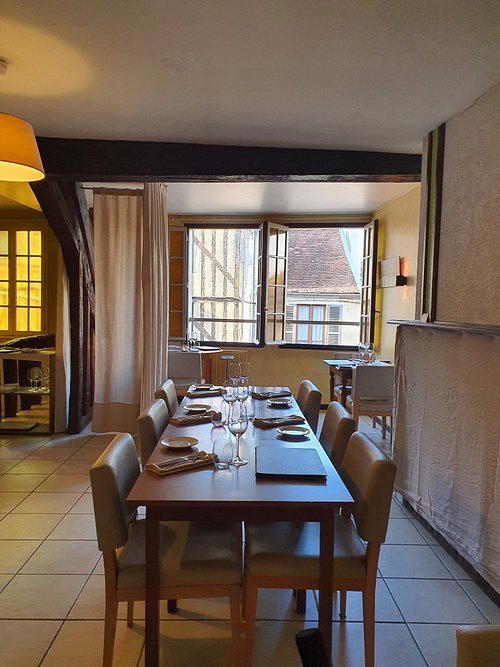
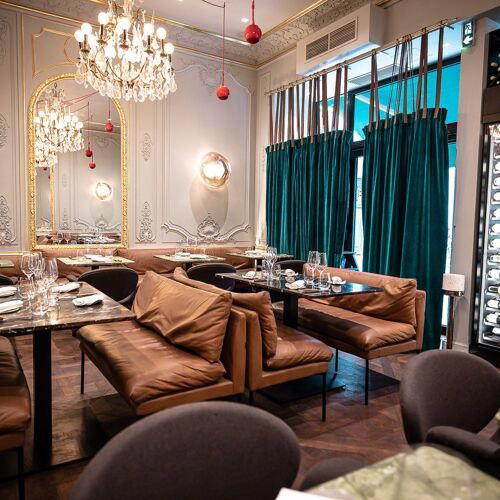
That tension between a classical shell and a contemporary interior is not accidental. The property is owned and curated by a pair of design collectors with ties to the high-end furnishings trade, and the result is less a decorated hotel than an installation in which guests happen to sleep. Bespoke Dutch design pieces, a gallery-calibre collection of contemporary art, and a careful attention to tactile materials share space with exposed 17th-century beams, pitched farmhouse rooflines, and the kind of generous natural light that old stone walls and south-facing windows produce without effort. The juxtaposition works because neither register overwhelms the other: the antiques ground the contemporary pieces, and the art animates what might otherwise feel like a preservation exercise.
What matters as much as the aesthetic program, though, is temperature. Hotels that commit seriously to design often tip toward the sterile, spaces that read as museological rather than habitable. Château de la Resle avoids that failure by leaning into warmth and livability: quirky objects placed at human scale, rooms arranged around natural light rather than traffic flow, and a general sense that these spaces were composed to be occupied rather than admired. It reads, in the leading way, like a private house belonging to someone with very good taste and the confidence not to impose it too aggressively.
Ten Rooms, Considerable Space
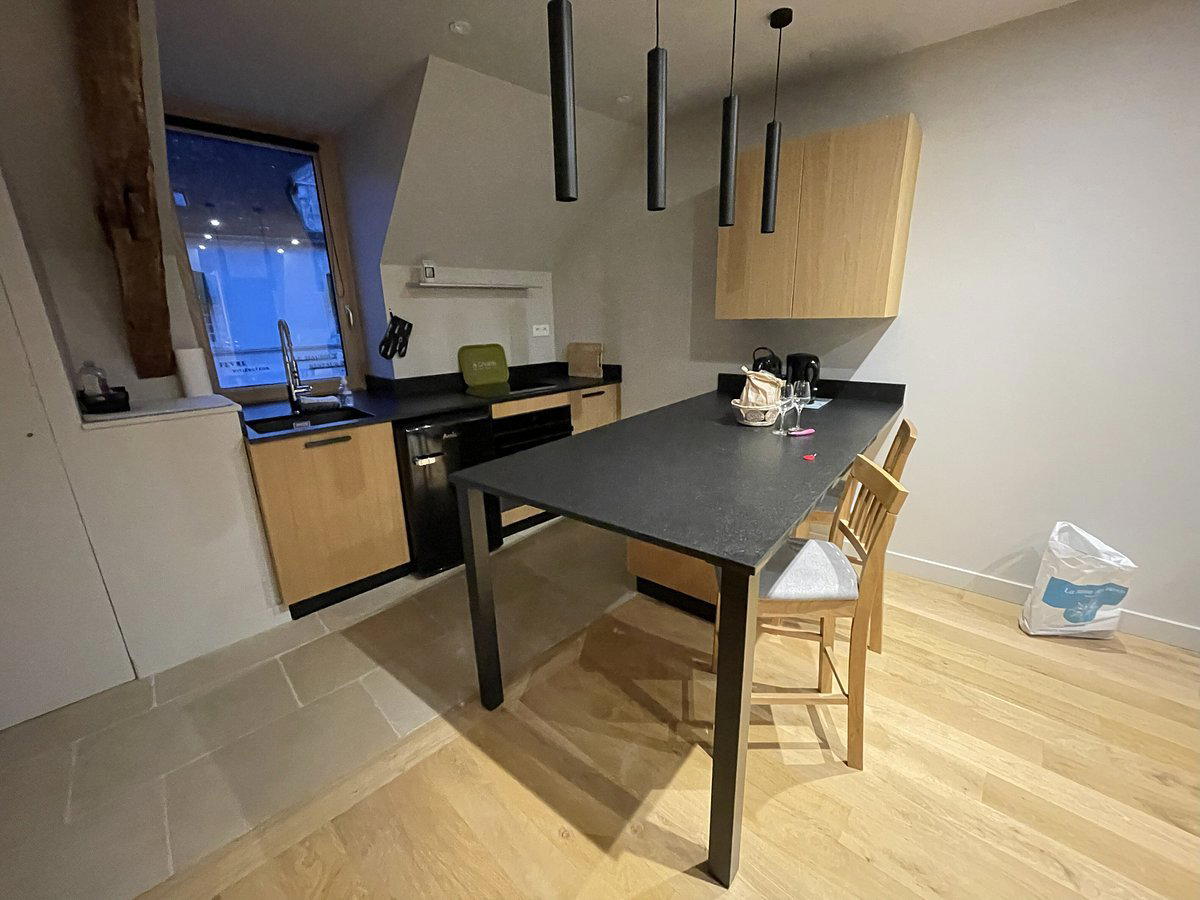
For a ten-room property, Château de la Resle occupies an unusually generous physical footprint. The accommodations are sprawling by boutique-hotel standards, with open, uncluttered floor plans that amplify the sense of space. The mix shifts room by room: some lean toward rich hardwood antiques and period-inflected detail; others foreground avant-garde fixtures and contemporary art. In every case, however, the formula returns to the same anchors, abundant light, tactile materials, and carefully chosen objects that reward close attention.
Small design-led properties in this segment of the French countryside typically face a choice between period coherence and design ambition. The better examples, including Château de la Resle, treat the original architecture as a collaborator rather than a constraint. The 17th-century beams visible beneath pitched farmhouse roofs are not disguised or minimized, they are made more legible by the bright, contemporary décor surrounding them. That approach connects to a broader shift in French heritage hospitality, where the most considered properties now use period detail as contrast rather than theme. Compared to properties like Château du Grand-Lucé in Le Grand-Lucé or Château de la Gaude in Aix-en-Provence, which occupy the more classically restored end of the spectrum, Château de la Resle operates in a more deliberately hybrid register.
A Michelin Key and What It Signals
Michelin awarded Château de la Resle one Key in 2024, the year the Key system launched as a formal hospitality recognition category within the guide. The Key, distinct from the star system applied to restaurants, evaluates the quality and character of the overall hotel experience. For a ten-room property in a village of fewer than 500 inhabitants in the Yonne department, a Michelin Key places Château de la Resle in a small and specific peer group: French country properties recognised not for scale or brand association, but for the depth and coherence of the guest experience they produce.
The credential matters partly because of what it confirms and partly because of what it implies. Among design-led château properties that have attracted similar recognition in France, the consistent differentiator tends to be a refusal to treat the hotel as infrastructure, to see it, instead, as a curated environment with its own intellectual and sensory logic. The Michelin Key signals that Château de la Resle meets that standard at a level reviewable by external parties, not just self-reported. That is a meaningful anchor for prospective guests making decisions without the benefit of a prior visit.
The Table, the Pool, and What Lies Beyond the Gates
No serious hotel in the Burgundy wine country exists in isolation from the question of food, and Château de la Resle addresses this with a locavore restaurant built around a seasonally rotating menu of free-range and organic produce. The format reflects the broader direction of French country hospitality at this level: a kitchen with clear ingredient sourcing and a menu that shifts with supply rather than publishing a fixed identity year-round. This is less a signature-dish operation than a table that takes its cues from the region and the season, which in Burgundy means access to some of France's most closely watched agricultural and viticultural output.
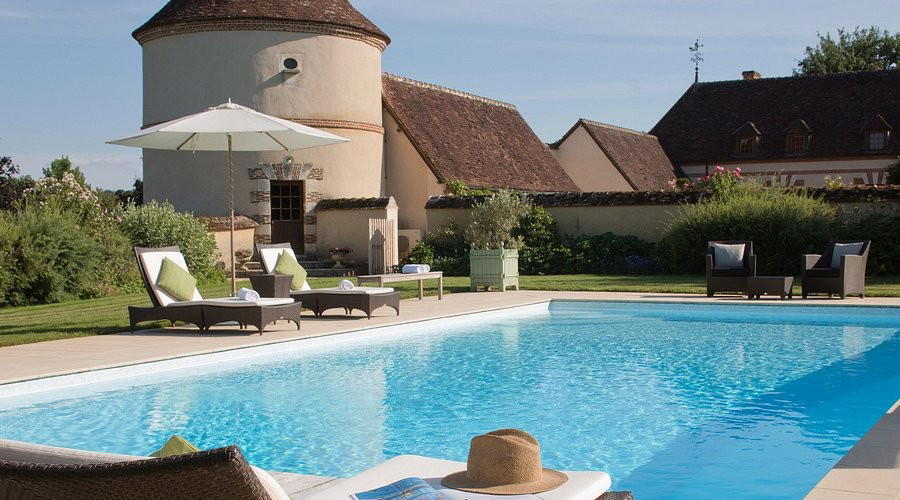
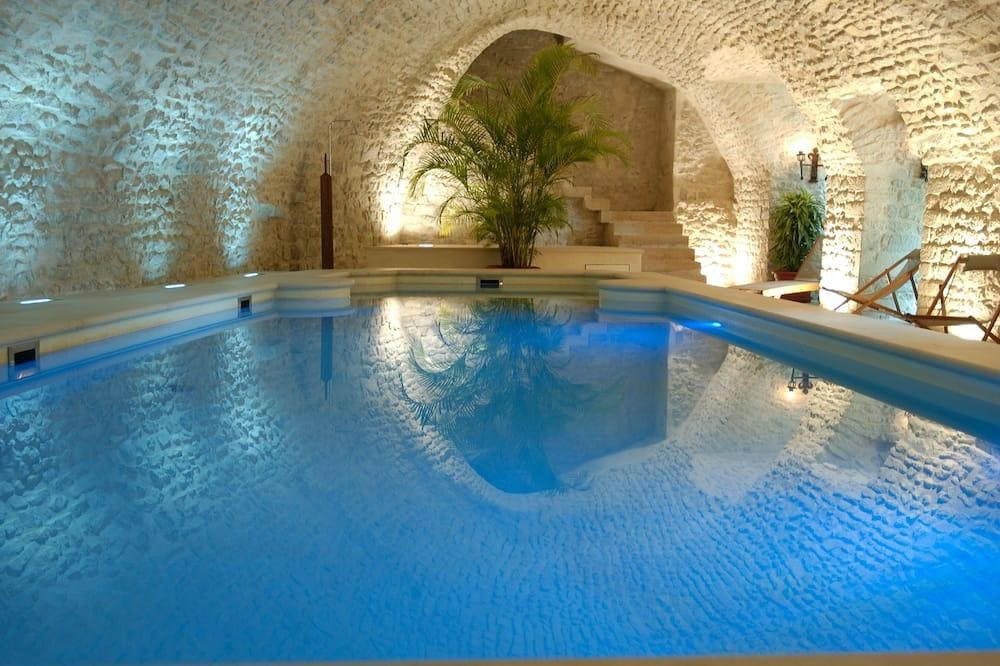
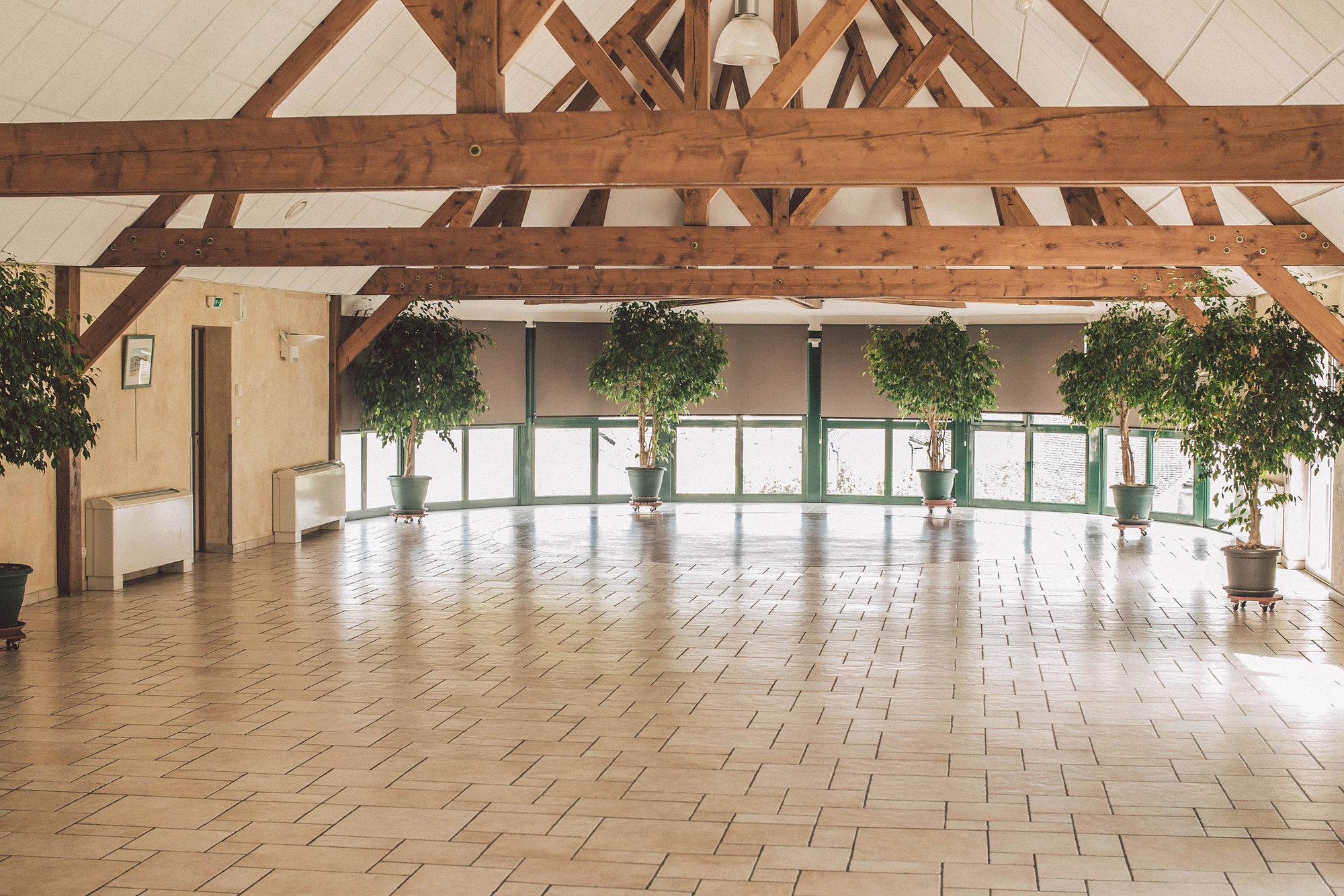
Beyond the dining room, the property provides a set of public spaces that reflect the same design sensibility as the guest rooms. The breakfast room, filled with morning light, is the kind of space that delays departure. A pool with sun loungers offers the specific pleasure of doing very little in a very well-composed environment. A spa adds a layer of recovery-focused programming suited to the unhurried pace of the property. Taken together, these amenities form the kind of self-contained offer that makes multi-night stays feel natural rather than overstays.
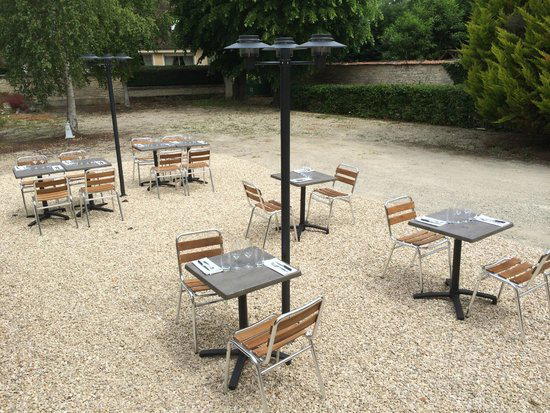
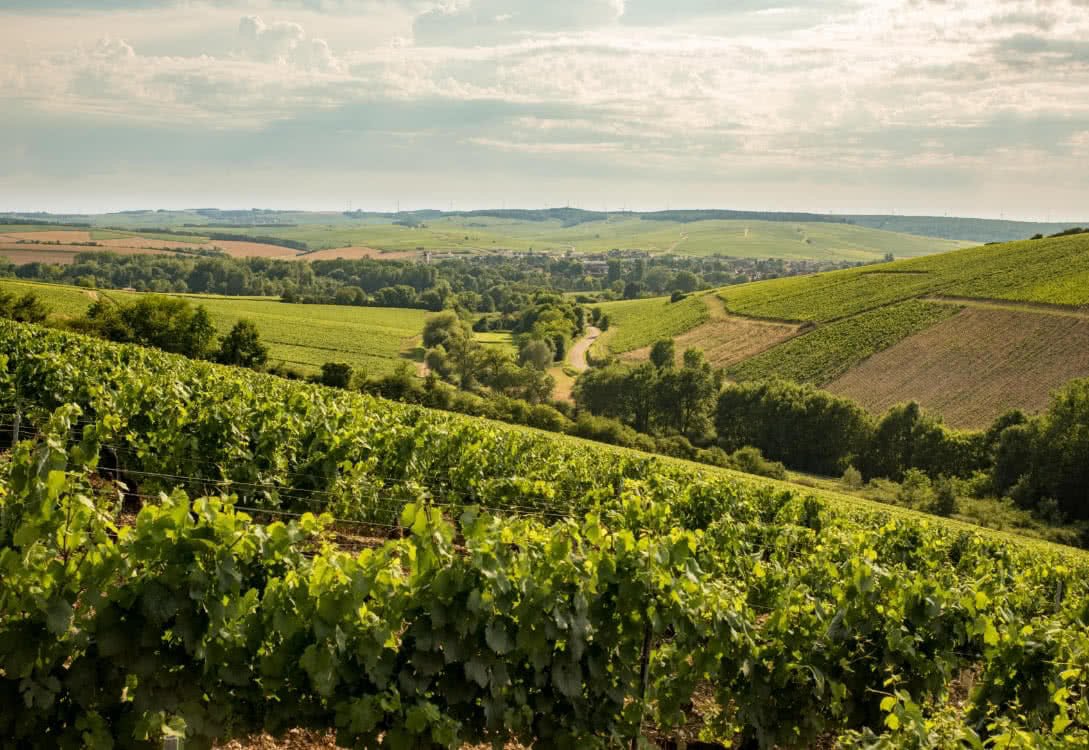
Outside the gates, the case for the location is made by the countryside itself. The Yonne department sits in the northern reaches of Burgundy, a region of wooded hills, rolling vineyards, and market towns whose agricultural and architectural character has remained largely intact. The villages in this corridor are neither tourist infrastructure nor isolated hamlets, they occupy a productive middle ground of local commerce, wine production, and a built environment still shaped by centuries of agricultural wealth. For guests who came to France for the version of France that exists between the major cities, this is the right base.
Planning Your Stay
Rates at Château de la Resle begin at approximately $312 per night, which positions it at the accessible end of Michelin-recognised château properties in France, a category that includes considerably more expensive addresses like Domaine Les Crayères in Reims or Royal Champagne Hotel and Spa in Champillon. A two-night minimum stay applies on weekends during medium and high seasons, which makes this more naturally a mid-week or extended-break destination for international travellers. Guests driving from Paris should factor roughly two hours; the property sits near the A6 motorway, making it accessible as both a standalone destination and a stop on a longer Burgundy circuit. Given the ten-room capacity and the Michelin recognition, lead time on bookings matters. The property does not absorb last-minute availability the way larger addresses can. Travellers with specific dates should plan accordingly. See our full Montigny-la-Resle restaurants guide for context on dining options in the surrounding area.
For those calibrating Château de la Resle against other design-led French château properties, useful comparison points include Château de Montcaud in Sabran, Château Lafaurie-Peyraguey in the Sauternes, and Castelbrac in Dinard. Each operates in the heritage-meets-design register, though with different regional and culinary emphases. Among properties that lean more heavily into contemporary art as an organising principle, Villa La Coste in Le Puy-Sainte-Réparade offers an instructive parallel, albeit at a significantly larger scale and higher price point. Other French addresses worth considering in adjacent categories include La Bastide de Gordes, Baumanière Les Baux-de-Provence, Hôtel and Spa du Castellet, Les Sources de Caudalie in Bordeaux, La Réserve Ramatuelle, Château de la Chèvre d'Or in Èze, and Airelles Saint-Tropez. For those whose France itinerary extends into the cities or coast, Cheval Blanc Paris, Hotel Du Cap-Eden-Roc, The Maybourne Riviera, and Casadelmar in Porto-Vecchio represent the higher end of the national offer, each in a distinct category and price bracket. For those combining France with broader European travel, Aman Venice and Aman New York represent comparable levels of design seriousness at very different scales.
How It Stacks Up
Comparable venues nearby, for context on price, style, and recognition.
| Venue | Cuisine | Price | Awards | Notes |
|---|---|---|---|---|
| Château de la ResleThis venue — the venue you are viewing | Restored 19th-century chateau with modern luxury touches | $300–500 | 1 Michelin Key · Design Hotels Member | Not listed |
| La Villa Saint-Germain des Prés | Refined boutique hotel blending Parisian elegance with modern comforts in a historic neighborhood setting. | $300–500 | Michelin Selected · Gault & Millau Exceptional Hotel | Saint-Germain-des-Prés |
| Maison Delano Paris | 18th-century mansion with modern Parisian luxury | Not listed | Michelin Selected · Vogue 2026 Vogue Best Hotels in Paris | 8th Arrondissement |
| Château Voltaire | elegant modern inn in historic 17th-century buildings | Not listed | 1 Michelin Key · Vogue 2026 Vogue Best Hotels in Paris | Saint-Honoré |
| Troisgros | Contemporary countryside manor with family home feel | $300–500 | 2 Michelin Keys · Relais Chateaux Award | Ouches |
| Château de Bagnols | Restored 12th-century castle with formal gardens in Beaujolais wine country | Not listed | 1 Michelin Key | Bagnols |
Recognition history
Dated appearances from independent guides and award organizations, with the underlying list record or original source where available.
Michelin 1 Key
Michelin
Design Hotels Member
Design Hotels
Mr & Mrs Smith Seal of Approval
Mr & Mrs Smith
Full recognition history (5 entries)
Michelin 1 Key
Michelin
Michelin 1 Key
Michelin
Continue exploring
More in Montigny-la-Resle
Hotels in Montigny-la-Resle
Browse all →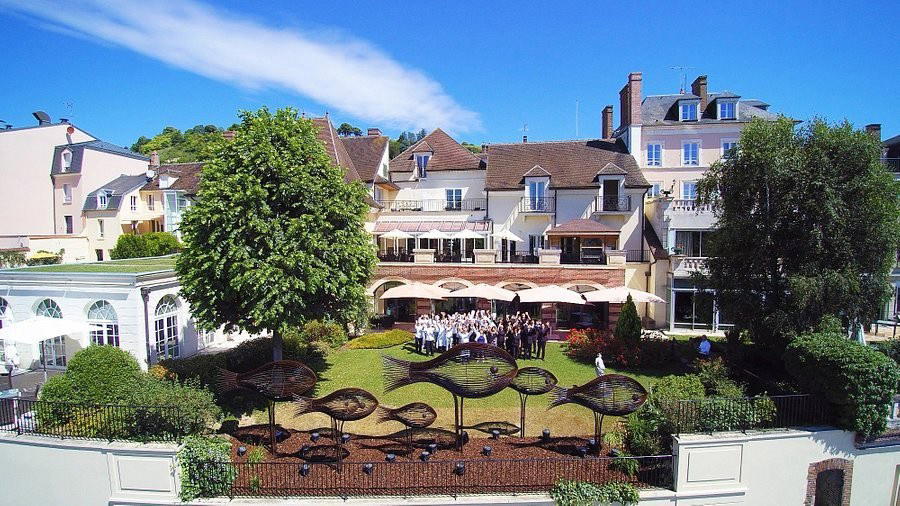
Bars in Montigny-la-Resle
Browse all →
Restaurants in Montigny-la-Resle
Browse all →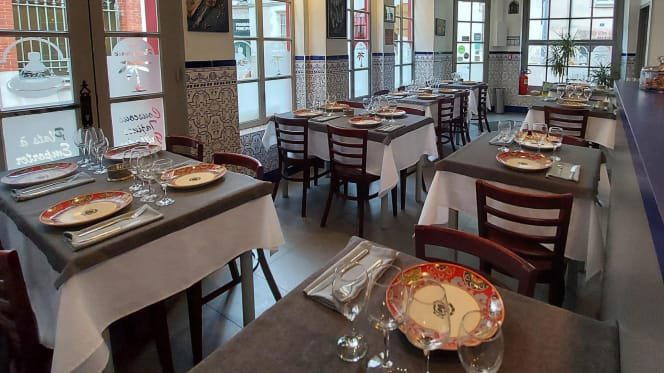
Details
- Romantic
- Elegant
- Quiet
- Scenic
- Sophisticated
- Cozy
- Romantic Getaway
- Honeymoon
- Weekend Escape
- Anniversary
- Historic Building
- Garden
- Terrace
- Panoramic View
- Wi Fi
- Pool
- Spa
- Fitness Center
- Sauna
- Restaurant
- Concierge
- Bicycle Rental
- Garden
Peaceful and serene with tasteful modern decor, art-filled spaces, and relaxing poolside atmosphere praised for its calm and welcoming hospitality.