



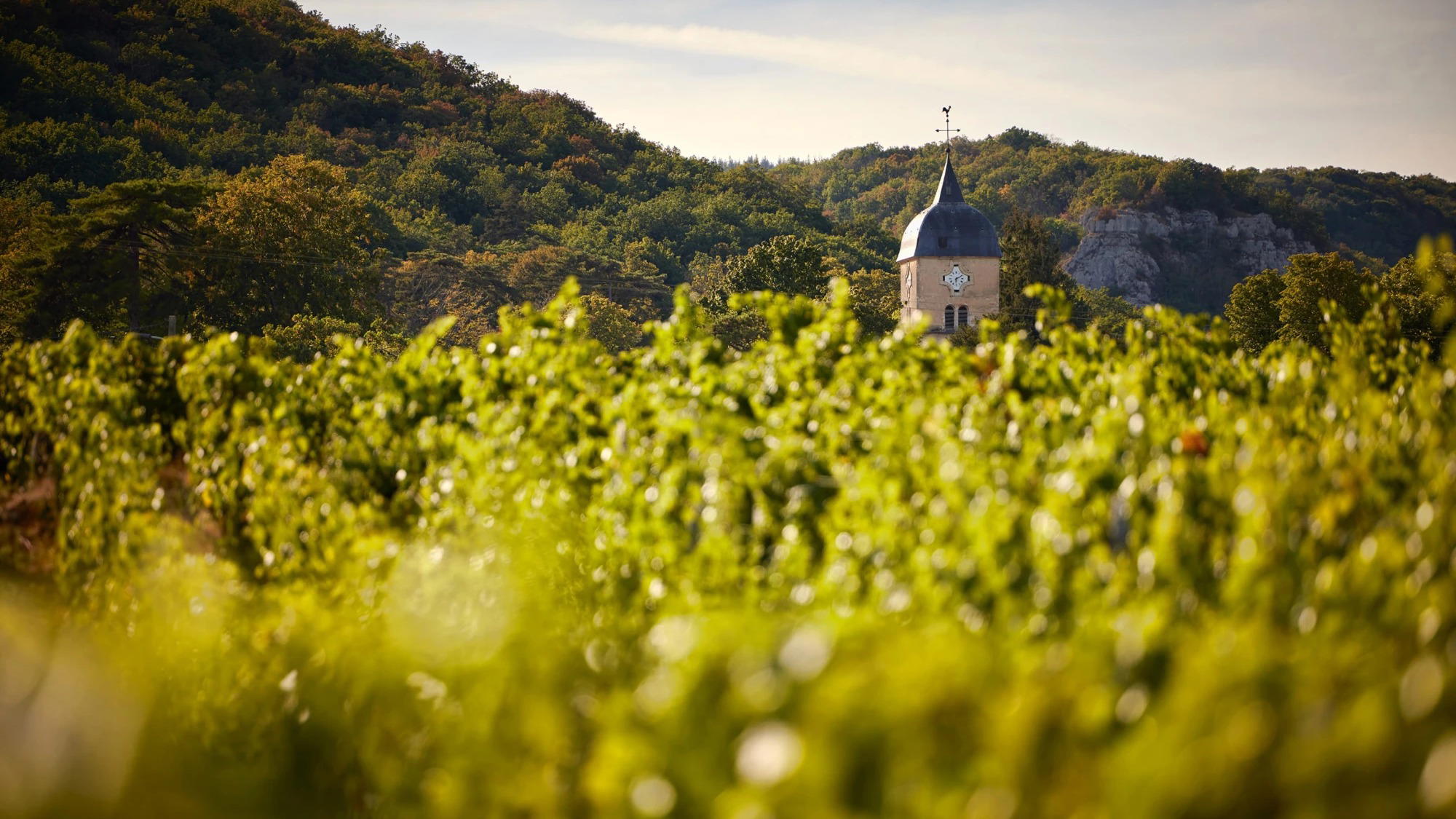
Tucked within Burgundy’s storied Côte-d’Or, Auberge de la Charme distills the region’s soul into a polished, contemporary dining experience. Seasonal ingredients from nearby farms and forests are polished with quiet precision, think velvet reductions, luminous garden purées, and fire-kissed game presented with sculptural finesse. Candlelit stone walls, soft linen, and the measured choreography of the service team create an atmosphere that whispers of exclusivity without affectation. Expect a tasting journey that moves gracefully from delicate coastal notes to deeply rooted Burgundian richness, each course aligned with thoughtful pours from an enviable cellar. At Auberge de la Charme, terroir becomes a conversation, intimate, eloquent, and profoundly satisfying.
Pearl is the En Primeur Club membership app — saves, bookings, and concierge access live there. Same editors, same standards.
- Address
- 12 Rue de la Charme, 21370 Prenois, France
- Phone
- +33 3 80 35 32 84
- Website
- aubergedelacharme.com
- Directions
- Get directions
 Saves & bookings on Pearl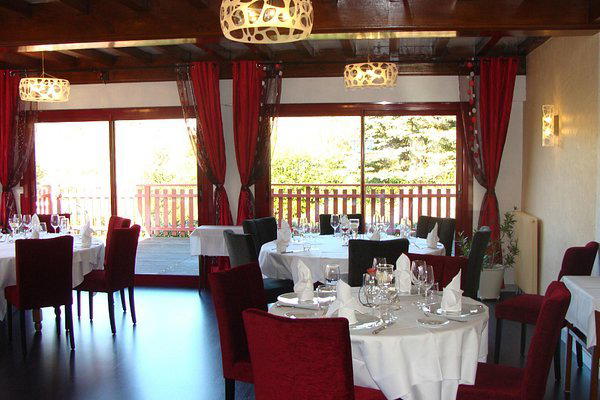
A Village Inn with Global Instincts
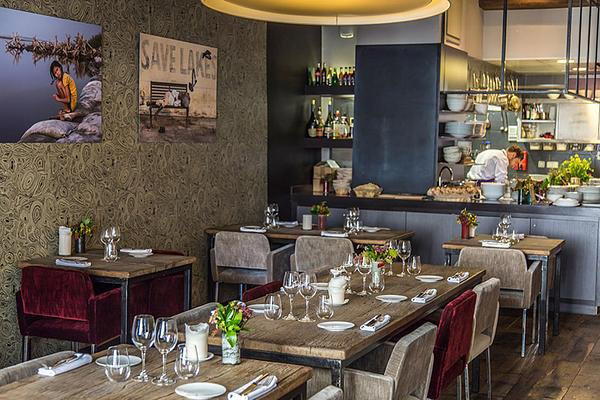
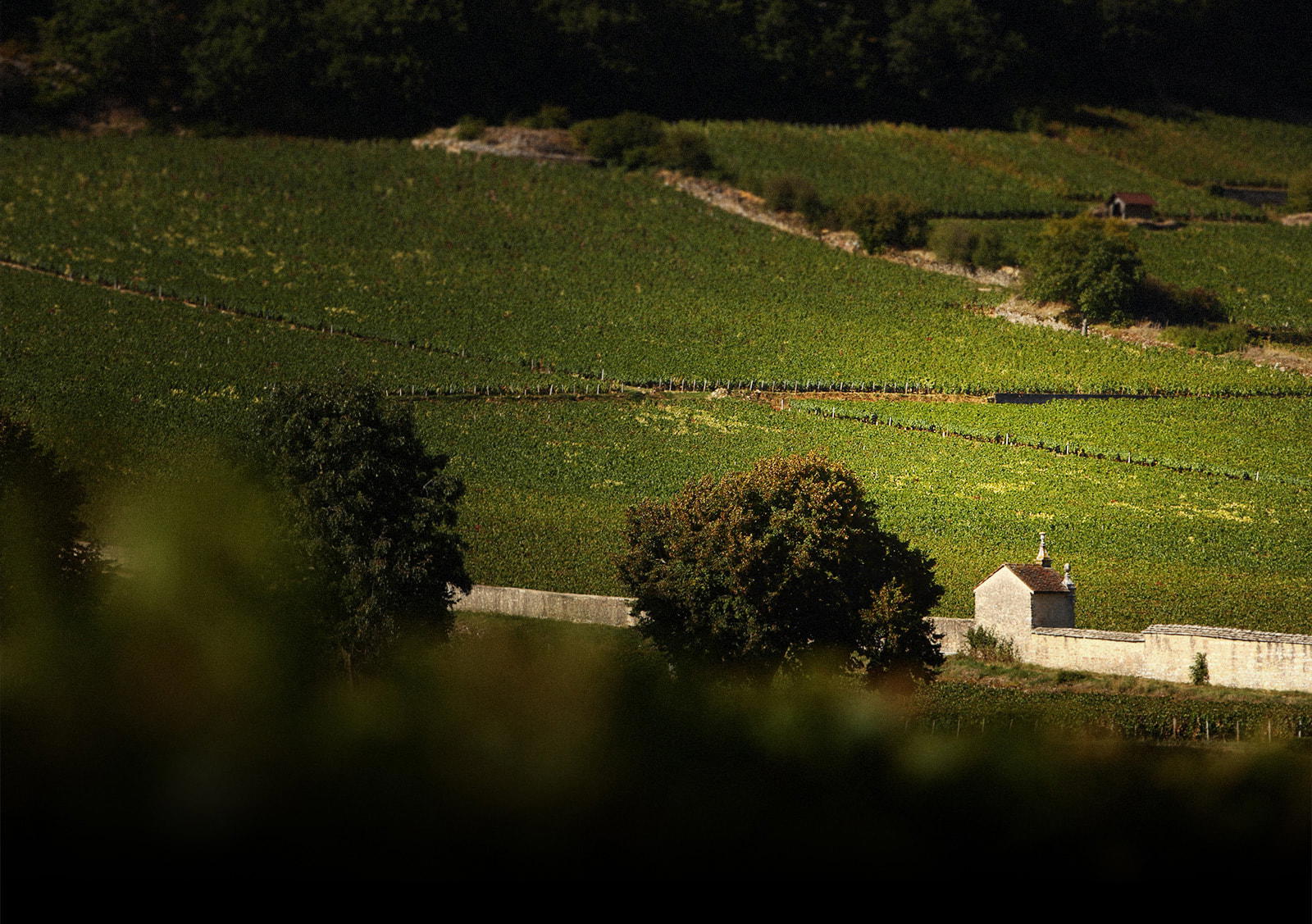
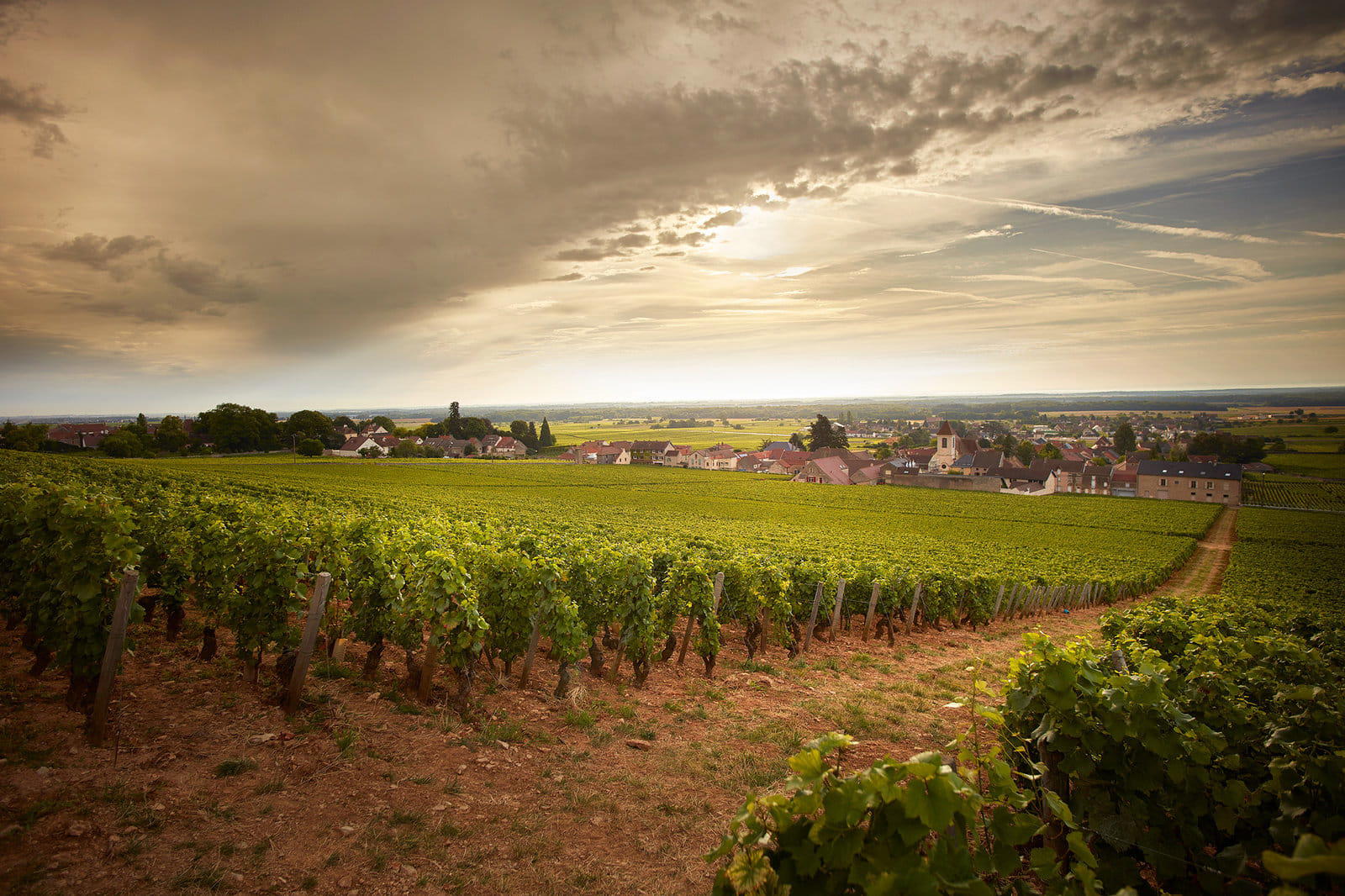
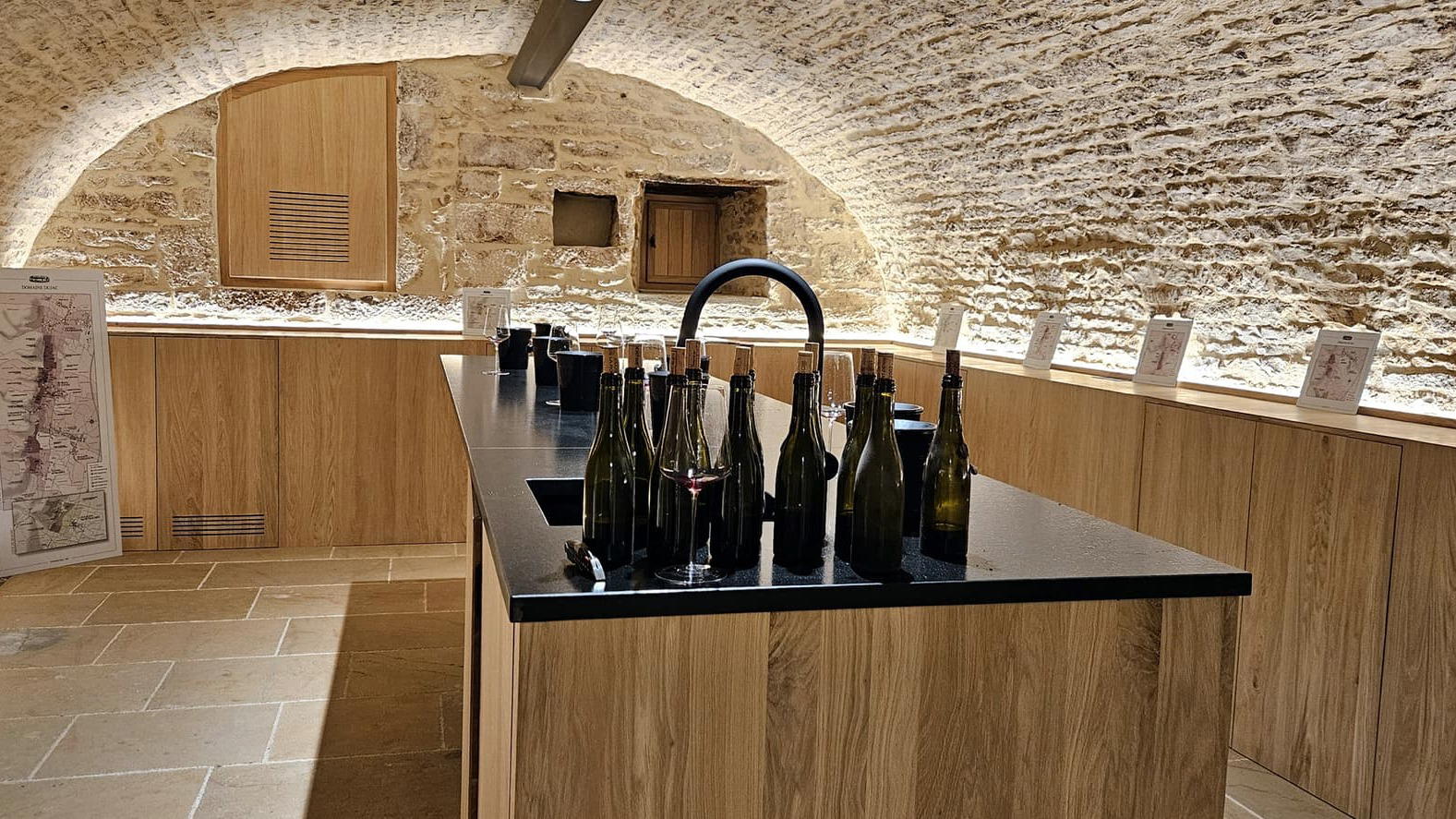
The village of Prenois sits a short drive northwest of Dijon, close enough to the city to feel connected to Burgundy's gastronomic gravity, yet sufficiently removed that arriving at Auberge de la Charme feels like a deliberate act rather than an incidental stop. Stone walls, a coffered ceiling, and an old bread oven set into the masonry announce a building with deep local roots. Contemporary artwork distributed across the interior complicates that reading in a useful way, signalling that the kitchen's frame of reference extends well beyond the surrounding hillsides. This is the particular tension that gives the auberge its character: a vernacular shell containing something considerably less predictable.
Both signals point in the same direction.
What the Kitchen Actually Does with Burgundy Produce
The editorial angle that matters here is sourcing. Nicolas Isnard and David Le Comte, working together since 2008, have built the kitchen's identity around Burgundy's agricultural depth, then subjected those ingredients to a creative process shaped by travel through Asia, the Middle East, and the Indian Ocean. That sequence is important: the local product comes first, the international technique arrives second. It is a different proposition from imported cosmopolitanism, where technique defines the plate and local produce functions as a footnote.
Burgundy has the raw material to support this approach. The region's markets supply vegetables in a range that urban restaurant culture often reduces to a handful of heritage varieties; the auberge's menu uses the full palette, which is why Michelin's description of the cooking specifically mentions the visual language of colour and unusual combinations. Seasonal discipline follows naturally from produce-led cooking: what appears on the menu is contingent on what is available, not on a fixed format that chefs must populate regardless of the calendar.
The "boarding pass" structure of the tasting menu formalises what might otherwise seem like creative restlessness. Diners move through a sequence conceived as discovery rather than comfort, with each course functioning as evidence of where Isnard and Le Comte have sourced and what they have chosen to do with it. That format aligns Auberge de la Charme with a broader French regional tradition in which the tasting menu is the primary vehicle for expressing terroir, a tradition visible also at Bras in Laguiole and, at higher price points, at Flocons de Sel in Megève.
Placing the Auberge in Its Competitive Set
At €€€, Auberge de la Charme prices below the upper tier of French creative cooking. Compare it to Alléno Paris au Pavillon Ledoyen or Mirazur in Menton, both at €€€€, and the value proposition becomes clear: single-star creative cooking in a rural auberge format, with produce credentials and an international creative framework, at a price point that makes the experience accessible without sacrificing ambition. The auberge is not competing with Dijon's city restaurants on convenience; it is competing on the quality of the ingredient story and the distinctiveness of the menu format.
Within that €€€ creative tier, the comparison group includes AM par Alexandre Mazzia in Marseille and, internationally, Enrico Bartolini in Milan and JAN in Munich, all of which operate at the intersection of strong local sourcing and creative international influence. What distinguishes Prenois is the auberge format itself: a rural inn with limited trading hours is a more idiosyncratic vessel for this kind of cooking than a contemporary city dining room, and that idiosyncrasy is part of what Michelin's "Notable" category designation recognises.
For the broader French auberge tradition, Auberge de l'Ill in Illhaeusern and Auberge du Vieux Puits in Fontjoncouse show what the format looks like across different generations and price points. The restaurant occupies the more accessible position while sustaining the format's core logic: destination worth the detour, produce that could not come from anywhere else, cooking that rewards attention.
The Dual-Chef Dynamic
Two-chef kitchens at the starred level are relatively uncommon in France, where the single auteur model remains dominant. At Troisgros in Ouches the model is familial; at Paul Bocuse's L'Auberge du Pont de Collonges it became institutional. The Isnard-Le Comte arrangement is different: two chefs described as having complementary talents, neither subordinate, both well-travelled. That structure has held since 2008, which is a meaningful signal of stability in a sector where turnover is high. Longevity at this level suggests that the creative partnership is functional rather than merely theoretical, and the consistency in guest ratings supports that reading. The kitchen's output appears to reflect genuine synthesis between two distinct perspectives rather than one chef accommodating another.
Getting There and Planning Your Visit
Prenois is approximately twenty kilometres from the centre of Dijon, accessible by car via the D971. The proximity to the Circuit de Dijon-Prangins (the local motorsport circuit mentioned in Michelin's description) means that race weekends bring a secondary audience to the area, but the auberge's regular clientele is a mix of passing gourmets and returning guests. Advance booking is advisable, particularly given the limited trading windows: the auberge closes Monday and Tuesday, opens for lunch and dinner on Wednesday through Saturday (Friday dinner service begins at 6 PM rather than 7 PM), and serves Sunday lunch only. Those hours make midweek and weekend timing the only realistic options, with Sunday lunch carrying a natural appeal for travellers combining Dijon with a day in the surrounding villages. Pairing the meal with a visit to Assiette Champenoise in Reims or Au Crocodile in Strasbourg makes sense for travellers routing through northeast France.
Comparable Spots, Quickly
Comparable venues nearby, for context on price, style, and recognition.
| Venue | Cuisine | Price | Awards | Notes |
|---|---|---|---|---|
| Auberge de la CharmeThis venue — the venue you are viewing | Creative Modern French Fine Dining | $$$$ | Michelin 1 Star | Not listed |
| Le Carmin | Modern French Gastronomic | $$$$ | Michelin 1 Star | Place Carnot |
| CIBO | Modern French Gastronomique | $$$$ | Michelin 1 Star | historic center |
| La Table d'Hôtes - La Rôtisserie du Chambertin | Modern French Fine Dining | $$$$ | Michelin 1 Star | Gevrey-Chambertin |
| L'Esquisse | Modern French Alpine | $$$$ | Michelin 1 Star | Old Town (Vieille Ville) |
| Ô Flaveurs | Modern French Fine Dining | $$$$ | Michelin 1 Star | Douvaine |
Recognition history
Dated appearances from independent guides and award organizations, with the underlying list record or original source where available.
Falstaff Restaurant - 93 Falstaff Points
Falstaff
Michelin 1 Star
Michelin
Gault & Millau Remarkable Restaurant
Gault & Millau
Michelin 1 Star
Michelin
We're Smart World 1 Radish
We're Smart World
Michelin 1 Star
Michelin
Continue exploring
More in Prenois
Restaurants in Prenois
Browse all →
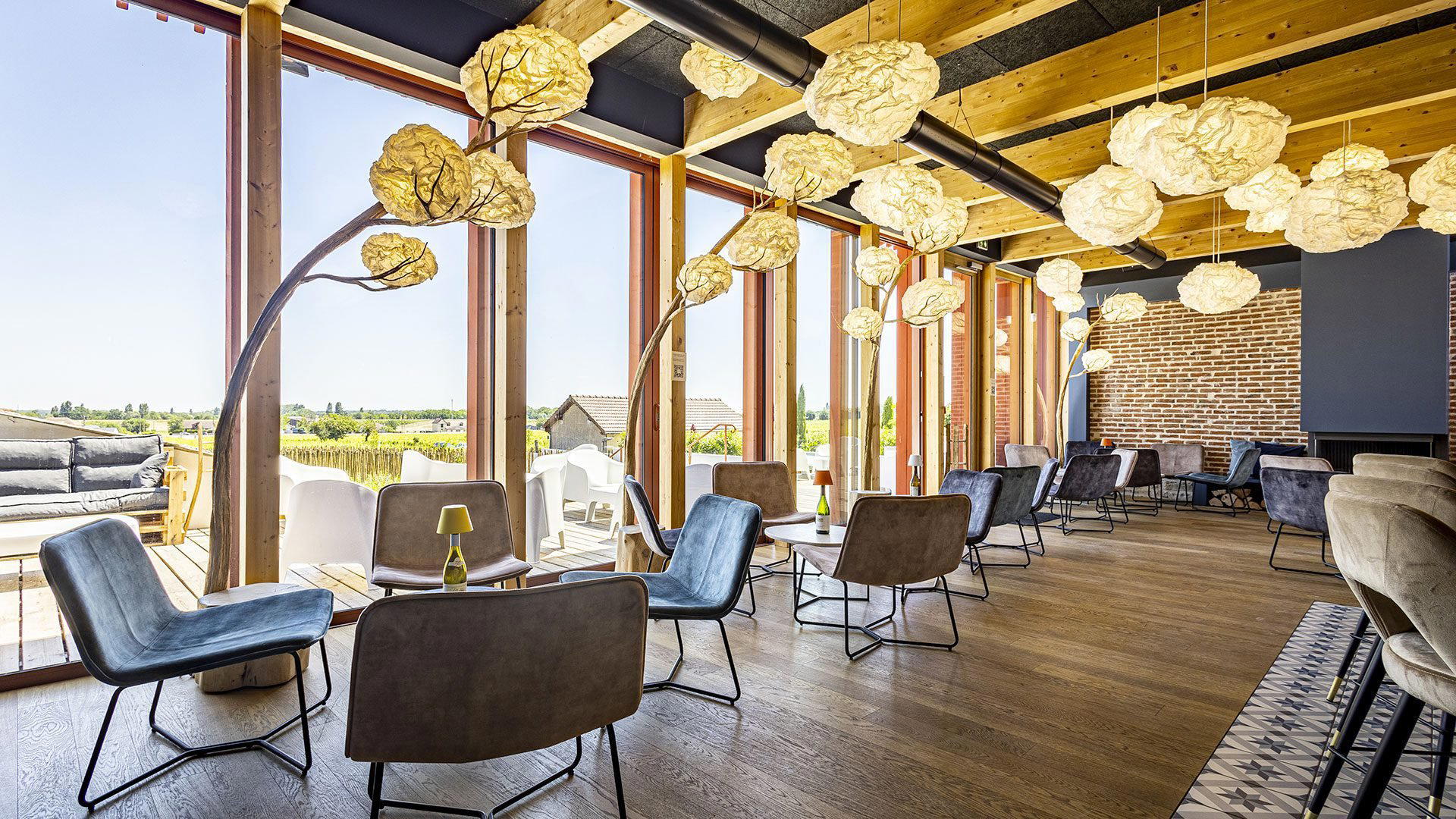
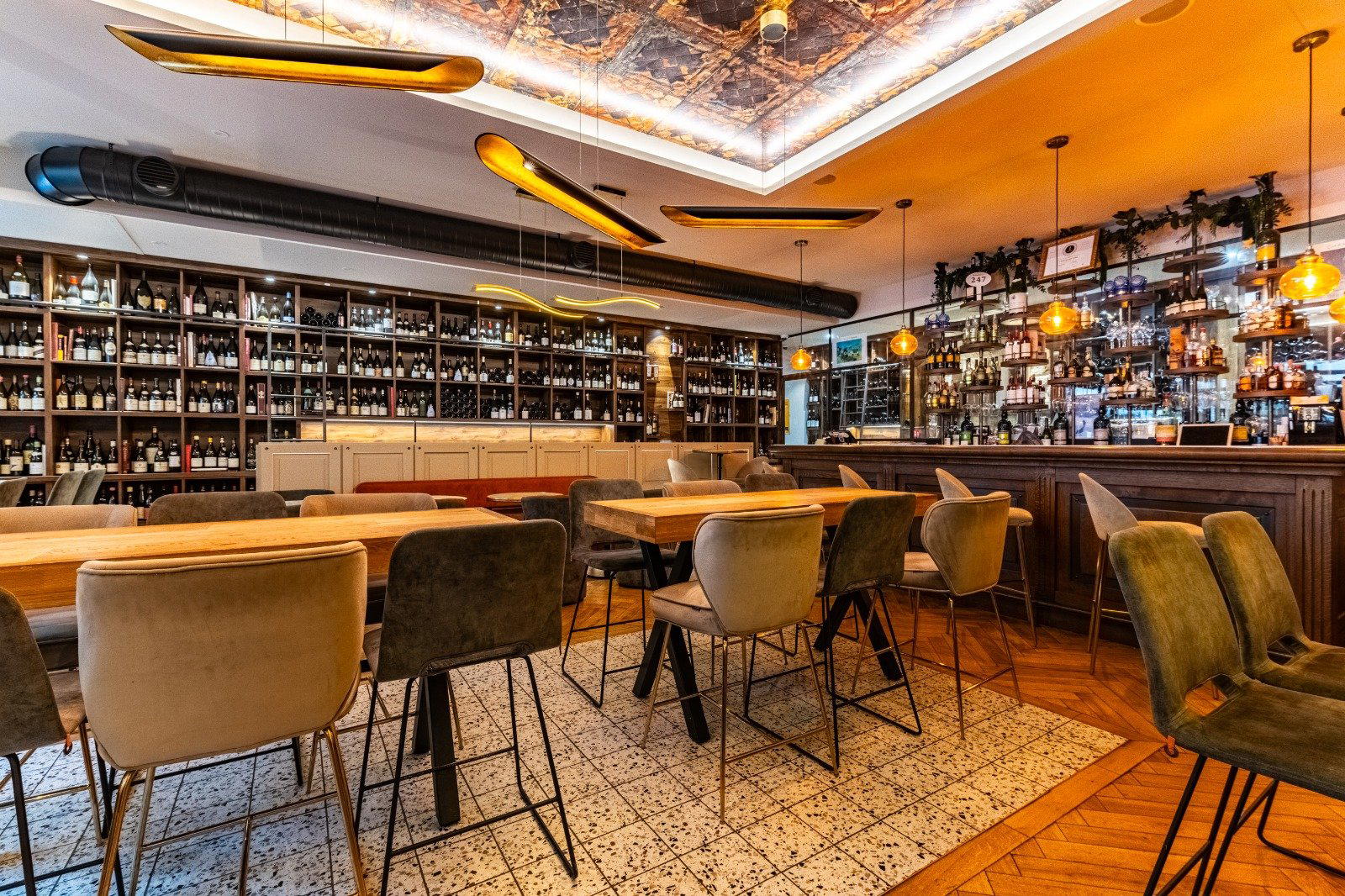
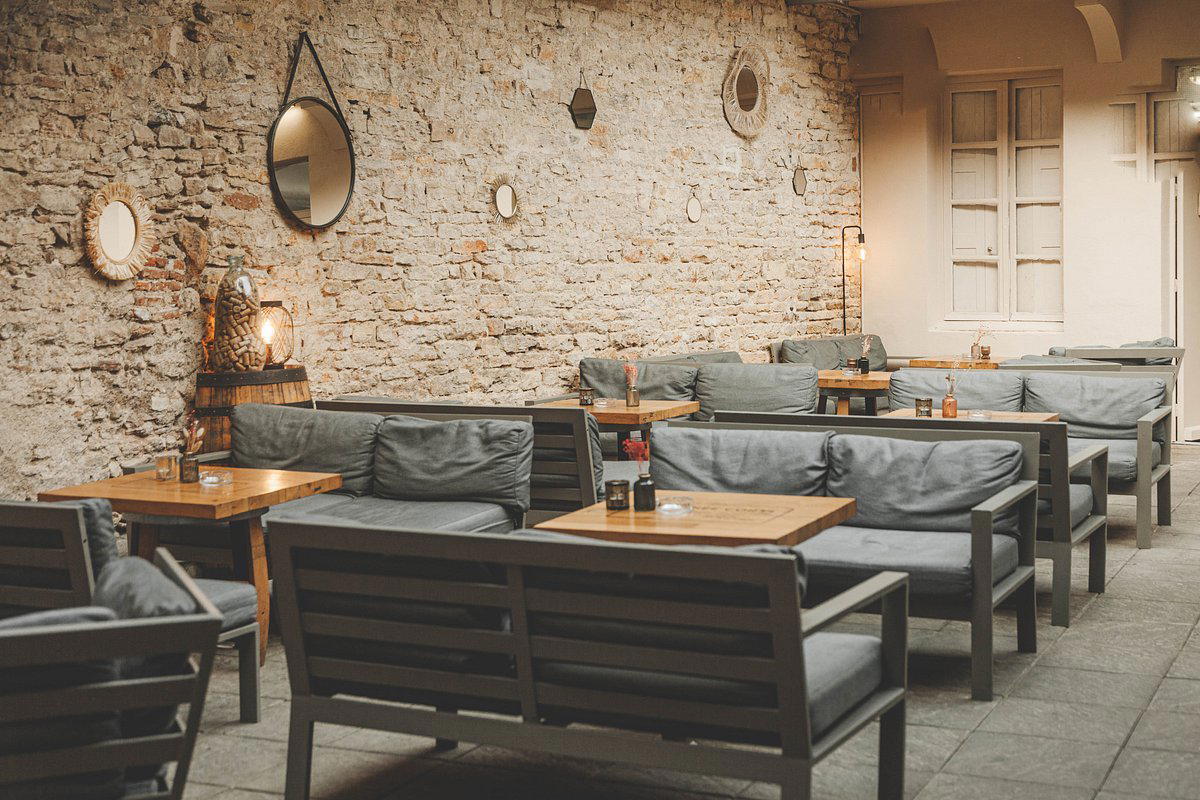
Bars in Prenois
Browse all →
Hotels in Prenois
Browse all →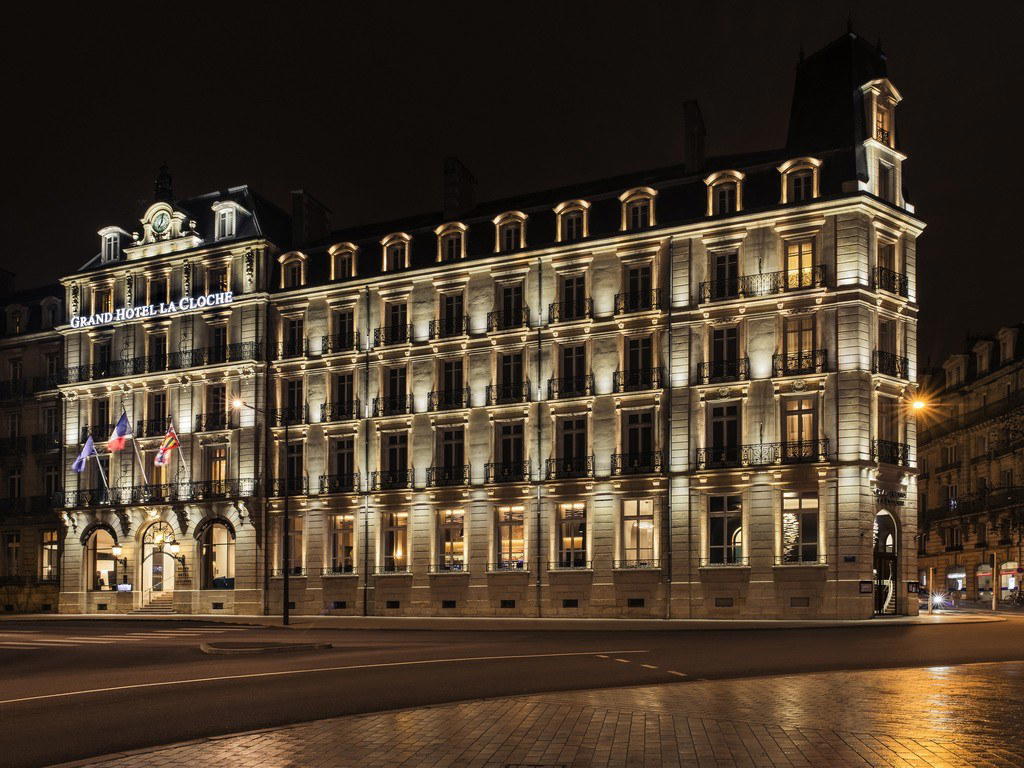
At a Glance
- Rustic
- Elegant
- Cozy
- Intimate
- Special Occasion
- Date Night
- Historic Building
- Extensive Wine List
- Local Sourcing
Current opening hours
- Monday
- Closed
- Tuesday
- Closed
- Wednesday
- Closed
- Thursday
- 12–1:30 PM, 7–9 PM
- Friday
- 12–1:30 PM, 6–9 PM
- Saturday
- 12–1:30 PM, 7–9 PM
- Sunday
- 12–1:30 PM
Hours can change for holidays and private events. Last verified .
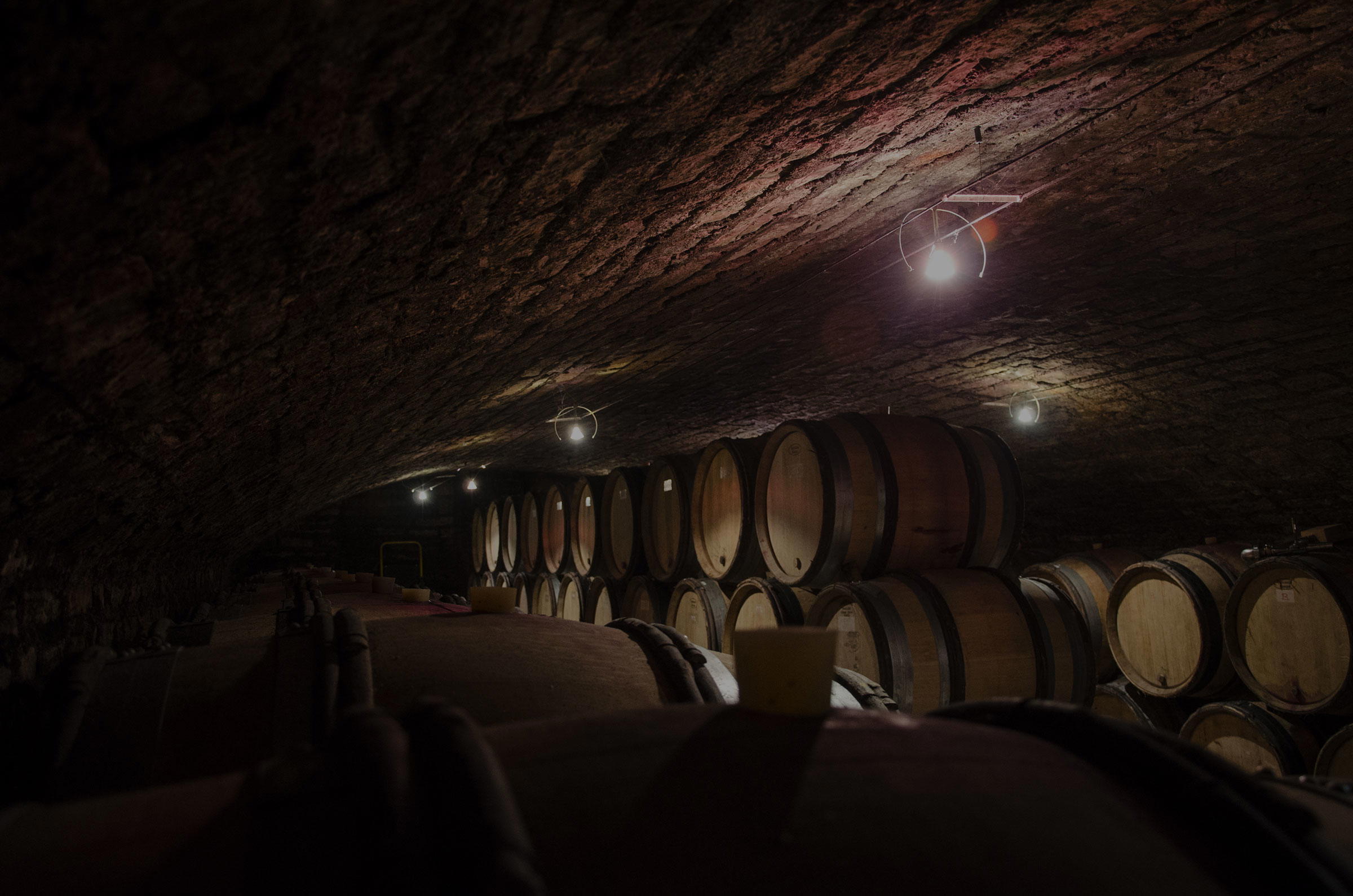
Warm and rustic ambiance with stone walls, French ceilings, and a cozy, welcoming atmosphere in a converted smithy.