Our verdict
Located in Chengdu's Qingyang District on Yixia Road, Zifei sits within one of the city's most historically layered neighbourhoods, where Sichuan culinary tradition runs deepest. The restaurant occupies a position in Chengdu's serious dining tier, where sourcing provenance and cooking technique carry more weight than spectacle. For travellers already familiar with the city's broader food scene, Zifei warrants attention.

Pearl is the En Primeur Club membership app, where members save venues, book tables and use the concierge.
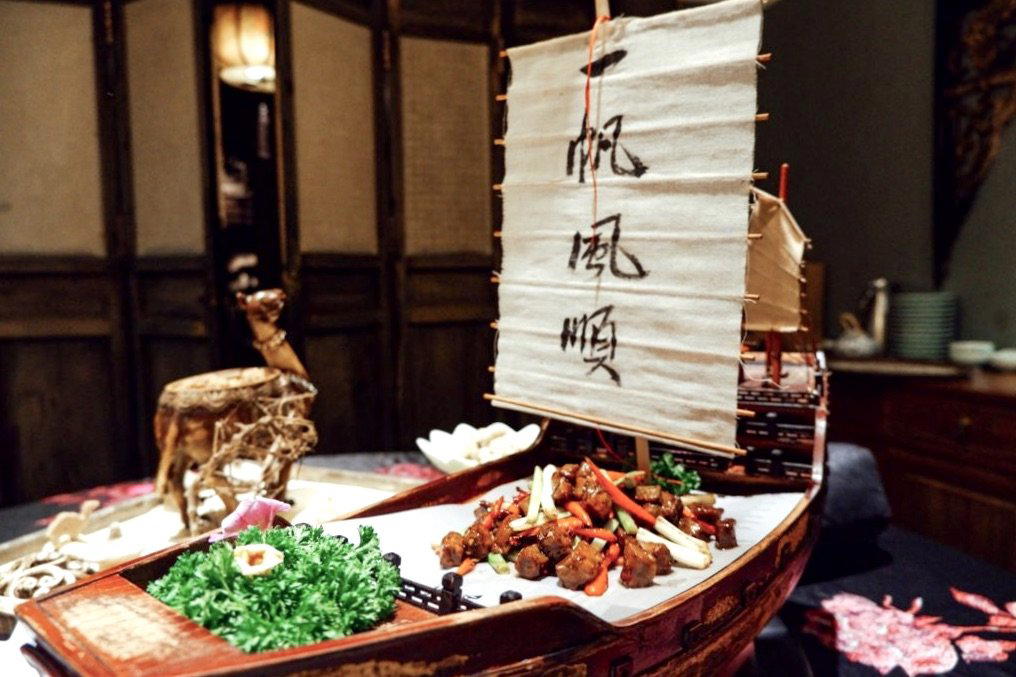
Qingyang's Dining Character and Where Zifei Sits Within It
Chengdu's Qingyang District does not announce itself the way Jinjiang or Tianfu do. The neighbourhood carries its culinary authority quietly, through teahouses that open at dawn, market stalls that close by mid-morning once ingredients sell out, and restaurants that have earned local loyalty through consistency rather than recognition campaigns. It is precisely this environment that produces serious Sichuan cooking: places where the supply chain is short, where relationships with producers are measured in years, and where the pressure to perform comes from regulars who know the difference. Zifei, addressed on Yixia Road, operates within this context.
Chengdu's premium restaurant tier has evolved considerably over the past decade. Where once the city's most discussed tables were defined by the volume of their spice and the ambition of their heat, the current upper bracket increasingly rewards restraint, provenance, and precision. Yu Zhi Lan sits at the apex of this tier with Michelin recognition and a tasting menu format that places it alongside destinations like Le Bernardin in New York City and Atomix in terms of structural ambition, if not cuisine. Zifei occupies a different position in the same general stratum: a Qingyang address on a quieter road, away from the circuits that international food press tends to walk.
The Sourcing Logic Behind Sichuan's Most Serious Kitchens
To understand what distinguishes one Sichuan kitchen from another at the top end of the market, ingredient sourcing is the first variable to examine. The Sichuan Basin's agricultural geography is unusually generous: Pixian bean paste aged in earthenware crocks under open skies, Hanyuan pepper from a single prefecture with a documented history of imperial tribute, Erjingtiao chillies grown in the Chengdu plain and dried in ways that produce a specific aromatic profile distinct from the hotter Chaotianjiao varieties. Kitchens that source carefully along these lines produce food with a different structural depth than those that work from consolidated supply chains.
This is not a secondary consideration in Sichuan cooking. The ba wei (eight flavours) and qi wei (seven tastes) framework that underpins classical Sichuan cuisine is entirely dependent on ingredient quality, because the technique in many preparations is precisely calibrated to release and balance those qualities. A mala preparation built on inferior doubanjiang or commodity-grade pepper does not fail through poor cooking alone; it fails at the sourcing stage. Restaurants that understand this distinction tend to build supplier relationships that look more like agricultural partnerships than wholesale accounts, and that orientation shows in what arrives at the table.
Chengdu's most discussed addresses along this axis include Fang Xiang Jing and Fu Rong Huang, both of which have built reputations in part through visible sourcing commitments. Xin Rong Ji, the Taizhou-rooted group with a Chengdu outpost, brings a different regional sourcing logic into the city's mix, comparable in cross-regional ambition to what its Beijing location on Xinyuan South Road does for northern diners. Zifei's Qingyang address places it closer to the supply networks that feed the city's traditional market infrastructure, which is not an incidental geographic detail.
Reading the Room: What the Setting Communicates
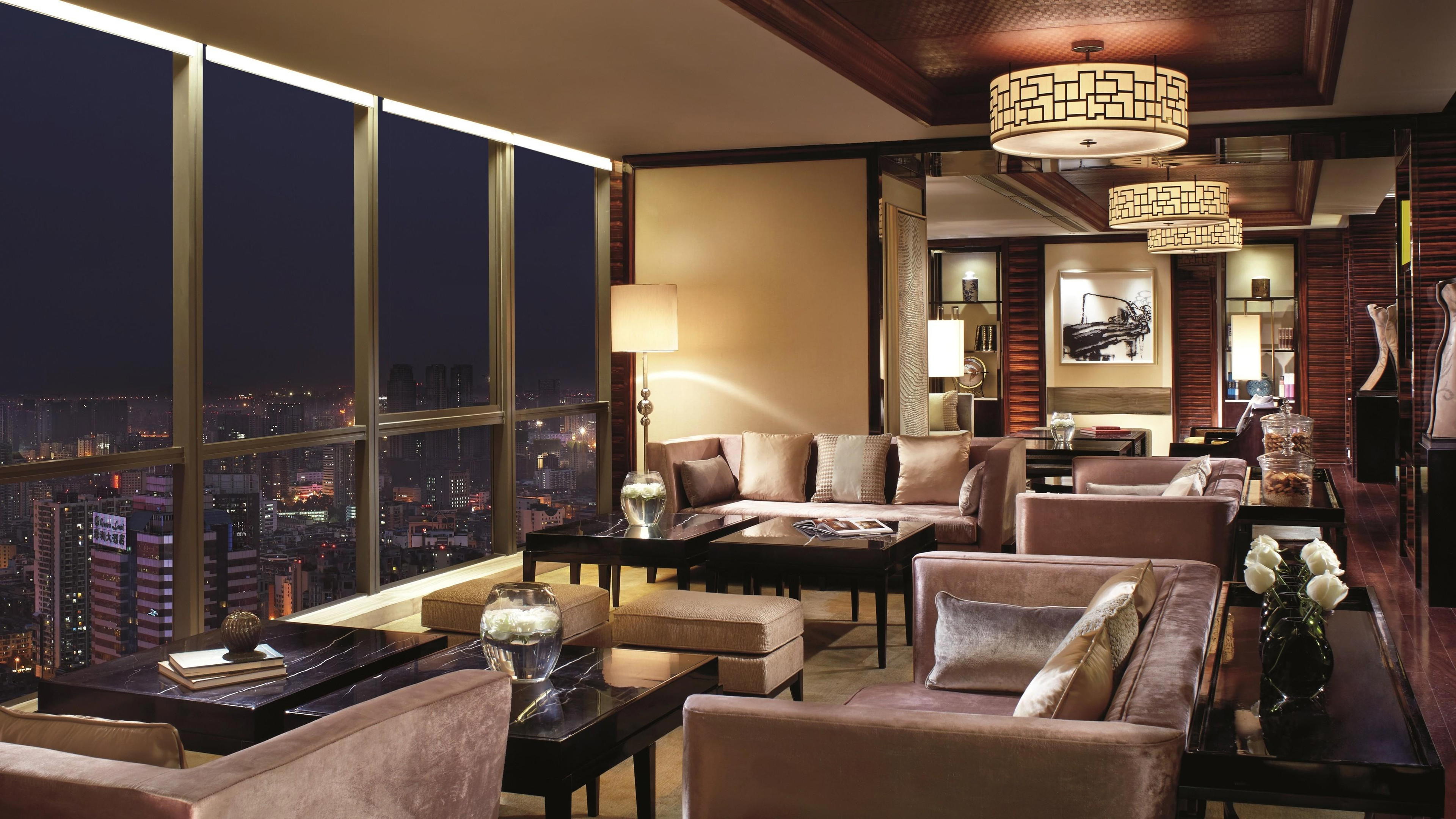
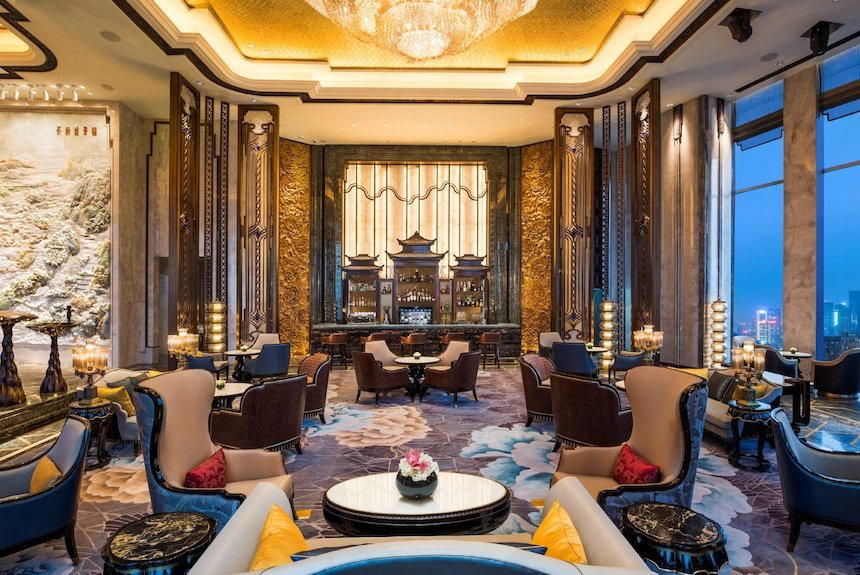
The physical approach to a restaurant in Chengdu's older residential and commercial districts communicates something before the food arrives. Yixia Road is not a destination street in the way that sections of Kuanzhai Alley or the Chunxi corridor are. A restaurant choosing that address is not relying on foot traffic or tourist adjacency for its custom. That positioning tends to correlate with a specific kind of operation: one that depends on word of mouth, on return visits, and on a clientele that has decided to make the trip intentionally. The dining room itself is part of how that restaurant communicates its seriousness or lack of it, and in Qingyang's quieter streets, the room tends to be restrained rather than theatrical.
This pattern repeats across Chinese fine dining beyond Chengdu. Ru Yuan in Hangzhou and 102 House in Shanghai both operate on the principle that the setting should recede enough to let the food lead, and that a quieter address can function as a signal of confidence rather than obscurity. The same logic applies in Macau, where Chef Tam's Seasons has built its reputation on cooking rather than spectacle. Zifei's address reads within that same logic.
Chengdu's Wider Dining Architecture
For visitors building a serious Chengdu itinerary, understanding how different restaurants map to different dining intentions is more useful than a ranked list. The city's spectrum runs from ¥ Sichuan canteens serving mapo tofu with fierce accuracy at street-level prices, through mid-range hotpot operations, to formal tasting-menu destinations. Hokkien Cuisine adds a regional counterpoint for those who want to understand how Fujian cooking translates to a Sichuan audience. Our full Chengdu restaurants guide maps this architecture across price tiers and neighbourhoods.
The comparable restaurants in other Chinese cities worth cross-referencing include Imperial Treasure Fine Chinese Cuisine in Guangzhou, Dai Yuet Heen in Nanjing, Dingshan·Jiangyan in Suzhou, Fleurs Et Festin in Xiamen, Jiangnan Wok·Rong in Fuzhou, and Shang Palace in Yangzhou, all of which represent the tier of formal Chinese dining where sourcing and technique are the primary differentiators from mass-market alternatives.
Planning a Visit
Zifei's Qingyang District address on Yixia Road is accessible from central Chengdu by taxi or ride-hail in under twenty minutes from most hotel districts, and the area itself rewards arriving slightly early to walk the immediate neighbourhood before a meal.
Frequently asked questions
Is Zifei a family-friendly restaurant?
Chengdu dining culture accommodates families as a default, and Qingyang District restaurants in particular tend toward a local, multigenerational clientele rather than a purely couples-or-business crowd. That said, EP Club does not hold confirmed seating format or capacity data for Zifei on Yixia Road, so it is worth contacting the venue directly to confirm space and format before arriving with children.
What should I expect atmosphere-wise at Zifei?
Zifei's address on Yixia Road in Qingyang District places it in one of Chengdu's quieter dining corridors, away from the high-traffic zones that attract international visitors. The clientele in this part of the city skews local, and the register tends toward purposeful rather than performative. Expect a room that takes the food seriously without staging it.
Is Zifei a good option for exploring Sichuan cuisine outside Chengdu's more tourist-facing districts?
Zifei's position on Yixia Road in Qingyang District puts it in a part of Chengdu where the dining audience is predominantly local, which tends to calibrate kitchens toward cooking rather than spectacle. For visitors who have covered Jinjiang or Tianfu and want a read on how Chengdu actually eats, this district offers a different register. Arriving with some Mandarin or a translation tool is practical given the neighbourhood's limited exposure to international foot traffic.
What should I order at Zifei?
EP Club does not hold confirmed menu data for Zifei at this time. In serious Sichuan restaurants in the Qingyang District, the most instructive dishes are typically classical preparations: cold-dressed proteins, wok-fired dry-braised dishes, and regional specialities that depend on ingredient provenance rather than heat alone. Ask staff for what is currently sourced and in season.
Where do I go for Zifei?
Zifei is located at MXP6+H76, Yixia Rd, Qingyang District, Chengdu, Sichuan, China, 610073, Chengdu.
How hard is it to get a table at Zifei?
Restaurants of this type in Qingyang District often fill quickly with local regulars, particularly at weekend lunch. A call ahead or early arrival is the practical approach until booking infrastructure is confirmed.
What's Zifei best at?
Based on its Qingyang District location and the culinary character of serious Sichuan restaurants in that part of Chengdu, Zifei's probable strength lies in the wok-technique and cold-dressed dish categories where kitchen skill and ingredient sourcing are most legible. These are the preparations that separate kitchens in this neighbourhood from the broader Chengdu dining scene.
A Quick Peer Check
Comparable venues nearby, for context on price, style, and recognition.
| Venue | Cuisine | Price | Awards | Notes |
|---|---|---|---|---|
| ZifeiThis venue (the venue you are viewing) | Modern Sichuan Fine Dining | $300–500 | Not listed | Not listed |
| Chaimen Residence | Modern Sichuan Fine Dining | $100–150 | Not listed | Chengdushi |
| Linjiangyan•Yun | Contemporary Chaoshan Cantonese | Not listed | Black Pearl 1 Diamond | Chengdushi |
| YouYun•LuHuiTianFu | Sichuan Cuisine | Not listed | Black Pearl 2 Diamond | Tianfu 1911 |
| Shu Mansion | Modern Sichuanese | Not listed | Michelin Plate | Chengdushi |
| Nantang Wang | Authentic Sichuan | $20–30 | 1 Michelin Star | Chengdushi |
Continue exploring
More in Chengdu
Restaurants in Chengdu
All restaurants in Chengdu →
Bars in Chengdu
All bars in Chengdu →
Details
- Elegant
- Sophisticated
- Intimate
- Special Occasion
- Celebration
- Private Dining
- Organic
- Local Sourcing
- Tasting Menu
Posh private dining rooms in traditional courtyard house with artistic presentations and attentive personal service.