
La Liste Top Restaurants
Our verdict
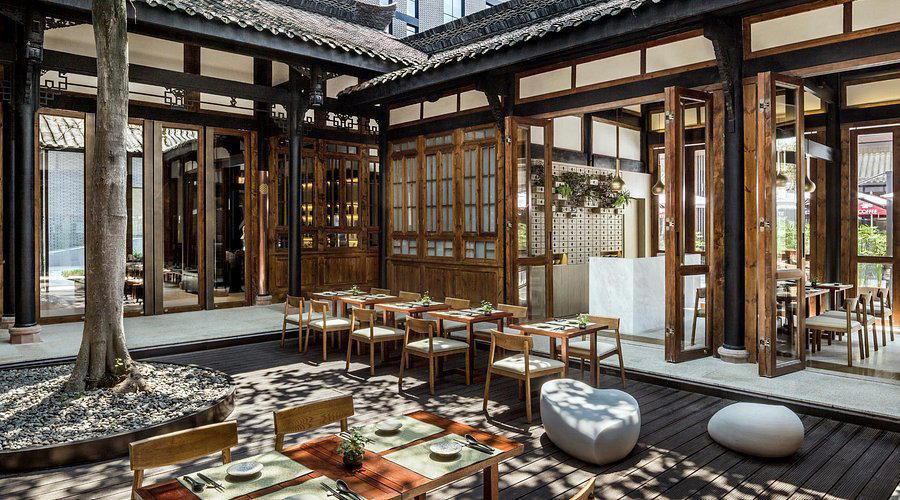
子非 Zi Fei occupies a heritage courtyard on Kuanxiangzi Lane, one of Chengdu's most storied alleyways, and has earned consecutive La Liste recognition, 76 points in 2025, rising to 77 in 2026. The kitchen works within the Sichuan canon but at a register that rewards attention: this is a room where the drink program and the cooking share equal billing.

Pearl is the En Primeur Club membership app, where members save venues, book tables and use the concierge.
Kuanxiangzi Lane and the Question of Sichuan Fine Dining
Chengdu has always had a complicated relationship with refinement. The city's culinary identity is built on democratic heat, mapo tofu sold from storefronts, skewers pulled from communal pots, flavour built through volume and repetition. Against that backdrop, a small cohort of restaurants has spent the past decade asking whether Sichuan cuisine can carry the weight of the tasting-menu format, the cellar, and the appointment-dining model without losing the instinctive boldness that makes the cuisine what it is. 子非 Zi Fei, at 27 Kuanxiangzi in the Qingyang District, sits inside that question.
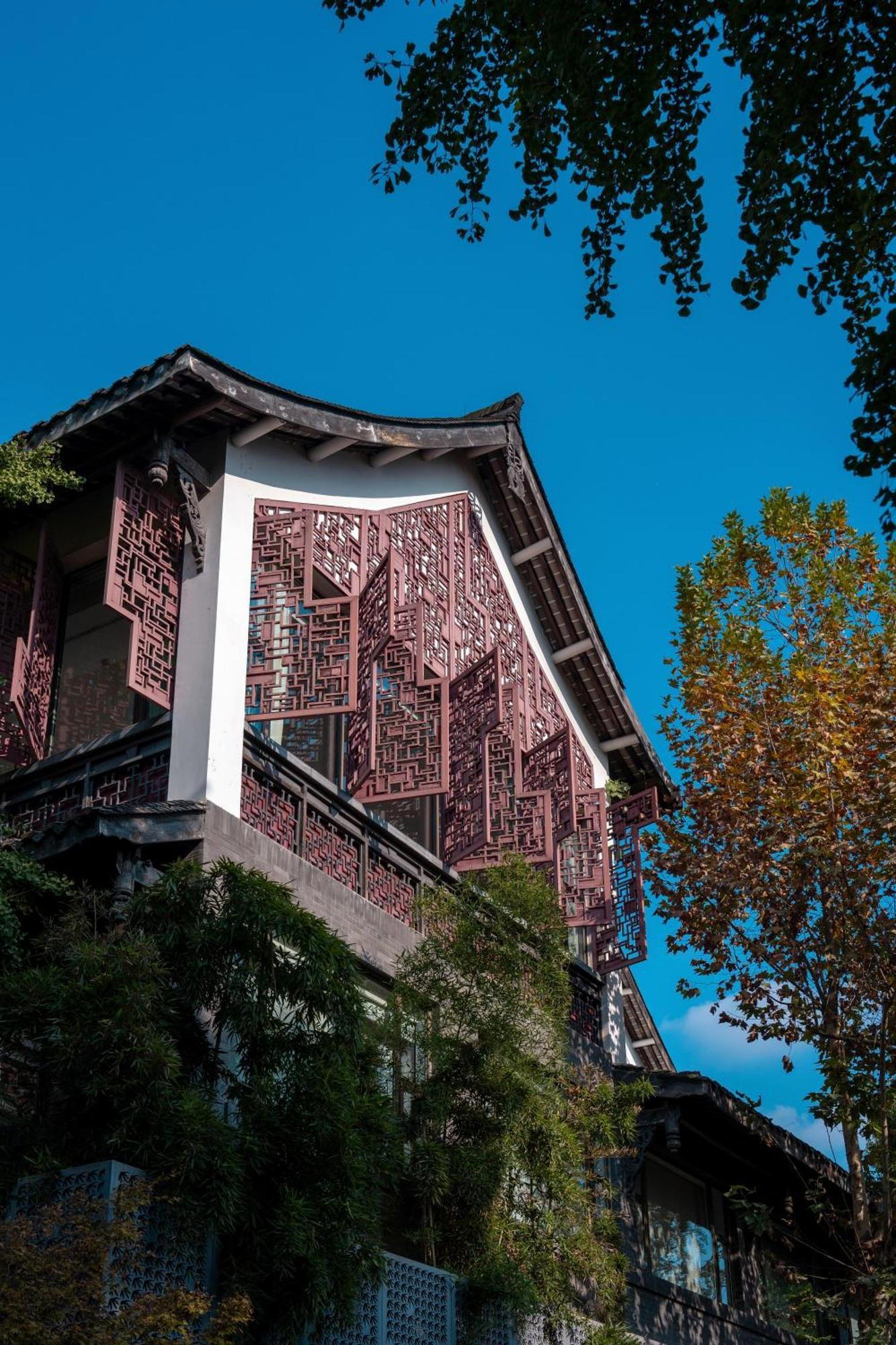
Kuanxiangzi Lane, part of the broader Kuan Zhai Alley complex, is heritage architecture pressed into commercial life: Qing-dynasty courtyard buildings that now hold restaurants, teahouses, and boutiques for the city's growing appetite for cultural tourism. The setting carries meaning. Dining here is already a statement about preservation and presentation, which makes it the right address for a kitchen operating at the formal end of the Sichuan spectrum.
The La Liste Signal and Where Zi Fei Sits Among Chengdu's Serious Tables
La Liste, the Paris-based ranking that aggregates critic scores and international review data into a single points system, placed 子非 Zi Fei at 76 points in 2025 and lifted it a point to 77 in 2026. That incremental climb matters more than the absolute figure: consistent upward movement in La Liste typically reflects sustained kitchen quality rather than a single strong year. In the Chengdu context, it positions Zi Fei within a small group of addresses where international recognition has followed local reputation rather than preceded it.
The comparison set is instructive. Yu Zhi Lan operates at the Michelin-starred end of Chengdu fine dining with a Sichuan framework. Xin Rong Ji brings a Taizhou lineage to the city's premium restaurant tier. Fang Xiang Jing and Fu Rong Huang represent additional points of reference in regional Sichuan cooking at formal register. Zi Fei's La Liste score puts it in legitimate conversation with this tier, a peer group defined less by price ceiling than by the ambition to treat regional Chinese cuisine as a subject worthy of the same analytical attention applied to French or Japanese kitchens. Broader Chinese fine dining comparisons extend to Xin Rong Ji on Xinyuan South Road in Beijing, 102 House in Shanghai, and Ru Yuan in Hangzhou, all operating at the intersection of regional authenticity and international presentation standards.
The Drink Program as Editorial Statement
In Chengdu's most ambitious restaurants, the beverage program has become a signal of seriousness in its own right. The city's older fine-dining model leaned on Maotai and baijiu as default anchors, with wine treated as an afterthought for foreign guests. That model has been quietly dismantled by a generation of sommeliers and beverage directors who see the pairing of Sichuan flavour, its layered heat, its numbing mala compounds, its interplay of fermented and fresh, as one of the more interesting matching problems in contemporary dining.
Zi Fei's positioning on Kuanxiangzi, and the editorial angle of its recognition, suggests a program built around that pairing challenge rather than around trophy bottles. Sichuan cuisine's characteristic ma (numbing) and la (spicy) profiles interact differently with wine than most European cuisines do: high tannins tend to amplify heat, which means the cellar philosophy at a serious Sichuan table has to make choices that a Bordeaux-forward list cannot adequately serve. Restaurants in this tier increasingly work with off-dry Alsatian whites, low-intervention natural wines with residual complexity, and aged Chinese spirits approached with the same provenance logic applied to European bottles.
For international reference points on how serious drink programs shape the dining experience at formally ambitious restaurants, Le Bernardin in New York and Atomix in New York demonstrate how beverage curation at the fine dining level becomes an extension of kitchen philosophy rather than a separate operation. Closer geographically, Chef Tam's Seasons in Macau, Imperial Treasure Fine Chinese Cuisine in Guangzhou, and Dai Yuet Heen in Nanjing each demonstrate, in different regional registers, how the tension between Chinese culinary tradition and Western beverage infrastructure is being resolved at the serious end of the market.
Sichuan Cuisine at This Register: What the Kitchen Is Actually Doing
The broader Sichuan fine dining movement is not about softening the cuisine for international palates, that path was tried and largely abandoned by the mid-2010s. What the current cohort of serious Chengdu kitchens does instead is apply technique and sourcing rigour to a canon that was already highly developed. The twenty-four official flavour profiles of Sichuan cooking, of which mala is only the most internationally recognised, give a kitchen at this level significant territory to work within. Ingredients like Hanyuan pepper (the original Sichuan peppercorn appellation), aged Pixian doubanjiang, and locally sourced fungi become the equivalent of terroir markers in this context: the difference between a kitchen that understands the canon and one that is merely performing it. Hokkien Cuisine offers an interesting parallel, bringing Fujian's equally ingredient-focused tradition to the Chengdu market alongside these Sichuan-rooted addresses.
Planning a Visit
子非 Zi Fei is at 27 Kuanxiangzi, in the Qingyang District's Kuan Zhai Alley precinct, the address is walkable from the Kuan Zhai Alley area and well signposted within the heritage zone. The lane itself draws significant foot traffic, particularly on weekends and public holidays, so arriving with a confirmed reservation rather than on a walk-in basis is the practical approach at this level of the market.
For broader Chengdu planning, EP Club maintains guides across categories: our full Chengdu restaurants guide, hotels, bars, wineries, and experiences cover the city's full range.
Frequently asked questions
What's the must-try dish at 子非 Zi Fei?
What the broader Sichuan fine dining category, and Zi Fei's La Liste standing and peer kitchen comparisons, suggests is a kitchen working within the classical Sichuan flavour canon at a technical level that rewards ordering across multiple courses rather than optimising for a single dish. Ask the room for guidance on the night: at restaurants in this tier, the service team's recommendations tend to reflect what the kitchen is doing well in the current season rather than a fixed menu highlight.
Price and Positioning
A quick snapshot of similar venues for side-by-side context.
| Venue | Cuisine | Price | Awards | Notes |
|---|---|---|---|---|
| 子非 Zi FeiThis venue (the venue you are viewing) | Modern Chinese Fine Dining | $300–500 | La Liste Top Restaurants | Not listed |
| Xin Rong Ji | Taizhou | Not listed | Michelin 2 Star | Not listed |
| Yu Zhi Lan | Modern Sichuan Fine Dining | $200–300 | 2 Michelin Stars · La Liste Top Restaurants | Sichuan |
| Mi Xun Teahouse | Modern Vegetarian Sichuan Chinese | $30–50 | 1 Michelin Star | Vegetarian |
| Chen Mapo Tofu (Qinghua Road) | Authentic Sichuan Mapo Tofu | $10–20 | Michelin Bib Gourmand | Sichuan |
| Co- | Modern French Tasting Menu | $150–200 | 1 Michelin Star · World's 50 Best #69 | Innovative |
Recognition history
Dated appearances from independent guides and award organizations, with the underlying list record or original source where available.
La Liste Top Restaurants
La Liste
Full recognition history (2 entries)
La Liste Top Restaurants
La Liste
Continue exploring
More in Chengdu
Restaurants in Chengdu
All restaurants in Chengdu →
Bars in Chengdu
All bars in Chengdu →
Details
- Elegant
- Intimate
- Sophisticated
- Special Occasion
- Celebration
- Private Dining
- Courtyard
- Sake Program
- Organic
- Local Sourcing
- Tasting Menu
- Vegetarian Friendly
Current opening hours
- Monday
- 10 AM–10 PM
- Tuesday
- 10 AM–10 PM
- Wednesday
- 10 AM–10 PM
- Thursday
- 10 AM–10 PM
- Friday
- 10 AM–10 PM
- Saturday
- 10 AM–10 PM
- Sunday
- 10 AM–10 PM
Hours can change for holidays and private events. Hours as of .
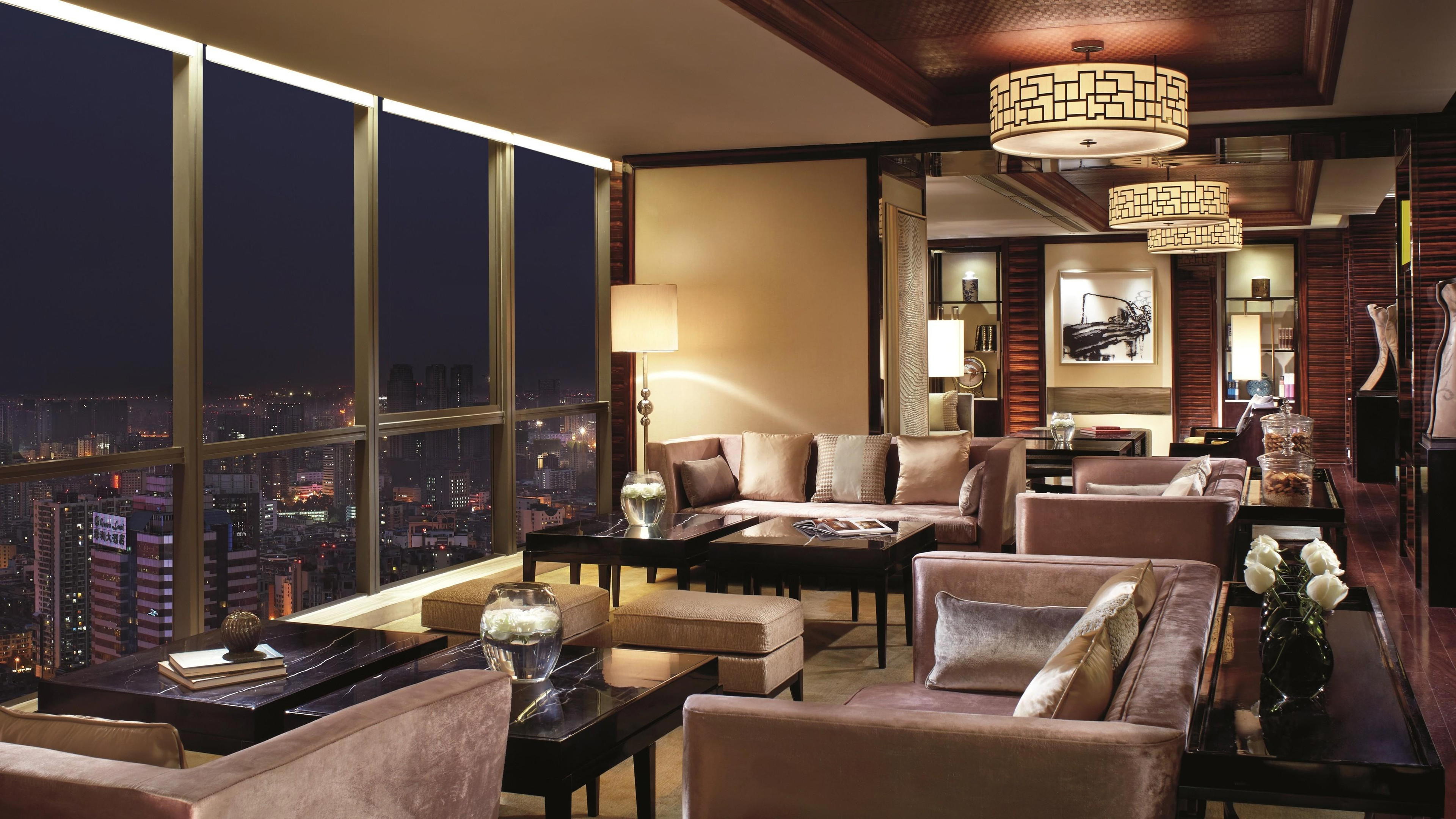
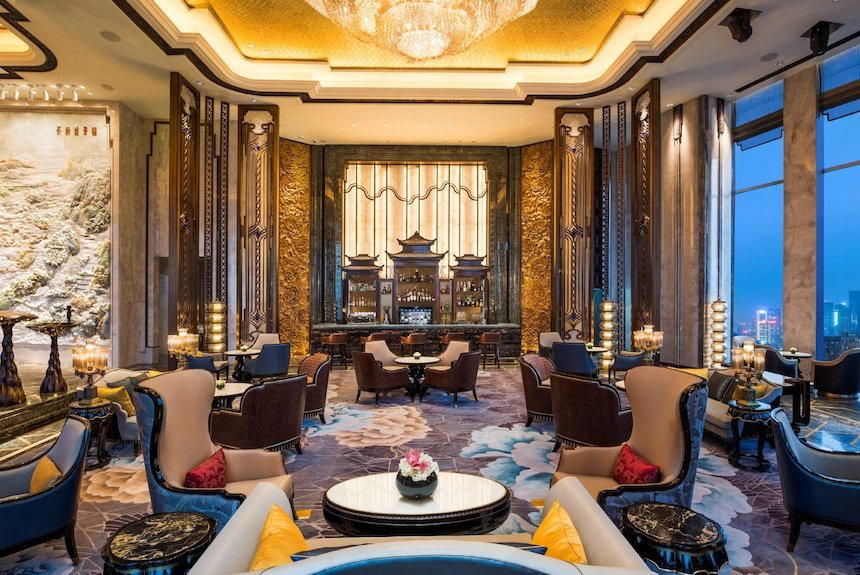
Light shimmers off patinated metals and soft stone; linens drape with weight and purpose; gentle echo of tea and toasted spice in an antique courtyard setting.