
Tabelog 100 #9
Our verdict
Zaichi occupies a side street in Tsukishima, one of Tokyo's most coherent shitamachi neighbourhoods, where the older rhythms of the city remain legible in the street grid and the cooking. The address places it squarely in a district defined by monjayaki tradition and working-class continuity, a context that shapes how any serious kitchen here positions itself against the capital's more central fine-dining circuits.

Pearl is the En Primeur Club membership app, where members save venues, book tables and use the concierge.
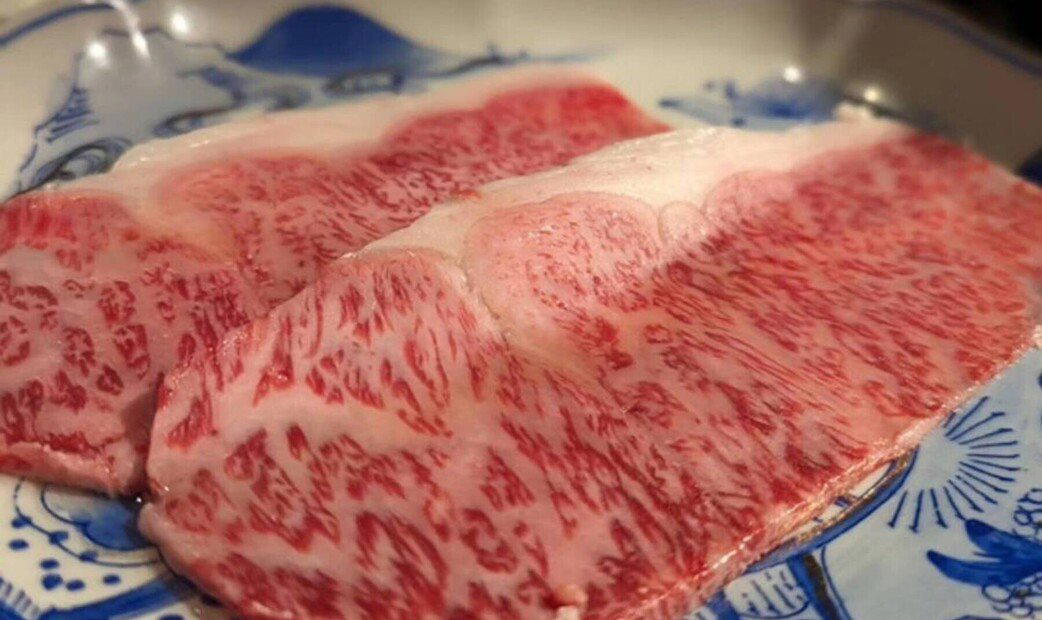
The menu
What to order
- Mixed Grilling with Hida Beef
- Wagyu Shabu-Shabu
- Beef Strip Loin with Egg Dip
- Wagyu Udon
Tsukishima and the Case for Peripheral Precision
Tokyo's finest dining rarely concentrates in its most storied postcodes by accident. Ginza, Azabu, Minami-Aoyama: these addresses carry weight because the rents enforce a certain seriousness, and the clientele arrives with calibrated expectations. Tsukishima operates differently. The island district in Chuo City, reclaimed land sitting between the Sumida River and the old canals, developed through the Meiji and Taisho eras as a dense residential quarter, its streets narrow enough that the postwar urban logic of broad arterials never quite took hold. The neighbourhood's food identity crystallised around monjayaki, the softer, wetter Tokyo cousin of okonomiyaki that distinguishes the district from anywhere else in the city. That street-food bedrock makes Tsukishima an unusual setting for a kitchen that takes its cooking seriously, and that tension between shitamachi informality and culinary ambition is exactly the register where Zaichi, at 2 Chome-14-8 Tsukishima, has chosen to operate.
The address matters in practical terms as well as atmospheric ones. Tsukishima Station on the Yurakucho and Oedo lines puts the neighbourhood within eight minutes of Ginza and under twenty from Shinjuku, close enough to the centre that the journey is a deliberate detour rather than a commitment to distance. Visitors who know Tokyo well tend to read Tsukishima as a neighbourhood that rewards the short subway ride: the density of the old town is intact, the canal-facing streets have not been substantially redeveloped, and the scale remains human in a way that central Tokyo surrendered decades ago. A restaurant choosing this location is making a statement about the kind of experience it wants to deliver, one where the context is part of the proposition.
The Neighbourhood as Frame
Understanding what Tsukishima does to a dining experience requires sitting with the broader geography of Tokyo's food culture for a moment. The capital's premium dining tier, represented by counters like Harutaka in Ginza or the kaiseki ambition of RyuGin, tends to exist in neighbourhood contexts that reinforce distance from everyday life. The effect is intentional: you cross a threshold, physical and financial, and the meal unfolds in a space designed to remove ordinary reference points. French kitchens like L'Effervescence and Sézanne operate on similar logic in Minami-Aoyama and the Mandarin Oriental respectively, where the address itself signals a particular bracket of intention and spend.
Tsukishima reverses that grammar. The monjayaki houses on Tsukishima's main shopping street, some open since the 1950s, are still doing table turns on weekend afternoons when canal light hits the shopfronts at a low angle. A kitchen that sets up in this district is not asking its guests to leave Tokyo's ordinary textures behind. It is asking them to find something precise within those textures, which is a harder brief and, when it works, a more satisfying one. Innovative French-inflected kitchens like Crony have shown that Tokyo diners increasingly follow cooking rather than postcode, a shift that has opened space for addresses like Tsukishima to hold serious culinary operations without the premium location surcharge.
Reading the Room: What the Address Tells You
Japan's broader dining geography offers useful comparisons. Outside Tokyo, serious kitchens have long established that proximity to a major urban centre is not a prerequisite for recognition or reservation pressure. HAJIME in Osaka and Gion Sasaki in Kyoto operate in neighbourhood contexts that carry their own distinct character, distinct from the central business districts that might be assumed to anchor premium dining. Akordu in Nara makes the case even more sharply: a European-influenced kitchen operating in a city whose tourism draw is temples and deer, not dining circuits. What these examples share is a willingness to let the neighbourhood's existing character do some of the work, rather than competing with a neutral luxury-district address.
Tsukishima sits in that tradition. The district's shitamachi identity, its unbroken residential character, and the specific food history of the monjayaki corridor all become context for any kitchen that sets up there. For the diner arriving from outside Tokyo, or navigating the city's dining options for the first time, the Tsukishima address is a legible signal: this kitchen is not chasing the Ginza or Roppongi premium coordinates, and that choice reflects something about how it positions its cooking. Venues like Goh in Fukuoka have demonstrated that Japanese regional kitchens can hold their own against capital-city peers precisely because they commit to a specific local register rather than mimicking the format of their more centralised counterparts.
Where Zaichi Sits in the Tokyo Picture
Tokyo's restaurant field at serious price points is large enough that geographic differentiation has become one of the more legible ways to read a kitchen's ambitions. The concentration of Michelin-starred restaurants in Tokyo remains among the highest of any city globally, which means the starred tier itself is less differentiating than it once was. Diners looking for signal have increasingly turned to neighbourhood character, format, and the specific lineage of a kitchen's approach. From that angle, Tsukishima's working residential character and Zaichi's placement within it constitute a clear editorial position: the cooking here is not performing against a luxury-district backdrop.
For international visitors building a Tokyo itinerary that moves beyond the established central circuits, Tsukishima offers a coherent alternative frame. The neighbourhood is short on English-language infrastructure, which means arriving with some preparation is useful. The Yurakucho line connection to Ginza is the most practical approach for visitors staying in central districts, and the walk from the station through the residential streets to the address on 2 Chome-14-8 is itself a useful orientation to the neighbourhood's scale and character. Those assembling a wider Japan itinerary will find useful reference points across the country, from Nanao to Sapporo to Takashima and Nishikawa Machi, all of which demonstrate the same principle: serious cooking increasingly happens at a remove from the most obvious addresses.
For a fuller view of where Zaichi sits within the capital's dining options, our full Tokyo restaurants guide maps the field by neighbourhood, price tier, and format. Additional context from comparable kitchens outside Japan, including Le Bernardin in New York City and Atomix, as well as regional Japanese reference points like Birdland in Sakai and Bistro Ange in Toyohashi, helps situate what neighbourhood-committed kitchens do differently from their centrally positioned peers.
Planning Your Visit
Tsukishima Station (Yurakucho and Oedo lines) is the logical arrival point. The walk to 2 Chome-14-8 passes through the residential side streets that give the neighbourhood its character, away from the monjayaki corridor that draws weekend crowds to the main shopping street. Visitors should note that Tsukishima's English-language signage is limited compared to central Tokyo, so confirming the address in Japanese characters before arriving is practical preparation.
Frequently asked questions
What do people recommend at Zaichi?
What the address and neighbourhood context suggest is a kitchen positioned within Tsukishima's specific character, distinct from the luxury-district format of central Tokyo counters like Harutaka or the kaiseki tradition represented by RyuGin. The most reliable current information on the menu will come from the venue directly or from recent visitor accounts.
How hard is it to get a table at Zaichi?
In Tokyo's broader dining field, kitchens operating outside the central premium districts and without wide English-language booking infrastructure tend to have lower international profile, which can mean shorter lead times for non-Japanese speakers, though this varies significantly. If price tier and awards data become available, those signals will clarify where Zaichi sits relative to the booking competition of Ginza or Roppongi-area venues.
What's the defining dish or idea at Zaichi?
That choice, visible in comparable kitchens across Japan from Gion Sasaki in Kyoto to Akordu in Nara, tends to signal cooking that is grounded in local reference rather than performing against an international fine-dining template.
Is Zaichi suitable for visitors who don't speak Japanese?
Tsukishima as a neighbourhood has limited English-language infrastructure compared to Ginza or Shinjuku, and the same is likely true for most kitchens operating in the district. International visitors should confirm current language support, menu format, and booking procedure directly with the venue before arriving. The Yurakucho line connection from Ginza station makes the journey practical even for first-time visitors to Tokyo, but preparation on the communication front is advisable given the neighbourhood's primarily local orientation.
Reputation Context
Comparable venues nearby, for context on price, style, and recognition.
| Venue | Cuisine | Price | Awards | Notes |
|---|---|---|---|---|
| ZaichiThis venue (the venue you are viewing) | Premium Hida Beef Yakiniku & Horumon | $50–100 | Tabelog 100 #9 | Not listed |
| 源氏香 | Japanese Omakase | Not listed | Not listed | Chūō |
| CENTRE THE BAKERY | Japanese Bakery Cafe | $10–20 | Tabelog 100 #65 | Chūō |
| Ochanomizu Ogawa Ken | Japanese Western / Yoshoku Cafe | $10–20 | Tabelog 100 #64 | Bunkyō |
| WAGYU BURGER HIROKIYA | Japanese Wagyu Burgers | $20–30 | Tabelog 100 #83 | Minato |
| 暗闇坂 宮下 | Kyoto Izakaya | Not listed | Not listed | Minato |
Recognition history
Dated appearances from independent guides and award organizations, with the underlying list record or original source where available.
Tabelog 100 #9 · No. 9
Tabelog · Tabelog 100 - Yakiniku - TOKYO - 2025
Continue exploring
More in Tokyo
Restaurants in Tokyo
All restaurants in Tokyo →


Details
- Lively
- Casual
- Energetic
- Group Dining
- Casual Hangout
- After Work
- Open Kitchen
- Sake Program
- Local Sourcing
- A La Carte
- Family Style
- Sake
- Special Lemon Sour
Current opening hours
- Monday
- 5–11 PM
- Tuesday
- 5–11 PM
- Wednesday
- 5–11 PM
- Thursday
- 5–11 PM
- Friday
- 5–11 PM
- Saturday
- 5–11 PM
- Sunday
- 5–11 PM
Hours can change for holidays and private events. Hours as of .
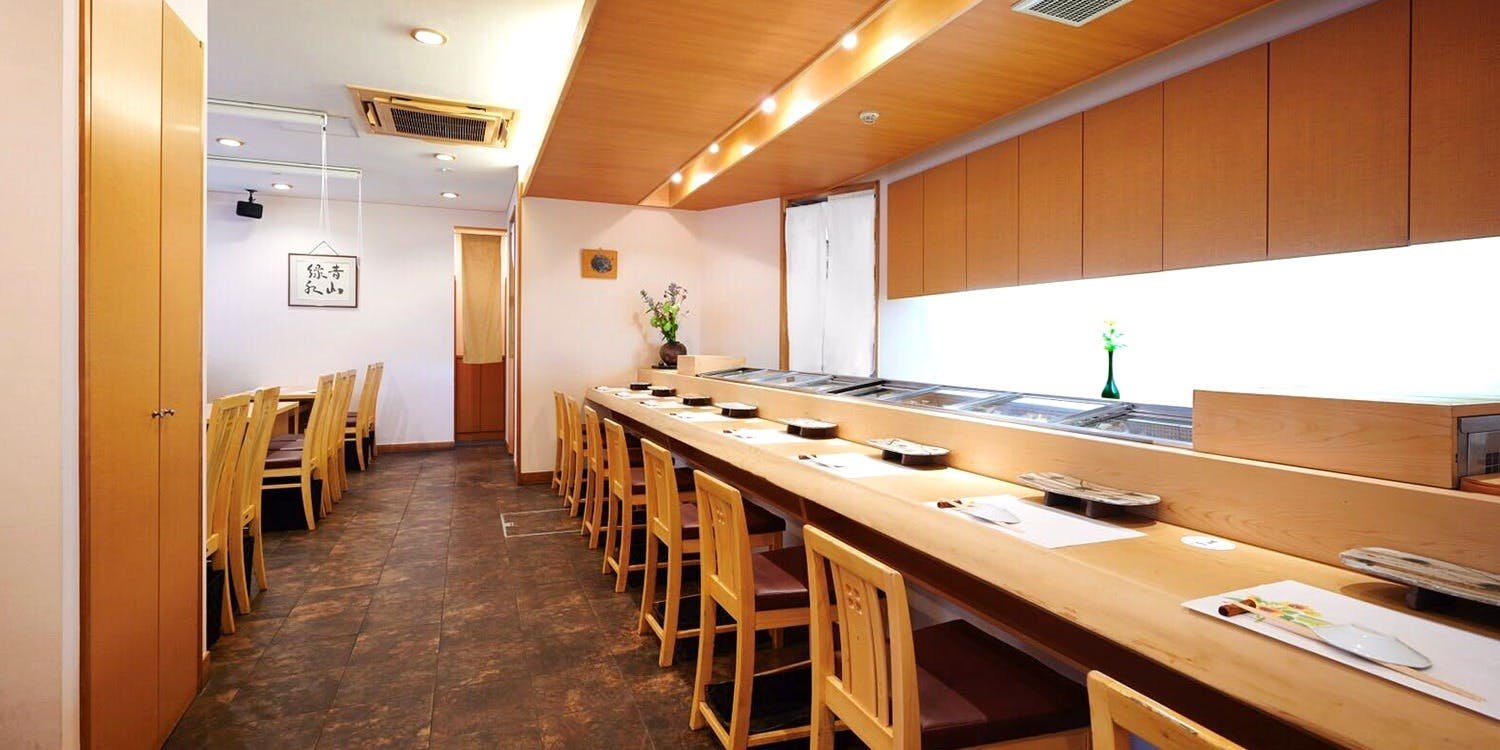
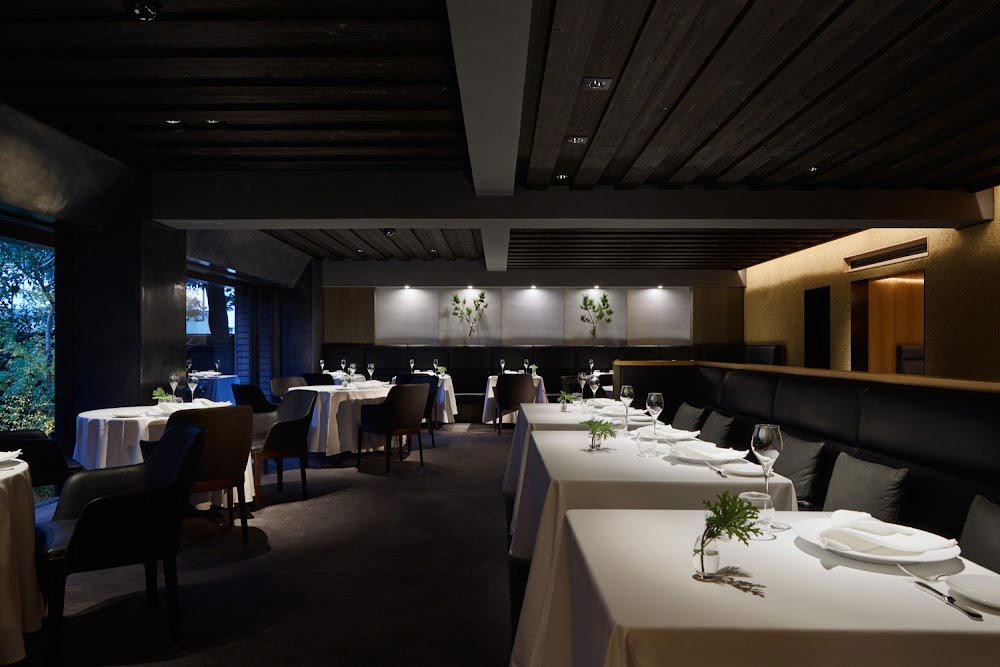
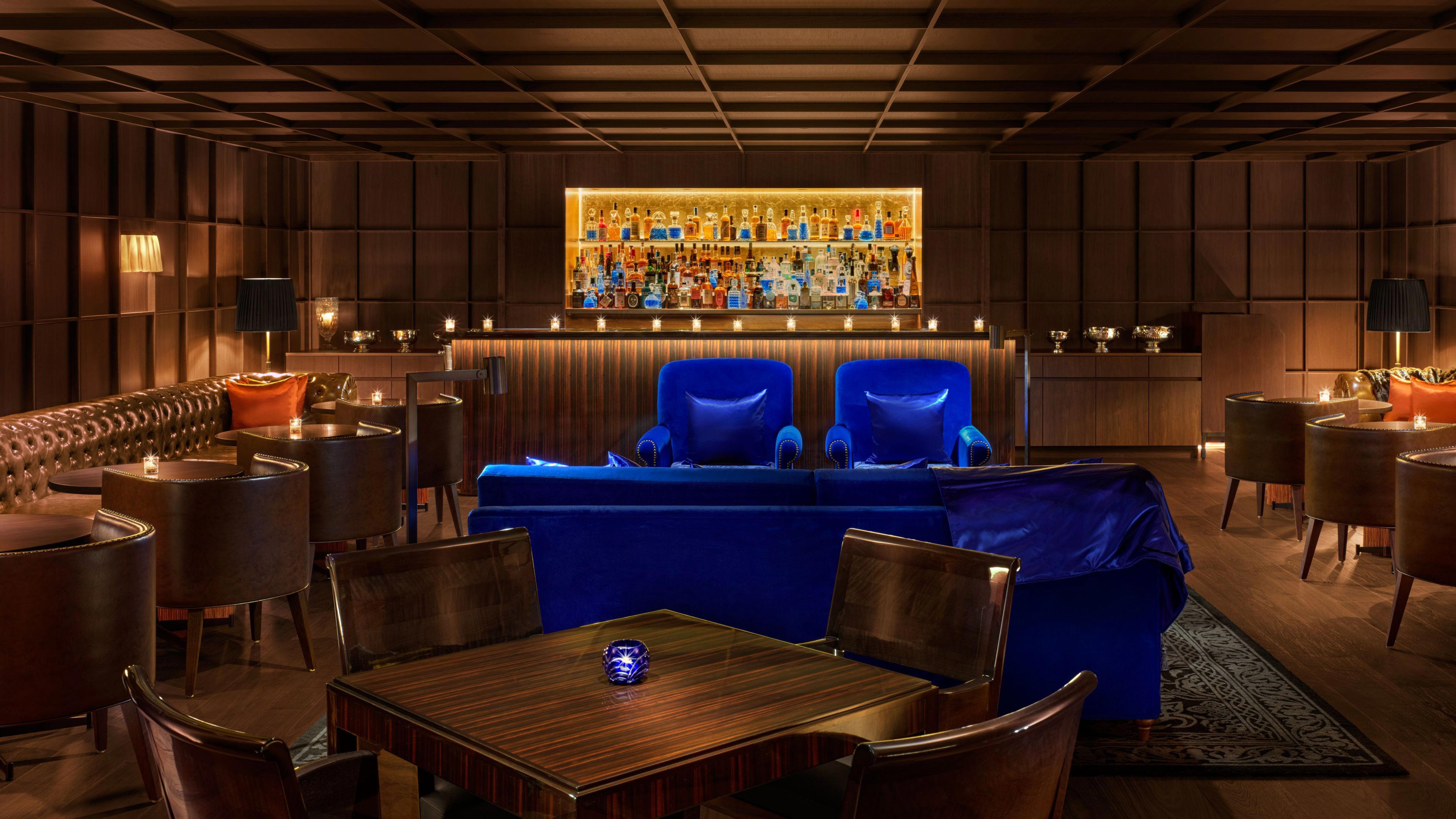
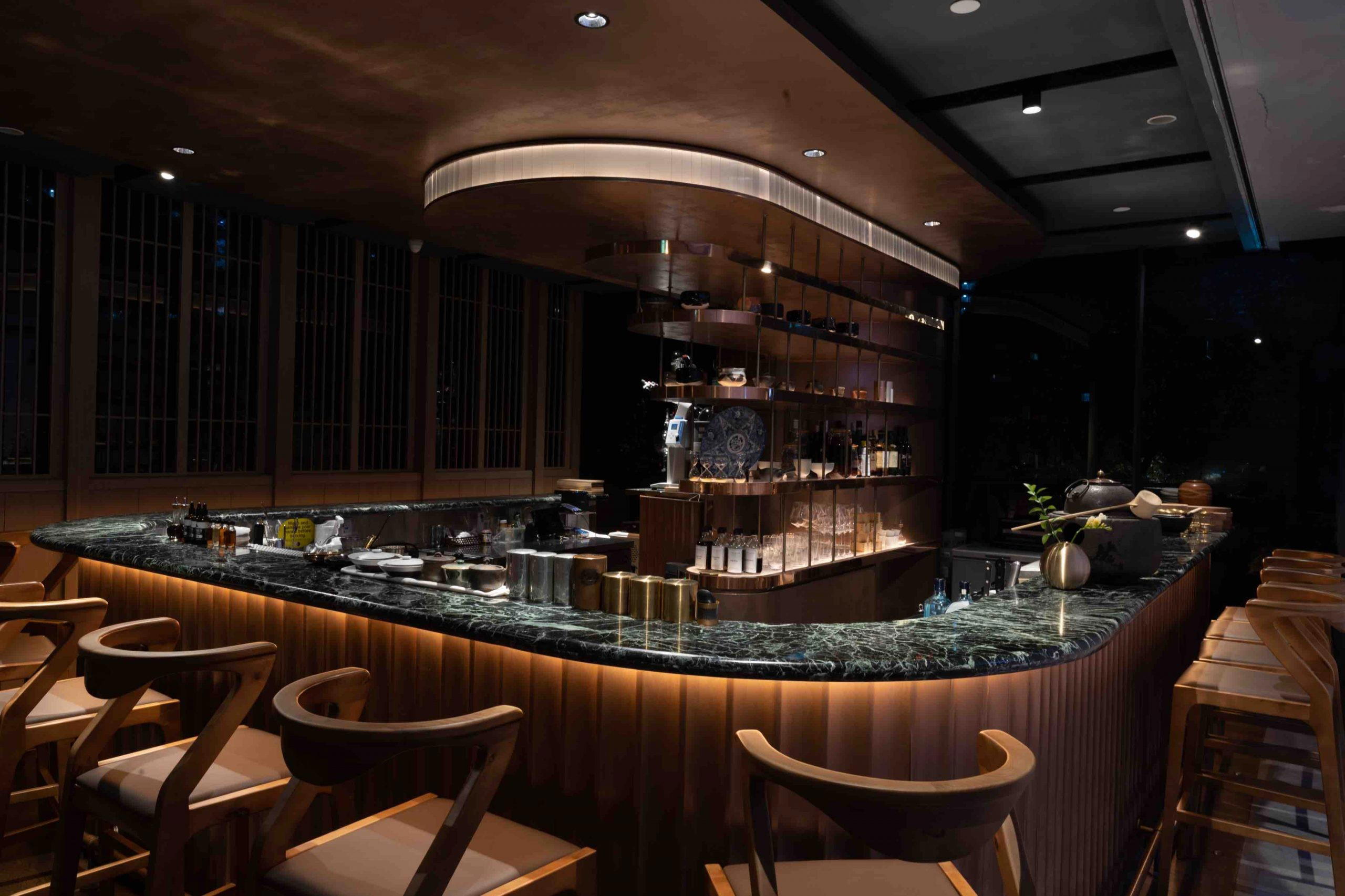
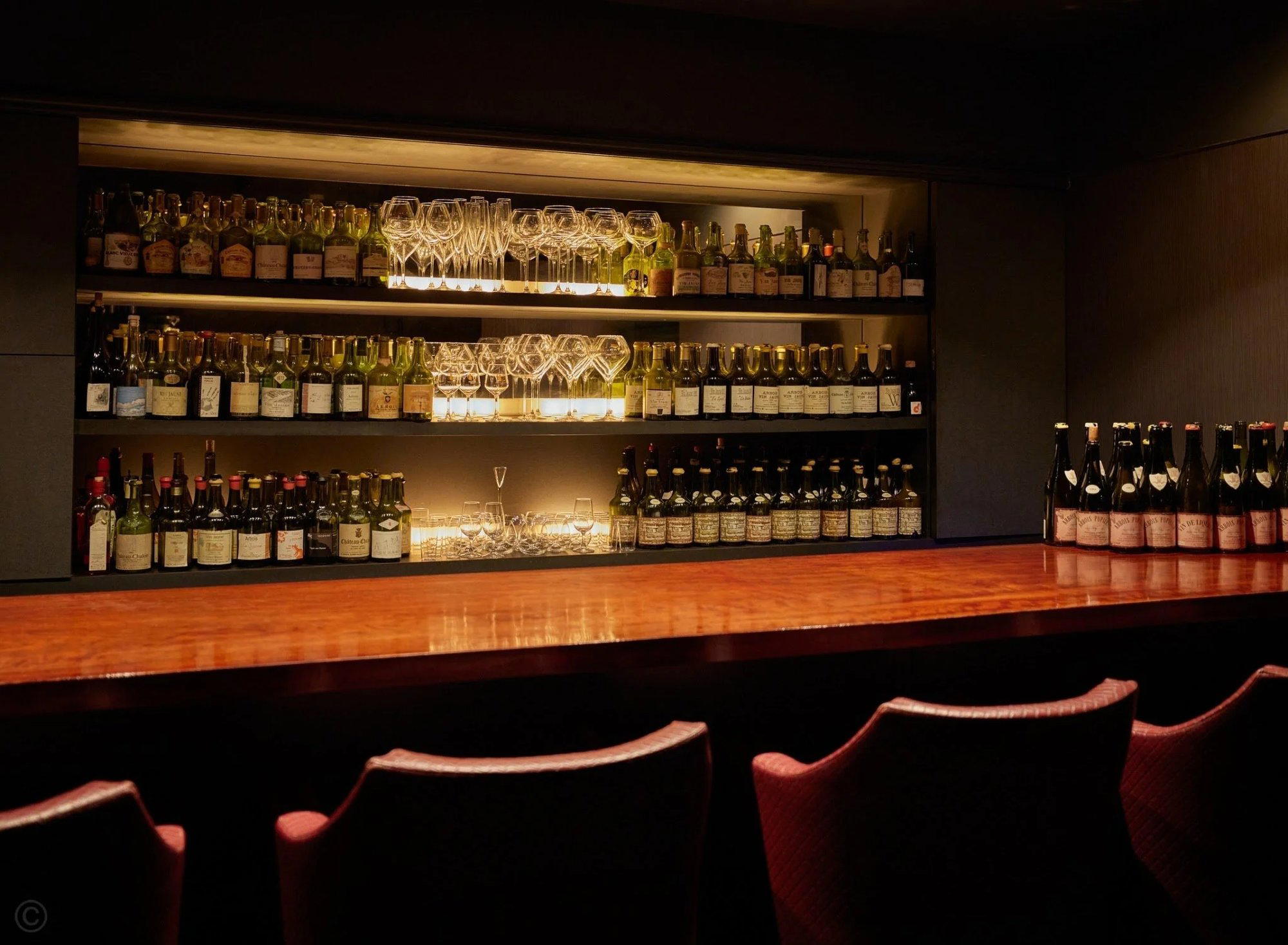
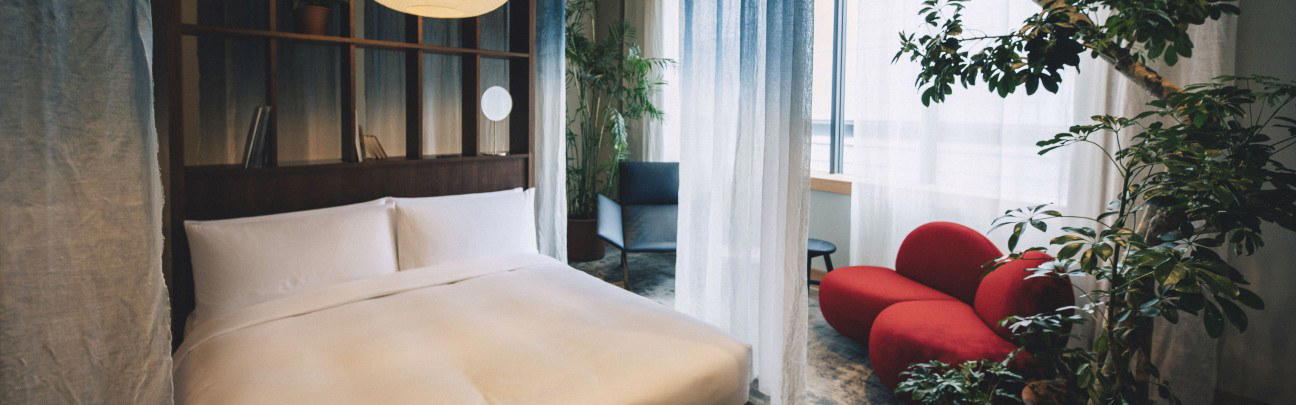
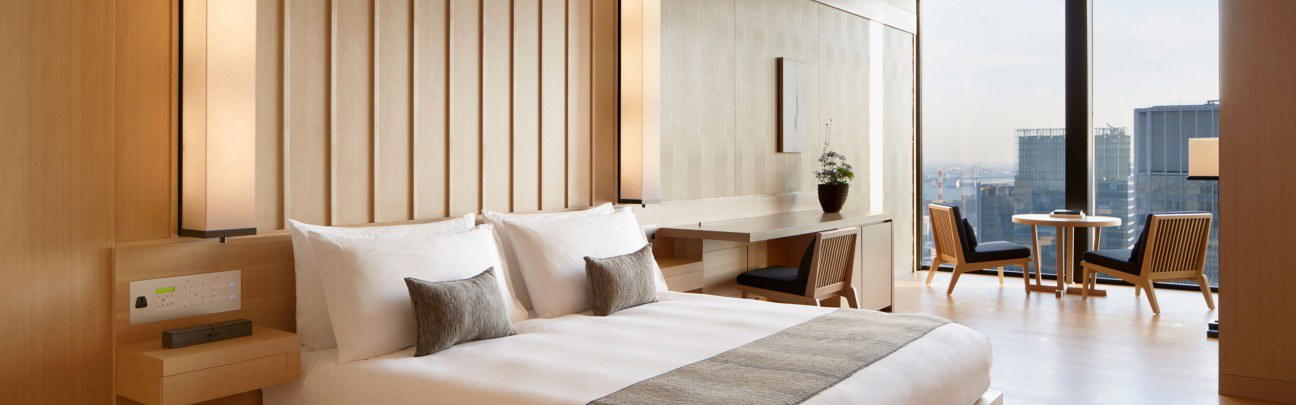
Quaint and calm interior with semi-private rooms; casual izakaya atmosphere with table grilling setup.