Our verdict
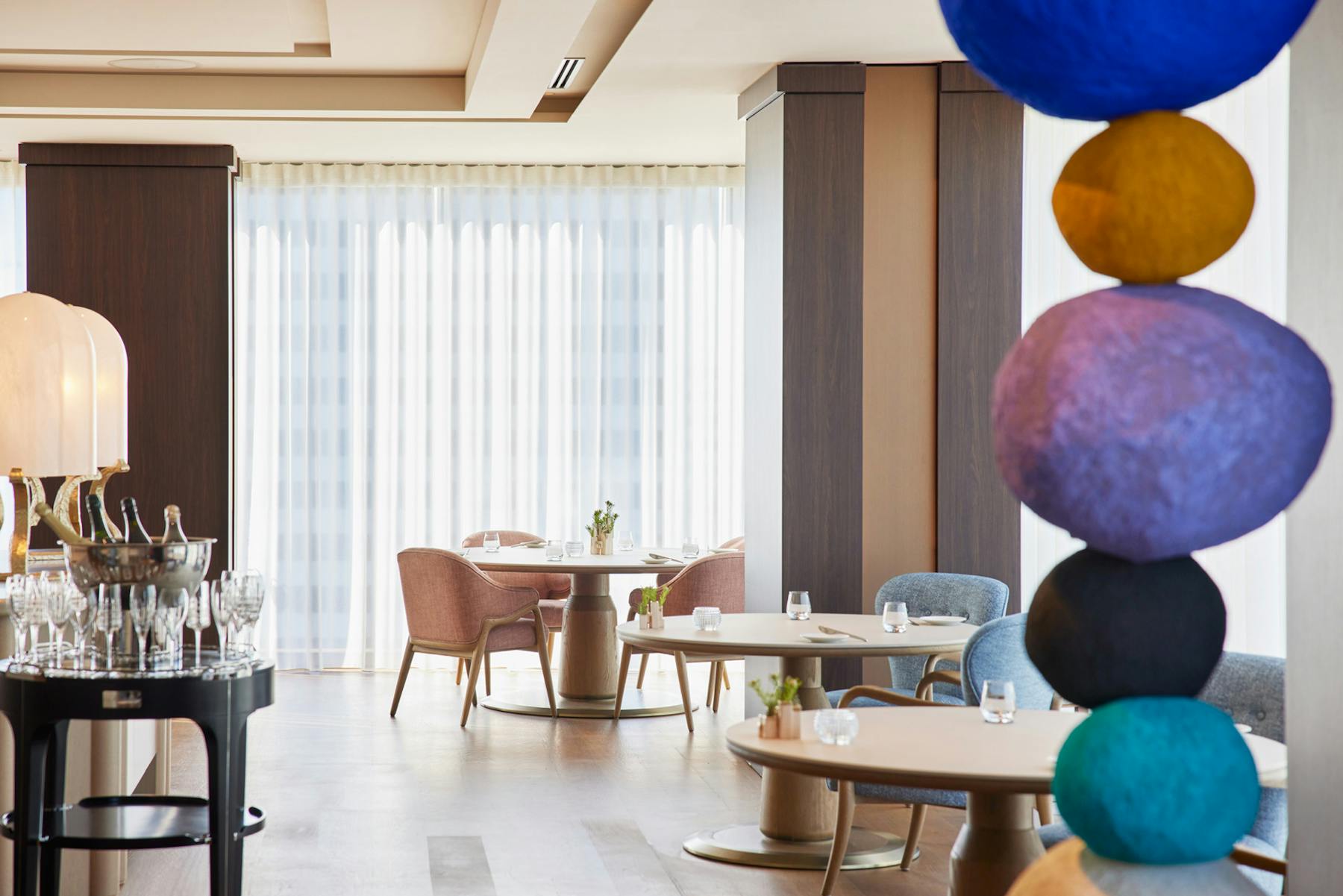
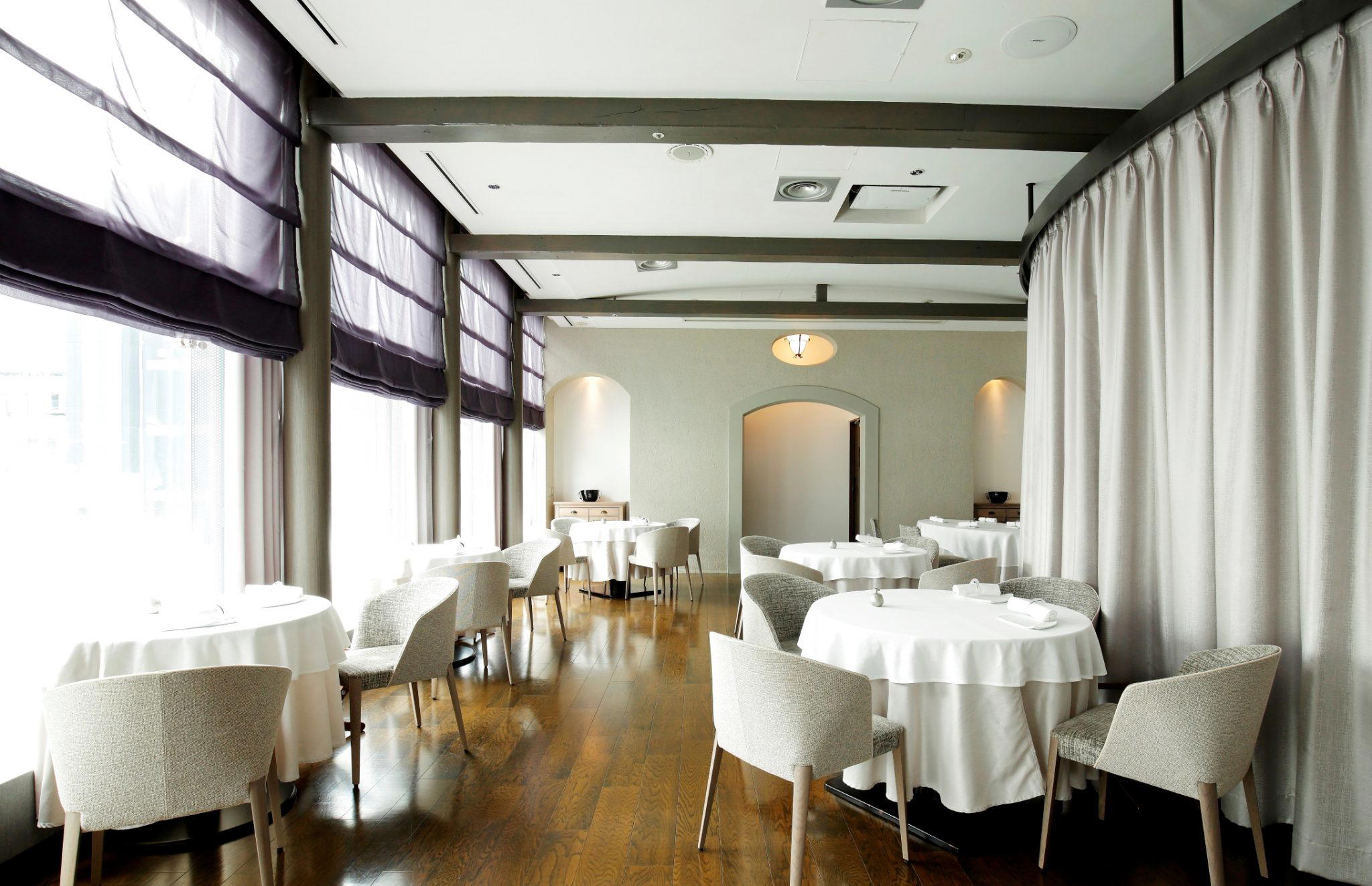
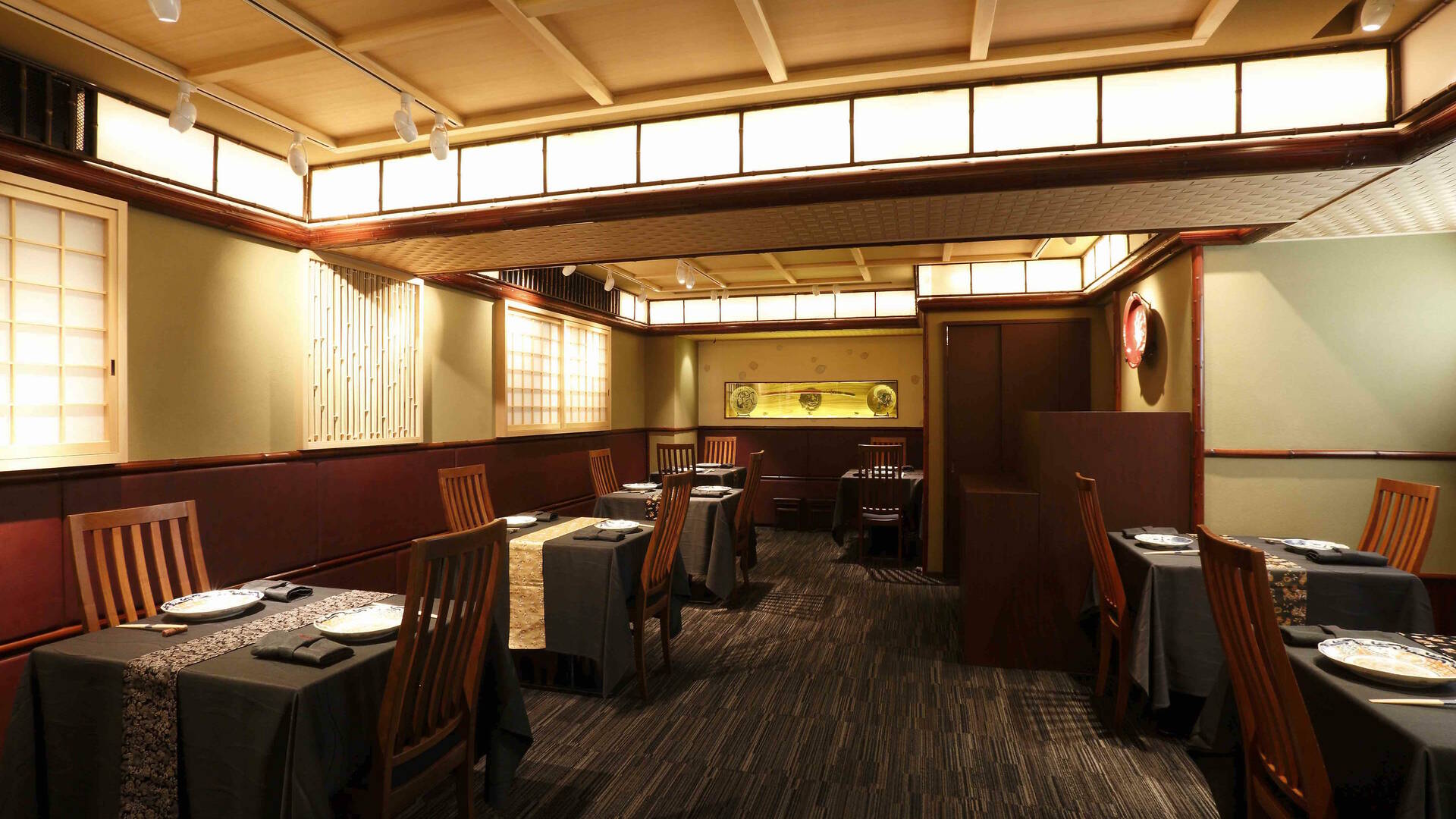
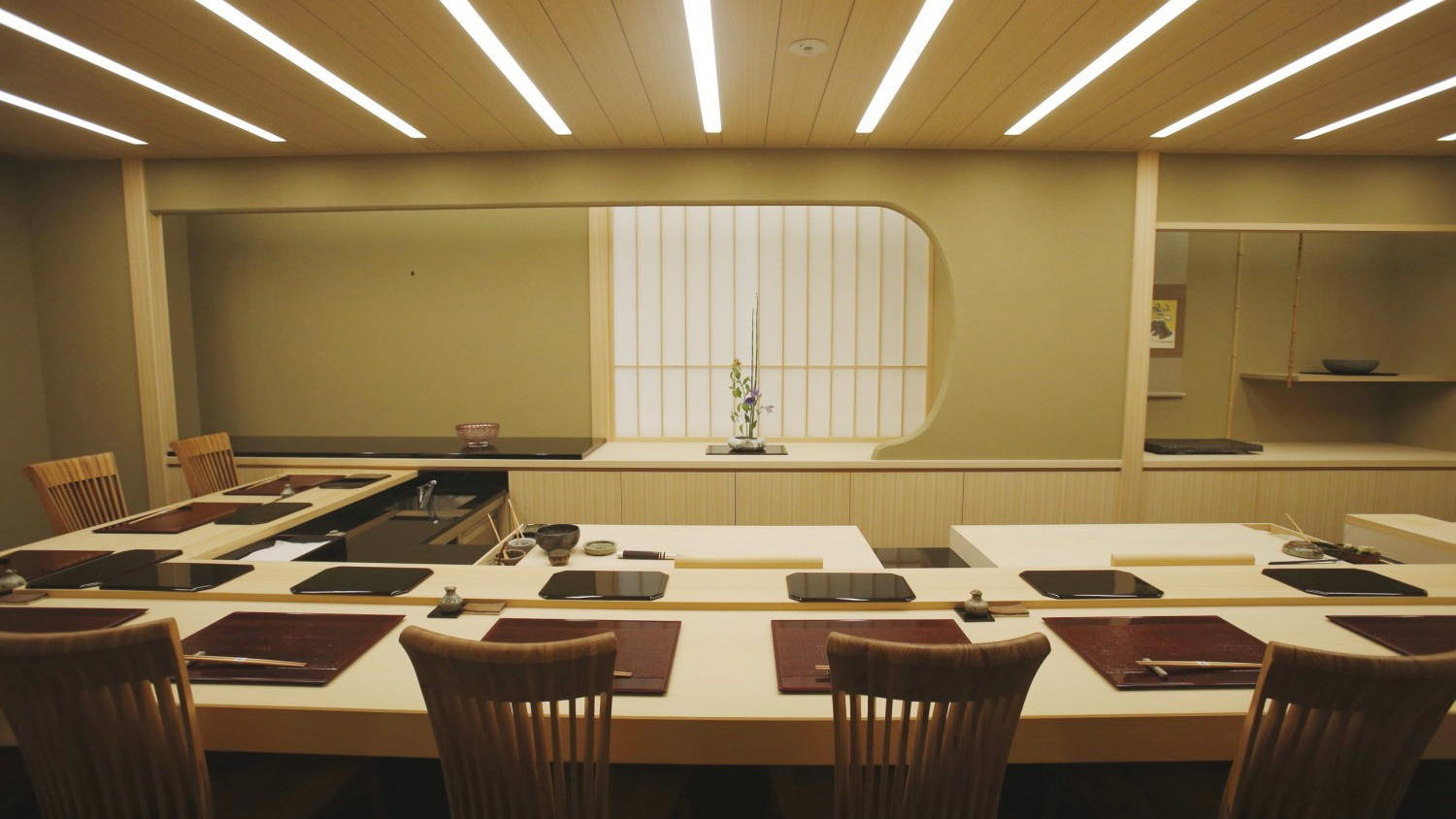
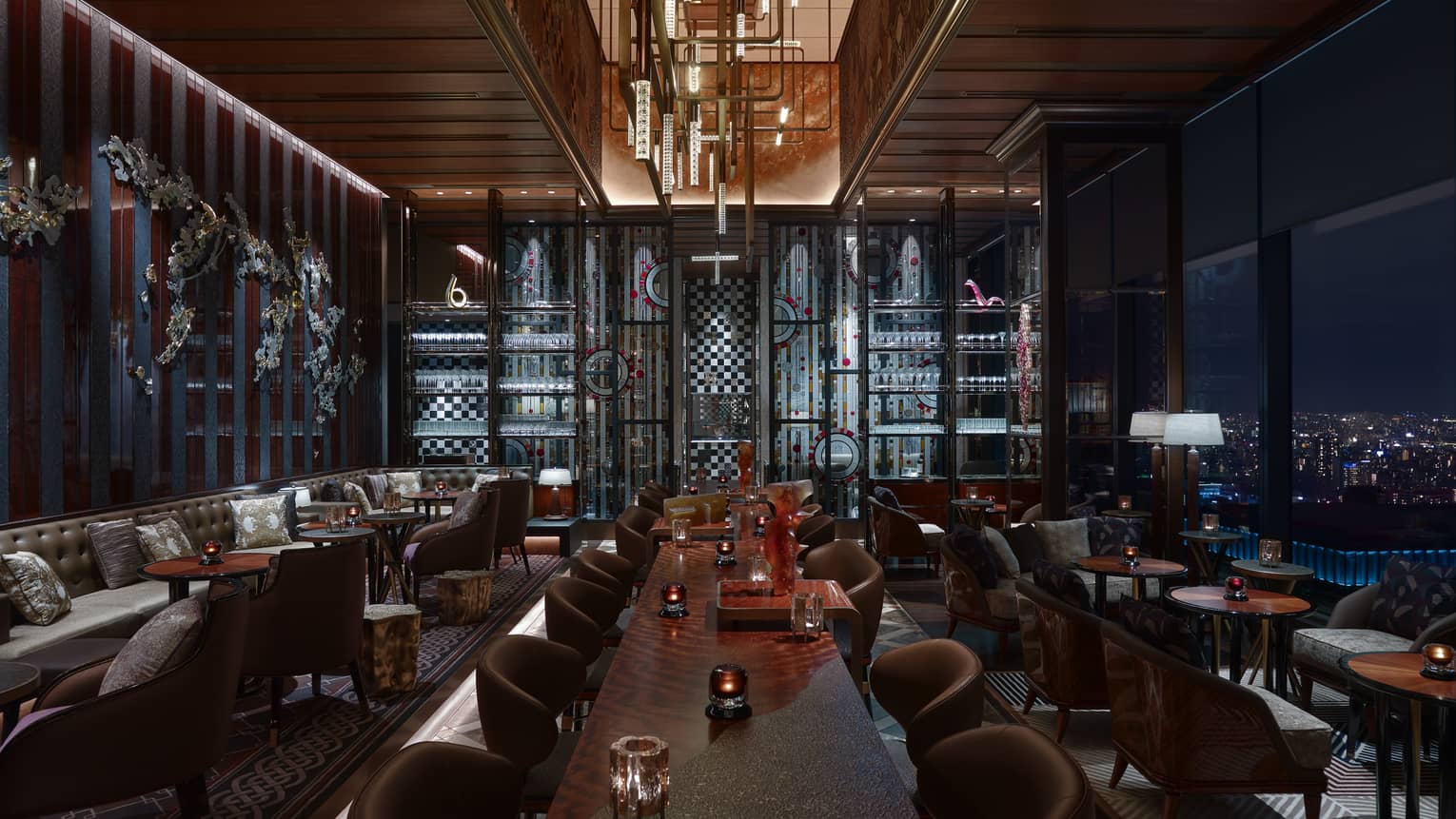
Located in Nihonbashi's Royal Park Hotel building, 湧水亭 occupies a quiet address in one of Tokyo's oldest commercial districts. The restaurant draws a loyal neighbourhood clientele who return for what the area does consistently well: precise, unhurried Japanese hospitality at a remove from the Ginza circuit. A reliable address for those who prioritise atmosphere over spectacle.

Pearl is the En Primeur Club membership app — saves, bookings, and concierge access live there. Same editors, same standards.
- Address
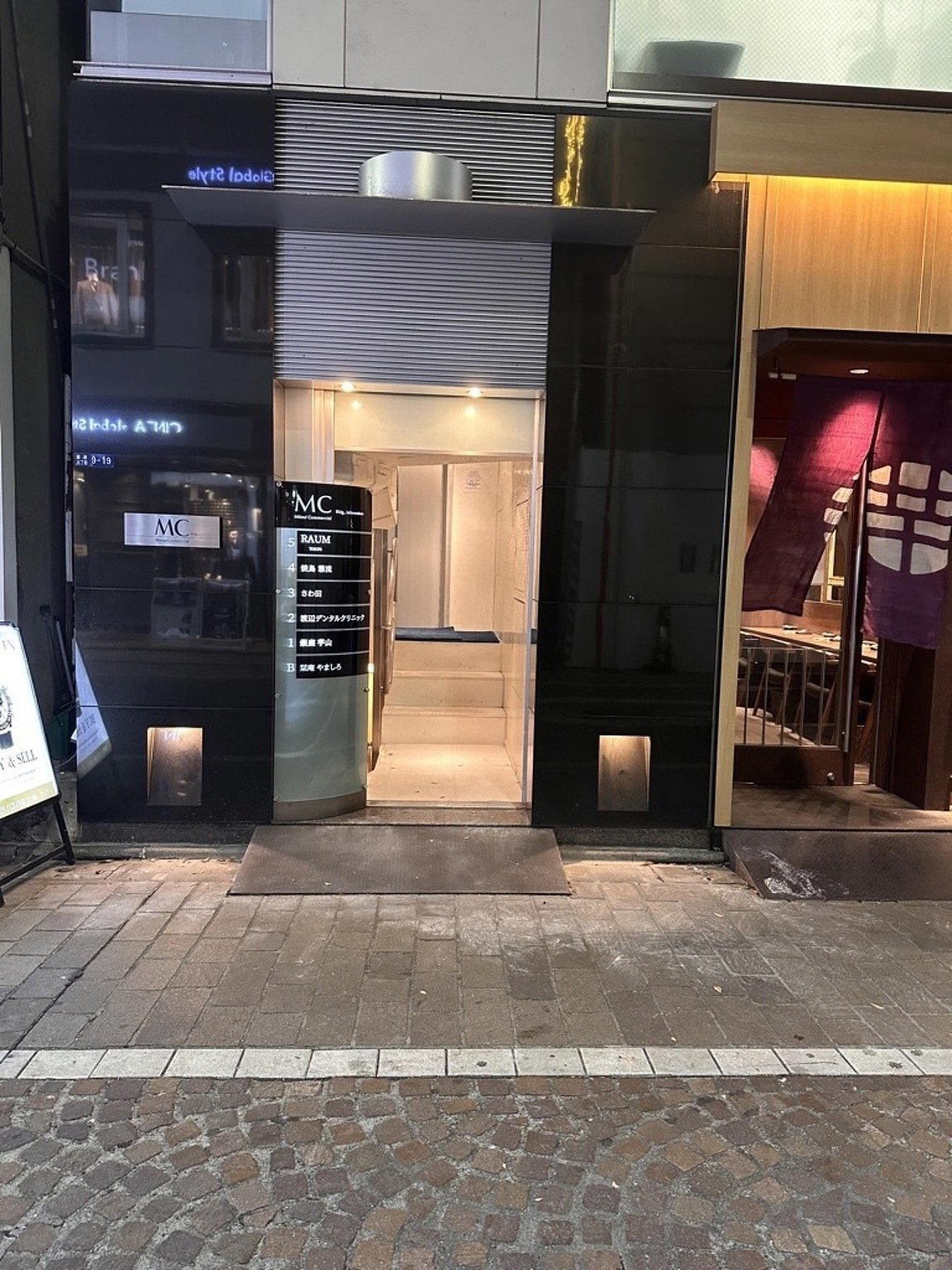
- Japan, 〒103-8520 Tokyo, Chuo City, Nihonbashikakigaracho, 2 Chome−1−1 ロイヤルパークホテル 5階
- Phone
- +81356413600
- Website
- rph.co.jp
- Directions
- Get directions
Nihonbashi's Quieter Register
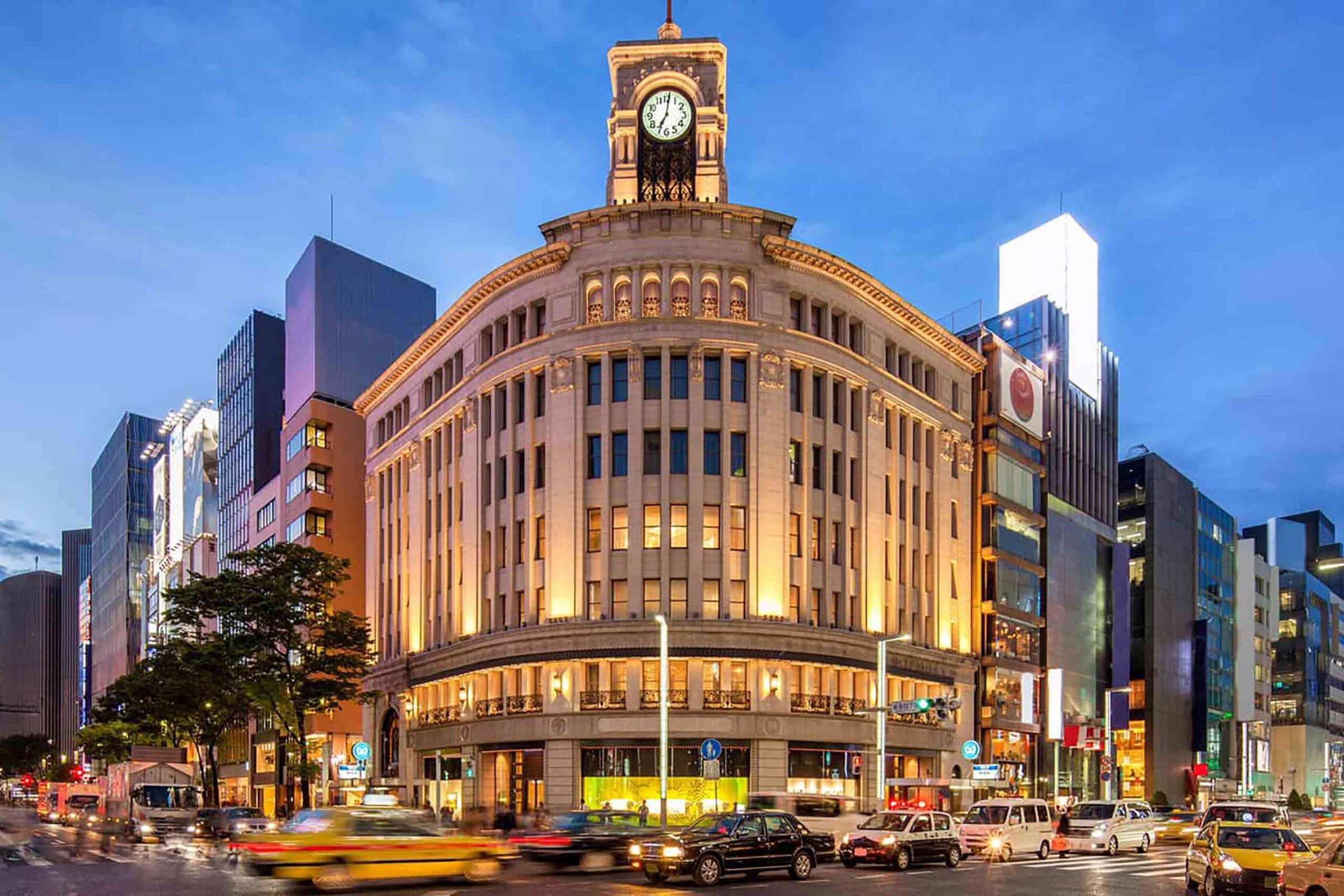
Tokyo's fine dining conversation defaults to a handful of postcodes: Ginza for omakase counters, Minami-Aoyama for French-influenced kaiseki, Roppongi Hills for the hotel dining tier. Nihonbashi sits slightly outside that loop, which is precisely what defines its dining character. The district's identity is older and more mercantile — this was the commercial heart of Edo-period Tokyo, and the neighbourhood's restaurants have always served a different constituency: business regulars, local residents, and the kind of guest who values discretion over visibility. Our full Tokyo restaurants guide maps how these neighbourhood identities shape dining expectations across the city.
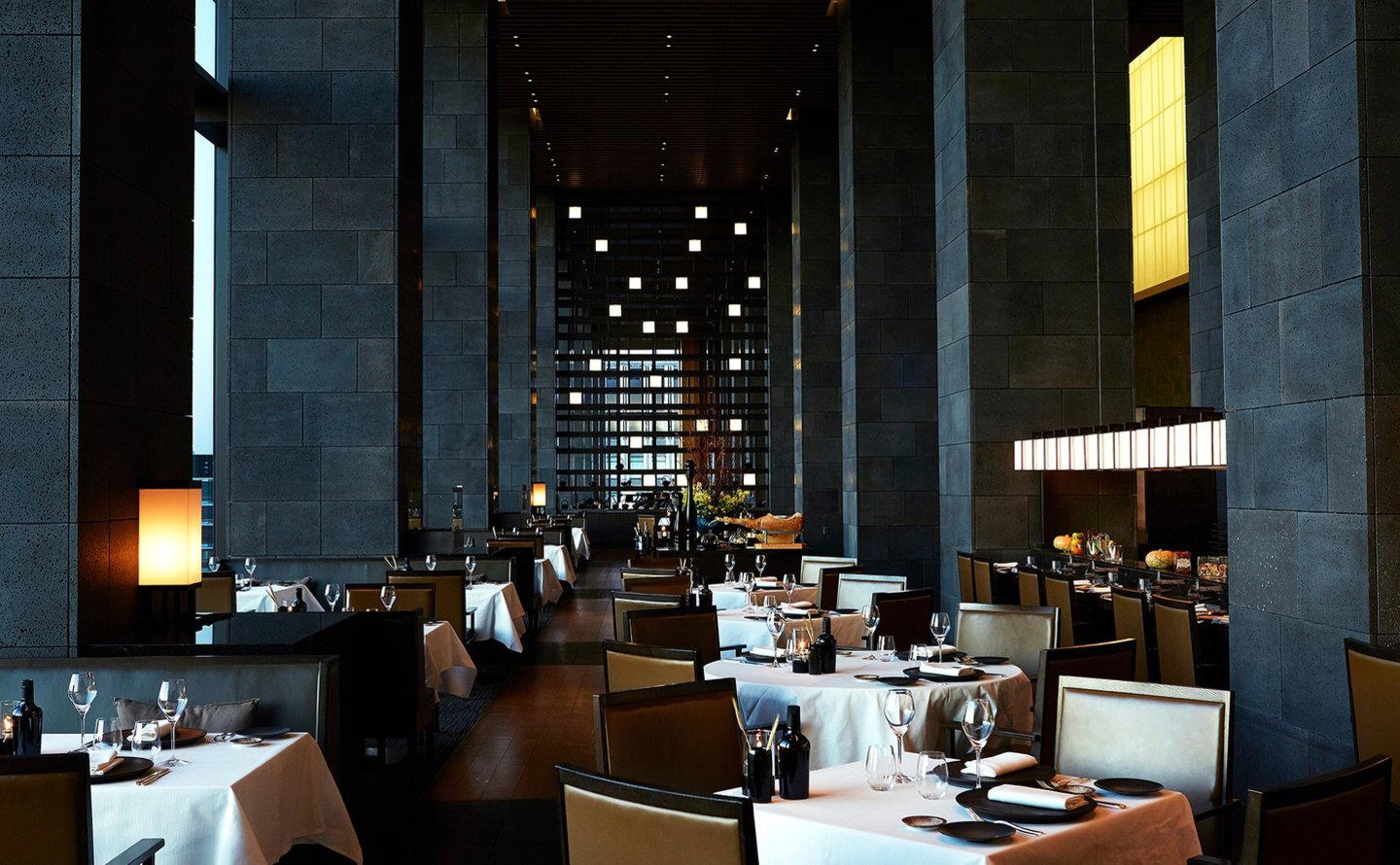
湧水亭 (Yusuitei) sits on the fifth floor of the Royal Park Hotel building at 2-1-1 Nihonbashikakigaracho, Chuo City — an address that tells you something about its orientation. Hotel-adjacent dining in Tokyo operates on a specific logic: it serves guests who want to stay in the building, but it also draws a local repeat clientele for whom the reliable format matters more than the moment of discovery. That dynamic produces a particular kind of restaurant: one that rewards return visits rather than first impressions.
What Draws Regulars Back
In Tokyo, the restaurants that build the deepest regular followings rarely operate on novelty. The omakase counters that cycle through seasonal extremes attract collectors; the places that hold a consistent register attract devotees. Nihonbashi's dining scene skews heavily toward the latter. Harutaka in nearby Ginza demonstrates how this works at the sushi counter level, three Michelin stars and a fixed seasonal programme that regulars can orient themselves around visit after visit. The logic at 湧水亭 operates in a related key, though at a different price point and format.
What keeps regulars returning to a restaurant in this district is less often a signature dish and more often a combination of pacing, familiarity with the room, and the accumulated sense that the kitchen knows what it's doing without needing to prove it. Tokyo's hotel dining tier, particularly at properties outside the flagship luxury brands, has historically delivered this. The Royal Park Hotel Nihonbashi has operated in this neighbourhood long enough to have built that kind of institutional memory.
For comparison, consider how RyuGin in Roppongi holds a different relationship with its audience: the kaiseki format there is designed to evolve seasonally in ways that reward close attention across multiple visits, but the spectacle of each dish is also part of the offer. 湧水亭's address suggests a quieter version of that repeat-visit logic, less about the dramatic seasonal pivot, more about the comfort of a known quantity in a well-run room.
The Nihonbashi Dining Context
Chuo City's restaurant stock reflects the district's dual identity as both a business district and a historic residential area. The Nihonbashikakigaracho address places 湧水亭 in a sub-district that has historically housed merchants and financial institutions, the kind of clientele that generates long lunch relationships and weekday dinner regulars rather than weekend destination traffic. This shapes service expectations: formality without rigidity, attention without intrusion.
This stands in contrast to the more trend-sensitive circuits further west. L'Effervescence in Nishi-Azabu operates in a neighbourhood where the dining identity is built around international visibility and critical recognition. Sézanne at the Four Seasons Marunouchi occupies the top tier of hotel dining in a way that tilts toward destination status. 湧水亭's positioning in the Royal Park building suggests a more locally oriented model, one where the regular guest, not the first-time visitor, sets the tone.
Across Japan, this local-regular model appears in different forms depending on the city. Gion Sasaki in Kyoto builds its reputation through a similar dynamic, a fixed address with deep neighbourhood roots and a guest list that skews toward repeat visitors who have navigated the booking system before. HAJIME in Osaka and Goh in Fukuoka show how this regular-first orientation produces different results depending on the city's culinary identity. In Tokyo's case, the Nihonbashi version of that model tends to be quieter and more formal than its Osaka equivalent.
How This Fits the Broader Tokyo Scene
Tokyo's restaurant tier structure is unusually granular. Below that, a wide middle tier of accomplished Japanese cooking, kaiseki, teppanyaki, traditional kappo, serves a primarily local professional audience that expects precision but not performance. Crony in Shibuya represents a newer cohort within that middle tier: French-influenced, innovative, designed partly for a younger regular audience. 湧水亭's hotel context places it in a more traditional bracket of that middle tier.
For visitors who want to understand what sustained Tokyo dining loyalty actually looks like, as opposed to the one-visit omakase bucket, hotel restaurants in Nihonbashi offer a useful reference point. The regulars at these addresses are often local professionals who have been eating there for years, which produces a service rhythm that is genuinely different from a restaurant still calibrating to its first-year audience. Restaurants such as akordu in Nara and affetto akita in Akita show how this long-tenure relationship between kitchen and clientele develops outside the major cities; in Tokyo, Nihonbashi is one of the neighbourhoods where the same dynamic operates within the capital.
Know Before You Go
Know Before You Go
- Address: 2-1-1 Nihonbashikakigaracho, Chuo City, Tokyo 103-8520 (Royal Park Hotel Building, 5F)
- Access: Suitengumae Station (Tokyo Metro Hanzomon Line) is the nearest subway stop; the building is a short walk from the exit.
- Reservations: Contact the Royal Park Hotel Nihonbashi directly for dining reservations. For hotel-adjacent restaurants in this district, booking at least a week ahead on weekdays and further in advance on weekends is advisable.
- Price range:
- Hours:
- Phone / Website: Contact via the Royal Park Hotel Nihonbashi main line.
Frequently asked questions
What's 源氏香's location?
源氏香 is located at Japan, 〒103-8520 Tokyo, Chuo City, Nihonbashikakigaracho, 2 Chome−1−1 ロイヤルパークホテル 5階, Tokyo.
What do regulars order at 源氏鱧?
The venue's name references hamo (pike conger eel), a seasonal fish with deep roots in Kyoto and Osaka cuisine that has long found its way into Tokyo's more traditional dining rooms. Regulars in Nihonbashi business-district restaurants of this type typically gravitate toward the kitchen's handling of the day's market fish and accompanying dashi-led dishes.
Do I need a reservation for 源氏香?
Reservations are recommended for 源氏香 in Tokyo. Confirm current policy via the venue's official channels.
What's the standout thing about 源氏香?
源氏香 is best approached by focusing on the core concept and signature offerings.
Do they accommodate allergies at 源氏香?
Dietary accommodations can vary. Flag restrictions in advance via the venue's official channels.
Accolades, Compared
| Venue | Cuisine | Price | Awards | Notes |
|---|---|---|---|---|
| æºæ°é¦This venue — the venue you are viewing | Japanese Omakase | Not listed | Not listed | Not listed |
| Harutaka | Edo-Style Omakase Sushi | $200–300 | 3 Michelin Stars · World's 50 Best #76 | Sushi |
| L'Effervescence | Modern French with Japanese Influences | $200–300 | 3 Michelin Stars · World's 50 Best #69 | French |
| RyuGin | Modern Kaiseki | $500+ | 3 Michelin Stars · World's 50 Best #41 | Kaiseki, Japanese |
| Crony | Modern French with Japanese Influences | $150–200 | 2 Michelin Stars · World's 50 Best #34 | Innovative, French |
| Den | Modern Japanese Kaiseki | $150–200 | 2 Michelin Stars · World's 50 Best #51 | Innovative, Japanese |