
Roppongi’s burger scene has moved beyond late-night American shorthand into a Japanese beef conversation, where cut, sourcing, and compact counter formats matter. WAGYU BURGER HIROKIYA belongs to that newer tier: a small-format hamburger specialist selected for Tabelog’s Hamburger 100 in 2026, better suited to a relaxed celebration than a drawn-out tasting-menu occasion.
Pearl is the En Primeur Club membership app — saves, bookings, and concierge access live there. Same editors, same standards.
- Address
- 東京都港区六本木5-16-5 インペリアル六本木1号館 1F
- Phone
- +81362778319
- Website
- wagyuburger-hirokiya.com
 Saves & bookings on Pearl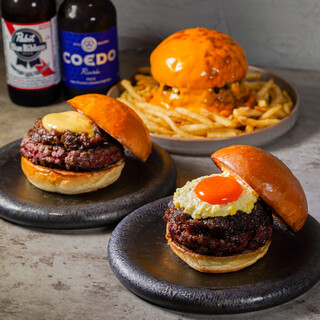
Roppongi is built for mixed signals: embassy-side calm, club-district glare, polished towers, and side-street rooms where dinner can be either a prelude or the whole point. In that setting, the modern Tokyo burger has become a useful occasion format. It is casual enough for families and friends, but in the wagyu register it can carry the same sense of intent that sends diners toward beef counters, sukiyaki rooms, or steakhouse reservations.
That shift matters because Tokyo has never treated imported food categories as fixed. Pizza, curry, coffee, and sandwiches have all been narrowed, polished, and reinterpreted through Japanese specialization. The hamburger now sits in the same pattern. The serious end of the category is not trying to imitate American abundance; it is often smaller, more controlled, and more ingredient-led. WAGYU BURGER HIROKIYA fits that version of the city: a compact Roppongi address, a hamburger and meat-dish focus, and recognition in Tabelog’s Hamburger 100 for 2026.
Wagyu turns the burger into a celebration format
The celebration value here is not ceremony in the white-tablecloth sense. It is the upgrade of a familiar form. A burger can absorb a birthday lunch, a low-pressure date, a family meal, or the first dinner after landing without asking the table to commit to a long sequence of courses. In Tokyo, that flexibility has become part of its appeal. A premium burger gives diners the permission structure of comfort food with the sourcing expectations of a beef city.
Roppongi sharpens that equation. The area already supports multiple registers of meat dining, from international steakhouse culture at Wolfgang’s Steakhouse Roppongi Tokyo to more specific Japanese luxury traditions such as fugu at Ajiman and higher-spend Chinese dining at Santa Hanten. French rooms such as Mētis Roppongi speak to the neighbourhood’s polished dining audience, while ハードロックカフェ 東京 anchors the older American-casual lane. Against that spread, a wagyu burger specialist occupies a middle position: less formal than a composed French dinner, more focused than a broad casual menu, and easier to fold into a night that may continue elsewhere.
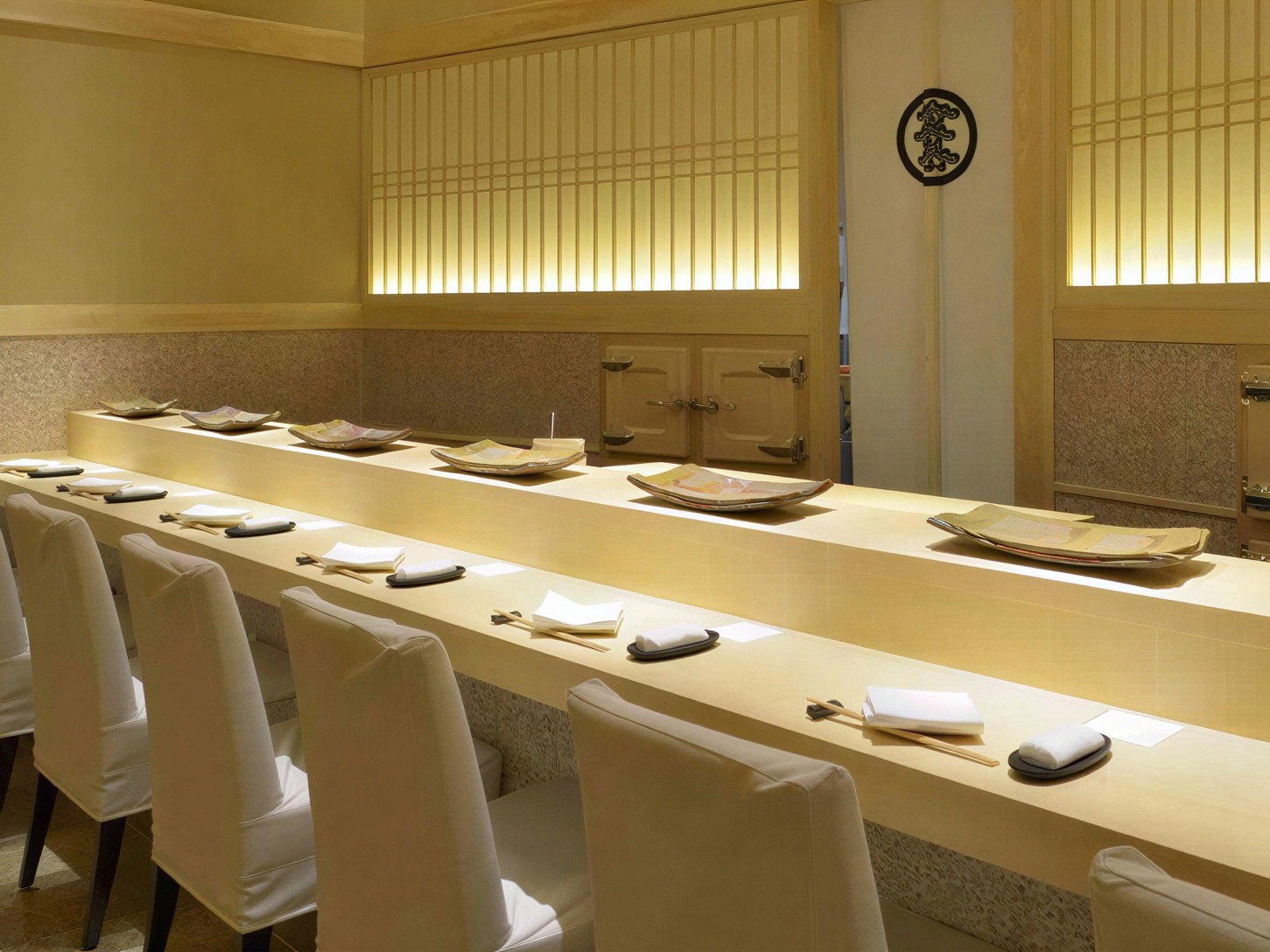
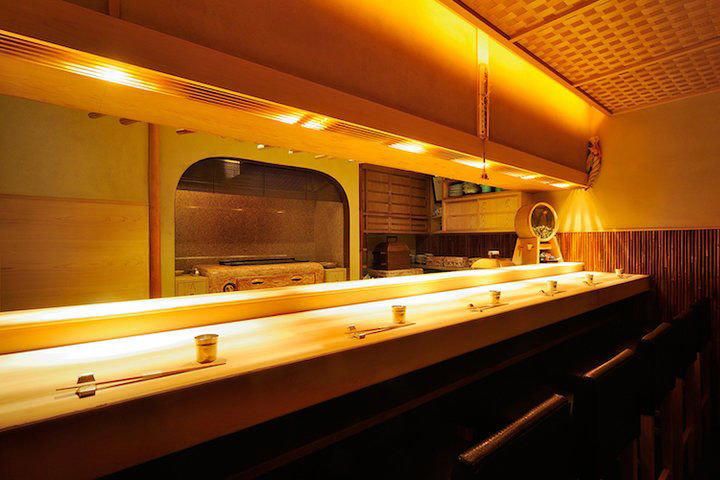
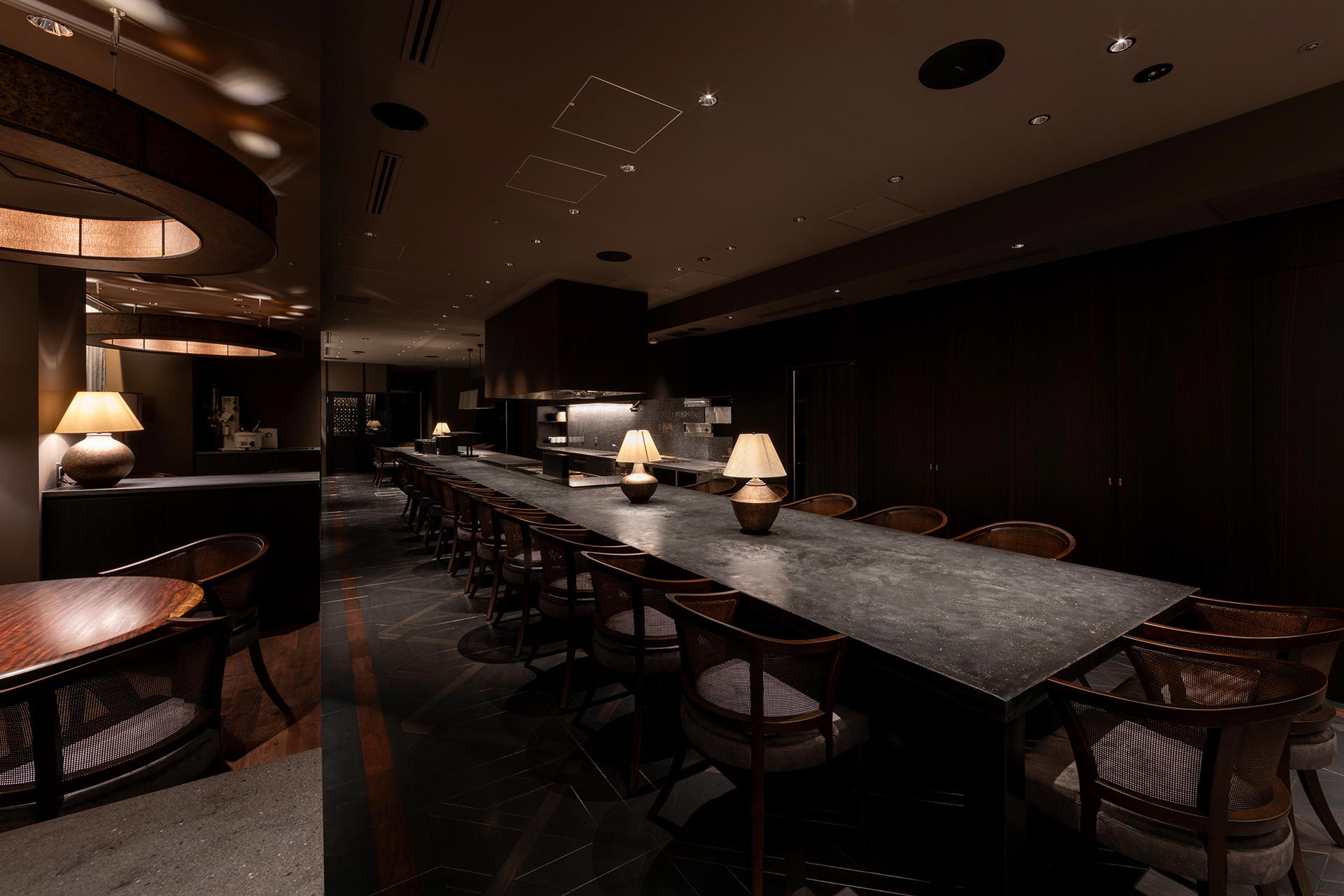
The important point is scale. Small-format Tokyo restaurants often create their own sense of occasion because every seat feels consequential. Counter seating changes the pace; a short room removes the anonymity of a large dining hall. For milestone meals that do not need speeches, tasting notes, or a sommelier-led evening, that intimacy can be more useful than grandeur.
Roppongi's casual luxury is becoming more precise
Tokyo’s high-low dining culture has always been serious, but the current casual-luxury tier is more disciplined than the phrase suggests. Diners are no longer choosing only between famous sushi counters and everyday ramen shops. They are also choosing single-category specialists: curry rooms, yakitori counters, cafés with a defined visual code, and burger counters where the menu’s narrowness is part of the value.
That is why Tabelog’s category recognition carries weight in this lane. Michelin is not the natural measuring stick for every Japanese dining format, especially casual specialties with tight menus and modest footprints. A place selected for Tabelog’s Hamburger 100 is being judged inside its own category rather than forced into a fine-dining frame. For travellers, that distinction is useful. It signals that the restaurant belongs to a domestic conversation about hamburgers, not merely to the broader tourist map of Roppongi.
The format also suits the way visitors increasingly eat in Tokyo: one focused meal, then a bar, gallery, hotel lounge, or late train transfer. For broader planning, Our full Tokyo restaurants guide maps the restaurant field, while Our full Tokyo bars guide helps extend a Roppongi evening after dinner. Travellers building a longer stay can pair those with Our full Tokyo hotels guide, Our full Tokyo experiences guide, and Our full Tokyo wineries guide.
How to place it in a Tokyo eating itinerary
The smart use case is a meal where the group wants recognisable food without defaulting to a generic international room. That makes WAGYU BURGER HIROKIYA especially relevant for mixed-age tables, travellers with children, or diners marking something small but meaningful: a graduation trip, a first night in Tokyo, a post-shopping dinner, or a relaxed birthday before drinks. The room’s category does not ask everyone to decode a tasting menu, but the wagyu focus keeps it from feeling like a compromise.
It also works as a counterpoint to more traditional Japanese meals across the trip. A schedule that includes yakitori, seafood, curry, and café stops benefits from one beef-led casual meal, especially in a district where plans often shift late. For Tokyo comparisons within EP Club, see the seafood-and-grill rhythm at. 鮪と炭火焼き うお炭 秋葉原店, the Shinjuku address 12/10 Shinjuku ten, the skewered focus of 124. KAGURAZAKA (Yakitori), the graphic café culture at 2D Cafe, and the curry specialization of 3 Chome no Curry Ya San.
Across Japan, the same pattern appears in different forms: beef tradition at -Grilled beef Sukiyaki- KAMAKURA TANUKIAN 鎌倉 たぬき庵 in Kamakura, café minimalism at.cafe in Osaka, regional dining at.know in Kumamoto, Vietnamese cooking at (Shoku) Vietnam in Kawasaki, Sapporo curry at [Curry Senmon Ten] Maruyama Kyoju. in Sapporo, and Kyoto’s quieter contemporary register at [ki:] in Kyoto. For Japanese formats abroad, Jōdo Saké Bar in Los Angeles and Onigiri Time in Pasadena show how focused categories travel when handled with restraint.
The critical read is simple: this is not a substitute for Tokyo’s formal beef restaurants, and it should not be judged by that yardstick. Its appeal is narrower and more practical: a small Roppongi burger specialist using wagyu as the occasion marker, backed by 2026 category recognition and positioned for diners who want celebration without stiffness.
Peers in This Market
Comparable venues to place this listing in its category.
| Venue | Cuisine | Price | Notes |
|---|---|---|---|
| WAGYU BURGER HIROKIYAThis venue — the venue you are viewing | Japanese Wagyu Burgers | $$ | Not listed |
| Toyama Shiroebitei (富山白えび亭) | Toyama White Shrimp Tempura Bowls | $$ | Marunouchi |
| 豪龍 久保 | japanese | Not listed | Minato |
| アンディ | Japanese Izakaya Seafood | $$ | Shibuya |
| Gyoza Mania Shinagawa hon ten | Gyoza-focused Japanese Izakaya | $$ | Minato |
| TAIZEN | Hinai Jidori chicken and oyakodon–focused Japanese restaurant | $$ | Shinjuku |
Recognition history
Dated appearances from independent guides and award organizations, with the underlying list record or original source where available.
Tabelog 100 #83 · No. 83
Tabelog · Tabelog 100 - Hamburger - 2026








At a Glance
- Cozy
- Trendy
- Modern
- Casual Hangout
- Solo
- Group Dining
- Brunch
- Chefs Counter
- Open Kitchen
- Standalone
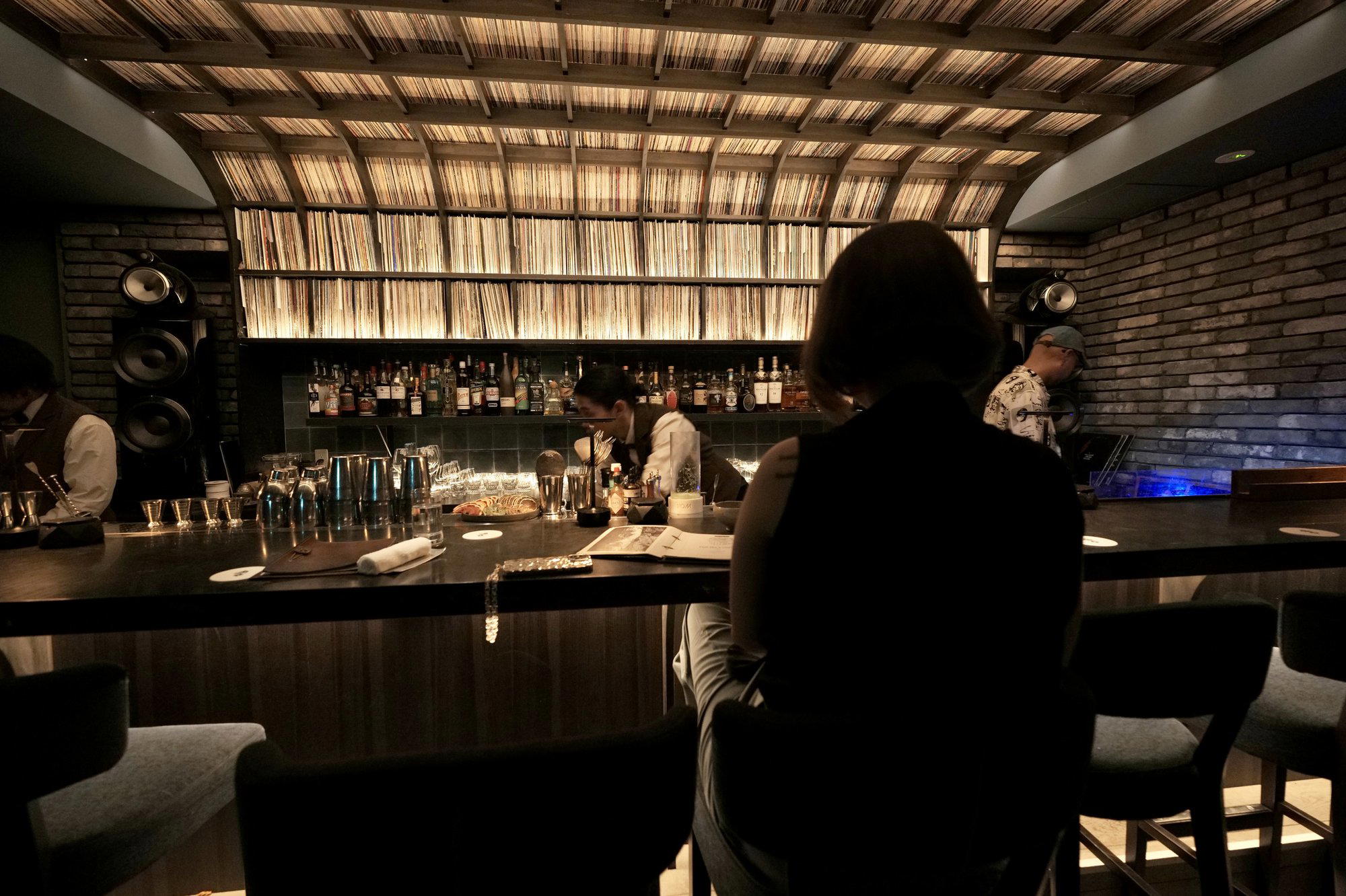
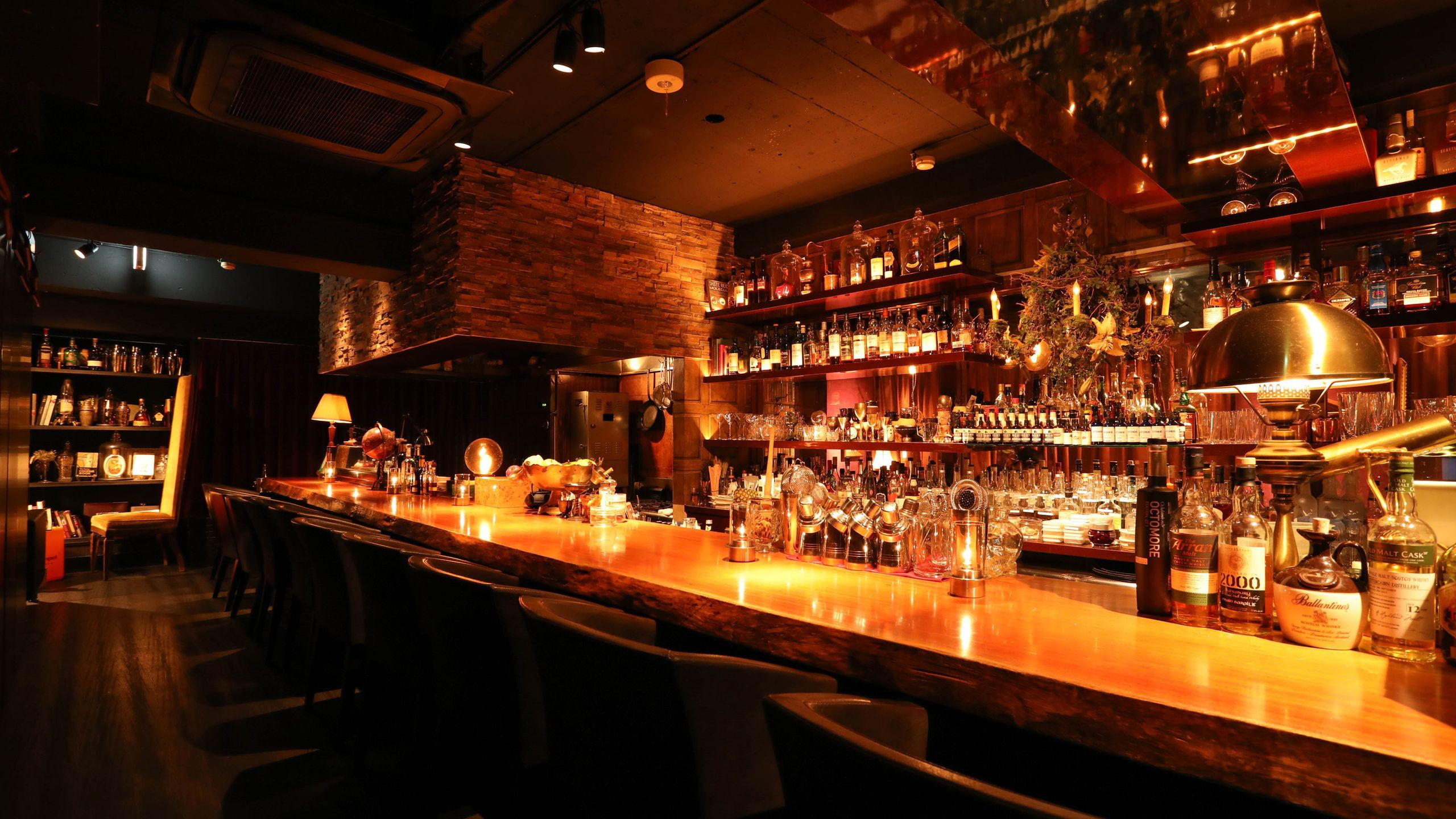
A casual, tucked-away hideaway with a calm, compact feel; the atmosphere is more intimate and performance-driven than loud, centered on the food being part of the show.