
1 Michelin Star
Our verdict
A Michelin one-starred institution in Shanghainese cooking, Yè Shanghai at K11 Musea has held the attention of Hong Kong gastronomes for over two decades. Spread across two floors in Tsim Sha Tsui with a modern interpretation of 1930s Shanghai interiors, it delivers the cold appetisers, drunken chicken, and stir-fried river shrimps that define the tradition at a mid-range price point.

Pearl is the En Primeur Club membership app, where members save venues, book tables and use the concierge.
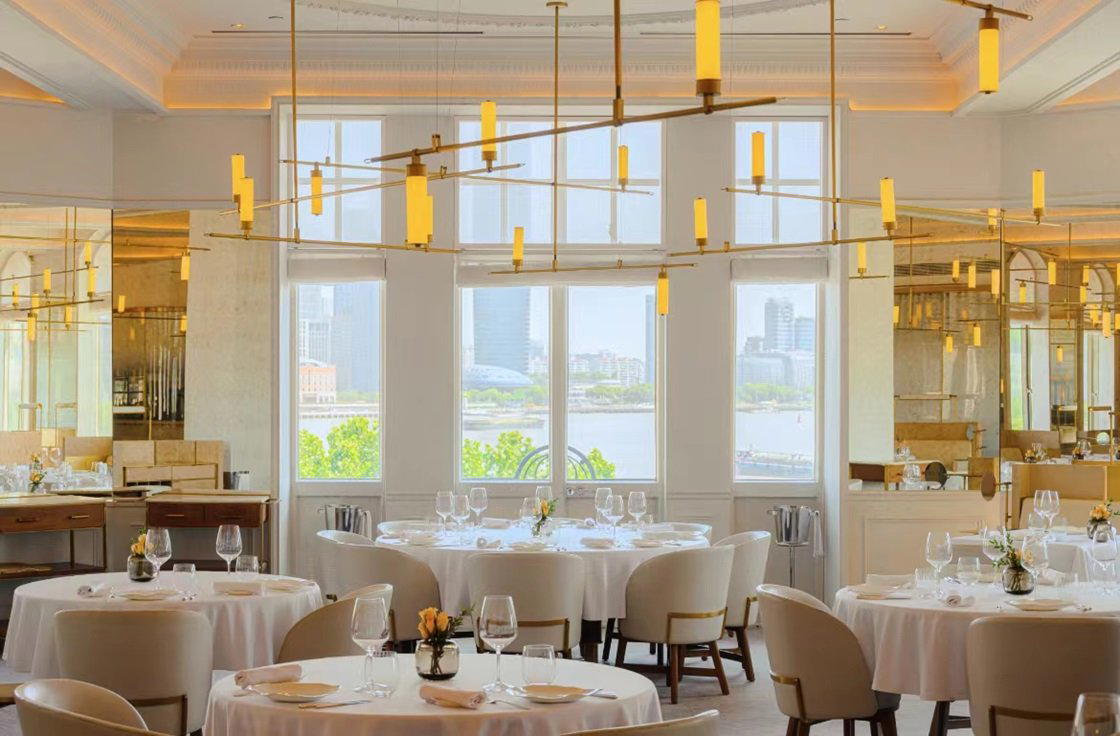
1930s Shanghai, Rearranged for the Harbour View
The seventh floor of K11 Musea sits above the Tsim Sha Tsui waterfront in a mall that leans hard into art and design credentials. When Yè Shanghai moved here in 2020, the relocation raised the obvious question: does a restaurant with two decades of Shanghainese authority translate into a premium retail environment without losing what made it worth visiting in the first place? The answer, confirmed by a Michelin one-star retained through 2024, is largely yes. The dining room across two floors takes the aesthetic shorthand of 1930s Shanghai, geometric lacquerwork, warm amber lighting, echoes of the Art Deco era that shaped the original Bund, and filters it through a contemporary hospitality register that suits the building around it. It reads less like a period recreation and more like an argument that Shanghainese culinary identity has enough weight to carry into any setting.
The Sensory Register of the Room
Shanghainese restaurants in Hong Kong tend to read quieter than their Cantonese counterparts. The cooking is more about precision cold work and slow-braised depth than the immediate theatre of wok stations visible through open kitchens. At Yè Shanghai, the room reflects that: conversation carries, the lighting is warm enough to flatten the hard edges of mall architecture, and the two-floor layout gives the space a sense of occasion that single-level dining rooms in high-traffic commercial buildings rarely achieve. There is no dramatic harbour panorama from every seat, but the Tsim Sha Tsui address and the polished interiors position the meal as a considered event rather than a convenient stop.
The smell register in Shanghainese cooking is distinct from other Chinese regional traditions. Where Cantonese kitchens produce high-heat wok fragrance and the clean steam of dim sum, Shanghainese preparation introduces heavier soy reduction, Shaoxing wine, and the savoury depth of cold-dressed proteins. These arrive at the table as cold starters, garlic-dressed pork, drunken chicken, before any heat reaches you. The sequencing is part of the tradition's logic: cold appetisers establish the flavour architecture before the braised and stir-fried dishes build on it.
The Tradition This Kitchen Works Within
Shanghainese cooking as a restaurant category occupies a specific and somewhat underrepresented space in Hong Kong's dining scene. The city's Chinese restaurant sector tilts heavily Cantonese, with significant Sichuan and Hunanese representation in the spice-led tier. Shanghainese venues operating at Michelin-recognised quality are fewer, which partly explains why Yè Shanghai has held its position for so long. Comparable Hong Kong venues include Liu Yuan Pavilion, Jardin de Jade (Wan Chai), and Wu Kong Shanghai Restaurant, each working within the same tradition from different price and format positions. The Merchants and Wing Lai Yuen expand the regional Chinese picture further. Yè Shanghai sits in the mid-range tier ($$) despite its Michelin recognition, which places it in an accessible bracket relative to the city's higher-priced starred restaurants.
For context on how the tradition performs on its home ground, the Shanghai scene itself includes properties at various registers: Fu 1088, Fu 1015, and Fu 1039 represent the villa-dining tier of the genre, while Lao Zheng Xing, Ren He Guan (Xuhui), Cheng Long Hang (Huangpu), and Zhou She (Minhang) hold the neighbourhood institution end. Yè Shanghai's position in Hong Kong sits between those poles: more formal than a local institution, less ceremonial than a villa-dining experience. The Michelin guide uses it as a marker for the genre's quality ceiling in the city. For Shanghainese cooking elsewhere in the region, Shanghai Cuisine in Beijing offers a useful point of comparison.
What Regulars Eat Here
The dishes that define Yè Shanghai's reputation are grounded in the cold appetiser tradition that Shanghainese cooking prizes above almost any other category. Drunken chicken, poached, then rested in Shaoxing rice wine, is a benchmark preparation across the genre, and it appears on the Yè Shanghai menu as a signal of technical intent. The cold sliced pork dressed in garlic sauce is worth particular attention: the paper-thin slicing produces a springy texture that sets it apart from coarser preparations elsewhere, and the garlic-and-soy dressing balances the fat in the meat without overwhelming it. Stir-fried river shrimps, delicate and lightly seasoned, represent the freshwater ingredient emphasis that differentiates Shanghainese cooking from coastal seafood traditions.
These three dishes, drunken chicken, garlic-dressed pork, stir-fried river shrimps, recur in assessments of the restaurant across its two-decade history and appear in the Michelin guide's own commentary on the venue. They function as the kitchen's calling cards and the logical starting point for a first visit.
Positioning at K11 Musea
The 2020 move to K11 Musea changed the setting without appearing to change the cooking. Mall-anchored fine dining in Hong Kong operates at a different register than it might in other markets: K11 Musea specifically targets the art-focused, design-literate end of retail, which gives its restaurant tenants a different kind of footfall than a conventional shopping centre would. The building sits on Salisbury Road directly facing Victoria Harbour, which means the address carries weight regardless of the mall context. For comparison, the most formally ambitious restaurants in Hong Kong's current Italian and French scene, including 8½ Otto e Mezzo Bombana, Ta Vie, and Caprice, operate from hotel or standalone premises at the $$$-$$$$ price tier. Yè Shanghai at $$ occupies a different market position entirely, offering Michelin-quality Shanghainese cooking at a price point that makes it accessible for a weekday lunch or a pre-show dinner rather than a special-occasion reservation.
The hours reflect that accessibility: open seven days from 11:30 AM to 10 PM, which covers both lunch and dinner without the limited sittings of more formal operations. The all-day format and seven-day schedule are practical signals that the restaurant functions as a consistent neighbourhood anchor within the K11 building rather than a tightly managed reservation-only experience.
Planning Your Visit
Address: 702, 7/F, K11 Musea, 18 Salisbury Road, Tsim Sha Tsui, Hong Kong. Hours: Monday to Sunday, 11:30 AM to 10 PM. Budget: Mid-range ($$); Michelin one-starred pricing remains accessible relative to the city's higher-tier starred restaurants. Reservations: Booking ahead is advisable, particularly for weekend lunch and evening sittings when K11 Musea is at peak footfall. Getting there: Tsim Sha Tsui MTR station connects directly to the K11 Musea building; the Salisbury Road location is also within walking distance of the Star Ferry pier.
For a broader read on dining in the city, see our full Hong Kong restaurants guide. For accommodation near the waterfront, our full Hong Kong hotels guide covers the main Tsim Sha Tsui and Kowloon options. Drinking around the area is covered in our full Hong Kong bars guide, with further city-wide coverage across our Hong Kong wineries guide and our Hong Kong experiences guide.
What Regulars Order at Yè Shanghai
The three dishes with the longest track record at the restaurant are drunken chicken, stir-fried river shrimps, and cold sliced pork in garlic sauce. The garlic-dressed pork is the preparation most frequently cited in Michelin commentary on the venue: sliced thin enough to achieve a springy, almost elastic texture, dressed in garlic and soy in a ratio that moderates rather than masks the richness of the meat. Drunken chicken is the Shanghainese tradition benchmark, poached and rested in Shaoxing wine, and its quality here is one of the reasons the restaurant has held Michelin recognition across more than two decades of operation. River shrimps, lightly stir-fried, are a freshwater ingredient that marks Shanghainese cooking's geographical distance from coastal Cantonese traditions and are worth ordering to understand how the two cuisines diverge at the ingredient level.
Similar Picks
| Venue | Cuisine | Price | Awards | Notes |
|---|---|---|---|---|
| Yè Shanghai (Tsim Sha Tsui)This venue (the venue you are viewing) | Michelin-Starred Shanghainese | Not listed | 1 Michelin Star | Not listed |
| 8 1/2 Otto e Mezzo Bombana (Hong Kong) | 3 Michelin-Star Italian Fine Dining | $200–300 | 3 Michelin Stars · World's 50 Best #94 | Italian |
| Ta Vie | Modern French-Japanese Fine Dining | $300–500 | 3 Michelin Stars · World's 50 Best #68 | Japanese - French, Innovative |
| Caprice | Contemporary French Fine Dining | $200–300 | 3 Michelin Stars · World's 50 Best #35 | French, French Contemporary |
| Feuille | Modern Vegetable-Forward French | $200–300 | 1 Michelin Star · World's 50 Best #93 | French Contemporary |
| Neighborhood | Modern French with Asian Influences | $50–100 | 1 Michelin Star · World's 50 Best #24 | International, European Contemporary |
Recognition history
Dated appearances from independent guides and award organizations, with the underlying list record or original source where available.
Michelin 1 Star
Michelin
Full recognition history (3 entries)
Michelin 1 Star
Michelin
Michelin 1 Star
Michelin
Continue exploring
More in Hong Kong
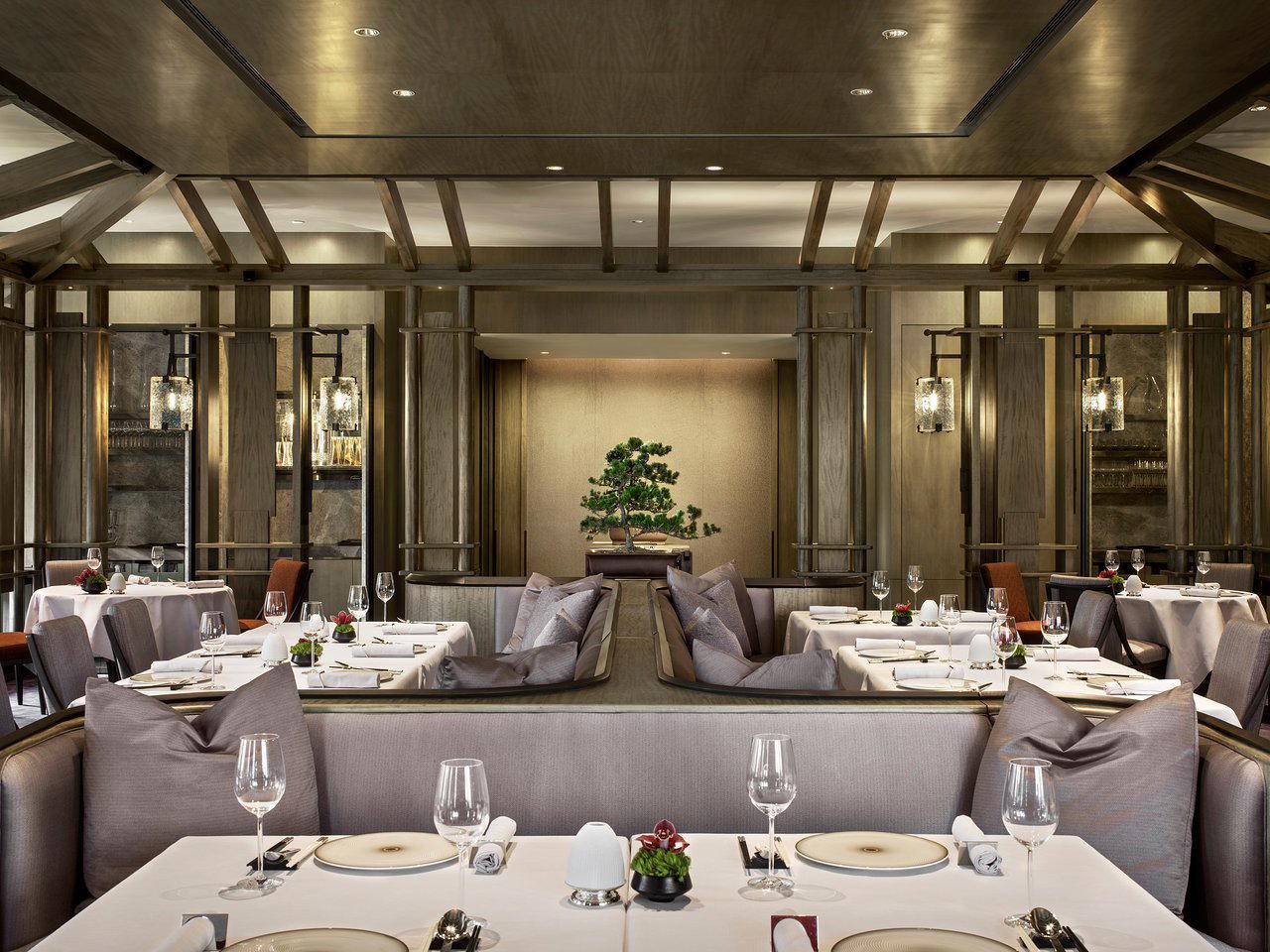
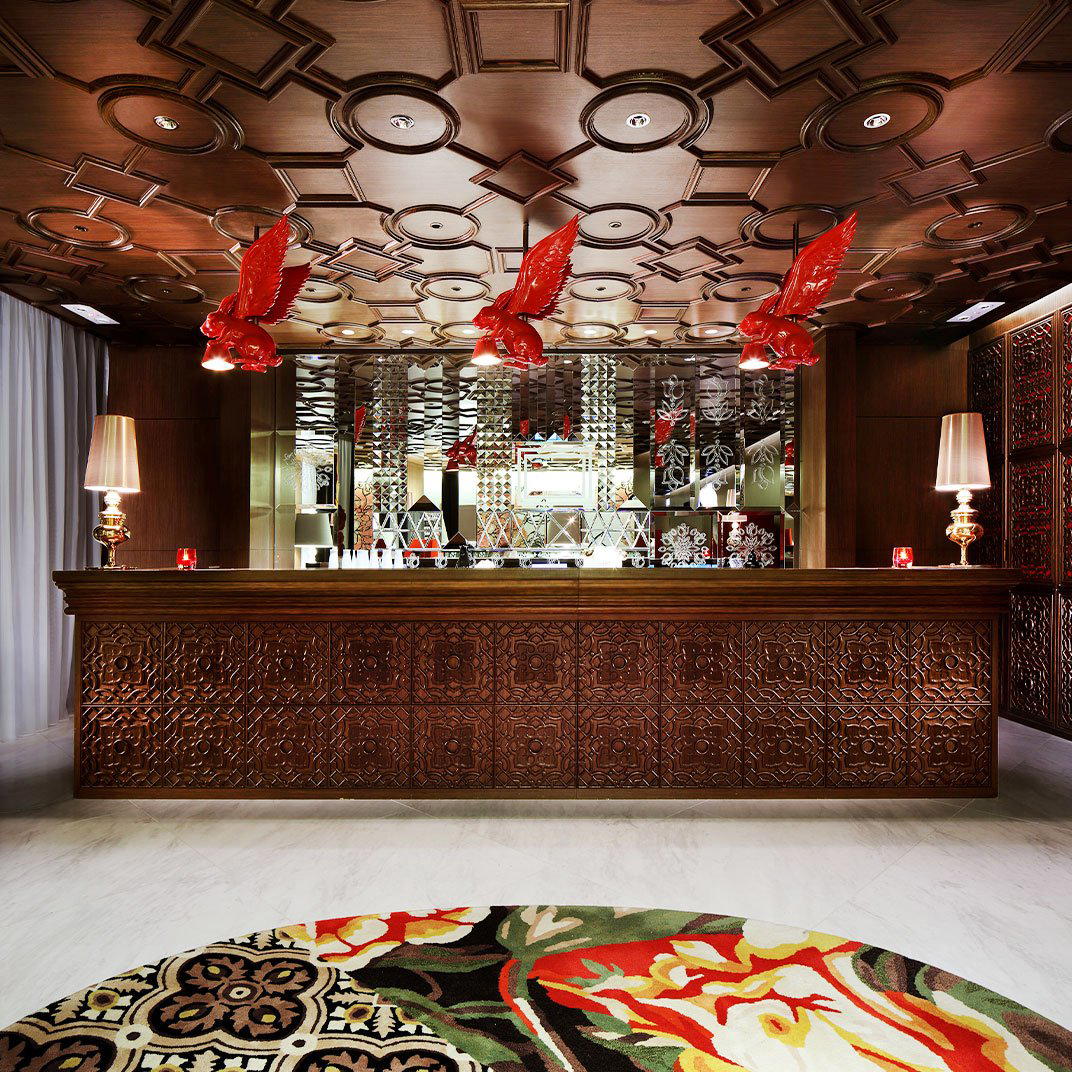
Restaurants in Hong Kong
All restaurants in Hong Kong →
Bars in Hong Kong
All bars in Hong Kong →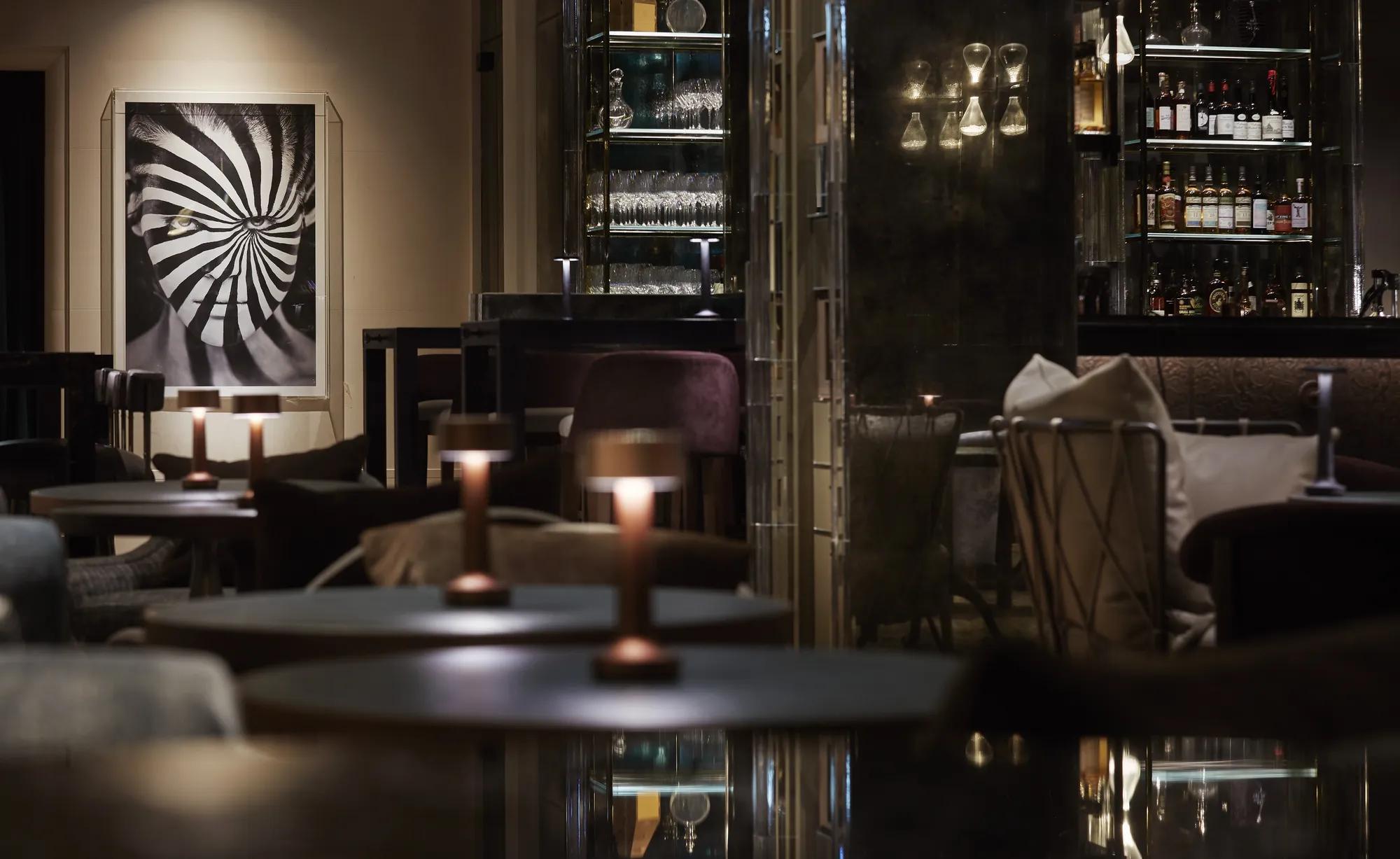
Hotels in Hong Kong
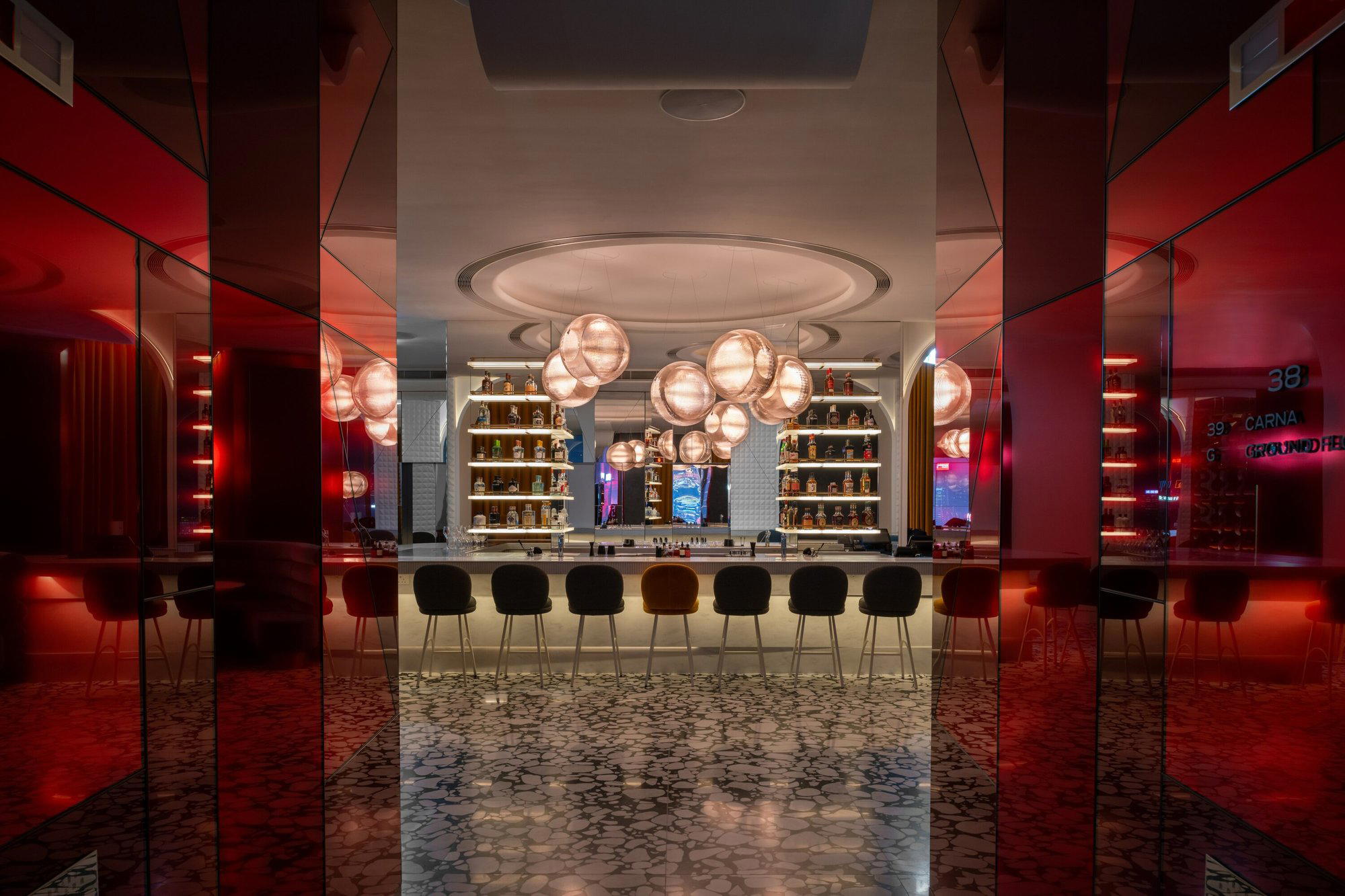
All hotels in Hong Kong →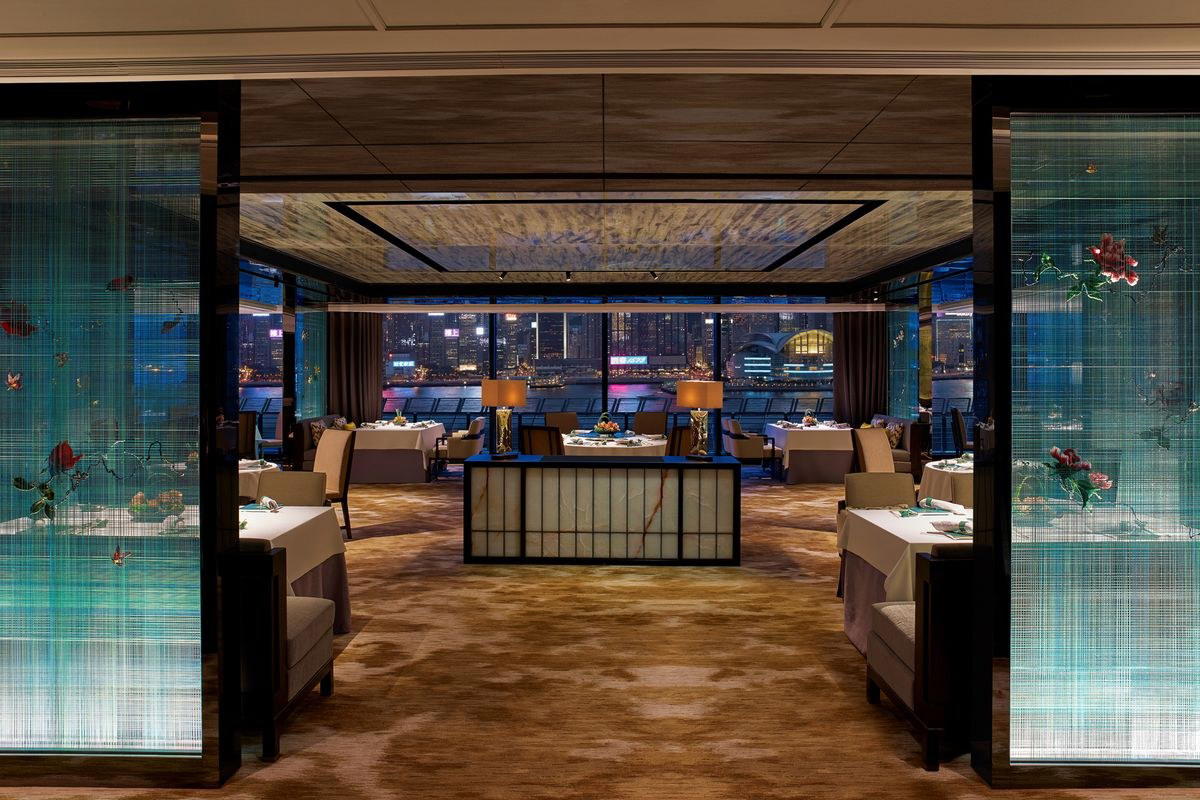
Wineries in Hong Kong
All wineries in Hong Kong →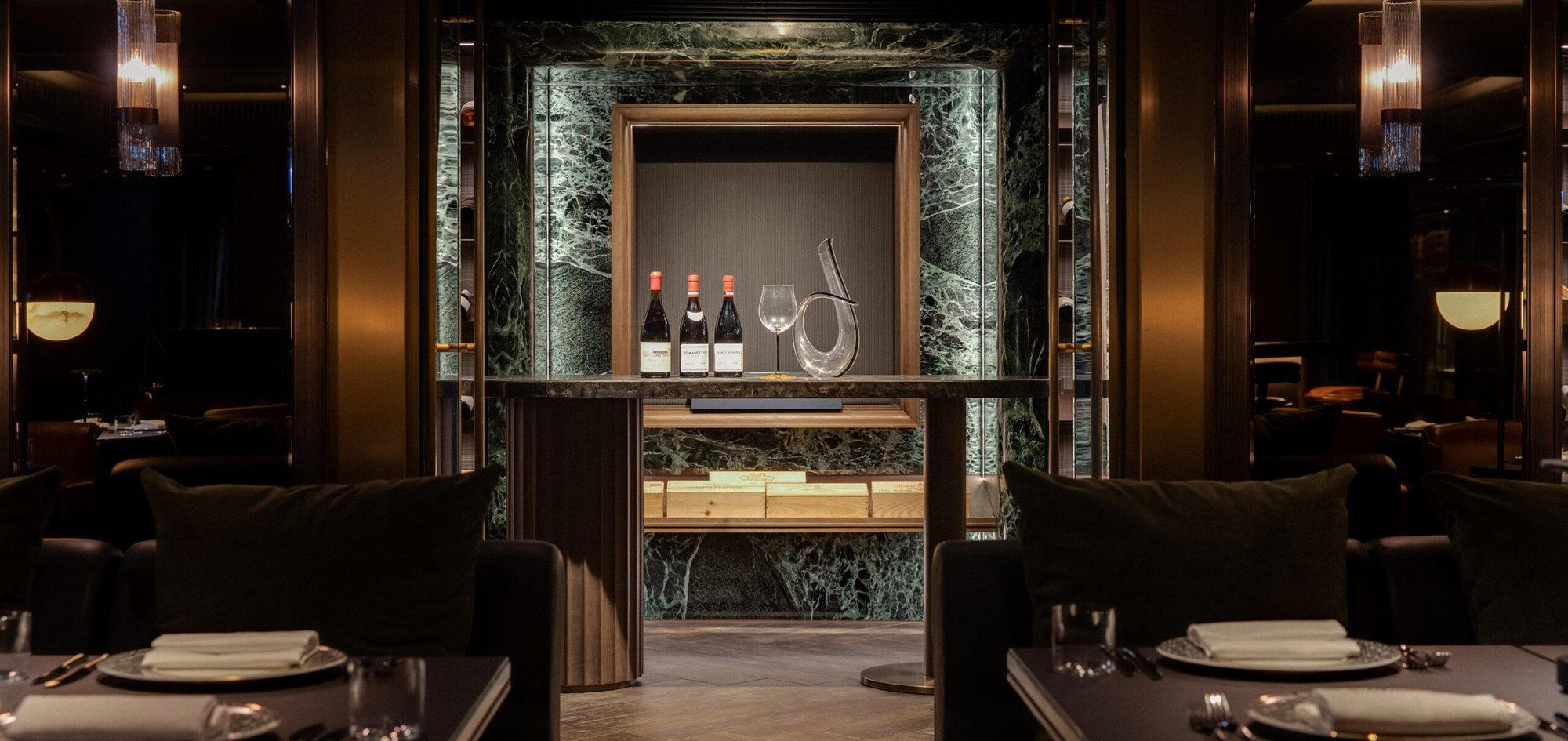
Details
- Elegant
- Classic
- Sophisticated
- Scenic
- Modern
- Business Dinner
- Date Night
- Family
- Celebration
- Private Event
- Waterfront
- Panoramic View
- Private Dining
- Terrace
- Waterfront
- A La Carte
- Set Menu
Current opening hours
- Monday
- 11:30 AM–10 PM
- Tuesday
- 11:30 AM–10 PM
- Wednesday
- 11:30 AM–10 PM
- Thursday
- 11:30 AM–10 PM
- Friday
- 11:30 AM–10 PM
- Saturday
- 11:30 AM–10 PM
- Sunday
- 11:30 AM–10 PM
Hours can change for holidays and private events. Hours as of .
Art Deco-inspired and refined, with nostalgic Old Shanghai styling, an elegant dining room, and a calmer, dressier atmosphere than the surrounding mall and waterfront options.